







Keypoints
- Seven Multilateral Development Banks pledged continued support to countries affected by the Middle East conflict.
- The crisis has triggered disruptions across energy markets, fertilizer markets, and global trade routes.
- Interventions will focus on preserving access to essential goods like food and agricultural inputs.
- The banks will provide fast-disbursing budget support and trade finance to ease heightened fiscal pressures.
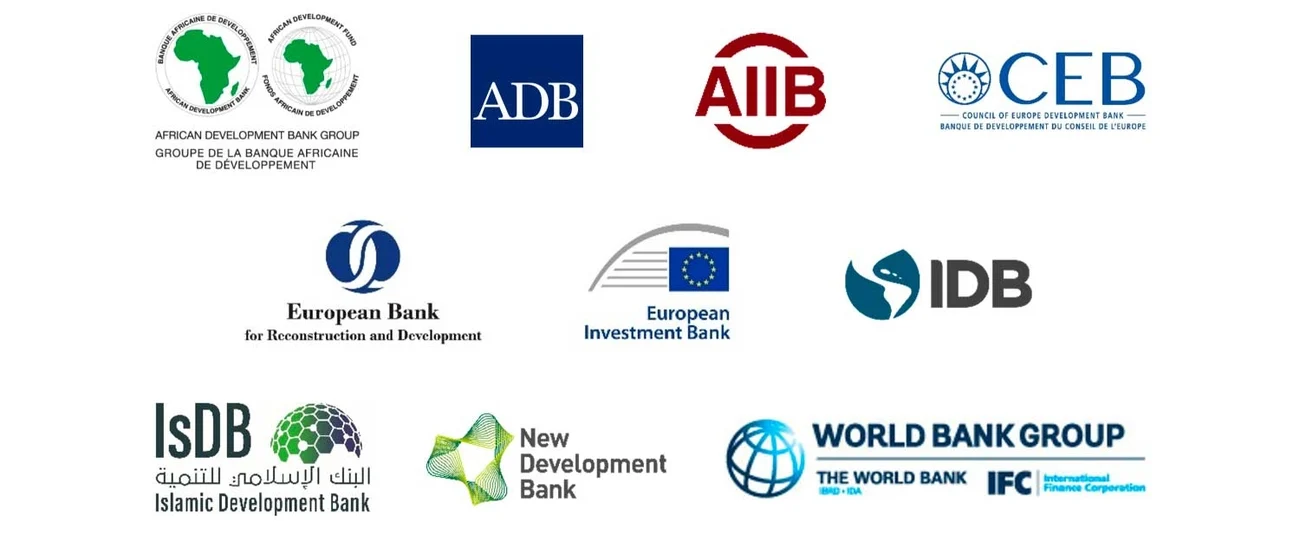
- The signatory institutions include the African Development Bank Group, Asian Development Bank, and the World Bank Group.
Main Story
Multilateral Development Banks have pledged their continued support to countries affected by the conflict in the Middle East, introducing targeted measures to cushion the economic and social impacts of the crisis.
The institutions have reported that the hostilities have triggered severe disruptions across global trade routes, energy markets, and fertilizer distribution networks.
These shocks have subsequently intensified pressures on inflation, food security, employment, and sovereign fiscal balances. Consequently, exposed countries and corporate clients have requested immediate intervention to shield vulnerable populations and fragile economies.
The coalition has indicated that their direct interventions have focused on preserving access to essential commodities like food and agricultural inputs for vulnerable economies.
They have expanded trade and supply chain financing to secure critical trade flows while delivering fast-disbursing budget support to governments facing intense fiscal strain.
However, the lenders have cautioned that these emergency measures must not compromise long-term economic resilience. Additionally, the banks have deployed emergency working capital and liquidity services to stabilize market-exposed enterprises and public utilities.
The Issues
- Conflict-driven market volatility creates severe disruptions across global trade routes and critical energy sectors.
- Vulnerable populations and fragile economies face compounding threats from rising domestic inflation and food insecurity.
- Heightened fiscal pressures on governments require immediate liquidity without compromising medium-term fiscal sustainability.
What’s Being Said
- The banks stated they are “uniquely positioned to combine financing, policy support, private sector instruments and technical expertise at scale to help countries manage shocks, sustain development gains and strengthen long-term resilience.”
- The institutions noted that support “would be provided in line with their respective mandates, strategies and operational models, with support from shareholders.”
- The statement noted that the banks will provide “working capital, liquidity and advisory services to firms, including micro, small and medium enterprises, utility companies and public sector clients affected by market volatility.”
- The groups added that policy advice and technical assistance will be designed to “preserve efficient resource use, maintain medium-term fiscal sustainability and strengthen economic governance, job creation and domestic resource mobilisation.”
- The coalition declared that “MDBs will coordinate closely and work with governments, development partners and the private sector to ensure fast, targeted, time-bound and fiscally sustainable responses.”
What’s Next
- The MDBs will implement vigilant monitoring of emerging risks, particularly food security concerns, to enable early warning and coordinated operational responses.
- The institutions will deploy targeted and time-bound interventions for vulnerable households and the most affected business sectors.
- The banks will support future investments aimed at enhancing resilience through diversification of energy sources and improved connectivity.
Bottom Line
The seven signatory MDBs are mobilizing financing, trade expansion, and budget support to shield vulnerable nations from the economic spillovers of the Middle East crisis, while insisting that emergency measures must protect long-term fiscal stability.