







KEY POINTS
- Dr. Emmanuel Eche, an economics expert, warns the Federal Government may face intense pressure to return to petrol subsidies.
- The Strait of Hormuz, a vital waterway for 20% of the world’s oil, has been effectively closed due to the U.S.-Israel-Iran conflict.
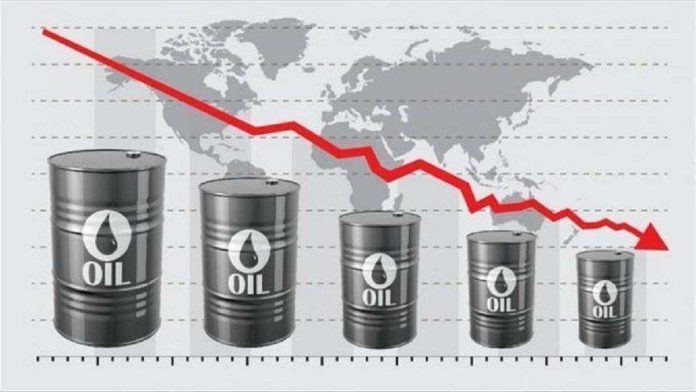
- While Nigeria benefits from higher crude prices (currently around $88–$90 per barrel), the cost of importing refined petrol is surging.
- Local pump prices have already jumped, with some outlets selling for as much as ₦1,300 per litre.
MAIN STORY
Nigeria is caught in a difficult economic tug-of-war as the closure of the Strait of Hormuz sends global oil markets into a spin. Dr. Emmanuel Eche, a Senior Lecturer at the Federal University, Wukari, explained on Tuesday that while Nigeria is earning more from its crude oil exports, the country is also paying much more for the petrol it imports.
Because the Strait, a narrow path between Iran and Oman—is blocked, one-fifth of the world’s daily oil supply is currently stranded.
The situation in the Middle East has left at least 3,000 ships and 20,000 sailors stuck. For Nigeria, this has meant that the price of Brent crude has stayed high, briefly crossing the $100 mark earlier this week before settling near $88–$90. Dr. Eche warned that this “oil price volatility” makes the Nigerian economy very vulnerable. As the cost of refined fuel rises globally, the pressure on the Naira increases, and inflation threatens to push the price of basic goods even higher.
Currently, NNPC Limited is selling petrol at about ₦1,081 per litre in some areas, but private stations in cities like Ibadan and Abuja have seen prices soar to between ₦1,250 and ₦1,350. Some experts even predict prices could hit ₦2,000 if the conflict doesn’t end soon. To protect citizens, Dr. Eche is urging the government to use its increased oil earnings to “cushion the impact” through subsidies or by tapping into strategic reserves.
WHAT’S BEING SAID
- “The government is likely to benefit from higher oil prices… however, there are also dangerous implications as Nigeria imports refined products,” said Dr. Emmanuel Eche.
- The International Maritime Organisation (IMO) confirmed that the closure is a “precautionary measure” due to the threat of strikes in the region.
- NNPC Limited and the Central Bank are being urged to adjust policies to manage the “inflationary pressures” caused by the crisis.
WHAT’S NEXT
- IEA Intervention: The International Energy Agency is monitoring the situation and may release emergency oil reserves to help stabilize global prices.
- Production Boost: Nigeria is looking to ramp up its own oil production, having recently exceeded its OPEC quota, to take advantage of the high prices.
- Price Watch: Marketers are keeping a close eye on the Dangote Refinery, which recently adjusted its gantry prices to ₦1,175, signaling that pump prices may stay high for the foreseeable future.
BOTTOM LINE
The Bottom Line is that Nigeria is in a “good news, bad news” situation. While the government is making more money from selling crude oil, everyday Nigerians are paying the price at the pump. Unless the government decides to step in with subsidies or the Middle East conflict cools down, the cost of living is likely to keep rising.