









By Boluwatife Oshadiya | May 8, 2026
Key Points
- Three US Arleigh Burke-class destroyers successfully transited the Strait of Hormuz despite Iranian missile, drone, and small boat attacks.
- US forces intercepted all threats with no damage to American vessels and conducted self-defense strikes inflicting significant damage on Iranian attackers.
- Incident highlights ongoing risks to global oil shipping through the critical chokepoint amid fragile US-Iran ceasefire and nuclear negotiations.
Main Story
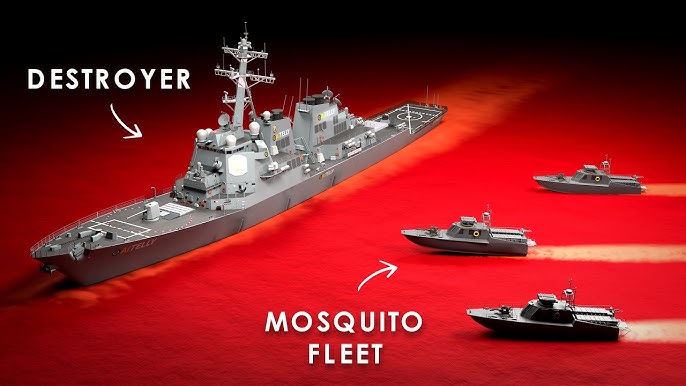
Three US Navy guided-missile destroyers — USS Truxtun (DDG-103), USS Rafael Peralta (DDG-115), and USS Mason (DDG-87) — came under Iranian attack while transiting the Strait of Hormuz on May 7, 2026, but sustained no damage, according to US Central Command (CENTCOM) and President Donald J. Trump.
Iranian forces, reportedly from the Islamic Revolutionary Guard Corps (IRGC), launched multiple missiles, drones, and swarms of small/fast boats in what the US described as unprovoked attacks as the destroyers moved toward the Gulf of Oman. US forces intercepted all inbound threats and responded with self-defense strikes targeting Iranian missile and drone launch sites, command-and-control locations, and intelligence nodes.
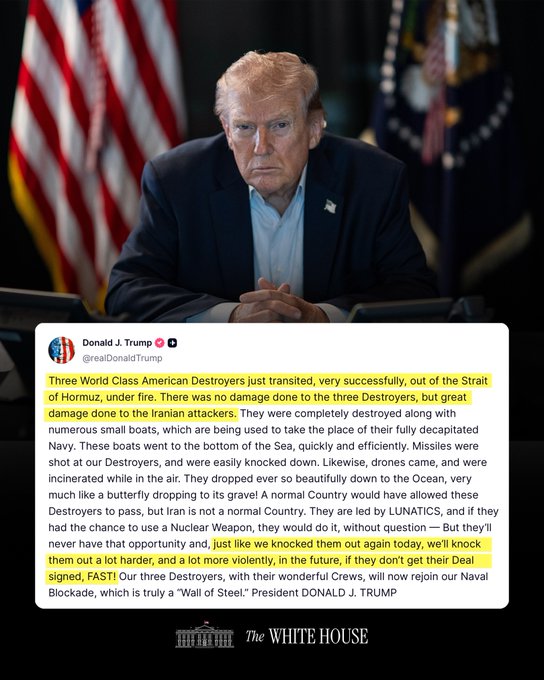
President Trump detailed the engagement in a Truth Social post, stating the destroyers transited “very successfully” under fire with “great damage done to the Iranian attackers,” including the destruction of numerous small boats. “Missiles were shot at our Destroyers, and were easily knocked down. Likewise, drones came, and were incinerated while in flight,” he wrote.
The incident occurs as part of broader US efforts under “Project Freedom” to protect commercial shipping and reopen the Strait of Hormuz, a vital chokepoint carrying about 20% of global oil and LNG transit. It follows earlier May clashes and tests a fragile ceasefire amid ongoing pressure on Iran over its nuclear program.
The Issues
The Strait of Hormuz remains a flashpoint for global energy security. Disruptions from the broader 2026 US-Iran-Israel conflict, including Iran’s effective blockade and attacks on infrastructure, have caused the largest oil supply shock in history, with significant shut-ins and elevated prices. For Nigeria, a major oil exporter, renewed volatility in this corridor directly affects export revenues, government budgets, and foreign exchange earnings at a time when global crude benchmarks remain sensitive to Middle East developments.
What’s Being Said
“Three World Class American Destroyers just transited, very successfully, out of the Strait of Hormuz, under fire. There was no damage done to the three Destroyers, but great damage done to the Iranian attackers… if they don’t get their Deal signed, FAST!” said President Donald J. Trump.
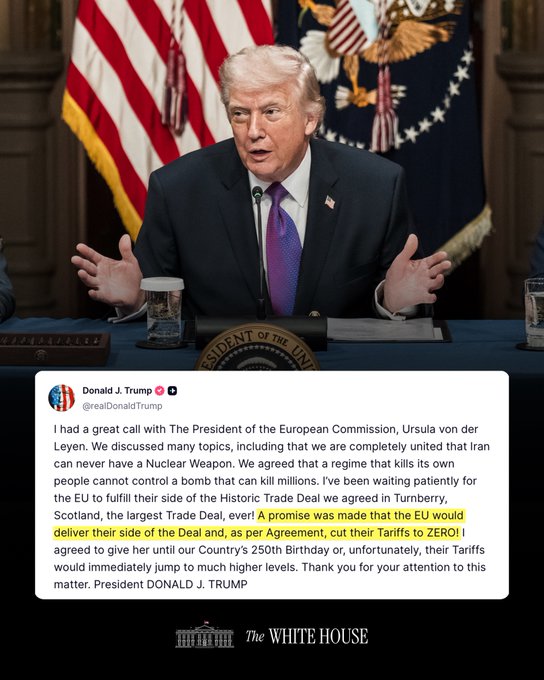
Trump also highlighted unity with European allies on the nuclear issue following a call with European Commission President Ursula von der Leyen: “We are completely united that Iran can never have a Nuclear Weapon. We agreed that a regime that kills its own people cannot control a bomb that can kill millions.” He pressed the EU on fulfilling a historic trade deal by July 4 or face higher tariffs.
CENTCOM confirmed the unprovoked nature of the attacks and US self-defense response. Iran has claimed retaliatory actions and alleged damage to US vessels, claims denied by the US.
What’s Next
The US destroyers are expected to rejoin naval operations supporting the blockade and shipping protection. Markets will monitor oil price reactions and any further escalation. Diplomatic efforts on Iran’s nuclear program and regional de-escalation continue, with potential implications for global energy flows.
The Bottom Line
Renewed clashes in the Strait of Hormuz underscore persistent risks to one of the world’s most critical energy arteries, even under a fragile ceasefire. For oil-dependent economies like Nigeria, this serves as a reminder of the need for diversified export routes and fiscal buffers amid geopolitical volatility in key supply chokepoints.




, USS Rafael Peralta (DDG-115), and USS Mason (DDG-87) — came under...)