Key points
- Nigeria’s economy expanded by 4.43 per cent in Q2 2026, up from 4.23 per cent a year earlier.
- President Bola Tinubu says the growth reflects the impact of economic reforms and improving investor confidence.
- The President says government will focus on converting stronger economic performance into improved living conditions.
Main story
President Bola Tinubu has described Nigeria’s 4.43 per cent economic growth in the second quarter of 2026 as evidence that his administration’s reforms are beginning to deliver results.
The National Bureau of Statistics (NBS) reported on Monday that real Gross Domestic Product (GDP) grew by 4.43 per cent in Q2 2026, compared with 4.23 per cent recorded in the corresponding quarter of 2025.
The expansion was recorded across agriculture, manufacturing, oil and gas, and services, with the services sector remaining the largest contributor to overall economic activity.
Nigeria’s aggregate GDP also increased in nominal terms to N119.27 trillion during the quarter, representing an 18.43 per cent rise from N100.7 trillion recorded in Q2 2025.
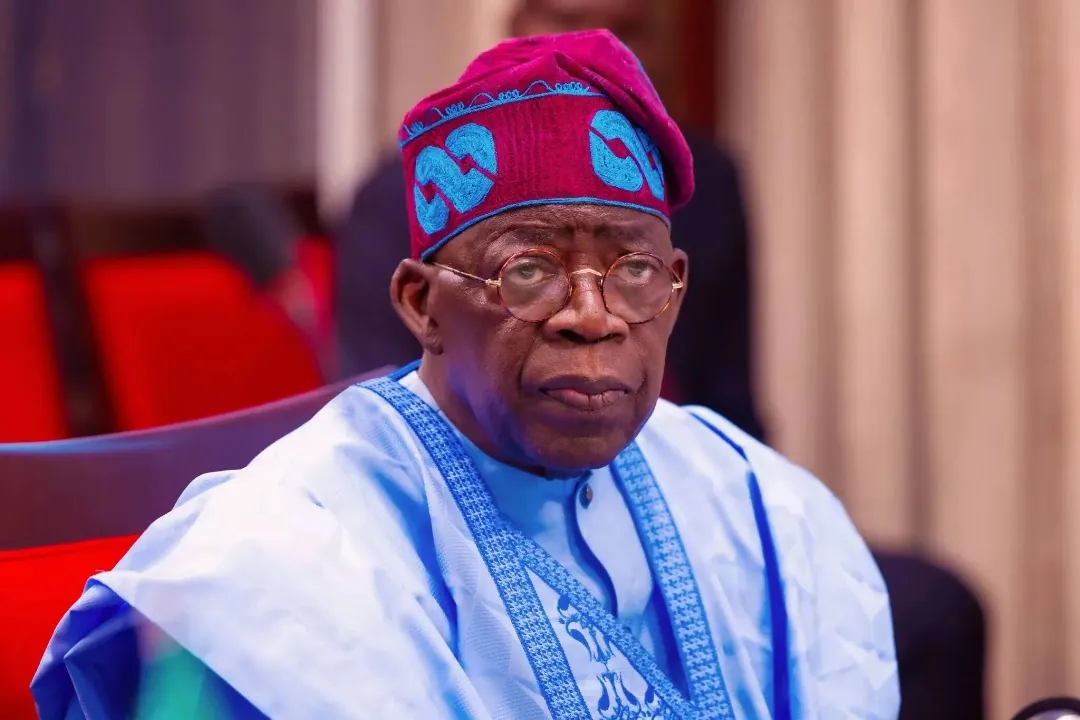
Tinubu, in a statement issued by his spokesperson, Mr Bayo Onanuga, in Abuja, said the figures showed that the difficult reforms implemented by his administration were creating the foundation for sustained economic growth.
He said the reforms had been introduced to stabilise the economy and establish conditions for long-term prosperity, rather than to deliberately impose hardship on Nigerians.
The President pointed to stronger foreign reserves, trade surpluses, improved credit ratings, infrastructure development and rising oil and gas production as further indications of an improving economic outlook.
He also said investors who had previously left Nigeria were returning, suggesting that confidence in the economy was recovering.
Beyond the headline economic figures, Tinubu cited developments in education and access to credit as areas where he said the reforms were expanding opportunities.
He noted that university students were benefiting from the Nigeria Education Loan Fund, while civil servants had access to affordable credit through the Credit Corporation.
The President nevertheless acknowledged that vulnerable Nigerians continued to face economic difficulties.
He said the government would therefore increase measures aimed at reducing the pressure on households, including cheaper transportation, higher food production and additional relief programmes.
Tinubu said the central challenge for the administration was now to ensure that improvements in macroeconomic indicators translated into better conditions for ordinary Nigerians.
He assured citizens that the government would continue with its reform programme while working to ensure that economic growth produced wider benefits.
The issues
The latest GDP figures provide the government with evidence of continued economic expansion at a time when its reform programme has faced criticism over its impact on citizens.
Tinubu is presenting the growth, alongside stronger reserves, improved credit ratings and increased investment activity, as evidence that the reforms are stabilising the economy.
The remaining challenge, however, is translating macroeconomic gains into improvements that households can directly experience through better purchasing power, access to opportunities and improved living standards.
What’s being said
“In the past three years, we tried to do the hard part by implementing the necessary reforms to stabilise the economy. Now the economy is stabilised, and we have laid the foundation for a prosperous nation.” — President Bola Tinubu
“We didn’t do the reforms to create challenges, but to ensure prosperity reaches all our people.” — President Bola Tinubu
“The results of the efforts are becoming very clear to all: The Renewed Hope Agenda is working.” — President Bola Tinubu
What’s next
The Federal Government says it will sustain its economic reforms while expanding measures intended to cushion vulnerable Nigerians.
The administration also plans to increase food production and implement additional relief programmes as it seeks to translate economic growth into improvements in citizens’ daily lives.
Bottom line
Nigeria’s economy grew faster in Q2 2026 than it did a year earlier, giving the Tinubu administration fresh evidence to support its claim that its economic reforms are working.
The bigger test for the government, however, will be whether the continued expansion translates into tangible improvements in household welfare and living standards.