






By Emmanuella Opara | November 4th 2026
KEY POINTS
- President Bola Tinubu says he worked as a taxi driver and took up other jobs in the United States to finance his university education.
- He disclosed that he postponed starting school for several months to save money.
- The President says NELFUND has provided more than N372bn in student loans.
- His administration has also reported 2.8 million applications for technical and vocational education programmes.
- Tinubu highlighted investments in medical education, teacher development and school enrolment.
MAIN STORY
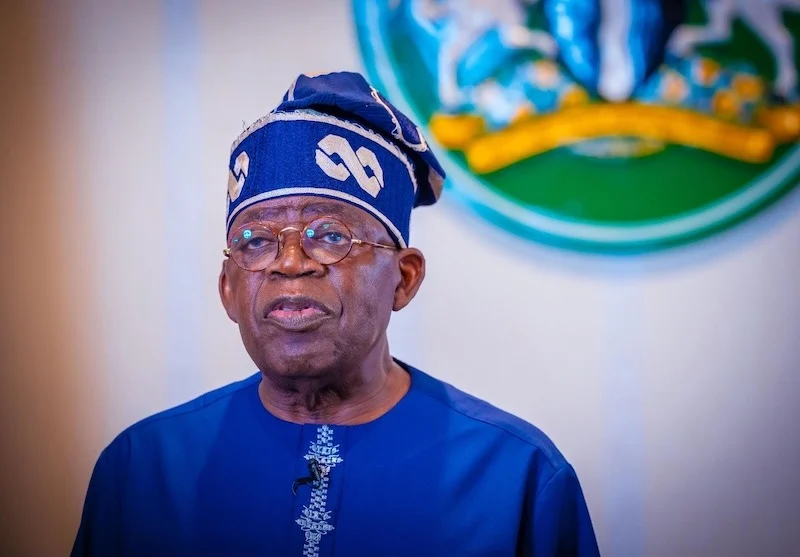
President Bola Tinubu has recalled working as a taxi driver and taking up different jobs in the United States to finance his university education, saying his personal experience with the cost of schooling influenced his administration’s efforts to expand access to education in Nigeria.
The President disclosed this in a post on his X account on Wednesday while outlining his administration’s reported achievements and ongoing reforms in the education sector.
Tinubu said he postponed starting school for several months after arriving in the United States because he needed time to save enough money to fund his education.
He explained that after eventually arriving in Chicago, he took up different jobs to meet his educational and living expenses.
“When I first arrived in the United States as a young man, I drove a taxi to earn money for my education. I even had to postpone starting school for several months to save enough,” he said.
The President added that his experience of struggling with tuition, accommodation and other expenses had shaped his belief that financial circumstances should not prevent children from accessing education.
Tinubu said the Nigerian Education Loan Fund had provided more than N372bn in student loans to support institutional fees and maintenance costs.
NELFUND was established under the Students Loans (Access to Higher Education) Act, 2024, signed by the President in April of that year. The scheme provides interest-free loans to eligible students in public tertiary institutions.
Under the arrangement, approved institutional fees are paid directly to schools, while upkeep allowances are transferred to beneficiaries’ bank accounts.
The law also removed the previous family income threshold and guarantor requirement for accessing the facility.
Beneficiaries are expected to begin repayment two years after completing the National Youth Service Corps programme. For employed beneficiaries, repayment is set at 10 per cent of their monthly salaries, deducted at source.
Tinubu also highlighted developments in technical and vocational education, disclosing that the programme had attracted more than 2.8 million applications, while 38 technical colleges had been rehabilitated.
He said students in federal and selected state technical colleges now benefit from free tuition, boarding, textbooks and uniforms.
On university education, the President announced that his administration had reached a new agreement with the Academic Staff Union of Universities, providing for a 40 per cent increase in academic staff remuneration and measures to improve stability in the country’s universities.
He maintained that students should be able to complete their programmes within the stipulated period, without unnecessary academic disruptions.
The President further disclosed that the government was investing N110bn in the rehabilitation of 24 medical schools as part of efforts to strengthen medical education.
According to him, annual nursing enrolment had increased from 28,000 to 115,000, while medical and dental enrolment rose from 5,000 to 12,000.
Tinubu also said more than one million children who were previously out of school had returned to learning, adding that his administration was investing in teacher development and expanding educational opportunities for girls.
He noted that a new national curriculum was being implemented to restore Nigerian History to classrooms.
The President commended the Minister of Education, Dr Tunji Alausa, the Minister of State for Education, Professor Suwaiba Sa’id Ahmad, and other members of the education team for their contributions to the reforms.
He also announced an interactive A–Z platform for the Nigeria Education Sector Renewal Initiative, designed to bring together information on reforms, programmes, achievements and opportunities across the education system.
Tinubu urged parents, students and teachers to visit edu4pbat.ng to explore available opportunities and provide feedback on challenges affecting education in their communities.
THE ISSUES
Tinubu’s account of financing his university education through employment in the United States provides the personal context for his administration’s emphasis on expanding access to education through financial assistance.
However, the wider challenge facing Nigeria’s education sector extends beyond access to student loans. The availability of funding, quality of teaching, infrastructure, uninterrupted academic calendars and the ability of graduates to secure employment remain important considerations in assessing educational outcomes.
The N372bn reported in student loans, alongside investments in technical colleges and medical schools, represents the scale of government support highlighted by the President. The impact of these interventions will ultimately depend on how effectively they improve access, learning conditions and opportunities for students.
WHAT’S BEING SAID
“Those experiences have stayed with me. I know what education made possible in my own life, and I believe every Nigerian child deserves that same opportunity, regardless of where they are born or what their parents can afford,” President Bola Tinubu said.
“A four-year course must take four years. Our young people deserve to complete their education on time and get on with their lives. Promise made, promise kept,” he added.
WHAT’S NEXT
The administration says it will continue implementing its education reforms through student financing, technical and vocational training, rehabilitation of medical schools, teacher development and curriculum changes.
The newly introduced education sector platform is also expected to provide information on government programmes and allow Nigerians to report challenges affecting schools in their communities.
BOTTOM LINE
Tinubu’s recollection of working multiple jobs to finance his university education has provided a personal dimension to his administration’s education agenda. His government has highlighted student loans, technical education and investments in medical training as key interventions, with their effectiveness ultimately depending on the opportunities and improvements they deliver to Nigerian students.