






Home Blog Page 90

How Investors Can Secure 18% Gains From The Nigerian Stock Market In Six Months

The Nigerian Exchange (NGX) has delivered a year-to-date return of 17.55%, reinforcing the stock market as a highly rewarding platform for wealth creation. Analysts suggest that any investment performing below this threshold may require a portfolio adjustment.

Although investing in equities carries risks, so does any aspect of life, experts argue. What truly matters is how investors position themselves to leverage opportunities. Many companies listed on the NGX have outperformed the benchmark index, providing returns that exceed the 18% mark within just half a year.

Meanwhile, Nigeria’s fixed-income market remains attractive, with Treasury bill yields hovering near 20% annually. The country’s dual strength in equities and fixed-income securities has proven effective in shielding investors from inflation, especially now that inflation is gradually moderating while interest rates stay elevated.

Market watchers advise that selective stock picking remains crucial, as many companies have been re-rated positively in line with improved macroeconomic fundamentals. Even low-cap “kobo stocks” are yielding strong returns for investors with smaller capital.

Analysts also caution that individuals without investments risk long-term financial stagnation. Building wealth, they note, requires channeling funds into passive income streams such as equities, bonds, or other investment vehicles that allow money to work on behalf of the investor.
US Tightens Visa Rules: Interviews Must Be Conducted In Country Of Residence

The United States Department of State has introduced a sweeping change to its visa application procedures, announcing that all non-immigrant visa applicants will now be required to attend interviews at the US Embassy or Consulate located in their country of nationality or residence.

This updated directive, which took immediate effect on September 6, 2025, was officially published on the State Department’s visa portal and replaces earlier guidelines on where applicants could schedule their visa interviews.

According to the Department, the policy is aimed at streamlining the application process and ensuring better oversight of visa adjudications, particularly as Washington continues to grapple with global backlogs and heightened security protocols.

Policy Details and Key Restrictions

In its release, the Department clarified that nationals of countries where the United States does not operate routine non-immigrant visa services will have to apply through specially designated embassies or consulates. These arrangements affect applicants from politically sensitive or conflict-ridden states such as:

  • Afghanistan: Islamabad, Pakistan
  • Belarus: Vilnius, Lithuania or Warsaw, Poland
  • Cuba: Georgetown, Guyana
  • Iran: Dubai, United Arab Emirates
  • Russia: Astana, Kazakhstan or Warsaw, Poland
  • Venezuela: Bogotá, Colombia
  • Yemen: Riyadh, Saudi Arabia

The Department further issued three critical points of caution for prospective applicants:

  1. Proof of Residency: Applicants must demonstrate legal residence in the country where they are submitting their application, especially if they are applying outside their nationality.
  2. Application Fees: Scheduling an interview in a country other than one’s residence or nationality could make approval more difficult. Application fees remain non-refundable and cannot be transferred.
  3. Longer Wait Times: Those applying outside their residence or nationality should expect substantially longer appointment delays.

Despite the new rules, previously scheduled appointments will not generally be cancelled, the Department assured. The policy also excludes diplomatic, NATO, and UN-related visa categories.

Exceptions, however, may be granted in cases of urgent humanitarian or medical needs, as well as for overriding foreign policy considerations. Applicants are encouraged to regularly check their local embassy or consulate’s website for updated requirements and wait times.

Implications for Nigerian Applicants

The new directive is expected to have significant consequences for Nigerian visa seekers. For many years, Nigerians who could not secure interview slots in Abuja or Lagos often turned to neighbouring countries such as Ghana, Cameroon, Namibia, or even far-off destinations like Canada and the Dominican Republic in order to expedite the process.

Under the updated framework, Nigerians—like all other applicants worldwide—are now required to undergo interviews exclusively within their country of residence or nationality.

Given Nigeria’s already lengthy wait times for visa appointments, the policy change could add new hurdles to an already challenging process, forcing applicants to adjust their strategies and timelines.

A Global Shift in US Visa Adjudication

This overhaul reflects Washington’s effort to modernise and tighten its visa processing system while balancing international demand with domestic security interests. By confining interviews to embassies and consulates in an applicant’s home country, US officials believe they can better manage resources, ensure consistency in decision-making, and limit loopholes that previously allowed applicants to “visa shop” across multiple regions.

For thousands of hopeful travellers, however, the change represents another layer of complexity in securing entry into the United States.

BBNaija Season 10: Three Housemates Evicted As Competition Tightens

The Big Brother Naija Season 10 reality show witnessed another dramatic eviction night as three contestants exited the house, reducing the number of housemates to 19.

The evicted contestants were Big Soso, Ivatar, and Doris, with each sharing their reflections on stage in a conversation with host Ebuka Obi-Uchendu.

Big Soso, the first to leave, said she felt “so good” about her journey despite her unexpected eviction. She humorously noted that her stay in the house made her gain weight, joking about her clothes no longer fitting.

Ivatar admitted that her once-solid bond with fellow housemate Mensan had broken down, citing a heated confrontation during last week’s eviction show. Reflecting on her time in the house, she described it as “a daily surprise” and confessed she enjoyed the overall experience.

Doris, on the other hand, expressed shock over her eviction, arguing that she contributed more than some remaining housemates. When asked about her relationship with fellow contestant Denari, she openly declared her admiration, saying she “absolutely loves” him and is eagerly waiting for his exit from the house.

Meanwhile, Ebuka continued his fashion tradition by channeling Nollywood legend Richard Mofe-Damijo (RMD) in his outfit for the night, which he proudly showcased on Instagram.

FSDH Reinforces Strategic Priorities, Exits PAL Pensions

FSDH Holding Company Ltd (FSDH) today announced a strategic decision to divest its 51% ownership of Pensions Alliance Limited (PAL Pensions) to Leadway Holdings, in a milestone transaction that reflects FSDH’s disciplined capital allocation strategy.

The transaction ensures PAL Pensions—already one of Nigeria’s largest PFAs with over ₦1 trillion in assets under management—enters its next phase of growth from a position of strength under new ownership.

As part of the transaction, Leadway Holdings has also agreed to acquire the 49% stake of African Alliance Insurance Plc in PAL Pensions, becoming the sole owner of PAL Pensions.

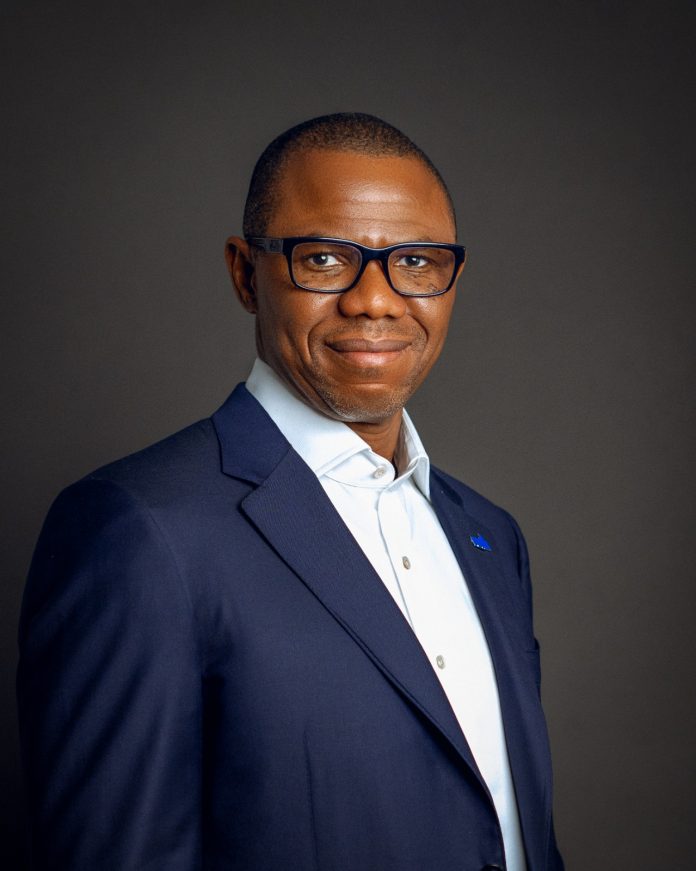
Commenting on the development, Segun Odusanya, Group Managing Director, FSDH, stated:
“This decision reflects our long-term strategy to sharpen portfolio focus and redeploy capital into areas where FSDH can generate superior growth—particularly merchant banking, capital markets, and asset management. It is a proactive, commercial move that underscores our confidence in PAL’s resilience and in Leadway’s capability to steward the business going forward.”

He further noted: “PAL Pensions is a profitable, competitive, and well-run business with a loyal customer base and proven track record. This transaction reflects constructive engagement between two leading Nigerian financial groups and shared commercial objectives.”

Sa’adu Jijji, Managing Director, PAL Pensions, added:
“Our transition into the Leadway family builds on PAL’s solid foundation of trusted retirement solutions, loyal customers, and a strong employee base. Customers and employees alike can expect continuity in leadership, seamless operations, and a renewed commitment to innovation and long-term value creation.”

Just this year, PAL Pensions celebrated its 20th anniversary, marking a major milestone with assets surpassing ₦1 trillion and reaffirming its place as one of Nigeria’s leading pension fund administrators.

With over three decades of leadership across merchant banking, capital markets, and asset management, FSDH continues to redeploy capital strategically into areas with the greatest growth potential. The divestment reflects its disciplined approach to building long-term value for stakeholders.

During the transition, PAL Pensions will continue to operate seamlessly under its new ownership, with no disruption to employees, customers, suppliers, or community initiatives, except as required by regulation.

The transaction remains subject to regulatory approvals. Both FSDH Group and PAL Pensions are committed to ensuring transparency and delivering value to stakeholders throughout and beyond the transition process.

Naira Strengthens As CBN Intervenes With Dollar Sales

The naira appreciated to ₦1,514 per dollar at the official foreign exchange market on Thursday, supported by improved dollar liquidity from the Central Bank of Nigeria’s (CBN) latest intervention.

Data from the CBN showed the spot rate closed at ₦1,514.87, firmer than the previous day’s ₦1,521.46. The appreciation followed the apex bank’s sale of $15 million to authorised dealer banks, aimed at easing demand pressures.

The development coincided with sustained growth in the country’s external reserves, which rose by $216.34 million week-on-week to $41.46 billion — the highest since November 2021, marking nine consecutive weeks of increases.

Market analysts attributed the gains partly to inflows from foreign portfolio investors participating in the CBN’s OMO auction, alongside contributions from exporters and non-bank corporates.

Despite the rebound, analysts at Cowry Asset Limited cautioned that renewed pressure could emerge toward the end of Q3, as demand for dollars typically rises due to import settlements and corporate obligations. They projected the naira to remain within a fragile stability band, with risks tilted toward mild depreciation unless oil prices recover strongly or FX supply improves further.

In the parallel market, the naira also firmed by 0.46 percent, closing at an average of ₦1,538/$1 compared with ₦1,545/$1 previously. The slight convergence between official and parallel rates reflected improved market liquidity, supported by steady remittance inflows and moderated demand.

Analysts, however, warned that sustaining the current stability may be difficult given Nigeria’s fragile external sector and volatility in global oil markets — the country’s key source of FX earnings.

FG Targets 10bn SCF Gas Output By 2030

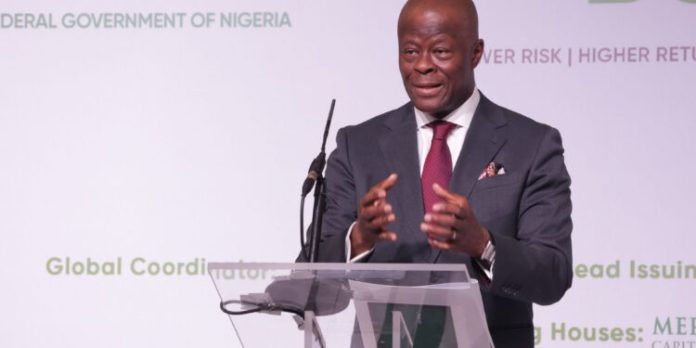
The Minister of Finance and Coordinating Minister of the Economy, Wale Edun, has restated Nigeria’s target of producing 10 billion Standard Cubic Feet (SCF) of gas daily by 2030. This was disclosed in Abuja on Thursday in a statement issued by Mohammed Manga, Director of Information and Public Relations at the ministry.

Edun, during a meeting with the management of Nigeria Liquefied Natural Gas Limited (NLNG), discussed key issues shaping the future of the country’s gas industry, including production targets, investment climate, and ongoing reforms.

He noted that Nigeria has made progress toward building a more competitive and investor-friendly environment, adding that President Bola Tinubu’s administration has stabilised the economy and opened new opportunities for both the manufacturing and energy sectors.

“As we implement comprehensive tax reforms, your input will be vital in shaping a more attractive business landscape,” Edun said.

NLNG CEO, Dr. Philip Mshelbila, provided updates on the company’s operations, highlighting stronger gas supply, improved security on the Trans-Niger pipeline, and increased capacity utilisation above 70 percent. He also pointed to progress on the Bodo-Bonny Road and called for an extension of the East-West highway under the tax credit scheme.

Mshelbila described the meeting as a milestone in Nigeria’s journey toward achieving its 2030 gas targets. “With renewed focus and determination, the country is poised to unlock its vast energy resources and drive economic growth in line with the Renewed Hope Agenda of President Bola Tinubu’s administration,” he said.

China Dismisses Trump’s Call For Economic Pressure Over Ukraine Conflict

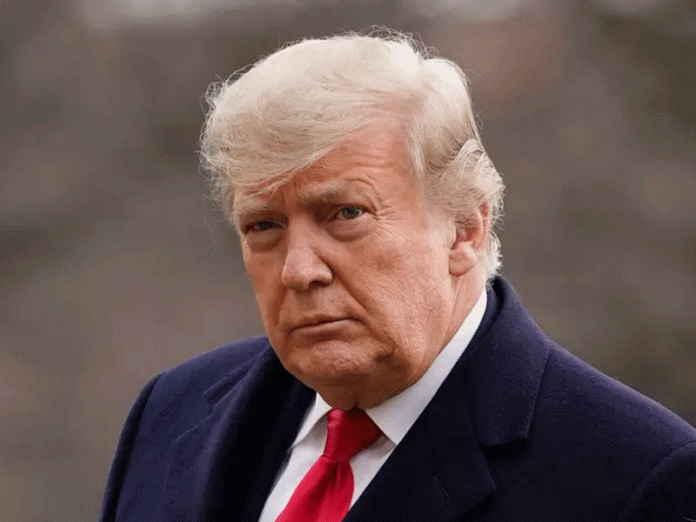
Beijing on Friday said it “strongly opposes” attempts to impose economic pressure on China, after U.S. President Donald Trump urged European leaders to target Beijing over its stance on the war in Ukraine.

China has avoided condemning Russia’s invasion or demanding a troop withdrawal, while many of Kyiv’s allies believe Beijing has provided Moscow with indirect support. Chinese officials maintain the country is a neutral party, calling for peace talks but blaming the West for fueling the conflict by supplying weapons to Ukraine.

During a video conference with European leaders in Paris on Thursday, Trump urged them to pressure Beijing and halt purchases of Russian oil “funding the war,” according to a senior White House official.

Responding to the remarks, Chinese foreign ministry spokesman Guo Jiakun said Beijing was “neither creator of this crisis nor a party to it.” He added: “We firmly oppose the practice of constantly dragging China into the matter, and we strongly oppose the imposition of so-called economic pressure on China.”

Beijing’s ties with Moscow have grown closer since both countries declared a “no limits partnership” shortly before Russia launched its full-scale invasion in February 2022. On Wednesday, President Xi Jinping stood alongside Vladimir Putin and North Korean leader Kim Jong Un at a military parade marking 80 years since the end of World War II — an image criticized by the European Union’s top diplomat.

China defended the gathering, saying the presence of “foreign guests” was to “work together with peace-loving countries and peoples to remember history.” When pressed on whether Beijing viewed Russia as a “peace-loving country,” Guo declined to give a direct answer.

Balanced Woman Initiative Marks First Anniversary, Urges Women To Lead In Nation-Building

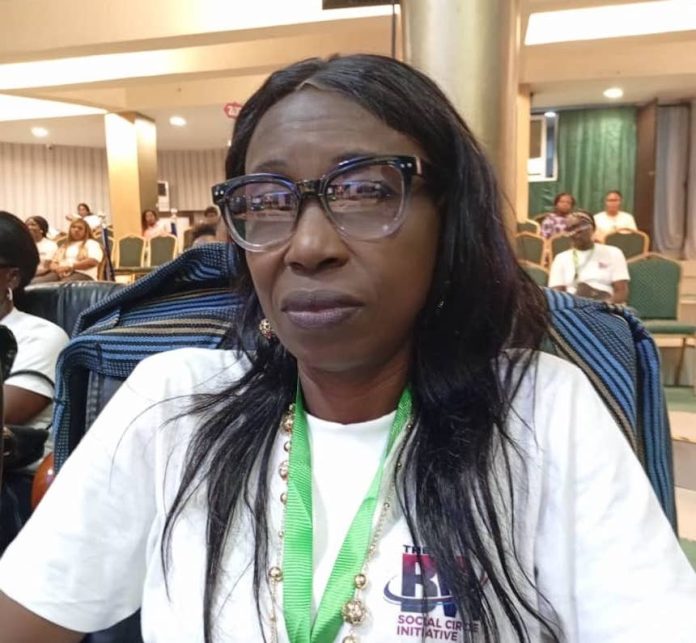
The Balanced Woman Social Circle Initiative (BW) has marked its first anniversary with a renewed call for women to embrace their role in shaping society through strong families, mentorship, and active participation in national development.

The anniversary conference, themed “The Role of Women in Nation Building,” was held at The Shepherd’s Flock Church in Ikeja with a hybrid audience joining both physically and virtually.

In her keynote address, BW Convener, Mrs. Joke Odumade, decried the suppression of women’s voices under cultural and religious practices, stressing the need for women to rise as change-makers. She said BW was founded to inspire women who are “bold, balanced, and blooming” while addressing real-life challenges such as widowhood, motherhood, and the importance of mentorship for younger women.

“The family is the bedrock of society. When homes are built on respect and shared responsibility, crime reduces and national healing begins,” Odumade said. “This is why BW is more than a women’s group—it is a nation-building initiative.”

Chairperson of the Planning Committee, Mrs. Temilade Aruya, described the anniversary as a celebration of impact and transformation, noting that BW has spent its first year equipping women to thrive across different spheres of life.

“This conference is a bold declaration that women are not spectators in nation-building. We are strategists, nurturers, innovators, and stabilisers,” she said.

The event reinforced BW’s mission to empower women as catalysts for stronger homes, healthier societies, and a more stable nation.

United Kingdom Government Delegation Visits Interswitch Group, Explores Collaboration Opportunities

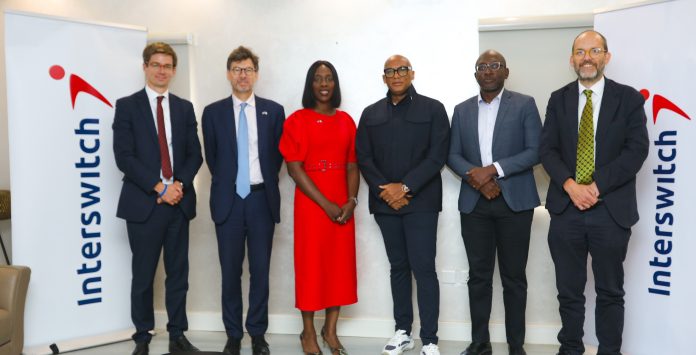
Interswitch Group, one of Africa’s leading integrated payments and digital commerce companies, recently hosted a high-level delegation from the British Deputy High Commission and the UK Government’s Department for Business and Trade (DBT) at its headquarters in Victoria Island, Lagos.

The visiting delegation, which was led by the British Deputy High Commissioner, Mr. Jonny Baxter, alongside the UK’s Trade Envoy to Nigeria, Florence Eshalomi MP;  Director General – Investments in Africa, Ceri Smith; His Majesty’s Deputy Trade Commissioner in Africa, Ben Ainsley; Country Director, Department for Business and Trade, Mark Smithson; Deputy Country Director/Investment Officer, Morayo Adekunle; and Private Secretary to the DG Investments, James Harding.

On the Interswitch side, the delegation was received by Mitchell Elegbe, Founder and Group Managing Director, Interswitch Group, joined by senior executives including Akeem Lawal Managing Director, Payment Processing and Switching (Interswitch Purepay) John Maguire, Group Chief Financial Officer; Chinyere Don-Okhuofu, Managing Director, Interswitch Industry Ecosystems (Interswitch Indeco); Vincent Ogbunude; Managing Director, Payment Tokens (Verve International); Ndifreke Nkose Executive Vice President, Strategy & Chief of Staff, and Adaobi Okerekeocha, Chief Innovation Officer.

Discussions during the visit centred on strengthening bilateral trade ties, exploring potential collaboration opportunities, and identifying avenues for partnership to support Interswitch’s international growth and expansion plans.

Speaking during the engagement, Mitchell Elegbe, Founder & GMD of Interswitch Group, highlighted the significance of partnerships in driving innovation and financial inclusion across Africa’s digital payments ecosystem.

“As we continue to scale our operations and deepen our impact across the continent, collaborations with global partners like the UK present invaluable opportunities to accelerate growth, expand access, and deliver transformative financial solutions,” he said.

The UK delegation also emphasized the UK government’s commitment to supporting strategic investments in Nigeria and fostering stronger trade relations between both countries, particularly in sectors such as technology, financial services, and digital infrastructure.

The visit underscores Interswitch’s role as a key player in Africa’s rapidly evolving digital economy and reaffirms the importance of international collaboration in unlocking sustainable economic growth.

Stanbic IBTC Insurance Brokers Set To Host Webinar On Marine And Goods-In-Transit Insurance For Businesses

As Nigerian businesses deal with rising supply chain risks, Stanbic IBTC Insurance Brokers, a member of Stanbic IBTC Holdings, will host a webinar on Wednesday, September  2025. Titled “Smart Insurance for Savvy Businesses: Understanding Marine and Goods-in-Transit Insurance,” this event aims to provide business leaders with practical strategies to protect their goods in transit and maintain operational continuity.

The webinar is designed to address the growing vulnerabilities businesses face in logistics and transportation, where theft, accidents, delays, and damage to goods often result in significant financial losses. By spotlighting Marine Insurance and Goods-in-Transit Insurance, Stanbic IBTC Insurance Brokers seeks to provide practical guidance to organisations on how to manage risk effectively while sustaining growth.

Speaking on the objective of the webinar, Anselem Igbo, Chief Executive, Stanbic IBTC Insurance Brokers, noted that proactive risk management in today’s business environment is a critical need to know. He said, “Uncertainty is a reality that businesses cannot ignore, especially when goods are in transit or crossing borders. At Stanbic IBTC Insurance Brokers, we believe that businesses should not merely react to disruptions but anticipate and prepare for them. This webinar will show business owners how the right insurance solutions can safeguard their operations, protect assets, and strengthen resilience,” the executive said.

The event will feature Mr. Austin Zelma Omoike, Administrative Manager at Boldars Plus Nigeria Limited, as the guest panellist. Drawing from his industry experience, Mr. Omoike will share practical perspectives on the risks businesses encounter in moving goods across Nigeria and internationally, and how insurance coverage can serve as a vital buffer.

With increased trade activity and the expansion of e-commerce, reliance on logistics and supply chains has grown significantly. However, many businesses, particularly small and medium enterprises (SMEs), remain unaware of how insurance solutions can protect them against unforeseen events. This knowledge gap often leaves enterprises exposed to financial shocks that can threaten the survival or hinder the growth of their businesses.

Through this knowledge-sharing initiative, Stanbic IBTC Insurance Brokers aims to bridge that gap; reinforcing its commitment to supporting Nigerian businesses. The organisation has consistently advocated for greater adoption of insurance as a strategic tool, positioning itself as a trusted partner for companies seeking stability in a volatile environment.

The session is open to entrepreneurs, SMEs, corporate executives, and professionals across all sectors, who wish to understand how insurance can strengthen their business resilience.

Interested participants are encouraged to register in advance at by clicking here to secure a spot.

Asian, European Stocks Climb Ahead Of U.S. Jobs Report

Asian and European stocks advanced on Friday, joining a global equity rally as investors awaited U.S. employment data expected to shape the Federal Reserve’s next interest rate decision.

London, Paris, and Frankfurt opened higher, while Tokyo, Hong Kong, and Shanghai also rebounded after recent volatility in Chinese equities. Reports of potential regulatory measures in China helped ease a sharp selloff that had rattled markets earlier in the week.

Analysts noted that weaker U.S. labor data released on Thursday, including higher-than-expected jobless claims and slowing private-sector hiring, fueled expectations of Fed rate cuts. “All eyes will be on Friday’s nonfarm payrolls report, with weak numbers likely boosting the probability of a rate cut,” said Victoria Scholar of Interactive Investor.

Meanwhile, government bond yields, which had spiked earlier in the week on debt concerns, edged lower. Japanese long-term yields also eased, though the Nikkei struggled to hold early gains. Gold consolidated near record highs as investors sought safe havens, while oil prices extended losses on supply concerns despite ongoing geopolitical risks.

Key Figures (Friday):

  • Tokyo – Nikkei 225: +1.0% at 43,018.75
  • Hong Kong – Hang Seng Index: +1.54% at 25,445.60
  • Shanghai – Composite: +1.24% at 3,812.51
  • London – FTSE 100: +0.3% at 9,240.84
  • Paris – CAC 40: +0.3% at 7,723.97
  • Frankfurt – DAX: +0.7% at 23,843.24
  • Euro/dollar: $1.1673 (up from $1.1649)
  • Pound/dollar: $1.3455 (up from $1.3437)
  • Dollar/yen: 148.24 (down from 148.45)
  • Brent Crude: -0.4% at $66.72
  • WTI: -0.5% at $63.15
  • Gold: Near record highs
  • New York – Dow: +0.8% at 45,621.29 (close)

NERC Moves To Add Surplus Solar Power Into National Grid

The Nigerian Electricity Regulatory Commission (NERC) has announced plans to implement a net metering framework that will allow consumers to export surplus solar power to the national grid for commercial value.

According to the commission, Nigeria’s solar adoption has grown rapidly in recent years. In 2023, solar panel imports were valued at over $200m, representing more than four million units, much of which were deployed for captive power generation. By the first quarter of 2025, imports had risen to ₦125.3bn, reflecting increased investment in renewable energy solutions across both rural and off-grid communities.

NERC disclosed that an additional 63.5 megawatts of solar capacity was installed in 2024, bringing the country’s total capacity to 385.7 MW. The growth, it said, has prompted calls from stakeholders to create a framework that allows excess energy to be injected into the national grid.

To this end, the regulator has developed draft regulations on net billing in line with Sections 46 and 48 of the Electricity Act 2023, which govern its consultations and rulemaking process. The draft guidelines are now open for public input until September 26, 2025.

“The commission is inviting stakeholders and the general public to review and submit comments on the draft net billing regulations, available on the NERC website,” the statement read.

CBN Creates Compliance Department To Tackle Financial Crimes, ESG Risks

The Central Bank of Nigeria (CBN) has established a dedicated Compliance Department to strengthen regulatory oversight and address emerging risks in the financial sector, including financial crimes, cybersecurity, and environmental, social, and governance (ESG) standards.

The new department, created in the first quarter of 2025 and fully operational from the second quarter, was announced in a circular signed by Olubunmi Ayodele-Oni. The move forms part of the apex bank’s broader structural reforms designed to consolidate supervisory roles, improve efficiency, and ensure targeted regulation of non-prudential risks.

Expanded Oversight Functions

The Compliance Department will now oversee four key areas:

Financial Crime Supervision — covering anti-money laundering (AML), counter-financing of terrorism (CFT), counter-proliferation financing (CPF), and sanctions compliance.

Market Conduct Supervision — including disclosure practices, complaint handling, and advertising standards.

Enterprise Security Supervision — focusing on cybersecurity, data protection, and third-party risk management.

Corporate Governance and ESG Supervision — assessing board effectiveness and compliance with ESG frameworks.

The CBN directed all regulated financial institutions to route future reports, correspondence, and inquiries on these areas to the Director of the Compliance Department, with further guidance on submission procedures to follow.

“The establishment of the Compliance Department is a strategic move to embed regulatory discipline and ensure robust oversight of non-prudential risks,” the circular stated.

Rising Fraud Risks

The development comes amid growing concerns over financial fraud in Nigeria. In July, CBN Governor Olayemi Cardoso disclosed that fraud incidents surged by 45 per cent within one year, with 70 per cent of losses linked to digital channels, particularly unregulated virtual asset platforms.

Cardoso, represented by Deputy Governor for Economic Policy Muhammad Sani Abdullahi at an EFCC public lecture, noted that while digital innovation has boosted financial inclusion, it has also introduced complex regulatory and security challenges.

Global Standards in Focus

In line with global reforms, the CBN recently directed all players in the payment ecosystem—including banks, mobile money operators, switching companies, and super agents—to complete migration to the ISO 20022 payments messaging standard and implement geo-tagging of payment terminals by October 31, 2025.

The apex bank reaffirmed its commitment to collaborating with financial institutions to ensure a smooth transition and maintain the highest standards of regulatory compliance.

Nigeria, China Strengthen Ties In Marine Sector

FG, China To Develop Renewable Energy Research Centre

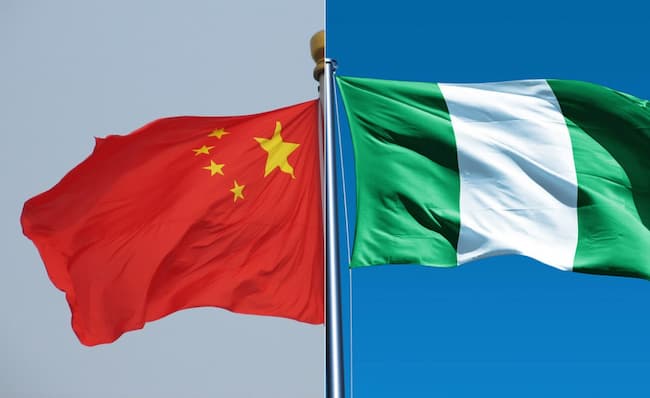
Nigeria and China have reaffirmed their commitment to deepening cooperation in the marine and blue economy sector, with a focus on port development, shipping, and aquaculture trade. The pledge was made during a meeting on Thursday between the Minister of Marine and Blue Economy, Adegboyega Oyetola, and the Chinese Ambassador to Nigeria, Yu Dunhai, at the ministry’s headquarters in Abuja.

Oyetola underscored Nigeria’s maritime potential, citing its 853-kilometre Atlantic coastline and over 10,000 kilometres of inland waterways. He noted that the sector offers vast opportunities in shipping, fisheries, renewable ocean energy, marine tourism, and coastal infrastructure. “We believe Nigeria has much to learn from China’s successful marine and blue economy development model,” he said.

Ambassador Yu praised Nigeria’s endowments and highlighted the Lekki Deep Seaport—built by China Harbour Engineering Company—as a flagship project that has boosted trade capacity, created jobs, and eased congestion at Lagos ports. He further disclosed that discussions are underway to enable Nigerian aquaculture exports to China, supported by zero-tariff access for local producers.

In addition, both countries have signed a $2bn maritime investment deal designed to boost indigenous vessel ownership and position Nigeria as a regional maritime hub. The initiative is expected to deliver $20bn in freight contracts for Nigerian operators, $200m for maritime training, and $50m for training vessels. It also aims to generate over 2,000 jobs annually, train 25,000 globally certified seafarers, and strengthen the local shipping industry.

Oyetola expressed optimism that the renewed partnership would unlock new investment opportunities, adding that Nigeria’s marine and blue economy “holds tremendous potential for growth with the right partnerships in place.”

FG Moves To Secure Fresh $1.75bn Loan From World Bank

Nigeria Ready To Welcome All Citizens - Tinubu
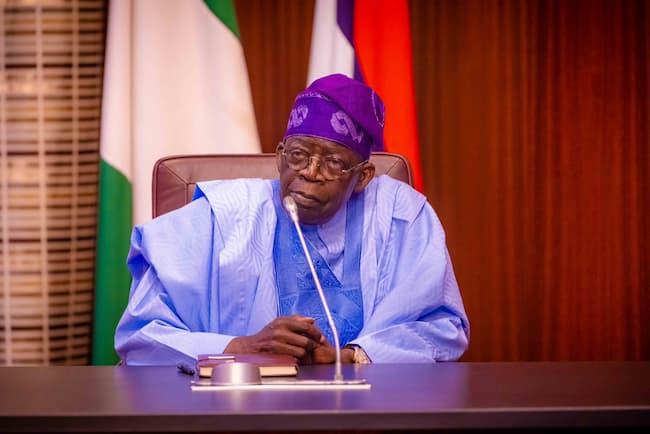
President Bola Ahmed Tinubu

The Federal Government is seeking fresh borrowing from the World Bank, even after reporting a 40.5% increase in revenues in the first eight months of 2025. Official figures showed total collections rose to ₦20.59tn between January and August, compared to ₦14.6tn in the same period last year. Non-oil revenue now accounts for 75% of the total, reflecting stronger diversification.

Despite these gains, fiscal pressures remain, particularly around infrastructure and capital spending. On Wednesday, contractors under the All Indigenous Contractors Association of Nigeria protested at the Ministry of Finance in Abuja, demanding payment of about ₦4tn for projects executed in 2024.

To bridge the gap, Nigeria is expected to access $1.75bn in World Bank financing before year-end. The loans will support key projects in agriculture, health, digital infrastructure, and MSME financing, including:

  • Sustainable Agricultural Value-Chains for Growth – $500m (approval expected December 11, 2025)
  • Building Resilient Digital Infrastructure for Growth – $500m (approval due October 31, 2025)
  • Health Security Programme, Phase II – $250m (approval expected September 30, 2025)
  • Fostering Inclusive Finance for MSMEs – $500m (approval targeted December 18, 2025)

These new commitments come on top of $8.4bn in World Bank loans already secured by Nigeria between mid-2023 and August 2025 across energy, education, healthcare, rural infrastructure, and governance.

Data from the Debt Management Office shows Nigeria’s debt to the World Bank rose to $18.23bn as of March 2025, up from $17.81bn at the end of 2024. This represents nearly 40% of the country’s total external debt stock of $45.98bn, with the concessional International Development Association accounting for the bulk.

Economists remain split on the strategy. Some argue concessionary loans with low interest and long tenors can drive growth if tied to viable projects. Others caution that rising debt—estimated at ₦149tn and projected to approach ₦180tn—could crowd out public services, worsen inflation, and heighten exchange rate risks unless backed by stronger domestic revenue mobilisation and disciplined spending.

Zenith Bank Set To Launch Ivory Coast Operations As Regional Expansion Accelerates

Zenith Bank Plc has announced plans to commence operations in Ivory Coast this year, marking the next phase of its African expansion drive, supported by a significantly strengthened capital base.

The bank’s Head of Strategy, Olukayode Akinbinu, disclosed that Zenith is pursuing both greenfield investments and acquisitions across West and Central Africa, with Ivory Coast as the immediate priority and Cameroon expected to follow shortly.

Akinbinu noted that 40 per cent of the N350.5 billion the lender raised earlier this year—through an oversubscribed hybrid offer aimed at meeting the Central Bank of Nigeria’s new capital requirements—will be channelled into its international growth strategy.

Following the capital raise, Zenith’s capital base surged to N614.65 billion, representing a 160 per cent capitalization level. The boost, according to the bank, provides the financial strength to expand into high-growth markets and consolidate its position as one of Africa’s leading financial institutions.

Zenith’s expansion into Ivory Coast is expected to deepen the bank’s presence in Francophone Africa, where demand for cross-border financial services is on the rise.

Nigerian Stock Market Rebounds, Investors Add N521bn In Value

NGX Records N60bn Trading

Equity investors on the Nigerian Exchange (NGX) gained ₦512 billion on Thursday as the market rebounded from three consecutive sessions of losses, with key indicators advancing 0.60% ahead of the Eid-ul-Mawlid holiday.

Renewed buying interest in recently moderated medium- and large-cap stocks such as Ellah Lakes, Honeywell Flour, AIICO, and Transcorp helped lift the market.

The All-Share Index (ASI) climbed 823.67 points to close at 138,980.83, while market capitalization rose by ₦521.15 billion to ₦87.94 trillion. Market turnover was mixed, with total volume soaring 273.96% but value declining 20.21%.

Atlass Portfolio Limited reported that 1.81 billion units worth ₦15.70 billion were exchanged in 24,397 deals. Sovereign Trust Insurance (SOVRENINS) dominated trading, accounting for 77.91% of total volume and 26.40% of total value, followed by Nigerian Breweries, Fidelity Bank, Zenith Bank, and Universal Insurance.

Top gainers included Ellah Lakes and Veritas Kapital (+10.00% each), Honeywell Flour (+9.95%), Royal Exchange (+9.94%), Mansard (+9.94%), and Prestige Assurance (+9.88%). On the flip side, Austin Laz led the laggards with a -9.75% drop, alongside Neimeth (-8.33%), Champion Breweries (-4.15%), Unilever (-4.11%), and Tantalizers (-3.36%).

Market breadth closed positive with 41 advancers against 12 decliners. Sectoral performance also leaned bullish as insurance surged 6.73%, consumer goods gained 1.54%, banking advanced 0.98%, and oil & gas edged up 0.03%. The industrial goods sector closed flat.

SEC Reviews Rules For Quantum-Proof Crypto Security

The U.S. Securities and Exchange Commission (SEC) is reviewing a proposed framework designed to protect digital assets from emerging quantum computing threats. The blueprint, titled the Post-Quantum Financial Infrastructure Framework (PQFIF), was authored by Daniel Bruno Corvelo Costa and submitted to the SEC’s Crypto Assets Task Force.

The proposal outlines a strategic and technical roadmap for transitioning the cryptographic foundations of assets such as Bitcoin and Ethereum to quantum-resistant standards. It warns that cryptographically relevant quantum computers (CRQCs) could eventually break public-key encryption methods like ECDSA, which underpin much of today’s digital asset ecosystem, potentially exposing trillions of dollars in value to risk.

A key concern raised is the “Harvest Now, Decrypt Later” strategy, where adversaries stockpile encrypted data to unlock once quantum capabilities mature. The paper stresses that this poses a direct threat to market integrity, investor protection, and the operational security of exchanges and custodians.

The PQFIF recommends a structured transition to quantum-resistant cryptography, built around core pillars such as:

  • Automated Vulnerability Assessment (AVA): Identifying exposures in exchanges, wallets, custody systems, and institutional infrastructure reliant on vulnerable public-key cryptography.
  • Risk-Based Migration Planning: Prioritising critical systems—including custody solutions under SAB 121 and market infrastructure governed by Regulation SCI—for urgent upgrades.

The SEC is considering the PQFIF as a potential resource to guide future rulemaking, regulatory guidance, and collaboration with market participants. Industry and regulators alike are increasingly recognising the urgency of coordinated responses to quantum risks.

As quantum computing moves closer to practical application, the SEC’s evaluation of the PQFIF could represent a pivotal step toward strengthening the resilience and integrity of global digital asset markets in the quantum era.

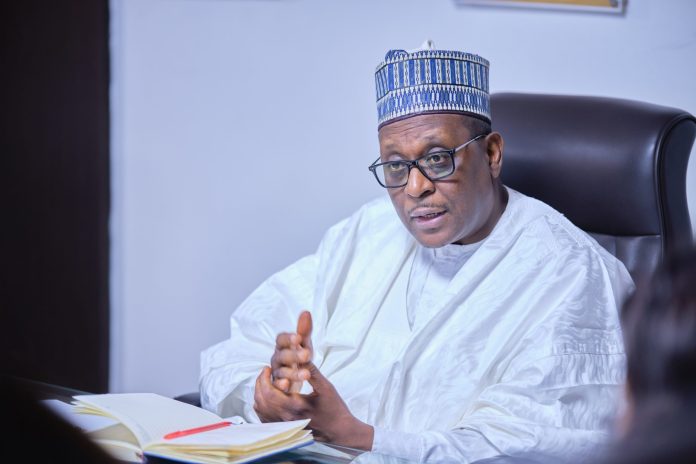
Health Minister Urges States, LGs To Step Up Healthcare Funding Amid Decline In Foreign Aid

Minister of Health and Social Welfare, Prof. Muhammad Ali Pate, has called on federal, state, and local governments to take greater responsibility for financing and strengthening Nigeria’s healthcare system as foreign aid dwindles.

Speaking yesterday in Abuja at the National Health Financing Policy Dialogue organised by the National Health Insurance Authority (NHIA), Pate warned that households are bearing an unsustainable share of healthcare costs, with out-of-pocket expenditure exceeding 70 per cent.

He expressed concern that only about 10 per cent of Nigerians are covered by health insurance, with wide regional disparities, while counterpart funding for the Basic Healthcare Provision Fund (BHCPF) remains inconsistent, often delayed or unreleased.

Pate also highlighted accountability gaps in the system, noting challenges in tracking funds and linking them to measurable health outcomes. He stressed that high financing costs and regulatory bottlenecks continue to discourage private-sector investment in healthcare.

Despite these challenges, the minister said Nigeria’s fiscal position has improved significantly. He revealed that the country’s consolidated fiscal deficit shrank from 5.4 per cent of GDP in 2023 to 3.0 per cent in 2024, buoyed by a surge in government revenues—from N16.8 trillion in 2023 (7.2 per cent of GDP) to N31.9 trillion in 2024 (11.5 per cent of GDP). He noted that while the federal government recorded strong gains, state governments on aggregate achieved a fiscal surplus, though performance varied widely.

Also speaking, the Minister of Budget and Economic Planning, Senator Abubakar Atiku Bagudu, said the government has introduced mechanisms to attract more investment into the health sector. He acknowledged, however, that the combined resources from both public and private sectors remain far below what is needed to cater to Nigeria’s population of more than 220 million.

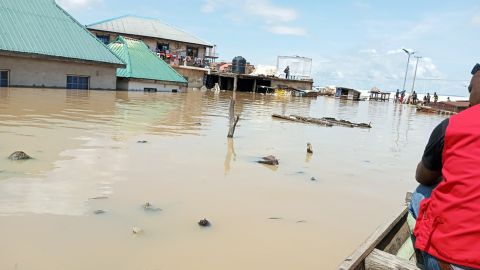
FG Issues Five-Day Flood Alert In 14 States

The Federal Government has warned that 14 states across Nigeria are at risk of flooding between Thursday, September 4, and Monday, September 8, 2025, following forecasts of heavy rainfall in 43 locations nationwide.

The alert was issued yesterday by the National Flood Early Warning Centre of the Federal Ministry of Environment and signed by the Director of the Erosion, Flood and Coastal Zone Management Department, Usman Abdullahi Bokani.

According to the statement, vulnerable areas include parts of Ebonyi (Afikpo), Cross River (Edor, Ikom, Itigidi, Akpap), Kano (Gwarzo, Karaye), Zamfara (Anka, Gummi, Kaura Namoda, Maradun, Shinkafi, Bukkuyum), Taraba (Dampar, Duchi, Garkowa, Gassol, Gembu, Kambari, Mayo Ranewo, Mutum Biyu, Bandawa, Ngaruwa), Abia (Eziama, Umuahia), Yobe (Geidam, Kanama, Potiskum) and Plateau (Langtang, Shendam, Wase).

Others are Borno (Ngala), Imo (Okigwe, Otoko), Niger (Sarki Pawa), Sokoto (Sokoto, Wamakko, Isa, Shagari, Makira), Kaduna (Kafanchan), and Akwa Ibom (Oron).

The ministry noted that climate change and poor drainage infrastructure have heightened the risks for many communities, urging state governments and residents to take precautionary measures.

In Lagos, Commissioner for Waterfront Infrastructure Development, Dayo Alebiosu, speaking ahead of the state’s maiden Waterfront Summit scheduled for September 11 on Victoria Island, warned of growing threats to the Lagoon. He said coastal erosion had already wiped out Idotun Village in Ibeju-Lekki, displacing residents and destroying livelihoods, while similar challenges were being recorded in other West African countries.

The summit, themed “Pressure on the Lagoon: The Lagos Experience,” will convene over 500 global experts to seek sustainable solutions to rising sea levels and erosion.

Meanwhile, in Abuja, the Minister of Budget and Economic Planning, Senator Abubakar Bagudu, signed exchange notes on financial assistance with the Chinese Ambassador to Nigeria, Yu Dunhai. The support, Bagudu said, would strengthen government’s relief and recovery efforts in flood-affected communities.

“We firmly believe that today’s signing ceremony will open new avenues for collaboration, strengthening our strategic partnership for the mutual benefit of our peoples,” Bagudu stated, adding that the funds would be managed transparently under a joint monitoring mechanism with the Chinese Embassy.

Ambassador Dunhai reaffirmed China’s solidarity with Nigeria, recalling recent flooding in both countries, and pledged continued cooperation in disaster response.

BizWatchNigeria.Ng
Privacy Overview

This website uses cookies so that we can provide you with the best user experience possible. Cookie information is stored in your browser and performs functions such as recognising you when you return to our website and helping our team to understand which sections of the website you find most interesting and useful.