







Home Blog Page 89

Euro And French Bonds Face Pressure As Political Instability Deepens In Paris

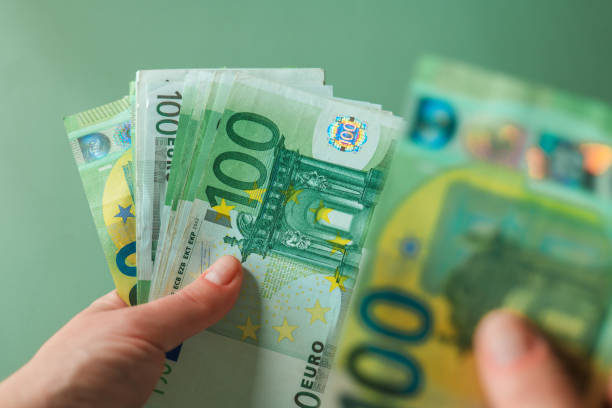
salary of a woman. euro banknotes in hands on a green background. Income of women in European countries

The euro and French government bonds are bracing for heightened volatility as France confronts yet another political showdown that could unseat Prime Minister François Bayrou’s fragile minority administration.

The euro slipped from a five-week peak against the U.S. dollar as investors booked profits and scaled back exposure ahead of a critical confidence vote in Paris. The vote is seen as a make-or-break moment for Bayrou, whose austerity-driven budget faces resistance across the political spectrum.

Bayrou’s proposed €44 billion fiscal package—designed to reduce France’s budget deficit from 5.8% of GDP in 2024 to 4.6% by 2026—includes sweeping spending freezes, tax hikes, and controversial measures such as eliminating two public holidays. The plan has drawn criticism from both left- and right-wing parties, raising the likelihood of defeat in parliament.

“If Bayrou fails to secure support, France could witness the collapse of its government for the second time in less than a year,” warned Nigel Green, CEO of financial advisory firm deVere Group. “The political risk is very real, and the implications extend well beyond Paris. This is not only about fiscal credibility—it’s about Europe’s stability.”

French bond yields already reflect investor caution. The 30-year yield briefly spiked last week before easing, currently standing at 4.35%, while the 10-year benchmark sits at 3.43%. Analysts fear that continued political paralysis could push yields higher, worsening financing conditions for an economy already weighed down by sluggish growth, heavy public debt, and EU budget constraints.

Green emphasized: “The bond market is flashing amber. Investors are demanding higher compensation to hold long-term French debt because the political landscape is so uncertain.”

If Bayrou loses the confidence vote, President Emmanuel Macron would be forced to appoint his fifth prime minister in under two years, underscoring the fragility of France’s political system. Macron’s snap parliamentary election last year, intended to clarify the power balance, instead deepened divisions and left France with a cycle of weak minority governments unable to secure lasting consensus.

The turmoil in Paris is expected to reverberate across the eurozone, with traders warning that the euro could face renewed scrutiny. Divergent growth and inflation trends have already weighed on the common currency, and the risk of France becoming politically rudderless adds to investor unease.

“Currency markets dislike uncertainty, and France is delivering plenty of it right now,” said Green. “We anticipate heightened volatility in the euro as traders reassess European risk. Political instability in one of the eurozone’s largest economies undermines confidence, particularly as the European Central Bank navigates sensitive decisions on inflation and growth.”

Should Bayrou’s administration collapse, France could face either fresh elections or prolonged coalition talks, prolonging instability and spooking international investors. For now, both the euro and French sovereign debt remain trapped in the uncertainty of a pivotal parliamentary test that could reshape the balance of power in Europe.

Oil Prices Surge Amid Russia-Ukraine Conflict And OPEC+ Supply Cuts

Global oil markets climbed sharply on Monday as intensifying Russia-Ukraine hostilities reignited fears of supply disruptions, compounded by a modest production increase from the Organisation of Petroleum Exporting Countries and its allies (OPEC+).

Brent crude futures advanced 1.3% to $66.34 per barrel, up from $65.45 at the previous close, while U.S. West Texas Intermediate (WTI) crude gained 1.4%, trading at $62.60 per barrel from Friday’s $61.70.

The price rally followed Moscow’s largest air assault on Ukraine since the war began, escalating geopolitical tensions and raising expectations of tougher sanctions. According to Ukrainian President Volodymyr Zelenskyy, Russian forces deployed over 800 drones, alongside four ballistic and nine cruise missiles, targeting Kyiv in an unprecedented strike. The Ukrainian Air Force reported most drones were intercepted, but at least 54 UAVs and nine missiles hit the capital, including a direct strike on a government building.

Speaking before his departure to New York, U.S. President Donald Trump warned he was prepared to escalate sanctions against Russia. European Council President Antonio Costa confirmed the bloc was accelerating plans for additional measures and would send a delegation to Washington to coordinate policy.

Traders fear that prolonged conflict and mounting sanctions could deepen global supply concerns, supporting higher crude prices. At the same time, Trump’s sanctions rhetoric injected uncertainty into demand forecasts, stoking concerns about weaker global economic growth.

Adding to supply-side pressures, OPEC+ agreed to a smaller-than-anticipated production increase of 137,000 barrels per day (bpd) beginning in October. The decision, driven by major producers such as Saudi Arabia, Russia, Iraq, the UAE, Kuwait, Kazakhstan, Algeria, and Oman, undershot market expectations, which had anticipated a more significant boost.

The alliance had previously raised output by 547,000 bpd in September and 548,000 bpd in August. Analysts suggest the restrained increase signaled OPEC+’s caution in the face of uncertain demand and volatile geopolitical dynamics.

Market watchers say the combination of war-related risks and constrained supply continues to underpin oil’s upward momentum, though concerns about slowing global growth may limit the rally in the near term.

Nigerian Treasury Bills Worth ₦185bn Set to Mature in 2025 | Market Outlook

The Nigerian fixed-income market is preparing for a liquidity surge as Treasury bills valued at approximately ₦185 billion are set to mature across various tenors, including the 91-day, 182-day, and 364-day categories.

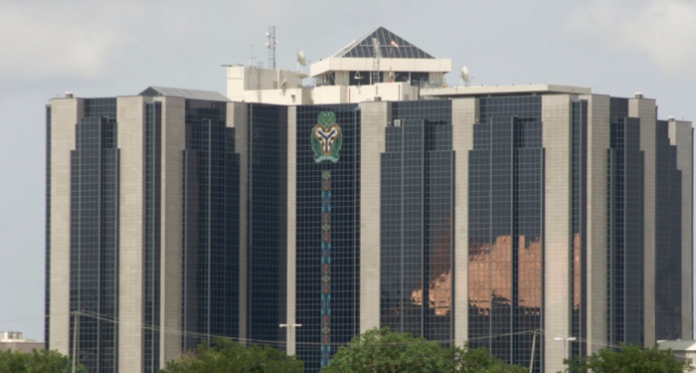
Market watchers are closely monitoring whether the Central Bank of Nigeria (CBN) will opt to refinance or roll over the maturing instruments, given the uncertainties surrounding its current auction calendar.

Ahead of the next round of Treasury bills issuance, fixed-income analysts have projected continued volatility in yields, with much of the outlook shaped by recent Open Market Operations (OMO).

At the latest midweek auction, the CBN reduced spot rates on the 91-day bills, while maintaining the mid-tenor offers unchanged. In contrast, yields on the one-year paper rose by 25 basis points, indicating a mixed approach by the apex bank.

Analysts interviewed by MarketForces Africa suggested that rates could soften in the coming sessions, mirroring price adjustments in the OMO segment of the market.

In total, maturities worth ₦184.75 billion are expected to influence short-term market rates, which analysts predict may hover around 26.5% in light of existing liquidity surpluses. However, expectations remain that benchmark short-term rates could climb higher if the CBN aggressively absorbs liquidity through fresh OMO sales.

Nigeria Customs Service Approves $300 Duty-Free Limit for Imports in 2025

The Nigeria Customs Service Board (NCSB) has officially approved a duty-free import threshold of $300, a policy scheduled to take effect from September 8, 2025.

The announcement, made by Nigeria Customs Service (NCS) spokesperson Abdullahi Maiwada in Abuja, followed the board’s 63rd regular meeting chaired by Minister of Finance and Coordinating Minister of the Economy, Mr. Wale Edun.

The new initiative, known globally as the “De Minimis” threshold, is aimed at boosting cross-border e-commerce, reducing clearance delays, and consolidating Nigeria’s position as a hub for trade facilitation in West Africa.

Maiwada explained that goods valued at $300 or less would now be exempt from customs duties and related taxes, provided they are not part of Nigeria’s restricted or prohibited items list. The threshold applies to low-value imports, e-commerce shipments, and passenger baggage—although it is limited to four importations annually.

The policy is backed by the Nigeria Customs Service Act 2023 and aligns with global conventions, including the World Trade Organisation (WTO) Trade Facilitation Agreement and the World Customs Organisation (WCO) Revised Kyoto Convention.

The spokesperson noted that strict enforcement mechanisms would target violators who attempt invoice manipulation or duty evasion. He also revealed that the NCS has launched multi-channel helpdesk platforms to guide stakeholders on compliance and address complaints during implementation.

In addition to trade reforms, the board addressed disciplinary matters following recent viral videos of misconduct by some officers. Two personnel were demoted to lower ranks, while two others were reinstated after a review. The sanctioned officers will also undergo mandatory medical reassessments to determine their fitness to continue service.

Maiwada reiterated that the Nigeria Customs Service remains committed to accountability, transparency, and discipline, stressing that the duty-free policy will enhance trade facilitation while protecting national economic interests.

Meristem Trustees Launches Special Needs Trust for Nigerians with Disabilities

Meristem Trustees Limited, a subsidiary of Meristem Securities Limited, has unveiled a groundbreaking Special Needs Trust tailored to secure the long-term welfare and financial stability of individuals with physical and developmental disabilities in Nigeria.

The product, which was launched at the company’s headquarters, provides a structured framework for families to set aside funds that will be professionally managed by Meristem Trustees. These funds are designed to cover a wide range of needs, including healthcare, education, daily living assistance, and long-term welfare, ensuring continuity of care even beyond the lifetime or capacity of guardians.

During the launch event, attended by caregivers, advocacy groups, families, and media representatives, Damilola Hassan, Managing Director of Meristem Trustees, highlighted the emotional and social significance of the initiative.

“Every caregiver of a dependent with special needs carries a pressing question: Who will care for my loved one when I am no longer here? The Special Needs Trust provides not only financial security but also peace of mind, dignity, and inclusion,” Hassan said.

Special needs advocate Miss Tobiloba Ajayi, speaking on a panel, emphasized the importance of structured planning: “In today’s evolving society, families cannot rely solely on extended relatives for support. A sustainable system must be in place to secure the future of dependents.”

Closing the event, Mubo Olasoko, Deputy Group Managing Director of Meristem Securities Limited, stressed the broader vision behind the trust. “At Meristem, wealth management is about people, not just numbers. The Special Needs Trust is a reflection of our commitment to inclusivity and our mission to ensure that individuals living with special needs are never left without a structured support system.”

The initiative, according to Meristem, underscores its role in pioneering innovative financial solutions and strengthening Nigeria’s financial ecosystem through inclusivity and long-term planning.

Cowrywise Teams Up with Meristem to Open Nigerian Stock Market Access for All

Cowrywise Financials Limited, a leading Nigerian investment technology company, has entered into a landmark partnership with Meristem Stockbrokers, a pioneer in Nigeria’s capital market ecosystem, to make stock investment more accessible to everyday Nigerians.

The collaboration, unveiled at an official press launch themed “A Partnership That Moves the Market Forward”, represents a fusion of digital innovation and established market expertise aimed at democratising stock trading.

With Cowrywise’s user-friendly investment app and Meristem’s decades-long stockbroking experience, the two organisations are breaking down barriers to entry for Nigerians interested in wealth creation through equities.

Democratising Stock Ownership

Until now, stock market participation in Nigeria has often been seen as the preserve of the elite or financially savvy. This partnership changes that narrative by enabling anyone with a smartphone and internet access to buy shares in listed companies directly through the Cowrywise app.

“Cowrywise products capture the realities of the everyday Nigerian who wants to build wealth without complexity,” explained Grillo Adebiyi, Marketing Manager at Cowrywise. “With as little as ₦1,000, our users can now start investing in stocks. This new product gives them greater opportunities to grow wealth on their terms.”

The integration brings a new feature, Stocks by Cowrywise, which allows users to access a wide range of companies listed on the Nigerian Exchange (NGX). Features include a real-time trading dashboard, liquidity ratings, learning resources, and in-depth company insights designed to help retail investors make informed decisions.

Riding on a Market High

The launch comes at a time when the Nigerian equities market is enjoying robust momentum. In July, the NGX All-Share Index posted its best monthly performance of the year, soaring 16.57% to close at 139,863.5 points. Market capitalisation climbed by ₦12.62 trillion to hit ₦88.4 trillion, fuelled by strong corporate earnings and renewed local and foreign participation.

This backdrop has heightened investor appetite, making Cowrywise’s move into equities especially timely. According to Yarmirama Ashama, Senior Product Manager at Cowrywise, “We’ve built features that not only make investing seamless but also empower Nigerians with the confidence and knowledge to take part in this bullish trend.”

Meristem: The Trust Anchor

While Cowrywise brings innovation, Meristem provides the backbone of trust and execution. With more than 20 years in the industry, the firm has established itself as one of Nigeria’s most reliable stockbrokers. Under the leadership of Bashir Saheed Adewale (FCA, FCS), Meristem has pioneered digital stock trading platforms and executed historic transactions on the NGX.

“We don’t just facilitate trades; we enable confidence,” said Adefemi Taiwo, Head of Marketing and Corporate Communications at Meristem. “Partnering with Cowrywise is about ensuring that every Nigerian, no matter their background, can access the capital market with world-class execution and reliability.”

Meristem has built its reputation on transparency, regulatory compliance, and innovation. The firm was the first to introduce an online real-time stock trading platform in Nigeria in 2014 and later executed the single largest trade in NGX’s nearly 60-year history in 2017.

Financial Inclusion Through Innovation

The alliance between Cowrywise and Meristem is more than a technical integration. It represents a shared vision of financial inclusion. Students, young professionals, and seasoned investors alike now have equal opportunity to buy shares, diversify portfolios, and grow wealth.

By bridging lifestyle-driven investing with institutional expertise, both companies are setting a new benchmark in Nigeria’s financial services industry. As Cowrywise puts it, the mission is simple: to make investing as easy as sending a tweet.”

Interested Nigerians can already access up to 145 listed companies via the Cowrywise app by visiting www.cowrywise.com/stocks.

This partnership signals a turning point in the country’s financial landscape, rewriting the story of who gets to invest in Nigeria’s future.

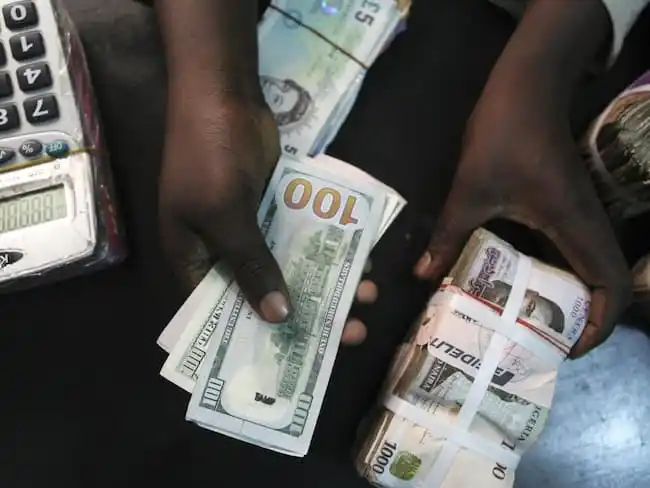
Dollar To Naira Exchange Rate For 8th September 2025

Dollar To Naira Exchange Rate For 8th Dec 2023

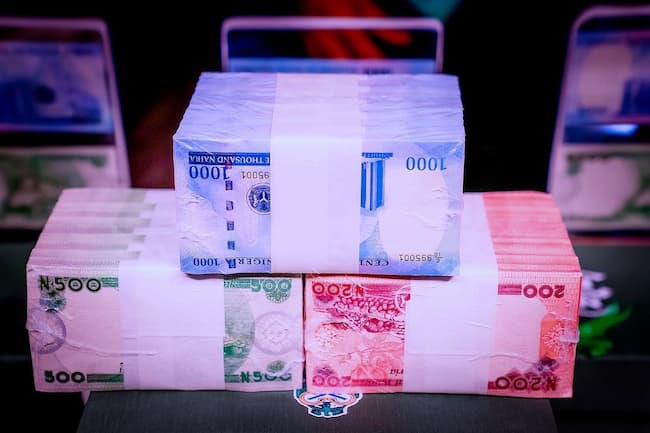
The exchange rate between the Naira and the US dollar, according to the data released on the FMDQ Security Exchange, the official forex trading portal, showed that the naira closed at 1510.00 per $1 on Monday, September 8th , 2025. The naira traded as high as 1508.00 to the dollar at the investors and exporters (I&E) window on Sunday.

How much is a dollar to naira today in the black market?

Dollar to naira exchange rate today black market (Aboki dollar rate):

The exchange rate for a dollar to naira at Lagos Parallel Market (Black Market) players buy a dollar for ₦1518 and sell at ₦1510 on Sunday 7th September, 2025, according to sources at Bureau De Change (BDC)

Please note that the Central Bank of Nigeria (CBN) does not recognize the parallel market (black market), as it has directed individuals who want to engage in Forex to approach their respective banks.

Dollar to Naira Black Market Rate Today

Dollar to Naira (USD to NGN)Black Market Exchange Rate Today
Buying Rate₦1518
Selling Rate₦1510

Dollar to Naira CBN Rate Today

Dollar to Naira (USD to NGN)CBN Rate Today
Highest Rate₦1529
Lowest Rate₦1508

Please note that the rates you buy or sell forex may be different from what is captured in this article because prices vary.

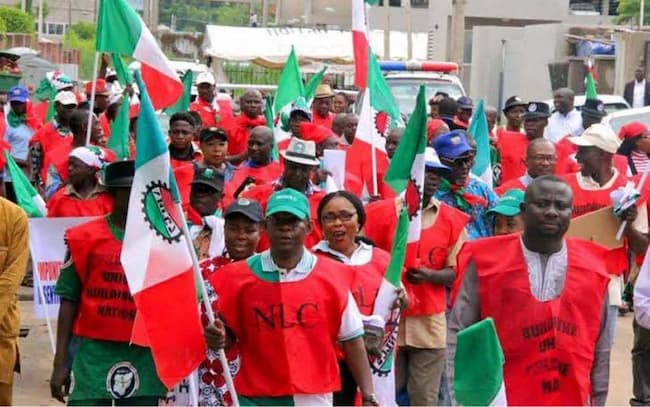
Nigeria Labour Congress Demand Urgent Review Of ₦70,000 Minimum Wage

NLC Threatens Nationwide Strike Over Fuel Scarcity, Cash Crunch

Nigeria Labour Congress (NLC) and federal civil servants have called on the Federal Government to urgently review Nigeria’s national minimum wage, insisting that the current ₦70,000 benchmark is no longer sufficient to sustain workers in the face of rising inflation and skyrocketing living costs.

The demand comes after several state governments, including Lagos, Rivers, and Imo, approved higher wages for their workers, setting new precedents that have reignited national debate.

President Bola Tinubu had signed the ₦70,000 minimum wage bill into law in July 2024, raising it from ₦30,000. However, union leaders argue that the adjustment has been overtaken by inflationary pressures.

In recent months, some states have moved ahead of the federal government. Imo State, under Governor Hope Uzodinma, raised the minimum wage to ₦104,000 in August 2025, while Lagos State currently pays ₦85,000 with a planned increment to ₦100,000 in 2025. Other states including Rivers, Bayelsa, Niger, Enugu, and Akwa Ibom have approved ₦80,000, while Ogun and Delta implemented ₦77,000.

Benson Upah, Acting General Secretary of the Nigeria Labour Congress (NLC), said the ₦70,000 wage has been eroded by inflation, leaving many workers struggling to meet basic needs. “₦70,000 is simply not sustainable under today’s economic realities,” he stressed, warning that labour may resort to industrial action if government fails to act.

Shehu Mohammed, President of the Association of Senior Civil Servants of Nigeria (ASCSN), commended states that have reviewed wages upward, saying their actions should serve as a signal to the federal government. He noted that labour initially proposed ₦250,000 as a living wage during negotiations, adding that current realities demand a higher review.

Workers interviewed expressed frustration at the harsh economy. They cited transportation costs, housing, food inflation, and electricity tariffs as major pressures making survival on ₦70,000 nearly impossible.

Many urged the government to consider not just wage increases but also policies to lower living costs through affordable housing, subsidized transport, and accessible healthcare.

Labour leaders emphasized that wage adjustments should be seen as a tool for economic growth rather than a burden, noting that increased disposable income would stimulate demand and support local businesses.

Nigerian Equities Lose ₦832bn As Investors Turn To Oversold Stocks

Capital Market Records N6bn Gains As CBN Maintains Rate

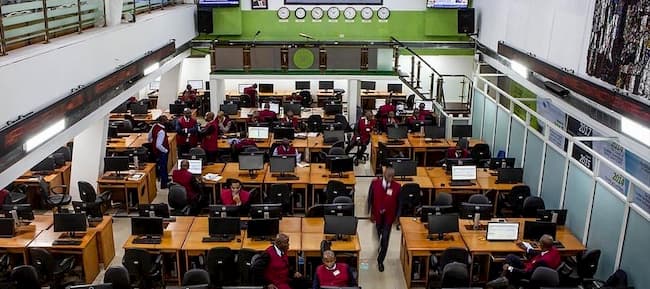
The Nigerian stock market closed last week deep in negative territory, with investors losing about ₦832 billion in market value as persistent sell-offs dragged down key performance indicators.

Data from the Nigerian Exchange (NGX) revealed that market capitalization fell to ₦87.94 trillion from ₦89.94 trillion the previous week, trimming year-to-date gains to 35.03%.

The NGX All-Share Index (ASI) shed 0.94% week-on-week, closing at 138,980.01 points compared to 140,295.49 points in the prior week. Market watchers attributed the decline to risk-off sentiment driven by macroeconomic uncertainties, profit-taking, and weak buying appetite.

Stockbrokers noted that overall trading activity slowed, with the total number of deals down 17.43% to 117,791. Traded volume also dipped by 2.66% to 3.11 billion units, though market turnover rose by 5.53% to ₦90.20 billion, reflecting a bias toward high-value counters.

Market breadth was particularly weak, settling at 0.30x as only 19 gainers were recorded against 63 decliners. The selloff was broad-based, with five out of six sectoral indices closing negative.

The Industrial Goods Index was the hardest hit, sliding 2.08% as large-cap stocks came under heavy pressure. The Banking Index followed with a 1.52% decline, while the Consumer Goods, Oil & Gas, and Insurance indices lost 1.18%, 0.77%, and 0.36%, respectively.

The only exception was the Commodities Index, which posted a marginal 0.04% uptick.

On the stock level, top gainers included Sovereign Insurance (+14.2%), NSLTech (+12.9%), Cornerstone Insurance (+12.4%), NCR (+10.0%), and SCOA (+10.0%). Meanwhile, DAAR Communications (-21.1%), UPDC (-13.8%), AIICO (-13.6%), Champion Breweries (-13.3%), and PZ Cussons (-13.3%) ranked among the worst performers.

Analysts at Cowry Asset Limited expect the bearish sentiment to persist in the near term, although bargain-hunting in oversold stocks may trigger selective recoveries. They noted that macroeconomic pressures, including high inflation, foreign exchange volatility, and policy uncertainty, will continue to weigh on overall market momentum.

System Liquidity Remains Robust As Rates Stay Low Despite CBN Interventions

Short-term benchmark lending rates eased last week as Nigeria’s financial system recorded strong liquidity, bolstered by inflows from infrastructure funds and OMO maturities, despite aggressive mop-up operations by the Central Bank of Nigeria (CBN).

Market data showed that liquidity conditions stayed positive, keeping rates relatively stable throughout the trading sessions. The interbank market opened with ₦1.39 trillion in credit and ended higher at ₦2.22 trillion by the final trading day.

Analysts attributed the liquidity boost to ₦459 billion in OMO maturities, inflows from Remita, approximately ₦100 billion state infrastructure funds, and a 13% derivatives allocation to oil-producing states, according to a market note by AIICO Capital Limited.

To curtail excess cash, the CBN intervened with a ₦600 billion OMO auction, which attracted strong demand and saw allotments worth ₦620.65 billion. The apex bank also effected a ₦251.28 billion net CRR debit and executed foreign exchange settlements during the week.

Despite these interventions, liquidity remained ample. Interbank rates stayed anchored at the lower band, with the Open Repo Rate (OPR) steady at 26.50% while the Overnight Lending Rate edged up slightly by five basis points to 27.00%.

Meanwhile, the Nigerian Interbank Borrowing Rate (NIBOR) jumped sharply by 14 percentage points to 26.92% as commercial banks actively used the CBN’s standing deposit facility.

In the secondary market, Nigerian Treasury Bill yields softened significantly. The one-month, three-month, and twelve-month NITTY fell by 19bps, 48bps, and 14bps, respectively, while the six-month tenor gained 3bps.

This downward shift extended to the Treasury bills market, where average yields plunged by 692bps to 18.57% due to strong buy-side demand.

Looking ahead, analysts at Cowry Asset Management expect funding rates to remain slightly sticky as system liquidity stays elevated. AIICO Capital projected that this week’s ₦184.75 billion Treasury bills maturity would further strengthen liquidity, though the CBN could deploy another OMO auction to absorb surplus funds.

Ethereum Price Set For Bullish Breakout As Investors Accumulate

Ethereum (ETH) is gearing up for a potential price surge as investors increasingly withdraw the token from exchanges, signaling strong confidence in long-term growth.

Data from Alphractal, an advanced investment data analysis platform, revealed that Ethereum’s Exchange Flux Balance has turned negative for the first time in history. This metric tracks the net cumulative flow of ETH across exchanges, and a negative reading indicates that more coins are being moved into private wallets than deposited for trading—pointing to investor accumulation.

Joao Wedson, Alphractal’s Founder and CEO, explained that the shift reduces selling pressure and sets the stage for upward price momentum. A similar pattern has been observed with Bitcoin (BTC), where billions of dollars worth of tokens have exited exchanges in recent weeks.

As of September 5, 2025, Ethereum traded around $4,400 after briefly touching $4,900 earlier in the week. Analysts, however, project that ETH could rally past $10,000 before the end of the year, fueled by institutional buying.

This week, Shanghai-based private equity firm Yunfeng Financial—linked to Alibaba co-founder Jack Ma—announced the purchase of 10,000 ETH valued at $44 million. Meanwhile, Bitmine expanded its holdings by acquiring 54,937 ETH worth $237 million, reinforcing institutional conviction.

“This wave of accumulation is not a fleeting trend,” Wedson said. “It reflects a fundamental belief in Ethereum’s future.”

If sustained, the accumulation trend could cement Ethereum’s position as the leading smart contract platform while driving significant gains for investors.

Naira Strengthens As CBN Boosts Dollar Liquidity

The naira gained ground against the US dollar on Thursday, closing at ₦1,514.87/$1 at the official foreign exchange market, supported by a new round of interventions from the Central Bank of Nigeria (CBN).

The currency appreciated from its previous close of ₦1,521.46/$1, reflecting improved liquidity and reduced demand pressure. The CBN injected $15 million into authorized dealer banks to ease FX supply challenges, a move that coincided with an increase in the country’s foreign reserves.

Updated data showed reserves climbed for the ninth straight week, rising by $216.34 million to $41.46 billion—the highest level since November 2021. Analysts linked the steady build-up to inflows from foreign portfolio investors participating in CBN’s Open Market Operations (OMO) as well as contributions from exporters and corporates.

In the parallel market, the naira also strengthened slightly, gaining 0.46% to close at ₦1,538/$1 compared with ₦1,545/$1 previously. The narrow gap between the official and parallel market rates reflects improved dollar supply and stable remittance inflows.

Despite the positive trend, financial analysts warned that demand pressures could resurface toward the end of Q3 due to import obligations and corporate settlements. Cowry Asset Limited projected that while the naira may hold within its current stability band, risks of mild depreciation remain unless oil prices rebound or FX inflows accelerate.

The CBN is expected to maintain close surveillance of the market, balancing intervention measures with broader efforts to strengthen Nigeria’s external sector resilience.

Nigerian Stock Market Recovers As Investors Pocket ₦521bn Gains

Stock Exchange Closes Trading Week With N30bn Gain

The Nigerian equities market rebounded strongly on Thursday, reversing three consecutive days of losses and delivering fresh gains of ₦521 billion to investors. The positive close came just before the Eid-ul-Mawlid holiday, as renewed demand lifted major medium and large-cap stocks across multiple sectors.

Market indicators showed a healthy recovery, with the All-Share Index (ASI) rising by 823.67 points to settle at 138,980.83. Consequently, market capitalization expanded significantly by ₦521.15 billion, closing at ₦87.94 trillion. The rebound translated to a 0.60% improvement in overall market performance.

Trading activity, however, presented a mixed picture. While total transaction volume on the Nigerian Exchange (NGX) surged by 273.96%, the value of trades fell by 20.21%. According to figures from Atlass Portfolio Limited, investors exchanged about 1.805 billion units worth ₦15.70 billion in 24,397 deals.

Insurance giant Sovereign Trust Insurance Plc (SOVRENINS) dominated activity, accounting for 77.91% of the day’s total volume and emerging as the most traded stock in both volume and value terms. Nigerian Breweries (NB), Fidelity Bank (FIDELITYBK), Zenith Bank (ZENITHBANK), and Universal Insurance (UNIVINSURE) followed in the top five activity chart.

Among the top gainers, Ellah Lakes and Veritas Kapital posted maximum price increases of 10% each, while Honeywell Flour (HONYFLOUR), Royal Exchange (ROYALEX), Mansard, Prestige Assurance, and International Breweries (INTBREW) also recorded significant upticks.

On the losers’ side, Austin Laz & Company Plc (AUSTINLAZ) led with a 9.75% dip, followed by Neimeth (-8.33%), Champion Breweries (-4.15%), and Unilever Nigeria (-4.11%). Overall, the market breadth closed positive with 41 gainers against 12 losers.

Sectoral performance was broadly upbeat. Insurance outperformed with a 6.73% jump, followed by Consumer Goods (+1.54%), Banking (+0.98%), and Oil & Gas (+0.03%). The Industrial Goods sector remained flat.

Analysts believe Thursday’s rebound could set the tone for renewed investor optimism, particularly if demand for blue-chip stocks continues into the new trading week.

Nigeria Targets 10bn SCF Daily Gas Production By 2030, Says Edun

The Federal Government has reaffirmed its commitment to ramping up natural gas output to 10 billion standard cubic feet (SCF) per day by 2030, a target seen as pivotal to transforming Nigeria’s energy landscape.

The pledge was reiterated by the Minister of Finance and Coordinating Minister of the Economy, Wale Edun, during a meeting with the management team of Nigeria Liquefied Natural Gas Limited (NLNG) in Abuja. According to Mohammed Manga, Director of Information and Public Relations at the Ministry, the talks focused on production targets, reforms, and investment opportunities.

Edun highlighted progress in creating a stable and investor-friendly environment under President Bola Tinubu’s administration, noting reforms designed to attract global capital into the country’s energy sector. He emphasized that ongoing tax reforms would be shaped in part by industry input, ensuring a more competitive business climate.

NLNG’s Managing Director, Dr. Philip Mshelbila, briefed the minister on operational improvements, including enhanced gas supply security, better pipeline protection, and capacity utilization surpassing 70%. He also reported progress on infrastructure projects such as the Bodo-Bonny Road and called for an extension of the East-West highway under Nigeria’s tax credit scheme.

“This renewed push underscores the Tinubu administration’s focus on unlocking Nigeria’s energy potential,” Mshelbila said. “With a clear trajectory towards 10 billion SCF per day, the gas industry is set to power industrial growth and advance the Renewed Hope Agenda.”

Industry analysts say the 2030 gas target, if achieved, could transform Nigeria into a global energy hub while boosting revenues, employment, and industrialization.

Sowore Rejects DSS Request To Delete Anti-Tinubu Post on X

Sowore

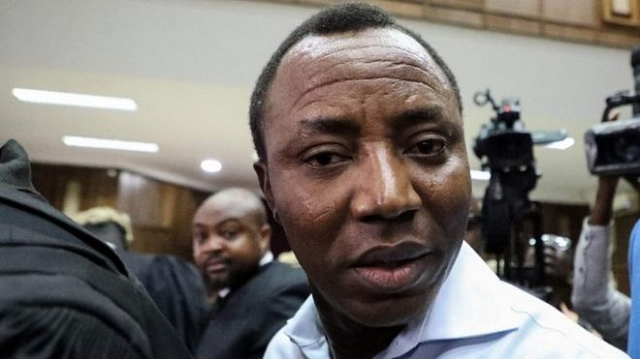
Human rights activist and African Action Congress (AAC) presidential candidate, Omoyele Sowore, has declared that he will not delete a tweet critical of President Bola Tinubu despite a formal request from Nigeria’s Department of State Services (DSS).

Sowore revealed via his X account on Sunday that the platform had notified him of a legal takedown request from the DSS, which claimed his post undermined national security. The activist, however, vowed to defy the directive, describing it as an attempt to silence dissent.

“This morning, X officially contacted me about the despicable threat letter they received from the lawless DSS over my tweet on Tinubu. One option I will NOT be taking is deleting that tweet,” Sowore wrote.

The message from X confirmed that the DSS had lodged a formal complaint regarding Sowore’s post. In line with its transparency policy, the platform notified him, explaining that users receive such alerts whenever governments submit legal takedown requests.

Sowore, a long-time critic of Nigerian governments, was previously detained by the DSS in 2019 over his “RevolutionNow” movement. Rights groups have frequently accused the agency of stifling opposition voices and curbing press freedom.

The confrontation highlights ongoing tensions between government authorities and digital rights advocates in Nigeria. It also recalls past clashes, including the 2021 suspension of Twitter by the Nigerian government after the platform deleted a controversial tweet by then-President Muhammadu Buhari.

Analysts warn that Sowore’s refusal could further ignite debates on free speech, surveillance, and the boundaries of political dissent in Nigeria’s democracy.

Naira Holds Firm As FX Supply Surpasses Market Demand

Federation Account Amasses Over ₦5trn In 6months- RMAFC

The Nigerian naira strengthened significantly this week in the foreign exchange market, trading at an intraday low of ₦1,508 per U.S. dollar amid robust supply of foreign currency and subdued demand pressures.

Checks by MarketForces Africa revealed that local banks also revised their naira debit card daily FX quotes for international transactions upward, reflecting the currency’s resilience.

At the official Investors’ and Exporters’ (I&E) window, the naira closed the most recent session at ₦1,514.87 per dollar, down from ₦1,531.57 recorded earlier in the week. Market activity showed steady inflows and balanced demand, reducing the need for direct intervention from the Central Bank of Nigeria (CBN).

Analysts at Anchoria Securities Limited noted that offshore inflows briefly pushed the NAFEX fixing to ₦1,528.13/$ before it eased back to ₦1,527.00/$, with trading spreads remaining tight. Forex traders also pointed to an additional $15 million injection by the CBN and increased portfolio inflows that helped stabilize the market, with the naira holding within the ₦1,508–₦1,529/$ range.

External reserves climbed to $41.499 billion, the highest level since 2021, bolstering market confidence. Analysts project further increases in reserves as Nigeria’s Bonny Light crude continues to command premium pricing on global oil markets.

Meanwhile, global oil prices retreated after weaker U.S. employment data triggered fears of declining demand ahead of the OPEC+ meeting. Brent crude slipped 2.81% to $65.11 per barrel, while U.S. WTI fell 3.06% to $61.54 per barrel. In contrast, gold surged to record highs near $3,600 per ounce as investors shifted towards safe-haven assets, expecting further monetary easing from the U.S. Federal Reserve.

Market analysts believe the naira is likely to maintain its stability in the short term, supported by continuous CBN policy measures, steady inflows from exporters, and growing investor confidence in Nigeria’s external reserve strength.

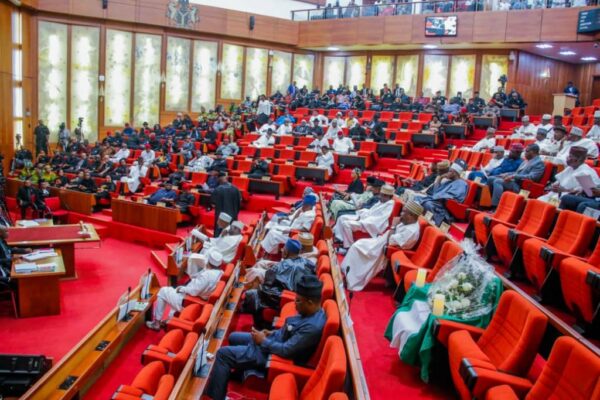
Nigerian Senate Advances Plans To Regulate Cryptocurrency And Blockchain Sector

Senate Approves $800m Loan For Safety Net Programme

The Nigerian Senate has moved forward with efforts to regulate the nation’s growing cryptocurrency and blockchain industry, unveiling plans to collaborate with the Stakeholders in Blockchain Technology Association of Nigeria (SiBAN) on establishing a comprehensive legal framework for digital assets.

Speaking at an interactive session with SiBAN officials, Senator Osita Izunaso, Chairman of the Senate Committee on Capital Market, said the move is aimed at fostering a safer and more innovative digital economy. “We deeply appreciate your commitment to building a well-regulated environment that promotes growth while protecting investors,” he stated.

Obinna Iwuno, President of SiBAN, led the delegation and underscored Nigeria’s unique role in the global digital economy. He highlighted that the country now ranks second globally and first in Africa for cryptocurrency adoption, with over 22 million Nigerians actively involved in crypto ownership in 2025, compared to just 0.4% of the population a decade ago.

Iwuno further revealed that blockchain-powered transactions in Nigeria have surpassed $59 billion, stressing the importance of proper legal and regulatory support. “This figure represents just the beginning of what can be achieved if we establish clear policies and frameworks to support blockchain growth,” he explained.

Lawmakers, including Senators Victor Umeh, Jibrin Isa, and Mustapha Khabeeb, expressed unanimous support for enabling legislation that will position Nigeria as a hub for blockchain innovation. Senator Izunaso praised SiBAN’s role in advocating for investor protection, blockchain utilization, and digital capacity building.

Iwuno emphasized that Nigeria is already contributing more than 60% of Africa’s blockchain adoption and warned that failing to implement proper regulation could stall progress. He maintained that a strong framework would secure Nigeria’s leadership role in the digital economy.

The partnership between the Senate and SiBAN marks a pivotal shift in Nigeria’s economic planning, setting the stage for regulatory clarity in cryptocurrency and blockchain activities. Industry experts believe this development could attract more investments, boost investor confidence, and accelerate Nigeria’s transition into a digitally driven economy.

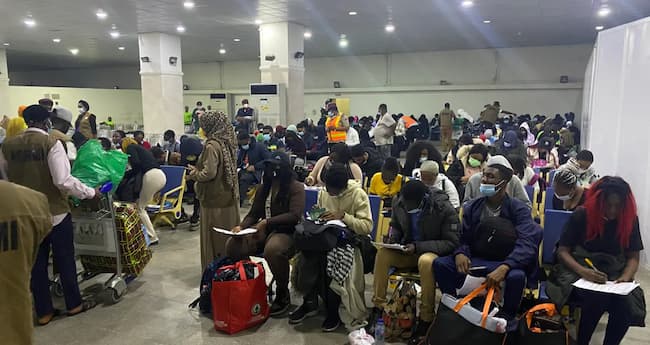
Nigerian Students In UK Seek Work Visas Amid Deportation Fears

Ukraine Crisis: FG Receives 31 Nigerians Evacuated From Romania

Nigerian students in the United Kingdom are racing to secure work visas and other legal options as the UK government tightens its immigration policies and increases deportation orders against visa overstayers.

In a statement issued last week, the UK Home Office disclosed that more than 10,000 international students had been contacted and asked to leave the country following the expiration of their visas. The notice follows a sharp rise in asylum claims from visa holders, including students, workers, and tourists.

Official figures revealed that asylum applications from visa holders tripled in recent years, accounting for 37% (41,400) of total claims in the year ending June 2025. Of these, international students represented the largest share at 40%, followed by work visa holders at 29% and visitors at 24%.

The UK government has since launched a direct communication campaign to remind students of their expiring permits, warning that “any unmerited asylum application will be rejected” and overstayers will face removal.

Data from the UK House of Commons Library showed that 732,285 foreign students were enrolled in British institutions during the 2023/24 academic year, representing 23% of the student population. This figure included 428,200 new entrants, a 6.75% decline from the previous year. Nigeria maintained its position as the third-largest source of international students, contributing 34,500 enrollees.

The policy changes have sparked anxiety among Nigerian students, many of whom are now seeking work visas to extend their stay legally. Immigration experts warn that failure to comply with the new directives could result in deportation and a permanent ban on re-entry into the UK.

NUPENG Confirms Strike Over Dangote Refinery Labour Dispute

NUPENG Pledges Solidarity With ASUU, Threatens Strike

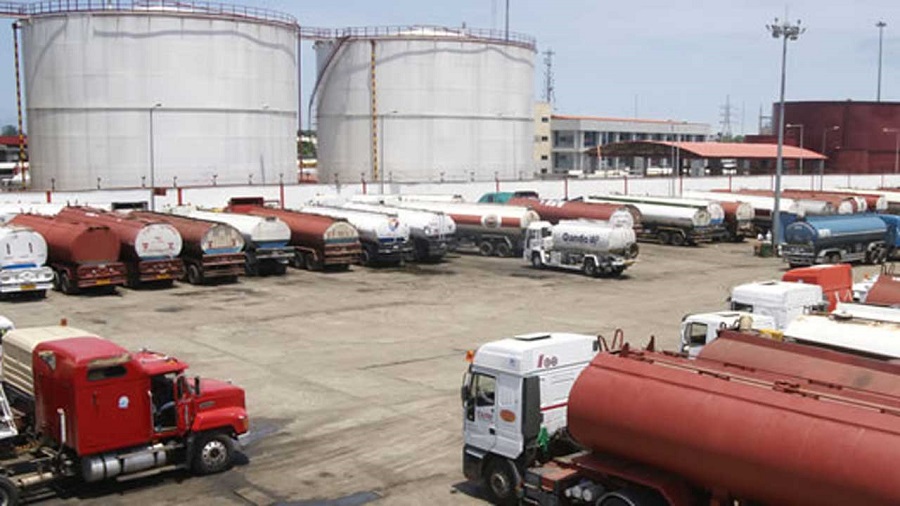
The Nigeria Union of Petroleum and Natural Gas Workers (NUPENG) has confirmed it will embark on an indefinite strike beginning Monday, September 8, 2025, citing what it described as “modern slavery practices” in the country’s oil and gas sector.

The union, in a statement jointly signed by its President, Williams Akporeha, and General Secretary, Afolabi Olufemi, accused Dangote Refinery of anti-labour practices and attempting to strip workers of their right to unionize.

According to NUPENG, the disagreement began after Dangote Refinery imported 4,000 compressed natural gas (CNG)-powered trucks for direct distribution of fuel to retailers. The refinery’s management allegedly insisted that new drivers hired for these trucks would be barred from joining existing labour unions.

The development sparked protests among petroleum tanker drivers and union members, who warned that restricting union membership violates Nigerian labour laws. While some groups, such as the Direct Trucking Company Drivers Association (DTCDA), opposed the strike, NUPENG dismissed them as “management-sponsored organizations” created to weaken workers’ solidarity.

The union specifically accused Aliko Dangote and Sayyu Dantata of creating the DTCDA to compel drivers to register with it instead of NUPENG, the legally recognized union for tanker drivers.

“Slavery was abolished centuries ago, but some corporate interests are determined to reintroduce it under new guises,” the union declared. “Any worker denied the right to freedom of association is being treated as a slave. Nigerian citizens must reject and resist such exploitative labour practices.”

NUPENG assured its members that it remains committed to safeguarding their welfare and rights, warning that the strike will continue until Dangote Refinery complies with statutory labour standards.

Nigerian Stock Market Records Fourth Consecutive Weekly Loss As ASI Slips Below 139,000

Stock Exchange Closes Trading Week With N30bn Gain

The Nigerian equities market extended its losing streak for the fourth consecutive week, with the All-Share Index (ASI) declining 0.94% to close at 138,980.01 points for the week ending September 4, 2025.

This marks a weekly loss of 1,315.49 points from the previous 140,295.50, as several blue-chip stocks dragged the market lower. Market capitalization also declined to N87.93 trillion, compared to N88.76 trillion the prior week.

Trading activity remained sluggish, with 3.1 billion shares exchanged, down from 3.19 billion in the previous week. Market breadth was negative, as only 19 equities advanced, while 64 declined, and 64 remained flat.

Sectoral indices showed mixed performances:

  • The industrial goods index fell the hardest, down 2.08%, largely due to Lafarge’s 13% loss.
  • The banking index shed 1.52%, weighed down by Tier-1 and Tier-2 bank losses.
  • Consumer goods dropped 1.18%, driven by steep declines in Champion Breweries and PZ Cussons.
  • Oil & Gas and Insurance also ended lower, dipping 0.77% and 0.36%, respectively.

Among the week’s top performers were Sovereign Trust Insurance Plc (+14.23%) and Secure Electronic Technology Plc (+12.94%), while DAAR Communications Plc (-21.10%) and UPDC Plc (-13.85%) led the laggards.

The market also witnessed a flurry of corporate announcements, including Fidson Healthcare’s MoU with Japanese firm Ohara, and Sovereign Trust Insurance’s plans to raise N20 billion in new capital.

Looking ahead, analysts warn that the index could test the 135,000 level if selling pressure persists, though banking and industrial goods stocks may provide support for a rebound.

BizWatchNigeria.Ng
Privacy Overview

This website uses cookies so that we can provide you with the best user experience possible. Cookie information is stored in your browser and performs functions such as recognising you when you return to our website and helping our team to understand which sections of the website you find most interesting and useful.