





Home Blog Page 77

UNICEF warns cholera outbreak puts millions of children at risk

Paternity

Key Points

  • UNICEF says cholera outbreaks are accelerating in six West and Central African countries.
  • Nigeria has recorded more than 50,000 cases and 338 deaths since January.
  • Seasonal rains, flooding and population movements are worsening transmission.
  • UNICEF is seeking $15 million to scale up its regional response.

Main Story

The United Nations Children’s Fund (UNICEF) has raised concern over the rapid spread of cholera across West and Central Africa, warning that millions of children are increasingly exposed to the disease.

UNICEF said active outbreaks had been reported in Nigeria, the Democratic Republic of the Congo (DRC), Republic of Congo, Chad, Cameroon and the Central African Republic (CAR).

The agency said Nigeria was currently experiencing the largest reported outbreak in the region, with more than 50,000 cumulative cases and 338 deaths recorded since Jan. 1, 2026.

It said the outbreak had been particularly severe in Borno State, where transmission remained a major concern as of the end of July.

UNICEF said children were disproportionately affected by the outbreaks across the region, with seasonal rains, flooding, displacement and movement across borders contributing to the spread.

Gilles Fagninou, UNICEF Regional Director for West and Central Africa, said the outbreak was spreading through shared rivers, trade routes and population movements.

He said flooding was also contaminating water sources, damaging sanitation facilities and making it harder for vulnerable communities to access essential services.

Fagninou said the spread of cholera highlighted the continuing lack of access to safe water and sanitation in many communities, adding that the disease could be prevented and treated with appropriate interventions.

UNICEF is seeking an additional $15 million to strengthen its cholera response across the region over the next six months.

The agency said it was working with national and sub-national authorities to expand access to safe water and sanitation, improve disease surveillance, provide essential health supplies and support oral cholera vaccination campaigns.

It added that coordination with the World Health Organisation (WHO) and the Africa Centres for Disease Control and Prevention was being strengthened along major transmission routes.

The Issues

The cholera outbreak is being intensified by flooding, seasonal rains, population displacement and cross-border movement. UNICEF says inadequate access to safe water and sanitation is leaving children particularly vulnerable to a preventable and treatable disease.

What’s Being Said

“This outbreak is no longer confined by borders.” – Gilles Fagninou, UNICEF Regional Director for West and Central Africa

“Millions of children are still being denied one of their most basic rights: safe water.” – Gilles Fagninou, UNICEF Regional Director for West and Central Africa

“What is needed now is urgency, the investment and the regional solidarity to act before more children lose their lives to a disease that is entirely preventable.” – Gilles Fagninou, UNICEF Regional Director for West and Central Africa

What’s Next

UNICEF is seeking $15 million in additional funding to expand its response over the next six months while continuing work on water and sanitation, disease surveillance, medical supplies and cholera vaccination across affected countries.

Bottom Line

Cholera is spreading rapidly across six countries in West and Central Africa, with Nigeria recording the region’s highest reported case burden. UNICEF says stronger regional coordination, funding and access to safe water and sanitation are critical to preventing further deaths, particularly among children.
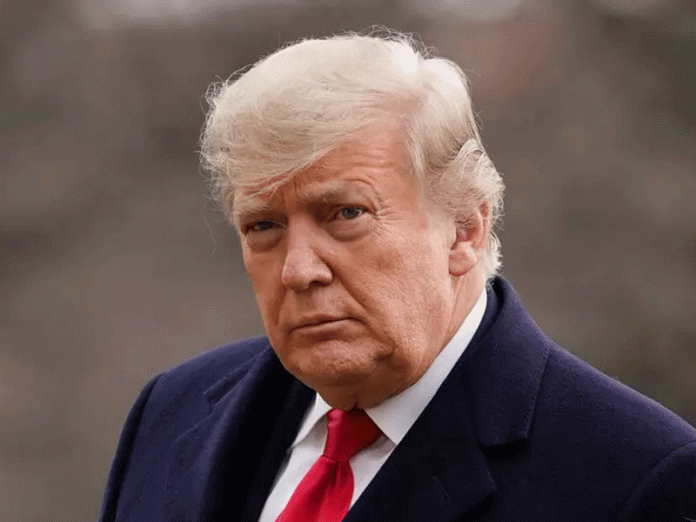
WHO questions Trump vaccine order, reaffirms childhood vaccine safety

Key Points

  • WHO says proposed changes to the U.S. childhood vaccine schedule are not supported by decades of evidence.
  • Trump’s directive seeks to reduce the number of routine childhood immunisations and alter how some vaccines are administered.
  • WHO maintains that vaccines, including MMR, are safe and do not cause autism.
  • Tedros says vaccination policies should be based on independent scientific evidence rather than political considerations.

Main Story

The World Health Organisation (WHO) has raised concerns over an executive order by U.S. President Donald Trump seeking to revise the country’s recommended childhood vaccination schedule.

WHO Secretary-General, Tedros Ghebreyesus, expressed the concern in a statement on Wednesday, while reaffirming the importance and safety of childhood vaccination.

Trump signed the executive order on Monday directing a review of routine childhood immunisations and introducing what his administration described as “Gold Standard Childhood Vaccine Recommendations.”

Under the proposed changes, the number of childhood diseases covered by routine immunisation would be reduced from 18 to 11. The recommendations also propose administering the measles, mumps and rubella (MMR) vaccines separately rather than as a combined shot.

The administration said the changes were intended to strengthen vaccine research and increase parental choice, while ensuring compliance with legal protections relating to parental authority, religious freedom, disability accommodations and equal protection.

Tedros said WHO was concerned that the proposed changes did not reflect established scientific evidence on the timing of childhood vaccinations, the number of doses required and the safety of administering certain vaccines together.

He said vaccination schedules were continually reviewed as new evidence emerged globally and that national health authorities relied on scientific assessments to determine appropriate vaccination policies.

Tedros maintained that vaccines remained one of the most effective tools for preventing serious childhood diseases.

He also rejected claims linking vaccination to autism, saying available evidence showed that vaccines, including the MMR vaccine, were safe and did not cause autism.

According to him, unnecessarily delaying vaccinations or separating doses could leave children without protection against preventable diseases.

The WHO chief said national vaccination policies should be developed through rigorous and transparent scientific reviews rather than political considerations.

The Issues

The dispute centres on proposed changes to the U.S. childhood immunisation schedule and the extent to which vaccination policy should be influenced by political decisions and parental choice. WHO maintains that vaccine schedules should be guided by scientific evidence and continuous health assessments.

What’s Being Said

“Vaccines are among the most powerful tools for doing that, making deadly diseases preventable.” – Tedros Ghebreyesus, WHO Secretary-General

“The current evidence is unequivocal: vaccines – including the MMR vaccine – are safe and do not cause autism.” – Tedros Ghebreyesus, WHO Secretary-General

“Vaccination policy should be guided by rigorous, independent and transparent review of the best available science, not by political influence.” – Tedros Ghebreyesus, WHO Secretary-General

What’s Next

The Trump administration is expected to proceed with its review of childhood vaccine recommendations, while health authorities and medical experts continue to assess the proposed changes against existing scientific evidence.

Bottom Line

WHO is challenging the scientific basis of the proposed changes to the U.S. childhood vaccination schedule, insisting that immunisation policies should be determined by evidence on vaccine safety and effectiveness rather than political considerations.

CBN lifts 364-day treasury bill rate to 17.59%

By Boluwatife Oshadiya | August 13, 2026

Key Points

  • CBN raises the 364-day Treasury bill stop rate to 17.59%, up 24 basis points from the previous auction
  • Investors submit more than ₦4.414 trillion in bids against ₦700 billion offered across three maturities
  • DMO allots about ₦1.46 trillion as demand remains concentrated in the one-year instrument

Main Story

The Central Bank of Nigeria (CBN) raised the stop rate on 364-day Nigerian Treasury bills (NTBs) to 17.59% at Wednesday’s primary market auction, as investor demand pushed total subscriptions above ₦4.414 trillion.

The Debt Management Office (DMO), acting on behalf of the Federal Government, offered ₦700 billion across the 91-day, 182-day and 364-day NTBs. The offer comprised ₦100 billion each for the 91-day and 182-day instruments and ₦500 billion for the one-year bill.

According to the auction results, total subscriptions were more than six times the amount offered, producing a bid-to-offer ratio of about 6.3 times. The DMO subsequently allotted about ₦1.46 trillion across the three tenors.

Demand was strongest at the long end of the market. Investors submitted more than ₦4.188 trillion for the 364-day instrument, compared with the ₦500 billion initially offered. The CBN allotted ₦1.26 trillion at a stop rate of 17.59%, representing a 24-basis-point increase from the previous rate.

The 91-day bill attracted ₦162.21 billion in subscriptions against ₦100 billion offered, with ₦148.57 billion allotted at 16.30%.

For the 182-day instrument, subscriptions reached ₦63.97 billion against an offer of ₦100 billion. The CBN allotted ₦47.48 billion at a stop rate of 16.50%.

The concentration of demand in the 364-day bill indicates stronger investor preference for longer-duration naira fixed-income assets at the current yield levels.

The CBN describes Nigerian Treasury bills as short-term government securities with maturities ranging from 91 to 364 days and issued at a discount, with investors receiving the difference between the purchase price and maturity value.

What’s Being Said

The auction data supplied for this report does not include a direct statement from the CBN, DMO, an investment analyst or another independent market participant.

Editorial note: Before publication, the newsroom should obtain at least one authoritative comment from the CBN or DMO and one independent market response, in line with the Daily News Brief sourcing requirement.

What’s Next

The immediate market focus will be on the next Treasury bill auction and whether demand for the 364-day instrument remains concentrated at the long end.

Investors will also watch subsequent stop-rate movements for indications of whether one-year NTB yields are continuing to rise or beginning to stabilise after the latest increase.

The next auction date and offer structure should be inserted once confirmed from the CBN’s official issuance programme or auction notice.

Bottom Line

The Bottom Line: The latest auction shows that investors remain willing to commit substantial funds to one-year Nigerian Treasury bills despite the higher yield environment. The sharp concentration of demand in the 364-day instrument also makes the long end of the NTB curve the key segment to watch for changes in investor positioning and funding conditions.

Otu Approves N355.3m for NIFOR Oil Palm Research Complex

Key points

  • Cross River State Governor, Senator Bassey Otu, has approved N355.31 million for the construction of an Administrative and Laboratory Complex for the Nigerian Institute for Oil Palm Research (NIFOR) at Creek Town, Odukpani LGA.
  • The facility will feature modern laboratories, an administrative block and staff accommodation.
  • The project is expected to strengthen agricultural research, improve oil palm productivity and attract investment into the state’s agricultural value chain.
  • It will support research into climate-resilient oil palm varieties, disease management, nursery development, modern agronomic practices and downstream processing.
  • The initiative also has a youth employment component, including agricultural extension, vocational training and agripreneurship opportunities.

Main Story

Cross River State Governor, Senator Bassey Otu, has approved the release of N355.31 million for the construction of a state-of-the-art Administrative and Laboratory Complex for the Nigerian Institute for Oil Palm Research (NIFOR) outstation at Creek Town, Odukpani Local Government Area.

The approval was granted during the State Executive Council meeting following a memorandum presented by the Commissioner for Agriculture and Irrigation Development, Johnson Ebokpo.

The proposed complex will comprise modern laboratories, an administrative block and staff accommodation. The state government said the facility is intended to strengthen agricultural research, scientific innovation and technology transfer while helping Cross River unlock its potential in oil palm production and other agricultural value chains.

Governor Otu said the investment was part of his administration’s strategy to transform agriculture from subsistence farming into a modern, technology-driven sector capable of generating wealth, creating employment and improving food security.

The NIFOR complex will facilitate research into improved and climate-resilient oil palm varieties, crop protection and disease management, specialised nursery development, modern agronomic practices and downstream processing technologies.

The facility is also expected to serve as a hub for collaboration between research institutes, universities, international development partners and private agribusinesses. Such partnerships could support the development of mechanisation models, climate-smart farming solutions and disease-control protocols.

The project aligns with the priorities of the Federal Ministry of Agriculture and Food Security as well as resolutions of the 47th National Council on Agriculture, particularly in the areas of food security, market systems and climate-smart agricultural practices.

Officials said Cross River enjoys a comparative advantage in oil palm production because of its favourable agro-ecological conditions, extensive land and opportunities for the cultivation of high-yield hybrid seedlings.

The Creek Town-Odukpani-Calabar corridor is also considered strategically positioned to host a major agricultural research centre capable of serving Cross River and the wider South-South region.

Beyond research, the project is expected to stimulate investment throughout the oil palm value chain by supporting the production and distribution of certified seedlings and providing technical assistance to farmers and investors.

The governor said the initiative would also create opportunities for young people through agricultural extension services, vocational training and youth agripreneurship programmes.

The Issues

The project comes amid the need to increase agricultural productivity, strengthen food security and reduce dependence on traditional farming methods.

However, the success of the initiative will depend on effective project implementation, sustained funding, proper maintenance of the facility and strong collaboration between government, researchers, farmers and private investors.

There is also a need to ensure that research findings are effectively transferred from laboratories to farmers so that improvements in crop varieties, disease control and farming techniques translate into higher productivity and increased income.

What’s Being Said

Governor Bassey Otu said the investment was necessary to unlock the state’s agricultural potential.

“Cross River cannot fully realise its agricultural potential without investing in the science, technology and infrastructure that drive modern agriculture.”

He added that the project was intended to deliver more than physical infrastructure.

“Our objective is not simply to construct another government facility. We are building an institution that will generate knowledge, support farmers, attract investors and create opportunities for our young people.”

What’s Next

The next stage is the construction and eventual commissioning of the NIFOR complex at Creek Town.

Once operational, the facility is expected to support agricultural research, farmer training, extension services, seedling development and partnerships with universities, research institutions and agribusinesses.

The state government is also expected to leverage the facility to attract investment into oil palm production and related processing activities while expanding opportunities for young people in agriculture.

Bottom Line

Cross River State’s approval of N355.31 million for the NIFOR research complex represents an investment in the science and infrastructure needed to modernise agriculture. If effectively implemented, the project could strengthen the state’s oil palm value chain, improve farmer productivity, attract private investment and create new employment opportunities for young people.

BUA Foods, Unilever selloffs drag NGX index, investors lose ₦1.8trn

NGX Records N256bn Loss Last Week

By Boluwatife Oshadiya | August 13, 2026

Key Points

  • NGX All-Share Index falls 1.12% to 243,967.09 points as investors book profits across major sectors
  • Market capitalisation drops ₦1.76 trillion to ₦157.49 trillion following the listing of LASACO’s 9.24 billion additional shares
  • BUA Foods and Unilever lead decliners as trading volume and value fall 62.78% and 35.35%, respectively

Main Story

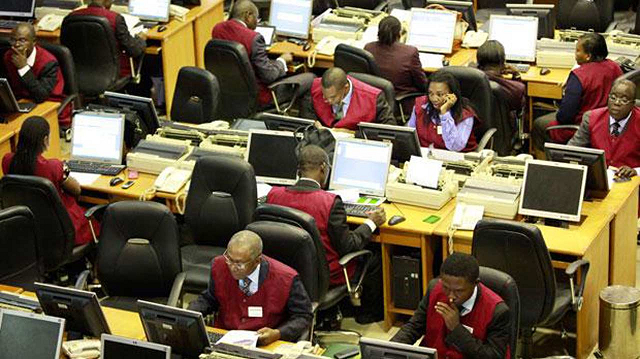
The Nigerian Exchange (NGX) closed lower as profit-taking in BUA Foods, Unilever Nigeria and other major stocks pushed the All-Share Index (ASI) down 1.12%.

The NGX-ASI fell by 2,756.48 points to 243,967.09, while market capitalisation declined by ₦1.76 trillion to ₦157.49 trillion, according to market data supplied to BizWatch Nigeria.

The decline in market capitalisation was also influenced by the listing of 9,236,321,546 additional ordinary shares of LASACO Assurance Plc following its rights issue. The shares, valued at 50 kobo each, were issued at ₦2.00 per share.

Trading activity weakened during the session, with total volume and transaction value falling by 62.78% and 35.35%, respectively. About 1.46 billion shares valued at ₦20.94 billion changed hands across 39,085 deals.

FTGINSURE accounted for 58.68% of total market volume, followed by UNIVINSURE at 17.32%, CHAMS at 2.75%, FIRSTHOLDCO at 1.95% and ACCESSCORP at 1.75%. FIRSTHOLDCO dominated value transactions, accounting for 18.73% of total trade value.

INTENEGINS led the gainers with a 10.00% increase, followed by ETI at 9.93% and TRANSEXPR at 9.77%.

However, BUAFOODS fell 10.00% to lead the decliners, followed by UNILEVER at 9.97%, JOHNHOLT at 9.90%, AVACAP at 9.50% and AUSTINLAZ at 8.81%.

The Consumer Goods sector recorded the steepest decline at 4.93%, followed by Industrial Goods at 0.42% and Banking at 0.30%. Insurance gained 0.71%, while Oil & Gas rose 0.02%.

What’s Being Said

“At Lasaco, we will continue to ensure that our capital is always robust, so that we’re able to deliver on the mandates to the general public,” said Ademoye Shobo, Managing Director, Lasaco Assurance Plc.

The supplied market report did not include an independent analyst or investor comment on the session. An independent market voice should be added before publication to meet the newsroom’s full sourcing requirement.

What’s Next

Investors will watch subsequent NGX sessions for evidence of whether the selloff in major consumer-goods and blue-chip stocks continues or whether buying interest returns.

Market participants will also monitor the impact of LASACO’s additional shares on market capitalisation and trading dynamics following the completion of the rights-issue process. The rights issue comprises 9.24 billion shares priced at ₦2.00 each and forms part of the insurer’s recapitalisation programme.

Bottom Line

The Bottom Line: The session points to renewed profit-taking pressure across large-cap stocks, with consumer goods bearing the heaviest impact. The combination of weaker trading activity and heavy selling in BUA Foods and Unilever leaves investors watching closely for whether the correction deepens or stabilises in subsequent sessions.

Presidency sets deadline for public input on National Policing Bill

Key Points

  • Public submissions on the proposed National Policing Bill close at 5 p.m. on Thursday.
  • Presidency seeks views on safeguards against political interference and police misconduct.
  • Proposed state police framework would require constitutional amendment before implementation.
  • States would still need enabling laws and funding to establish their own police services.

Main Story

The Presidency has set 5 p.m. on Thursday, August 13, 2026, as the deadline for Nigerians to submit views on the proposed National Policing Bill, which provides a framework for the possible establishment of state police.

Femi Gbajabiamila, Chief of Staff to President Bola Tinubu and Chairman of the Presidential Working Group on the Bill, announced the deadline on Wednesday.

He said the consultation was intended to draw on the experience and expertise of Nigerians before the proposed legislation is submitted to the National Assembly.

Gbajabiamila said submissions would help address key concerns surrounding state policing, including political interference, police misconduct, oversight and intelligence-sharing between federal and state police services.

He said the consultation would complement, rather than replace, the legislative role of the National Assembly, which would have the authority to consider, amend, reject or pass the Bill.

The Chief of Staff said the proposed system must contain safeguards against the misuse of state police by governors and other political actors.

He said concerns about the possible use of state police against political opponents, protesters, journalists and minority groups were legitimate and should be addressed through the design of the law.

Gbajabiamila said state police could bring policing closer to communities and improve responses to local security challenges, particularly where officers understood local languages, geography and crime patterns.

He, however, stressed that closer policing must be matched with accountability, human rights protections and the rule of law.

The proposed framework, he said, would provide national standards covering recruitment, vetting, training, remuneration, pensions, equipment and professional conduct.

It would also establish rules for the use of force, complaints, discipline, independent oversight, intelligence-sharing and cooperation between federal and state police services.

Gbajabiamila said citizens should have access to credible mechanisms for reporting misconduct and seeking redress.

He explained that the Constitution currently recognises only the Nigeria Police Force under Section 214, meaning that a constitutional amendment is required before state police can be created.

According to him, both chambers of the National Assembly have approved proposed constitutional changes providing for Federal Police Service and State Police Services, but the amendment process is yet to be completed.

He said the proposed amendment would subsequently have to be approved by at least 24 of the 36 state Houses of Assembly before being transmitted to the President for assent.

Until that process is completed, he stressed, state police remains a proposal.

Gbajabiamila also said the National Policing Bill was being developed alongside the constitutional amendment process.

He explained that passage of the Bill and constitutional amendment would not automatically require every state to establish its own police service.

Each state that chooses to establish one would need to enact its own enabling legislation, establish the required institutions and provide funding, while meeting the national conditions prescribed for operation.

States that do not establish their own police services would continue to be policed by the Nigeria Police Force.

The Issues

The proposed state police system is intended to bring policing closer to communities, but concerns remain over political interference, abuse of power, accountability and differences in the capacity of states to fund and manage police services. The proposed National Policing Bill seeks to establish national standards and safeguards around these issues.

What’s Being Said

“Nigeria needs both” effective local policing and protection from political abuse. – Femi Gbajabiamila, Chief of Staff to the President

“The concern that governors might use state police against political opponents, minority communities or dissenting voices is serious and must be answered in the design of the law.” – Femi Gbajabiamila

“The law must protect citizens regardless of who holds office.” – Femi Gbajabiamila

What’s Next

Public submissions will close at 5 p.m. on August 13. The constitutional amendment process must also be completed before state police can legally be established. If the proposed framework becomes law, individual states will still have to decide whether to establish their own police services and meet the required legal, institutional and funding conditions.

Bottom Line

The Presidency is seeking public input on a framework for state policing that aims to improve local security response while limiting the risk of political abuse. State police, however, cannot be implemented until the constitutional and legislative requirements are completed.

NAPS president gives education minister 14-day resignation ultimatum

Key Points

  • NAPS president accuses Education Minister of undermining polytechnic and technical education.
  • Association threatens protests and legal action over alleged exploitation of TVET students.
  • New leadership seeks equal treatment for HND and B.Sc. holders.
  • NAPS wants polytechnics strengthened to award B.Tech degrees.

Main Story

The newly elected National President of the National Association of Polytechnic Students (NAPS), Jimoh Ibrahim, has given the Minister of Education, Dr Tunji Alausa, 14 days to resign over what he described as policies weakening technical and vocational education.

Ibrahim made the demand in a statement outlining the priorities of his new administration and warned that polytechnic students would resist further deterioration in the sector.

He accused the minister of taking positions that had negatively affected polytechnic education and said the government should prioritise institutions responsible for developing Nigeria’s technical workforce.

Ibrahim said his administration would focus on student welfare, education reform, institutional development, capacity building and partnerships with relevant stakeholders.

He identified inadequate funding, poor infrastructure, obsolete laboratories and weak links between polytechnics and industry as some of the major challenges confronting the sector.

The NAPS president also raised concerns over the implementation of the Federal Government’s technical and vocational education and training (TVET) programme, particularly alleged exploitation of participating students by some institutions.

He warned institutions against imposing what he described as inappropriate charges on beneficiaries of the programme, saying NAPS would use protests and legal action where necessary to challenge such practices.

Ibrahim said the association would also intensify its campaign for the removal of disparities between holders of Higher National Diploma (HND) and Bachelor of Science (B.Sc.) qualifications.

He said the differences in employment opportunities, career progression and postgraduate admissions had continued to disadvantage polytechnic graduates.

According to him, NAPS would engage the National Assembly, government agencies and other policymakers until HND holders receive equal consideration in areas where they currently face restrictions.

On the future of polytechnics, Ibrahim opposed their conversion into conventional universities, arguing that the institutions should instead be developed to award Bachelor of Technology (B.Tech) degrees.

He said stronger investment in digital facilities, workshops, laboratories and industry partnerships would help polytechnics produce graduates with skills relevant to the labour market.

Ibrahim described technical education as important to Nigeria’s industrial development because polytechnics provide skilled manpower for sectors including manufacturing, construction, agriculture and information and communication technology.

He warned that continued neglect or conversion of polytechnics could weaken the country’s efforts to develop the technical workforce required for economic growth.

The new NAPS leadership also pledged to promote accountability and stronger internal coordination while ensuring that its advocacy reflects the concerns of students across the country.

Ibrahim commended the Department of State Services for supporting the peaceful conduct of the association’s national convention at which the new executives were elected.

The Issues

Nigeria’s polytechnic system faces longstanding concerns over funding, infrastructure, qualification disparities and the relevance of technical training to industry needs. The new NAPS leadership is seeking reforms while opposing the conversion of polytechnics into conventional universities.

What’s Being Said

“Any minister who does not prioritise the technological advancement of the country is not worthy of the appointment.” – Jimoh Ibrahim, NAPS National President

“Education interventions designed to empower students must never become avenues for exploitation.” – Jimoh Ibrahim, NAPS National President

“A country genuinely committed to technological advancement and economic prosperity does not diminish its polytechnics; it strengthens them.” – Jimoh Ibrahim, NAPS National President

What’s Next

NAPS has given the Education Minister 14 days to resign and indicated that it could pursue protests and legal action over issues affecting polytechnic students. The association also plans further engagement with policymakers on HND/B.Sc. parity and the strengthening of polytechnics.

Bottom Line

The new NAPS leadership is positioning the development of polytechnics, equal treatment for HND graduates and protection of TVET beneficiaries as key priorities, while demanding changes from the Federal Government over the direction of technical education.

Police nab suspected kidnapper attempting N1.6m rifle purchase

Key points

  • Kwara Police arrested suspected kidnapper Sanda Aliyu in Kaiama LGA.
  • He allegedly attempted to purchase an AK-47 rifle for N1.6m.
  • Police said N1.6m had already been paid for the weapon.
  • The suspect allegedly wanted the rifle to become a “Boss” within his gang.
  • Police are searching for Aliyu Mohammed, who allegedly negotiated the firearm deal.
  • Investigators are working to uncover other members and activities linked to the criminal network.

 Main Story

The Kwara State Police Command has arrested a suspected member of a kidnapping gang, identified as Sanda Aliyu, over an alleged attempt to procure an AK-47 rifle for N1.6m in Kaiama Local Government Area of the state.

Aliyu was arrested on August 3, 2026, by operatives of the Anti-Kidnapping Section following actionable intelligence that he was negotiating with one Aliyu Mohammed, who remains at large, for the purchase of the firearm.

The command said its detectives swiftly acted on the intelligence and apprehended the suspect before the weapon could be delivered. During interrogation, Aliyu allegedly admitted his involvement in the attempted arms transaction.

According to the Police Public Relations Officer, Adetoun Ejire-Adeyemi, the suspect disclosed that N1.6m had already been paid towards the purchase of the rifle. He reportedly told investigators that he intended to use the firearm to rise to the position of a “Boss” within his kidnapping gang before breaking away to establish and lead his own criminal group.

The police said the development has prompted further investigations into the attempted transaction, with detectives working to identify other individuals involved and determine the wider structure and activities of the alleged criminal network.

The arrest comes amid intensified security operations in parts of Kwara State following reported cases of kidnapping and other violent crimes in some communities.

 The Issues

The attempted purchase highlights the link between kidnapping and illicit arms trafficking, with access to sophisticated firearms potentially strengthening the operational capacity of criminal gangs.

The alleged plan by the suspect to acquire a firearm for leadership within the gang also raises concerns about the possible emergence or expansion of independent criminal cells in the state.

Police investigations will therefore be critical in determining the source of the firearm, identifying other financiers or collaborators and dismantling the wider network behind the attempted transaction.

 What’s Being Said

Adetoun Ejire-Adeyemi, Police Public Relations Officer, Kwara State

“The suspect voluntarily admitted his involvement in the transaction and disclosed that N1.6 million had already been paid towards the purchase of the rifle.”

She said the ongoing investigation would help identify other persons connected to the transaction, establish the full extent of the network and uncover broader criminal activities associated with the gang.

Ojo Adekimi, Commissioner of Police, Kwara State

“There will be no respite in the ongoing offensive against criminal elements.”

Adekimi said the command would continue to deploy lawful intelligence and operational resources to protect residents and secure communities across the state.

 What’s Next

The suspect remains in police custody as investigations continue. The command is also intensifying efforts to arrest Aliyu Mohammed, who allegedly negotiated the firearm purchase.

Investigators are expected to trace the financial transaction, establish the source of the proposed AK-47 rifle and identify other persons linked to the alleged kidnapping network.

Bottom Line

The arrest has exposed an alleged attempt by a suspected kidnapper to acquire an AK-47 rifle as part of a plan to rise within a criminal gang and establish his own group. The ongoing investigation could provide security agencies with critical intelligence for dismantling the wider kidnapping and arms-trafficking network in Kwara.

WHO raises concern over Trump vaccine order, reaffirms safety of childhood immunisation

Key points

  • The World Health Organisation (WHO) has expressed concern over a new US executive order seeking to overhaul routine childhood vaccination recommendations.
  • WHO Secretary-General, Tedros Ghebreyesus, reaffirmed the safety and importance of childhood vaccines.
  • The US directive seeks to reduce the number of diseases covered by routine childhood immunisation recommendations from 18 to 11.
  • The policy also proposes administering the measles, mumps and rubella (MMR) vaccines separately rather than as a combined shot.
  • WHO said the proposed changes are not consistent with decades of scientific evidence on vaccination schedules and dosage.

Main Story

The World Health Organisation (WHO) has expressed concern over a new executive order by US President Donald Trump seeking to overhaul the country’s recommended childhood vaccination schedule, while reaffirming the safety and importance of routine immunisation.

WHO Secretary-General Tedros Ghebreyesus, raised the concern in a statement on Wednesday, stressing that vaccination remains one of the most effective tools available to prevent serious childhood diseases.

Tedros acknowledged parents’ desire to protect their children, saying vaccines have played a critical role in making potentially deadly diseases preventable.

His comments followed an executive order signed by Trump on Monday directing a review of routine childhood immunisation recommendations.

Under the proposed Gold Standard Childhood Vaccine Recommendations, the number of diseases covered by routine childhood immunisation is to be reduced from 18 to 11.

The policy also proposes separating the combined measles, mumps and rubella (MMR) vaccine into three individual vaccines, administered during separate medical appointments.

According to the US administration, the changes are intended to improve vaccine research and expand parental choice while ensuring compliance with constitutional and federal requirements concerning parental authority, religious freedom, disability accommodations and equal protection.

The Issues

WHO’s concern centres on whether the proposed changes are consistent with established scientific evidence on childhood vaccination.

Tedros said the proposed adjustments do not align with decades of evidence concerning when children should be vaccinated, how many doses are required and which vaccines can safely be administered together.

He stressed that vaccination recommendations are continuously reviewed as new evidence emerges globally.

The issue has wider public health implications because changes to vaccination schedules could affect immunisation coverage and leave some children vulnerable to preventable diseases if doses are delayed or omitted.

What’s Being Said

Tedros Ghebreyesus, WHO Secretary-General

Tedros reaffirmed WHO’s position on the safety of childhood vaccines, saying:

“The current evidence is unequivocal: vaccines – including the MMR vaccine – are safe and do not cause autism.”

He also cautioned against unnecessarily delaying or separating vaccinations.

“Delaying vaccines or separating doses unnecessarily does not make vaccination safer and can leave children unprotected.”

Tedros said national vaccination policies should take account of global evidence and recommendations, including those developed by WHO and reviewed by national experts.

He further warned against allowing political considerations to determine public health policy.

“Vaccination policy should be guided by rigorous, independent and transparent review of the best available science, not by political influence.”

What’s Next

The Trump administration’s revised vaccine recommendations are expected to undergo further implementation and review as US health authorities determine how the new policy will affect childhood immunisation programmes.

The development is likely to remain a subject of debate among health authorities, medical professionals, parents and policymakers, particularly regarding the proposed reduction in recommended vaccines and separation of the MMR shots.

WHO, meanwhile, is expected to continue advocating evidence-based immunisation policies and monitoring emerging scientific evidence on vaccine safety and effectiveness.

Bottom Line

The disagreement highlights a fundamental debate over who and what should guide vaccination policy.

While the Trump administration’s directive places greater emphasis on parental choice and a revised vaccination framework, WHO maintains that childhood immunisation schedules should be determined by rigorous scientific evidence and continuous expert review.

For WHO, the central concern is that changes to established vaccination schedules should not inadvertently leave children vulnerable to preventable diseases.

Interswitch to champion Africa’s digital growth as platinum sponsor of 2026 Moonshot by TechCabal conference

Interswitch, one of Africa’s leading integrated payments and digital commerce companies, will return for the third time as a Platinum Sponsor of Moonshot by TechCabal 2026, taking ownership of the Big Tech and Enterprise Stage for the second consecutive year and contributing to critical conversations on the courage, conviction and innovation required to build Africa’s next digital economy.

The flagship technology conference, hosted by leading African technology publication TechCabal, will take place from October 28–29, 2026, at the National Theatre, Lagos, under the theme, “Courage & Conviction – Building for a New World.”

Now in its fourth edition, Moonshot brings together policymakers, technology leaders, founders, innovators, investors and business executives to examine the ideas, technologies and partnerships that will shape Africa’s future. This year’s theme calls on the ecosystem to move beyond simply responding to change and instead have the courage to challenge convention and the conviction to build solutions for the world ahead.

For Interswitch, this philosophy closely mirrors its role in Africa’s digital transformation. As businesses, consumers and institutions navigate an increasingly complex digital landscape, the company continues to champion the infrastructure, partnerships and innovations required to make digital commerce more accessible, secure and scalable across the continent.

As Platinum Sponsor, Interswitch will anchor conversations on the Big Tech and Enterprise Stage, bringing together influential voices to explore the opportunities and challenges shaping enterprise technology, digital infrastructure and the future of Africa’s digital economy. The company will also participate in an exclusive closed-door gathering of policymakers, industry leaders and innovators, creating a platform for deeper dialogue on the policies, partnerships and investments required to build a more resilient and inclusive digital ecosystem.

Speaking on the partnership and the significance of this year’s theme, Cherry Eromosele, EVP, Group Marketing and Communications, Interswitch, said:

“Africa stands at a defining moment. The next chapter of our digital transformation will require more than innovation; it will require the courage to rethink what is possible and the conviction to build for the world we know is coming. At Interswitch, we believe that building this future requires strong digital infrastructure, purposeful partnerships and an unwavering commitment to solving real challenges at scale. Moonshot provides an important platform for these conversations, bringing together the people and ideas capable of turning conviction into meaningful action.”

Interswitch’s participation at Moonshot reflects its longstanding commitment to enabling Africa’s digital economy through innovation, strategic partnerships and ecosystem collaboration. Its return as Platinum Sponsor and owner of the Big Tech and Enterprise Stage reinforces its commitment to creating platforms where bold ideas can evolve into practical solutions and where industry leaders can collectively shape the future of digital commerce.

More than a sponsorship, Interswitch’s presence at Moonshot represents an opportunity to challenge assumptions, exchange perspectives and build the partnerships needed for a new digital Africa.

Through partnerships of this nature, Interswitch continues to advance the strategic conversations that define how Africa responds to emerging technologies, evolving consumer expectations and new opportunities for inclusive economic growth.

Senate gives oil firms 48-hour ultimatum over audit queries

Senate

Key Points

  • Senate orders Seplat Energy, Network E&P and others to appear before its Public Accounts Committee.
  • Firms were absent from a hearing on NEITI audit queries.
  • Committee threatens to invoke its constitutional powers if companies fail to appear.
  • Dubri Oil disputes a reported $3.25m debt, citing reconciliation with NUPRC.

Main Story

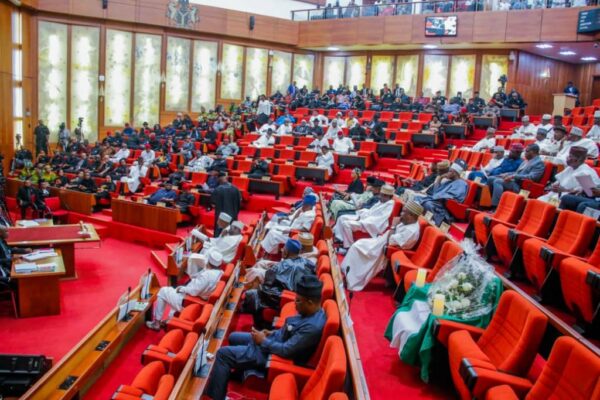
The Senate has given Seplat Energy, Network E&P Nigeria Ltd. and other oil companies 48 hours to appear before its Public Accounts Committee over unresolved audit queries contained in reports by the Nigeria Extractive Industries Transparency Initiative (NEITI).

The affected companies failed to attend the committee’s investigative hearing in Abuja on Tuesday, prompting lawmakers to issue the ultimatum.

Other companies listed by the committee are All Grace Energy Ltd. and Aradel Energy. The queries relate to NEITI’s 2021, 2022 and 2023 audit reports.

Chairman of the committee, Sen. Abdul Ningi, expressed concern over the companies’ failure to honour the invitation, describing their absence as unacceptable.

Ningi also criticised the position reportedly taken by one of the companies that the Nigerian Upstream Petroleum Regulatory Commission (NUPRC) was its only regulator.

He said such a position did not override the constitutional oversight authority of the National Assembly.

Ningi cited Sections 88 and 89 of the 1999 Constitution, which empower the legislature to summon individuals, organisations and government agencies to provide information on matters of public interest.

Sen. Shehu Kaka also urged the committee to use its constitutional powers against companies that continued to disregard its invitations.

He specifically directed the Managing Director of Network E&P Nigeria Ltd. and other affected executives to appear before the committee on Thursday or face legislative action.

Meanwhile, Dubri Oil Company Ltd. appeared before the committee to respond to a reported $3.25 million liability relating to royalties and gas flaring.

Representing the company, Mr Soyode Olusoji said the amount arose from reconciliation issues between Dubri Oil and NUPRC.

He explained that the audit findings were compiled while discussions between the company and the regulator were still ongoing.

According to the NEITI report, information supplied by NUPRC in 2025 showed that Dubri Oil had liabilities of $3.25 million.

The reported amount comprised $2.378 million in gas flare liabilities and $646,605.55 linked to oil production activities.

Olusoji told lawmakers that the reconciliation had subsequently been completed and that Dubri Oil no longer had an outstanding liability.

He submitted documents supporting the company’s position and asked the committee to examine them before reaching a conclusion.

The committee said it would review the documents as part of its investigation into the audit findings.

The Issues

The Senate’s action centres on companies’ responses to audit queries contained in NEITI reports. The committee is asserting its constitutional oversight powers while some companies have raised questions about the scope of legislative invitations and their regulatory obligations.

What’s Being Said

“The Senate and, by extension, the National Assembly, is the custodian of Nigerian law and has power to invite anybody or agency.” – Sen. Abdul Ningi, Chairman, Senate Public Accounts Committee

“They should appear before us unfailingly on Thursday this week or risk full invocation of legislative powers against them.” – Sen. Shehu Kaka

What’s Next

The affected oil companies are expected to appear before the Senate committee within the 48-hour deadline and respond to the outstanding audit queries. The committee will also review documents submitted by Dubri Oil concerning its reported liabilities.

Bottom Line

The Senate is escalating its scrutiny of oil companies named in NEITI audit findings, with non-compliant firms facing possible legislative action.

100 MSMEs receive solar training, financing support

Key Points

  • 100 MSMEs trained under a programme promoting solar adoption.
  • Participants to be linked with financing providers to acquire solar systems.
  • Organisers say poor financial records limit MSMEs’ access to credit.
  • SMEDAN and lenders encourage businesses to adopt solar to cut energy costs.

Main Story

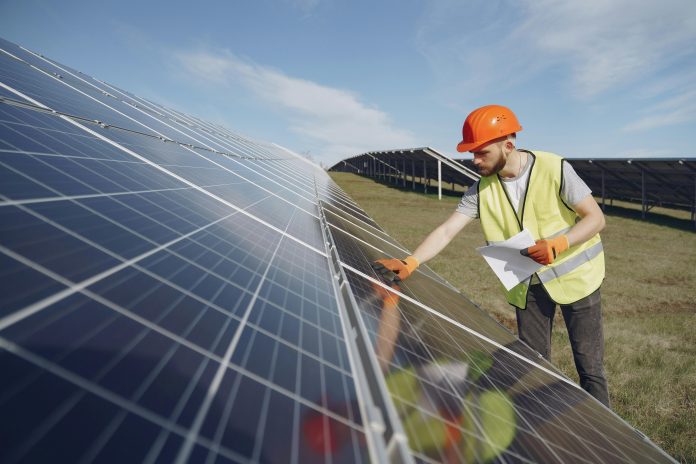
No fewer than 100 Micro, Small and Medium Enterprises (MSMEs) have received training and financing support under a programme aimed at helping businesses switch from petrol and diesel generators to solar energy.

The Country Director of Solar Sister Nigeria, Ms Chioma Ome, disclosed this on Tuesday in Abuja during the three-day ZE-GEN MSME Solar Adoption Programme.

Ome said the initiative was designed to help small businesses address unreliable electricity supply while improving their productivity and reducing the cost of running generators.

She said the participating businesses, which include fashion and tailoring enterprises, hair salons, cold-storage operators and agricultural processors, were trained in two batches of 50.

Ome said the programme was targeting at least 70 per cent solar adoption among the participating businesses.

She explained that interested businesses would be connected with microfinance institutions and other financing providers to enable them purchase solar systems and repay the cost over periods ranging from 18 months to two years.

She said the programme also sought to help entrepreneurs understand the wider cost of relying on generators, including fuel, maintenance and potential health risks associated with emissions.

Ome called for stronger cooperation between government, private organisations and development partners to expand access to clean energy financing for MSMEs.

Eessy Adjoring, Manager of Operations at Anfani Energy Ltd., said the programme was being implemented in partnership with Solar Sister Nigeria, with the Carbon Trust facilitating the project and the Small and Medium Enterprises Development Agency of Nigeria (SMEDAN) providing support.

She said the initiative was designed to address a major gap in solar adoption by connecting businesses with actual financing opportunities rather than limiting the programme to awareness and training.

Adjoring identified poor financial preparedness as one of the factors preventing MSMEs from accessing credit.

She advised business owners to register their enterprises with the Corporate Affairs Commission, maintain proper accounts, meet their tax obligations and keep records showing their cash flow and profitability.

According to her, lenders need evidence that businesses can generate sufficient returns to repay financing and that adopting solar would improve their operations.

Dr Funto Babarude, Assistant Director at SMEDAN, also urged MSMEs to adopt solar energy, saying it could lower operating costs, reduce losses and improve productivity.

She said financing opportunities were available through SMEDAN’s growth fund, the Bank of Industry, microfinance banks and the Bank of Agriculture.

Babarude stressed that entrepreneurs seeking funding needed to demonstrate their turnover, cash flow, profitability and business plans.

A representative of LAPO Microfinance Bank, Mr Segun Williams, said the bank was prepared to finance solar installations for businesses across different sectors.

Williams said financing could be tailored to the capacity and requirements of individual businesses, with facilities potentially reaching N100 million or N150 million for qualifying enterprises.

He added that LAPO’s presence across several states would allow businesses outside Abuja to access its financing services.

One of the beneficiaries, Comrade Ali Paul, Chairman of the National Union of Textile, Garment and Tailoring Workers of Nigeria, FCT Council, said the programme addressed a major challenge facing businesses.

Paul said unreliable electricity had resulted in delayed services and lost business opportunities, while rising petrol prices and generator maintenance costs had increased operating expenses.

He said adopting solar energy could help businesses reduce their energy costs and improve service delivery.

The Issues

High energy costs and unreliable electricity remain significant challenges for MSMEs. While solar can reduce dependence on generators, the upfront cost of installing systems can prevent small businesses from making the transition. The programme is therefore combining technical awareness with financing options.

What’s Being Said

“Solar energy provides a more reliable and less stressful alternative.” – Chioma Ome, Country Director, Solar Sister Nigeria

“It is one thing to preach adoption and another to actually help businesses adopt these solutions.” – Eessy Adjoring, Manager of Operations, Anfani Energy Ltd.

“Financiers want to see evidence that a business is profitable and capable of repaying the financing.” – Eessy Adjoring, Manager of Operations, Anfani Energy Ltd.

What’s Next

The participating MSMEs are expected to be linked with financing providers to facilitate the acquisition of solar systems. Organisers and stakeholders are also calling for broader financing support to enable more small businesses to transition to clean energy.

Bottom Line

The programme is seeking to remove two major barriers to MSME solar adoption: lack of knowledge and lack of affordable financing. Its success will depend on whether participating businesses can secure funding and convert the training into actual solar installations.

NHRC urges Nigerians to reject identity politics ahead of 2027

Key Points

  • NHRC calls for leadership based on competence and respect for rights.
  • Ojukwu condemns religiously divisive political rhetoric ahead of 2027.
  • Commission urges authorities to investigate alleged hate speech and incitement.
  • Religious leaders and politicians are urged to avoid inflammatory statements.

Main Story

The Executive Secretary of the National Human Rights Commission (NHRC), Dr Tony Ojukwu, has urged Nigerians to reject identity-based politics and assess political leaders based on competence, performance and respect for human rights.

Ojukwu made the call in a statement reacting to comments allegedly made by Sheikh Sani Jingir on Sunday.

He expressed concern that the cleric’s remarks appeared to promote religiously exclusive politics ahead of the 2027 general elections.

According to Ojukwu, the comments, including the use of derogatory language while mobilising supporters to obtain voter cards, were inconsistent with the principles of equality, non-discrimination and peaceful coexistence guaranteed by the Nigerian Constitution and international human rights obligations.

He described the remarks as hate speech and incitement to religious hatred, warning that such rhetoric could heighten tensions as the country approaches another election.

Ojukwu said allowing influential figures to make divisive statements without consequences could encourage similar conduct by religious and political actors.

He therefore called on the Inspector-General of Police, the Director-General of the Department of State Services and other relevant authorities to investigate the allegations and prosecute Jingir if found to have committed offences relating to hate speech and incitement.

The NHRC executive secretary said any prosecution should be pursued without regard to the accused person’s status or political affiliation.

He said this would help discourage individuals from exploiting religious sentiments for political purposes during the election period.

Ojukwu also appealed to religious leaders, traditional rulers and politicians to avoid rhetoric capable of deepening divisions among Nigerians.

The Issues

Identity and religious politics remain sensitive issues in Nigeria, particularly ahead of general elections. The NHRC is warning that inflammatory statements by influential figures could undermine peaceful coexistence and increase political and religious tensions.

What’s Being Said

“The commission finds these remarks to be hate speech and incitement to religious hatred and potential violence.” – Tony Ojukwu, Executive Secretary, NHRC

“We cannot afford to look away.” – Tony Ojukwu, Executive Secretary, NHRC

What’s Next

The NHRC wants security and law-enforcement authorities to investigate the allegations against Jingir and take appropriate legal action where necessary. It is also urging influential figures to avoid divisive political and religious rhetoric ahead of 2027.

Bottom Line

The NHRC is calling for politics centred on competence, accountability and human rights, while warning that religiously divisive rhetoric could threaten peaceful coexistence ahead of the 2027 elections.

African leaders urged to strengthen internal party democracy

Key Points

  • Former ECOWAS Commission president calls for credible and inclusive elections.
  • Gambian lawmaker says stronger internal party democracy is vital to democratic governance.
  • Panelists urge political actors to prioritise national stability over partisan interests.
  • Judiciary urged to provide credible avenue for resolving electoral disputes.

Main Story

African political leaders have been urged to strengthen democracy by promoting internal party democracy and ensuring that elections are transparent, credible and inclusive.

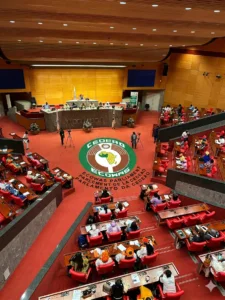
Former President of the ECOWAS Commission, Kadré Ouédraogo, and Gambian parliamentarian Fatoumatta Njai made the call on Tuesday at the 2026 Goodluck Jonathan Foundation (GJF) Democracy Dialogue in Bauchi.

The dialogue, organised around the theme, “Beyond Elections: Can Political Parties and the Judiciary Save African Democracy?”, examined the roles of political parties and judicial institutions in sustaining democratic governance.

Ouédraogo said the legitimacy of representative government depended largely on the credibility of the electoral process.

He urged political parties and election management bodies to work towards elections that would allow citizens to freely choose their leaders.

The former ECOWAS official also advised political actors to place national peace and stability above personal and partisan interests.

He said parties challenging election results should provide credible evidence to support their claims and use established legal channels for seeking redress.

According to him, the judiciary has a responsibility to objectively determine electoral disputes and validate results where appropriate.

Njai, however, focused on the internal structures of political parties, arguing that many African parties only become active shortly before elections.

She said parties that lacked sustained organisation and membership development would struggle to establish and promote democratic values.

The Gambian lawmaker cited Senegal’s 2024 elections as an example of how established political structures could withstand significant political challenges.

Njai also drew from her experience as an independent candidate in The Gambia after challenging her party’s decision to align with the former ruling establishment.

She said she pursued the matter through the courts but eventually contested independently because the judicial process did not conclude before the election.

According to her, the outcome demonstrated the importance of allowing voters to make the final choice through a credible electoral process.

Njai said political parties must practise democracy within their own structures before they could effectively contribute to protecting democracy at the national, regional and continental levels.

The Issues

Democratic governance in Africa continues to depend on the credibility of elections, the strength of political institutions and the ability of parties to practise democratic principles internally. The panelists identified weak internal party structures and disputed election outcomes as areas requiring greater attention.

What’s Being Said

“There can be no sustainable democracy without transparent and credible elections.” – Kadré Ouédraogo, former President, ECOWAS Commission

“Political parties must exercise internal democracy before they can aim to protect national, continental, regional and global democracy.” – Fatoumatta Njai, Gambian parliamentarian

“Parties must support their grievances with tangible and compelling evidence.” – Kadré Ouédraogo, former President, ECOWAS Commission

What’s Next

Political parties and electoral stakeholders are expected to strengthen internal democratic processes, improve electoral credibility and use established judicial mechanisms to resolve disputes.

Bottom Line

The panelists argued that protecting African democracy requires more than holding elections. Stronger internal party democracy, credible elections, evidence-based electoral challenges and impartial judicial processes are necessary to sustain public confidence in democratic governance.

NDPC probes UNILAG, Lotus Bank, firm over alleged data breaches

NDPC Faults CBN's Move To Gather Social Media Customers Handles

Key Points

  • NDPC begins forensic investigation into UNILAG, Lotus Bank and Hackerbella Ltd.
  • Probe follows complaints over alleged unauthorised use of students’ personal data.
  • Commission will examine data processing, profiling, privacy notices and safeguards.
  • NDPC warns educational institutions to comply with data protection requirements.

Main Story

The Nigeria Data Protection Commission (NDPC) has launched a forensic investigation into the University of Lagos (UNILAG), Lotus Bank and Hackerbella Ltd. over alleged breaches of Nigeria’s data protection laws.

The commission’s Head of Legal, Enforcement and Regulations, Mr Babatunde Bamigboye, disclosed this in a statement on Wednesday in Abuja.

He said the investigation was triggered by complaints alleging that students’ personal information was used to open bank accounts without a lawful basis.

According to Bamigboye, NDPC National Commissioner, Dr Vincent Olatunji, directed investigators to establish how the students’ information was collected, processed and disclosed, as well as determine the responsibilities of the organisations involved.

He said the investigation would assess the compliance of the parties with the Nigeria Data Protection Act, 2023, while also examining possible risks to the rights and freedoms of the affected students.

Bamigboye said investigators would review several aspects of the alleged data processing, including the use of personal information for credit scoring or profiling and any automated decision-making involved.

The probe will also examine whether the organisations provided adequate privacy notices, had valid grounds for sharing and processing personal information, observed data minimisation and purpose limitation requirements, and maintained appropriate retention policies and security measures.

He stressed that institutions handling the personal information of students, employees and other members of their communities were required to process such data lawfully, transparently and securely.

Bamigboye also urged educational institutions that had not complied with existing NDPC data protection directives to take the necessary steps to meet their obligations.

He said effective compliance was necessary to protect data subjects and promote responsible handling of personal information across the education sector.

The Issues

The investigation centres on allegations that students’ personal information may have been used to open bank accounts without a lawful basis. The outcome of the probe is expected to establish how the data were obtained and processed, the responsibilities of the parties involved and whether applicable data protection requirements were followed.

What’s Being Said

“The investigation will, among others, cover Data Protection Impact Assessments (DPIAs), the lawfulness and transparency of any credit scoring or profiling activities, and the use of automated decision-making systems.” – Babatunde Bamigboye, Head, Legal, Enforcement and Regulations, NDPC

“Institutions entrusted with the personal data of students, staff and other members of their communities” have a responsibility to ensure the information is processed lawfully, fairly, transparently and securely. – Babatunde Bamigboye, NDPC

What’s Next

The NDPC will continue its forensic assessment of the three organisations, including their data-processing practices and compliance with the Nigeria Data Protection Act. Educational institutions yet to meet existing data protection directives are also expected to take corrective steps.

Bottom Line

The NDPC investigation will determine whether students’ personal data were unlawfully processed or shared and whether UNILAG, Lotus Bank and Hackerbella Ltd. complied with Nigeria’s data protection requirements.

NIMASA, Navy renew maritime security pact to strengthen joint enforcement

Key points

  • NIMASA and the Nigerian Navy have renewed their strategic partnership through a new Memorandum of Understanding (MoU).
  • The agreement is designed to strengthen maritime security, safety and coordinated enforcement across Nigeria’s territorial waters.
  • It provides a framework for implementing the SPOMO Act, ISPS Code and other relevant maritime laws.
  • The renewed pact is the first formal update of the institutions’ partnership since the original MoU was signed in 2007.
  • The Deep Blue Project has been formally integrated into the collaborative framework.
  • A joint reporting protocol will strengthen operational communication and information sharing.
  • Both institutions will hold an annual conference to review collaboration and address emerging maritime security threats.

Main Story

The Nigerian Maritime Administration and Safety Agency (NIMASA) and the Nigerian Navy have renewed their strategic partnership with the signing of a Memorandum of Understanding (MoU) aimed at strengthening maritime security, improving safety and deepening coordinated enforcement across Nigeria’s maritime domain.

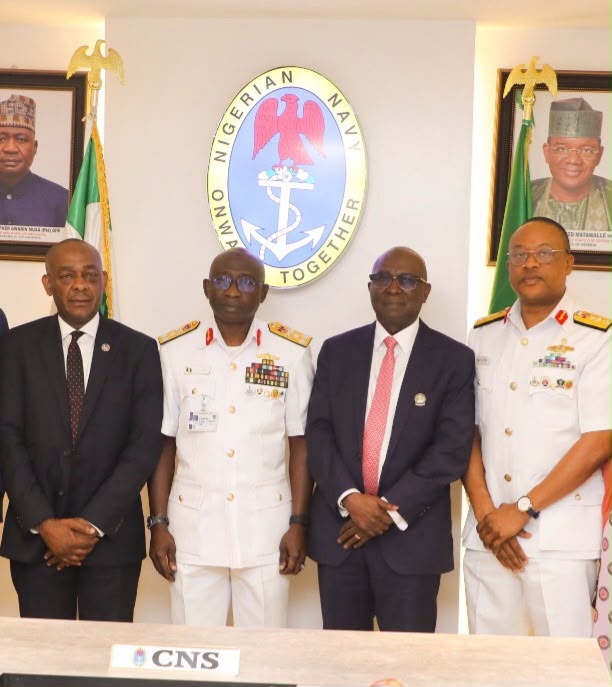
The agreement was signed at the Nigerian Navy Headquarters in Abuja by the Director-General of NIMASA, Dr Dayo Mobereola, and the Chief of the Naval Staff, Vice Admiral Idi Abbas.

The renewed agreement represents the first formal renewal of the partnership since the two institutions signed their original MoU in 2007.

Under the new framework, NIMASA and the Navy will strengthen cooperation in maritime security operations and the implementation of the Suppression of Piracy and Other Maritime Offences (SPOMO) Act, the International Ship and Port Facility Security (ISPS) Code and other relevant maritime laws.

The agreement is also expected to improve information sharing, operational coordination and joint responses to emerging threats within Nigeria’s maritime space.

According to NIMASA, the partnership will consolidate gains already recorded in maritime security while providing both agencies with a stronger institutional framework for delivering their statutory mandates.

The Issues

Nigeria’s maritime domain remains strategically important to the country’s economy, with a significant proportion of international trade and economic activity dependent on the waterways.

Consequently, threats to maritime security can have implications for trade, shipping, revenue generation, investment and the development of the Blue Economy.

The evolving nature of maritime threats also requires stronger coordination among agencies responsible for maritime safety, security and law enforcement.

The renewed MoU seeks to address some of these challenges by establishing clearer channels for information sharing, joint reporting and coordinated operational responses.

What’s Being Said

Dr Dayo Mobereola, Director-General, NIMASA

Mobereola commended the Minister of Marine and Blue Economy, Adegboyega Oyetola, for his commitment to strengthening inter-agency cooperation as a driver of maritime security and Blue Economy development.

He said the renewed agreement would support the Federal Government’s efforts to unlock the potential of Nigeria’s maritime sector.

“As we renew this partnership today, I urge our respective teams to ensure that the spirit of this agreement translates into practical and measurable outcomes.”

The NIMASA DG also thanked the Nigerian Navy for its continued support towards strengthening the partnership.

Vice Admiral Idi Abbas, Chief of the Naval Staff

Abbas described the agreement as a significant milestone in the longstanding relationship between the Navy and NIMASA.

He said the renewed MoU contains provisions designed to strengthen Nigeria’s response to evolving maritime security challenges.

“Whether we like it or not, the water is where we get whatever we are getting—our revenue, everything and even the trade we engage in, in large percentages, is done through the water.”

He stressed the importance of maintaining strong institutions capable of securing Nigeria’s maritime environment.

What’s New in the MoU?

One of the major additions is the formal integration of the Deep Blue Project into the collaborative framework.

The arrangement is expected to strengthen cooperation between the Nigerian Navy’s Maritime Guard Command and the Deep Blue Project in responding to maritime security threats.

The MoU also introduces a joint reporting protocol to improve communication and information sharing during operations.

This is expected to facilitate faster decision-making and ensure that maritime incidents receive a more coordinated response.

Another provision is the establishment of an annual conference, where both institutions will review their collaboration, assess progress and develop responses to emerging security challenges.

What’s Next

NIMASA and the Nigerian Navy are expected to translate the renewed agreement into practical joint operations, stronger intelligence and information sharing, coordinated enforcement and improved responses to maritime incidents.

The annual conference will provide an additional platform for reviewing implementation and identifying areas requiring stronger cooperation.

The partnership is also expected to contribute to the Federal Government’s broader Blue Economy agenda by creating a safer and more secure environment for shipping, investment, trade and other maritime activities.

Bottom Line

The renewal of the NIMASA-Navy MoU marks an important step towards building a more coordinated maritime security architecture for Nigeria.

With the Deep Blue Project now incorporated into the framework, alongside joint reporting and regular institutional reviews, the agreement could strengthen Nigeria’s ability to respond to maritime threats.

Ultimately, the success of the pact will depend not on the signing ceremony alone, but on how effectively both institutions convert the agreement into sustained joint action, faster information sharing and measurable improvements in maritime safety and security.

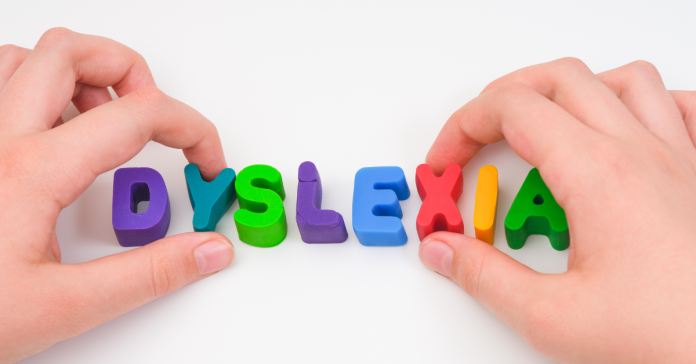
AI, assistive technologies seen improving dyslexia learning outcomes

Key Points

  • Stakeholders advocate wider use of AI tools for children with dyslexia.
  • Experts say technology can improve reading, writing and communication skills.
  • Affordability, teacher training and digital access remain key challenges.
  • Stakeholders call for greater awareness and early diagnosis of dyslexia.

Main Story

Stakeholders have urged schools and education authorities in Nigeria to make greater use of Artificial Intelligence (AI) and assistive technologies to support children living with dyslexia.

They made the recommendation in separate interviews with the News Agency of Nigeria (NAN) on Wednesday in Lagos, saying digital tools could help pupils who struggle with reading, spelling and written expression.

Praise Okafor, a health writer, said poor understanding of dyslexia often resulted in affected children being wrongly judged in conventional classrooms.

She said digital resources could give such pupils alternative ways of accessing lessons and completing learning activities, but stressed that their use should be guided by professional assessment and individual learning plans.

Chinedu Eze, a special needs education consultant, said teachers must be trained to recognise possible signs of dyslexia and match learners with appropriate assistive technologies.

He said the effectiveness of such tools depended on teachers being able to integrate them properly into classroom instruction.

A primary school teacher in Lekki, Amina Bello, said speech-to-text and text-to-speech applications could help reduce some of the difficulties faced by dyslexic pupils.

She explained that text-to-speech could enable pupils to listen to written instructions, while speech-to-text could provide an alternative means of expressing ideas.

Bello, however, cautioned that digital tools should not replace direct support from teachers and parents.

David Ibrahim, an educational technology developer, called for locally developed and affordable AI learning platforms, noting that the cost of subscriptions and poor internet access could limit adoption.

He urged developers to include offline functionality, low-data options and content suited to Nigerian learners.

Ngozi Nwosu, a parent, also identified affordability as a major challenge and called for measures to make assistive learning technologies accessible to children from low-income households.

Samuel Adeyemi, an education researcher, said access to technology must be considered alongside Nigeria’s wider digital infrastructure challenges.

He noted that children in rural communities could be excluded from AI-assisted learning where schools lacked electricity, internet connectivity, computers and trained personnel.

Adeyemi called for collaboration among government agencies, technology companies, schools, parents and non-governmental organisations to improve access and support implementation.

The stakeholders also called for greater public awareness of dyslexia and earlier identification of children experiencing learning difficulties.

They advised parents to seek professional assessment rather than relying solely on AI tools to determine whether a child has dyslexia.

They said the usefulness of AI-assisted learning would ultimately depend on whether the technology was affordable and accessible and whether teachers were adequately prepared to use it.

The Issues

Many children with dyslexia remain undiagnosed or unsupported within Nigeria’s education system. While AI-powered tools offer new opportunities for personalised learning, challenges such as affordability, infrastructure gaps, limited awareness and inadequate teacher training continue to affect adoption.

What’s Being Said

“AI-powered learning platforms can provide alternative ways for children to access educational content.” — Praise Okafor, Health Writer

“Technology should complement the teacher, not replace the teacher.” — Chinedu Eze, Special Needs Education Consultant

“Teachers and parents must continue to provide encouragement, guidance and direct learning support.” — Amina Bello, Primary School Teacher

What’s Next

Stakeholders are calling for increased investment in accessible learning technologies, stronger teacher training programmes and broader awareness campaigns to improve support for children living with dyslexia.

Bottom Line

Experts believe AI and assistive technologies can help children with dyslexia overcome learning barriers, but success will depend on affordability, accessibility, trained educators and responsible implementation.

Osifo urges policy stability, private investment in oil sector

Key Points

  • PENGASSAN leader calls for stable policies to attract long-term investment.
  • Osifo says frequent regulatory changes create uncertainty for investors.
  • He proposes greater private-sector equity participation in refineries.
  • Labour leader says investment would support energy security and job creation.

Main Story

The outgoing President of the Petroleum and Natural Gas Senior Staff Association of Nigeria (PENGASSAN), Mr Festus Osifo, has urged the Federal Government to provide a stable policy environment and encourage private investment to drive growth in Nigeria’s oil and gas sector.

Osifo made the call on Monday during an engagement with members of the Labour Writers Association of Nigeria (LAWAN) in Lagos.

He said frequent changes in policies and regulations could undermine investor confidence, stressing that investors needed clarity about their obligations before committing capital to the industry.

According to him, investors needed certainty regarding taxes, royalties and other financial obligations.

Osifo acknowledged some gains from the Petroleum Industry Act (PIA), including the establishment of sector regulators, the conversion of the Nigerian National Petroleum Corporation into a limited liability company and the creation of the Host Communities Development Trust.

He, however, expressed concern over subsequent policies and executive orders that he said could alter provisions of the law and create uncertainty for investors.

The labour leader said government should allow existing laws and regulations to operate for a reasonable period so that investors could make long-term decisions with greater confidence.

He said increased investment and expansion in the oil and gas sector would create more opportunities for Nigerians while strengthening the country’s energy security.

On the nation’s refineries, Osifo called for increased private-sector participation, saying PENGASSAN had consistently supported an ownership model similar to that of Nigeria Liquefied Natural Gas.

He proposed that private investors should be allowed to acquire up to 51 per cent equity in refineries, while government retains 49 per cent.

According to him, such an arrangement would reduce government interference and allow refinery operations to be guided by commercial considerations.

Osifo said some refineries had been shut down because they were operating at losses, rather than simply because they were not functioning.

He therefore welcomed the current move to introduce equity partners into the refinery business, describing it as a positive development.

The PENGASSAN leader said private equity participation could attract investment, improve refinery operations, strengthen energy security and create employment opportunities.

He also said protecting workers’ jobs and improving remuneration remained priorities under his leadership.

Osifo said despite divestments in the oil and gas sector, no PENGASSAN member had lost their job as a result of the divestments.

Earlier, the Chairman of LAWAN, Mr Toba Agboola, commended Osifo for his contributions to the association and the labour movement.

Agboola described Osifo as a friend and member of the association’s family and appreciated his support and relationship with labour writers.

The Issues

Nigeria’s oil and gas sector continues to require substantial investment, but policy uncertainty can affect investors’ willingness to commit capital for the long term. Osifo is advocating greater regulatory stability alongside increased private participation in refinery operations.

What’s Being Said

“Investors need to know their tax, royalty and other obligations before committing funds to the oil and gas industry,” – Festus Osifo, outgoing President, PENGASSAN

“For us, one of the ways to attract investment is for you to have some level of certainty in the industry,” – Festus Osifo, outgoing President, PENGASSAN

“Bringing in equity partners will encourage investment, improve refinery operations, strengthen energy security and create more employment opportunities,” – Festus Osifo, outgoing President, PENGASSAN

What’s Next

Osifo is calling for greater policy consistency and private-sector participation in the refinery business, with a proposed 51 per cent private-sector and 49 per cent government ownership structure.

Bottom Line

PENGASSAN is pushing for greater policy certainty and private-sector participation as key measures for attracting investment, improving refinery performance and strengthening Nigeria’s energy security.

Business Summit Group targets $100bn investment mobilisation for Nigeria

Major Investment Risks; Here's Why 2021 Could be a Year of Massive Opportunity

Key Points

  • Business Summit Group targets more than $100bn in investments across key sectors.
  • Proposed investments will cover oil and gas, technology, agriculture, mining and infrastructure.
  • Group says Nigeria’s large market and natural resources remain major attractions for investors.
  • International Investors Summit is scheduled for Nov. 10 and 11 in Abuja.

Main Story

The Business Summit Group says it is targeting more than $100 billion in investments for Nigeria as it seeks to attract international capital into key sectors of the economy.

The President of the group, Mr Haider Uzzaman, disclosed this at a news conference in Abuja on Tuesday.

Uzzaman said investors from different parts of the world were increasingly looking towards Nigeria for business opportunities, describing the proposed investment mobilisation as a major push for Foreign Direct Investment (FDI).

He said the group would focus on structured and existing projects with viable business models and the necessary documentation to attract investors.

According to him, targeted sectors include oil and gas, technology, renewable energy, agriculture, mining, infrastructure, tourism and hospitality, human capital development, education and healthcare.

Uzzaman said the investment drive was coming at a time when a significant volume of global capital was seeking viable investment opportunities.

He maintained that despite challenges relating to security and infrastructure, Nigeria remained an attractive investment destination because of its large population and natural resource base.

He identified the country’s oil production and market of more than 200 million people as some of the factors capable of attracting international investors.

Uzzaman, however, expressed concern about the level of investment in electricity generation, saying more investment was required to address the country’s power needs despite the government’s liberalisation policy.

He also announced that the group would host the International Investors Summit in Abuja from Nov. 10 to Nov. 11.

The summit is expected to bring together international investors, global business leaders, government representatives and project owners to explore investment opportunities in Nigeria.

Uzzaman said the decision to hold the summit in Nigeria followed requests from Nigerian companies and state governments that participated in the previous edition held in Bangkok, Thailand.

He said the country offered significant opportunities because of its human capital, natural resources and strategic position within Africa and the global economy.

The group president encouraged Nigerian companies, state governments and investment promotion agencies to participate in the summit, particularly those seeking international capital, technology, partnerships and access to new markets.

He also urged state governments seeking to attract FDI to use the platform to present viable investment opportunities to international investors.

Uzzaman cited Plateau State as an example, saying the state had secured investment commitments valued at more than $1 billion within the previous six months.

The Issues

Nigeria is seeking to attract more foreign investment into sectors including energy, infrastructure, technology and agriculture, but investors continue to assess the viability of projects alongside challenges such as infrastructure and security. The proposed summit is intended to connect international capital with bankable Nigerian projects.

What’s Being Said

“On electricity generation, the current level of investment in the sector is completely unacceptable, in spite of government’s liberalisation policy,” – Mr Haider Uzzaman, President, Business Summit Group

“This is a very important moment for us because we are bringing together international investors, global business leaders, government representatives and project owners from across the world.” – Mr Haider Uzzaman, President, Business Summit Group

“Our objective is to create a platform where these opportunities can be presented directly to serious international investors,” – Mr Haider Uzzaman, President, Business Summit Group

“It is equally important for state governments that are serious about attracting FDIs into their states.” – Mr Haider Uzzaman, President, Business Summit Group

What’s Next

The Business Summit Group will hold the International Investors Summit in Abuja on Nov. 10 and 11, where investors, government representatives, project owners and Nigerian businesses are expected to discuss potential investment opportunities and partnerships.

Bottom Line

The Business Summit Group is positioning Nigeria as a destination for international capital, with a target of mobilising more than $100 billion across sectors while using its November summit to connect investors with Nigerian projects.

NMDPRA seeks infrastructure investment to strengthen West Africa petroleum market

NMDPRA Releases 4 New Regulations On Environmental Remediation Fund

Key Points

  • NMDPRA calls for investment across refining, storage, transport and trading infrastructure.
  • Regulator says regional infrastructure integration could reduce costs and improve supply security.
  • S&P Global Energy is developing refined petroleum price benchmarks for West Africa.
  • Stakeholders say transparent data and efficient operations are critical to credible price discovery.

Main Story

The Nigerian Midstream and Downstream Petroleum Regulatory Authority (NMDPRA) has urged West African countries to increase investment in petroleum infrastructure and improve operational efficiency to establish the region as a credible pricing and trading hub.

The NMDPRA Chief Executive Officer, Mr Rabiu Umar, made the call on Tuesday in Abuja at the second edition of the West Africa Refined Fuel Market Conference.

Umar said infrastructure gaps across the petroleum value chain remained a major constraint to the development of an integrated regional market.

He called for investment in refineries, pipelines, storage terminals, ports, jetties, rail and road networks, marine logistics, strategic reserves and digital trading systems.

According to him, developing infrastructure that connects production with markets would help reduce energy transportation costs, strengthen supply security and improve visibility across the petroleum supply chain.

Umar urged countries in the region to adopt a coordinated approach to infrastructure development, with strategic assets designed to serve multiple markets through reliable cross-border arrangements.

He said regional integration would help countries make better use of existing infrastructure, avoid unnecessary duplication and direct limited investment capital towards projects capable of delivering wider economic benefits.

The NMDPRA chief executive, however, said infrastructure investment would depend on the commercial viability and regulatory certainty of projects.

He said investors needed clear regulations, manageable risks and sustainable returns before committing capital to large infrastructure projects.

Umar also stressed that building infrastructure alone would not be enough to create an efficient petroleum market.

He identified efficient ports, faster terminal turnaround, reliable pipelines, higher refinery utilisation and improved logistics as necessary to reduce demurrage, delays, product losses and transportation costs.

He further advocated greater use of technology in inventory management, product tracking, demand forecasting, scheduling and monitoring of petroleum operations.

Umar said West Africa needed to develop beyond its traditional role as a producer and consumer of petroleum products by becoming a centre for price discovery, trading and investment.

He said attention should now shift towards implementing the roadmap developed at the inaugural conference in 2025.

The 2025 conference had identified reliable refining capacity, storage and logistics networks, interconnected transportation infrastructure, harmonised standards and transparent market data as key requirements for regional price formation.

Umar also called for stronger regulatory cooperation through the West Africa Regulators Forum (WARF), saying the platform should support regulatory convergence and cross-border energy security.

He said progress had already been made through regional regulatory cooperation and collaboration with S&P Global Commodity Insights towards developing regional reference pricing.

Francesco Di Salvo, Global Head of Clean Refined Products at S&P Global Energy, said the company was developing independent price benchmarks for refined petroleum products in West Africa.

He said the assessments for gasoline, diesel, gas oil and jet fuel would be based on actual transactions in the region and Nigerian fuel specifications rather than European benchmarks.

Di Salvo said the company had introduced closing price assessments and benchmarks denominated in naira per litre and naira per kilogramme to strengthen price discovery.

He added that electronic trading platforms were also being explored to allow market participants to submit and respond to bids and offers in real time.

The Issues

West Africa’s ability to develop a transparent regional petroleum market is constrained by gaps in infrastructure, logistics, market data and regulatory coordination. Stakeholders are pushing for integrated infrastructure, reliable data and independent pricing benchmarks to support more efficient trading and price discovery.

What’s Being Said

“Capital will go where projects are bankable, risks are understood, regulation is predictable and returns can be sustained,” – Mr Rabiu Umar, NMDPRA Chief Executive Officer

“Transparency, accurate price discovery and market participation were critical towards building a sustainable West African refining and trading hub.” – Francesco Di Salvo, Global Head of Clean Refined Products, S&P Global Energy

What’s Next

Regional regulators and market participants are expected to continue work on regulatory convergence, infrastructure development and regional reference pricing. S&P Global Energy is also developing refined product benchmarks and exploring electronic trading infrastructure for the West African market.

Bottom Line

West Africa is seeking to build a more integrated petroleum market by closing infrastructure gaps, improving operational efficiency and developing transparent regional price benchmarks that can support investment and cross-border trade.