









Key Points
- NMDPRA calls for investment across refining, storage, transport and trading infrastructure.
- Regulator says regional infrastructure integration could reduce costs and improve supply security.
- S&P Global Energy is developing refined petroleum price benchmarks for West Africa.
- Stakeholders say transparent data and efficient operations are critical to credible price discovery.
Main Story
The Nigerian Midstream and Downstream Petroleum Regulatory Authority (NMDPRA) has urged West African countries to increase investment in petroleum infrastructure and improve operational efficiency to establish the region as a credible pricing and trading hub.
The NMDPRA Chief Executive Officer, Mr Rabiu Umar, made the call on Tuesday in Abuja at the second edition of the West Africa Refined Fuel Market Conference.
Umar said infrastructure gaps across the petroleum value chain remained a major constraint to the development of an integrated regional market.
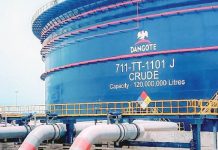
He called for investment in refineries, pipelines, storage terminals, ports, jetties, rail and road networks, marine logistics, strategic reserves and digital trading systems.
According to him, developing infrastructure that connects production with markets would help reduce energy transportation costs, strengthen supply security and improve visibility across the petroleum supply chain.
Umar urged countries in the region to adopt a coordinated approach to infrastructure development, with strategic assets designed to serve multiple markets through reliable cross-border arrangements.
He said regional integration would help countries make better use of existing infrastructure, avoid unnecessary duplication and direct limited investment capital towards projects capable of delivering wider economic benefits.
The NMDPRA chief executive, however, said infrastructure investment would depend on the commercial viability and regulatory certainty of projects.
He said investors needed clear regulations, manageable risks and sustainable returns before committing capital to large infrastructure projects.
Umar also stressed that building infrastructure alone would not be enough to create an efficient petroleum market.
He identified efficient ports, faster terminal turnaround, reliable pipelines, higher refinery utilisation and improved logistics as necessary to reduce demurrage, delays, product losses and transportation costs.
He further advocated greater use of technology in inventory management, product tracking, demand forecasting, scheduling and monitoring of petroleum operations.
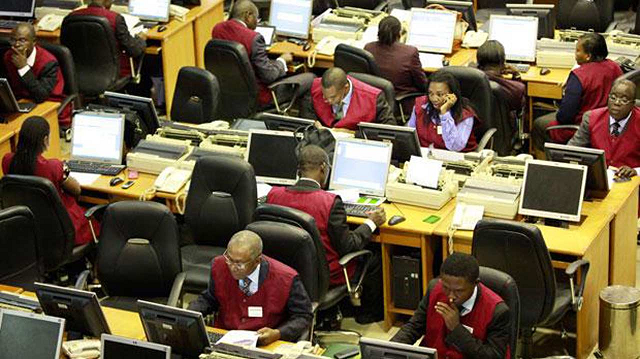
Umar said West Africa needed to develop beyond its traditional role as a producer and consumer of petroleum products by becoming a centre for price discovery, trading and investment.
He said attention should now shift towards implementing the roadmap developed at the inaugural conference in 2025.
The 2025 conference had identified reliable refining capacity, storage and logistics networks, interconnected transportation infrastructure, harmonised standards and transparent market data as key requirements for regional price formation.
Umar also called for stronger regulatory cooperation through the West Africa Regulators Forum (WARF), saying the platform should support regulatory convergence and cross-border energy security.
He said progress had already been made through regional regulatory cooperation and collaboration with S&P Global Commodity Insights towards developing regional reference pricing.
Francesco Di Salvo, Global Head of Clean Refined Products at S&P Global Energy, said the company was developing independent price benchmarks for refined petroleum products in West Africa.
He said the assessments for gasoline, diesel, gas oil and jet fuel would be based on actual transactions in the region and Nigerian fuel specifications rather than European benchmarks.
Di Salvo said the company had introduced closing price assessments and benchmarks denominated in naira per litre and naira per kilogramme to strengthen price discovery.
He added that electronic trading platforms were also being explored to allow market participants to submit and respond to bids and offers in real time.
The Issues
West Africa’s ability to develop a transparent regional petroleum market is constrained by gaps in infrastructure, logistics, market data and regulatory coordination. Stakeholders are pushing for integrated infrastructure, reliable data and independent pricing benchmarks to support more efficient trading and price discovery.
What’s Being Said
“Capital will go where projects are bankable, risks are understood, regulation is predictable and returns can be sustained,” – Mr Rabiu Umar, NMDPRA Chief Executive Officer
“Transparency, accurate price discovery and market participation were critical towards building a sustainable West African refining and trading hub.” – Francesco Di Salvo, Global Head of Clean Refined Products, S&P Global Energy
What’s Next
Regional regulators and market participants are expected to continue work on regulatory convergence, infrastructure development and regional reference pricing. S&P Global Energy is also developing refined product benchmarks and exploring electronic trading infrastructure for the West African market.
Bottom Line
West Africa is seeking to build a more integrated petroleum market by closing infrastructure gaps, improving operational efficiency and developing transparent regional price benchmarks that can support investment and cross-border trade.



 has urged West African countries to increase ...)