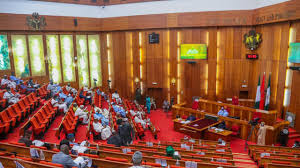
The National Assembly has postponed its resumption of plenary sessions from Tuesday, September 23, to Tuesday, October 7, 2025.
Clerk to the National Assembly, Dr. Yahaya Danzaria, announced the adjustment in a notice sent to senators and members of the House of Representatives on Tuesday.
“With deep regrets, Honourable Members are hereby informed that the resumption of plenary sessions earlier scheduled for Tuesday, September 23, 2025, has been rescheduled. The new date of resumption is Tuesday, October 7, 2025. Kindly take note and make the necessary adjustments to your schedules accordingly,” the statement read.
The leadership of both chambers did not disclose reasons for the postponement.
Lawmakers had adjourned on July 24 for their annual two-month recess. At the time, Senate President Godswill Akpabio directed committees to continue with pending assignments, particularly oversight and reporting duties, while the Speaker of the House of Representatives urged members to use the break to strengthen constituency engagement and monitor federal projects.
The annual recess is a regular feature of the legislature’s calendar, designed to allow lawmakers balance national responsibilities with constituency work and personal engagements.
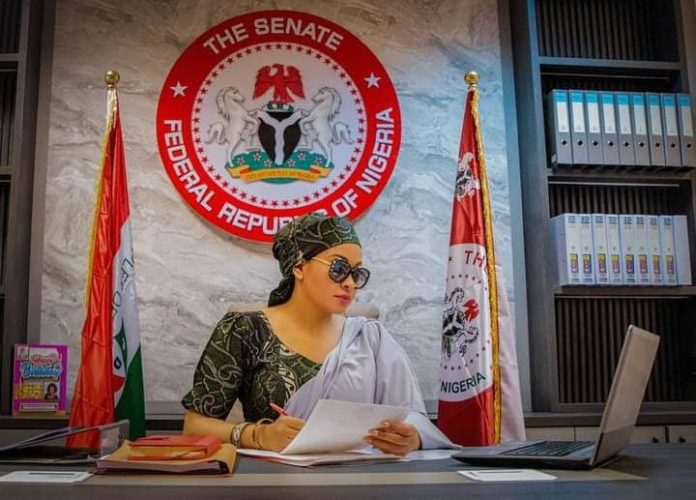
The National Assembly has unsealed the office of Senator Natasha Akpoti-Uduaghan, who represents Kogi Central, after months of suspension and controversy.
Channels Television reported that the office, located in Suite 2.05 of the Senate Wing, was reopened on Tuesday morning by the Sergeant-at-Arms, assisted by security operatives.
Akpoti-Uduaghan was suspended by the Senate in March 2025 for six months after protesting the reassignment of her seat by Senate President Godswill Akpabio on February 20. The sanction barred her from participating in all legislative activities of the 10th Senate.
Although her suspension formally expired in September, she had been unable to resume duties due to lingering legal disputes and resistance from the Senate leadership. Last week, she wrote to the upper chamber notifying them of her intention to return, a request that was initially rejected.
The unsealing of her office on Tuesday marks a significant step towards her full reinstatement, though it remains unclear if Senate leadership has formally resolved all pending issues.
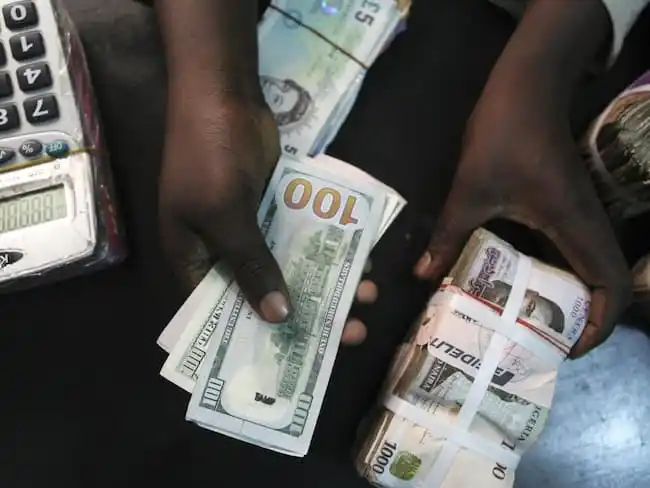
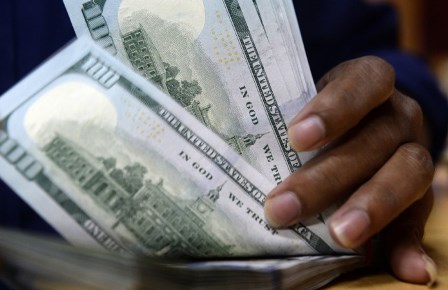
The exchange rate between the Naira and the US dollar, according to the data released on the FMDQ Security Exchange, the official forex trading portal, showed that the naira closed at 1516.00 per $1 on Tuesday, September 23nd , 2025. The naira traded as high as 1481.00 to the dollar at the investors and exporters (I&E) window on Monday.
Dollar to naira exchange rate today black market (Aboki dollar rate):
The exchange rate for a dollar to naira at Lagos Parallel Market (Black Market) players buy a dollar for ₦1520 and sell at ₦1516 on Monday 22nd September, 2025, according to sources at Bureau De Change (BDC).
Please note that the Central Bank of Nigeria (CBN) does not recognize the parallel market (black market), as it has directed individuals who want to engage in Forex to approach their respective banks.
Dollar to Naira Black Market Rate Today
Dollar to Naira (USD to NGN)
Black Market Exchange Rate Today
Buying Rate
₦1520
Selling Rate
₦1516
Dollar to Naira CBN Rate Today
Dollar to Naira (USD to NGN)
CBN Rate Today
Highest Rate
₦1499
Lowest Rate
₦1481
Please note that the rates you buy or sell forex may be different from what is captured in this article because prices vary.
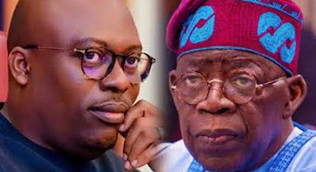
Rivers State governor, Siminalayi Fubara, has pledged to honour the peace agreement brokered by President Bola Tinubu to resolve the political crisis in the state.
Fubara made the commitment on Monday after a private meeting with the president at the Presidential Villa, Abuja. Addressing journalists, he said his visit was to formally inform Tinubu of his return to office following the end of six months of emergency administration in Rivers.
“You’re aware that the suspension was lifted at midnight on the 17th, and I resumed on the 19th. Ideally, it is proper for me to see Mr. President, to thank him and also seek his guidance as I resume my responsibilities,” Fubara said.
He described his conversation with the president as a “father-and-son discussion,” noting that Tinubu offered advice on governance and conflict management. “It’s just about saying thank you and seeking counsel so that we do not slip back into crisis,” he added.
The governor also stressed that his political relationship with former governor and current Minister of the Federal Capital Territory, Nyesom Wike, had been repaired under Tinubu’s intervention. “As far as I’m concerned, we have made peace. My father and his principal are working together,” he said.
Fubara was temporarily removed from office on March 18 when President Tinubu declared a state of emergency in Rivers State amid escalating tensions between the governor and Wike. During the period, retired Rear Admiral Ibok Ete Ibas served as sole administrator, overseeing local government elections and appointing officials. Fubara returned to office on September 18.
In a statewide broadcast following his reinstatement, Fubara expressed gratitude to the president for his intervention and urged Rivers residents to prioritise peace, describing it as “the greatest gift anyone can wish for.”
Despite the governor’s assurances, concerns remain over the undisclosed terms of the peace accord. Niger Delta activist, Ann-Kio Briggs, criticised the lack of transparency, insisting that Rivers people deserve to know the details of the arrangement.
“It’s not acceptable when politicians make these agreements over our heads. It’s like shaving someone’s head behind their back, We are the people who pay the greatest price in all of these things, and it is not right not to be aware of decisions that will affect us.”
Briggs further argued that without clarity, Rivers residents remain uncertain about the future of governance in the oil-rich state. “We don’t know what the president insisted on, we don’t know what was agreed upon, and we don’t know where that leaves the people of Rivers State. We need to know,” she said.
Meanwhile, the Rivers State House of Assembly has requested the governor to submit the 2025 budget alongside a list of commissioners for screening, as the state begins a transition back to normal governance.
Nigeria’s Gross Domestic Product (GDP) grew by 4.23 per cent year-on-year in real terms in the second quarter of 2025, according to figures released on Monday by the National Bureau of Statistics (NBS).
The performance exceeded the 3.48 per cent growth recorded in the same period of 2024 and marked an improvement from the 3.13 per cent reported in the first quarter of 2025. The NBS said the estimates were based on a rebased GDP series using 2019 as the new reference year, a move it said aligned quarterly data with the country’s economic realities.
According to the report, the economy’s nominal value stood at N100.73 trillion in Q2 2025, up from N84.48 trillion a year earlier, representing a 19.23 per cent increase. Growth was largely driven by the oil sector, which rebounded strongly as average daily crude oil production rose to 1.68 million barrels per day, compared with 1.41 million barrels per day in the same quarter of 2024.
The oil sector recorded a real growth of 20.46 per cent, lifting its contribution to 4.05 per cent of GDP, while mining and quarrying also expanded by 20.86 per cent. However, the non-oil sector remained dominant, contributing 95.95 per cent of total output with a 3.64 per cent growth rate. Key drivers included agriculture, telecommunications, finance, construction, and energy services.
Labour Unions Challenge Data
Despite the upbeat numbers, organised labour questioned the credibility and relevance of the figures to the daily realities of Nigerians. Senior officials of the Nigeria Labour Congress (NLC), who spoke on condition of anonymity, described the report as “growth without development.”
“If the figure does not translate into better living conditions, then it is meaningless,” one NLC official said. “Workers are suffering, unemployment is far higher than four per cent, and yet officials are claiming the economy is growing. Statistics that fail to reflect reality are useless.”
Another NLC leader dismissed the reported unemployment rate as “a construct of neoliberalism to mask the impact of failed policies,” insisting that joblessness and hardship remain widespread.
Efforts to obtain comments from the President of the Trade Union Congress, Mr. Festus Osifo, were unsuccessful as he did not respond to requests.
Private Sector Voices Concerns
Operators in the organised private sector (OPS) also expressed mixed feelings. While acknowledging the headline growth, they warned that the benefits were not reaching households or small businesses.
The President of the Association of Small Business Owners, Dr. Femi Egbesola, said the growth figures masked “red flags” in the manufacturing and trade sectors.
“GDP is growing, but it is not being felt in households or in smaller enterprises,” he said. “If the real sector collapses, it will worsen hardship despite impressive macroeconomic statistics.”
Similarly, the National Vice President of the National Association of Small-Scale Industrialists, Mr. Segun Kuti-George, stressed that real sector growth should be the benchmark for progress. “Growth in services is welcome, but without robust performance in manufacturing and industry, the economy cannot deliver meaningful prosperity,” he said.
Expert View
Commenting on the figures, economist and Chief Executive Officer of the Centre for the Promotion of Private Enterprise, Dr. Muda Yusuf, described the second-quarter results as “a sign of recovery.”
“The GDP numbers point to the fact that the economy is on a recovery path. In Q1, we had 3.13 percent; in Q2, it has risen to 4.23 percent. That is remarkable, and it shows that some of the government’s policies are beginning to take effect,” Yusuf said.
Policy Context
The latest data comes amid calls from policymakers for higher growth levels. Earlier in July, the Minister of Finance and Coordinating Minister of the Economy, Mr. Wale Edun, stated that Nigeria must sustain a growth rate of at least seven percent annually to significantly reduce poverty and improve living standards.
“As much as GDP growth is encouraging, what matters most is ensuring it translates into development for the poorest and most vulnerable,” Edun said.
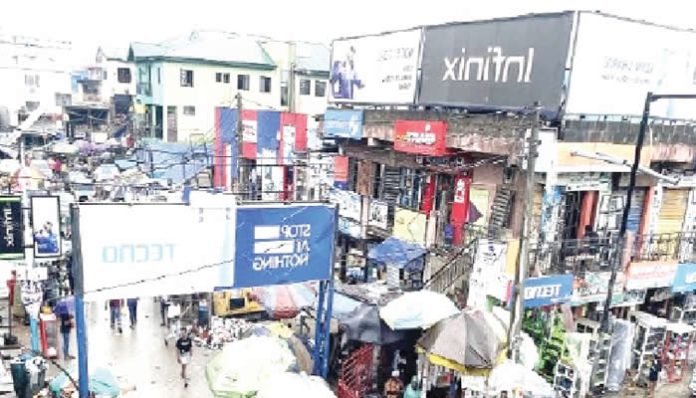
The Lagos State Government has commenced stakeholder engagement with traders at Computer Village, Ikeja, over plans to relocate the market to the newly developed ICT and Business Park in Katangowa, Agbado-Oke Odo.
At a meeting held on Monday, the Permanent Secretary, Office of Urban Development, Mr. Gbolahan Oki, said the session was convened on the directive of Governor Babajide Sanwo-Olu to ensure openness and inclusiveness in the relocation process.
Oki explained that the relocation forms part of the administration’s broader urban renewal and decentralisation agenda designed to decongest major commercial centres, enhance quality of life, and promote sustainable urban development.
“For the first time in 15 years, the government is meeting you in your market on this issue,” Oki noted. “It reflects the governor’s commitment to transparency and stakeholder engagement.”
The Katangowa ICT and Business Park, according to Oki, will feature modern facilities including banking halls, hotels, recreational centres, car parks, a fire station, a police post, and improved access roads. He added that the move would not only optimise business operations but also restore Ikeja’s original status as a residential district.
He urged traders to support the relocation plan, desist from trading on roadways and drainage setbacks, and embrace the state’s urban renewal efforts.
Officials from the Urban Development Department delivered presentations highlighting the benefits of the project.
In her remarks, the Iyaloja of Computer Village, Chief (Mrs.) Abisola Azeez, welcomed the initiative, noting that the new site would expand business opportunities and provide a more conducive trading environment.
Other government representatives at the meeting included the General Manager, Lagos State Urban Renewal Agency, Mr. Oladimeji Animashaun; Coordinating Director, Lagos State Building Control Agency, Builder Florence Gbaye; and the Senior Special Assistant to the Governor on Urban Development, Mr. Segun Williams. Executive members of the market association were also in attendance.
Over the years, Computer Village has grown into a major economic hub, attracting traders, technicians, and buyers from across Nigeria and West Africa. However, its rapid expansion has created serious urban challenges in Ikeja, including traffic congestion, overcrowding, poor sanitation, illegal street trading, and infrastructure strain. These concerns have long reinforced calls from urban planners and government authorities for the relocation of the market.
Oil prices rose on Monday in the global commodities market, supported by fresh EU sanctions on Russia and heightened tensions over Moscow’s alleged incursions into Baltic airspace.
The development heightened supply risk amidst positive expectation about demand after U.S Fed rate cut and weak dollar.
Brent crude was trading at $66.68 per barrel, up 0.84% from the previous close of $66.12. US benchmark West Texas Intermediate (WTI) increased by 0.88% to $62.87 from $62.32 in the prior session.
Prices gained after the European Commission proposed the 19th sanctions package against Russia, targeting Russian LNG, oil revenues, shadow fleet vessels, banks, crypto, and export of military-use goods.
“The Commission’s proposal for the 19th sanctions package will aim to weaken Russia’s already weakened war economy further,” EU Commissioner Valdis Dombrovskis said during the Eurogroup press conference in Copenhagen.
Stating that no one has implemented stronger sanctions than Europe, Dombrovskis emphasized that the sanctions are effective, particularly as part of a coordinated G7 approach.
He said that G7 sanctions have already inflicted real costs on the Russian economy, ranging in the hundreds of billions.
“But it is clear that we must step up the pressure against Russia further to make its war of aggression unsustainable,” Dombrovskis stated, adding that the details will be disclosed “very soon.”
Prices also firmed after Russia allegedly violated Baltic airspace and US President Donald Trump pledged to defend Poland and the Baltic states if Moscow escalates further.
“Yeah, I would,” Trump said when asked whether he would help defend Poland and Baltic countries from Russia if Moscow keeps escalating. This came before he departed for a memorial service of assassinated conservative political commentator Charlie Kirk in Glendale, Arizona.
On Friday, three suspected Russian MiG-31 fighter jets entered Estonian airspace over the Gulf of Finland without permission for 12 minutes.
Meanwhile, optimism that the Fed will continue cutting interest rates and positive signals from Trump’s recent meeting with Chinese President Xi Jinping were tempered by a new US measure requiring companies to pay a $100,000 annual fee for H-1B work visas, a move that analysts say is weighing on global risk appetite.
Investors are closely tracking the Fed’s policy path, with markets pricing in 44 basis points of rate cuts over the two remaining meetings this year.
Analysts say lower interest rates can boost economic growth and oil demand by reducing borrowing costs for consumers.
The Central Bank of Nigeria’s (CBN) push to align the naira with its fair market value has exposed dollar-denominated accounts to exchange rate risks. With the naira recording consecutive gains and external reserves on the rise, analysts believe the local currency is unlikely to weaken further against the dollar in the near term.
“With the Yemi Cardoso-led Central Bank maintaining its stance on FX intervention, keeping the US dollar that are unavailable for spending has become a risky adventure in Nigeria,” a Broadstreet banker told MarketForces Africa in a chat.
The Apex Bank appears to have set a target trade range for the naira, and the authority has continued to follow through, intervening when it becomes necessary, based on its market intervention record.
The naira, at the moment, is thriving as foreign investors’ confidence has improved significantly since the country’s launched FX reform.
The Central Bank has built capacity to fund foreign investors who choose to upstream dollars abroad, reversing capital flow restrictions under the previous administration.
So, far the spread between the official and parallel market has declined, and possibility of exchange rates unification isn’t absolutely impossible.
Last week, the Naira sustained its positive momentum, recording a modest appreciation against the US dollar at the official window, where it strengthened by 0.91% to close at N1,487.90/US$1, representing a week-on-week gain of N13.60.
The local currency appreciation translates to huge loss for dollar account holders or other speculative FX transactions – and analysts said the pattern may persist throughout the year.
This performance was largely underpinned by sustained Central Bank interventions and steady foreign portfolio inflows. The CBN pumped $150 million into the forex market and caused naira rallies at the official and parallel markets.
In the parallel market, the Naira closed stronger, appreciating by 0.66% week on week to settle at N1,520/US$1. Total FX inflows into the FX window increased to US$605.00 million, up from US$550.90 million the preceding week.
Foreign Portfolio Investments (FPIs) accounted for the largest share at US$251.70 million, Coronation Merchant Bank research unit said in a note, which was 41.60% of the dollar volume available at the supply side.
Also, inflows from exporters account for 19.72% of the aggregate inflows, non-bank corporates at 13.33% Foreign Direct Investments (FDI) at 8.94%, and the CBN at 6.10%, while other sources contributed 10.32%.
According to CBN data, gross external reserves posted a marginal increase of 0.72%, adding US$229.67m to settle at US$42.00 billion.
According to Coronation Research, the naira is expected to trade within a relatively stable band in the coming week, with scope for mild appreciation if foreign portfolio inflows and liquidity support remain sustained.
This week marks an exciting transition as In Good Company rebrands to Market Watch, a refreshed programme focused on unpacking the dynamics of Nigeria’s capital market.
Kicking off this inaugural episode under the new banner, host Frank Fagbo is joined by his ever-insightful co-host Idika Aja, the City Gentleman, and welcomes a new face to the table which is Mr. Muktar Mohammed, CEO of Finance with Muktar.
Together, the trio set the tone for what promises to be a sharper, more engaging look at the market’s biggest stories.
The crew set the tone of the show by explaining that the Nigerian Exchange All-Share Index slipped by 0.08%, mainly because investors took profits in banking stocks such as Fidelity, Zenith, and UBA, which were among the weaker performers on the NGX.
Moreover, the team also discussed the Central Bank of Nigeria’s rule that requires leaders to give three months’ notice before leaving, which helps prevent sudden changes and supports smooth succession planning.
Additionally, they also highlighted the NGX proposal to extend trading hours to 5 PM, aiming to give online and retail traders more opportunities which analysts predict that the change could lead brokerage firms to pass extra costs on to investors.
Airtel Africa Plc has announced revised arrangements with Barclays to complete its share buyback programme, covering the remaining amount of up to $20.3 million. The company noted that the repurchase plan is now expected to conclude on or before March 31, 2026.
According to its official statement, Airtel Africa Plc said it has returned $34.7 million to shareholders through its share buyback programme. In a notice, the telecom company told the Nigerian Exchange that the amount has been returned to its shareholders through 14.2 million repurchased.
Airtel Africa had earlier announced that it has entered into arrangements with Barclays Capital Securities Limited to facilitate its ongoing share buy-back programme including during its forthcoming closed period.
On 14 May 2025, the Company announced the commencement of the second tranche of its share buy-back programme for a maximum amount of up to $55 million which was anticipated to end on or before 19 November 2025.
“To date the Company has returned $34.7 million to shareholders through the purchase of 14.2m shares as part of the second tranche”, it disclosed.
Airtel Africa said its revised arrangements with Barclays are to facilitate the purchase of the remaining amount of up to $20.3 million. The share buy-back programme is now anticipated to end on or before 31 March 2026, the telecom company said.
It explained that the revised arrangements will come into effect should it not be possible to complete the second tranche under the existing arrangement.
“The revised arrangements are for a discretionary programme and include irrevocable, non-discretionary instructions to Barclays to continue to operate the buy-back programme during closed periods. “Barclays will therefore operate the buyback programme autonomously during those periods. Barclays will continue to act as riskless principal.
“The sole purpose of the buy-back programme is to reduce the capital of the Company. As such, all shares purchased under the buy-back programme will be cancelled”.
Airtel plans to cancel ordinary shares purchase under the buy-back programme will be carried out in accordance with the Company’s general authority to repurchase ordinary shares granted by its shareholders from time to time, Financial Conduct Authority’s UK Listing Rules 9.6 and within the parameters of the Market Abuse Regulation (EU) and the Commission Delegated Regulation.
Stanbic IBTC Holdings Plc recorded a 49% surge in profit after tax to N173.43 billion in the first half of 2025, boosted by strong revenue growth and improved operational efficiency.
The audited financial statement released on the Nigerian Exchange (NGX) showed gross earnings climbed 35.2% year-on-year to N516.63 billion, compared to N382.12 billion in H1 2024.
Profit before tax jumped 65.81% to N243.74 billion, up from N147 billion in the same period last year. However, income tax charges more than doubled to N70.31 billion, a 129% rise from N30.65 billion in 2024, moderating the overall bottom line.
Despite this, profit after tax expanded significantly to N173.43 billion, compared to N116.36 billion in the previous year.
The board has recommended an interim dividend of N2.50 per share, representing a 25% increase over the N2.00 paid in H1 2024. In total, shareholders will receive N39.75 billion in interim dividends, 53.4% higher than the N25.91 billion declared a year ago.
Stanbic IBTC is majority-owned by Standard Bank Group, which controls 67.55% of its equity through Stanbic Africa Holdings Limited.
The Central Bank of Nigeria (CBN) has warned that keeping funds in dollar accounts now exposes holders to significant exchange rate risks as the naira continues to strengthen.
The apex bank’s ongoing foreign exchange reforms and consistent interventions have positioned the naira on a strong trajectory, with analysts noting that further depreciation against the US dollar appears unlikely in the near term.
“With Yemi Cardoso at the helm of the Central Bank, holding US dollars that cannot be readily spent has become a dangerous bet in Nigeria,” a Broadstreet banker told MarketForces Africa.
The CBN has implicitly established a trading band for the naira, stepping in with targeted interventions to stabilise rates. Investor sentiment has also improved since the FX liberalisation, boosting dollar inflows and easing restrictions previously faced by foreign investors under the last administration.
As a result, the gap between the official and parallel markets has narrowed considerably, raising optimism about potential exchange rate unification.
Last week, the local currency appreciated by 0.91% against the dollar at the official window, closing at N1,487.90 per US$1. This marked a weekly gain of N13.60 and translated into losses for dollar account holders and speculative FX traders.
The rally was supported by steady CBN interventions, including a $150 million injection into the forex market, alongside increased foreign portfolio inflows.
At the parallel market, the naira gained 0.66% week-on-week to close at N1,520/US$1. Total FX inflows hit $605 million, up from $550.90 million in the prior week.
Foreign Portfolio Investments accounted for the largest inflows at $251.7 million (41.6% of the total), followed by exporters (19.72%), non-bank corporates (13.33%), Foreign Direct Investments (8.94%), and the CBN (6.10%), while other sources contributed 10.32%.
Gross external reserves climbed by $229.67 million (0.72%) to $42 billion, according to the CBN. Analysts at Coronation Research expect the naira to remain relatively stable, with possible appreciation if foreign inflows persist.
Foreign portfolio investors (FPIs) pared back their holdings of Nigeria’s Eurobonds following the recent interest rate cut by the U.S. Federal Reserve, which signaled the start of a potential global monetary easing cycle.
The sell-off drove prices lower across maturities, pushing average yields higher mirroring trends seen among other oil-rich African issuers.
Ghana, Angola and other African issuers saw a spike in their sovereign Eurobonds yield as market begin to weigh the impacts of monetary easing drive on portfolio constructions .
The tone in the Eurobonds market was more reactive, as a wave of sell-offs swept across the curve following fresh policy moves by major central banks.
Rate cuts by the U.S. Federal Reserve and the decision taken by the Bank of England spurred a repositioning play, with investors pricing in the likelihood of further easing later in the year, according to Cowry Asset Limited.
Consequently, average Eurobond yields rose by 12 bps week-on-week to 7.98%, reflecting broad-based selling pressure across maturities.
Last week, African Eurobonds opened the week bullish as investors positioned ahead of the Federal Reserve meeting, with optimism strengthened by ongoing U.S.–China trade talks in Madrid.
According to AIICO Capital, sentiment held firm into midweek despite stronger U.S. data, as markets remained focused on the anticipated Fed cut.
The Fed eventually delivered a 25-bps reduction in benchmark rates, its first in 2025, citing labor market weakness and signaling two more cuts later in the year.
However, Powell’s cautious tone and concerns over Fed independence tempered enthusiasm, leading to mixed-to-bearish trading, AIICO Capital Limited told investors in a note.
U.S Jobless claims offered little clarity, showing a slowdown in hiring even as new filings eased. By Friday, Eurobonds extended losses, though late dovish remarks from Fed officials helped limit declines.
Analysts said the Eurobond market is likely to remain mixed in the near term, even as traders price in a 92% probability of a 25-bps rate cut at the upcoming FOMC meeting on October 28-29.
The highly anticipated 2025 Ballon d’Or awards ceremony took place in Paris at the Théâtre du Châtelet, celebrating the finest achievements in global football. Often regarded as football’s equivalent of the Oscars, the glittering event honored outstanding players, clubs, and managers across multiple categories, with the Men’s and Women’s Ballon d’Or awards taking center stage.
This year’s edition was particularly historic as, for the first time, women’s footballers were recognized with the Kopa and Yashin Trophies, further cementing the sport’s growing inclusivity.
Ousmane Dembélé, the French forward from Paris Saint-Germain, was awarded the Men’s Ballon d’Or for the first time in his career. Dembélé’s incredible 2024/25 season, in which he spearheaded PSG’s historic quadruple, earned him football’s most prestigious individual accolade.
The top finalists included Lamine Yamal (Spain, Barcelona), who finished runner-up, and Vitinha (Portugal, PSG) in third place. Mohamed Salah (Egypt, Liverpool) and Raphinha (Brazil, Barcelona) completed the top five.
Women’s Ballon d’Or 2025: Aitana Bonmatí Claims Historic Third
Barcelona and Spain’s midfield maestro Aitana Bonmatí lifted the Women’s Ballon d’Or for the third consecutive year. Bonmatí’s consistent brilliance for both club and country has firmly established her as the standout talent in women’s football.
Mariona Caldentey (Spain, Arsenal) secured second place, while Alessia Russo (England, Arsenal) took third. Other top contenders included Alexia Putellas and Chloe Kelly.
Yashin Trophy Winners 2025
Men’s Yashin Trophy: Gianluigi Donnarumma, who excelled for PSG in their Champions League triumph before his transfer to Manchester City, was named the world’s best goalkeeper.
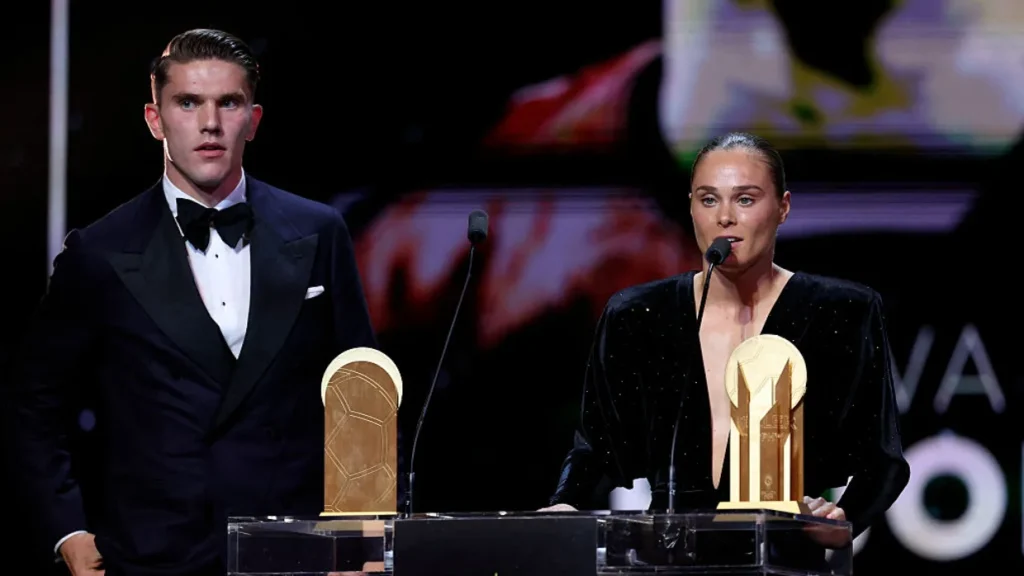
Women’s Yashin Trophy: Chelsea and England shot-stopper Hannah Hampton made history by becoming the inaugural winner of the Women’s Yashin Trophy, recognized for her stellar performances both internationally and domestically.
Kopa Trophy 2025: Rising Stars Shine
Men’s Kopa Trophy: Barcelona’s teenage sensation Lamine Yamal clinched the men’s award, becoming the first player in history to win the Kopa Trophy twice in succession.
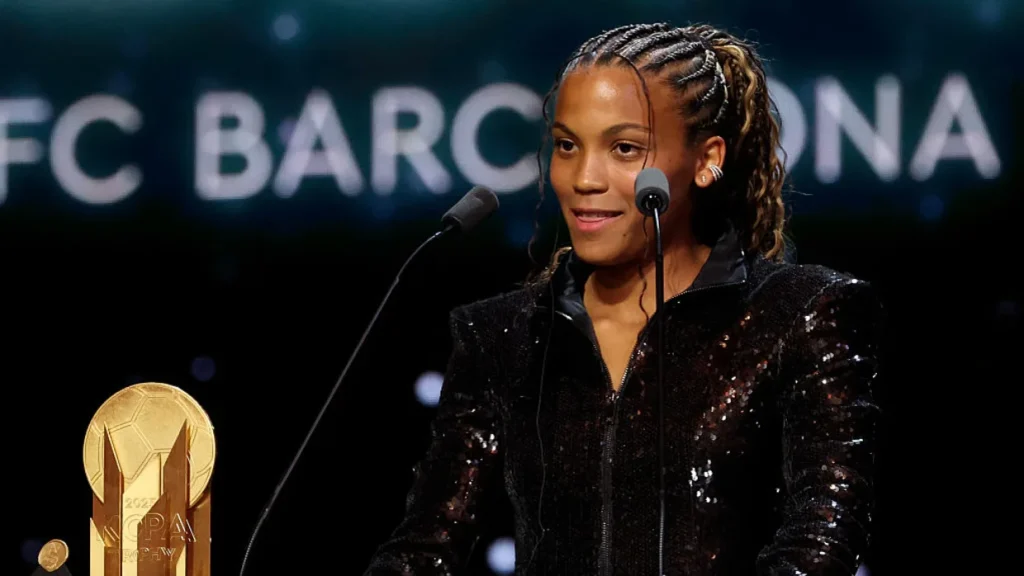
Women’s Kopa Trophy: Barcelona’s Vicky López became the inaugural winner of the Women’s Kopa Trophy, reflecting her outstanding talent and future promise in women’s football.
Johan Cruyff Trophy 2025: Best Coaches Honored
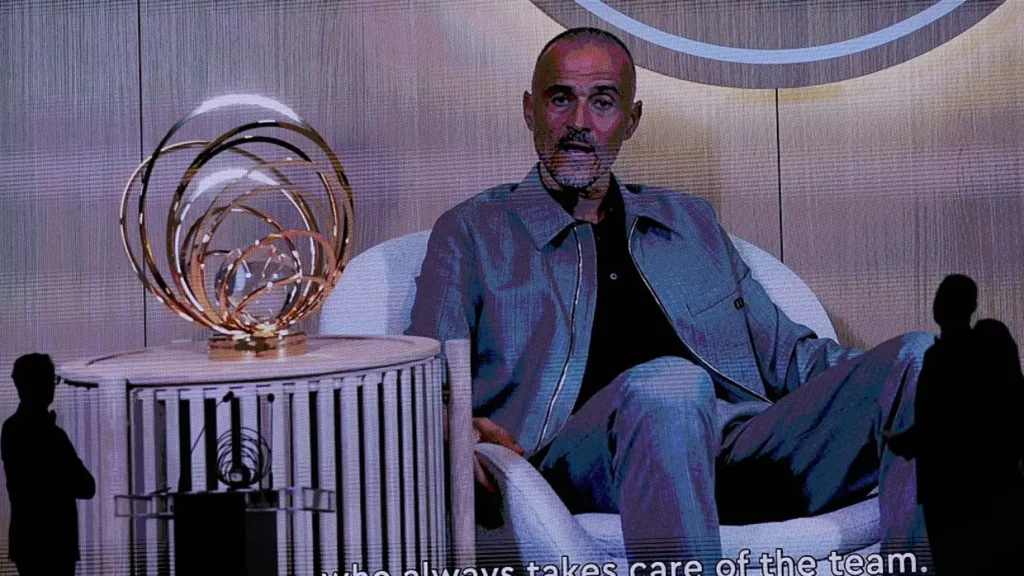
Men’s Coach of the Year: Luis Enrique guided Paris Saint-Germain to their first Champions League crown and a dominant domestic campaign, earning him the Johan Cruyff Trophy.
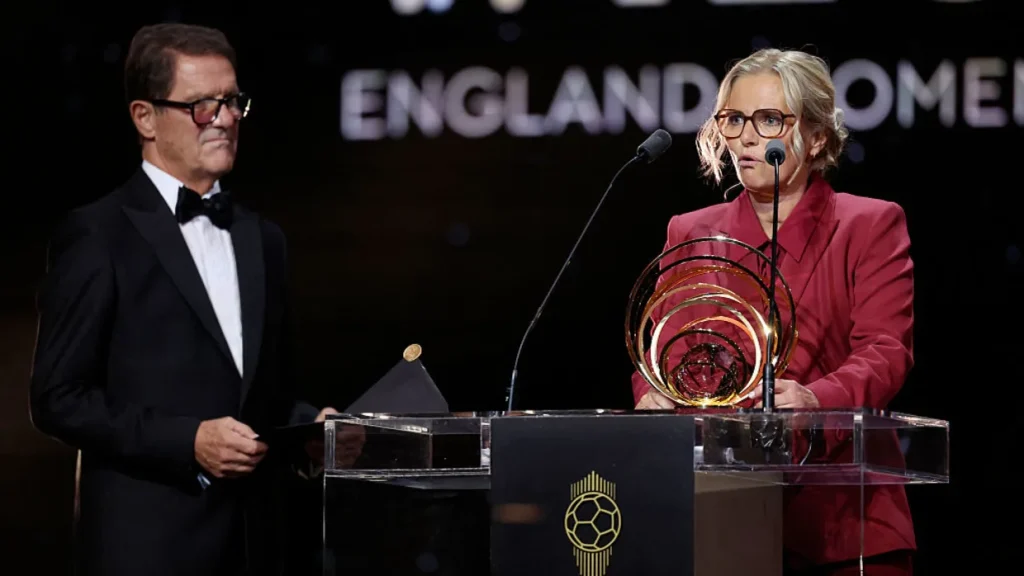
Women’s Coach of the Year: Sarina Wiegman, who led England to back-to-back UEFA Women’s Euro titles, received recognition as the best coach in the women’s game.
Clubs of the Year 2025
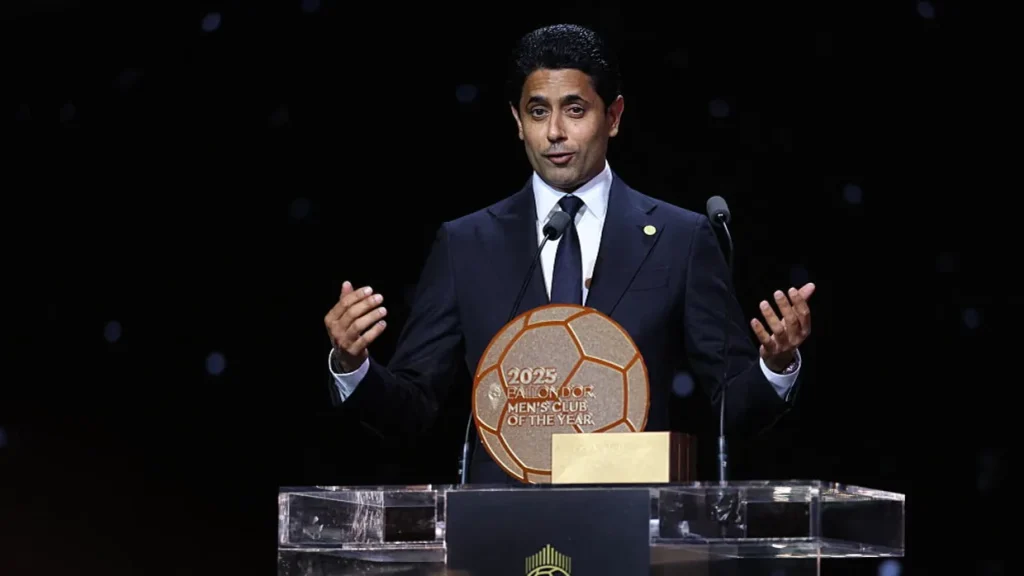
Paris Saint-Germain secured the Men’s Club of the Year award after conquering both Europe and France, marking a golden era for the Parisian giants. In the women’s category, Arsenal were crowned Women’s Club of the Year following their memorable triumph in the Women’s Champions League.
Gerd Müller Trophy 2025
This award recognized the best strikers in the game. Viktor Gyökeres of Sweden, who impressed with Sporting CP before moving to Arsenal, was honored on the men’s side. Ewa Pajor of Barcelona became the first woman to win the Gerd Müller Trophy.
Sócrates Award 2025
The Sócrates Award, which honors social and humanitarian contributions, was awarded to the Xana Foundation. The accolade was accepted by patron Sira Martinez.
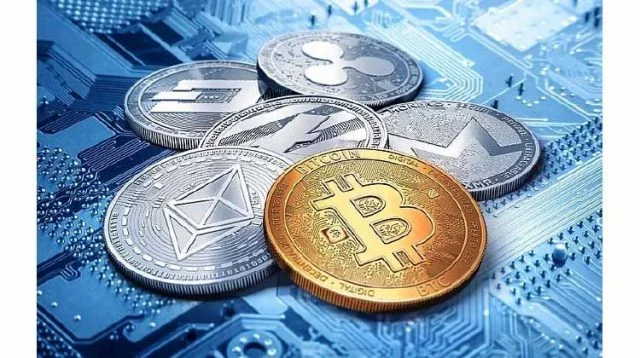
Bitcoin and other major digital assets, including Ethereum, XRP, and Solana, slipped into negative territory on Monday as investors unwound bullish bets placed in the wake of the U.S. Federal Reserve’s recent interest rate cut.
At press time, Cardano was trending lower, BNB retreated, while Dogecoin and Tether (USDT) recorded sharp declines as traders adjusted their portfolios in response to shifting sentiment around the Fed’s decision.
The broader cryptocurrency market also faced selling pressure, with the total market capitalization plunging by 3.44% in the past 24 hours to $3.89 trillion, according to data from CoinMarketCap.
Last week had seen a strong rally across digital assets. Bitcoin surged from below $115,000 to touch a monthly high of $118,000 on Thursday, shortly after the Fed announced its first rate reduction of 2025. However, momentum quickly faded, with the flagship cryptocurrency dipping back to $115,000 by Friday and consolidating in the $115,000 to $116,000 range over the weekend.
As of Monday, Bitcoin was trading at $112,965, down 2.5% in the past 24 hours, according to CoinDesk. The asset now sits roughly 10% below the record high achieved just a month earlier.
Other leading tokens followed the downward trajectory. Ethereum shed 6.5%, Solana dropped 7.2%, and XRP slipped 5.6% over the same period, data from Kraken indicated.
Despite the sell-off, trading activity remained robust. Cryptocurrency investment products registered their second straight week of inflows, building on $3.3 billion in gains recorded the week before. Exchange-traded products (ETPs) brought in $1.9 billion last week, with Bitcoin accounting for $977 million and Ether adding $772 million, according to CoinShares. Solana and XRP also drew significant interest, attracting $127 million and $69 million respectively.
The Federal Reserve cut rates by 25 basis points last Thursday, marking its first policy easing in 2025. Fed Chair Jerome Powell described the move as a “risk-management cut,” stressing that the central bank would proceed cautiously rather than aggressively shifting toward looser monetary policy.
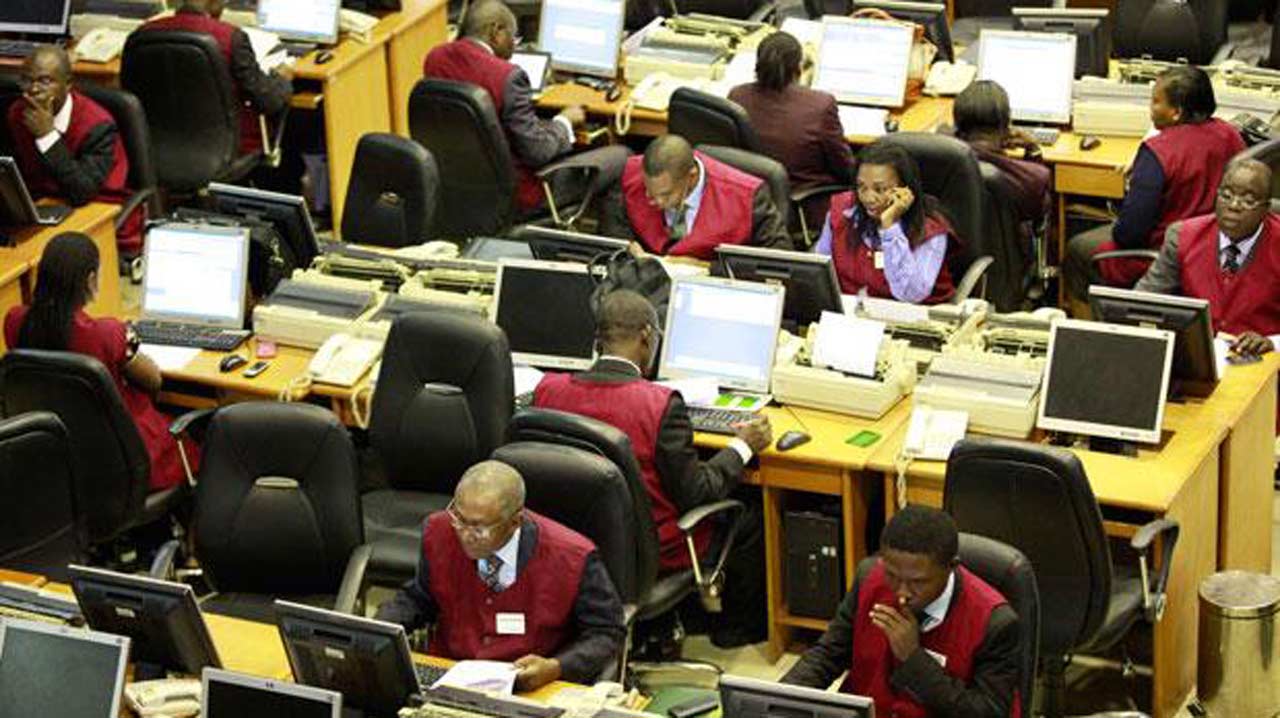
The Nigerian Exchange (NGX) is considering extending its trading hours to strengthen market liquidity and align more closely with international financial hubs. Currently operating from 10:00 a.m. to 2:30 p.m., the NGX is weighing a shift to a full-day session that would close at 5:00 p.m.
The proposal forms part of broader reforms designed to modernize the Exchange, including its adoption of a T+2 settlement cycle and ongoing efforts to attract deeper participation from both domestic and foreign investors.
Compared to global peers, the NGX’s current 4.5-hour trading window is relatively short. For instance, the London Stock Exchange runs from 8:00 a.m. to 4:30 p.m., while the New York Stock Exchange operates from 9:30 a.m. to 4:00 p.m. This shorter schedule limits investor responsiveness to market-moving news and restricts liquidity.
If adopted, longer trading hours could deliver several benefits:
Deeper Liquidity: More time for buyers and sellers to transact could narrow spreads and improve pricing efficiency.
Global Alignment: Extended hours would help international investors in different time zones engage with the Nigerian market.
Broader Participation: Local professionals could trade after work hours, widening access to retail investors.
Improved Market Responsiveness: Longer hours would enable quicker reactions to both domestic and global events.
The NGX’s adoption of the T+2 settlement framework—where transactions are finalized two business days after trade execution—has already boosted operational efficiency and reduced counterparty risks. A longer trading day would complement this system, giving brokers more time to manage order flows and reducing risk exposure through easier hedging and position adjustments.
Recent momentum in Nigeria’s capital market underscores the timing of the proposed reform. Market capitalization surpassed N50 trillion earlier this year, daily trade volumes are rising on the back of digital trading platforms, and foreign portfolio inflows are reviving as currency and inflation outlooks stabilize.
The growth of retail participation, particularly among younger Nigerians using mobile trading apps, makes the case for longer hours even stronger. Many professionals unable to trade during current hours would gain flexibility under an extended schedule.
However, practical challenges remain. Brokerage firms may face higher operational costs, including staffing and compliance expenses. There is also the risk of market fatigue if liquidity spreads too thinly across longer sessions. Ensuring the technological resilience of trading infrastructure will also be critical to avoid system downtimes.
As Nigeria seeks to position itself as a leading financial hub in Africa, extending trading hours is seen as more than a timing adjustment. It represents a structural evolution aimed at creating a more inclusive, efficient, and globally competitive market.
Long-term implications could include readiness for innovations such as 24-hour trading in select asset classes, expanded derivatives markets, and a stronger pipeline of listings.
The move, if adopted, would signal Nigeria’s commitment to building a capital market that reflects the country’s economic ambitions—dynamic, investor-friendly, and aligned with international best practices.
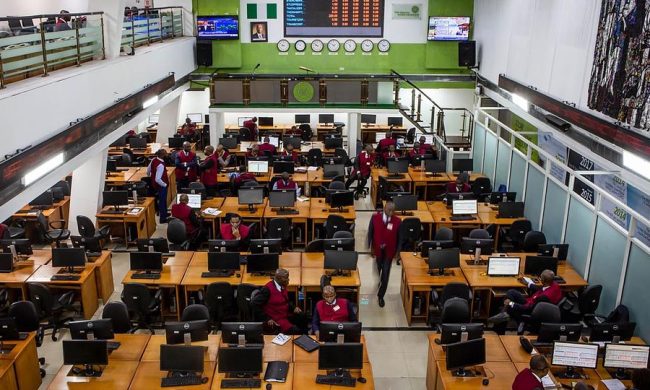
The Nigerian Exchange (NGX) closed lower on Monday, with the All-Share Index (ASI) dropping by 0.24% to 141,498.22 points, as sell pressures wiped out ₦219.63 billion in market value.
The year-to-date return moderated to 37.48%, while total market capitalisation fell to ₦89.52 trillion.
Losses in Nigerian Breweries (-7.64%), UBA (-2.71%), GTCO (-1.06%), OANDO (-5.76%), and First HoldCo (-1.88%) overshadowed gains in Zenith Bank (+2.66%), International Breweries (+3.23%), AccessCorp (+0.77%), and Jaiz Bank (+2.97%).
Market breadth closed negative at 0.8x, with 21 gainers and 28 decliners. ROYALEX (+9.80%) led gainers, while MCNICHOLS (-10%) was the worst performer.
Trading activity was mixed: volume rose 12.25% to 488.56 million units, while value dropped 9.32% to ₦13.72 billion across 28,621 deals. UNIVINSURE topped volume (79.6 million units), while Zenith Bank led in value with ₦3.9 billion worth of trades.
Four of six sectoral indices ended negative: Consumer Goods (-0.77%), Oil & Gas (-0.50%), Banking (-0.25%), and Insurance (-0.08%). Industrial Goods and Commodities indices closed flat.
Nigeria’s economy grew by 4.23% in the second quarter of 2025, according to the National Bureau of Statistics (NBS), showing stronger performance compared to both Q1 2025 (+3.13%) and Q2 2024 (+3.48%).
Agriculture expanded by 2.82%, while the industry sector posted robust growth of 7.45%, nearly double the 3.72% recorded a year earlier. The services sector grew by 3.94%, slightly higher than last year’s 3.83%.
In Q2 2025, the industry sector’s share of GDP rose to 17.31%, up from 16.79% in the corresponding quarter of 2024. Nominal GDP reached N100.73 trillion, reflecting a 19.23% year-on-year increase.
Oil output surged to 1.68 million barrels per day, up from 1.41 million bpd in Q2 2024 and 1.62 million bpd in Q1 2025. This drove a remarkable 20.46% real GDP growth in the oil sector, compared to 10.08% a year earlier. The oil sector’s GDP contribution increased to 4.05% from 3.51% in 2024.
The mining and quarrying subsector grew 20.86%, powered by gains in coal mining (+32.59%) and quarrying/minerals (+50.41%).
The non-oil sector grew 3.64% year-on-year, supported by agriculture, telecoms, real estate, trade, finance, construction, and electricity. However, its GDP share slipped to 95.95% from 96.49% in Q2 2024.
The NBS noted that Nigeria’s growth momentum is underpinned by improved oil production, stronger industrial performance, and steady expansion in non-oil sectors.
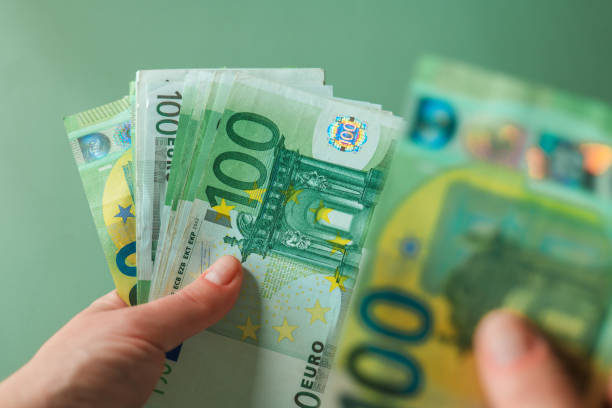
salary of a woman. euro banknotes in hands on a green background. Income of women in European countries
The euro traded just above $1.17 on Monday, holding near last week’s four-year peak of $1.192 as investors awaited the HCOB flash PMI survey and key policy signals from the European Central Bank (ECB).
The single currency tested the $1.17 level before rebounding slightly to $1.1750, maintaining a cautious stance ahead of upcoming ECB and Federal Reserve speeches.
The ECB recently hinted at the end of its rate-cut cycle, citing persistent inflation risks from tariffs, services, food, and fiscal policy. By contrast, the Fed delivered its first rate cut since December, with Chair Jerome Powell framing the move as “risk management” rather than a full easing cycle.
Markets now await US economic data to clarify the Fed’s policy path, as EUR/USD struggles to sustain momentum above 1.19. GBP/USD also slipped below its 100-day moving average to trade under 1.35.
Currency traders remain focused on whether diverging monetary policies between the ECB and Fed will drive further volatility in FX markets.
Bitcoin and major cryptocurrencies, including Ethereum, XRP, and Solana, traded lower on Monday as investors unwound bullish positions taken after last week’s Federal Reserve rate cut.
At the press time, Cardano is tracking lower, BNB has shed weight, and USDT and Dogecoin have plummeted as investors’ mood switched in the process of reassessing the Fed rate cut on portfolio building.
With sell pressures, market cap of all listed cryptocurrencies fell by 3.44% in the last 24 hours to a market cap of $3.89 trillion, according to data obtained from CoinMarketCap.com
Last week went rather well for most of the crypto assets, including altcoins. BTCUSD saw its price go from under $115,000 to a monthly peak of $118,000 on Thursday morning, just hours after the US Federal Reserve finally cut the key interest rates.
However, the cryptocurrency failed to maintain its run and quickly dipped toward $115,000 on Friday. The world largest crypto asset traded sideways around $115,000 and $116,000. The latest rejection at the latter came on Saturday evening, but bitcoin still maintained the $115,500 support on Sunday.
The token was down 2.5% to $112,965 over the past 24 hours, according to data from CoinDesk. It’s now trading about 10% off the record high it hit last month.
Other cryptos were slumping, too. Ethereum dropped 6.5%, Solana tumbled 7.2%, and XRP fell 5.6% over the past 24 hours, per data from the Kraken crypto exchange.
Volume remains solid in the market. Cryptocurrency funds recorded a second consecutive week of inflows last week, extending the $3.3 billion in gains recorded the week before.
Crypto exchange-traded products (ETPs) logged $1.9 billion in inflows last week, data from CoinShares showed Monday. Bitcoin and Ether led the way with inflows of $977 million and $772 million, respectively, while Solana and XRP also saw strong demand with $127 million and $69 million of inflows.
The Fed cut rates by a quarter point on Thursday, which was the first time it had lowered borrowing costs in 2025. But Chair Jerome Powell labelled the decision a “risk-management cut,” suggesting the central bank will move cautiously rather than aggressively easing monetary policy.