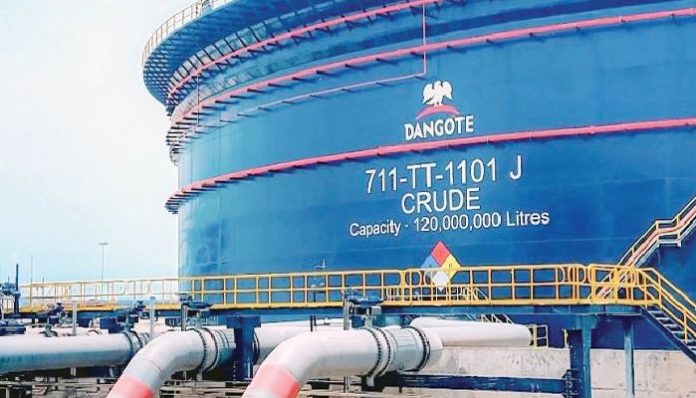
The $25 billion Nigeria-Morocco Gas Pipeline project is moving into a new phase with the creation of a dedicated project company and expanded backing from international financiers.
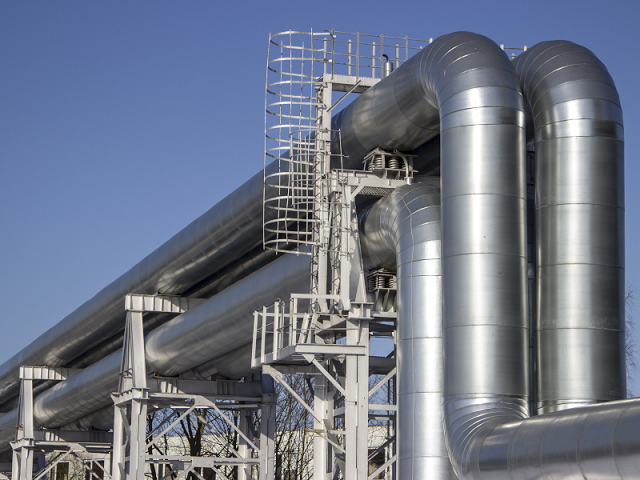
The nearly 6,000-kilometre pipeline will connect Nigeria’s gas reserves to Europe via West Africa, enhancing regional energy security and supply. It is designed to transport between 15 and 30 billion cubic metres of gas annually, serving 13 coastal states and up to 400 million people. Domestic connections will also extend the line to landlocked countries such as Niger, Burkina Faso, and Mali before linking with the Maghreb-Europe Pipeline.
Amina Benkhadra, Director-General of Morocco’s National Office of Hydrocarbons and Mines (ONHYM), confirmed that establishing the project company is a key step toward structuring financing and supervising implementation. Technical studies completed this year have confirmed the pipeline’s route.
The project will adopt a layered governance framework, with a parent company overseeing regional entities responsible for specific segments. The Economic Community of West African States (ECOWAS) has approved this structure.
In July, Togo formally joined the initiative as a public partner through an additional protocol signed with the Nigerian National Petroleum Company Limited (NNPC) and ONHYM. On financing, Moroccan Energy Minister Leïla Benali announced that the United Arab Emirates will join existing partners, including the European Investment Bank, the Islamic Development Bank, and the OPEC Fund.
The project company will be tasked with mobilising funds, with a final investment decision expected by the end of 2025.
Manchester City were denied a second straight Champions League victory after Eric Dier’s stoppage-time penalty salvaged a dramatic 2-2 draw for Monaco at the Stade Louis II on Wednesday night.
Despite a superb brace from Erling Haaland, Pep Guardiola’s men were forced to settle for a point after conceding in the final moments following a lengthy VAR check.
Haaland had fired City into an early lead, taking his season tally to 11 goals in just eight appearances. His opener came after Josko Gvardiol floated a precise ball over the top, which the Norwegian forward met with a clever lob over goalkeeper Philipp Köhn.
Monaco, however, struck back almost immediately. In the 18th minute, Krepin Diatta laid the ball off to Jordan Teze, who unleashed a thunderous right-footed drive from 20 metres, leaving Gianluigi Donnarumma with no chance.
Just before halftime, City restored their advantage when Nico O’Reilly swung in a cross that Haaland powerfully headed home, marking his 52nd goal in only 50 Champions League appearances.
The game appeared to be heading for a City win until the 90th minute when referee Jesus Gil Manzano awarded Monaco a controversial penalty after VAR judged Nico González guilty of a high boot on Dier inside the box. Dier stepped up confidently, sending Donnarumma the wrong way to secure Monaco’s first point of the group stage.
The result leaves City on four points from two matches, having beaten Napoli in their opener, while Monaco picked up their first group-stage point. Former Manchester United midfielder Paul Pogba watched from the stands as he edges closer to full fitness following his summer move.
The match also marked the first meeting between the sides since their iconic 2017 last-16 clash, which ended 6-6 on aggregate, famously won by Monaco on away goals.
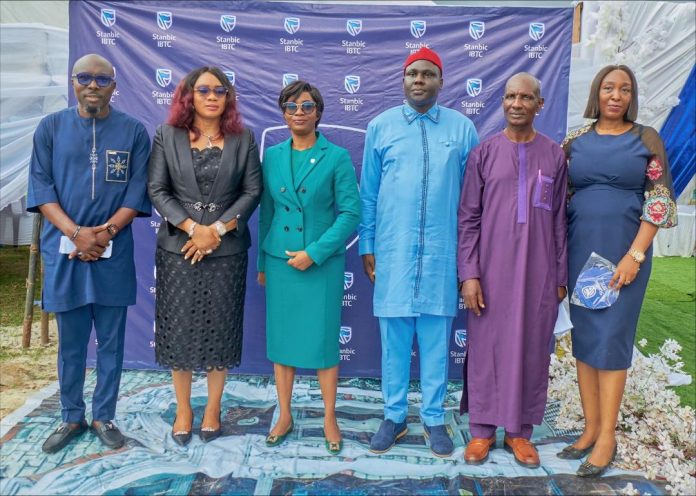
Stanbic IBTC Holdings has renovated Alegbo Primary School in Delta State, as part of its Adopt-A-School initiative, marking another milestone in the financial institution’s steadfast commitment to educational excellence across Nigeria. The comprehensive renovation and expansion project represents a holistic approach to educational development, addressing critical infrastructure needs while creating an environment that enables quality learning.
The transformative initiative encompassed an extensive scope of work designed to elevate the standard of education at rural primary schools. The project included the complete renovation of a three-classroom block. Each of the renovated classrooms received brand-new furniture designed to accommodate 40 students per class, with 20 carefully selected desks and chairs to enhance the learning experience. These upgrades will benefit more than 581 students and staff members.
Kunle Adedeji, Acting Chief Executive, Stanbic IBTC Holdings, emphasised the project’s commitment to enhancing education in Nigeria.
“This project represents our deep-seated belief in the transformative power of education and our commitment to nurturing the next generation of Nigerian leaders. By providing comprehensive infrastructure that addresses multiple aspects of the educational environment, we are not just building classrooms – we are building futures and empowering communities to thrive.”
Bunmi Dayo -Olagunju, Deputy Chief Executive, Stanbic IBTC Bank, highlighted that the success at Alegbo Primary School demonstrates the need for quality education through a blend of infrastructure, technology, and environmental awareness.
“Our approach to educational philanthropy goes beyond mere infrastructure provision – we believe in creating holistic learning environments that inspire excellence and foster innovation. The success of this project at Alegbo Primary School reflects our understanding that quality education requires a combination of proper infrastructure, technology integration, and environmental consciousness.”
Recognising the importance of digital literacy in contemporary education, Stanbic IBTC constructed a fully equipped computer laboratory, complete with ten modern computers and ten custom-built workstations, providing students with essential technological skills for the digital age.
Understanding the fundamental importance of proper sanitation facilities in educational settings, the bank constructed eight modern toilet facilities; four dedicated to girls and four to boys ensuring privacy, and improved hygiene standards for all students.
The initiative extended beyond traditional classroom infrastructure to include the establishment of a mini-library, creating a dedicated space for reading culture and academic research. Recognising the importance of physical education and recreation in child development, the project also featured the development of a bore hole, providing students with opportunities to clean water supply and contributing to their overall well-being.
Environmental beautification efforts formed an integral component of the project, with the planting of 50 trees and flowers across the school grounds. This initiative not only creates a more pleasant and inspiring learning atmosphere but also promotes environmental consciousness among students, teachers, and the broader community.
The Alegbo Primary School transformation marks the 10th school to benefit from Stanbic IBTC’s systematic approach to educational development across Nigeria, demonstrating the organisation’s commitment to diverse geographic representation in its educational support initiatives. The organisation has consistently focused its Adopt-A-School programme on comprehensive interventions that address multiple aspects of the educational environment, from basic infrastructure to technological integration and environmental sustainability.
The project was officially inaugurated during a ceremony attended by local government officials, traditional rulers, representatives of the parent-teacher association, and community stakeholders, who witnessed the handover ceremony, highlighting the importance of partnership in driving meaningful changes in the education sector.
The Stanbic IBTC Adopt-A-School programme continues to demonstrate the bank’s leadership in corporate social responsibility, with a particular focus on educational development as a catalyst for national growth and development. The initiative aligns with Nigeria’s educational policy objectives while addressing critical infrastructure gaps that have historically limited access to quality education in rural and underserved communities.
Paris Saint-Germain created history on Wednesday night by becoming the first club to defeat Barcelona in three consecutive European away fixtures, securing a 2-1 Champions League triumph at the Olympic Stadium.
The encounter began with a frenetic tempo, highlighted by 16-year-old Lamine Yamal dazzling early on with a dazzling solo run past multiple PSG defenders. Barcelona appeared dominant in possession, but PSG’s counterattacks were menacing, with Illia Zabarnyi going close from a corner and Achraf Hakimi testing Wojciech Szczęsny with a dangerous free-kick.
Barcelona eventually struck first in the 19th minute when Marcus Rashford sliced open PSG’s defence with a precise through-ball for Ferran Torres, who slotted home with confidence. The Catalans looked in control, yet PSG refused to fade. Nuno Mendes’ explosive run won a foul and booking for Frenkie de Jong, before the left-back surged forward again to set up Senny Mayulu’s equaliser.
The first half ended with both sides trading missed opportunities—Bradley Barcola squandered a golden chance for PSG, while Szczęsny was called into action again to deny Hakimi.
Barcelona started the second half cautiously, allowing PSG to dictate play. Dani Olmo received a yellow card for halting another PSG break, while Rashford attempted to lift Barça with bursts of energy down the flank. Lee Kang-in nearly restored PSG’s lead, rattling the post with a fierce strike.
Eventually, the breakthrough arrived when Gonçalo Ramos exploited Barcelona’s high defensive line, breaking clear to calmly slot home the decisive goal.
The win extended PSG’s run to six victories in their last seven Champions League outings, while it ended Barcelona’s remarkable streak of 12 group-stage home matches with only one loss.
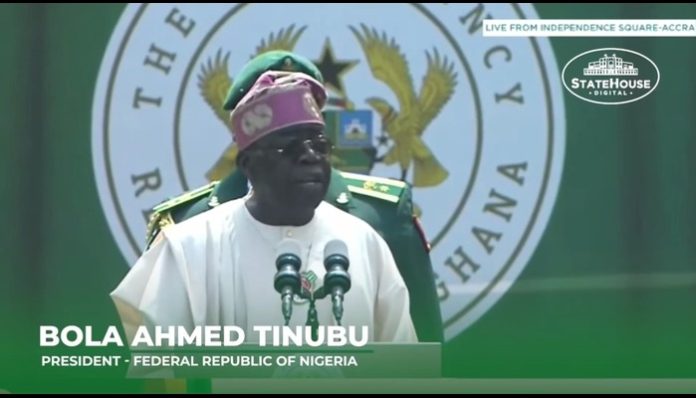
Nigeria’s fiscal outlook recorded a historic shift as the Federal Government announced that it had exceeded its N20 trillion non-oil revenue target by August 2025. President Bola Tinubu disclosed the achievement during his Independence Day address, underscoring the administration’s economic reforms and emphasis on domestic productivity.
In his national broadcast marking Nigeria’s 65th Independence Anniversary, Tinubu said the country has now achieved trade self-sufficiency, becoming a net exporter for the first time in recent history. According to him, Nigeria is “selling more to the world than it is buying,” a development that has helped stabilise the naira and strengthen economic resilience.
“Our nation must become a hub of productivity, not just consumption. The Federal Government is committed to repairing the plumbing of our economy, but we need citizens and businesses alike to open the taps of innovation and enterprise,” Tinubu declared.
The president revealed that non-oil revenues for September stood at N3.65 trillion, marking a 411 percent rise compared with collections in May 2023. He added that Nigeria’s trade surplus has now been sustained for five consecutive quarters, rising 44.3 percent in the second quarter of 2025 to N7.46 trillion – the highest in three years.
Highlighting diversification efforts, Tinubu said exports of locally manufactured goods surged by 173 percent, with non-oil exports now contributing 48 percent of total export earnings, compared to oil’s 52 percent. “This is proof that we are reducing our overdependence on crude oil and expanding our foreign exchange sources,” he explained.
The Minister of Industry, Trade, and Investment, Dr. Jumoke Oduwole, in her Independence Day remarks, urged Nigerians to actively support domestic industries. “Buying what we produce and producing what we consume is the pathway to national growth, job creation, and sustainable development,” she said.
Echoing this sentiment, the Director-General of the Nigerian Export Promotion Council (NEPC), Dr. Nonye Ayeni, reaffirmed the agency’s commitment to strengthening export capacity from production to market access.
Tinubu concluded his address with a renewed call for citizens to patronise Made-in-Nigeria goods and fulfil their tax obligations, stressing: “Nigeria first – let us build a nation of producers, not just consumers.”
Nigeria’s local currency, the Naira, delivered one of its most stable performances in months throughout September 2025, consistently trading below the N1,500 per dollar mark for more than two weeks straight.
Data obtained from the Central Bank of Nigeria (CBN) revealed that the Naira closed the month at N1,478/$1 on September 30, showing a significant improvement from its opening rate of N1,527.9/$1 on September 1.
Sustained Performance Throughout September
According to the CBN figures, the turning point came on September 15, when the exchange rate dipped to N1,495/$1, breaking below the N1,500 threshold for the first time that month. From that date, the currency continued to gain ground, closing at N1,486.8/$1 on September 24, N1,485/$1 on September 25, N1,480/$1 on September 26, and N1,480.15/$1 on September 29, before settling at N1,478/$1 to wrap up the month. The performance marked a stretch of consistency not seen in months, reflecting relative stability in the foreign exchange market.
Comparing Monthly Movements
Looking at month-to-month movements, September’s trajectory highlighted a sharp contrast with earlier months in 2025.
December 2024 ended at N1,535/$1.
January 2025 improved to N1,475/$1 — the best monthly close recorded so far this year.
February weakened slightly to N1,500/$1, while March and April saw further depreciation to N1,537/$1 and N1,602/$1 respectively.
May was the worst month of the year with the Naira closing at N1,585.5/$1.
June saw a moderate rebound to N1,532/$1, while July and August closed at N1,534/$1 and N1,531/$1 respectively.
By comparison, September’s closing rate of N1,478/$1 represented the strongest performance since January 2025. Unlike January, however, where only two days recorded sub-N1,500 levels, September offered a more sustained run of stability throughout the second half of the month.
Foreign Reserves Cross $42 Billion
Another highlight during September was the performance of Nigeria’s external reserves, which surged above $42 billion for the first time in over six years. CBN data showed reserves reached $42.3 billion as of September 29, 2025, representing an increase of more than $692 million within just 18 days. The last time reserves reached a similar level was on September 27, 2019, when they stood at $41.992 billion.
CBN Governor, Olayemi Cardoso, speaking at the conclusion of the Monetary Policy Committee (MPC) meeting on September 22, attributed the boost to growing investor confidence spurred by ongoing reforms, enhanced transparency, and the adoption of a more market-driven exchange rate system. He reiterated the Bank’s focus on reducing inflation to single digits while ensuring exchange rate stability and fiscal discipline, especially as the country heads into a politically sensitive pre-election year in 2026.
“Exchange rate stability is key. If we are going to continue to moderate inflation the way we have, exchange rate stability is key. Fiscal discipline is key,” Cardoso stressed.
Monetary Policy Decisions
The MPC also introduced new policy adjustments during the month to consolidate economic stability.
The Monetary Policy Rate (MPR) was cut by 50 basis points from 27.5% to 27%.
The asymmetric corridor around the MPR was adjusted to +250/-250 basis points, from the previous +500/-100 basis points.
The Cash Reserve Ratio (CRR) for commercial banks was maintained at 45%, while merchant banks’ CRR remained at 16%.
These measures, according to the apex bank, were designed to strike a balance between stimulating economic activity and ensuring price stability. With the Naira showing renewed resilience and foreign reserves reaching record highs, September 2025 has emerged as one of the most encouraging months for Nigeria’s macroeconomic outlook in recent times.
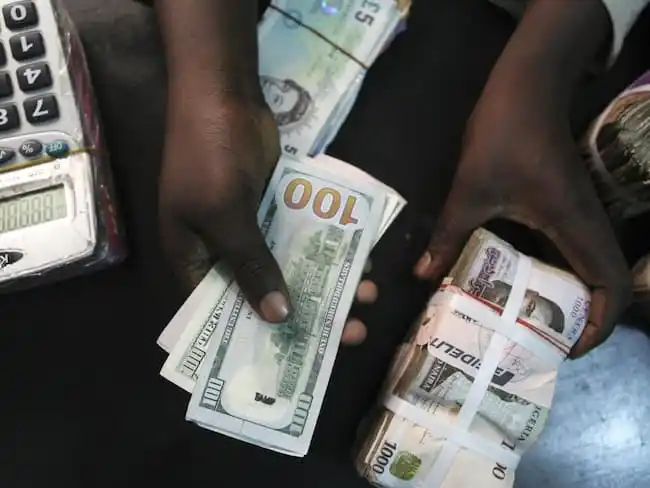
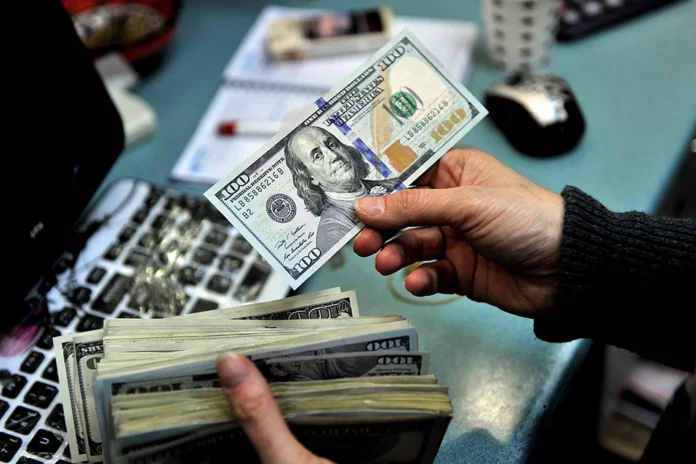
The exchange rate between the Naira and the US dollar, according to the data released on the FMDQ Security Exchange, the official forex trading portal, showed that the naira closed at 1490.00 per $1 on Thursdasy, October 2nd , 2025. The naira traded as high as 1470.00 to the dollar at the investors and exporters (I&E) window on Wednesday.
Dollar to naira exchange rate today black market (Aboki dollar rate):
The exchange rate for a dollar to naira at Lagos Parallel Market (Black Market) players sell a dollar for ₦1490 and buy at ₦1470 on Wednesday 1st October, 2025, according to sources at Bureau De Change (BDC).
Please note that the Central Bank of Nigeria (CBN) does not recognize the parallel market (black market), as it has directed individuals who want to engage in Forex to approach their respective banks.
Dollar to Naira Black Market Rate Today
Dollar to Naira (USD to NGN)
Black Market Exchange Rate Today
Selling Rate
₦1490
Buying Rate
₦1470
Dollar to Naira CBN Rate Today
Dollar to Naira (USD to NGN)
CBN Rate Today
Highest Rate
₦1480
Lowest Rate
₦1470
Please note that the rates you buy or sell forex may be different from what is captured in this article because prices vary.
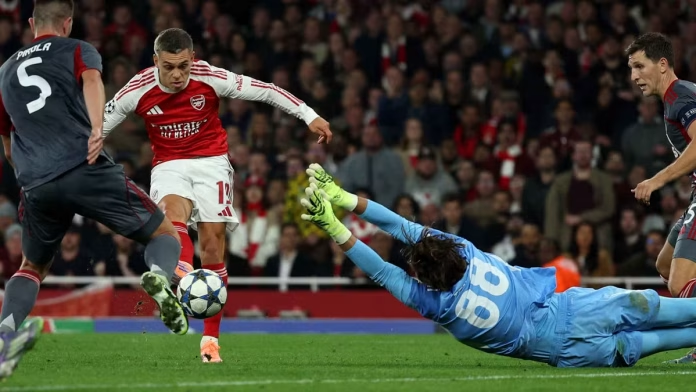
Arsenal maintained their perfect start to the Champions League campaign with a 2-0 win against Olympiacos at the Emirates Stadium, marking their sixth consecutive group-stage victory under Mikel Arteta.
The Gunners made six changes from their Premier League win at Newcastle, yet the squad rotation did little to disrupt their momentum. Early on, Myles Lewis-Skelly whipped in a superb cross for Gabriel Martinelli, who misjudged his attempt. Minutes later, however, the Brazilian redeemed himself, finishing from close range after Viktor Gyökeres’ strike rebounded off the post.
Gyökeres continued to look lively but failed to convert another chance as he curled an effort over the bar. Olympiacos, who had won their previous three visits to north London, created opportunities of their own, with Daniel Podence forcing a brilliant save from goalkeeper David Raya just before halftime.
Arsenal captain Martin Ødegaard orchestrated play with trademark precision, dictating tempo and splitting open the visitors’ defence. His influence nearly resulted in a second goal when he teed up Leandro Trossard, but Konstantinos Tzolakis stood firm in goal.
Olympiacos briefly thought they had equalised when Chiquinho tapped home a rebound, but the goal was ruled out as Ayoub El Kaabi had been offside in the build-up.
In the closing stages, Arsenal pressed for a decisive second. Raya again denied Olympiacos, while Ødegaard came close with a surging run. Eventually, substitute Bukayo Saka sealed the result in stoppage time, slipping the ball through Tzolakis’ legs to confirm victory.
The result extended Olympiacos’ unwanted record of 11 straight Champions League away defeats in the group stage, while Arsenal continued their momentum toward the knockout rounds.
The Debt Management Office (DMO) has allotted Federal Government of Nigeria (FGN) bonds worth ₦576.6 billion at its September 2025 primary market auction, after strong investor demand drove total subscriptions to ₦1.3 trillion.
The auction offered ₦200 billion in reopened local bonds across 5-year and 7-year maturities. The 5-year tranche, with an offer size of ₦100 billion, attracted subscriptions of ₦231.79 billion. Out of 66 bids, 22 were successful, with ₦87.80 billion allotted at a marginal rate of 16%.
Demand was even stronger for the 7-year bonds, where investors submitted bids worth over ₦1.02 trillion against the ₦100 billion offer. The DMO allotted ₦488.83 billion across 91 successful bids at a marginal rate of 16.20%.
According to the auction results, successful bids for the 17.945% FGN AUG 2030 (5-year re-opening) and the 17.95% FGN JUN 2032 (7-year re-opening) cleared at marginal rates of 16% and 16.20%, respectively. The original coupon rates of 17.945% and 17.95% will be maintained.
The British pound extended its upward trajectory against the U.S. dollar for a third consecutive session, buoyed by heightened political uncertainty in Washington and investor fears of a looming U.S. government shutdown.
Market data showed the sterling trading at 1.3461 against the dollar, up 0.20 percent, as traders dumped the greenback amid concerns that the political stalemate could delay critical economic data releases, including Friday’s Nonfarm Payrolls report.
Recent U.S. figures revealed job openings inching higher in August, climbing from 7.208 million in July to 7.227 million – above expectations of 7.2 million. However, consumer confidence fell sharply, slipping to 94.2 in September from 97.8, according to the Conference Board, missing forecasts of 96.0.
Meanwhile, UK economic indicators offered a brighter outlook, with second-quarter GDP expanding 1.4 percent year-on-year, higher than both the consensus and the previous estimate of 1.2 percent. Despite this, analysts noted that sterling’s strength was largely driven by U.S. dollar weakness rather than domestic fundamentals.
Though GBP/USD is on track to close the month with a modest decline of 0.40 percent, economists believe central bank policy divergence could sustain the pound’s upward momentum.
Speaking at Labour’s annual party conference in Liverpool, UK Chancellor of the Exchequer Rachel Reeves acknowledged the government’s difficult fiscal position, pledging to keep “taxes, inflation, and interest rates as low as possible.” She, however, signaled that November’s budget may include tax hikes, citing global instability and the economic damage inherited from past administrations.
“The world has changed. Wars in Europe and the Middle East, U.S. tariffs, and higher global borrowing costs have made our choices tougher,” Reeves said in a BBC interview before her conference speech.
She criticised former Prime Minister Liz Truss for exacerbating mortgage costs with her controversial mini-budget, while stressing that the Labour government would take a “responsible approach” to public finances.
Market analysts say Reeves’ remarks, coupled with ongoing U.S. political gridlock, have bolstered confidence in sterling’s medium-term outlook despite short-term volatility.
The Director-General of the National Agency for the Prohibition of Trafficking in Persons (NAPTIP), Binta Adamu Bello, has raised an alarm that the Nnamdi Azikiwe International Airport, Abuja, is fast becoming a “comfort zone” for human traffickers.
Bello disclosed on Wednesday during a sting operation at the airport, which led to the arrest of five suspected traffickers and the rescue of 24 victims aged between 15 and 26. The victims, recruited from Kano, Katsina, Oyo, Ondo, and Rivers States, were reportedly en route to Iraq, Sudan, Egypt, Saudi Arabia, Bahrain, and Afghanistan.
A statement issued in Abuja by NAPTIP spokesperson, Vincent Adekoye, revealed that among those arrested was a retired senior law enforcement officer alleged to be a key member of a trafficking syndicate operating in Nigeria’s South-West.
According to NAPTIP, the six-hour operation was triggered by a tip-off from concerned stakeholders who reported unusual movements at the airport. Some victims were unable to communicate in any language other than their local dialects, while others admitted they had no knowledge of the countries they were being taken to.
One of the victims, a teenage girl, recounted how her parents were misled into believing she was being taken to Europe to earn money. Another victim accused her father—who was among the suspects arrested—of deceiving her into believing she had secured a supermarket job in Baghdad. “I thank DG and her officers for rescuing me. I will certainly make it in Nigeria rather than suffer in another country,” she said.
Speaking after the operation, Bello expressed shock over the complicity of some parents and unregistered labour recruiters in the trafficking network. “I was amazed that a father, a retired senior law enforcement officer, deceived his daughter and packaged her to be trafficked to Iraq. This is incredibly unbelievable. They will all be thoroughly investigated and face the law,” she said.
The NAPTIP boss warned that traffickers were increasingly exploiting the Abuja airport as a transit point, stressing that raids would be sustained until the criminal networks were dismantled. She commended the support of the Federal Airports Authority of Nigeria (FAAN), Department of State Services (DSS), airport security personnel, immigration officers, and airline operators in the operation.
“Human trafficking is a visible national concern, and we must all be on the same page to turn the heat on the traffickers. Our resolve to protect Nigerians from all forms of exploitation is firm and resolute,” she added.
The Nigeria Police Force has refuted reports alleging that Inspector-General of Police (IGP) Kayode Adeolu Egbetokun obstructed justice in a rape case involving an American citizen and an Indian national, describing the claims as baseless and misleading.
The allegations, said to have been contained in a letter addressed to the United States Ambassador to Nigeria, Richard M. Mills, by a former senior police officer, suggested that the IGP interfered in the matter.
But a senior police source, speaking on Monday, dismissed the report as false, insisting that the police leadership under Egbetokun remains committed to upholding justice and the rule of law.
“The IGP will not be distracted by unfounded claims aimed at tarnishing his image. The Nigeria Police Force remains focused on strengthening accountability, discipline, and transparency in its operations,” the source said.
The police further assured the public of its readiness to collaborate with both local and international partners to ensure justice is delivered in all cases, while urging Nigerians to disregard allegations that could undermine the integrity of the institution.
The exchange rate between the Naira and the US dollar, according to the data released on the FMDQ Security Exchange, the official forex trading portal, showed that the naira closed at 1490.00 per $1 on Wednesday, October 1st , 2025. The naira traded as high as 1470.00 to the dollar at the investors and exporters (I&E) window onTuesday.
Dollar to naira exchange rate today black market (Aboki dollar rate):
The exchange rate for a dollar to naira at Lagos Parallel Market (Black Market) players sell a dollar for ₦1510 and buy at ₦1490 on Tuesday 30th September, 2025, according to sources at Bureau De Change (BDC).
Please note that the Central Bank of Nigeria (CBN) does not recognize the parallel market (black market), as it has directed individuals who want to engage in Forex to approach their respective banks.
Dollar to Naira Black Market Rate Today
Dollar to Naira (USD to NGN)
Black Market Exchange Rate Today
Selling Rate
₦1510
Buying Rate
₦1490
Dollar to Naira CBN Rate Today
Dollar to Naira (USD to NGN)
CBN Rate Today
Highest Rate
₦1480
Lowest Rate
₦1470
Please note that the rates you buy or sell forex may be different from what is captured in this article because prices vary.
In a stirring address delivered on Wednesday to mark Nigeria’s 65th Independence Day, President Bola Ahmed Tinubu offered reassurance to the nation’s citizens, declaring that the toughest phase of the country’s economic challenges has passed and that positive outcomes from his administration’s policies are beginning to emerge.
He encouraged the public to stay resilient and optimistic, emphasizing that “the most challenging times are in the past, and a brighter era of abundance is on the horizon.” During the speech, the President outlined various accomplishments achieved through his government’s initiatives, tying them directly to the bold changes implemented.
Below are the primary takeaways from his message:
Progress in the Economy
President Tinubu reported that the country’s Gross Domestic Product expanded by 4.23% during the second quarter of 2025, alongside a reduction in inflation to 20.12%, marking the lowest rate seen in the past three years. He attributed these improvements to decisive measures such as eliminating fuel subsidies and merging exchange rates, which have shifted funds toward more efficient areas of the economy.
He remarked, “Guided by our stewardship, Nigeria’s economic recovery is accelerating, and the initiatives we launched more than two years ago are yielding concrete benefits. The GDP for the second quarter of 2025 rose by 4.23%—the quickest growth rate in four years for Nigeria—and exceeded the 3.4% forecast from the International Monetary Fund. Inflation fell to 20.12% in August 2025, representing the smallest figure in three years. Our team is actively enhancing agricultural output to secure food supplies and lower prices for essentials.
“Over the past two years under our governance, we’ve accomplished 12 significant economic benchmarks thanks to our robust financial and monetary strategies.
“We’ve seen an unprecedented surge in non-oil earnings, surpassing the 2025 goal by August with more than N20 trillion collected. Just in September 2025, we generated N3.65 trillion, which is 411% greater than the total from May 2023.”
Enhanced Foreign Reserves
He pointed out that Nigeria’s external reserves have climbed to $42.03 billion, the peak level since 2019, and the nation is now experiencing steady trade surpluses. According to him, this reflects increasing trust from investors in the economic landscape.
He added, “Our foreign reserve standing is more robust than it was three years prior. Reserves reached $42.03 billion this September—the strongest since 2019.”
Improved Financial Stability
The President highlighted a substantial decline in the debt service-to-revenue ratio, dropping from 97% in 2022 to under 50% currently.
He elaborated that this development provides greater flexibility for the administration to allocate resources toward healthcare, schooling, public works, and support for the needy.
He stated, “We’ve reinstated fiscal soundness: The ratio of debt servicing to revenues has been dramatically lowered from 97% to less than 50%. We’ve settled the notorious ‘Ways and Means’ loans that posed risks to our financial steadiness and fueled rising prices.
“After abolishing the fraudulent fuel subsidy system, we’ve liberated trillions of Naira for strategic allocations in the genuine economy and aid programs for those in need, including support across federal, state, and local levels.”
Developments in Oil and Energy
President Tinubu shared that daily crude oil output has risen to 1.68 million barrels. He also commended the revival of local petrol refining after a 40-year hiatus, noting that this step will bolster the country’s energy independence and lessen reliance on foreign supplies. He explained, “Crude production has bounced back to 1.68 million barrels daily from just about one million in May 2023. This uptick stems from better safety measures, fresh capital inflows, and improved relations with stakeholders in the Niger Delta region.
“Moreover, Nigeria has achieved key progress by producing PMS locally for the first time in 40 years. The nation has also positioned itself as Africa’s top supplier of aviation fuel.”
Push for Infrastructure
Tinubu mentioned that flagship endeavors, such as the Lagos-Calabar Coastal Road and the Kano-Maradi railway, are advancing as planned. He portrayed these as game-changing projects that will enhance commerce, employment opportunities, and linkages throughout the country.
Support for Social Welfare
He disclosed that in excess of ₦330 billion has been distributed to eight million at-risk families via the Social Investment Scheme. Additionally, he spotlighted programs like YouthCred and Credicorp, aimed at offering financial assistance to families and the younger population.
Educational Funding for Students
Over 510,000 learners have gained from the Nigerian Education Loan Fund, according to Tinubu, who called it a pivotal achievement in democratizing access to tertiary education irrespective of socioeconomic status.
Advances in National Security
The President affirmed that armed forces are regaining control from insurgents and criminals, enabling those displaced in the North-East and North-West to start resettling in their communities. He pledged that the administration’s dedication to eradicating threats to safety remains unwavering.
Initiatives for Youth Development
Tinubu commended the creativity of Nigeria’s young people, pointing to efforts such as iDICE, educational loans, and funding for the arts as targeted strategies to nurture upcoming leaders in innovation and business.
He observed, “I want to address our youth directly. You represent the tomorrow and the most valuable resources of this great land. Keep aspiring boldly, creating new ideas, and achieving successes in areas like science, tech, athletics, and the creative industries.
“Through our policies and financial commitments, we’ll keep providing the support you need to soar. We established NELFUND to offer educational loans for studies. Around 510,000 students from 36 states and the FCT have accessed this, spanning 228 institutions. By September 10, loans totaled N99.5 billion, with maintenance allowances at N44.7 billion.”
Promoting Unity and National Identity
The President honored the pioneers who founded Nigeria, encouraging the populace to find inspiration in their ideals of cohesion and excellence. He appealed to citizens to foster national pride, prioritize domestic goods, and meet responsibilities like tax payments to forge a more resilient country.
The United States Embassy in Nigeria has assured that its visa and passport services remain operational, despite the ongoing partial shutdown of the US government.
In a statement released Wednesday on its official X account, the embassy clarified that consular services in Nigeria and across US embassies worldwide would continue during the funding lapse, subject to available resources.
“Due to the lapse in appropriations, this X account will not be updated regularly until full operations resume, with the exception of urgent safety and security information,” the embassy noted.
It explained that visa interviews, passport renewals, and related consular services will go ahead as scheduled, easing fears among Nigerians planning travel to the United States.
The shutdown in Washington followed a budget impasse between President Donald Trump and US lawmakers over healthcare funding. It has forced several federal agencies to halt operations, leaving nearly 750,000 federal workers facing unpaid furloughs.
While essential services such as the military, postal service, and welfare programs like Social Security remain unaffected, non-essential services have been scaled down.
This latest shutdown is the first since the record-breaking 35-day closure nearly seven years ago, also under Trump’s administration.
The US has witnessed 21 shutdowns since 1976, when the modern budget system was first introduced.
The embassy has urged Nigerians to consult travel.state.gov for official updates on visa and passport services, as its social media updates will remain limited during the funding lapse.
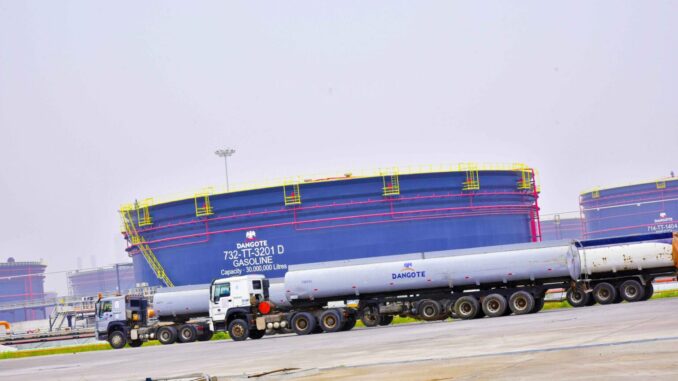
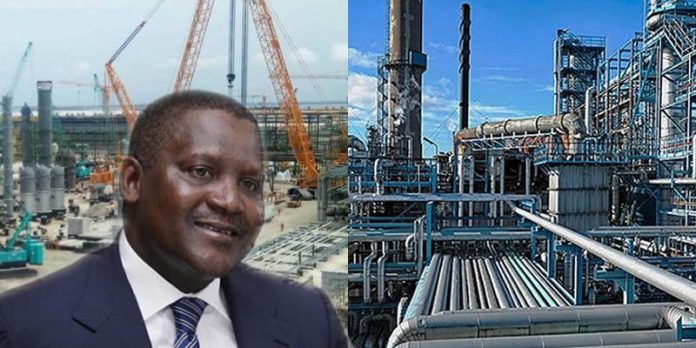
The Federal Government has announced that the Dangote Group will reassign workers recently disengaged from its refinery operations, following a breakthrough in talks with the Petroleum and Natural Gas Senior Staff Association of Nigeria (PENGASSAN).
Minister of Labour and Employment, Dr. Mohammed Maigari Dingyadi, confirmed in Abuja on Wednesday that the redeployed employees will retain their full pay and benefits.
“After reviewing the disengagement process, it was agreed that the Dangote Group would immediately begin redeploying the affected staff to other subsidiaries of the conglomerate, without loss of pay,” Dingyadi said.
He assured that no employee would face retaliation for their role in the standoff. PENGASSAN, in turn, has agreed to commence the process of suspending its strike.
The Minister also emphasised that unionisation is a protected right under Nigerian labour law and should be respected by employers across industries.
The conciliation followed a breakdown in Monday’s discussions, after PENGASSAN accused Dangote Refinery of dismissing union members and replacing some Nigerians with expatriates — allegations the company denied.
The impasse escalated when the union halted gas and crude oil supply to the refinery, sparking concerns over a possible disruption in Nigeria’s energy sector.
Federal authorities stepped in, warning that the dispute posed risks to national energy stability and broader economic performance.
The Federal Government has successfully mediated in the standoff between the Dangote Petroleum Refinery and the Petroleum and Natural Gas Senior Staff Association of Nigeria (PENGASSAN), bringing an end to days of tense negotiations.
In a statement released early Wednesday, the Minister of Labour and Employment, Dr. Mohammed Maigari Dingyadi, confirmed that the resolution followed marathon conciliation sessions that lasted late into the night.
According to the statement, key agreements reached included recognition of unionisation rights under Nigerian law and the redeployment of affected staff.
“The Honourable Minister reminded all parties that unionisation is a legal right of Nigerian workers, and this right must be upheld,” the statement read.
It was further agreed that employees previously disengaged by the Dangote Group would be redeployed to other subsidiaries of the company without any loss of remuneration.
“No worker will be victimised for their role in the dispute,” the Minister added.
PENGASSAN has also agreed to begin steps toward suspending its strike action, following assurances of good faith from both parties.
The high-level peace talks were attended by the National Security Adviser, Mallam Nuhu Ribadu; Minister of Finance and Coordinating Minister of the Economy, Wale Edun; Minister of Budget and Economic Planning, Senator Atiku Bagudu; Minister of State for Labour and Employment, Barr. Nkeiruka Onyejeocha; the Director-General of the DSS, Adeola Ajayi; and the Director-General of the National Intelligence Agency, Ambassador Mohammed Mohammed.
Earlier talks on Monday had ended in deadlock after PENGASSAN accused Dangote of mass transfers, sackings of union members, and the replacement of Nigerian staff with foreign nationals — claims the company firmly denied.
Government officials said intervention was necessary to protect the economy and national energy security, as the refinery plays a critical role in Nigeria’s petroleum supply.
The Federal Government has announced the resolution of the industrial dispute between Dangote Petroleum Refinery and the Petroleum and Natural Gas Senior Staff Association of Nigeria (PENGASSAN), bringing an end to days of tension that threatened the nation’s energy stability.
Minister of Labour and Employment, Dr Mohammed Maigari Dingyadi, confirmed the breakthrough in a statement issued early Wednesday in Abuja. He said the resolution followed two days of marathon conciliation meetings involving key government officials, the refinery management, and union leaders.
According to Dingyadi, the parties agreed that disengaged refinery staff would be redeployed to other companies within the Dangote Group without loss of pay, while no worker would face victimisation for their role in the standoff. He stressed that unionisation is a right enshrined in Nigerian labour laws and must be respected.
The minister further disclosed that PENGASSAN has begun the process of calling off its strike, after both sides committed to the resolutions in good faith.
The high-level meetings, which held at the Office of the National Security Adviser, were attended by top government officials including the National Security Adviser, Mallam Nuhu Ribadu; Minister of Finance and Coordinating Minister of the Economy, Wale Edun; Minister of Budget and Economic Planning, Senator Atiku Bagudu; Minister of State for Labour and Employment, Barr. Nkeiruka Onyejeocha; Director-General of the DSS, Adeola Ajayi; and Director-General of the National Intelligence Agency, Ambassador Mohammed Mohammed.
Monday’s initial talks had ended in a deadlock after hours of deliberations, prompting government mediators to reconvene on Tuesday afternoon. The second round stretched late into the night and produced the final agreement in the early hours of Wednesday.
The dispute had erupted after PENGASSAN accused the refinery of mass transfers and dismissals of union members, as well as replacing some Nigerian workers with foreign staff—allegations the company denied, insisting that its restructuring was driven by operational needs.
The Federal Government intervened amid fears of potential disruptions to fuel supply and wider implications for national economic and energy security.
Nigerian singer and songwriter Temilade Openiyi, popularly known as Tems, has made history as the first female Nigerian artist to sell over 10 million units in the United States.
The milestone was confirmed on Tuesday, September 30, 2025, by Chart Data via X (formerly Twitter), which announced that WAIT FOR U, her Grammy-winning collaboration with American rapper Future featuring Drake, had officially surpassed the 10 million sales mark in the US.
The track, which earned Tems a Grammy Award for Best Melodic Rap Performance, has become one of her most defining global achievements. Earlier, she also became the first African female artist to reach one billion streams on Spotify, further establishing her as a powerhouse in the international music scene.
Tems first gained global recognition in 2020 after featuring on Wizkid’s Essence, which broke into the Billboard Hot 100 and earned multiple Grammy nominations. She began her career in 2018 with her debut single Mr Rebel, and has since built a reputation as one of Africa’s most influential voices.
Currently, Tems is on her 2025–2026 world tour, which kicked off on September 28 and will run through November 15. The tour includes performances in Nairobi, Salvador (Brazil), and Los Angeles, where she is billed to perform at the iconic Dodger Stadium.
Her rise mirrors that of Wizkid, who became the first Nigerian male artist to achieve the same feat when his feature on Drake’s One Dance was certified Diamond by the Recording Industry Association of America (RIAA) in 2022.
With multiple accolades to her name—including BET Awards, NAACP Image Awards, and a Soul Train Music Award, Tems’ latest record cements her position as a trailblazer for African female artists breaking barriers in the global music industry.
The Federal Government has announced that staff earlier disengaged from the Dangote Refinery will be redeployed to other subsidiaries within the Dangote Group, following the resolution of the company’s dispute with the Petroleum and Natural Gas Senior Staff Association of Nigeria (PENGASSAN).
Minister of Labour and Employment, Dr Mohammed Maigari Dingyadi, disclosed this in a statement issued on Wednesday in Abuja. He said the redeployment will come at no loss of pay or benefits to the affected workers.
“After examining the procedure used in the disengagement of workers, the meeting agreed that the management of Dangote Group shall immediately begin the process of redeploying the disengaged staff to other companies within the Dangote Group, with no loss of pay,” Dingyadi stated.
He added that no worker would be victimised for their role in the standoff, stressing that the agreement was reached in good faith. According to him, PENGASSAN has also commenced the process of calling off its strike.
The minister reiterated that unionisation remains a fundamental right of workers under Nigerian law, and urged all parties to respect that principle.
The reconciliation followed a breakdown of earlier talks between PENGASSAN and the refinery management, which ended in deadlock on Monday. The dispute stemmed from allegations by the union that Dangote Refinery had transferred or dismissed several of its members, while replacing some Nigerian staff with expatriates. The union argued that the actions contravened labour laws and undermined local employment rights.
Dangote management denied the claims, insisting that its workforce restructuring was driven solely by operational requirements and not linked to union activities.
Tensions escalated when PENGASSAN halted gas and crude oil supplies to the refinery, sparking concerns about possible disruptions to Nigeria’s energy supply and economic stability. The Federal Government later intervened, citing the potential “adverse effects on the economy and energy security,” and convened high-level talks that produced Wednesday’s resolution.