A lecturer at the Department of Social Work, University of Port Harcourt, Rivers State, Dr Blessing Ramsey-Soroghaye, has called for greater investment in health promotion and disease prevention programmes to tackle Nigeria’s persistently high rates of maternal deaths and other preventable health conditions among women.
Speaking in an interview, the women’s health and well-being researcher lamented that many Nigerian women continue to die from avoidable causes, largely due to poor access to quality healthcare and inadequate preventive interventions.
Dr Ramsey-Soroghaye highlighted that despite years of dialogue on improving maternal health, accessibility and affordability remain key obstacles preventing many women from utilising available healthcare services.
“For many Nigerians, especially women, the first response to illness is not to visit a hospital or primary health centre. Instead, some resort to self-medication, seek unprofessional advice from relatives, rely on religious options, or consult patent medicine vendors,” she said.
According to her, this pattern reflects deeper policy and systemic failures that expose women to heightened risks, particularly in cases of pregnancy-related complications, late detection of cancers, unmanaged hypertension, and neglected mental health conditions.
She noted that women, being the primary caregivers and bearing the reproductive burden, suffer disproportionately from the absence of a preventive healthcare model in Nigeria.
“Preventable complications from pregnancy, late detection of cancers, untreated hypertension, and ignored mental health issues continue to cut short lives and weaken families,” she added.
Dr Ramsey-Soroghaye advocated for a paradigm shift from a reactive health model—where interventions begin only after illness sets in—to a preventive and promotive model that focuses on early detection and education.
She urged the government to make health promotion a deliberate policy priority through stronger investments and community-driven programmes.
“Primary Healthcare Centres should be strengthened, services made accessible, and regular health outreaches and enlightenment campaigns carried out to educate women about available health promotion services,” she said.
The social work expert further recommended the integration of preventive services into existing maternal and child health programmes, ensuring women receive timely education and screening when they engage with the health system.
“When prevention is prioritised, the cost of care decreases, survival rates improve, and families become healthier. It also reduces the economic burden of disease, freeing up resources for national development,” she explained.
According to data from PUNCH Healthwise, Nigeria’s maternal mortality rate stands at 512 deaths per 100,000 live births, accounting for nearly 20 per cent of global maternal deaths.
Dr Ramsey-Soroghaye stressed that Nigeria could significantly reduce this figure if policymakers prioritised preventive measures and increased funding for community-based health promotion.
“Nigeria cannot afford to keep losing women to conditions that could have been prevented or managed early,” she warned. “Policymakers must act decisively—by funding outreach programmes, equipping primary health centres, and making preventive care accessible in every community.”
She concluded by urging collective commitment to prevention-focused health policies, saying:
“By leading this change, we protect women’s health and secure the well-being of households, communities, and the nation. Prevention must become our first point of action to save lives.”
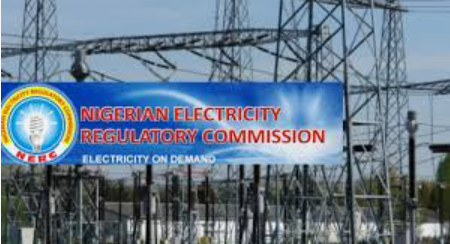
The Nigerian Electricity Regulatory Commission (NERC) has announced plans to investigate the deaths of 38 electricity workers who lost their lives while on duty in the second quarter of 2025. The fatalities, all recorded within the operations of electricity distribution companies (DisCos), mark a troubling decline in the safety performance of Nigeria’s power sector.
According to the Commission’s Second Quarter 2025 Report, the Nigerian Electricity Supply Industry (NESI) witnessed a sharp rise in workplace accidents and fatalities compared to the previous quarter.
“Relative to 2025/Q1, the number of accidents increased from 31 to 60, fatalities rose from 12 to 38, and injuries increased from 14 to 19,” NERC stated.
The report revealed that while no casualties were recorded by the generation companies (GenCos) or the Transmission Company of Nigeria (TCN), all incidents occurred in the distribution segment of the electricity value chain.
“During the quarter, none of the GenCos and TCN recorded casualties, whereas all the DisCos recorded casualties. Out of the 57 total casualties, the licensees with the highest numbers were Ibadan (11), Kano (10), Benin (5), Eko (5), and Jos (5) DisCos,” the report noted.
These five distribution companies accounted for 63 per cent of all recorded casualties within the quarter.
NERC expressed concern that DisCos continue to present the greatest safety risks in the industry, maintaining a consistent pattern of workplace incidents over the last four quarters.
“As observed in previous quarters, DisCos continue to account for the majority of safety challenges in NESI. They were responsible for 100 per cent of casualties in Q2 2025, having accounted for 92.98 per cent, 93.33 per cent, and 100 per cent in Q3 and Q4 2024, and Q1 2025, respectively,” the regulator stated.
In line with Section 34(1)(e) of the Electricity Act 2023, NERC reiterated its commitment to ensuring safe and reliable electricity delivery. The Commission said it continually monitors health and safety compliance within the sector and mandates operators to submit monthly safety reports as part of their licensing obligations.
“The Commission monitors the health and safety performance of NESI. Licensees are required to submit monthly reports in accordance with their licence conditions. During the period, 102 out of 105 mandatory submissions were received,” the report added.
NERC pledged to enforce full compliance with safety reporting and apply sanctions against erring operators.
Although no deaths were recorded by the TCN, the transmission company reported 11 cases of asset damage resulting from explosions, fires, and vandalism.
“The Commission has initiated investigations into all reported accidents and will enforce appropriate actions where necessary,” NERC said.
Beyond enforcement, the regulator stated that it is working to instil a stronger safety culture across the industry.
“The Commission continues to closely monitor the implementation of licensees’ accident reduction strategies and organises initiatives such as the Health and Safety Managers’ Meeting to improve the overall safety performance of the NESI,” the report concluded.
The latest figures underscore growing concerns about workplace safety in Nigeria’s power sector, even as NERC intensifies efforts to improve regulatory compliance and safeguard workers’ lives.
The Federal Government has launched the National Digital Trustmark, a platform designed to provide verifiable certification and a badge of trust for e-commerce and other online platforms across Nigeria. The initiative was unveiled during a joint press briefing by the National Information Technology Development Agency (NITDA), Corporate Affairs Commission (CAC), Central Bank of Nigeria (CBN), and the Nigerian Communications Commission (NCC).
According to the government, the Trustmark aims to combat online fraud, identity theft, and scams, while promoting integrity, competitiveness, and public confidence in Nigeria’s digital business landscape. Director-General of NITDA, Malam Kashifu Inuwa, said the initiative became necessary due to global concerns over the online business practices of some Nigerians.
He explained that the Trustmark would help strengthen consumer confidence, promote fair competition, and align Nigerian businesses with international best practices.
“It is sad for Nigerians to be classified as scammers and fraudsters, especially in relation to how online businesses are conducted,” Inuwa said. “There are times citizens make payments for goods online only to be blocked afterward, or cases where items delivered do not match the advertised specifications.”
He noted that the Trustmark would serve as a security seal granted by NITDA to certified online and digital businesses. The seal, which can be displayed on company websites, letterheads, and official pages, would authenticate legitimate businesses registered and operating in Nigeria with at least one verifiable office address.
While participation is voluntary, Inuwa said certification would come with a fee determined by the company’s size and area of operation. The certification will be renewed annually to ensure transparency and accountability.
The initiative will be implemented in collaboration with the German Agency for International Cooperation (GIZ) and the National Association of Chambers of Commerce, Industry, Mines and Agriculture (NACCIMA). President of NACCIMA, Jani Ibrahim, described the launch as a significant step toward building a safer and more competitive digital economy. Represented by his Special Adviser on Digital Economy Trade Group, Suleiman Audu, he pledged the association’s commitment to ensuring smooth and efficient implementation of the initiative, free from bureaucratic obstacles.
Mr. Chinedu Albert, GIZ Nigeria Consultant and Public Policy Expert, also commended the development, noting that Nigeria’s e-commerce market, currently valued at $13 billion, represents just 0.55% of the $27 trillion global market.
“The Digital Trustmark directly addresses this challenge because it aligns with the African Continental Digital Trade Protocol, which requires member states to establish mutual trust mechanisms,” Albert said.
He added that the initiative would enhance the competitiveness of Nigerian MSMEs in global trade by ensuring greater trust, accountability, and transparency in online transactions.
Oil prices declined on Friday after Israel and Hamas agreed to the first phase of a U.S.-brokered ceasefire in Gaza, easing geopolitical tensions that had supported prices in recent months.
Brent crude traded at $64.66 per barrel at 9:42 a.m. local time (0642 GMT), down 0.5% from the previous close of $64.99, while U.S. benchmark West Texas Intermediate (WTI) slipped 0.5% to $60.82 from $61.16 in the prior session.
The ceasefire agreement, confirmed late Thursday, includes Israeli troop withdrawals, the reopening of the Rafah border crossing, the entry of humanitarian aid into Gaza, and the release of hundreds of Palestinian prisoners.
Hamas said it had received assurances from mediators and the U.S. that the Israeli offensive in Gaza had “fully ended.” In a pre-recorded speech, Hamas leader Khalil al-Hayya confirmed the agreement, saying, “We have received guarantees from our brothers, the mediators, and the U.S. administration, all confirming that the war has ended completely.”
Analysts said the truce eased fears of potential supply disruptions in the global oil market.
“This presents a major step toward ending the two-year war that raised the risk of supply disruptions in the oil market,” said Daniel Hynes, Senior Commodity Strategist at the Australia and New Zealand Banking Group.
He added that the market’s attention has now shifted back to the expected oil surplus as OPEC proceeds with the gradual unwinding of production cuts.
The Organization of the Petroleum Exporting Countries (OPEC) and its allies, known as OPEC+, recently reaffirmed plans to increase production in November. Eight member nations agreed to raise output by 137,000 barrels per day, easing supply concerns and exerting further downward pressure on prices. The group’s next meeting is set for November 2.
However, losses were partially offset after the United States imposed fresh sanctions on more than 90 individuals, entities, and vessels accused of facilitating Iran’s petroleum and petrochemical exports through the UAE, India, China, Hong Kong, and Singapore.
The U.S. Treasury Department said over 50 individuals were designated for enabling billions of dollars’ worth of Iranian oil and liquefied petroleum gas (LPG) exports. The sanctions target several Asian-based networks, nearly two dozen “shadow fleet” vessels, a China-based crude oil terminal, and an independent refinery described as “key to Iran’s ability to export petroleum and petroleum products.”
The U.S. State Department also announced parallel sanctions against about 40 additional individuals and entities tied to Iran’s energy trade, including major petrochemical buyers and operators of shadow fleet tankers.
Treasury Secretary Scott Bessent said the action was part of efforts to choke off Tehran’s oil revenue and disrupt funding for groups threatening the U.S. and its allies.
“Treasury is degrading Iran’s cash flow by dismantling key elements of Iran’s energy export machine,” Bessent stated.
The Nigerian government plans to issue $2.3 billion in Eurobonds before the end of 2025 to support budgetary funding and carry out liability management operations, according to an update from CSL Stockbrokers.
The firm noted that a $1.1 billion Eurobond is due to mature in November, which may necessitate fresh borrowing to meet Nigeria’s external debt obligations.
According to CSL, the planned issuance would mark Nigeria’s return to the international debt market following the successful $2.2 billion Eurobond sale last December, which was nearly four times oversubscribed.
“This planned issuance aligns with our earlier view that Nigeria could return to the market before year-end to raise at least $2 billion,” CSL said.
In August, the firm’s analysts had projected that a potential U.S. Federal Reserve rate cut could encourage Nigeria to issue new Eurobonds.
“In terms of structure, we maintain that the authorities are likely to opt for a 10-year amortising Eurobond, taking advantage of the yield gap between the 2034s and 2038s on the curve,” the firm explained.
On pricing, CSL noted that market conditions remain favourable, with yields on Nigeria’s Eurobond curve declining by an average of 168 basis points year-to-date.
“We expect strong investor demand, supported by growing confidence in Nigeria’s economy following recent reform measures and the global trend towards lower interest rates, which continues to boost appetite for emerging market assets,” the firm added.
In addition to the planned Eurobond, reports indicate that Nigeria is considering a foreign Sukuk issuance valued at approximately $500 million.
CSL said this aligns with expectations that the government may accelerate the issuance of non-conventional instruments such as green or sustainable bonds — a growing trend among Sub-Saharan African sovereigns seeking access to ESG-linked financing at relatively lower costs.
The firm noted that such instruments typically attract dedicated pools of capital from global investors focused on sustainability and responsible investing, helping Nigeria diversify its funding sources while strengthening its ESG profile in the global debt market.
“We expect the planned issuances to support external reserve accretion, which has been on an upward trend in recent months, with the 30-day moving average rising to $42.6 billion as of October 7,” CSL said.
“The anticipated inflows should also enhance liquidity in the foreign exchange market, supporting both stability and continued appreciation of the naira. However, since the proceeds will likely be used for fiscal operations, the borrowings could add short-term pressure to the fiscal deficit,” it added.
The Academic Staff Union of Universities (ASUU) has dismissed the Federal Government’s last-minute appeal to suspend its planned warning strike, insisting that the industrial action will commence on October 13 as scheduled. ASUU President, Professor Chris Piwuna, announced this on Thursday during an interview on Channels Television’s The Morning Brief, where he accused the government of failing to address the union’s long-standing demands despite repeated opportunities to do so.
Piwuna criticized the Ministry of Education for what he described as its habitual delay in responding to critical issues affecting university lecturers.
“The problem we have with this government and this Ministry of Education is that they are slow in responding to our demands,” he said.
He explained that after a meeting held in Sokoto weeks ago, ASUU gave the government a three-week window to address its grievances. However, he noted that there was no communication from the government throughout that period.
“They gave us three weeks, we accepted the three weeks, but we never heard a word from them until the three weeks elapsed—not even the courtesy to say, ‘Oh gentlemen, we are running short on time; we’ll meet with you on another date,’” he added. On September 28, ASUU had issued a 14-day ultimatum to the Federal Government to meet its demands or face a two-week warning strike that could lead to a total shutdown of public universities.
Earlier this week, the Minister of Education, Dr. Tunji Alausa, said the government was in the final phase of discussions with ASUU and other university-based unions to resolve lingering issues, including staff welfare, funding for public universities, and the full implementation of the 2009 ASUU-FGN Agreement. Piwuna disclosed that the government only reached out two working days before the planned strike, appealing to the union to suspend its action.
“Yesterday, they appealed to us not to embark on action. Our 2009 agreement, which is still being renegotiated after eight years, remains undone. We have not concluded on it, and two working days before a strike action, you come to appeal to us. I think the appeal has come a little too late,” he said.
He maintained that the government’s consistent delays in implementing agreements on funding and welfare had forced the union into repeated industrial actions.
According to him, ASUU will proceed with its warning strike at the expiration of its ultimatum on Sunday unless the government takes concrete steps within the next 48 hours.
“Their ultimatum expires on Sunday, and after that, there will be a warning strike unless something substantial comes from the government. So, within the next 24 to 48 hours, we expect a meaningful response. Then we can go back to our members and ask, ‘Do you think this is sufficient for us to hold on?’ and we’ll act based on their decision,” he stated.
Piwuna further said the union has lost confidence in the government’s promises, accusing it of treating negotiations like a game.
“We have never trusted any government. Governments have never come through with what they promised us. The government sees our engagement like a football they need to dribble—you touch it, you pass it, you come back again,” he said.
He added that while ASUU is open to dialogue, the government must demonstrate genuine commitment to resolving the issues before it can regain the union’s trust.
Here we are, October 10, 2025 – World Mental Health Day. It’s that one day a year when the world pauses to shine a light on something we all deal with but rarely talk about openly: our mental health. In Nigeria, though, it’s not just a day; it’s a stark reminder of a crisis bubbling under the surface.
You know, the kind that affects everything from your morning commute in Lagos traffic to boardroom decisions in Abuja. With estimates suggesting that around 20 to 40 million Nigerians are grappling with mental health issues – that’s roughly one in five people – it’s no exaggeration to say this is a national emergency. Depression rates here are among the highest globally, and anxiety isn’t far behind. But why? And more importantly, what can we do about it?
As professionals, investors, and entrepreneurs, we often view the economy through spreadsheets and stock tickers. Yet, mental health is the invisible thread weaving through it all. A stressed workforce means lower productivity, higher absenteeism, and ultimately, a drag on GDP. Think about it: if your team’s mental state is frayed, how can innovation thrive? This isn’t just personal; it’s business. Let’s unpack how everyday life in Nigeria chips away at the average person’s psyche, and then shift gears to solutions that could turn things around.
The Daily Grind: Economic Hardships That Hit Harder Than You Think
Picture this: You’re an average Nigerian, maybe a mid-level executive in a bustling firm or an entrepreneur hustling in the informal sector. The naira fluctuates wildly, inflation bites into your savings, and unemployment hovers like a persistent cloud. Economic hardship tops the list of mental health saboteurs here. Poverty doesn’t just empty pockets; it fills minds with constant worry. Will the next meal come? How to pay school fees? These questions aren’t abstract – they’re daily battles for millions.
Take unemployment, for instance. With youth joblessness pushing 40% in some regions, it’s no wonder depression and anxiety spike. I remember chatting with a friend in finance who lost his gig during the last economic dip. “It’s not just the money,” he said. “It’s the feeling of being stuck, like you’re failing your family.” That resonates, doesn’t it? And it’s not isolated. The World Health Organization notes that financial stress correlates directly with higher rates of mental disorders. In Nigeria, where over half the population lives below the poverty line, this creates a vicious cycle: poor mental health leads to reduced work output, which worsens economic woes.
But here’s a mild contradiction to chew on – while poverty grinds people down, it’s also forging resilience in unexpected ways. Some folks channel that pressure into side hustles, like turning home baking into a small business. Still, without support, that grit can crack under the weight.
Honestly, it’s not all about money. Dive a bit deeper, and you’ll find social expectations adding fuel to the fire. In Nigerian culture, there’s this unspoken rule: Be strong, provide, succeed – no matter what. For men especially, admitting vulnerability feels like defeat. Women juggle careers, homes, and societal judgments on top of it. Cultural stigma around mental health? It’s real and rampant. Many view depression as a sign of weakness or even spiritual affliction, pushing people to suffer in silence rather than seek help.
Then there’s political instability and corruption, which erode trust and breed hopelessness. Remember the protests a few years back? That collective frustration didn’t vanish; it simmers, manifesting as chronic stress. Insecurity – from banditry in the north to urban crime – keeps folks on edge. A recent report highlighted how armed conflicts and disasters affect over 200 million school-aged kids worldwide, with Nigeria bearing a heavy share, leading to PTSD and anxiety among the young.
Education plays a role too. Our system, often rote and high-pressure, leaves students burned out before they even hit the job market. As an entrepreneur, I’ve seen bright talents dimmed by this. And let’s not forget brain drain – skilled pros fleeing for greener pastures, leaving behind a void that stresses the remaining workforce.
These factors ripple out, affecting businesses big time. Investors, think about it: A mentally strained population means unstable markets and hesitant consumers. Executives, your teams’ well-being directly ties to your bottom line. It’s like a faulty engine in a high-speed train – ignore it, and derailment follows.
The Overlooked Crises: Health Gaps and Environmental Stressors
Shifting a tad, consider the healthcare angle. Nigeria’s mental health care gap is massive – 85% of those needing help don’t get it. Limited facilities, few specialists, and that pesky stigma again. In catastrophes like floods or conflicts, mental health takes a backseat, yet trauma lingers long after. The theme for this year’s World Mental Health Day – “Access to Services: Mental Health in Catastrophes and Emergencies” – couldn’t be more spot-on for us.
Environmental factors sneak in too. Urban chaos in cities like Lagos, with noise, pollution, and overcrowding, amps up anxiety. Rural areas face isolation and poor infrastructure. It’s a nationwide issue, cutting across classes, but hitting the average Joe hardest.
You might wonder, is there light at the end? Absolutely. But it requires action from all corners.
Charting a Path Forward: Simple Steps That Make a Difference
Here’s the thing: Fixing this isn’t rocket science, but it demands collective will. Start with the basics for individuals. Regular exercise – a brisk walk in the park – can work wonders for mood. Mindfulness practices, like deep breathing or journaling, help manage stress. Eat balanced meals; sleep well. Sounds straightforward, right? Yet in our hustle culture, we often skip these.
Seeking help is key. Hotlines, apps like those from NGOs, or therapists via digital platforms are game-changers. Organizations like Nigerian Mental Health or the ICRC offer support groups and sessions on self-care. Break the silence – talk to a friend, family, or pro. Remember, it’s wisdom, not weakness.
For businesses and executives: Implement workplace programs. Flexible hours, EAPs (Employee Assistance Programs), and mental health days boost morale and productivity. Investors, back startups in mental health tech – the market’s projected to hit $15.83 million this year. It’s good ethics and smart economics.
On a broader scale, policymakers must step up. The National Mental Health Act is a start; now enforce it with funding for services, especially in emergencies. Integrate mental health into public health like Nigeria’s doing with NTDs and HIV programs. Advocacy, scholarships for mental health pros, and community education can bridge gaps.
Communities play a role too. Normalize conversations – host local talks, use social media to share stories. Tie in cultural elements; blend traditional healing with modern care for holistic approaches.
Wrapping this up, World Mental Health Day isn’t just a hashtag; it’s a call to rethink how we live and work in Nigeria. The affects – from economic strains to social stigmas – are profound, but so are the solutions within reach. As entrepreneurs and leaders, let’s lead by example: Prioritize mental health in our circles, advocate for policies, and foster environments where people thrive.
You know what? Small changes add up. Check in on a colleague today. Take that break you’ve been postponing. Together, we can shift from survival mode to true well-being. After all, a healthier mind means a stronger nation – economically and beyond. What’s your first step?
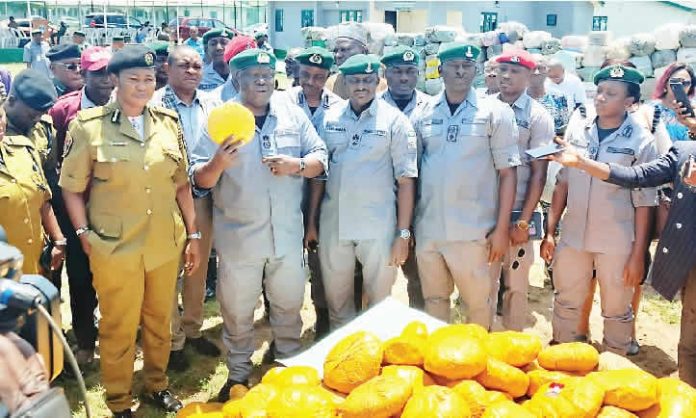
The Nigeria Customs Service (NCS), Seme Area Command, has intercepted contraband items valued at N1.99 billion, including hard drugs and expired flour imported from Egypt, during operations conducted between September 1 and October 9, 2025, along the Lagos–Abidjan Corridor.
Speaking during his maiden press briefing at the Command Headquarters in Seme, the Customs Area Controller, Comptroller Wale Adenuga, said the seizures included 10,000 bags of expired flour with a duty-paid value of N1.2 billion, concealed in five trucks.
Adenuga warned that the expired products posed serious public health risks, noting that their circulation could have caused widespread infections, food poisoning, and long-term health complications.
He added that the Command also intercepted 1,104 parcels of cannabis sativa, 120 packs of tramadol, and 169 bottles of codeine-based cough syrup, while two suspects have been handed over to the National Drug Law Enforcement Agency (NDLEA) for further investigation.
Other seized items include 2,043 bags of foreign parboiled rice (50kg each), 150 bales of second-hand clothing, and five used vehicles.
Describing smuggling as an act of economic sabotage, Adenuga emphasised that illicit trade undermines national security, deprives the government of vital revenue, and threatens legitimate businesses. “Resources lost to smuggling could have been channelled into supporting Small and Medium Enterprises and creating jobs for Nigerians,” he stated.
On export activities, the Area Controller disclosed that the Command facilitated non-oil exports totalling 53,989.46 metric tonnes with a Free on Board (FOB) value of N7.9 billion and a Nigerian Export Supervision Scheme (NESS) fee of N39.8 million. The exported goods, he said, comprised agricultural produce and manufactured products, reflecting growing confidence among exporters in the Seme border corridor under the ECOWAS Trade Liberalisation Scheme (ETLS).
Adenuga also revealed that the Command generated N1.5 billion in revenue for September 2025, representing a 182 per cent increase from the N531.4 million recorded in August. He attributed the improvement to enhanced operational efficiency, better inter-agency collaboration, and streamlined trade facilitation procedures.
“The Command is committed to maintaining a delicate balance between revenue generation, trade facilitation, and national security,” he said. “We are leveraging technology, intelligence sharing, and improved coordination to ensure effective border management.”
He commended the Nigerian Navy’s Forward Operating Base, Badagry, for its support in intercepting smuggled rice along the waterways, reinforcing the synergy among security agencies operating within the corridor.
The Seme Border, located in Badagry, Lagos State, is one of Nigeria’s busiest and most strategic land borders, linking the country to the Benin Republic and facilitating trade across the Lagos–Abidjan Corridor — a 1,028-kilometre highway that connects five West African nations and accounts for up to 70 per cent of subregional trade.
The Command’s renewed anti-smuggling drive follows the efforts of its immediate past Area Controller, Dr. Ben Oramalugo (Rtd), who also recorded several significant seizures, including rice, second-hand clothing, and cannabis sativa, during his tenure from February to September 2025.
Customs authorities have reiterated their commitment to sustaining the momentum against cross-border crimes while promoting legitimate trade and protecting public health.
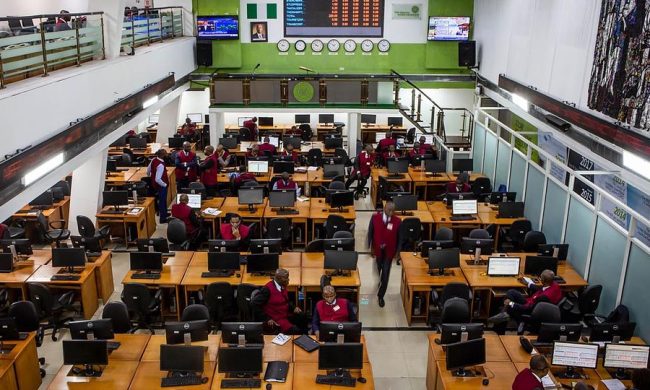
The Nigerian Exchange (NGX) maintained its bullish momentum on Thursday, recording an impressive gain of ₦308 billion in market capitalisation as industrial and insurance stocks spearheaded a rally that extended the market’s winning streak to its tenth consecutive session.
Data from the NGX showed that the All-Share Index (ASI) climbed by 484.31 basis points, closing at 146,203.40 points, representing a 0.33% increase compared to the previous day.
The market capitalisation surged to ₦92.80 trillion, driven by sustained buying interest in mid- and large-cap stocks, particularly in the industrial goods and insurance sectors. However, market activity was mixed as trading volume dropped by 34.00%, while the total transaction value rose sharply by 101.47%.
According to a trading update by Atlass Portfolio Limited, investors exchanged approximately 346.99 million shares valued at ₦27.43 billion across 24,691 deals.
In volume terms, Fidelity Bank topped the chart, accounting for 12.21% of total trades, followed by Dangote Cement, Sterling Bank, Jaiz Bank, and Chams Holdings. In value terms, Dangote Cement (DANGCEM) dominated, representing 40.17% of total traded value.
On the gainers’ list, Caverton Offshore and Eunisell led the rally with a 10% price appreciation each, followed by Sunu Assurances (+9.90%), IMG (+9.10%), and Mecure Industries (+8.81%). Other top performers included Guinea Insurance (+5.63%) and Universal Insurance (+5.56%).
On the losing side, FTN Cocoa recorded the steepest decline of 6.67%, trailed by Fidelity Bank (-2.38%), Veritas Kapital (-1.90%), Cadbury Nigeria (-1.29%), Nascon (-1.04%), and BUA Cement (-0.62%).
Overall market breadth remained positive, with 32 gainers and 20 losers, signaling sustained investor confidence in equities with strong fundamentals.
Sectoral indices also reflected this positive sentiment: Banking (+0.26%), Insurance (+0.64%), Consumer Goods (+0.43%), and Industrial Goods (+0.67%) all posted gains, while the Oil & Gas and Commodities sectors closed flat.
Analysts noted that despite the lower trade volumes, the sharp rise in value indicates increased activity in large-cap equities, underscoring renewed investor appetite for blue-chip stocks amid stable market conditions.
The Department of State Services (DSS) has warned members of the public to beware of one Mr Barry Donald, a dismissed officer of the Service, who has allegedly been impersonating the agency to defraud unsuspecting individuals.
In a statement issued on Thursday via its official X handle, @OfficialDSSNG, the security agency disclosed that Mr Donald is no longer affiliated with the Service and has been involved in fraudulent activities using its name.
“The Department of State Services (DSS) hereby alerts members of the public of the activities of one Barry Donald, a dismissed staff. He is reportedly engaging in unscrupulous activities, including using the name of the Service to defraud unsuspecting members of the public,” the statement read.
The DSS urged Nigerians to exercise caution and refrain from any dealings with the said individual, stressing that the Service would not be liable for any transactions conducted with him.
It also advised citizens to channel all official enquiries, complaints, or requests through its verified contact points to avoid falling prey to fraudulent schemes.
“For requests, enquiries or complaints, the Service can be reached on 09088373515 or via email at dsspr@dss.gov.ng,” it stated.
Reaffirming its commitment to safeguarding citizens, the DSS encouraged the public to report any suspicious activities carried out under its name to the nearest DSS office or through its verified communication channels.
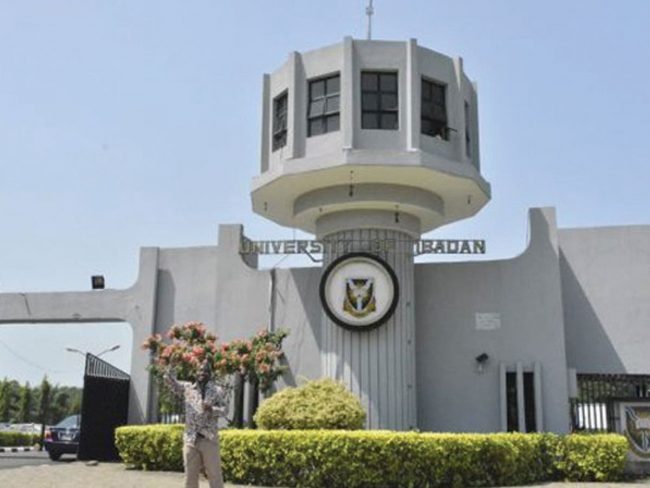
The University of Ibadan (UI) has reclaimed its position as Nigeria’s number-one university in the recently released Times Higher Education (THE) World University Rankings 2026, marking a significant leap in academic performance and global reputation.
The latest ranking, unveiled on THE’s official website on Thursday, placed UI within the 801–1000 global bracket, a major improvement that reestablishes its dominance in Nigeria’s higher education sector. The prestigious Oyo State institution last held the top spot in 2023 before slipping in subsequent years.
According to the 2026 report, THE assessed 2,191 universities across 115 countries, measuring performance across 18 key indicators under five core categories: teaching, research environment, research quality, industry engagement, and international outlook.
UI Climbs from Fourth to First in National Ranking
In the previous 2025 ranking, UI placed fourth among Nigerian universities. However, the 2026 assessment saw it surge to the top, displacing Covenant University, which dominated the rankings in both 2024 and 2025.
Following closely behind UI are the University of Lagos (UNILAG), Bayero University Kano (BUK), and Covenant University (CU), ranked second, third, and fourth nationally, respectively.
Global Trends and Nigerian Representation
The 2026 THE ranking reflects notable shifts in the global higher education landscape. The evaluation drew from over 174.9 million citations across 18.7 million research publications and included survey inputs from more than 108,000 scholars worldwide.
Each institution’s placement showcases its strengths across various dimensions. UNILAG, for instance, achieved the highest score in research quality among Nigerian universities, with a mark of 66.7 points, while BUK led in international outlook, highlighting its growing global collaborations. Meanwhile, Covenant University recorded the highest industry engagement score, underscoring its strong ties with private-sector partners and innovation-driven initiatives.
How Nigerian Universities Performed Globally
Out of 51 Nigerian universities featured in the 2026 list, only UI and UNILAG made it into the 801–1000 range, positioning them among the top-tier institutions globally.
BUK, CU, and Landmark University followed in the 1001–1200 band, while institutions such as Ahmadu Bello University (ABU), Federal University of Technology, Minna (FUTMinna), University of Ilorin (UNILORIN), University of Jos (UNIJOS), and University of Nigeria, Nsukka (UNN) placed between 1201–1500 globally.
Additionally, 14 universities were listed in the 1501+ category, while 27 institutions appeared as unranked participants in this year’s evaluation.
Full Nigerian University Ranking (2026)
801–1000: University of Ibadan, University of Lagos 1001–1200: Bayero University Kano, Covenant University, Landmark University 1201–1500: Ahmadu Bello University, Federal University of Technology Minna, University of Ilorin, University of Jos, University of Nigeria Nsukka 1501+: Babcock University, Delta State University Abraka, Ekiti State University, Federal University of Agriculture Abeokuta, Federal University of Technology Akure, Federal University of Technology Owerri, Federal University Oye-Ekiti, Ladoke Akintola University of Technology, Lagos State University, Nnamdi Azikiwe University, Obafemi Awolowo University, University of Benin, University of Calabar, University of Port Harcourt Unranked: Admiralty University of Nigeria, Akwa Ibom State University, Al-Hikmah University, Augustine University, Bamidele Olumilua University of Education Science and Technology, Bauchi State University Gadau, Bayelsa Medical University, Baze University, Bells University of Technology, Bowen University, Evangel University Akaeze, Federal University of Lafia, Federal University of Petroleum Resources Effurun, Fountain University, Godfrey Okoye University, Igbinedion University Okada, Kaduna State University, Lagos State University of Education, Lagos State University of Science and Technology, Lead City University, Maryam Abacha American University of Nigeria, Nasarawa State University Keffi, Redeemer’s University, Rivers State University, Thomas Adewumi University, University of Cross River State, University of Delta.
About the THE World University Rankings
The Times Higher Education World University Rankings is an internationally recognised benchmarking system for higher education institutions. It evaluates teaching excellence, research performance, and institutional influence using globally accepted academic data and metrics.
For inclusion in the 2026 ranking, universities must offer undergraduate programmes, demonstrate multidisciplinary research output, and have published at least 1,000 research papers between 2020 and 2024, averaging a minimum of 100 publications per year.
This year’s outcome not only highlights UI’s renewed academic excellence but also reaffirms Nigeria’s growing presence in the global higher education community.
The Lagos State Government has announced a 15-day closure of the Marine Bridge in Ijora, Apapa Local Government Area, to facilitate critical maintenance works. The announcement was made in a statement posted on the official X account of the Commissioner for Transportation, Hon. Oluwaseun Osiyemi.
According to the statement, the closure is necessary to enable the Federal Ministry of Works, in collaboration with the Lagos State Government, to repair the bridge’s underlying bearings and ensure structural stability.
“The Marine Bridge in Ijora, Apapa Local Government Area, will be closed for 15 days to allow for essential maintenance works. Motorists are advised to be patient and plan their journeys accordingly,” the statement read.
Maintenance schedule and traffic diversions
The project will be executed in two phases:
Phase I: From Saturday, October 11 to Saturday, October 18, 2025, focusing on the section from the foot of Marine Bridge along Lawani Oguntayo Road (near UBA), inbound Apapa and Costain. Motorists from Ijora Olopa to Apapa will be diverted through the Ijora Causeway Access Ramp near Omni Retail Company, proceed to Ijora 7up, turn left onto the Lilypond Access Ramp, and continue their journey.
Phase II: From Sunday, October 19 to Saturday, October 25, 2025, covering the stretch between Ijora Badia and Lilypond Access Ramp, inbound Apapa. Vehicles from Ijora Olopa to Apapa and Costain will be diverted 50 meters before the work zone into a contraflow with Costain-bound traffic and rejoin the main carriageway after 500 meters. Those heading from Apapa toward Costain, Lagos Island, or Ijora Olopa will also use a temporary contraflow near the work zone before resuming normal movement.
Additional road works in Lagos
The state government also cautioned motorists to expect traffic adjustments across Lagos as multiple road repairs will occur simultaneously.
Aside from the Marine Bridge closure, the Adeniji Adele Interchange–CMS corridor will undergo a six-week repair starting Sunday, October 12, 2025.
The Federal Ministry of Works will handle the project daily between 11:00 a.m. and 7:00 p.m. Only one lane will be closed at a time to ease congestion, while the other lanes remain open.
This phased approach is designed to minimize traffic disruption and maintain smoother movement throughout the repair period, which is expected to end on Sunday, November 23, 2025.
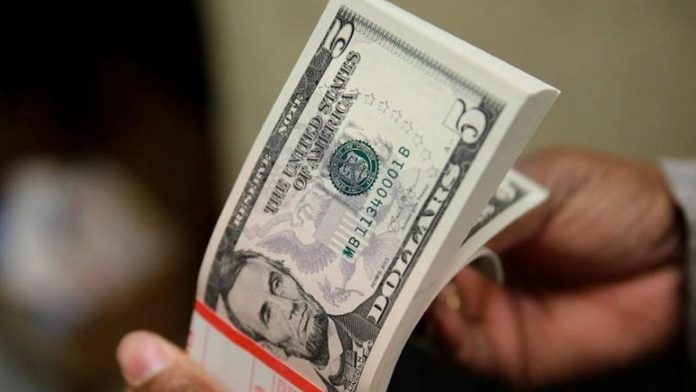
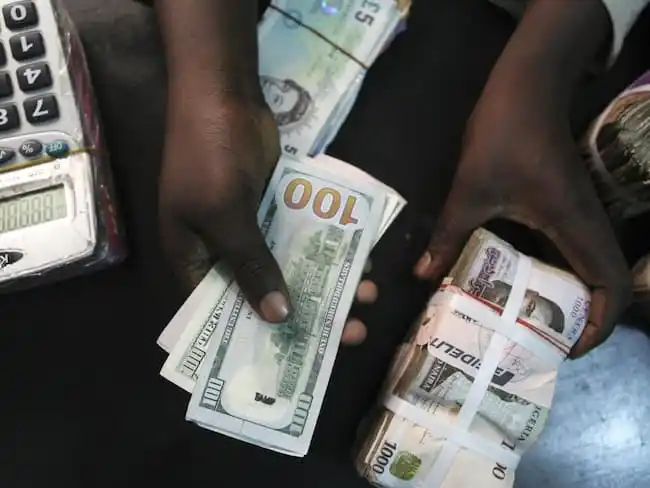
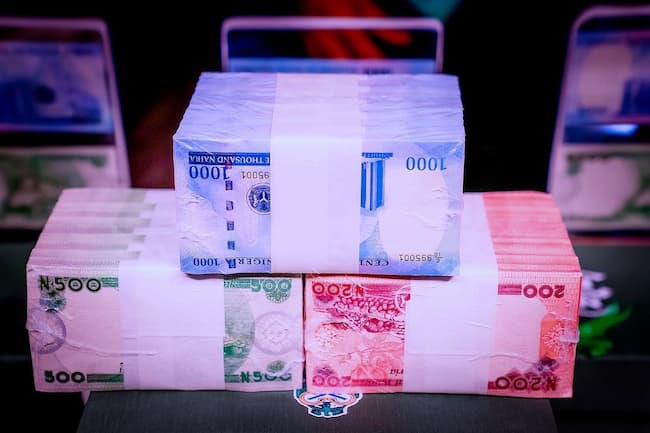
The exchange rate between the Naira and the US dollar, according to the data released on the FMDQ Security Exchange, the official forex trading portal, showed that the naira closed at 1485.00 per $1 on Friday, October 10th , 2025. The naira traded as high as 1463.00 to the dollar at the investors and exporters (I&E) window on Thursday.
Dollar to naira exchange rate today black market (Aboki dollar rate):
The exchange rate for a dollar to naira at Lagos Parallel Market (Black Market) players sell a dollar for ₦1500 and buy at ₦1485 on Thurday 9th October, 2025, according to sources at Bureau De Change (BDC).
Please note that the Central Bank of Nigeria (CBN) does not recognize the parallel market (black market), as it has directed individuals who want to engage in Forex to approach their respective banks.
Dollar to Naira Black Market Rate Today
Dollar to Naira (USD to NGN)
Black Market Exchange Rate Today
Selling Rate
₦1500
Buying Rate
₦1485
Dollar to Naira CBN Rate Today
Dollar to Naira (USD to NGN)
CBN Rate Today
Highest Rate
₦1472
Lowest Rate
₦1463
Please note that the rates you buy or sell forex may be different from what is captured in this article because prices vary.
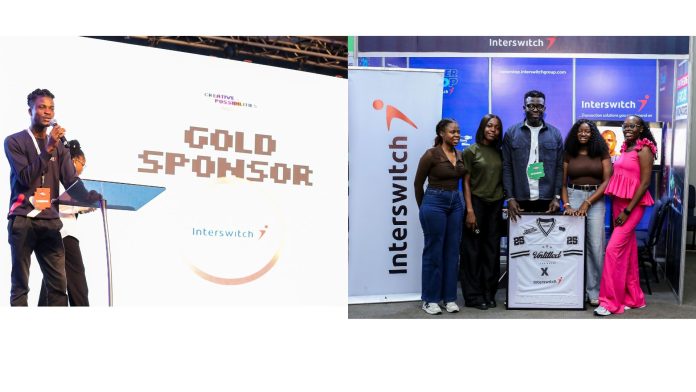
Interswitch, the leading African technology company focused on creating solutions that enable individuals and communities prosper across Africa, has reaffirmed its commitment to supporting creativity, technology, and innovation through its Gold Sponsorship of the Untitled Design Conference (UDC) 2025, held recently in Oregun, Ikeja, Lagos.
The Untitled Design Conference has grown to become one of the largest and most influential gatherings of design and technology professionals in Nigeria and beyond. This year’s edition provided a platform for learning, collaboration, and exchange of ideas on the future of design, user experience, and technology, highlighting how creativity continues to shape the digital ecosystem in Africa.
As a Gold Sponsor, Interswitch showcased two of its flagship solutions, the Interswitch Payment Gateway and Quickteller Business both designed to empower developers, businesses, and creators to build seamless and secure digital and payment experiences for web and mobile applications.
Through the Interswitch Payment Gateway, developers can integrate reliable, efficient, and scalable payment systems into their digital products. The company also spotlighted its 5-for-5 Program, which rewards developers and merchants with 5% earnings for 5 years when they refer others to the Interswitch Payment Gateway.
In addition, Quickteller Business was showcased as a powerful, no-code solution that enables designers and entrepreneurs to create intuitive storefronts to display their portfolios, generate invoices, and receive payments securely. With the support of Interswitch’s robust payment infrastructure, the platform accepts all major cards, including Verve, Amex, Discover, and UnionPay, offering convenience and inclusivity for both local and international clients.
A major highlight of the event was a presentation by Paul Otu, Divisional Head, Design & User Experience at Interswitch, titled “Resilience by Design.” In his session, he explored the process of building and sustaining design teams in the age of Artificial Intelligence, while emphasizing the importance of harnessing AI as a tool for creativity, innovation, and problem-solving.
He also spoke about creating possibilities across Africa through thoughtful design and collaboration, inspiring attendees to adopt resilience as a key principle in shaping digital experiences that are both human-centered and future-ready.
Interswitch’s participation at the Untitled Design Conference reinforced its position as a leading enabler of Africa’s growing digital and creative economy. The company used the platform to engage directly with professionals, share insights on product design and user experience, and highlight the role of payments in powering innovation across diverse industries.
The Untitled Design Conference remains one of the continent’s most vibrant design-focused events, bridging communities and inspiring new thinking at the intersection of art, technology, and business. With Interswitch’s sponsorship and participation, the 2025 edition further underscored the company’s leadership in driving innovation and enabling the growth of Africa’s creative economy.
The Nigerian naira appreciated further against the US dollar on Thursday, supported by improved foreign exchange inflows and rising investor confidence. According to data from the Central Bank of Nigeria (CBN), the official exchange rate settled at ₦1,466 per dollar, marking a 0.27% gain from the previous day’s closing rate.
The local currency reached an intraday low of ₦1,463.50 and an intraday high of ₦1,472 before stabilizing at the closing rate. Analysts attributed the appreciation to healthy FX inflows from exporters, international oil firms, and foreign portfolio investors, which helped balance market liquidity and corporate demand.
The CBN disclosed that the Nigerian Foreign Exchange Market (NFEM) rate of ₦1,466 represents the day’s volume-weighted average, serving as the official exchange rate benchmark.
In the parallel market, the naira also strengthened to ₦1,495 per dollar, buoyed by subdued demand pressures and increasing FX supply from private sources.
Meanwhile, Nigeria’s gross external reserves continued to rise, increasing from $42.35 billion at the end of September to $42.57 billion, bolstered by sustained inflows from crude oil sales, remittances, and foreign investments.
On the global commodities front, oil prices slipped as geopolitical tensions eased following a ceasefire between Israel and Hamas. Brent crude fell by $1.31 (1.71%) to $65.12 per barrel, while WTI crude declined by $1.12 (1.79%) to $61.43 per barrel.
Gold prices also moderated, dipping below the $4,000 per ounce mark for the first time this week, as investors booked profits amid a stronger US dollar. Spot gold fell by 0.87% to $3,976.69/oz, while US gold futures dropped by 0.96% to $3,991.57/oz.
Market analysts predict that the commodities market may remain mixed in the coming sessions, with gold expected to consolidate after its record rally and crude oil likely facing additional pressure from fading geopolitical risk premiums.
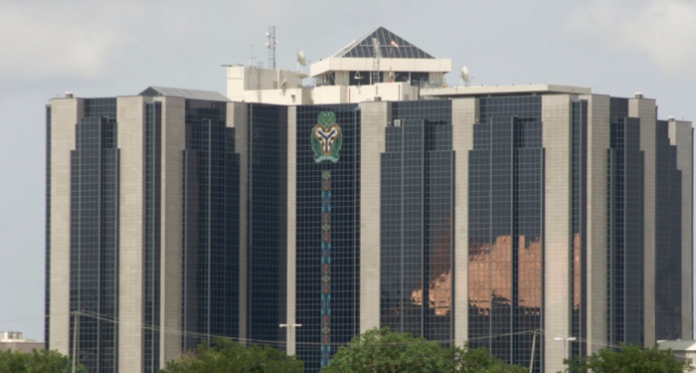
Nigeria’s money market rates held largely stable on Thursday, as the financial system’s liquidity was tempered by significant outflows linked to Treasury bills and Open Market Operations (OMO) auctions conducted by the Central Bank of Nigeria (CBN).
Since initiating a major liquidity mop-up last week, the CBN has successfully reduced excess cash holdings in the banking sector by over half. The apex bank has conducted three OMO auctions and launched its Q4 Treasury bills issuance, curbing the liquidity glut across the financial system.
Despite these measures, market liquidity remained robust at ₦3.47 trillion, according to a market update from AIICO Capital Limited. The firm reported that Deposit Money Banks (DMBs) placed roughly ₦3.50 trillion in the CBN’s Standing Deposit Facility (SDF) window, while borrowings from the Standing Lending Facility (SLF) were minimal at ₦1.90 billion.
Liquidity injections from maturing money market instruments, including ₦250 billion in OMO maturities, helped ease overnight rates by 3 basis points to 24.86%, according to Cowry Asset Management Limited. The Open Buy Back (OBB) rate also held steady at 24.50%, reflecting relative funding stability.
Market analysts forecast that funding rates will remain moderate barring any large liquidity withdrawals before week’s end. Meanwhile, the Treasury Bills secondary market witnessed yield declines across all tenors following ₦230.66 billion in maturities.
Specifically, the Nigerian Interbank Treasury Bills True Yields (NITTY) for the 1-month, 3-month, 6-month, and 12-month maturities dropped by 14 bps, 60 bps, 26 bps, and 10 bps, respectively. Consequently, the average Treasury Bill yield fell by 32 bps to 17.37%, reflecting a strong investor appetite and bullish sentiment in the secondary market.
Financial analysts suggest that the CBN’s continued liquidity management is helping to maintain stability in Nigeria’s short-term funding market while attracting renewed investor interest in fixed-income instruments.
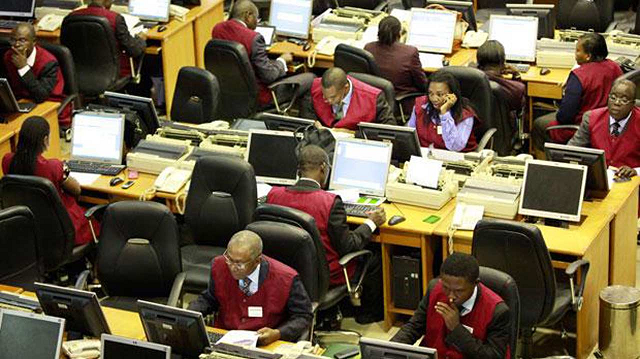
The Nigerian Exchange (NGX) closed in positive territory on Thursday, with five out of six major sectoral indices posting gains, driven largely by a surge in cross deals among key institutional investors.
Market data indicated that industrial and insurance stocks led the rally, while the banking index advanced by 26 basis points on the back of notable price gains from Guaranty Trust Holding Company (GTCO), First HoldCo, and other top-tier banks.
Stockbrokers attributed the positive performance to a series of large block trades—transactions executed outside the exchange’s main trading system—which have become increasingly common among high-net-worth investors seeking reduced risk and faster market entry. These trades also help stabilize share prices by limiting market volatility.
Investor interest in banking equities remained strong, with Fidelity Bank emerging as the most traded stock by volume, recording 42.01 million units—representing 12.20% of total market transactions. In terms of value, Dangote Cement (DANGCEM) dominated trading at ₦11.0 billion.
Top gainers that lifted the banking index included FCMB (+2.88%), GTCO (+1.06%), and First HoldCo (+0.32%). Similarly, notable buying momentum in DANGCEM (+1.89%), SUNU Assurance (+9.90%), International Breweries (+2.19%), and GTCO (+1.06%) drove gains across the Industrial Goods (+0.67%), Insurance (+0.64%), Consumer Goods (+0.43%), and Banking (+0.26%) indices, respectively.
The Oil & Gas and Commodity sectors closed flat, reflecting subdued trading interest. However, several off-market transactions were recorded in GTCO (12.2 million units), Lafarge Africa (WAPCO) (9.4 million units), First HoldCo (24.9 million units), Consolidated Hallmark Holdings (CONHALLPLC) (70 million units), and Aradel Holdings (ARADEL) (297,000 units).
Market watchers said the increase in cross deals underscores growing investor confidence in Nigerian equities, particularly as large institutional investors continue to position ahead of Q4 earnings announcements.
The US Dollar Index (DXY) remained steady around 98.9 on Thursday, maintaining its position near a two-month high after advancing by 0.9% over the previous three sessions. The dollar’s momentum was largely sustained by the relative weakness of other major global currencies.
Analysts noted that the ongoing market developments continue to bolster the greenback’s rally, even as occasional sell-offs emerge amid a fragile economic sentiment. Investor optimism persists following the Federal Open Market Committee (FOMC) minutes, which reaffirmed policymakers’ shared goal of fostering employment growth while guiding inflation toward the 2% target.
However, a brief wave of dollar selling was observed as investors sought refuge in safe-haven assets amid the ongoing US government shutdown. Although gold initially dipped, renewed buying activity around the $4,000 mark pushed its price close to $4,038.
During early European trading, limited follow-through dollar buying was recorded before early gains were pared back. This left the greenback mixed against G10 currencies, with the Scandinavian currencies, British pound, and New Zealand dollar notably underperforming.
The dollar strengthened against the Japanese yen after conservative politician Sanae Takaichi secured victory in Japan’s leadership contest, fueling expectations of increased fiscal spending. Meanwhile, markets reacted to Beijing’s announcement of new export controls on critical minerals and related technologies.
Across Europe, the euro came under further pressure amid rising political uncertainty in France. President Emmanuel Macron disclosed that a new prime minister would likely be appointed within 48 hours to stabilize governance.
Back in the United States, the ongoing government shutdown continues to stall the release of vital economic indicators, leaving traders reliant on limited private-sector data to assess market conditions.
Despite these uncertainties, traders remain confident that the Federal Reserve will deliver two additional 25-basis-point rate cuts before year-end, as indicated by the latest meeting minutes where policymakers weighed employment risks against persistent inflationary pressures.
Currency market analysts observe that US dollar pairs are showing renewed volatility after a relatively calm trading week, suggesting potential opportunities for short-term traders in the days ahead.
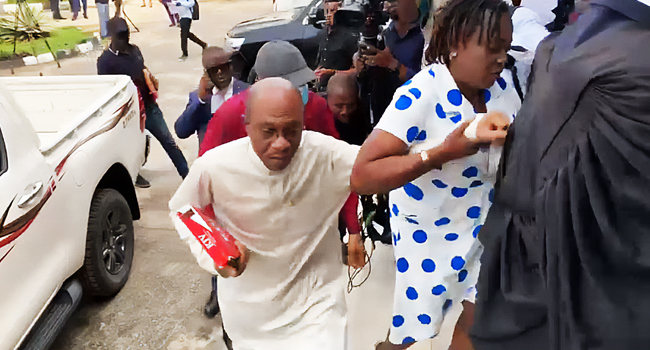
The ongoing corruption trial involving the former Governor of the Central Bank of Nigeria (CBN), Godwin Emefiele, took a new turn on Thursday as an Ikeja Special Offences Court admitted WhatsApp messages as evidence in the alleged $4.5 billion fraud case.
Presiding Judge, Justice Rahman Oshodi, dismissed the objections raised by the defence team and ruled that the chat logs presented by the Economic and Financial Crimes Commission (EFCC) were admissible. The messages were marked as Exhibit G, alongside several mobile phones tendered as part of the evidence.
Emefiele faces a 19-count charge related to the receipt of gratification and abuse of office, while his co-defendant, Henry Omoile, is accused on three counts of unlawful acceptance of gifts by a public officer. The alleged financial misconduct involves transactions amounting to $4.5 billion and ₦2.8 billion.
During Thursday’s proceedings, Mr. Alvan Grumnaan, an EFCC investigator, continued his testimony, reading from the WhatsApp exchanges between Omoile and one John Adetola, which detailed the payment of $400,000 allegedly meant for “Oga,” referring to Emefiele.
Grumnaan recounted that Adetola confirmed visiting John Ikechukwu-Ayoh, a personal assistant to the CBN governor, in Lekki, Lagos, to deliver the funds. According to the investigator, further inquiries revealed another transaction where $200,000 was handed over to Emefiele through the same intermediary.
He added that a CBN contractor, Mr. Victor Oyedua, admitted giving Ikechukwu-Ayoh two separate payments of $400,000 and $200,000 as inducement to expedite outstanding payments from the apex bank.
The EFCC also submitted a letter dated February 24, 2024, and other CBN documents as evidence, which were admitted as Exhibit H despite objections from Emefiele’s defence team, led by Olalekan Ojo (SAN) and Kazeem Gbadamosi (SAN), who questioned their authenticity.
A mobile device belonging to Adetola, a Mi 10T phone, was also admitted as Exhibit I, containing the WhatsApp conversation analyzed by forensic experts.
The defence objected to the admission of certain statements, claiming they were obtained under duress. The court adjourned further hearings to November 21 for reports on the forensic inspection agreement and to December 2 for trial continuation.
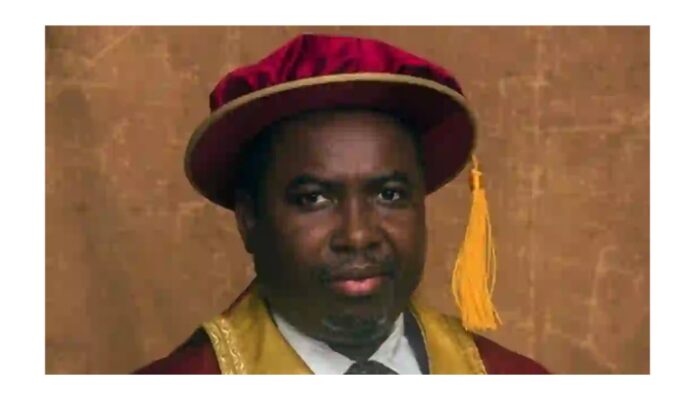
The National Council of State has approved the nomination of Prof. Joash Amupitan, SAN, as the new Chairman of the Independent National Electoral Commission (INEC), following the expiration of Prof. Mahmood Yakubu’s tenure in October 2025.
The announcement was made by Presidential Spokesman Bayo Onanuga on Thursday, who disclosed that President Bola Tinubu presented Amupitan’s name to the Council during its meeting at the State House, Abuja.
According to Onanuga, Amupitan’s nomination marks the first time a candidate from Kogi State, in the North-Central region, has been put forward for the position. President Tinubu described the nominee as “a distinguished scholar and an apolitical figure with impeccable integrity.”
The Council members unanimously endorsed the nomination, with Kogi State Governor Ahmed Usman Ododo describing Amupitan as “a man of exceptional character and competence.”
In line with constitutional requirements, the President is expected to forward Amupitan’s name to the Senate for screening and confirmation.
Born on 25 April 1967, Prof. Joash Amupitan hails from Ayetoro Gbede, Ijumu Local Government Area of Kogi State. A seasoned academic, he currently serves as the Deputy Vice-Chancellor (Administration) at the University of Jos (UNIJOS) and also chairs the Governing Council of Joseph Ayo Babalola University, Osun State.
A renowned authority in Company Law, Law of Evidence, Corporate Governance, and Privatisation Law, Amupitan earned his LL.B from the University of Jos in 1987 and was called to the Nigerian Bar in 1988. He obtained an LL.M from the same institution in 1993 and a PhD in 2007.
His academic career began in 1989 after completing his National Youth Service at the Bauchi State Publishing Corporation. Over the years, he has held several leadership roles, including Dean, Faculty of Law (2008–2014), Chairman, Committee of Deans and Directors (2012–2014), and Head of Department, Public Law (2006–2008) at UNIJOS.
Beyond academia, Amupitan has served on several boards, including Integrated Dairies Limited, Riss Oil Limited, and the Council of Legal Education. He was also a member of the Governing Council of the Nigerian Institute of Advanced Legal Studies.
An accomplished author, Amupitan has published several seminal works, including Corporate Governance: Models and Principles (2008), Documentary Evidence in Nigeria (2008), Evidence Law: Theory and Practice in Nigeria (2013), and Principles of Company Law (2013).
Prof. Amupitan, who became a Senior Advocate of Nigeria (SAN) in September 2014, is married and blessed with four children.