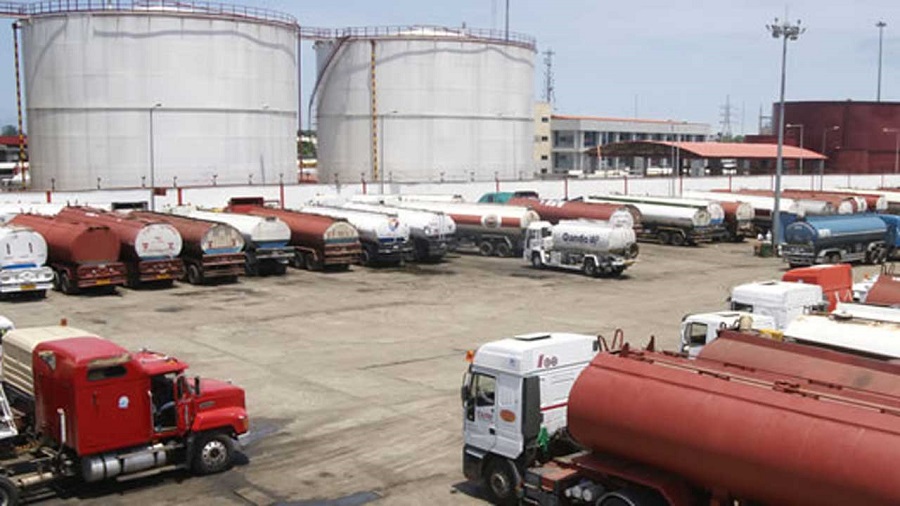
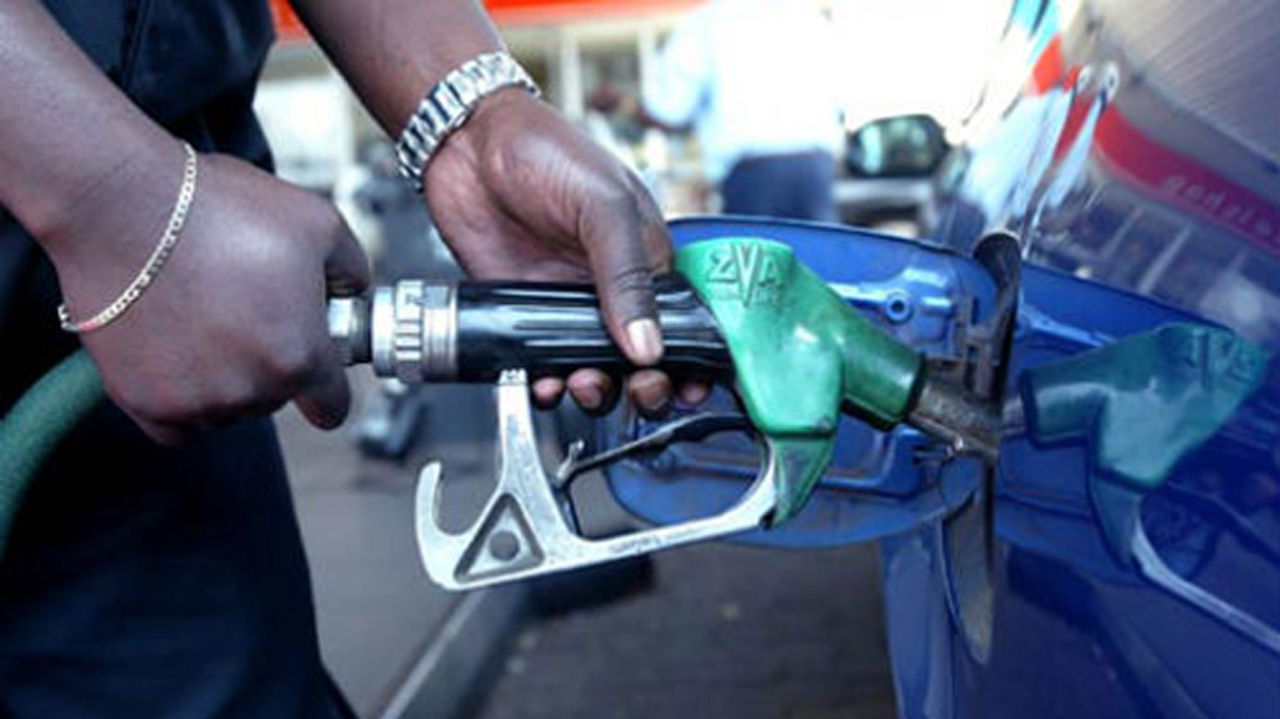
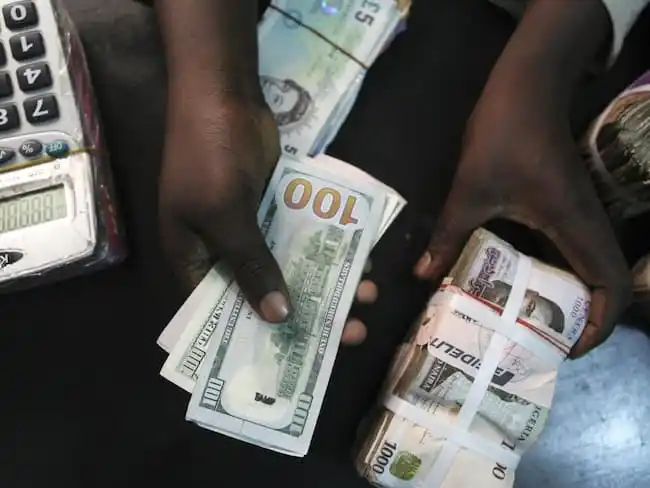
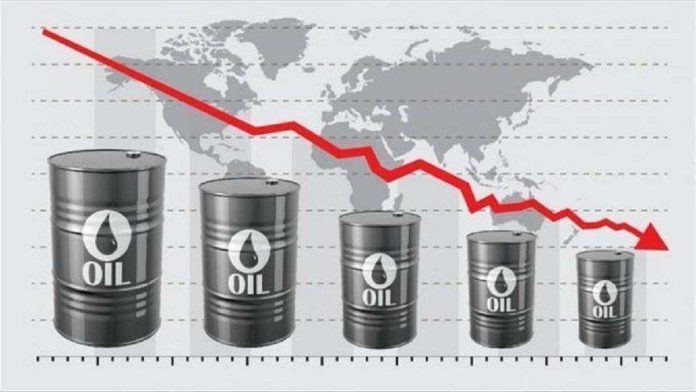
The landing cost of imported Premium Motor Spirit (petrol) has slightly declined to N839.97 per litre, according to new data from the Major Energies Marketers Association of Nigeria (MEMAN).
The latest figure represents a marginal reduction from N849.61 per litre recorded earlier in October. However, despite this drop, depot owners have maintained high gantry prices, with filling stations still selling petrol above N915 per litre.
MEMAN’s report revealed that Dangote Refinery’s ex-depot price remains around N877 per litre—about N37 higher than the current landing cost of imported petrol.
The refinery had earlier promised to reduce pump prices to around N841 per litre during the launch of its CNG trucks in September, raising public expectations for relief at the pump. Instead, prices have surged to between N915 and N950 per litre in most states.
Industry observers say the increase contradicts recent trends in crude oil and exchange rates, both of which have stabilized. Crude prices have fallen to about $61 per barrel, while the naira now trades around N1,470 per dollar—down from N1,700 earlier in the year.
The Independent Petroleum Marketers Association of Nigeria (IPMAN) blamed depot owners for the latest price hikes, accusing some of hoarding and others of supply delays from the Dangote refinery.
DAPPMAN’s Executive Secretary, Olufemi Adewole, however, described Dangote’s frequent price cuts as strategic and destabilizing to market equilibrium.
He stated that while Dangote’s refinery contributes 30–35 per cent of national supply, other marketers still play a vital role in ensuring nationwide fuel distribution under regulatory oversight.
As Nigerians continue to face rising fuel costs, experts call for stronger market regulation to prevent anti-competitive pricing and ensure fair access to petroleum products.
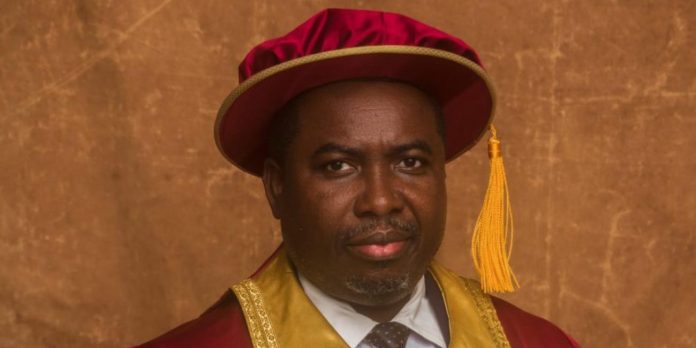
President Bola Ahmed Tinubu on Wednesday officially inaugurated Professor Joash Amupitan (SAN) as the new Chairman of the Independent National Electoral Commission (INEC). The swearing-in ceremony took place at the Council Chamber of the Presidential Villa in Abuja at about 1:50 pm.
This appointment follows Amupitan’s confirmation by the Nigerian Senate on October 16 after a rigorous screening exercise.
In his remarks, President Tinubu charged the newly inaugurated INEC Chairman to safeguard the integrity of Nigeria’s electoral system and strengthen the commission’s institutional framework.
He emphasized that Amupitan’s selection signifies the government’s trust in his capability, professionalism, and dedication to upholding democratic values.
“As Chairman of the Independent National Electoral Commission, your appointment and Senate confirmation are a testament to your competence and the confidence placed in you by both the executive and legislative arms of government,” Tinubu said.
“Our democracy has come a long way in the past 25 years. We have strengthened our institutions, improved our electoral processes, and learned vital lessons along the way. Now, we must continue to ensure that our elections remain transparent, credible, and peaceful,” he added.
The President urged the INEC Chairman to ensure public confidence in elections, noting that the integrity of the electoral process is central to sustaining Nigeria’s democratic growth.
He further stated, “The conduct of free, fair, and credible elections remains the cornerstone of democracy. No electoral system is perfect, but it is our duty to continue improving and fortifying our institutions to prevent manipulations and ensure fairness for all Nigerians.”
Amupitan pledged to build on the reforms of his predecessors and reaffirmed INEC’s commitment to impartiality, transparency, and efficiency in electoral administration.
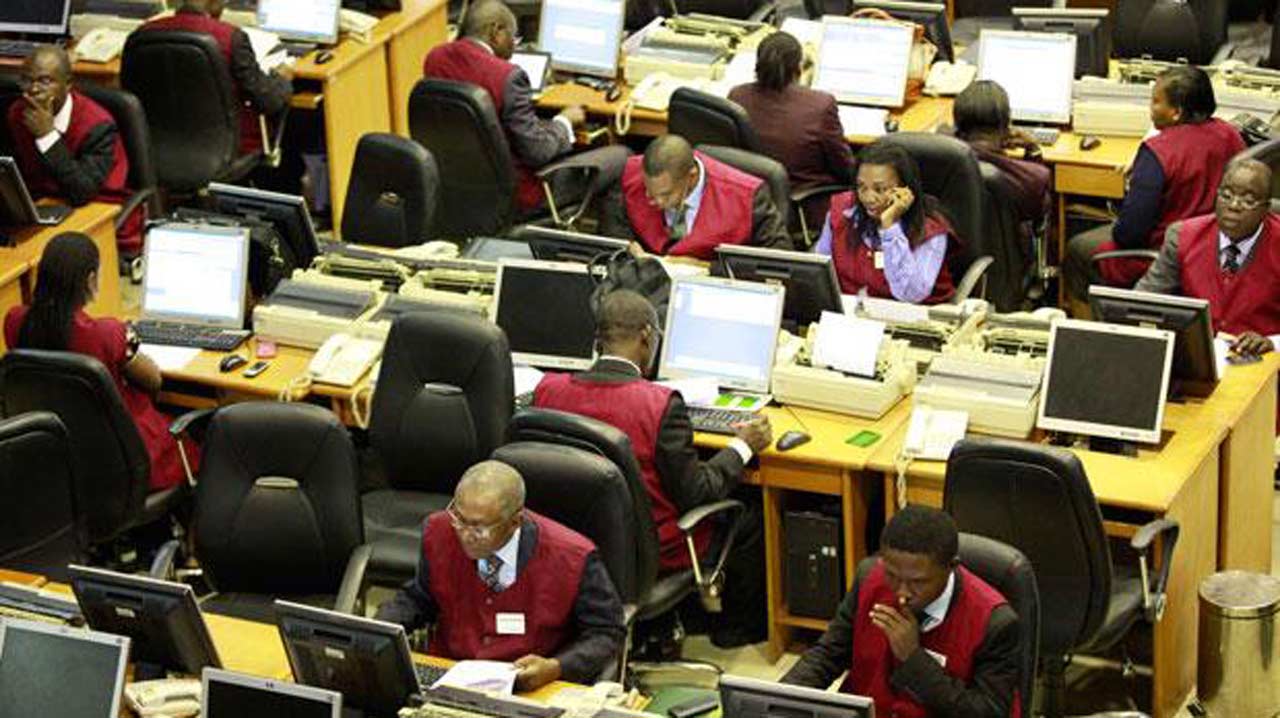
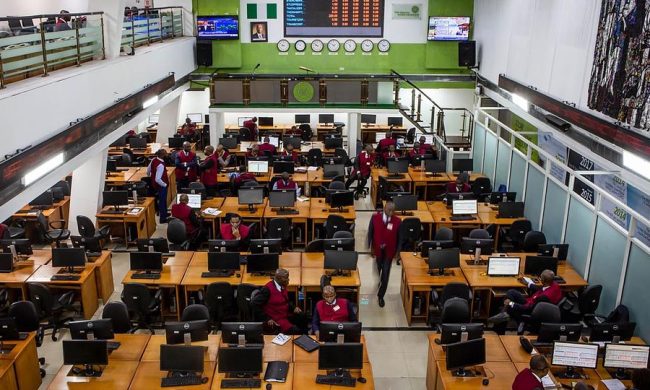
The Nigerian equities market continued its upward momentum on Thursday, adding N479 billion in market capitalization amid growing investor optimism spurred by ongoing economic reforms.
Data from the Nigerian Exchange (NGX) showed that the All-Share Index rose by 753.65 points, or 0.49 per cent, to close at 154,489.90 points. Market capitalization increased from N97.6 trillion to N98.1 trillion, reflecting a week-to-date gain of 4.14 per cent.
Trading volume also surged, with 926.91 million shares valued at N26.94 billion exchanged in 30,685 deals—a 57 per cent rise in volume and a 12 per cent increase in turnover compared to the previous session.
PZ Cussons Nigeria and The Initiates Plc led the day’s gainers, each rising by 10 per cent to close at N42.90 and N14.30 respectively. Lafarge WAPCO and CAP Plc also recorded significant gains.
Conversely, John Holt Plc and Multiverse Mining topped the losers’ chart, shedding 9.72 per cent and 9.71 per cent respectively.
Lafarge WAPCO led the market in transaction value with N6.98 billion in trades, followed by Seplat Energy, NASCON Allied Industries, Presco Plc, and Aradel Holdings.
Analysts attributed the positive market sentiment to policy stability, improved forex liquidity, and investor-friendly reforms from both fiscal and monetary authorities.
At the Financial Times Africa Summit 2025 in London, NGX Group CEO Temi Popoola highlighted that the reforms championed by President Tinubu’s administration have boosted market confidence.
With a year-to-date growth of 50.1 per cent, the Nigerian stock market remains one of the best-performing globally, signalling investor belief in the country’s reform-driven economic rebound.
The Nigerian Senate Committee on Public Procurement has renewed its call for stricter compliance and enhanced transparency in the country’s procurement processes, urging reforms that will ensure efficiency, accountability, and value for public spending.
Speaking during a two-day retreat in Abuja on Thursday, Senator Olajide Ipinsagba (Ondo North), Chairman of the Committee, emphasised that public procurement should embody openness and measurable impact on citizens and national development.
He explained that procurement is not merely a bureaucratic function but a vital mechanism that translates government policies into tangible infrastructure and social progress. “Public procurement represents one of the largest components of national expenditure and must, therefore, be guided by the highest standards of integrity and efficiency,” he said.
Ipinsagba noted that since the enactment of the 2007 Public Procurement Act and the establishment of the Bureau of Public Procurement (BPP), Nigeria had made significant progress. However, he acknowledged the need for continuous reforms to address gaps and strengthen governance in the system.
He described public procurement as an evolving process requiring ongoing legislative oversight and institutional innovation to enhance transparency. “By embracing global best practices, Nigeria can make its procurement system a model of efficiency not only in Africa but globally,” he added.
The senator also linked the committee’s efforts to President Bola Tinubu’s Renewed Hope Agenda, stating that transparent procurement would drive development goals such as better infrastructure, education, healthcare, and safer roads.
Kelechi Kingsley, CEO of Leadbold Resource Consulting Ltd., said the retreat was designed to strengthen the Senate committee’s leadership capacity for effective oversight. She added that participants were exposed to global best practices aimed at improving value for money in public spending.
Kingsley emphasised that transparent and accountable procurement systems remain crucial for achieving sustainable national development and promoting public trust in government institutions.
The Nigerian Exchange (NGX) continued its impressive upward trajectory, with the equities market recording a 50.1% year-to-date gain that pushed total market capitalisation to ₦98 trillion on Thursday. This surge comes as third-quarter corporate earnings releases continue to drive investor optimism across key sectors.
Market analysts attributed the rally to renewed investor appetite for growth and value stocks, as expectations rise for strong financial performance from listed companies. The current momentum has prompted speculation that the market could cross the ₦100 trillion threshold before the end of October, reflecting increased risk appetite amid declining yields in the fixed-income segment.
Sustained bargain-hunting activity helped lift key NGX performance indicators by 49 basis points, while the year-to-date return climbed to 50.10%. Despite a slightly negative market breadth, investor sentiment remained upbeat, particularly towards blue-chip and medium-cap stocks such as PZ Cussons, WAPCO, Aradel Holdings, and MTN Nigeria.
According to data from the Nigerian Exchange, the benchmark index advanced by 753.65 basis points to close at a new record high of 154,489.90 points — representing a 0.49% rise from the previous session. Market capitalisation grew by ₦478.37 billion, bringing the total to ₦98.06 trillion.
Trading activity also picked up notably, as the total volume and value of transactions rose by 61.70% and 16.68%, respectively. Brokers recorded 926.92 million shares traded, valued at ₦26.95 billion, across 30,703 deals.
Japaul Gold led the volume chart, contributing 47.24% of total trades, followed by Fidelity Bank (8.37%), WAPCO (5.02%), AccessCorp (3.53%), and NASCON (1.94%). In terms of value, WAPCO dominated with 25.95% of total trade value on the floor of the exchange.
Top gainers for the day included TIP and PZ, both appreciating by 10%. They were closely followed by ASO Savings (+9.09%), CAP (+8.82%), WAPCO (+8.63%), Mecure (+8.10%), and Champion Breweries (+7.05%), among others.
Meanwhile, thirty-six equities posted losses. John Holt led the decliners with a 9.72% drop, followed by Stanbic IBTC (-9.15%), Oando (-6.44%), Livestock Feeds (-5.06%), Dangote Sugar (-4.58%), and Tantalizers (-2.17%).
At the close of trading, the market breadth was slightly negative, recording 34 gainers against 36 losers. Sectoral performance was mixed — the Industrial Goods (+3.09%), Oil & Gas (+1.13%), and Commodity (+0.83%) sectors advanced, while Banking (-1.06%), Insurance (-1.27%), and Consumer Goods (-0.94%) sectors posted declines.
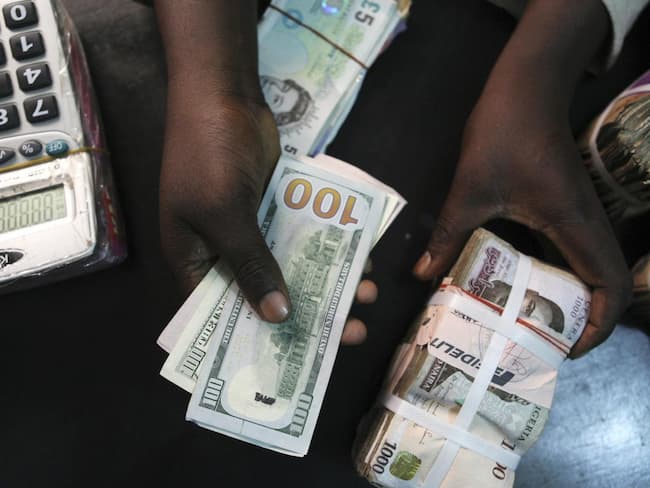
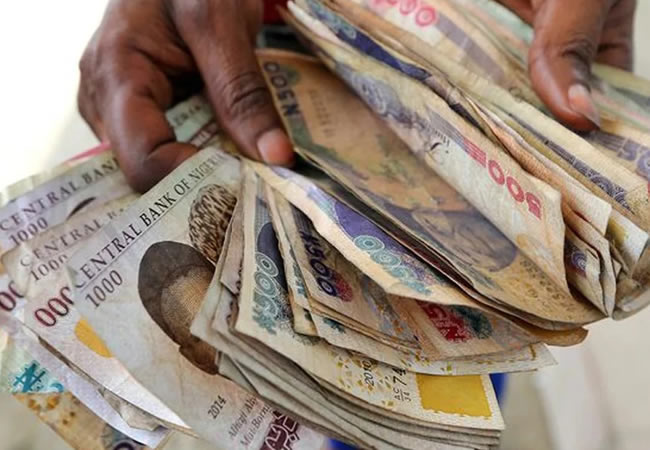
The exchange rate between the Naira and the US dollar, according to the data released on the FMDQ Security Exchange, the official forex trading portal, showed that the naira closed at 1475.00 per $1 on Friday, October 24th , 2025. The naira traded as high as 1458.00 to the dollar at the investors and exporters (I&E) window on Thursday.
The exchange rate for a dollar to naira at Lagos Parallel Market (Black Market) players sell a dollar for ₦1499 and buy at ₦1475 on Thursday 23rd October, 2025, according to sources at Bureau De Change (BDC).
Please note that the Central Bank of Nigeria (CBN) does not recognize the parallel market (black market), as it has directed individuals who want to engage in Forex to approach their respective banks.
Dollar to Naira Black Market Rate Today
Dollar to Naira (USD to NGN)
Black Market Exchange Rate Today
Selling Rate
₦1499
Buying Rate
₦1475
Dollar to Naira CBN Rate Today
Dollar to Naira (USD to NGN)
CBN Rate Today
Highest Rate
₦1464
Lowest Rate
₦1458
Please note that the rates you buy or sell forex may be different from what is captured in this article because prices vary.
The yield on the U.S. 10-year Treasury note climbed to 3.99% on Thursday, marking its first rise of the week as investors turned their attention to the upcoming Consumer Price Index (CPI) data and a new round of Treasury note auctions.
According to the U.S. Treasury Department, the government plans to auction $69 billion in two-year notes, $70 billion in five-year notes, and $44 billion in seven-year notes this month. Results for the two-year and five-year note auctions are expected Monday, while the seven-year auction results are due Tuesday.
Last month’s similar auctions drew weaker-than-expected demand, prompting close market scrutiny of this round’s performance. However, the Treasury’s $13 billion sale of 20-year bonds earlier this week attracted above-average investor interest, suggesting renewed confidence in the market.
Despite ongoing uncertainty from the U.S. government shutdown, the CPI report is still scheduled for release on Friday. Economists forecast that headline inflation will accelerate for the second consecutive month in September, potentially hitting its highest level since May 2024. Core inflation, however, is expected to remain stable, indicating that tariff-related price pressures remain contained.
Inflation’s persistence has stalled progress toward the Federal Reserve’s 2% target for over a year, with headline CPI readings fluctuating between 2.3% and 3.0% year-on-year. Nevertheless, markets continue to anticipate an eventual rate cut, even without stronger labour market data.
Meanwhile, the U.S. dollar traded narrowly against major G10 currencies as geopolitical tensions escalated. New sanctions imposed by the U.S. and European Union on Russia’s top oil producers — Rosneft PJSC and Lukoil PJSC — are expected to disrupt exports to China and India, which may reduce global supply in the coming weeks.
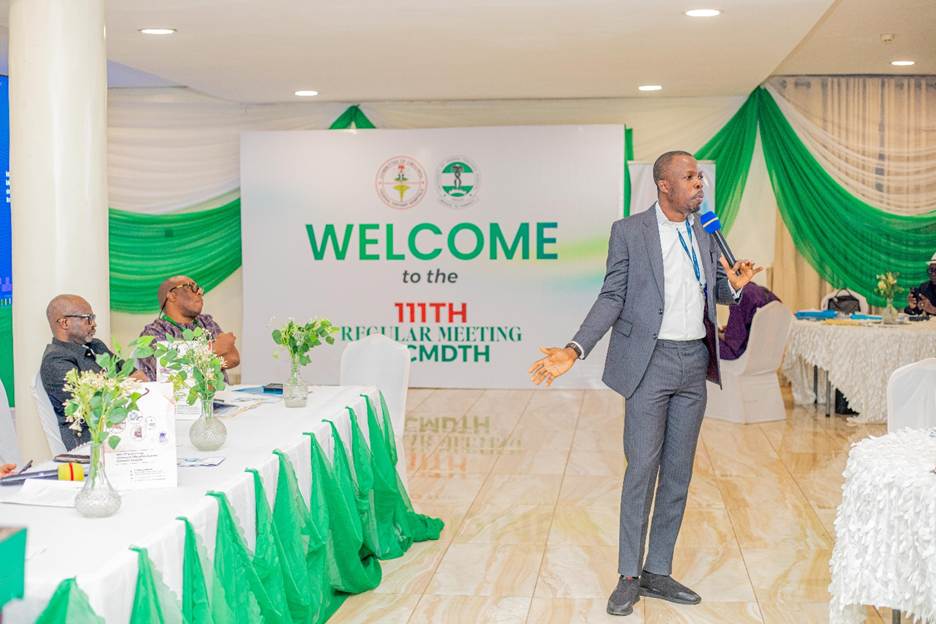
Interswitch, the leading African technology company focused on creating solutions that enable individuals and communities prosper, has reaffirmed its commitment to advancing digital transformation in Nigeria’s healthcare sector through the successful showcase of its innovative health solutions at the 111th Regular Meeting and 2025 Annual Conference of the Committee of Chief Medical Directors (CMDs) and Managing Directors (MDs) of Federal Tertiary Hospitals in Nigeria (CCMDFTH), hosted by the University of Nigeria Teaching Hospital (UNTH), Enugu.
The four-day conference, which held from Tuesday, October 14 to Friday, October 17, 2025, at the Best Western Hotel, Independence Layout, Enugu, convened healthcare leaders, policymakers, and technology partners from across the country under the theme, “Smarter Processes, Better Healthcare.” It featured technical sessions, interactive exhibitions, and high-level discussions centred on advancing smarter healthcare delivery systems through digital innovation.
Interswitch featured prominently at the event, setting up an engaging exhibition booth and delivering a high-impact presentation during the segment dedicated to corporate innovations. Babatunde Fadeyi, Vice President, Health Ecosystem (Public Sector), Industry Ecosystem & Platforms (Interswitch Indeco), led the presentation, which drew significant interest from participants including CMDs, MDs, and senior administrators of tertiary health institutions.
Babatunde Fadeyi, Vice President, Health Ecosystem (Public Sector) Industry Ecosystem & Platforms (Interswitch Indeco) speaking at the 111th Regular Meeting and 2025 Annual Conference of the Committee of Chief Medical Directors (CMDs) and Managing Directors (MDs) of Federal Tertiary Hospitals in Nigeria (CCMDFTH), which held recently at Enugu.
During his presentation, Fadeyi reiterated Interswitch’s broader mission to enable a connected, data-driven healthcare ecosystem in Nigeria. He said:
“At Interswitch, we are not just building technology, we are building bridges between care providers, patients, and policymakers. Through platforms like HIMS, eClinic, and Smarthealth, we’re empowering hospitals and HMOs to embrace digital transformation, making healthcare delivery more transparent, efficient, and patient-centred.”
Interswitch showcased its suite of cutting-edge digital health solutions including the Health Information Management System (HIMS), eClinic, and Smarthealth, designed to simplify hospital operations, enhance administrative efficiency, and improve patient outcomes across hospitals, Health Maintenance Organisations (HMOs), and related institutions.
The HIMS platform connects healthcare providers, HMOs, and subscribers through a unified digital ecosystem that streamlines claims processing, data exchange, and communication across the healthcare value chain. eClinic enables healthcare centres to transition from paper-based processes to electronic medical records, while Smarthealth empowers individuals with tools for telemedicine, medical geolocation, symptom checking, and personalised wellness tracking.
Participants, including CCMDFTH Chairman, Prof. Emem Bassey, visited the Interswitch exhibition stand and commended the company’s contribution to the digitalisation of healthcare processes, as well as its commitment to fostering efficiency and transparency across Nigeria’s health system.
Throughout the event, delegates interacted with Interswitch’s team of product specialists, exploring the potential of these solutions to address long-standing challenges in hospital administration, data management, and patient access. Many participants lauded Interswitch’s innovative approach to tackling inefficiencies that have historically hindered effective healthcare delivery in the country.
By actively engaging healthcare leaders at the 111th CCMDFTH Conference, Interswitch continues to reinforce its role as a catalyst for digital healthcare transformation in Nigeria. Building on this momentum, the company aims to deepen collaboration with hospitals, policymakers, and technology partners to scale its healthtech solutions nationwide, driving smarter processes, stronger systems, and better health outcomes for all.
The naira appreciated against the US dollar on Thursday as liquidity improved across Nigeria’s foreign exchange market, supported by rising external reserves and moderated demand for dollars.
Latest data from the Central Bank of Nigeria (CBN) showed that the exchange rate closed at ₦1,460.49 per dollar, a slight gain from ₦1,463.43 recorded previously. The spot market experienced intraday highs and lows of ₦1,464 and ₦1,458, respectively.
This improvement coincided with a rebound in Nigeria’s foreign reserves, which increased to $42.865 billion from $42.792 billion the previous day — reflecting higher crude prices and renewed investor confidence.
The reserve growth also comes as Nigeria seeks an upward revision of its OPEC production quota, currently set at 1.5 million barrels per day (mbpd). Despite labour disruptions, oil production slipped to 1.39 mbpd in September, down by 44,576 barrels from 1.43 mbpd in August, marking a second consecutive monthly decline.
Nevertheless, the uptick in oil prices offered a cushion. Brent crude futures surged by $2.91 (4.7%) to $65.50 per barrel, while the US benchmark, West Texas Intermediate (WTI), jumped 6.2% to trade above $61 per barrel — its biggest one-day gain since June 2024.
The rally followed the US government’s imposition of sanctions on major Russian oil companies, Rosneft PJSC and Lukoil PJSC, disrupting supply expectations and pushing prices higher. Analysts said the sanctions may also impact flows to major buyers like India, which could further tighten global oil supply.
With rising reserves and stable exchange market activity, traders expect the naira to maintain relative strength in the near term, provided foreign inflows and oil revenues continue their upward trend.
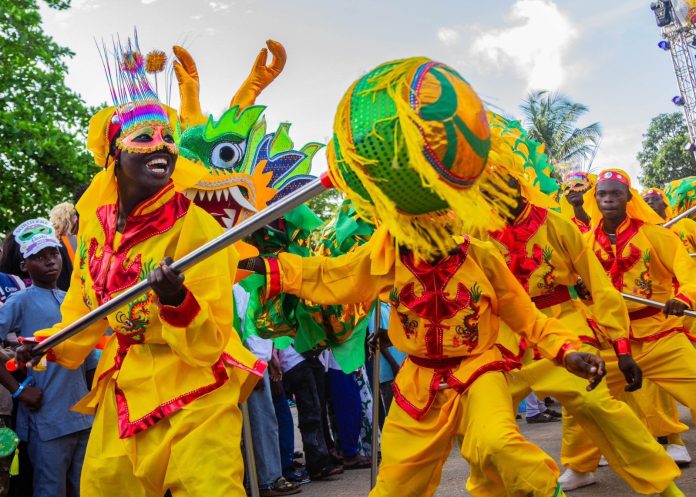
As the air thickens with rhythm and colour, Lagos transforms into a vibrant hub of music, dance, art, and culinary excellence. The much-anticipated Lagos Festival Season is back, showcasing the best of Nigeria’s cultural diversity and creative expression. From the sacred streets of the Eyo Festival to the electrifying nights of One Lagos Fiesta, every event tells a story of the city’s soul.
Running annually from October through April, the Lagos festival season offers a blend of cultural heritage, urban glamour, and community celebration that draws locals, tourists, and returning Nigerians eager to reconnect with the city’s heartbeat. Here are nine unmissable festivals that make Lagos a world-class destination for celebration.
1. Eyo Festival: Preserving the Spirit of Old Lagos
The Eyo Festival remains one of Lagos’s most symbolic and sacred cultural events. Known for its striking procession of white-clad masquerades, the festival pays homage to the city’s ancestors and honours the passing of traditional rulers or noble elders.
Why Attend: It’s a rare cultural experience that connects visitors to the deep spiritual roots of Lagos and the Yoruba people.
Insider Tip: Avoid wearing red or black clothing and never touch an Eyo masquerade. Respect for tradition is essential.
2. Lagos Fanti Carnival: The “Rio of Africa”
The Lagos Fanti Carnival is a kaleidoscope of colour, dance, and music that brings Brazilian, Caribbean, and Nigerian cultures together in one spectacular parade. The streets come alive with floats, Afrobeat rhythms, and vibrant costumes reminiscent of Rio’s Carnival.
When: Easter Season
Don’t Miss: The grand parade — every corner turns into a photographer’s dream.
Tip: Bring sunscreen, comfortable shoes, and a power bank — you’ll need them.
3. Felabration: Keeping Fela’s Legacy Alive
Felabration is more than a festival — it’s a movement that celebrates the life and ideology of Fela Anikulapo-Kuti, the pioneer of Afrobeat and a voice of social activism. Held annually at the New Afrika Shrine, the festival features live performances, art exhibitions, and panel discussions on music and politics.
Why Attend: The energy here is unmatched — it’s Lagos at its boldest.
Tip: Arrive early to enjoy the art and history displays before the main shows begin.
4. Lagos Fashion Week: Where African Style Takes the Spotlight
Every October, Lagos becomes Africa’s fashion capital. Lagos Fashion Week attracts designers, models, and fashion enthusiasts from across the continent, turning the city into a global runway.
When: October to November
What to Expect: Bold collections, high-end street fashion, and creative collaborations.
Tip: Dress like you’re being photographed — because you probably will be.
5. GTCO Food and Drink Festival: A Feast for Every Palate
At the GTCO Food and Drink Festival, Lagos showcases its culinary diversity with a massive outdoor experience that features local delicacies, international chefs, and cocktail bars.
When: April/May annually
Must-Try: Seafood platters, small chops, and decadent desserts.
Tip: Skip breakfast — you’ll need all the space you can get.
6. Art X Lagos: The Future of African Creativity
Art X Lagos stands as West Africa’s leading art fair, offering a stunning collection of contemporary works and digital installations that spotlight the creativity of African artists.
When: November annually
Why Attend: It’s where collectors, curators, and visionaries meet the next generation of African talent.
Tip: Visit early for the exhibitions and stay late for networking sessions.
7. Lagos International Jazz Festival: Music by the Water
The Lagos International Jazz Festival offers a mellow contrast to the city’s fast pace. With performances from local and international artists, it delivers nights of smooth jazz by the lagoon — perfect for unwinding.
When: April annually
Tip: Bring a date or a few close friends for a serene night of live music and conversation
8. Lekki Arts and Craft Festival: Handmade Heritage
The Lekki Arts and Craft Festival brings together artists, craftsmen, and designers to showcase Nigeria’s finest handmade goods. From beadwork to textiles, it’s an open-air market where culture meets creativity.
When: December annually
Why Attend: It’s the ideal spot for authentic souvenirs and handmade gifts.
Tip: Bargain politely — it’s part of the fun.
9. One Lagos Fiesta: The Grand Lagos Countdown
Closing the year in style, One Lagos Fiesta is the city’s largest New Year celebration. It spans multiple locations, featuring live music, fireworks, and a countdown that illuminates the skyline as Lagos says goodbye to the old year.
When: December 24–31
Highlight: The midnight fireworks that light up the entire city.
Tip: Head out early to beat traffic and secure a great viewing spot.
No other city celebrates quite like Lagos. With its vibrant streets, pulsating nightlife, and deep cultural roots, every festival becomes more than an event — it’s an experience. Whether you’re here for art, music, food, or fashion, the Lagos festival season from October to April is a journey through the city’s heart, leaving memories that last long after you leave.
As the pay-TV landscape across Africa continues to evolve, millions of households are watching closely to see how DStv’s pricing and service strategy will change under its new French ownership. Following Canal+’s acquisition of MultiChoice, Africa’s largest pay-TV provider is facing growing scrutiny from regulators, consumers, and streaming competitors alike in key markets such as South Africa, Nigeria, Ghana, Kenya, and Uganda.
MultiChoice, now part of the Canal+ group, remains the continent’s dominant pay-TV brand through its flagship service, DStv. However, a combination of inflation, currency devaluation, and competition from affordable streaming services like Netflix and Showmax has forced the company to rethink its pricing model.
Over the past few years, DStv has lost over 2 million subscribers across its African markets, reflecting rising consumer sensitivity to price increases and changing viewing habits. While some countries have seen price adjustments to reflect local economic conditions, others have witnessed regulator pushback and calls for cost reductions.
DStv Prices in South Africa
South Africa remains MultiChoice’s strongest and most profitable market, generating nearly 60% of its total subscription revenue in 2024. Despite slower subscriber growth, DStv maintains a dominant position due to its robust lineup of local content, live sports, and entertainment.
In 2025, MultiChoice raised subscription prices in April, followed by another adjustment in May. To balance the hikes, the company reduced HD decoder prices to retain its customer base and counter growing competition from streaming platforms.
Current Monthly DStv Packages in South Africa
DStv Premium
R983 ($56)
157+ Channels
DStv Compact Plus
R662 ($38)
142+ Channels
DStv Compact
R481 ($28)
125+ Channels
DStv Family
R340 ($20)
92+ Channels
DStv Access
R151 ($9)
68+ Channels
DStv EasyView
R30 ($2)
36+ Channels
DStv Indian (Add-on)
R280 ($16)
29+ Channels
Showmax GE (Add To Bill)
R60 ($3)
–
Showmax PL (Add To Bill)
R60 ($3)
–
DStv Prices in Nigeria
Nigeria remains one of DStv’s most lucrative but also most challenging markets. With about 60% of the pay-TV market share, MultiChoice Nigeria continues to lead, though its dominance has weakened as inflation, fuel scarcity, and recurring price hikes affect affordability.
Between 2023 and 2025, DStv and GOtv reportedly lost around 1.4 million subscribers in Nigeria. The latest price adjustment in March 2025 was attributed to high inflation and the naira’s continued depreciation. Meanwhile, rising competition from digital platforms and piracy are further testing MultiChoice’s resilience in the region.
Current Monthly DStv Packages in Nigeria
Padi
₦4,400 ($3)
1 HD Channel
Yanga
₦6,000 ($4.1)
7 HD Channels
Confam
₦11,000 ($7.51)
10 HD Channels
Compact
₦19,000 ($12.97)
20 HD Channels
Compact Plus
₦30,000 ($20.48)
30 HD Channels
Premium
₦44,500 ($30.38)
38 HD Channels + Showmax
DStv Prices in Ghana
Ghana has emerged as another key market where DStv’s pricing is under scrutiny. In August 2025, Ghana’s National Communications Authority (NCA) demanded that MultiChoice slash subscription fees by 30% amid a weakened cedi and rising living costs. MultiChoice resisted, warning that such cuts could endanger jobs and service quality.
The standoff between regulators and the company remains unresolved, highlighting a broader challenge of maintaining affordable entertainment in a volatile economic climate.
Current Monthly DStv Packages in Ghana
DStv Padi
₵59 ($5.46)
40+ Channels
DStv Access
₵99 ($9.17)
75+ Channels, 7 HD
DStv Family
₵190 ($17.59)
95+ Channels, 10 HD
DStv Compact
₵380 ($35.19)
120+ Channels, 20 HD
DStv Compact Plus
₵570 ($52.78)
135+ Channels, 30 HD
DStv Premium
₵865 ($80.10)
150+ Channels, 38 HD + Showmax
DStv Prices in Uganda
Uganda’s DStv market has suffered one of the sharpest declines on the continent, dropping from about 2.4 million subscribers in early 2023 to roughly 1.1 million by the end of 2024. Economic hardship, increased subscription costs, and competition from low-cost streaming services have contributed to the slump.
MultiChoice is reportedly exploring flexible packages and mobile-viewing options to attract younger and budget-conscious consumers.
DStv Prices in Kenya
Kenya’s DStv subscribers have also been hit by successive price increases, with the latest adjustment effective August 1, 2025. Subscription costs rose by between 4% and 7%, marking another hike in a five-year span. The Premium package now costs KES 11,700 ($91), while Compact Plus and Compact packages are priced at KES 7,300 ($57) and KES 4,200 ($33), respectively.
To counter the growing popularity of affordable streaming bundles, MultiChoice has reduced prices on mobile and Showmax plans. Still, Kenya’s subscriber base fell by about 180,000 in 2024.
Current Monthly DStv Packages in Kenya
DStv Premium
KES 11,700 ($91)
160 Channels, 45 HD
DStv Compact Plus
KES 7,300 ($57)
150 Channels, 35 HD
DStv Compact
KES 4,200 ($33)
135 Channels, 30 HD
DStv Family
KES 2,250 ($17)
105 Channels, 15 HD
DStv Access
KES 1,400 ($11)
~90 Channels, few HD
DStv Lite
KES 750 ($6)
50–60 Channels, few HD
The Road Ahead for MultiChoice and Canal+
The transition to Canal+ ownership could mark a turning point for DStv’s strategy across Africa. Analysts expect the company to focus on localization, digital streaming, and hybrid pricing models to regain lost ground. Whether these changes can reverse declining subscriptions remains to be seen, but the future of African television will likely depend on how effectively DStv adapts to the continent’s evolving digital economy.
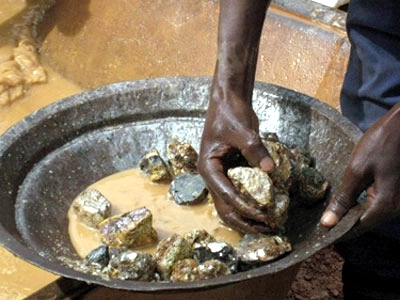
The Federal Government has announced a comprehensive crackdown on illegal gold mining and mineral smuggling across the country as part of ongoing efforts to protect national resources and boost internally generated revenue.
The decision was reached during the 153rd National Economic Council (NEC) meeting held at the Presidential Villa in Abuja, chaired by Vice President Kashim Shettima.
Governor Hope Uzodinma of Imo State, who heads the NEC Ad-hoc Committee on Crude Oil Theft Prevention and Control, disclosed that the committee’s mandate has been expanded to include tackling illegal mining and mineral smuggling.
Uzodinma explained that the Council’s decision reflects the government’s determination to plug revenue leakages in the solid minerals sector and reinforce inter-agency collaboration.
“Our committee presented an interim report to NEC, and it was well received. The Council decided to extend our scope to cover solid minerals because illegal mining is depriving the nation of significant revenue,” Uzodinma said.
He noted that the committee will collaborate with the Ministry of Solid Minerals Development, the Nigeria Extractive Industries Transparency Initiative (NEITI), and security agencies to combat illicit gold exports and unregulated quarrying.
Nigeria reportedly loses over $9 billion annually to illegal mineral extraction, according to NEITI, with criminal syndicates exploiting weak regulations and porous borders.
In 2024, the Ministry of Solid Minerals revoked over 900 inactive licenses and introduced a national gold reserve policy to enhance traceability and accountability in mineral trade.
Governor Uzodinma assured that the expanded committee will adopt the same security framework used to fight oil theft to safeguard solid minerals, promising a full progress report at the next NEC meeting in November.
Global oil prices climbed sharply on Thursday, rising more than 2% in early trading as new US sanctions against Russia’s two largest oil producers — Rosneft and Lukoil — fueled fresh concerns about supply disruptions.
Brent crude surged 2.12% to trade at $64.29 per barrel, up from $62.95 in the previous session. Similarly, the US benchmark, West Texas Intermediate (WTI), gained 2.3% to reach $60.53 per barrel, compared to $59.15 a day earlier.
The United States Treasury Department announced sanctions against Rosneft, Lukoil, and several of their subsidiaries, citing Moscow’s continued lack of commitment to peace talks aimed at ending the ongoing war in Ukraine. The sanctions are designed to restrict Russia’s ability to generate oil revenue that funds its military operations.
In a statement, the Treasury reiterated that Washington remains committed to promoting peace and will continue to use all available tools to pressure Russia into constructive negotiations. The latest sanctions target dozens of subsidiaries involved in exploration, refining, and natural gas operations, including Rosneft units such as Bashneft Dobycha, RN Tuapse Oil Refinery, and Yuganskneftegaz, as well as Lukoil’s Perm and Kaliningradmorneft divisions.
Under the measures enforced by the Office of Foreign Assets Control (OFAC), all assets of these entities under US jurisdiction are frozen, and American individuals or businesses are prohibited from conducting transactions with them. Any company in which sanctioned entities hold a 50% or greater interest will automatically fall under the restrictions.
OFAC clarified that the sanctions are intended to influence Russia’s actions, not to punish ordinary citizens, emphasizing that the ultimate goal is to drive behavioral change within Moscow’s leadership.
Market analysts have warned that the sanctions could tighten global oil supply, particularly if major buyers like India reduce imports from Russia under diplomatic pressure. Such a shift could redirect demand toward US and Middle Eastern crude, pushing prices higher in the Atlantic basin.
Indian refiners have reportedly begun reviewing their procurement plans to avoid potential exposure to sanctioned entities. Meanwhile, new data from the US Energy Information Administration (EIA) showed declining inventories, further supporting the upward trend in prices.
According to the EIA, US commercial crude stockpiles dropped by 1 million barrels last week to 422.8 million, contrary to market expectations of a 2.2 million-barrel increase. Gasoline inventories also fell by 2.1 million barrels to 216.7 million, while domestic oil output slipped by 7,000 barrels per day to 13.62 million bpd.
The combined impact of tightening supply, falling inventories, and geopolitical tensions has reinforced bullish sentiment in the oil market, keeping investors on alert for further price volatility.
Nigeria is preparing to advocate for an increased oil production quota at the upcoming Organisation of Petroleum Exporting Countries (OPEC) meeting slated for November, as part of its strategy to enhance hydrocarbon revenues and expand foreign exchange inflows.
According to the Minister of State for Petroleum Resources (Oil), Senator Heineken Lokpobiri, Nigeria’s current OPEC allocation of about 1.5 million barrels per day (mbpd) no longer reflects the nation’s true production potential. Investment analysts at CSL Stockbrokers Limited noted that the minister’s remarks underline the Federal Government’s determination to rejuvenate the oil sector and restore its central role in Nigeria’s economic growth.
Over the past decade, Nigeria has struggled to meet its OPEC production targets due to structural inefficiencies and persistent security challenges, including crude oil theft, pipeline vandalism, and illegal bunkering. These illicit activities have significantly drained the nation’s revenues and disrupted key export pipelines, resulting in lower production volumes and weaker fiscal performance.
Oil remains the backbone of Nigeria’s export earnings and public finances, meaning disruptions in production directly affect the country’s fiscal flexibility and currency stability. To counter these setbacks, the government has outlined a short-term production goal of 2.5 mbpd by 2026, aiming to re-establish Nigeria as Africa’s largest oil producer.
By seeking an upward adjustment of its OPEC quota, Nigeria intends to create room for its planned production ramp-up and to align its quota with the country’s 2026 target. Recent developments in the upstream sector—including renewed foreign investments and government incentives—suggest growing optimism about achieving this target.
The Nigerian Upstream Petroleum Regulatory Commission (NUPRC) has rolled out new policies designed to accelerate project approvals, reactivate dormant oil blocks, and attract new capital for deep-water projects. Global oil majors are reportedly in talks to commit billions of dollars to upstream development, infrastructure rehabilitation, and field revitalization.
However, challenges persist. Oil theft and vandalism remain deeply entrenched, while bureaucratic bottlenecks and rising operational costs continue to impede progress. These risks threaten the government’s ability to meet its production ambitions despite ongoing reforms.
Recent data from the Nigerian National Petroleum Company Limited (NNPCL) shows that crude oil production fell to 1.39 mbpd in September, down from 1.43 mbpd in August 2025 — the second straight month of decline. When condensates are included, total output dropped to 1.58 mbpd from 1.63 mbpd in the previous month.
These figures are well below the government’s near-term targets of 2.06 mbpd for 2025 and 2.5 mbpd for 2026, as well as CSL Stockbrokers’ projections of 1.69 mbpd and 1.77 mbpd for the same years. The data underscores the significant hurdles Nigeria must overcome to fully benefit from any future increase in OPEC quota allocations.
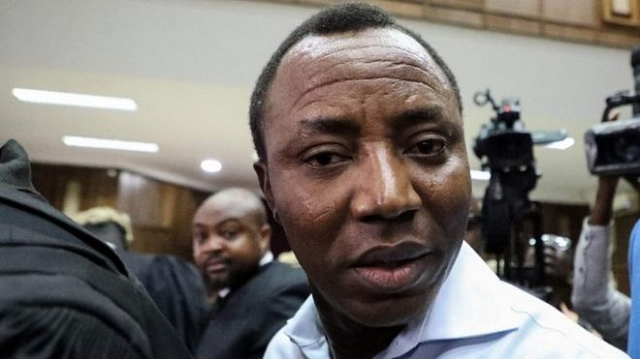
Armed police officers on Thursday apprehended human rights activist and Sahara Reporters publisher, Omoyele Sowore, within the premises of the Federal High Court in Abuja. His arrest occurred shortly after he attended a court session to show solidarity with the detained leader of the Indigenous People of Biafra (IPOB), Nnamdi Kanu.
Eyewitnesses reported that Sowore, who has been an outspoken advocate for Kanu’s release, was surrounded by security operatives as he exited the court. The officers insisted he accompany them to the Federal Capital Territory (FCT) Police Command for questioning.
When questioned about the reason for the arrest, one of the officers stated that they were acting under direct instructions from the Commissioner of Police.
“The Commissioner of Police directed that we bring you to the office,” one officer reportedly said.
Sowore, visibly surprised by the development, requested to see a formal letter of invitation from the authorities and insisted that his lawyer must be present before any questioning. Despite his objections, he was later escorted into a police vehicle and taken away.
Confirming the arrest on X (formerly Twitter), human rights lawyer Inibehe Effiong condemned the move, describing it as an affront to Nigeria’s judicial integrity.
“The arrest of Omoyele Sowore at the Federal High Court in Abuja moments ago is outrageous. The police and the Tinubu-led administration are making a mockery of our judicial process. He should be released immediately,” Effiong wrote.
The incident comes just days after Sowore led a public demonstration in Abuja on October 20, calling for Nnamdi Kanu’s release under the #FreeNnamdiKanu campaign. The protests, which spread to various parts of the country, also saw the arrest of Kanu’s lawyer, Aloy Ejimakor, his brother, Emmanuel Kanu, and ten other supporters.
According to a First Information Report (FIR) filed before a Chief Magistrate’s Court in Kuje, police authorities alleged that the arrested individuals defied a standing court order by organizing a protest that disrupted vehicular movement and public order.
The FIR accused the defendants of criminal conspiracy, incitement, and public disturbance — offences punishable under Sections 152, 114, and 113 of the Penal Code.
The document read in part:
“That on the 20th day of October 2025, the following persons — Barrister Aloy Ejimakor, Prince Emmanuel Kanu, Joshua Emmanuel, Bishop Wilson Anyalewechi, Barrister Okere Kingdom Nnamdi, Clinton Chimeneze, Gabriel Joshua, Isiaka Husseini, Onyekachi Ferdinand, Amadi Prince, Edison Ojisom, and Godwill Obiama — were arrested by security agents within the Federal Capital Territory for participating in acts of incitement and breach of public peace.
They were alleged to have disrupted free movement while chanting war songs and demanding the release of Nnamdi Kanu, who is currently undergoing lawful trial at the Federal High Court in Abuja.”
The court has scheduled Friday for the arraignment of all defendants, including Sowore, to take their plea.
Further details are expected to emerge as the situation unfolds.
The legal representatives of the detained leader of the Indigenous People of Biafra (IPOB), Nnamdi Kanu, have officially withdrawn from his terrorism trial currently being heard at the Federal High Court in Abuja.
The development unfolded on Thursday when Kanu Agabi, a former Attorney-General of the Federation and the lead counsel representing Kanu, informed the court of his decision to step down from the case. Agabi stated that the IPOB leader had chosen to personally take control of his defence, thereby ending the team’s representation.
Following Agabi’s announcement, other Senior Advocates of Nigeria (SANs) who were part of Kanu’s defence team also declared their withdrawal from the case.
Confirming the development, Nnamdi Kanu told the court that he would be representing himself for the time being, although he hinted that his position could change as the trial progresses.
Presiding judge, Justice James Omotosho, asked whether the court should assign a new lawyer to defend Kanu, but the defendant declined the offer.
Kanu, who was allowed to address the court orally, maintained that the Federal High Court lacked the jurisdiction to continue trying him on the terrorism charges filed by the Federal Government.
It would be recalled that Justice Omotosho, on October 16, granted Kanu six consecutive days—starting from October 23—to open and conclude his defence, as part of the accelerated hearing already ordered in the case.
As part of his defence strategy, the IPOB leader had earlier listed several notable figures, including former Attorney-General of the Federation Abubakar Malami, Minister of the Federal Capital Territory Nyesom Wike, Minister of Works Dave Umahi, Lagos State Governor Babajide Sanwo-Olu, former Chief of Army Staff Gen. Tukur Buratai (rtd), and former Minister of Defence Gen. Theophilus Danjuma (rtd), among others, as witnesses he intends to call.
The case continues as the court prepares for the next hearing.
Nigeria has continued to rely heavily on imported petrol despite the commencement of operations at the Dangote refinery, new data from the Nigerian Midstream and Downstream Petroleum Regulatory Authority (NMDPRA) has revealed.
Between August 2024 and the first ten days of October 2025, the nation imported approximately 15.01 billion litres of Premium Motor Spirit (PMS), accounting for about 69% of total domestic fuel consumption during the period.
According to figures obtained from the NMDPRA’s report titled “Import vs Domestic Supply Performance (PMS Daily Average Supply – August 2024 to October 2025)”, Nigeria consumed a total of 21.68 billion litres of petrol in the 15-month period. Of this volume, 6.67 billion litres — representing 31% — were sourced from domestic refineries, primarily the 650,000 barrels-per-day Dangote Refinery, which began local petrol production in September 2024.
Decline in Petrol Imports
The data showed that imported petrol averaged 44.6 million litres per day in August 2024 and peaked at 54.3 million litres per day the following month. However, import volumes gradually declined as local refining activity increased. By January 2025, daily imports had dropped to 24.15 million litres, further declining to 19.26 million litres in September 2025 and 15.11 million litres in the first ten days of October 2025.
Industry analysts attributed the decline to the ramp-up in domestic output from the Dangote Refinery, which has progressively captured a larger share of Nigeria’s fuel market. However, importers have accused the refinery of engaging in aggressive pricing strategies to dominate the sector.
Domestic Refining Expansion
Local petrol production rose significantly from 6.43 million litres per day in September 2024 to 22.66 million litres per day in January 2025, before stabilising at around 20 million litres per day in the following months. By October 2025, the refinery’s output averaged 18.93 million litres daily, surpassing import volumes for the first time.
The NMDPRA’s report also indicated fluctuations in total national supply, with the highest output recorded in September 2024 at 60.73 million litres per day. Supply later dropped to 44.08 million litres in April 2025 and further to 34.04 million litres by October 2025. The figures also suggest that national consumption levels fell significantly over the review period — from 60.73 million litres per day in September 2024 to 34.04 million litres in early October 2025.
These shifts occurred after the Federal Government fully deregulated the petrol market in September 2024, ending decades of fuel subsidies previously handled by the Nigerian National Petroleum Company Limited (NNPCL).
Refinery Exports and Market Competition
Although domestic production expanded, Dangote Refinery also exported refined products to foreign markets, including the United States and the Middle East. Reports from Argus Media and refinery officials confirmed that the facility shipped two long-range cargoes of fuel to the Gulf region between June and July 2025, following temporary refinery shutdowns in Saudi Arabia and other Gulf nations.
Earlier in the year, Aliko Dangote announced that the refinery had successfully exported two cargoes of aviation fuel to Saudi Aramco, marking a major milestone in its global operations. He noted that Nigeria had, for the first time, become a net exporter of refined products, revealing that between June and July 2025 alone, the refinery exported about one million tonnes of petrol.
“Today, Nigeria has actually become a net exporter of refined products. From the beginning of June to date (July 22), we have exported about one million tonnes of PMS within the last 50 days,” Dangote said.
Refinery’s Local Market Push
Despite its growing exports, the Dangote refinery continues to encourage domestic marketers to purchase locally refined petrol. Devakumar Edwin, Vice President of Dangote Group, stated recently that the refinery had over 310 million litres of petrol in storage, urging marketers to bring their trucks for loading.
“I have more than 310 million litres of PMS as of today inside my tanks, apart from the production that is coming out every day. Bring your tankers — we’ll load any number you bring,” Edwin said, asserting the refinery’s ability to meet both domestic and export demands.
The NMDPRA Chief Executive, Farouk Ahmed, also confirmed that the refinery now supplies an average of 20 million litres of petrol daily to the Nigerian market. “Without a shadow of a doubt, the operation of the 650,000 barrels-per-day Dangote refinery has changed the supply dynamics, with an average daily contribution of up to 20 million litres,” he said.
A Gradual Shift Toward Self-Sufficiency
By the end of the 15-month period, Nigeria’s total petrol supply reached 21.68 billion litres, comprising 15.01 billion litres from imports and 6.67 billion litres from domestic refining. The trend highlights the country’s gradual but measurable shift from heavy import dependence toward greater self-sufficiency in fuel production.
While imports continue to play a dominant role, the sustained increase in local output — particularly from the Dangote refinery — is reshaping Nigeria’s downstream petroleum landscape. Analysts believe that with time, improved pricing, and full integration of local refining capacity, Nigeria could finally achieve its long-held goal of ending petrol importation and attaining full domestic sufficiency.
Money market rates dropped slightly this week following a surge in liquidity within Nigeria’s financial system, driven by renewed investor participation in Treasury bills auctions. The Central Bank of Nigeria (CBN) held a primary market auction where ₦650 billion worth of Treasury bills was floated for subscription, attracting a total demand of ₦750 billion — a weaker turnout compared to previous sales, reflecting a reduced appetite for naira-denominated assets.
Despite the lower subscription levels, market liquidity improved as banks maintained a cautious stance, particularly with the Standing Deposit Facility (SDF) rate at 24.5%, remaining higher than the average yield on Treasury bills. Analysts observed that the liquidity boost provided some relief to the interbank market after weeks of tight funding conditions.
According to a report by Meristem Securities Limited, total financial system liquidity rose by 23.81%, climbing from ₦1.77 trillion to ₦2.19 trillion. The firm attributed the increase mainly to a ₦534.30 billion rise in banks’ placements at the CBN’s Standing Deposit Facility.
Market analysts noted that several commercial banks with sufficient cash reserves continued to take advantage of the 24.5% SDF rate, while others turned to the Standing Lending Facility to meet short-term funding needs. This mix of borrowing and depositing reflected a more balanced liquidity position in the banking system.
Interbank rates also displayed a mixed performance midweek. Overnight rates eased by four basis points to 24.83%, following the liquidity inflow. The week saw ₦6.76 billion in primary market repayments and ₦275 billion in fresh borrowings from the CBN.
However, medium-term money market rates trended upward, with the 1-month, 3-month, and 6-month tenors rising by 25 basis points, 72 basis points, and 119 basis points respectively, according to Cowry Asset Management Limited.
Overall funding costs moderated across the market, as the overnight rate declined by 49 basis points to 24.86%, and the Open Purchase Rate dropped 30 basis points to 24.50%.
The Treasury bills secondary market reflected a similarly mixed performance. Yields on 1-month, 6-month, and 12-month maturities advanced by 15 basis points, 16 basis points, and 1 basis point respectively, while the 3-month yield declined by 20 basis points. This divergence indicated varying investor preferences along the short-term yield curve.
Despite the fluctuations, the average Nigerian Treasury Bills (NT-Bills) yield inched marginally higher by approximately 0.5 basis points to 17.35%, signaling cautious sentiment among fixed-income investors.
Financial experts believe that the easing in short-term rates, coupled with improved liquidity conditions, could provide short-lived relief to the banking sector, especially as the CBN continues to maintain tight monetary controls to curb inflation and stabilize the naira.
The exchange rate between the Naira and the US dollar, according to the data released on the FMDQ Security Exchange, the official forex trading portal, showed that the naira closed at 1480.00 per $1 on Thursday, October 23rd , 2025. The naira traded as high as 1452.00 to the dollar at the investors and exporters (I&E) window on Wednesday.
Dollar to naira exchange rate today black market (Aboki dollar rate):
The exchange rate for a dollar to naira at Lagos Parallel Market (Black Market) players sell a dollar for ₦1500 and buy at ₦1480 on Wednesday 22nd October, 2025, according to sources at Bureau De Change (BDC).
Please note that the Central Bank of Nigeria (CBN) does not recognize the parallel market (black market), as it has directed individuals who want to engage in Forex to approach their respective banks.
Dollar to Naira Black Market Rate Today
Dollar to Naira (USD to NGN)
Black Market Exchange Rate Today
Selling Rate
₦1500
Buying Rate
₦1480
Dollar to Naira CBN Rate Today
Dollar to Naira (USD to NGN)
CBN Rate Today
Highest Rate
₦1466
Lowest Rate
₦1452
Please note that the rates you buy or sell forex may be different from what is captured in this article because prices vary.
Global oil prices advanced on Wednesday as concerns over supply disruptions and renewed hopes for improved trade relations between the United States and China boosted investor confidence.
Brent crude traded at $62.05 per barrel, up 1.1% from its previous close of $61.36, while West Texas Intermediate (WTI) gained 1.2% to $58.23 per barrel. The rise followed heightened geopolitical risks linked to the prolonged Russia-Ukraine conflict, which continues to unsettle global energy supply chains.
Investor optimism also grew on reports of potential trade discussions between the U.S. and China, the world’s two largest economies. Analysts say an agreement could stimulate global economic activity, thereby increasing energy demand.
However, political uncertainty in Washington clouded sentiment. U.S. President Donald Trump postponed a planned summit with Russian President Vladimir Putin after negotiations to secure a ceasefire in Ukraine stalled. Trump said he preferred not to hold a “wasted meeting,” emphasizing that discussions must yield tangible outcomes.
The White House’s decision followed a call between U.S. Secretary of State Marco Rubio and Russian Foreign Minister Sergey Lavrov, which officials described as “productive.” The Kremlin has reportedly resisted Trump’s proposal for a ceasefire that would lock in current frontlines in the ongoing war.
Meanwhile, Trump reaffirmed his intention to meet Chinese President Xi Jinping during the upcoming Asia-Pacific Economic Cooperation summit in South Korea, suggesting the two leaders could strike a “fair” trade deal — though he also hinted the talks might be postponed.
Market watchers believe successful negotiations could boost global trade flows, further supporting oil demand in the months ahead.
On the supply side, data from the American Petroleum Institute (API) showed U.S. crude inventories dropped by 2.98 million barrels last week, signaling strong demand. The Energy Information Administration (EIA) is expected to release its official inventory data later in the day.