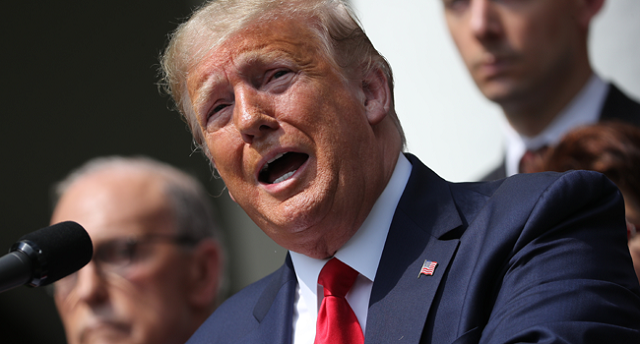
The President of the United States, Donald Trump, has threatened military action against Nigeria over alleged killings of Christians in the country, warning that continued violence could lead to severe consequences.
In a post on his Truth Social platform on Saturday, Trump directed the U.S. Department of War to prepare for “possible action” if the Nigerian government fails to curb the reported violence. He also said the U.S. would cut off all aid and assistance to Nigeria if the killings continue.
“If the Nigerian Government continues to allow the killing of Christians, the U.S.A. will immediately stop all aid and may go in, guns blazing, to eliminate the terrorists,” Trump wrote.
President Bola Tinubu swiftly rejected the claim, describing it as a “misrepresentation” of Nigeria’s religious landscape. In a statement on his official X handle, Tinubu said, “Nigeria stands firmly as a democracy governed by constitutional guarantees of religious liberty. The characterisation of Nigeria as intolerant does not reflect our reality.”
Tinubu maintained that both Christians and Muslims have been victims of violence driven by terrorism and banditry, not religion. His media adviser, Bayo Onanuga, called Trump’s genocide allegation a “gross exaggeration,” noting that insecurity in Nigeria “is not religiously motivated.”
Meanwhile, the Ministry of Foreign Affairs confirmed that diplomatic discussions were underway with the U.S. through Nigerian missions in Washington, Atlanta, and New York to address the issue.
Former Nigerian Ambassador to the Philippines, Dr. Yemi Farounbi, warned that the U.S. designation could strain bilateral relations, affect arms deals, and damage Nigeria’s international reputation.
According to SIPRI data, Nigeria remains one of Sub-Saharan Africa’s largest arms importers, with key acquisitions from the U.S., China, Turkey, and Italy. Analysts say the ongoing tension could jeopardize military cooperation critical to counterterrorism efforts.
Farounbi urged the government to present verifiable data showing how it protects all citizens regardless of faith, stressing that “America’s concern is not just about the killings but the Nigerian government’s response to them.”
The Dangote Group has assured Nigerians that petrol and diesel prices will remain stable despite the Federal Government’s recent approval of a 15% import tariff on refined petroleum products.
Speaking during an interview with Arise News on Sunday, the Group’s Chief Corporate Communications Officer, Anthony Chiejina, dismissed public fears of a price increase, describing them as “misplaced.”
According to Chiejina, the tariff was introduced primarily to prevent fuel dumping and to encourage local refining rather than to raise prices. “The 15% tariff is about preventing dumping, not inflating pump prices. I can assure you that our fuel prices will remain stable through the end of the year,” he stated.
The move follows comments by Chief Ayiri Emami, a chieftain of the All Progressives Congress (APC) in Delta State, who had criticized the policy as potentially harmful to Nigerians. However, Chiejina emphasized that the measure aligns with global best practices aimed at protecting domestic industries and creating jobs.
He added, “Dumping hurts economic growth and reduces employment opportunities. This tariff helps safeguard local industries, boost industrialization, and protect government revenues.”
A statement from the Presidency confirmed that President Bola Tinubu approved the tariff as part of efforts to promote local refining, strengthen energy independence, and conserve foreign exchange.
“For decades, Nigeria depended on imported fuel despite being a major crude producer. This new policy seeks to reverse that trend by encouraging local refining and ensuring that our oil wealth drives national development,” the statement said.
The World Bank has tentatively scheduled December 16, 2025, as the approval date for Nigeria’s fresh $1 billion Development Policy Financing (DPF) loan, introduced under a new framework titled “Nigeria Actions for Investment and Jobs Acceleration (P512892).”
According to the Bank’s official project brief released on October 27, the funding package will include a $500 million International Development Association (IDA) credit and a $500 million International Bank for Reconstruction and Development (IBRD) loan.
This latest intervention falls within the World Bank’s Macroeconomics, Trade, and Investment agenda for Western and Central Africa and is designed to deepen ongoing economic reforms, stimulate private sector participation, and accelerate job creation across key sectors.
The initiative aims to consolidate the federal government’s post-reform gains and facilitate a transition from short-term economic stabilization to long-term inclusive growth. The Federal Ministry of Finance will oversee the loan’s execution, following the Bank’s authorization to proceed with preparation.
“The proposed Development Policy Financing supports Nigeria’s pivot from stabilisation to inclusive growth and job creation,” the Bank noted. “It seeks to catalyse private sector investment by expanding access to finance, deepening digital and capital markets, reducing inflationary pressures, and boosting export diversification.”
Since 2023, Nigeria has rolled out several reform measures, including the removal of fuel subsidies, exchange rate unification, and the halt of central bank deficit financing. The Tinubu-led administration, through its Renewed Hope Agenda, maintains that these policies have narrowed fiscal deficits, stabilized macroeconomic indicators, and improved investor sentiment.
However, challenges persist, with more than 130 million Nigerians still living below the poverty line, despite modest improvements in macroeconomic stability. The World Bank highlighted that Nigeria’s economy “has yet to transition to a high-growth, inclusive trajectory,” emphasizing the urgent need for private investment to drive productivity and job creation.
The $1bn policy loan will rest on two main pillars: promoting private sector expansion and reducing operational costs for businesses. Under the first pillar, the programme will enhance access to credit and strengthen digital inclusion through initiatives such as the Investment and Securities Act 2025, new credit guarantee frameworks, and a CBN Rulebook for microfinance and non-bank institutions.
Additionally, it will support the National Digital Economy and E-Governance Bill 2025, which will formalize electronic authentication, digital records, and e-transaction frameworks—paving the way for a paperless, technology-driven government.
The second pillar targets inflation management, improved export competitiveness, and cost reductions for firms and consumers. The programme will also simplify trade processes, implement AfCFTA tariff concessions, and enhance certified seed systems for major crops like rice, maize, and soybeans to boost food production and agricultural investments.
This DPF is part of a broader FY2026 World Bank engagement package supporting Nigeria’s development agenda, which includes complementary programmes such as FINCLUDE (MSME finance expansion), BRIDGE (digital infrastructure), and AGROW (agricultural value chain development).
The Bank stated that the policy package aligns with the Paris Climate Agreement, promoting climate-smart agriculture, reduced deforestation, and digital systems that lower carbon emissions.
Expected outcomes include reduced food inflation, improved credit access for MSMEs, and increased digital exports, collectively generating millions of new jobs. Furthermore, import liberalization and tariff reductions on key inputs are projected to enhance consumer welfare and Nigeria’s competitiveness within the African market.
Once approved, the funds will be disbursed in two tranches, subject to policy milestones, with implementation overseen by the Federal Ministry of Finance, Central Bank of Nigeria (CBN), and related agencies.
The initiative could represent one of the largest policy financing operations in Nigeria’s recent history, reinforcing its transition toward private-sector-driven, inclusive economic growth.
As of June 30, 2025, Nigeria’s external debt stood at $46.98 billion, with the World Bank Group accounting for $19.39 billion, representing 41.3% of total foreign obligations.
The Nigerian Exchange (NGX) All-Share Index (ASI) ended the week of October 31, 2025, lower, breaking a seven-week bullish run as investors moved to take profits across key sectors.
The benchmark index dropped by 1,518.6 points, closing at 154,126.46 compared to the previous week’s 155,645.05, marking a 0.98% weekly loss. Market capitalization correspondingly slipped from N98.7 trillion to N97.8 trillion, reflecting weaker investor sentiment.
Trading activity also moderated, with 2.5 billion shares changing hands—down from 3.69 billion in the previous week—across 159,487 deals. Market breadth weakened, with 29 gainers against 70 losers, while 47 stocks closed unchanged.
Despite the weekly decline, the NGX remains firmly positive on a year-to-date basis, boasting a 49.74% gain so far in 2025, underscoring its resilience amid global market volatility.
Market Review and Key Performance Metrics
The ASI opened the week with mild declines, shedding 0.10% on Monday and 0.09% on Tuesday before a sharper 1,092.3-point drop on Wednesday. Losses continued into Thursday before a modest rebound on Friday, when the index rose 0.29%.
The NGX Premium Index dipped 1.02%, pressured by declines in major blue-chip stocks such as Dangote Cement (-0.75%), UBA (-4.64%), Lafarge (-3.45%), and Zenith Bank (-6.25%). Similarly, the NGX Main Board Index fell 0.96%, and the NGX 30 Index declined 0.73%.
Sectoral Overview
Among sectoral indices, the Oil and Gas sector emerged as the lone gainer, advancing 0.30%, driven by Oando Plc’s 11.87% rally.
On the downside, the Insurance Index dropped 3.47% following notable losses in AXA Mansard (-13.75%) and Sunu Assurances (-13.27%). The Consumer Goods Index fell 2.73%, dragged by Cadbury Nigeria’s 13.72% loss, while the Banking Index weakened 2.11% due to widespread declines among FUGAZ stocks. The Industrial Goods Index also shed 1.02%, extending the overall bearish sentiment.
Top Gainers
The week’s standout performer was ASO Savings and Loans Plc, which surged 56.06% to close at N1.03. Julius Berger Nigeria Plc followed with a 13.28% gain, ending at N151.80. Other top performers included:
Oando Plc: +11.87% to N48.05
Berger Paints Plc: +9.25% to N42.50
Ecobank Transnational Incorporated: +8.19% to N38.95
Meyer Plc: +6.95% to N16.15
International Energy Insurance Plc: +6.14% to N2.94
Okomu Oil Palm Plc: +5.88% to N1,080.00
Stanbic IBTC Holdings Plc: +4.48% to N112.00
Tantalizers Plc: +4.35% to N2.40
Top Losers
Omatek Ventures Plc led the losers’ table, plunging 21.94% to close at N1.21, followed by John Holt Plc, which dropped 16.92% to N5.40.
Other major decliners were:
Caverton Offshore Support Group Plc: -16.15% to N5.45
NAHCO Plc: -15.90% to N105.00
eTranzact International Plc: -15.33% to N12.70
AXA Mansard Insurance Plc: -13.75% to N13.80
Cadbury Nigeria Plc: -13.72% to N62.55
Chams Holding Plc: -13.67% to N3.41
Sunu Assurances Nigeria Plc: -13.27% to N4.51
Legend Internet Plc: -13.06% to N5.26
Corporate Actions and Earnings Updates
The trading week saw a flurry of corporate disclosures, including Q3 2025 financial statements from top firms such as Transcorp, BUA Cement, Dangote Cement, Ecobank, GTCO, Livestock Feeds, VFD Group, and Chemical & Allied.
Half-year results were also released by Airtel Africa, while Berger Paints, Seplat Energy, Unilever, Aradel Holdings, and UAC Nigeria published their Q3 updates. Additionally, TotalEnergies, Wema Bank, Eterna, Fidson Healthcare, MTN Nigeria, UBA, BUA Foods, and Conoil all reported results during the week.
Market Outlook
Analysts expect the NGX to regain positive momentum in the coming sessions, buoyed by improving investor appetite for fundamentally strong stocks and sustained earnings optimism.
Despite the temporary correction, the market remains firmly above the 150,000-point threshold, reinforcing expectations of continued bullish sentiment through the final quarter of 2025.
The National Youth Service Corps (NYSC) has officially announced that online registration for the 2025 Batch C service year will begin on Tuesday, November 4, 2025.
According to a notice shared via the NYSC’s verified Facebook page on Sunday, the registration exercise will be open to both foreign-trained and locally-trained graduates from November 4 to November 9, 2025.
“Important Notice: Online registration for 2025 Batch C begins Tuesday, 4th November 2025,” the NYSC stated in the post.
The notice also included a provisional mobilization timetable, which outlined the key activities ahead of the upcoming Batch C orientation exercise. However, the scheme emphasized that these dates remain tentative and subject to change.
As indicated in the schedule, pre-camp physical verification for foreign-trained graduates is slated for November 9–13, while ICT-related operations will take place between November 12–15.
Furthermore, the printing of deployment letters by corps-producing institutions, as well as the physical distribution of call-up letters to schools, will occur from November 16–18. During this period, prospective corps members are expected to print their personal call-up letters from the NYSC portal.
The NYSC also revealed that the orientation camp dates for the 2025 Batch C service year will be disclosed at a later time.
Meanwhile, the corps management reminded absconded corps members from the 2025 Batch B cycle that the remobilization portal is currently open and will close on November 3, 2025.
In an additional advisory, the scheme urged those who previously absconded from service to refund any allowances received during their initial deployment strictly through their NYSC dashboard.
It added that any absconded corps members who registered for Batch A remobilization but failed to complete documentation in their assigned state must re-register under Batch B.
Earlier this year, BizWatch Nigeria reported that the NYSC released the official mobilization timetable for the 2025 Batch B, which scheduled online registration for both foreign and locally trained graduates from September 8–13, 2025.
For foreign-trained applicants, the pre-camp physical verification of credentials was previously held between September 14–18, 2025.
The National Youth Service Corps (NYSC) remains one of Nigeria’s most important post-graduation programs, designed to foster national unity and youth development through one year of compulsory service.
As preparations for the 2025 NYSC registration continue, all prospective corps members—both within and outside the country—are advised to carefully follow the outlined procedures to ensure a seamless registration process.
Before You Begin NYSC Registration 2025
To begin, ensure you have the necessary items in place before starting your registration:
Active Email and Phone Number: These are essential for communication throughout the NYSC process.
Valid Identification: Acceptable IDs include your NIN, international passport, or voter’s card.
Academic Credentials: Keep original and photocopies of your final year ID card, statement of results, and other academic certificates (especially for medical and allied fields).
Preliminary Steps Before Registration
Check the NYSC Mobilization Timetable: Visit the NYSC official website to confirm the mobilization schedule for your batch: www.nysc.gov.ng/mobtable.html.
Review NYSC Registration Requirements: Ensure that you meet all requirements as listed on www.nysc.gov.ng/mobreq.html.
Pre-Registration Checks
Senate List Verification (for Locally Trained Graduates): Only graduates whose names appear on the Senate/Academic Board Approved Result list from their institutions can register. Use your matriculation number to verify your name on the NYSC portal.
Functional Email Address: Create or use an active email address that will serve as your main point of contact throughout the process.
During NYSC Registration 2025
Create an Account: Go to the NYSC portal at https://portal.nysc.org.ng/ and sign up with your valid email address.
Activate Your Account: An activation link will be sent to your email—click it to activate your account.
Complete Personal Details and Biometrics: Fill in your details and complete biometric capture (cannot be done by proxy). You’ll need to input your name, date of birth, contact details, and academic information.
State Selection: Choose your preferred states of service, considering factors like proximity, opportunities, and personal convenience. However, final placement depends on national deployment needs.
Payment: Make your registration payment via Remita on the NYSC portal. The registration fee is around ₦2,786.24, with additional transaction charges.
Final Steps:
Review all details carefully.
Agree to terms and conditions.
Upload your scanned or digital signature.
Submit and keep your login credentials safe.
After Registration
Online Verification: NYSC officials will verify your documents and details before assigning you to a service state.
Call-Up Letter: Once verified, you’ll be able to print your NYSC Call-up Letter, which includes your state of deployment, orientation camp, and reporting date.
Additional Registration Information
Concessional Posting: Married or medically exempted graduates can apply for concessional posting, provided they submit valid supporting documents.
Part-Time Graduates: Register on the portal during the designated period to access and print your Exclusion Letter.
Post-Registration Services
After successful registration, the NYSC portal allows you to:
Print call-up, exclusion, and relocation letters.
Apply for leave or corrections to personal data.
Correction Procedures
If you need to correct your name, date of birth, course of study, or class of degree, log in to your dashboard and follow the specific correction process. Note that NYSC does not approve additions or deletions of names—such changes must be initiated through your institution.
Registration for Foreign-Trained Graduates
For foreign-trained applicants, additional documents such as international travel records and verified academic certificates are required. Full details can be found on the NYSC official site.
Final Thoughts
Ensure your NYSC registration is completed within the designated timeframe—for example, between March 25 and 31, 2025, for Stream II of Batch A—to avoid delays in mobilization. Double-check all personal details before submission and consult the NYSC FAQ section for clarity on any uncertainties.
The excitement is building up as VerveLife 8.0 gears up to deliver yet another unforgettable experience, one that blends fitness, lifestyle, and entertainment in perfect harmony. This year’s edition promises to raise the bar even higher, not just with exhilarating workout sessions and lifestyle showcases, but with an impressive lineup of special performances designed to keep the energy levels soaring from start to finish.
The morning segment of VerveLife 8.0 will come alive with the soulful symphony of the LOUD Urban Choir. Shortly after, the pulsating rhythms and electrifying beats of Alternate Sound, Africa’s premium live band known for their dynamic fusion of live instrumentation and Afro-urban sounds, will hold sway. Their unmatched energy will set the perfect tone for an engaging day of workouts and fun.
Joining them will be DJ Xray, who will keep the tempo high with a seamless mix of crowd favorites and adrenaline-pumping tracks. Adding a touch of artistry and cultural vibrance to the stage, the Awanjo Dance Troupe will dazzle participants with their captivating choreography and synchronized moves.
The celebration will continue with an epic afterparty that promises to be the rave. The star-studded event will feature celebrity appearances by Tobi Bakre, Broda Shaggi, and other notable personalities, ensuring a glamorous close to an action-packed day. The night will come alive with back-to-back performances by some of Nigeria’s finest DJs and music acts.
DJs Dope Ceaser, Maze, and Xtreme will take turns spinning the decks, delivering an explosive mix of sounds to keep the crowd dancing into the night. To crown it all, music lovers will be treated to electrifying live performances by Shoday and Timaya who will serenade the audience with their rich vocal harmonies.
With this stellar lineup, VerveLife 8.0 isn’t just a fitness event, it’s a celebration of sound, movement, and community. Whether you’re coming to sweat, dance, or simply soak in the vibes, one thing’s certain: this year’s VerveLife will be a spectacle to remember.
For more information, visit myverveworld.com/life or follow @VerveLife_ and @Vervecard on Instagram, TikTok and X.
Ahead of the highly anticipated Verve Life 8.0 Grand Finale, Africa’s biggest fitness and lifestyle event, Verve, Africa’s leading payment card brand, hosted an exclusive Meet and Greet with the powerhouse lineup of trainers set to headline this year’s edition of the grand finale.
The pre-event gathering brought together the vibrant Vervelife fitness community and star trainers from across Africa including Nigeria’s best in the game namely; Ekemini Ekerette (Kemen), Mayowa Morgan (Mayorfit), Anwanabasi Udoh (Coach Trebla), Dolapo (Dolly) Philips, Sandra Osaigbovo, Gbenga Akinpelu (Benfit), Alvin Lee from Kenya, Ebunoluwa Omolola (Dami), Moses Oyije (Ceejay), Eyo Effiong (Macblake), Taiwo Lawal (TL Funky)and Elvis Eko, Jane Amuta (Body by Jane), Jane Okafor (Jane Dovey), and a selection of South Africa’s best trainers including Nkululeko Dlamini (King of Squats), Gakearabe Khumalo (Mamiki Slayqueen) and Mapule Ndlovu (Queenfitnass), among other stellar acts. The room buzzed with energy, inspiration, and a shared commitment to wellness, perfectly setting the tone for what promises to be an electric grand finale.
Speaking at the event, Cherry Eromosele, Executive Vice President, Group Marketing and Corporate Communications, Interswitch Group, said:
“Vervelife has truly grown to become the biggest fitness event in Africa in line with its vision from Day 1. This year’s theme, ‘Elev8’, captures the spirit of everything we have set out to achieve this season. From the awareness campaigns to the stellar lineup of trainers, engaging activities, and even the choice of venue (Eko Hotel), every element reflects that desire to raise the bar. This year’s edition will be different, both in production and overall experience, so everyone’s encouraged to bring their A-game and deliver an unforgettable, exhilarating experience for participants.
We appreciate the support of our trainers, partners and team all through the last 7 seasons of Vervelife. This support has been an invaluable part of the brand’s success. Once again, we’re poised to show the world what Vervelife truly represents and raise the FOMO sky high.”
Also speaking, Kemen, CEO PureFitness Africa and Vervelife technical partner, highlighted the transformative impact of the Vervelife platform on the trainers’ personal and professional growth. He noted:
“Vervelife has left an indelible effect on us as fitness professionals. The platform has elevated our visibility and relevance on the global fitness stage, and in turn, we’ve continued to push ourselves to grow, innovate, to deliver the best possible experience for participants. Each year, Verve Life challenges us to raise the bar, to become better trainers and stronger brands, and that’s a journey we embrace wholeheartedly. Our partnership with Verve Life keeps evolving, and this year, we are looking forward to creating even more exciting and memorable moments with the community.”
The epic grand finale is scheduled to take place on Saturday, November 1, 2025, at Eko Hotels & Suites, Victoria Island, Lagos with an invigorating multi-attraction fitness event starting by 7am and an exclusive but thrilling afterparty set for 7pm at the same venue. Over the years, Vervelife has evolved into one of Africa’s most vibrant fitness and wellness movements, reflecting Verve’s commitment to promoting healthy living, fostering a sense of community, and inclusivity. The initiative blends fitness, fun, and lifestyle into an immersive experience that inspires people to live healthier, more rewarding lives.
The 2025 Vervelife Grand Finale will feature an eclectic mix of high-energy workouts, engaging challenges and attractions, music, entertainment, and networking opportunities for participants across all fitness levels.
The countdown is on. Register now at myverveworld.com/life and follow our social media handles@vervelife_ and @vervecard for the latest updates.
The Nigerian Exchange Group Plc (NGX Group) has approved an interim dividend payout of N1.00 per ordinary share of 50 kobo each, following the release of its unaudited financial statements for the third quarter ended September 30, 2025.
The announcement, made after the board’s meeting on Thursday, reflects the Group’s consistent track record of rewarding shareholders and confidence in its continued profitability.
According to the company, shareholders listed in the Register of Members as of Friday, November 7, 2025, will qualify for the payment, while electronic disbursements will be made on Tuesday, November 18, 2025.
In a statement, the Group described the interim dividend as a milestone in its history of maintaining steady returns to investors. The board reaffirmed its confidence in the company’s resilience, profitability, and long-term value creation.
Commenting on the development, NGX Group Chairman, Dr. Umaru Kwairanga, said the dividend declaration underlined the Group’s strong fundamentals and long-term growth outlook.
“This decision reinforces our commitment to creating consistent value for our shareholders. The trust our investors have placed in us continues to drive our mission to deliver sustainable returns through strategic growth and disciplined execution,” Kwairanga said.
Group Managing Director, Temi Popoola, also emphasized that the dividend reflected the NGX Group’s financial discipline and prudent capital management.
“Our commitment to shareholders is central to every strategic choice we make. As we pursue our growth agenda, we will continue to unlock opportunities within our ecosystem and strengthen our position as a leading driver of capital market prosperity in Africa,” Popoola added.
The NGX Group reiterated its dedication to transparent corporate governance, financial discipline, and sustainable value creation as it continues to consolidate its role in deepening the Nigerian and African capital markets.
Oil prices retreated on Friday as weak economic data from China, a firmer U.S. dollar, and expectations of rising global supply combined to dampen market sentiment. Traders anticipate that China’s imports could decline as manufacturing activity slows, while the OPEC alliance prepares to raise production levels.
Brent crude slipped to $63.96 per barrel, representing a 0.07% decrease from Thursday’s close at $64.01. Similarly, West Texas Intermediate (WTI) futures eased by 0.11% to $60.06, down from the previous $60.13 per barrel.
This comes after the U.S. Federal Reserve (Fed) reduced its benchmark interest rate by 25 basis points on Wednesday to a range between 3.75% and 4%. While the move was widely expected, Fed Chair Jerome Powell cautioned that another rate cut in December was not guaranteed, stating that the decision “is not a foregone conclusion.”
Following Powell’s remarks, the U.S. dollar strengthened, adding downward pressure on oil prices as a stronger greenback makes crude more expensive for buyers using other currencies.
Adding to the bearish tone, new data from China’s National Bureau of Statistics revealed that factory activity contracted for the seventh consecutive month in October. The official manufacturing Purchasing Managers’ Index (PMI) slipped to 49.0 from 49.8 in September—below the 50 threshold that separates expansion from contraction.
The continued slump in China’s manufacturing sector underscores the fragility of its economic recovery, despite recent optimism following a temporary truce in the U.S.-China trade dispute.
Meanwhile, U.S. commercial crude inventories dropped by 6.9 million barrels last week to 416 million barrels, significantly exceeding analysts’ expectations of a 900,000-barrel draw. Strategic petroleum reserves rose slightly by 500,000 barrels to 409.1 million, while gasoline stocks fell by 5.9 million barrels to 210.7 million.
Market focus now shifts to the OPEC+ meeting scheduled for November 2, where the alliance is expected to announce an additional production increase of 137,000 barrels per day for December.
Analysts believe that the combination of weak demand indicators and rising supply could keep oil prices under pressure in the short term, even as global economic recovery efforts continue.
For thousands of young Nigerians with dreams bigger than their wallets, the reopening of the Youth Economic Intervention and De-Radicalisation Programme (YEIDEP) portal might just be the opportunity of a lifetime. With grants of up to ₦500,000 available to eligible applicants, the initiative offers a rare chance to turn bright ideas into real businesses — no collateral, no loans, just potential meeting opportunity.
After months of delay, the Federal Government has reopened the YEIDEP application portal for 2025. The programme, which had initially faced postponement due to fraudulent activities, is back stronger, promising a transparent and secure process that ensures genuine applicants are rewarded.
YEIDEP is more than just a grant scheme — it’s part of a larger national strategy to reduce unemployment, fight poverty, and equip Nigerian youth with entrepreneurial tools that can lead to self-sufficiency.
What the YEIDEP Grant Offers
The initiative provides financial support ranging from ₦50,000 to ₦500,000 to help young Nigerians start or expand small businesses in selected productive sectors. But money isn’t the only benefit. Beneficiaries also gain access to entrepreneurship training, mentorship programmes, and enterprise development resources designed to help their businesses grow sustainably.
According to programme organisers, YEIDEP targets Nigerian citizens aged 18 to 35 years who hold valid National Identification Numbers (NIN), Bank Verification Numbers (BVN), and bank accounts with Lotus Bank, Keystone Bank, or Fidelity Bank — the three partner institutions for the scheme.
Who Can Apply?
If you’ve ever dreamed of building a business in agriculture, fashion, technology, entertainment, renewable energy, sports, or other creative and productive sectors, YEIDEP was designed with you in mind. The programme seeks individuals who aren’t just chasing money but are passionate about creating value and jobs in their communities.
Applicants are expected to demonstrate a genuine interest in their chosen fields and present viable business ideas that can contribute to Nigeria’s economic growth.
How to Apply — And Stand Out
Registration for the grant is open exclusively through the official YEIDEP portal, where applicants must fill out their details, upload required documents, and select their preferred sector. Officials have warned that there are no shortcuts or “back doors” — and applicants should only rely on verified communication channels, particularly the scheme’s official Facebook page, for accurate updates.
To increase your chances of selection, experts recommend preparing a clear and realistic business plan that reflects innovation, sustainability, and local impact. Remember, the goal is not just to receive the grant but to build a business that thrives long after the programme ends.
Why This Matters Now
Nigeria’s unemployment rate remains high, and access to business funding has been a major challenge for many young entrepreneurs. The YEIDEP programme arrives at a critical moment when many youths are seeking genuine opportunities to build financial independence and escape the cycle of joblessness.
Government officials have assured that this round of the programme will be transparent, fair, and secure, with extra measures in place to prevent fraud and ensure that the right people get funded.
A Step Toward a More Empowered Youth
Beyond the ₦500,000 grant, YEIDEP symbolizes hope — a commitment to young Nigerians who refuse to give up on their ambitions. It represents a belief that with the right support, mentorship, and funding, the country’s youth can drive innovation and economic transformation.
So, if you’re between 18 and 35, armed with a business idea and the drive to succeed, this might just be your moment. Log on to the YEIDEP portal, follow the instructions carefully, and take that bold step toward becoming one of Nigeria’s next generation of entrepreneurs.
The exchange rate between the Naira and the US dollar, according to the data released on the FMDQ Security Exchange, the official forex trading portal, showed that the naira closed at 1480.00 per $1 on Friday, October 31st , 2025. The naira traded as high as 1431.00 to the dollar at the investors and exporters (I&E) window on Thursday.
Dollar to naira exchange rate today black market (Aboki dollar rate):
The exchange rate for a dollar to naira at Lagos Parallel Market (Black Market) players sell a dollar for ₦1495 and buy at ₦1480 on Thursday 30th October, 2025, according to sources at Bureau De Change (BDC).
Please note that the Central Bank of Nigeria (CBN) does not recognize the parallel market (black market), as it has directed individuals who want to engage in Forex to approach their respective banks.
Dollar to Naira Black Market Rate Today
Dollar to Naira (USD to NGN)
Black Market Exchange Rate Today
Selling Rate
₦1495
Buying Rate
₦1480
Dollar to Naira CBN Rate Today
Dollar to Naira (USD to NGN)
CBN Rate Today
Highest Rate
₦1448
Lowest Rate
₦1431
Please note that the rates you buy or sell forex may be different from what is captured in this article because prices vary.
The Federal Government has officially reopened the registration portal for the 2025 Youth Economic Intervention and De-Radicalisation Programme (YEIDEP), giving Nigerian youths another opportunity to apply for business grants worth up to ₦500,000.
This announcement comes after several months of delay and follows renewed efforts by the government to tackle youth unemployment and promote entrepreneurship across the country.
The YEIDEP initiative aims to empower young Nigerians through financial support, vocational training, and mentorship opportunities designed to foster self-reliance and business growth.
According to information released by programme organisers, eligible applicants will have access to non-repayable grants ranging from ₦50,000 to ₦500,000, depending on their business category and funding needs.
The scheme targets citizens aged 18 to 35 who possess valid National Identification Numbers (NIN), Bank Verification Numbers (BVN), and maintain accounts with any of the participating banks—Lotus Bank, Keystone Bank, or Fidelity Bank.
Applicants must demonstrate genuine interest in any of the approved sectors, which include agriculture, fashion, technology, entertainment, renewable energy, sports, and other industries that contribute to national productivity.
Successful beneficiaries will also benefit from entrepreneurship training sessions, mentorship programmes, and access to enterprise development resources designed to enhance their capacity for long-term business sustainability.
Interested youths are advised to complete their registration via the official YEIDEP portal and monitor the initiative’s verified Facebook page for legitimate updates and guidance throughout the process.
Officials noted that the delay in reopening the application portal was due to attempts by fraudsters to exploit unsuspecting Nigerians through fake websites and fraudulent payment requests.
With the resumption of the application process, the Federal Government has reassured the public that measures have been implemented to ensure transparency, security, and fairness in the selection of beneficiaries.
The administration emphasized that the initiative forms part of a broader strategy to reduce poverty and stimulate economic growth by equipping young Nigerians with financial resources and entrepreneurial skills necessary to build sustainable livelihoods.
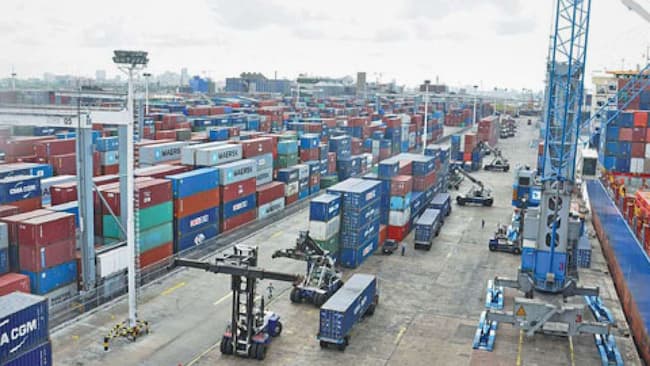
The Federal Government has renewed its commitment to transform Nigeria’s port operations and make them among the top three most efficient in Africa by 2026.
Vice President Kashim Shettima disclosed this during the second meeting of the Ports and Customs Efficiency Committee held at the Presidential Villa, Abuja.
According to Shettima, the implementation of the National Single Window—a unified digital platform that will harmonise documentation and reduce human contact in cargo clearance—is expected to be completed by the first quarter of next year.
“By the end of 2026, we aim to reduce average cargo clearance time in Nigeria to under seven days,” Shettima stated, describing the initiative as a “game changer” for port efficiency and trade transparency.
Reducing Costs and Improving Trade Competitiveness
Nigeria’s ports currently record average cargo dwell times of 18 to 21 days, compared to Ghana’s five to seven days and Benin Republic’s four days. This lag, Shettima said, has raised cargo clearance costs by over 30% relative to regional peers.
“These inefficiencies are costing us investments, raising consumer prices, and eroding export competitiveness. We simply cannot continue down this path,” he said.
The Vice President revealed that the Executive Order on Joint Physical Inspection, awaiting presidential approval, is designed to eliminate redundant inspections and enhance collaboration among port agencies.
Inter-Agency Collaboration and Policy Alignment
Shettima directed key regulatory bodies—including the Nigerian Ports Authority (NPA), Nigerian Customs Service (NCS), NAFDAC, and SON—to develop a roadmap for harmonising port operations and standardising weights and measures.
He stressed that achieving efficiency depends on synergy among all stakeholders:
“The era of siloed operations must end. Inter-agency rivalry should give way to collaboration.”
The Director-General of the Presidential Enabling Business Environment Council (PEBEC), Zahrah Audu, noted that inefficient port operations have long hampered Nigeria’s Ease of Doing Business ranking. She called for sustained collaboration among port operators to make Nigeria a competitive and transparent trade hub.
NPA Managing Director, Dr. Abubakar Dantsoho, also reaffirmed the agency’s commitment to efficiency through technology adoption, improved infrastructure, capacity building, and inter-agency coordination.
He emphasized that these reforms will ensure Nigeria remains competitive within Africa’s trade ecosystem and beyond.
Nigeria’s interbank lending rates maintained stability this week following a decline in system liquidity caused by banks reducing their deposits at the Central Bank of Nigeria’s (CBN) Standing Deposit Facility (SDF).
Excess liquidity in the money market had previously exceeded ₦4 trillion amid a pause in open market operations (OMO). However, the recent bonds auction settlement failed to absorb the surplus cash.
Reflecting the easing liquidity, interbank rates remained steady across all maturities on Thursday, with the overnight rate closing at 24.88%, signaling balanced funding conditions and minimal liquidity pressure.
Liquidity Conditions and Rate Movements
Market data indicated that overall liquidity eased to ₦2.3 trillion — a decline of ₦2.2 trillion from the previous level — mainly due to reduced SDF placements, which fell to ₦1.9 trillion from ₦4.1 trillion.
Analysts at Cowry Asset Limited confirmed that medium-term money market rates were also unchanged, while AIICO Capital Limited projected that “funding costs will likely remain stable in the absence of significant market activity.”
At Thursday’s close, the Open Repo Rate (OPR) stood at 24.50%, and the overnight lending rate settled at 24.84%.
Fixed-Income Market Activity
In the Treasury Bills secondary market, yields moved in mixed directions. Short- to medium-term maturities (1-month, 3-month, and 6-month) compressed by 7, 1, and 1 basis points, respectively, while the 12-month tenor expanded by 8 basis points.
Overall, the average yield on Nigerian Treasury Bills declined by 127 basis points to 16.13%, indicating strong investor demand and a preference for high-quality assets in the fixed-income space.
The trend suggests growing investor confidence amid a flight to safety and resilient market fundamentals, reinforcing expectations of continued stability in short-term funding rates.
The Federal Government of Nigeria is preparing to refinance its $1.118 billion sovereign Eurobond maturing in November, following the National Assembly’s approval of a $2.85 billion external borrowing request by President Bola Tinubu.
Without the planned refinancing, the government would need to pay back nearly $1.2 billion to foreign investors—an outflow that analysts say could deplete Nigeria’s external reserves and reverse recent gains in the naira’s value.
Market watchers believe the refinancing will attract relatively lower interest rates, given the country’s improving macroeconomic outlook and the global trend of monetary policy easing.
“Despite some lingering investor caution, Nigeria’s upgraded credit ratings across major agencies have improved our standing in global markets,” a senior economist explained.
Government Targets Fiscal Stability and Debt Management
As part of its broader debt strategy, Nigeria aims to raise approximately $3 billion in the international market, including a sovereign Sukuk, to diversify its borrowing portfolio. Of the approved loan, $2.347 billion will go toward financing the 2025 budget deficit, while $1.118 billion will refinance the expiring Eurobond.
The House of Representatives’ approval aligns with the Debt Management Office (DMO)’s roadmap to strengthen fiscal discipline and maintain foreign exchange stability.
Oluwadamilare Oladeji, Chief Investment Officer at Erad Partners Limited, noted that rolling over the bond rather than settling it from reserves “preserves FX buffers and signals prudent fiscal management.”
Investor Sentiment and Market Outlook
Oladeji highlighted that the move positions Nigeria advantageously before global financial conditions tighten, given the U.S. Federal Reserve’s ongoing rate cuts.
He added that investors are showing renewed confidence due to ongoing reforms such as FX market liberalisation, fuel subsidy removal, and a more orthodox monetary policy approach by the Central Bank of Nigeria (CBN).
“Refinancing instead of full repayment lowers short-term rollover risks and supports investor confidence,” he said.
With the lawmakers’ approval, Nigeria’s next Eurobond issuance is expected to range between 5-year and 15-year tenors, alongside a $500 million Sukuk bond planned for later this year.
While the refinancing strategy broadens Nigeria’s funding sources, experts caution that it could raise foreign debt servicing costs if revenue performance does not improve.
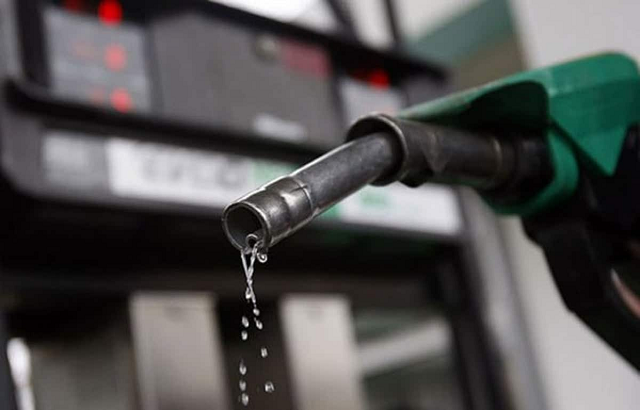
Industry experts in the petroleum sector have raised alarms that the retail cost of Premium Motor Spirit, commonly known as petrol, might surpass N1,000 per liter after President Bola Tinubu endorsed a 15 percent ad valorem duty on imported fuels.
This fresh directive, set to kick in after a 30-day grace period concluding around November 21, 2025, forms part of the administration’s efforts to safeguard domestic refineries and curb the flow of lower-priced foreign imports that could undermine investments in local production.
Nevertheless, fuel distributors argue that the initiative might have unintended consequences, driving up costs to levels unaffordable for everyday citizens.
In discussions via phone on Thursday, several storage facility managers, speaking anonymously due to the sensitivity of the issue, indicated that the policy could elevate petrol prices further from the current average of about N920 per liter across various regions.
“Given the current situation, fuel costs could rise above N1,000 per liter. It’s unclear why the authorities would impose additional burdens on the public,” remarked one facility manager.
A different manager noted, “Regrettably, certain importers are collaborating closely with Dangote, explaining the uniform price hikes we saw recently where everyone adjusted simultaneously. We’ll have to observe the next developments.”
Yet another manager emphasized that absent a solid structure to balance market dynamics and promote equitable rivalry, the added import levy might spark further escalations in pricing and intensify the difficulties experienced by buyers.
Hammed Fashola, who serves as the National Vice-President for the Independent Petroleum Marketers Association of Nigeria, concurred that the duty carries significant repercussions, potentially causing a spike in costs.
Fashola explained that the measure presents advantages and drawbacks, noting it could deter imports while boosting homegrown refining operations.
The association’s executive suggested that some industry players might view it as a chance to dominate the market in support of Dangote and select other facilities.
“The addition of a 15 percent duty on brought-in fuel brings its own challenges. It could result in higher prices, and on the flip side, it might make importing less attractive if expenses climb too high.
“However, it impacts the industry in both beneficial and harmful ways. From my perspective, the administration is aiming to shield local producers, yet this will create ripple effects since individuals might interpret it as favoring monopolization for specific entities. Simultaneously, the goal is to support those refining domestically.”
That said, Fashola highlighted that if domestic producers fall short in delivering sufficient supplies to the home market, it might precipitate a shortage of fuel.
“Should the home-based refiners underperform, there will be consequences. This could lead to shortages, leaving people without options. Thus, it encompasses both upsides and downsides. That’s my take on it,” he elaborated.
Regarding alignment with the Petroleum Industry Act, Fashola commented, “I believe the authorities wouldn’t act beyond legal boundaries. They aim to avoid contravening the PIA. In general, most people want to witness our local facilities thriving and performing effectively, which benefits the national economy. I don’t see this conflicting with the PIA.”
Offering guidance to domestic producers, particularly the Nigerian National Petroleum Company Limited, Fashola encouraged them to meet public expectations. He called for the restoration of the refineries in Port Harcourt, Warri, and Kaduna.
“My recommendation, or rather my hope, is directed at the fresh leadership of NNPC: their current approach seems promising, and they need to accelerate by attracting funding to rejuvenate our facilities. If all NNPC plants become operational, it would address numerous issues. I’ve heard concerns about potential monopolies, but that won’t materialize. This extends to other independent operations like BUA; once they launch, I believe worries about dominance will fade. Competition between refineries will emerge, which is advantageous for everyone,” Fashola declared.
In the meantime, Billy Gillis-Harry, the National President of the Petroleum Products Retail Outlet Owners Association of Nigeria, characterized the 15 percent duty as a mutually beneficial arrangement, pointing out that while it’s not entirely novel, it will undergo evaluation.
“We anticipate that it could be reassessed eventually. Our focus remains on ensuring products are accessible and reasonably priced. We need to monitor these aspects closely. That’s the guidance from PETROAN right now. I urge Nigerians to understand that pursuing inexpensive fuel at the expense of pushing participants out of the market will lead to unavailability, causing prices to soar.
“As things stand, all parties are engaging with Dangote, and we’re aware that Dangote alone can’t meet national needs. Therefore, a combination of sources is essential,” he supplemented.
President Tinubu sanctioned the imposition of a 15 percent ad valorem import levy on petrol and diesel entering Nigeria.
The goal is to defend local processing plants and maintain equilibrium in the downstream segment. A correspondence dated October 21, 2025, which surfaced publicly on October 30, 2025, was sent to the Attorney-General of the Federation and Minister of Justice, the Federal Inland Revenue Service, and the Nigerian Midstream and Downstream Petroleum Regulatory Authority. In it, Tinubu instructed the prompt rollout of the levy under what the administration termed a “responsive framework for import tariffs.”
The document, bearing the signature of his Private Secretary, Damilotun Aderemi, and acquired by our reporter on Thursday, relayed the President’s endorsement after a submission from the Executive Chairman of the FIRS, Zacch Adedeji.
The submission proposed applying a 15 percent charge on the cost, insurance, and freight valuation of imported petrol and diesel to harmonize import expenses with local market conditions. This levy stands apart from an extra 5 percent fee on both domestically made and imported fuels outlined in the upcoming tax legislation, effective from January 2026.
In his communication to the President, Adedeji clarified that the action aligns with continuing reforms to enhance local processing, secure price consistency, and fortify the naira-denominated oil sector, consistent with the government’s Renewed Hope Agenda for securing energy and maintaining fiscal health.
Based on estimates in the correspondence, the 15 percent import charge might elevate the arrival cost of petrol by roughly N99.72 per liter, using an average daily usage of 19.26 million liters as recorded in September 2025. This equates to an extra N1.92 billion in daily import expenditures and income for the state.
The correspondence stated, “Based on existing CIF figures, this equates to an uptick of about N99.72 per liter, aligning imported arrival costs with domestic recovery levels without disrupting availability or excessively inflating end-user prices. Despite this change, projected pump rates in Lagos would hover around N964.72 per liter ($0.62), remaining well under regional benchmarks like Senegal ($1.76 per liter), Côte d’Ivoire ($1.52 per liter), and Ghana ($1.37 per liter).”
It further specified that remittances should go into a specified Federal Government revenue repository overseen by the Nigeria Revenue Service, with authentication and approval supervised by the Nigerian Midstream and Downstream Petroleum Regulatory Authority.
“The primary aim of this effort is to enable crude dealings in the national currency, bolster local processing abilities, and guarantee a consistent, cost-effective provision of petroleum goods throughout Nigeria,” Adedeji affirmed.
The FIRS leader also cautioned that the existing discrepancy between home-refined items and import equivalence pricing has fostered market volatility.
“Although local petrol refining is on the rise and diesel independence has been attained, pricing fluctuations continue, somewhat because of the mismatch between domestic processors and distributors,” he penned.
He observed that import equivalence pricing, which serves as the standard for setting pump rates, frequently dips below recovery thresholds for local manufacturers, especially amid currency and shipping variations, straining nascent home-based refineries.
Adedeji contended that the administration’s duty is dual: safeguarding consumers and home producers from inequitable pricing tactics and partnerships, while fostering an even arena for processors to recoup expenses and draw capital.
He maintained that the updated tariff system would dissuade tariff-exempt fuel imports from eroding local manufacturers and cultivate a just and rivalrous downstream landscape.
The directive arrives as Nigeria ramps up initiatives to lessen reliance on foreign petroleum goods and enhance internal refining.
The Dangote Refinery in Lagos, with a capacity of 650,000 barrels daily, has initiated output of diesel and jet fuel, whereas smaller modular plants in Edo, Rivers, and Imo have begun limited petrol production.
Yet, in spite of these advancements, petrol from abroad still constitutes as much as 69 percent of the country’s requirements over the 15-month span from August 2024 to October 10, 2025.
The FIRS executive emphasized that the measure isn’t primarily for revenue but for rectification, designed to synchronize import expenses with local output truths and avert exempt imports from weakening emerging domestic refineries.
“While home refining of PMS is increasing and diesel autonomy is realized, pricing inconsistencies linger,” the document noted. “Import equivalence stays the pricing gauge but often falls short of local producers’ recovery points, particularly during exchange and transport shifts.”
It alerted that without intervention, such pricing imbalances could jeopardize the sustainability of local refining during a pivotal phase when financiers are re-entering after prolonged inactivity.
The innovative structure, the paper continued, is projected to spur new funding in refining, warehousing, and distribution systems while assuring that domestic manufacturers and sellers compete fairly.
The levy draws support from Sections 21 and 22 of the Petroleum Industry Act, granting the NMDPRA authority to enforce public duties on permit holders to advance national energy safety and growth. Per Section 3(4) of the PIA, the President can also deliver policy instructions to the overseer to apply these actions.
As per the presidential order, the NMDPRA must release requisite rules and official notices, favoring locally processed goods when granting import permissions.
The overseer will collaborate with the Implementation Committee on Crude and Refined Products Sales in Naira to monitor advancements and decide on tariff modifications or termination provisions as required.
Tinubu additionally required the NMDPRA to assess the levy regularly, aiming to reduce or abolish it with growing domestic refining output.
“In light of the above, Your Excellency is kindly requested to evaluate and, if suitable: sanction the establishment of a 15 percent tariff import duty on Premium Motor Spirit and diesel, calculated on the cost, insurance, and freight value upon arrival, with all funds directed to a designated Federal Government of Nigeria revenue account and confirmed by the Nigerian Midstream and Downstream Petroleum Regulatory Authority prior to release approval.
“Instruct the NMDPRA and the Nigeria Customs Service to enact a 15 percent import duty on PMS and diesel, effective following a 30-day adjustment phase from the official announcement date. Instruct the overseer to promulgate suitable regulations accordingly and prioritize local output before approving import licenses.
“Order ongoing evaluations of the tariff level and its relevance, incorporating options for reduction or phase-out, as home Premium Motor Spirit refining expands, supervised by the Implementation Committee on Crude and Refined Products Sales in Naira. Submitted respectfully for Your Excellency’s review and additional instructions.”
President Tinubu granted all these requests for prompt action on October 21, 2025.
In parallel, George Ene-Ita, spokesperson for the NMDPRA, has guaranteed complete adherence to President Bola Tinubu’s recently sanctioned 15 percent fuel import levy upon receipt of the official order from the administration.
“As the industry watchdog, once the directive is activated, we will certainly fulfill our oversight duties and facilitate the procedure for the government,” the representative informed The PUNCH on Thursday. “Currently, no formal notice has reached me, but if the President has indeed authorized the policy, it will arrive, and implementation won’t pose problems.”
The representative elaborated that the downstream arena is completely liberalized, so market influences and rivalry between participants will dictate pump rates after the levy begins.
“Being a directive from the presidency, the blueprint exists for execution,” the spokesperson remarked. “Rates could increase, hold steady, or decrease based on rivalry and actual market conditions. From my viewpoint, I don’t expect drastic surges since the authorities would have incorporated balancing strategies to prevent final consumer prices from escalating uncontrollably.”
That notwithstanding, specialists in energy voiced reservations, advising that although the directive might boost support for local plants and augment state earnings, it could endanger energy reliability and consumer costs.
Olatide Jeremiah, an authority in oil and gas, shared with one of our reporters that the fresh levy would “unavoidably introduce an addition of approximately N100 per liter to the arrival expense of petrol and diesel,” possibly fostering unequal pricing contests among providers.
“This step will channel demand to domestic plants and elevate government revenues,” the specialist observed. “Yet it might also cause cost increases and temporary vulnerabilities in energy supply, since even leading fuel-exporting countries import around 10 to 15 percent of their requirements. Abruptly halting imports via steep duties could leave the nation open to delivery hazards. The 15 percent levy will impose an extra N100 per liter on petrol and diesel landing costs, creating skewed pricing dynamics for suppliers.”
Concurrently, Chief Ayiri Emami, a key figure in the All Progressives Congress from Delta State, has criticized the President’s endorsement of a 15 percent ad valorem import levy on petrol and diesel, cautioning that it will aggravate the plight of common citizens.
Emami, also the head and top executive of A & E Group, involved in oil, building, and transport services, voiced these worries during a media briefing in Abuja.
Addressing reporters in Abuja, he expressed regret that the directive would “adversely affect the general public, rather than distributors.” The APC leader further implored the President to halt it pending further assistance for Nigerians.
The Forestry Research Institute of Nigeria (FRIN) has entered into a strategic partnership with the Association of Organic Agriculture Practitioners of Nigeria (NOAN) to empower Nigerian youths through sustainable and organic agricultural practices.
The collaboration, under the ECOWAS Youth Employability Project, aims to equip young Nigerians with hands-on skills and knowledge to foster agricultural innovation, enhance food security, and promote environmental sustainability.
The partnership was formalised during a courtesy visit by NOAN officials to the Director-General of FRIN, Dr. Zacharia Yaduma, at the Institute’s headquarters in Ibadan, Oyo State.
Dr. Yaduma explained that the partnership would focus on the joint implementation of the ECOWAS Youth Employability Project across South-West Nigeria, particularly through intensive training in organic farming, composting, soil conservation, and value-chain development.
As part of the initiative, FRIN recently hosted a five-day training workshop in Ibadan for youths aged 18 to 25. The programme provided participants with both theoretical and practical exposure to organic farming techniques, compost production, and biological input management.
Speaking during the visit, Dr. Yaduma reaffirmed FRIN’s commitment to advancing sustainable agriculture and reducing youth unemployment through capacity-building initiatives.
“We are excited to collaborate with NOAN on this project, which will drive sustainable agricultural development in Nigeria. The training will not only enhance employability but also help young people establish viable agribusinesses that support environmental conservation and economic growth.” He said.
He added that the partnership seeks to promote ecological organic agriculture practices across the West African sub-region by equipping young farmers with the tools needed to adopt sustainable farming systems.
Dr. Yaduma further noted that the FRIN–NOAN collaboration would serve as a model for future alliances between government agencies, the private sector, and civil society groups working to strengthen agricultural resilience and food systems in Nigeria.
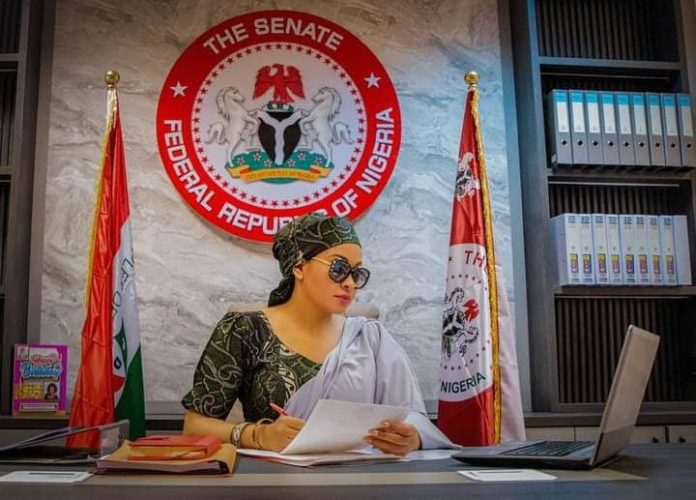
Senator representing Kogi Central, Natasha Akpoti-Uduaghan, has explained why she extended invitations to Senate President Godswill Akpabio and other lawmakers for the inauguration of constituency projects marking her second year in office, despite speculations of tension between her and the Senate leadership.
Speaking on Thursday, Akpoti-Uduaghan described the invitation as a “customary and procedural gesture,” stressing that it is standard practice for senators to notify the chamber of such events through the presiding officer.
“Today, as is customary for announcements of this nature, I wrote to the Senate through the presiding officer for the Senate President to read my invitation on the floor. I didn’t want it to seem like I was celebrating in isolation,” she said. “Even with ongoing court cases, I continue to carry out my duties in the chamber and follow due process. That notification was simply part of the procedure.”
During plenary, Senate President Akpabio read the letter, which invited senators to Kogi State for the inauguration of several completed projects as part of Akpoti-Uduaghan’s second anniversary in office.
Reflecting on her journey in the last two years, the senator expressed gratitude for overcoming challenges, including her six-month suspension from the Senate.
“Out of my two years in office, I lost six months to an illegal suspension, but I thank God that my seat was not declared vacant. Today, we are celebrating our second year with the commissioning of numerous projects — including a water project, a brand-new primary and secondary school, and two new markets across different local governments.”
She added that the celebrations would culminate in a mega empowerment programme scheduled for November 2, where over 2,000 beneficiaries would receive life-transforming equipment.
“The empowerment will include electric vehicles, deep freezers, gas cookers, cobbler kits, sewing machines, fishery ponds, and farming tools. We have a full week of project inaugurations lined up, all of which will be televised live.”
Senator Akpoti-Uduaghan also expressed appreciation to her constituents for their continued support, emphasising her determination to deliver the dividends of democracy despite previous setbacks.
“Even though I lost valuable time, I made sure my people did not feel deprived. I worked twice as hard to bring development to Kogi Central. I’m grateful to God for the strength and courage to keep serving.” She said.
The Nigeria Security and Civil Defence Corps (NSCDC) has deployed 10,250 personnel to Anambra State ahead of the November 8, 2025, governorship election, with a firm warning against electoral violence and misconduct.
Commandant-General of the Corps, Prof. Ahmed Audi, who gave the directive in Abuja, said the deployment was designed to guarantee a peaceful, credible, and transparent election process.
According to him, the personnel were drawn from tactical units at the NSCDC national headquarters, zonal formations, and state commands across the federation.
Addressing state commandants and heads of tactical units at the Corps headquarters, Audi stated that the operation was in line with the NSCDC’s mandate to support the Nigeria Police Force — the lead agency in election security — in ensuring law and order during the polls.
“With effective coordination, cooperation, and collaboration among security agencies, we can guarantee a violence-free election,” he assured.
He cautioned politicians and their supporters against making inflammatory statements or engaging in actions that could incite unrest before, during, or after the election.
“The Anambra election is scheduled for Saturday, November 8. All intelligence and undercover personnel are to immediately man identified flashpoints,” he directed. “Tactical units must commence round-the-clock patrols, while operatives deployed to polling units and collation centres must adhere strictly to their assigned duties.”
Prof. Audi reaffirmed the Corps’ commitment to professionalism, neutrality, and the protection of citizens’ rights in accordance with the resolution of the Inter-Agency Consultative Committee on Election Security (ICCES).
“The NSCDC, alongside other security agencies, will closely monitor the election process to ensure the safety of election materials, officials, and voters,” he said.
He further disclosed that the deployed personnel were drawn from the National Headquarters Tactical Squad, Zone 13 Command in Awka, as well as the state commands of Edo, Kogi, Imo, Abia, Delta, Rivers, Enugu, Ebonyi, and Bayelsa, among others.