









Home Blog Page 2

AFCON 2025: Morocco Make Winning Start As Hosts Overpower Comoros In Rabat

Tournament hosts Morocco began their 2025 Africa Cup of Nations journey with a composed 2–0 victory over Comoros on Sunday night, delighting home supporters at the newly inaugurated 69,000-seat Prince Moulay Abdellah Stadium in Rabat.

The result delivered an encouraging opening statement for the Atlas Lions, who are widely tipped to mount a serious title challenge on home soil.

Despite the comfortable scoreline, the opening exchanges were far from straightforward. Morocco controlled possession from the outset but struggled to translate dominance into clear-cut chances as Comoros remained compact and disciplined.

The first half unfolded in a cagey atmosphere, with Morocco probing patiently and Comoros showing defensive resilience. The visitors frustrated the hosts by closing spaces quickly and limiting opportunities inside the penalty area, ensuring the opening 45 minutes ended goalless.

After the break, Morocco returned with renewed urgency, and the breakthrough finally arrived ten minutes into the second half. A slick attacking move culminated in Brahim Díaz finding space inside the area and finishing confidently to give the hosts a deserved lead in the 55th minute.

The goal ignited the crowd, and Morocco began to play with greater freedom. Waves of pressure followed as Comoros struggled to cope with the hosts’ attacking tempo and technical quality.

Morocco doubled their advantage in the 74th minute when Anass El Kaabi applied the finishing touch to another well-worked move, effectively putting the contest beyond doubt.

Comoros attempted to respond late on and showed flashes of ambition, but they were unable to break through a composed Moroccan defence that managed the closing stages with professionalism.

The final whistle confirmed a solid opening-night victory for Morocco, who collected all three points and laid down an early marker in Group A.

For Comoros, the defeat serves as a reminder of the challenge ahead, with the island nation now needing to regroup quickly as they prepare for their remaining group fixtures.

AFCON 2025: South Africa Edge Angola In Group B Thriller

South Africa launched their 2025 Africa Cup of Nations campaign with a hard-fought 2–1 victory over Angola in a pulsating Group B encounter, extending Bafana Bafana’s unbeaten run to 12 matches under Hugo Broos.

Determined to assert themselves as genuine contenders, South Africa faced an Angola side still searching for their first-ever AFCON win against them. The match began at a frenetic pace, with both teams playing on the front foot.

Teboho Mokoena tested his luck early with a speculative effort from distance that drifted narrowly over, while Angola responded through Fredy, whose superb left-footed volley forced Ronwen Williams into action.

The breakthrough came in the 21st minute when Oswin Appollis cut inside from the right flank and unleashed an unstoppable right-footed drive into the bottom corner to give South Africa the lead.

However, the advantage proved fragile. Williams was called into action again, making an unconventional but effective save to deny Gelson Dala’s header following a pinpoint Fredy corner.

Angola’s persistence was rewarded before the break. From another Fredy set-piece, Show reacted quickest to slide home an improvised finish, marking his 50th international appearance with a memorable goal and levelling the contest at half-time.

Broos introduced Tshepang Moremi at the start of the second half, and the substitute almost made an immediate impact. Within six minutes, he rifled a left-footed strike past Hugo Marques, only for VAR to rule out the goal after determining that Lyle Foster had interfered from an offside position.

South Africa remained on the front foot, with Mbekezeli Mbokazi rattling the crossbar with a thunderous effort as Angola began to wobble.

The Angolans were not without their moments, though, as Maestro went close with a threatening attempt of his own. Both sides pressed for a winner, and Foster endured a moment of frustration when he blazed over from close range after a fine delivery from Moremi.

That miss was quickly forgotten. The Burnley forward redeemed himself in style by curling a sublime effort beyond Marques, sealing victory for South Africa in Marrakesh.

While Foster’s overall performance had been uneven, his moment of brilliance proved decisive in a tightly contested match.

The result gives South Africa a strong platform ahead of their next Group B showdown against seven-time champions Egypt on Boxing Day. Angola, meanwhile, will feel unfortunate to leave empty-handed and will look to bounce back when they face Zimbabwe in their next fixture.

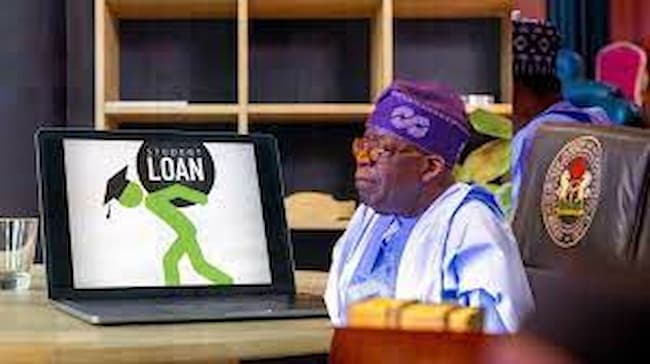
FG Disburses ₦150bn Interest-Free Student Loans To Over 788,000 Nigerians

Why Accessing Tinubu's Student Loan May Be Difficult

The Federal Government has confirmed that more than ₦150 billion has been released to Nigerian students under the Nigeria Education Loan Fund (NELFUND), benefiting at least 788,000 individuals enrolled in public tertiary institutions across the country.

The disclosure was made by the Minister of Information and National Orientation, Alhaji Mohammed Idris, during an end-of-year media briefing held in Abuja on Monday, where he presented an overview of the Tinubu administration’s performance across critical sectors of the economy.

According to the minister, education emerged as one of the strongest beneficiaries of government policy in 2025, driven by what he described as targeted, youth-focused interventions aimed at widening access to learning and skills development.

Idris said the student loan programme has played a central role in reducing financial pressure on students, particularly those from low-income households, by providing interest-free funding for tuition and living expenses.

He explained that the Nigeria Education Loan Fund has steadily scaled its operations since inception, enabling hundreds of thousands of students to remain in school without resorting to high-interest borrowing or abandoning their education due to financial constraints.

“To date, NELFUND has disbursed over ₦150 billion in interest-free loans and stipends to more than 788,000 Nigerian students, and the numbers continue to grow,” the minister stated.

Beyond the student loan initiative, Idris said the Federal Government rolled out additional programmes in 2025 to strengthen youth participation in innovation, technology, and enterprise development.

One of such interventions is the Investment in Digital and Creative Enterprises (iDICE) programme, which officially commenced operations during the year. The initiative is designed to stimulate innovation by providing structured funding support for young Nigerians operating in the digital and creative economy.

According to Idris, iDICE is anchored on a multi-million-dollar venture capital framework aimed at nurturing startups, supporting creative enterprises, and expanding Nigeria’s digital entrepreneurship ecosystem.

In a related development, the government also introduced the Student Venture Capital Grant (S-VCG) in 2025 to encourage innovation within tertiary institutions nationwide.

The minister explained that the S-VCG provides equity-free funding of up to ₦50 million to undergraduate students developing viable solutions in Science, Technology, Engineering, Mathematics, and Medicine (STEMM) disciplines within accredited Nigerian institutions.

He said the initiative is designed to commercialise ideas emerging from campuses and reposition universities and polytechnics as centres for innovation and job creation.

“With interventions like the S-VCG, we are deliberately shifting young Nigerians from being job seekers to becoming job creators by supporting innovation at the academic level,” Idris added.

Idris also highlighted progress recorded under the Three Million Technical Talent (3MTT) programme, which forms part of the administration’s strategy to build a digitally skilled workforce capable of competing globally.

He noted that the programme aligns with Nigeria’s long-term ambition of developing Africa’s largest pool of technical and digital professionals, while addressing unemployment among young people.

The Nigeria Education Loan Fund was established to administer the Nigeria Student Loan Scheme, which was signed into law by President Bola Tinubu in April 2024.

The scheme offers interest-free loans to students in public tertiary institutions, covering tuition and essential living costs. Applications opened in May 2024 as part of broader efforts to eliminate financial barriers to higher education.

Under the programme’s framework, beneficiaries are required to begin repayment only after completing their studies and securing employment, a structure designed to ensure long-term sustainability and allow future students to benefit from the revolving fund.

Naira Strengthens To ₦1,456/$ At Official FX Window As CBN Interventions Ease Pressure

Federation Account Amasses Over ₦5trn In 6months- RMAFC

The naira strengthened against the United States dollar at the official foreign exchange window on Monday, supported by improved dollar liquidity following recent interventions by the Central Bank of Nigeria (CBN).

Data from the CBN showed that the local currency appreciated by 0.54 percent to close at ₦1,456.56 per dollar, as FX demand pressures moderated across the market.

Currency traders attributed the improvement to dollar sales conducted by the apex bank last week, during which the CBN injected $150 million into the market through authorised dealers and deposit money banks to address rising FX demand.

During Monday’s trading session, the naira traded as strong as ₦1,466 per dollar at the intraday high, improving on the ₦1,469 level recorded at the previous close on Friday. The reduced pressure on demand also allowed some foreign transactions to be executed at an intraday low of ₦1,431, compared with approximately ₦1,460 at the same point in the prior session.

Foreign exchange dealers disclosed that additional CBN dollar sales, not yet fully captured in official data, contributed to stabilising the spot FX rate ahead of anticipated year-end demand.

The improved sentiment extended to the parallel market, where the naira strengthened to ₦1,466 per dollar, reflecting easing pressures across both the official and informal FX segments.

Meanwhile, Nigeria’s external reserves recorded a marginal increase despite recent outflows related to foreign payment obligations. Gross external reserves rose to $45.216 billion from $45.209 billion, providing modest support amid ongoing volatility in global oil markets.

Crude oil prices climbed during the session following heightened geopolitical tensions. Prices rose after the United States intercepted a third oil tanker off the coast of Venezuela, while President Donald Trump announced a “total and complete” blockade on sanctioned Venezuelan oil shipments. In addition, Ukraine launched a drone strike on a Russian shadow fleet vessel operating in the Mediterranean.

Venezuela accounts for approximately 1 percent of global oil supply. Brent crude for February delivery rose by 2 percent to $61.68 per barrel as of 12:24 pm Eastern Time, while U.S. West Texas Intermediate crude for January delivery gained 2.03 percent to trade at $57.67 per barrel.

Nigerian Stock Market Adds ₦256bn As Investor Confidence Improves Ahead Of Earnings Season

Stock Exchange Closes Trading Week With N30bn Gain

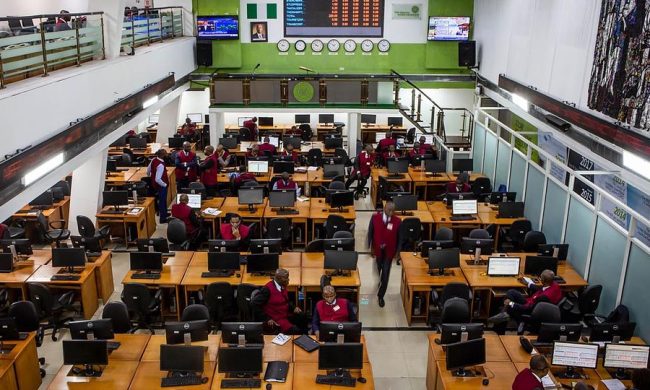
Equities on the Nigerian Exchange (NGX) closed Monday’s trading session on a positive note as renewed buying interest across select stocks boosted market capitalisation by approximately ₦256 billion, reflecting improved investor confidence ahead of the fourth-quarter earnings season.

The benchmark NGX All-Share Index sustained its upward momentum, rising by 0.26 percent to close at 152,459.07 points, as bargain hunting persisted across key sectors of the market.

As a result of the day’s gains, total market capitalisation increased to ₦97.19 trillion, up from the previous session, driven largely by portfolio rebalancing activities as investors positioned ahead of year-end and early 2026 corporate earnings releases.

Market analysts attributed the positive close to strong demand for selected consumer, industrial, and financial stocks. BUACEMENT appreciated by 2.35 percent, while International Breweries rose by 4.17 percent. FIRSTHOLDCO also closed higher with a 2.34 percent gain, offsetting losses recorded in a handful of heavyweight stocks.

On the losing side, United Bank for Africa declined by 2.50 percent, while Custodian Investment fell by the maximum allowable 10 percent during the session.

Market breadth closed positive, with 34 stocks recording gains compared to 19 decliners, translating to a ratio of 1.7 to 1. ALEX led the gainers’ table with a 9.72 percent rise, while ABC Transport and Custodian Investment topped the losers’ chart after shedding 10 percent each.

Despite the positive price movement, trading activity slowed considerably. Total volume traded fell by 70 percent to 451.5 million shares, while transaction value declined by 40.3 percent to ₦13.0 billion.

Tantalizers led the market by volume, accounting for 50.2 million units or 11.1 percent of total shares traded. In value terms, Aradel Holdings dominated with trades worth ₦1.5 billion, representing 11.6 percent of the total value exchanged.

Sectoral performance closed mixed, with three of the six major indices ending in positive territory. The Industrial Goods Index rose by 0.91 percent, supported by gains in BUACEMENT, while the Consumer Goods Index advanced by 0.50 percent following price appreciation in International Breweries.

The Commodity Index edged up by 0.14 percent on the back of buying interest in Presco, which gained 1.40 percent. Conversely, selloffs in NEM Insurance and UBA weighed on the Insurance Index, which declined by 0.54 percent, and the Banking Index, which slipped by 0.04 percent. The Oil and Gas Index closed flat.

Dangote Refinery Launches Hotline To Curb Petrol Overpricing At MRS Stations

Dangote Petroleum Refinery has launched a nationwide toll-free hotline to enable consumers report MRS Oil Nigeria Plc filling stations selling petrol above the approved pump price of ₦739 per litre.

The refinery said the dedicated line — 0800 123 5264 — is open to members of the public to report pricing infractions at MRS outlets across the country. MRS is among the major marketers retailing Premium Motor Spirit (PMS) supplied by the Dangote Refinery.

The initiative follows the refinery’s recent rollout of nationwide petrol sales at ₦739 per litre, a pricing policy it said was designed to moderate fuel costs, enhance market stability and offer relief to Nigerians, particularly during the festive season.

In a statement, the refinery urged consumers to refrain from purchasing petrol above the approved price where locally refined fuel is available at a lower cost.

“We encourage Nigerians to report any MRS station selling PMS above ₦739 per litre,” the company said, noting that the hotline is part of broader efforts to promote transparency, accountability and consumer protection in the downstream petroleum sector.

Dangote Refinery assured Nigerians of its capacity to sustain nationwide supply, citing a daily production capability of about 50 million litres. It also warned marketers against exploiting the price reduction through artificial scarcity or other sharp practices.

The company further called on relevant regulatory agencies to intensify monitoring and ensure strict compliance, urging appropriate sanctions against marketers found violating pricing guidelines.

Industry analysts say the refinery’s intervention could significantly reduce Nigeria’s reliance on imported fuel and ease pressure on foreign exchange, though they stress that effective enforcement remains critical to achieving full compliance at retail outlets.

Consumers were advised to remain vigilant, report suspected violations through the hotline and resist purchasing petrol above the approved price.

Kogi Polytechnic Dismisses Staff Over Sexual Assault, Absenteeism

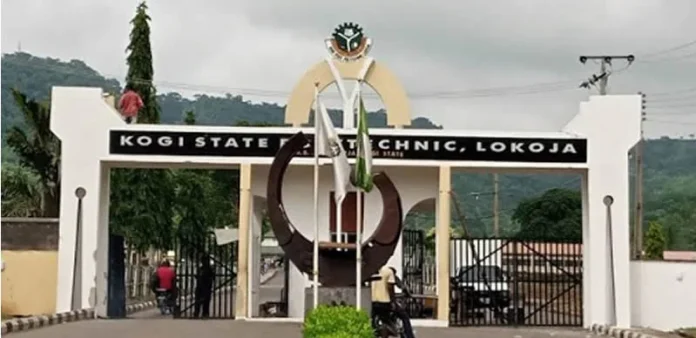
The Governing Council of Kogi State Polytechnic, Lokoja, has approved the dismissal of two staff members over acts of gross misconduct, disciplinary breaches and dereliction of duty.

The affected officers are Mr Mukhtar Muhammed, an Administrative Officer II, whose appointment was terminated for sexual molestation, and Mrs Funmilayo Afolabi, an Assistant Chief Executive Officer, who was dismissed after absconding from duty for nine months.

The decisions were taken at the 72nd regular meeting of the institution’s Governing Council, held on Friday at the council chamber and presided over by its chairman, Alhaji Sani Shaibu.

In a statement issued by the Polytechnic’s Director of Public Relations and Protocol, Mr Uredo Omale, the council also approved the demotion of Mr Audu Mathew, a Deputy Registrar, to the rank of Principal Assistant Registrar for negligence of duty.

Meanwhile, the council approved the promotion of 572 teaching and non-teaching staff across various cadres, including the elevation of 11 Principal Lecturers to the rank of Chief Lecturer.

According to the statement, 49 academic staff and 71 non-teaching staff were promoted in the 2024 promotion exercise, while 225 academic and 227 non-teaching staff were cleared for promotion in the 2025 cycle.

Commending the institution’s management for upholding discipline, transparency and academic integrity, Shaibu warned that the council would not tolerate any conduct capable of undermining the standards and reputation of the polytechnic.

He urged staff to adhere strictly to established rules, regulations and professional ethics, assuring them of the council’s continued support to reposition Kogi State Polytechnic as a centre of excellence.

In his address, the Rector, Prof. Salisu Usman, expressed appreciation to the council members for their commitment to the growth, stability and effective governance of the institution.

Usman highlighted recent achievements, including the timely release of students’ results, improved campus security, the payment of Earned Academic Allowances to staff of the School of Management Studies and the School of Applied Sciences, as well as the provision of a new borehole to enhance water supply on campus.

He also briefed the council on the uncovering of a result forgery syndicate involving one Mr Henry Tope, who was allegedly found in possession of 30 forged statements of results and an original certificate bearing the polytechnic’s insignia.

In addition, the rector announced the appointment of Mrs Glory Ojochogwu Yakubu, Deputy Registrar (Senior Establishment), as the substantive Registrar of the Confluence University of Science and Technology, Osara.

Usman further lauded the Kogi State Governor, Alhaji Usman Ododo, for creating an enabling environment that has promoted academic stability, infrastructural development and overall institutional progress.

Firm Donates Police Outpost To Strengthen Security In Rivers Community

An energy firm, Solewant Group, has donated a fully equipped police outpost to the Nigeria Police Force (NPF) in Alode community, Eleme Local Government Area of Rivers State, as part of efforts to enhance security and improve crime response in the area.

The outpost, located close to the company’s industrial park and adjoining residential neighbourhoods, is expected to bring policing services closer to residents, promote peace and safety, and enable swift response to security threats.

Speaking during the handover ceremony, the Group Managing Director and Chief Executive Officer of Solewant Group, Mr Solomon Ewanehi, said the initiative reflects the company’s commitment to safeguarding lives, property, employees and host communities.

Ewanehi described insecurity as a global challenge and reaffirmed the firm’s resolve to prioritise safety, noting that a secure environment is critical to productivity and sustainable development.

“A safe community is a productive community. This understanding informed our decision to proactively support law enforcement agencies in strengthening security within our host communities,” he said.

He acknowledged Nigeria’s persistent security challenges, citing the prevalence of banditry, kidnapping and robbery, but expressed confidence that with adequate resources, commitment and collaboration, crime could be significantly reduced.

Ewanehi also appreciated the Inspector-General of Police, Mr Kayode Egbetokun, for approving the establishment of the police outpost.

In his remarks, the Rivers State Commissioner of Police, Mr Olugbenga Adepoju, commended Solewant Group for the gesture, describing it as a significant contribution to community security and a boost to the morale of residents.

Similarly, the Area Commander, Eleme Area Command, ACP Opeyemi Olufunke, who spoke through the commissioner, urged other corporate organisations to emulate Solewant Group by supporting the police in addressing insecurity.

The commissioner further called on residents to embrace the initiative and cooperate with security agencies in the fight against crime.

Also speaking, the Youth President of Alode community, Mr Dickson Igwe, said the presence of the police outpost would significantly improve the confidence and morale of residents, particularly farmers, who had faced security concerns in recent times.

NAFDAC Says Indomie Vegetable Flavour Recalled In France Not Sold In Nigeria

NAFDAC
NAFDAC

The National Agency for Food and Drug Administration and Control (NAFDAC) has clarified that the Indomie Vegetable Flavour noodles recently recalled in France are neither produced in Nigeria nor authorised for sale in the country.

The clarification was contained in a statement issued on Monday by the Director-General and Chief Executive Officer of NAFDAC, Prof. Mojisola Adeyeye, following reports of the product’s recall by French authorities.

French consumer safety agency, Rappel Conso, had ordered the recall of the product over the presence of undeclared allergens, including milk and eggs, which could pose serious health risks to consumers with allergies or food intolerances.

NAFDAC stressed that the recalled noodles do not originate from Nigeria and are not registered by the agency for distribution in the Nigerian market. It further noted that noodles are listed on the Federal Government’s Import Prohibition List, making their importation into the country illegal.

In the statement, the agency disclosed that it has intensified nationwide surveillance to prevent the recalled product from entering Nigeria. All zonal directors, state coordinators and officers of the Ports Inspection Directorate have been placed on high alert to intercept the product should it be found anywhere within the country.

“NAFDAC has noted the recall of Indomie Noodles Vegetable Flavour by French authorities due to the presence of undeclared allergens, namely milk and eggs, which may pose health risks to consumers with allergies or intolerances,” the statement read in part.

“The agency wishes to clarify that the recalled product does not originate from Nigeria and is not registered by NAFDAC for sale in the Nigerian market. Furthermore, noodles are included on the Federal Government’s Import Prohibition List, making their importation unlawful and significantly reducing the likelihood of the affected product entering the country.”

NAFDAC reaffirmed that only noodle products duly registered by the agency are permitted for sale in Nigeria, adding that such products comply with Good Manufacturing Practice (GMP) standards and undergo routine quality and safety checks.

The agency advised consumers to remain vigilant, avoid unregistered or unlabelled food products, and promptly report any suspected sale or distribution of the recalled noodles. Members of the public were also encouraged to report adverse reactions through NAFDAC’s toll-free line, 0800-162-3322, or via its official online reporting platforms.

Prof. Adeyeye reiterated NAFDAC’s commitment to safeguarding public health and ensuring that all food products available in Nigeria meet strict safety and quality standards.

She added that the clarification was necessary to prevent misinformation and public anxiety, given the popularity of noodles as a staple food in many Nigerian households.

In recent months, NAFDAC has intensified regulatory enforcement efforts, including the withdrawal, suspension or cancellation of 101 pharmaceutical products, exposure of falsified batches of Postinor-2, identification of banned food items on the import prohibition list, and the destruction of counterfeit products. The agency also continues to carry out routine inspections and public awareness campaigns to protect consumers and uphold food and drug safety nationwide.

CBN Raises ₦1.7trn From Oversubscribed OMO Auction As Liquidity Pressures Persist

The Central Bank of Nigeria (CBN) raised ₦1.7 trillion from its open market operations conducted on Monday, following strong investor demand that significantly exceeded the amount initially offered.

The OMO auction was held ahead of an expected ₦1.04 trillion inflow from the maturity of OMO bills scheduled for December 23, 2025. In a bid to partially replace the maturing securities, the apex bank offered ₦600 billion across short- and medium-term tenors.

Market liquidity remained elevated, estimated at about ₦2.6 trillion, driven by anticipated inflows including ₦281.53 billion from Treasury bills maturing on December 25, 2025, and ₦354.46 billion in bond coupon payments from the June 2032, June 2033, June 2038, and June 2053 Federal Government bonds.

The CBN’s offer comprised ₦300 billion each of 162-day and 211-day OMO bills. Demand was strong, with total subscriptions reaching approximately ₦2.4 trillion, as foreign portfolio investors and domestic banks continued to show strong appetite for naira-denominated assets.

Following the auction, the apex bank allotted about ₦1.7 trillion across the two tenors, with stop rates settling at 19.38 percent for the 162-day bill and 19.42 percent for the 211-day instrument, according to the auction results.

In the secondary market, Nigerian Treasury bills closed on a mildly bullish note as yields declined across most maturities. The December 17 paper recorded the sharpest movement, with yields falling by 13 basis points.

Overall, average yields across the Treasury bills curve declined by 3 basis points to close at 17.72 percent, reflecting sustained demand and expectations of continued liquidity management by the monetary authority.

Corruption, Not Religion Or Ethnicity, Drives Insecurity In Nigeria — EFCC

The Executive Chairman of the Economic and Financial Crimes Commission (EFCC), Mr Ola Olukoyede, has identified corruption as the primary driver of insecurity in Nigeria, asserting that issues such as religion and ethnicity merely mask the deeper problem.

Olukoyede made the remarks while presenting a paper titled “Corruption, National Security and Economic Prosperity” at the Annual Lecture Series of the Nigeria Air Force Officers Mess Honourary Members’ Forum (NAFOM-HMF) in Lagos.

Speaking through the EFCC Director of Public Affairs, Commander CE Wilson Uwujaren, Olukoyede emphasised that poor accountability in the management of public and private resources has entrenched corruption across the country.

While acknowledging that religious extremism, ethnic rivalries and agitation for self-determination are often cited as causes of insecurity, he stressed that “the real elephant in the room is corruption.”

According to him, corruption exacerbates insecurity when funds intended for security operations are stolen or when resources meant for poverty reduction are diverted by members of the ruling elite. He specifically criticised the abuse of security votes, describing them as opaque channels for siphoning public funds, citing the prosecution of a former governor over the alleged diversion of more than ₦4 billion in security allocations.

Olukoyede highlighted the EFCC’s role in supporting the fight against terrorism and violent extremism through non-kinetic measures, including tracking illicit financial flows, monitoring designated non-financial institutions and Bureau De Change operators, and preventing money laundering.

He further stated that the Commission monitors local and international non-governmental organisations in the North-East to prevent them from being exploited as fronts for subversive activities. The EFCC also collaborates with anti-corruption agencies in West Africa under the Network of Anti-Corruption Institutions in West Africa (NACIWA).

The EFCC chairman noted that the Commission’s asset recovery efforts have contributed to Nigeria’s economic recovery, with portions of recovered funds channelled into social intervention programmes such as students’ loans and consumer credit schemes.

He added that the Commission has supported economic stability by combating currency racketeering, naira mutilation and illegal foreign exchange trading — measures that, he said, helped ease pressure on the national currency.

Olukoyede also disclosed that, upon assuming office, the EFCC adopted a policy of not shutting down businesses under investigation to preserve jobs and livelihoods amid economic turbulence.

The EFCC’s Head of Media and Publicity, Mr Dele Oyewale, stated on Monday that Dr Goke T. Akinrogun, Chairman of NAFOM-HMF, commended Olukoyede for the lecture, while the Chief Host, Air Commodore Ewejide Akintunde, praised the organisers for sustaining the annual forum.

FG Designates Kidnappers, Bandits As Terrorists

The Federal Government has officially designated kidnappers and violent armed groups as terrorists, marking a significant escalation in Nigeria’s response to abductions, attacks on farmers and persistent community violence across the country.

The announcement was made on Monday by the Minister of Information and National Orientation, Mr Mohammed Idris, during an end-of-year press briefing in Abuja.

Idris said the new classification signals a decisive shift from treating mass kidnappings and rural attacks as conventional crimes to confronting them through full-scale counterterrorism measures.

“Henceforth, any armed group or individual that kidnaps our children, attacks our farmers and terrorises our communities is officially classified and will be dealt with as a terrorist,” the minister said.

He added: “The era of ambiguous nomenclature is over. If you terrorise our people, whether as a group or an individual, you are a terrorist and will be classified as such. There will be no hiding under any other name.”

According to the minister, the policy will strengthen intelligence sharing and operational coordination among security agencies, enabling faster, more decisive and unified action against criminal networks.

Idris noted that improved inter-agency collaboration had already yielded tangible results, revealing that in 2025 alone, two of the most internationally wanted criminals were apprehended through coordinated security operations.

As part of efforts to secure vulnerable rural areas, the minister also announced the deployment of trained and fully equipped forest guards. He said the personnel would combine surveillance, local intelligence and rapid-response capabilities to secure forests and remote locations often used as hideouts by criminal groups.

By formally classifying kidnappers and bandits as terrorists, the government, he said, is signalling zero tolerance for abductions and rural violence, while expanding the legal and operational powers available to security forces.

The forest guard initiative, Idris explained, is expected to disrupt criminal supply routes, dismantle camps and restore confidence among farming communities severely affected by insecurity.

Highlighting recent security successes, the minister disclosed the arrest of a senior Islamic State West Africa Province (ISWAP) leader residing in Nigeria, described as one of the most wanted terrorists on the African continent and a target of a substantial bounty placed by the United States.

“The ISWAP leader residing in Nigeria has been captured through the coordination of all security agencies and the intelligence community,” Idris said.

“Recall that Abu Barra was also captured a few months ago and presented to the public by the National Security Adviser and other security chiefs. These arrests demonstrate what coordinated security efforts can achieve.

“This individual had a significant bounty placed on his head by the Americans, and today, together with his chief of staff, he is undergoing trial and will face justice accordingly,” he added.

Sanwo-Olu Swears In Abdul-Ganiyu Obasa As Agege LG Chairman

Lagos State Governor, Mr Babajide Sanwo-Olu, on Monday swore in Abdul-Ganiyu Obasa as the substantive Chairman of Agege Local Government Area, charging him to prioritise grassroots development and align his administration with the state’s development agenda.

The swearing-in ceremony, which also featured the inauguration of Mrs Toyin Adejimiwa as a Permanent Secretary, took place at Lagos House, Ikeja.

Obasa, who is the son of the Speaker of the Lagos State House of Assembly, Mr Mudashiru Obasa, had been serving as Acting Chairman of Agege Local Government prior to his confirmation and formal inauguration.

Addressing the newly sworn-in officials, Governor Sanwo-Olu described local government as the tier of government closest to the people, emphasising the need for visible, responsive and compassionate leadership at the grassroots level.

He urged the Agege council chairman to govern inclusively, shun divisive tendencies and focus on delivering measurable and people-oriented outcomes, noting that discipline, performance and accountability remained the benchmarks for leadership and advancement in Lagos State.

The governor also acknowledged the presence of retired permanent secretaries at the event, describing them as exemplary public servants whose legacies continued to inspire professionalism within the state’s civil service.

Sanwo-Olu congratulated Adejimiwa and Obasa on behalf of the government and people of Lagos State, expressing confidence that they would justify the trust reposed in them and contribute meaningfully to the state’s development.

In their separate remarks, Adejimiwa and Obasa expressed gratitude to the governor for the confidence placed in them, pledging to uphold the core values, standards and traditions of excellence associated with public service in Lagos State.

Obasa’s emergence as substantive chairman followed the resignation of the former council chairman, Mr Tunde Azeez, who stepped down due to prolonged health challenges. His resignation letter was read during plenary at the Agege Council Chamber, after which councillors unanimously confirmed Obasa, who had been acting in the capacity.

It would be recalled that Obasa had earlier indicated interest in contesting the chairmanship ahead of the 2025 local government elections but was initially dropped amid opposition to his candidacy.

Experts Urge Tinubu To Clamp Down On Illegal Mining In North

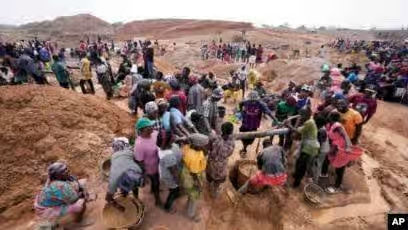
A group of Nigerian security experts has called on President Bola Ahmed Tinubu to take decisive action against illegal mining activities in Zamfara State and other parts of northern Nigeria, warning that the practice remains a major driver of insecurity and banditry in the region.

The experts, operating under the platform of the Arewa Patriotic Neighbourhood Watch (APNW), made the call during a media briefing following a one-day security retreat held in Jos, Plateau State. They cited several investigative reports which, according to them, suggest the involvement of influential individuals in sustaining illegal mining operations, a development they said requires urgent scrutiny by relevant authorities.

APNW Convener, Dr Danlami Shehu, said the persistence of illegal mining continues to undermine security efforts aimed at ending banditry, as proceeds from the illicit activity provide a reliable source of funding for armed groups.

He explained that bandits often offer protection for illegal mining sites, creating safe havens that restrict access for security agencies and complicate efforts to dismantle criminal networks.

“Illegal gold mining has repeatedly been identified as a major factor fuelling insecurity in Zamfara and parts of the North-West. As long as these activities are allowed to continue unchecked, banditry will remain resilient,” Shehu said.

He recalled that the Federal Government, in April 2019, imposed a ban on mining activities in Zamfara State after establishing a strong link between illegal mining and armed violence. According to him, although several security operations were launched to dismantle criminal networks around mining locations, weak enforcement has allowed the practice to persist.

Shehu added that reports by both local and international research institutions have consistently linked proceeds from illegal mining to the procurement of arms by criminal groups, thereby worsening violence and instability in affected communities.

Also speaking, APNW Assistant Secretary, Alhaji Yusuf Ahmed, a native of Zamfara State, decried the socio-economic and environmental consequences of illegal mining on host communities.

Ahmed said unregulated mining has not only heightened insecurity but has also resulted in severe environmental degradation, public health challenges and significant economic losses to the state and the nation.

He recalled the 2010 lead poisoning crisis in parts of Zamfara, which claimed the lives of hundreds of people, mostly children, and was traced to unsafe artisanal mining practices.

“Our communities are still grappling with the consequences of years of illegal mining, from serious health challenges to the loss of livelihoods. This is why decisive and sustained government action is imperative,” Ahmed said.

The group urged the Tinubu administration to strengthen the enforcement of mining regulations, intensify intelligence-driven security operations around mining sites, and deepen collaboration between security agencies and host communities.

They expressed optimism that a renewed and coordinated clampdown on illegal mining would significantly weaken banditry and help restore peace and stability in Zamfara State and the wider North-West region.

Lawmakers May Suspend January 2026 Rollout Of Tax Reform Laws Over Alleged Alterations — Oyedele

Chairman of the Presidential Fiscal Policy and Tax Reforms Committee, Mr Taiwo Oyedele, has said the National Assembly has the constitutional authority to suspend the planned January 2026 implementation of Nigeria’s tax reform laws amid allegations that parts of the legislation were altered after passage.

Oyedele made the disclosure on Monday during an interview on Channels Television while responding to claims that sections of the tax laws, as recently gazetted, differ from the versions passed by the National Assembly.

He noted that even before the allegations of alteration surfaced, there had been increasing calls from some quarters for the suspension of the reforms, adding that opposition to the new tax framework has largely been driven by misinformation and fear rather than the substance of the laws.

According to Oyedele, any decision to delay or suspend the implementation of the reforms falls outside the mandate of the tax reform committee and rests solely with lawmakers.

“If we even want to postpone the implementation of the law, it has to be the lawmakers. That’s far beyond my pay grade,” he said. “That decision has to be made, and I believe it will depend on what their findings from this investigation reveal.”

However, he cautioned that halting the reforms would mean retaining a tax system that disproportionately burdens low-income earners and small businesses. Oyedele said the current framework leaves about 98 per cent of workers overtaxed, while small businesses continue to grapple with multiple taxation without benefiting from meaningful exemptions.

He added that suspending the reforms would allow minimum taxes to continue to apply to low-income earners and non-profitable businesses, while the existing value-added tax regime would keep driving up the cost of basic consumption, including food, healthcare and education. At the same time, he said, wasteful and distortionary tax incentives would remain in place.

“So we need to be clear about what we are asking for,” Oyedele said, stressing that calls for suspension must be weighed against the economic and social costs of maintaining the status quo.

On the way forward, Oyedele said that even if investigations confirm that substantial alterations were introduced after the laws were passed, such provisions should be isolated and treated as invalid.

He explained that his preferred approach would be to implement the laws as duly passed by the National Assembly, while separately investigating how the disputed provisions were introduced and determining appropriate corrective actions.

Oyedele also accused vested interests of mobilising unsuspecting Nigerians against reforms designed to benefit the wider population through the spread of fear and misinformation.

Addressing the possible source of the alleged discrepancies, he attributed them to systemic weaknesses and heavy reliance on manual processes throughout the legislative and executive workflow. He noted that bills undergo several stages — including note-taking during debates, harmonisation between the House of Representatives and the Senate, legal review by the Ministry of Justice, presidential assent and eventual gazetting — all of which involve manual handling.

According to him, the absence of robust quality assurance mechanisms at these stages creates room for errors or unintended changes, not only in the tax laws but in legislation generally.

Oyedele said the controversy should be seen as an opportunity to strengthen Nigeria’s lawmaking and gazetting processes, ensuring that laws passed by the National Assembly accurately reflect legislative intent and are not tampered with.

The controversy followed concerns raised last week by a member of the House of Representatives, Hon. Abdulsammad Dasuki (PDP, Sokoto), who alleged discrepancies between the newly gazetted tax reform laws and the versions approved by the National Assembly.

Dasuki said a comparison of the House and Senate proceedings, the harmonised bills and the gazetted copies revealed material differences, prompting the House to promise an investigation. The development has intensified calls for the suspension of the implementation of the tax reform laws scheduled to take effect in January 2026.

FG Clears Pension Arrears Dating Back To 2007, Pencom Says

‎The National Pension Commission (PenCom) has announced a significant development: for the first time since 2007, the long-standing pension arrears owed to retirees under the Contributory Pension Scheme have been cleared.

This milestone was achieved following the issuance and disbursement of a ₦758 billion Federal Government bond, marking a crucial step in supporting retirees and ensuring financial security for those who have dedicated their careers to public service.

The Director General of PenCom, Mrs Omolola Oloworaran, disclosed this during a media briefing at the 2025 Pension Revolution Summit, where the Commission presented its 365-day scorecard.

‎She explained that the bond was approved to settle accumulated unpaid accrued pension rights owed to retirees of federally funded ministries, departments and agencies, a situation that had resulted in delays of up to 21 months in benefit payments.

According to Oloworaran, the clearance of arrears has reduced the backlog of unpaid benefits to zero, ensuring that retirees now receive their pensions on time, with many paid within the same month of retirement.

‎Beyond eliminating payment delays, the Director General said the intervention also enabled payment of pension increases that had remained outstanding since 2007, describing the development as a significant improvement in retiree welfare and confidence in the pension system.

‎She noted that the reforms were supported by broader improvements across the pension industry, including growth in pension assets under management to over ₦26 trillion, with funds invested in line with regulatory guidelines to protect contributors’ savings while supporting economic development.

‎Oloworaran added that participation in the Contributory Pension Scheme has expanded to more than 10 million workers nationwide, with hundreds of thousands of retirees currently receiving benefits.

‎As part of efforts to further enhance retiree welfare, she said PenCom launched Pension Boost 1.0 in May 2025, increasing monthly pension payments for over 233,000 retirees and introducing a zero-waiting-time policy to ensure benefits are paid immediately upon retirement.

‎To sustain these gains, the Director General said the Commission automated key processes, including the online issuance of pension clearance certificates and the pension contribution remittance system, to ease compliance for employers and strengthen transparency.

‎She also said PenCom empowered accredited recovery agents to pursue outstanding pension contributions from defaulting employers, adding that collaborations with enforcement agencies were intensified to improve compliance with pension laws.

‎In addition, Oloworaran said benefit approval powers were delegated to Pension Fund Administrators to further reduce delays and accelerate the processing and payment of retirement benefits.

‎She said the reforms were aimed at strengthening the integrity of the pension system, expanding coverage and ensuring sustainable retirement security for Nigerian workers.

FG Declares Public Holidays For Christmas, New Year

The Federal Government has declared Thursday, December 25, and Friday, December 26, 2025, as public holidays to mark Christmas and Boxing Day, respectively. It has also declared Thursday, January 1, 2026, as a public holiday for the New Year celebration.

The announcement was made in a statement issued on Monday by the Permanent Secretary, Ministry of Interior, Dr Magdalene Ajani, on behalf of the Minister of Interior, Dr Olubunmi Tunji-Ojo.

According to the statement, the minister urged Nigerians to reflect on the enduring values of love, peace, humility and sacrifice exemplified by the birth of Jesus Christ. He also called on citizens, irrespective of faith or ethnicity, to use the festive season to pray for peace, improved security and national progress.

Tunji-Ojo further advised Nigerians to remain law-abiding and security-conscious throughout the celebrations, while extending warm wishes for a joyful Christmas and a prosperous New Year.

The statement read in part: “The Federal Government has declared Thursday, 25th December 2025; Friday, 26th December 2025; and Thursday, 1st January 2026 as public holidays to mark the Christmas, Boxing Day, and New Year celebrations respectively.

“The Minister of Interior, Dr Olubunmi Tunji-Ojo, who made the declaration on behalf of the Federal Government, extended warm Christmas and New Year felicitations to Christians in Nigeria and across the world, as well as to all Nigerians as they celebrate the end of the year and the beginning of a new one.

“The Christmas season and the New Year present an opportunity for Nigerians to strengthen the bonds of unity, show compassion to one another, and renew our collective commitment to nation-building.

“The Minister wishes all Nigerians a Merry Christmas and a prosperous New Year.”

FG, US Sign $5.1bn Agreement To Deepen Bilateral Health Cooperation

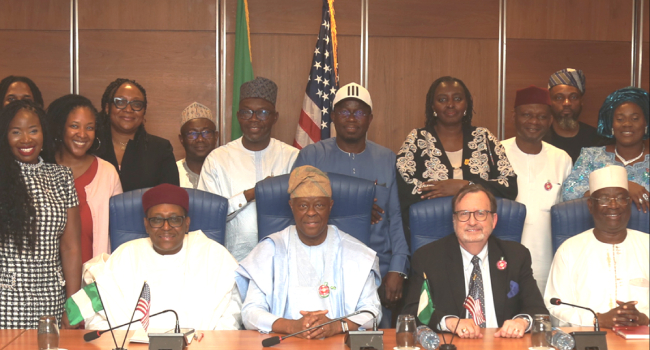
The Federal Government of Nigeria and the United States Government have signed a five-year, $5.1 billion Memorandum of Understanding (MoU) on bilateral health cooperation aimed at strengthening Nigeria’s health system and advancing the America First Global Health Strategy.

The agreement, signed on December 19, seeks to support resilient, self-reliant and sustainable health systems, while promoting accountability and shared responsibility between both countries.

Details of the partnership were disclosed in a statement titled “Strengthening U.S.-Nigerian Health Cooperation under the America First Global Health Strategy”, issued by the United States Mission in Nigeria on Sunday.

According to the statement, the United States plans to commit nearly $2.1 billion in health assistance over the five-year period, while the Government of Nigeria is expected to invest approximately $3.0 billion in new domestic health expenditures within the same timeframe.

The US Mission described the agreement as the largest co-investment made by any country under the America First Global Health Strategy, noting that it reflects Nigeria’s growing commitment to national ownership and financing of its health system.

Under the MoU, the United States will continue to support disease surveillance and outbreak response, laboratory systems, health commodities, frontline healthcare workers and health data systems. Nigeria continues to face major health challenges, including one of the world’s highest maternal and child mortality rates and an estimated 30 per cent of the global malaria burden.

The agreement is also expected to expand access to affordable preventive and curative services for HIV/AIDS, tuberculosis, malaria, polio, and maternal and child health, with the aim of improving health outcomes nationwide.

A key component of the MoU is its emphasis on Christian faith-based healthcare providers, which the US Mission described as critical to healthcare delivery in underserved communities. Nigeria has more than 900 faith-based clinics and hospitals, which collectively serve over 30 per cent of the country’s estimated 230 million population, particularly in areas with limited or no public health facilities.

The MoU earmarks about $200 million to strengthen these facilities, enhance workforce capacity and expand access to integrated services for HIV, TB, malaria, and maternal and child health. The statement noted that investments in faith-based health institutions are expected to complement public-sector services and reinforce Nigeria’s overall health infrastructure.

The US Mission added that the agreement was negotiated alongside reforms by the Nigerian government aimed at protecting Christian populations from extremist violence. It further noted that, as with all US foreign assistance, the US President and Secretary of State retain the authority to pause or terminate programmes that do not align with US national interests, stressing expectations for continued progress in addressing religiously motivated violence.

The agreement is the latest in a series of health cooperation MoUs signed across Africa this month, as the United States continues to pursue multi-year bilateral health agreements with partner countries.

Nigeria continues to grapple with a high burden of infectious diseases, including malaria, HIV/AIDS, tuberculosis, cholera and Lassa fever, alongside a rising incidence of non-communicable diseases such as cardiovascular conditions, diabetes and cancer. The challenges are compounded by weak health infrastructure, funding gaps, workforce shortages, poor sanitation, malnutrition and high out-of-pocket healthcare costs.

Meanwhile, the Federal Government says it is advancing health sector reforms to improve service delivery and outcomes. The Coordinating Minister of Health and Social Welfare, Prof. Muhammad Pate, recently acknowledged that funding constraints remain a major challenge but said the administration is scaling up investments in health infrastructure, human resources, vaccines and essential commodities as part of President Bola Tinubu’s Renewed Hope Agenda.

CAF Unveils Annual African Nations League

The Confederation of African Football (CAF) has announced the launch of the African Nations League, a new annual competition aimed at providing a consistent, high-level platform for the continent’s senior national teams and elite players.

The competition, unveiled on Monday, is designed to guarantee regular world-class international football for African nations, while expanding opportunities for players to showcase their talents on a continental stage.

In a statement posted on its official X handle, CAF said the new league underscores its commitment to hosting a top-tier senior national team competition every year. “CAF launches the exciting new African Nations League and guarantees that CAF will host, every year, a world-class Senior National Team Competition in which the best African players will participate,” the statement read.

According to the continental football body, the African Nations League will strengthen the competitive structure of international football in Africa by ensuring frequent, meaningful matches, promoting player development and enhancing fan engagement across the continent.

CAF added that the annual nature of the competition would provide continuity for national teams, improve technical standards, and create sustainable value for member associations.

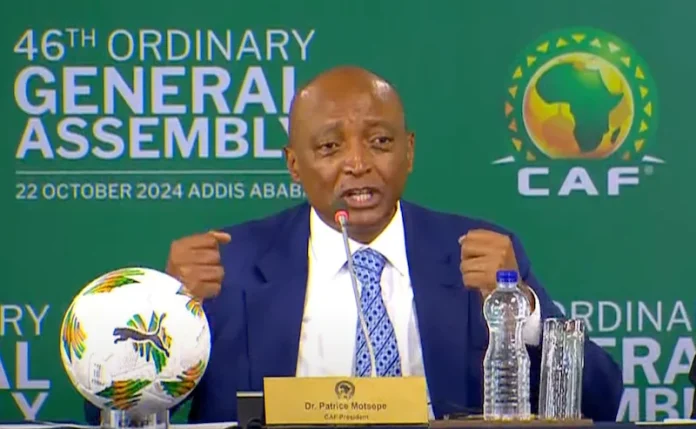
The launch comes amid broader reforms in African football. CAF President, Patrice Motsepe, recently announced that the Africa Cup of Nations (AFCON) will revert to a four-year cycle after the 2028 edition, marking a significant shift from the tournament’s current biennial format.

The introduction of the African Nations League is expected to complement the revised AFCON calendar and further elevate the global profile of African football.

Italy Slaps Apple With €98 Million Fine Over App Privacy Rules

Apple Gains More Smartphone Users Than Samsung

Italy’s competition authority has fined Apple €98 million ($115 million) for allegedly abusing its dominant position in the mobile app market, marking the latest regulatory challenge for the US tech giant in Europe.

The Autorità Garante della Concorrenza e del Mercato (AGCM) said its investigation found that Apple imposed “restrictive” privacy rules on third-party app developers through its App Store. The authority argued that these rules, introduced under Apple’s App Tracking Transparency (ATT) framework, were applied unilaterally and harmed the commercial interests of Apple’s partners.

ATT, launched in 2021, requires apps to request user consent before tracking activity across other apps and websites. While marketed as a privacy safeguard, critics have argued that it gives Apple a competitive edge by limiting the ability of third-party developers to gather user data for advertising, while promoting Apple’s own ad services.

This is not the first time Apple has faced fines in Europe over ATT. Earlier in 2025, French antitrust regulators imposed a €150 million penalty for similar reasons. Authorities across the continent are increasingly scrutinizing Apple’s App Store policies, signaling growing concern over the company’s market influence.

The AGCM emphasized that its ruling aims to ensure fair competition and protect the rights of developers relying on the App Store ecosystem, highlighting ongoing tensions between privacy rules and competitive practices in the tech industry.

  •  
BizWatchNigeria.Ng
Privacy Overview

This website uses cookies so that we can provide you with the best user experience possible. Cookie information is stored in your browser and performs functions such as recognising you when you return to our website and helping our team to understand which sections of the website you find most interesting and useful.