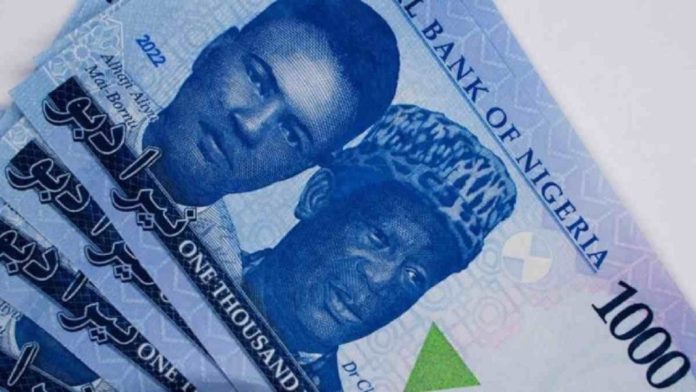
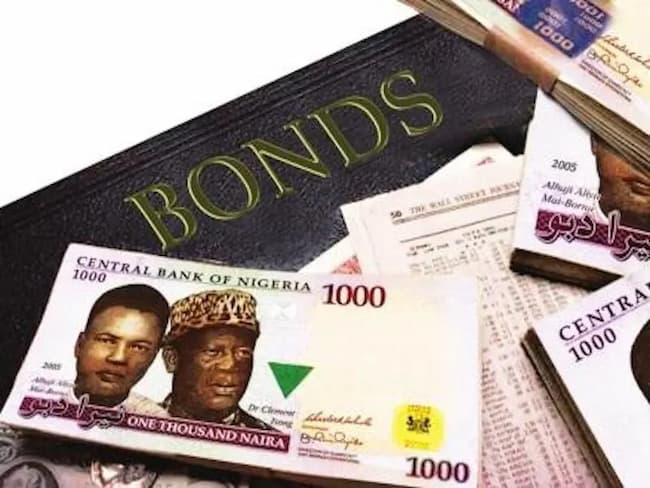
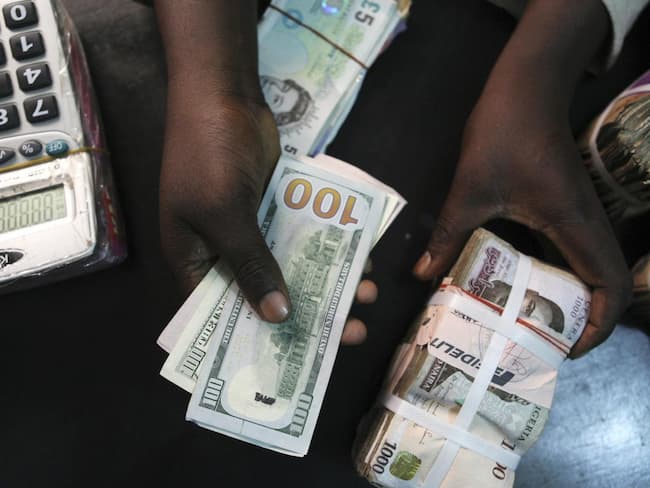
Currency in circulation (CIC) in Nigeria rose slightly to N5.015 trillion in April 2025, up from N5.003 trillion in March, according to the latest data from the Central Bank of Nigeria (CBN). The 0.24 percent increase signals persistent liquidity in the economy despite the central bank’s efforts to tighten monetary policy.
A key development, however, was the first decline in three months in the volume of currency held outside the banking system. Cash held outside banks dropped to N4.57 trillion in April from N4.59 trillion in March, representing a 0.4 percent month-on-month decrease. Despite this, 91.2 percent of total currency remains outside the formal banking sector, marginally lower than the 91.4 percent recorded in March.
The CIC has been on an upward trajectory over the past year. In April 2024, it stood at N3.92 trillion, with N3.61 trillion—or roughly 92 percent—outside the banking system. The trend continued month after month, reaching N4.88 trillion in November 2024, with N4.65 trillion outside banks—the highest share recorded during the period. CIC hit N5.44 trillion in December before dipping to N5.235 trillion in January 2025, N5.037 trillion in February, and N5.003 trillion in March.
The slight uptick in April suggests that liquidity remains robust, supported by broader growth in monetary aggregates. The money supply (M3) rose to N119.10 trillion in April, marking a 4.3 percent increase from N114.22 trillion in March and a 22.8 percent rise year-on-year from N96.97 trillion in April 2024.
Private sector credit also expanded, reaching N77.90 trillion in April, up from N76.26 trillion in March. In contrast, credit to the government fell by 8.9 percent month-on-month to N23.55 trillion, down from N25.85 trillion in March, though still 17.9 percent higher than the N19.97 trillion recorded in April 2024.
The Federal Government has declared Friday, June 6, and Monday, June 9, 2025, as public holidays to commemorate this year’s Eid-ul-Adha celebration. This announcement was made by the Minister of Interior, Olubunmi Tunji-Ojo, in a statement issued on Monday on behalf of the Federal Government.
The minister extended his warm congratulations to all Muslims across Nigeria and in the Diaspora, encouraging them to reflect on the values of sacrifice, obedience, and unwavering faith as exemplified by Prophet Ibrahim (peace be upon him).
Tunji-Ojo also urged Nigerians to seize the occasion to offer prayers for the nation’s peace, unity, and prosperity.
He reiterated the government’s commitment to implementing people-focused reforms in line with President Bola Tinubu’s Renewed Hope Agenda, aimed at repositioning Nigeria on a path of sustainable growth and national renewal.
Wishing the Muslim faithful a joyful and peaceful Eid celebration, the minister called on all citizens to support ongoing efforts to restore Nigeria’s standing as a great and united nation.
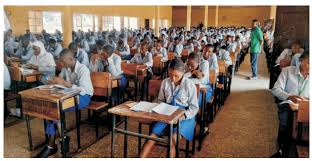
Nigeria, a country rich in human capital potential, yet burdened with an education system struggling to meet the demands of a 21st-century economy. The education sector has endured years of underfunding, policy inconsistencies, insecurity, and infrastructural decay. This has resulted to a generation of children out of school and graduates mismatched with the needs of a dynamic labour market.
According to recent reports by UNICEF, Nigeria accounts for over 20 million out-of-school children, the highest globally. This startling figure reflects deep-rooted issues beyond mere enrolment, from teacher shortages and poor learning environments to socio-economic barriers that prevent children, especially in northern Nigeria, from accessing basic education.
Over the last five years, the federal government’s allocation to education has hovered around 5–7% of the national budget, a figure well below the UNESCO-recommended benchmark of 15–20%. The consequences are evident: dilapidated school structures, overpopulated classrooms, and poorly remunerated teachers. In some cases, especially in rural areas, pupils receive lessons while sitting on bare floors under leaking roofs.
Despite the Federal Government allocating ₦2.18 trillion to education in the 2024 budget, representing 7.9% of the total expenditure, this falls short of UNESCO’s recommended 15-20% . The underfunding manifests in dilapidated infrastructure, overcrowded classrooms, and a shortage of qualified teachers.
Moreover, the per capita allocation translates to approximately ₦3,566 per child, a meager sum insufficient to cover basic educational needs.
As global trends evolve, education systems across the world are adapting, prioritising digital literacy, entrepreneurial thinking, and innovation. But Nigeria’s curriculum remains largely theoretical and outdated. While other nations prepare their youths for roles in AI, green energy, and the gig economy, Nigerian students are still being trained for jobs that are either saturated or obsolete.
“Many Nigerian graduates lack the basic skills required in today’s workplace not because they are incapable, but because the system failed to equip them, there’s a growing disconnect between what is taught in schools and what employers actually need.” says Grace Orji, an education consultant and policy advocate.
A report by Jobberman revealed that over 60% of Nigerian employers find it difficult to recruit fresh graduates due to skill gaps. This has pushed many firms to invest in in-house training, increasing recruitment costs and reducing workplace efficiency.
Despite the challenges, there have been sparks of progress. EdTech companies like uLesson, Edukoya, and AltSchool Africa are using technology to bridge learning gaps, especially among secondary and tertiary-level students. These platforms offer on-demand lessons, coding bootcamps, and vocational training, giving learners a shot at global relevance.
The Nigerian government has also launched initiatives like the National Digital Literacy Framework and Safe Schools Initiative, aimed at integrating ICT in learning and improving school security, respectively.
Meanwhile, some states and NGOs are promoting Technical and Vocational Education and Training (TVET), entrepreneurship, and creative arts, tailoring education towards productivity rather than paper qualifications.
Also, the government launched the 3 million Technical Talent (3MTT) Programme in 2023, aiming to train Nigerians in high-demand tech skills by 2027 . While commendable, such initiatives need to be integrated into the broader educational framework to be truly effective.
Stakeholders argue that a patchwork approach will no longer suffice. The time has come for a wholesale review and redefinition of Nigeria’s educational system to reflect the country’s developmental aspirations and the realities of a fast-changing world.
What should this new educational paradigm include?
Curriculum Overhaul: Infuse core subjects with digital skills, financial literacy, problem-solving, and civic responsibility.
Teacher Reorientation: Invest in continuous professional development and digital upskilling of teachers.
Modern Infrastructure: Build smart classrooms, improve laboratories, and ensure access to electricity and the internet in schools.
Security of Learning Spaces: Tackle insecurity in educational institutions, particularly in areas affected by insurgency and banditry.
Stronger Industry-Academia Collaboration: Align tertiary curricula with industry demands and encourage student apprenticeships and internships.
Beyond statistics, the human stories underscore the urgency for reform. In northern Nigeria, insecurity has led to the closure of numerous schools, with kidnappings and attacks instilling fear among students and parents. This climate exacerbates the out-of-school crisis, particularly affecting girls, who face additional barriers such as early marriage and cultural norms.
If Nigeria is to achieve its ambition of becoming a knowledge-driven economy, it must first address its foundational gaps. Education is more than a policy talking point; it is the most potent investment in human development and economic transformation.
As digital transformation, automation, and climate change reshape the global job market, Nigerian policymakers, educators, and private sector players must act with urgency. Redefining education is not just about reform, it is about rescuing a generation and securing the nation’s future.
In a significant announcement that sets the tone for one of the most important celebrations in the Islamic calendar, Saudi Arabian authorities have confirmed the official sighting of the Dhul Hijjah crescent. This sighting marks the beginning of the last month in the Islamic lunar calendar, paving the way for the commencement of the annual Hajj pilgrimage and the subsequent Eid-el-Kabir festival.
According to a report by Arab News, the Supreme Court of Saudi Arabia issued the declaration on Tuesday, confirming that Dhul Hijjah will begin on Wednesday, June 4, 2025. As a result, the Day of Arafah—when pilgrims gather at Mount Arafat, considered the pinnacle of the Hajj rituals—will take place on Thursday, June 5, 2025.
Consequently, Muslims around the world who are not participating in the pilgrimage will mark Eid-el-Kabir (also known as Eid al-Adha) on Friday, June 6, 2025.
The Kingdom had earlier instructed citizens and residents to observe the sky for the crescent moon on Tuesday, corresponding with the 29th day of Dhu al-Qa’dah, and promptly report any sightings to the nearest Shariah court. With the crescent now confirmed, the sacred days of Hajj are officially set in motion.
In line with the declaration, Saudi Arabia has announced a weeklong holiday for both public and private sector employees to mark the Eid celebrations. Following this precedent, Nigeria is expected to observe Friday, June 6, 2025, as a national public holiday in celebration of Eid-el-Kabir. Although the Nigerian government has yet to release an official statement, the date aligns with both the religious timeline and historical observances.
Is Eid-el-Kabir Recognized as a Public Holiday in Nigeria?
Yes, Eid-el-Kabir is recognized as a national public holiday in Nigeria. It is a day off for the general population. Schools, banks, government offices, and most private businesses typically remain closed during the festivities, allowing Muslim faithful and their communities ample time to perform religious rites, visit family, and partake in feasts.
Historical And Future Dates of Eid-el-Kabir in Nigeria
Below is a timeline of past and projected Eid-el-Kabir observances in Nigeria:
2020 – Friday, 31st July – Public Holiday
2021 – Tuesday, 20th July – Public Holiday
2022 – Saturday, 9th July – Public Holiday
2023 – Wednesday, 28th June – Public Holiday
2024 – Sunday, 16th June – Public Holiday
2025 – Friday, 6th June – Public Holiday (Expected)
2026 – Wednesday, 27th May – Tentative Date
2027 – Monday, 17th May – Tentative Date
2028 – Saturday, 6th May – Tentative Date
2029 – Wednesday, 25th April – Tentative Date
2030 – Sunday, 14th April – Tentative Date
As preparations begin across the country for the 2025 Eid-el-Kabir festivities, Nigerians—particularly Muslims—are advised to stay updated with official announcements from both the National Moon Sighting Committee and relevant government agencies to confirm the public holiday status.
The impending nationwide strike action announced by the Judiciary Staff Union of Nigeria (JUSUN) is losing momentum, as key chapters within the federal judiciary system have declared their withdrawal from the industrial action just hours before its scheduled commencement.
On Friday, the national leadership of JUSUN had called on all judicial employees across federal courts and institutions to embark on an indefinite strike beginning Monday, June 2. The proposed protest aimed to demand the payment of five months’ arrears of wage awards, the implementation of the N70,000 national minimum wage, and the enforcement of a 25 to 35 per cent salary increment.
However, major federal judiciary chapters, including those at the National Judicial Council (NJC), the Supreme Court of Nigeria, and the Federal High Court, have opted out of the strike, following what they described as productive dialogue with relevant government stakeholders.
In a statement dated May 31, Joel Ebiloma, spokesperson of the NJC JUSUN chapter, announced that the staff would report for duty on Monday. He explained that the decision was made to allow the Ministry of Labour and other stakeholders two weeks to resolve pending financial issues with the Office of the Accountant General of the Federation. “We urge our members to remain at their posts to facilitate further negotiations that could resolve the issues captured in the 2025 Appropriation Act,” the statement read.
Likewise, in a separate release, Danladi Nda, chairman of the Supreme Court chapter of JUSUN, confirmed the chapter’s decision not to participate in the strike “for now.” He credited the move to interventions by the Chief Justice of Nigeria (CJN), who is reportedly working to secure the payment of outstanding arrears to judiciary workers.
Nda also issued a plea for patience among workers still inclined to support the strike, assuring them that efforts would continue to ensure their demands are met. The chapter’s communiqué, endorsed by six out of twelve executive committee members, highlighted the lack of formal communication from the national JUSUN headquarters as one of the reasons for its non-participation.
Similarly, the Federal High Court chapter of JUSUN released a statement retracting an earlier strike notice, citing its premature release before any official directive from the national congress. Chapter chairman Samuel Ikpatt clarified that they would await further instructions before taking any industrial action.
The withdrawal of these three influential chapters—especially the Supreme Court and the Federal High Court, which have nationwide coverage—poses a significant challenge to the viability of the planned strike.
As of now, it remains uncertain whether other federal judiciary chapters such as those at the Court of Appeal, Federal Capital Territory High Court, Federal Judicial Service Commission, and the National Judicial Institute will follow suit.
Oil prices climbed on the global commodity markets as heightened geopolitical tensions flared following Ukrainian drone strikes on Russian military air bases, even as both countries prepared for fresh peace talks in Istanbul.
The gains come amid a tug-of-war between supply-side decisions and escalating conflicts, as OPEC+ members agreed to a production increase that initially softened prices, only for renewed tensions to reverse the trend upward.
Brent crude, the international benchmark, rose by 2.61%, trading at $64.24 per barrel, up from $62.60 in the previous session. Similarly, West Texas Intermediate (WTI), the U.S. benchmark, increased by 2.88%, reaching $62.02 per barrel compared to $60.28 previously.
Ukraine Targets Russian Bombers, Raises Global Tensions
The price spike follows a claim by Ukraine’s Security Service (SBU) that it destroyed 34% of Russia’s strategic bombers capable of launching cruise missiles in a series of drone strikes on Russian airfields. The SBU described the operation, named Spider Web, as having inflicted an estimated $7 billion in damages to Russia’s strategic aviation.
With the war intensifying, global attention has turned to another round of negotiations between Ukraine and Russia scheduled to take place today at Istanbul’s Ciragan Palace. The last talks were held on May 16 at the Dolmabahce Palace.
Supply Concerns Mount Amid Sanctions Threat
Investors are also reacting to the potential for new U.S. sanctions on Russia should peace efforts fail. Reports last week indicated that President Donald Trump is considering further economic penalties if Moscow does not make concessions in the ongoing conflict.
Adding to the complexity, OPEC+—which includes Saudi Arabia, Russia, Iraq, the UAE, Kuwait, Kazakhstan, Algeria, and Oman—recently agreed to increase output by 411,000 barrels per day starting in July. The move, while intended to calm fears of undersupply, has added volatility to a market already rattled by geopolitical instability.
US-China Tensions Add Another Layer
In another development contributing to market uncertainty, President Trump accused China of violating a trade agreement following failed negotiations in Geneva earlier this month. At a press briefing, he said he would speak directly with President Xi Jinping and hoped for a resolution. The risk of renewed tariffs between the world’s two largest economies is dampening oil demand prospects and limiting further price increases.
Middle East Crisis Deepens
Meanwhile, tensions in the Middle East have worsened, with Israeli forces intensifying airstrikes on Gaza, killing at least 54 people amid failed peace initiatives. More than 30 civilians were reportedly killed when Israeli tanks and drones fired on crowds gathered at aid distribution centers.
Saudi Arabia condemned Israel’s actions after Tel Aviv blocked a planned diplomatic visit by Arab foreign ministers to the occupied West Bank.
Speaking at a joint press conference in Amman, Jordan, Saudi Foreign Minister Prince Faisal bin Farhan Al Saud said Israel’s refusal to allow the committee’s visit reflects its rejection of diplomatic efforts and further complicates the path toward peace. He added that the incident strengthens the resolve of Arab nations to increase international pressure on Israel through diplomatic channels.
The combination of increasing geopolitical risks, fluctuating oil supply dynamics, and uncertainty over global trade policies continues to weigh heavily on the oil market, with prices expected to remain volatile in the near term.
After four straight months of decline, Nigeria’s foreign exchange reserves are beginning to stabilise, even as low crude oil prices persist. Data from the Central Bank of Nigeria (CBN) showed that external reserves fell to $37.9 billion by the end of April 2025, driven by a steep 16.74 per cent drop in crude oil prices—from $73.29 per barrel in early January to $62.78 by the end of May.
The slump in global oil prices follows the decision by the Organisation of the Petroleum Exporting Countries (OPEC) and its allies, including Russia, to increase output by nearly one million barrels per day between April and June. Market watchers suggest further output hikes may follow, with eight OPEC+ countries expected to consider a July increase of 411,000 barrels per day at an upcoming meeting.
This production glut, coupled with global economic uncertainties and a trade war triggered by the United States, has put downward pressure on oil benchmarks. For instance, as of May 27, the average premium on Dubai crude dropped to $1.21 per barrel, down from April’s $1.66.
Mounting Fiscal Pressure
With Brent crude projected to dip below $50 per barrel by year-end, Nigerian authorities face heightened fiscal challenges. At a benchmark of $50 and production capped at 1.5 million barrels per day, Nigeria risks falling 10 per cent short of its oil revenue projections—potentially pushing the fiscal deficit to 6–7 per cent of GDP and fuelling inflation.
Compounding the problem is Nigeria’s unstable oil production. Daily output averaged 1.54 million barrels in January but dipped to 1.4 million in March before recovering slightly to 1.49 million in April. Given that crude oil contributes over 90 per cent of Nigeria’s foreign exchange earnings—alongside diaspora remittances—volatility in output continues to pressure the external reserves.
CBN’s Strategic Response
Despite these headwinds, Nigeria’s reserves rebounded modestly from $37.93 billion on April 14 to $38.46 billion by May 29. This uptick is credited to a series of reforms by the CBN aimed at cushioning the domestic economy from global shocks.
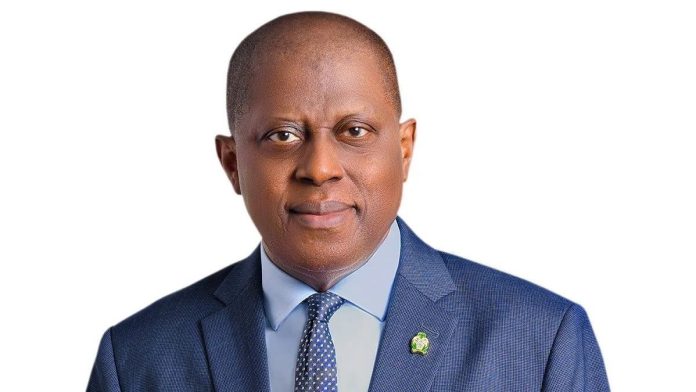
CBN Governor Olayemi Cardoso has spearheaded efforts to strengthen Nigeria’s export base, promote backward integration, and reduce reliance on imports—especially for goods that can be produced locally. The apex bank is also simplifying remittance processes to attract more diaspora inflows, leveraging Nigeria’s competitive exchange rate to drive export-led growth.
“The creative industry alone holds a $25 billion annual potential,” said Cardoso, who identified music, film, crafts, and digital exports as key growth drivers. He encouraged Nigerian businesses to embrace global markets and digital platforms to scale dollar inflows.
Push for Local Manufacturing
Cardoso has also called on telecom companies to embrace local production of vital components, including SIM cards, cables, and towers. During a meeting with Airtel Africa’s Group CEO Sunil Taldar, Cardoso argued that backward integration in the telecom sector could reduce dollar demand, create jobs, and bolster the economy.
Taldar welcomed the reforms and reaffirmed Airtel’s commitment to local sourcing, adding that it would ultimately improve efficiency and financial inclusion.
Industry stakeholders, including Gbolahan Awonuga of the Association of Licensed Telecom Operators of Nigeria, echoed this sentiment, calling for government support—particularly in providing stable power—to make local production competitive.
Strengthening FX Market Confidence
Foreign portfolio investors are showing renewed interest in Nigeria’s FX market, encouraged by stronger macroeconomic fundamentals and a more transparent exchange rate framework. The CBN’s interventions have led to a 226 per cent surge in daily turnover in the Nigerian Autonomous Foreign Exchange Market in the first half of 2024 compared to the same period the previous year. Foreign inflows jumped 72 per cent during the same period.
FX reserves climbed from $32 billion in May 2023 to over $40 billion in early 2024—representing eight months of import cover and marking the highest level in nearly three years.
Capital outflows of over $9 billion were processed smoothly, allowing investors to repatriate funds without the delays of previous years. “We also recorded a $6 billion current account surplus in H1 2024, buoyed by reduced petroleum imports, improved domestic refining, and higher remittance inflows,” Cardoso said.
Boosting Diaspora Engagement
To further support the naira and streamline remittances, the CBN recently introduced two new products for Nigerians abroad: the Non-Resident Nigerian Ordinary Account and the Non-Resident Nigerian Investment Account. These are designed to facilitate efficient fund transfers and encourage diaspora investment.
Dr Aminu Gwadabe, President of the Association of Bureaux De Change Operators of Nigeria, noted that diaspora remittances remain a critical source of FX. He commended the CBN’s initiatives to double formal remittances, which have already grown from an average of $300 million monthly in 2023 to nearly $600 million by August 2024.
Infrastructure and Policy Still Key
Experts warn, however, that sustainable progress depends on infrastructure development and policy consistency. Charles Abuede of Cowry Asset Management noted that without a stable operating environment, efforts to localise telecom production and reduce FX demand may fall short.
“Backwards integration can reduce costs and improve profit margins, but only if supported by reliable infrastructure and regulatory clarity,” he said.
As Nigeria seeks to insulate its economy from external shocks and bolster reserves, analysts agree that export diversification, investor confidence, and diaspora engagement will be key to building a more resilient and sustainable foreign exchange ecosystem.
The Debt Management Office (DMO) has officially commenced the offering of two new Federal Government of Nigeria (FGN) Savings Bonds, each priced at N1,000 per unit, aimed at encouraging retail participation in the nation’s capital market.
According to a public disclosure issued by the DMO on Monday in Abuja, the first bond is a two-year FGN Savings Bond scheduled to mature on June 11, 2027. This instrument carries an annual interest rate of 16.121 per cent.
The second issuance is a three-year FGN Savings Bond set to mature on June 11, 2028, with a higher yield of 17.121 per cent per annum. Both bonds are available for subscription from June 2 through June 6, with the settlement date fixed for June 11. Interest payments are scheduled quarterly, falling on September 11, December 11, March 11, and June 11.
Each unit of the bond costs N1,000, with a minimum entry point of N5,000 and subsequent investments in multiples of N1,000. The maximum allowable subscription is capped at N50 million.
The DMO emphasized that these bonds are backed by the full faith and credit of the Federal Government of Nigeria and are secured against the country’s general assets. “They qualify as trustee-investable securities under the Trustee Investment Act and meet the definition of government securities under both the Company Income Tax Act and the Personal Income Tax Act,” the statement noted, making them suitable for pension fund investments.
Moreover, the bonds are listed on the Nigerian Exchange Limited and are recognized as liquid assets for the purpose of calculating banks’ liquidity ratios.
FGN Savings Bonds serve as an accessible investment platform particularly geared toward individual and small-scale investors. Unlike traditional FGN Bonds which often have steep entry thresholds, these savings bonds are retail-friendly and carry low risk due to government backing.
Proceeds generated from these instruments are utilized by the federal government to fund public sector projects and offset budgetary shortfalls, reinforcing their strategic importance to national development.
The exchange rate between the Naira and the US dollar, according to the data released on the FMDQ Security Exchange, the official forex trading portal, showed that the Naira closed at 1615.00 per $1 on Monday, June 2nd, 2025. Naira traded as high as 1585.00 to the dollar at the investors and exporters (I&E) window on Sunday.
Dollar to naira exchange rate today black market (Aboki dollar rate):
The exchange rate for a dollar to naira at Lagos Parallel Market (Black Market) players buy a dollar for ₦1610 and sell at ₦1615 on Sunday 1st June, 2025, according to sources at Bureau De Change (BDC).
Please note that the Central Bank of Nigeria (CBN) does not recognize the parallel market (black market), as it has directed individuals who want to engage in Forex to approach their respective banks.
Dollar to Naira Black Market Rate Today
Dollar to Naira (USD to NGN)
Black Market Exchange Rate Today
Buying Rate
₦1610
Selling Rate
₦1615
Dollar to Naira CBN Rate Today
Dollar to Naira (USD to NGN)
CBN Rate Today
Highest Rate
₦1589
Lowest Rate
₦1584
Please note that the rates you buy or sell forex may be different from what is captured in this article because prices vary.
The Nigeria Employers’ Consultative Association (NECA), the foremost voice of organised business in Nigeria, has announced the 4th edition of the Nigeria Employers’ Summit, scheduled to hold from Wednesday, June 25 to Thursday, June 26, 2025, at the prestigious Abuja Continental Hotel, Federal Capital Territory.
This year’s summit, themed “Enabling Sustainable Enterprise in a Transitioning Economy: Aligning Fiscal, Trade and Regulatory Reforms for Rapid National Development,” is poised to galvanise meaningful dialogue around Nigeria’s evolving economic landscape and the need for sustainable enterprise development.
The Vice President of the Federal Republic of Nigeria, His Excellency Kashim Shettima, is expected to grace the summit as Special Guest of Honour, alongside a distinguished lineup of policy influencers, economic thought leaders, and business trailblazers.
Speaking ahead of the summit, NECA’s Director General, Mr. Adewale Smatt-Oyerinde, described the event as more than a gathering of professionals. “This summit is a dynamic movement designed to shape the future of employment and enterprise across Africa. It presents a unique opportunity for stakeholders to dissect pressing issues such as tax reforms, ESG and sustainability, trade and investment, and regulatory transformation,” he said.
Participants—including CEOs, entrepreneurs, tech innovators, HR leaders, and economic strategists—will benefit from an immersive two-day experience featuring panel discussions, masterclasses, exhibitions, and fireside chats with key government officials and business executives.
Confirmed speakers and discussants include:
Wale Edun, Coordinating Minister of the Economy
Olubunmi Tunji-Ojo, Minister of Interior
Nyesom Wike, Minister of the Federal Capital Territory
Senator John Owan Enoh, Minister of State, Industry
Zachaeus Adedeji, Chairman, Federal Inland Revenue Service (FIRS)
Taiwo Oyedele, Chairman, Presidential Committee on Fiscal Policy and Tax Reforms
Princess Zahrah Mustapha Audu, DG, PEBEC
Adewale Adeniyi, Comptroller General, Nigeria Customs Service
Prof. Mojisola Adeyeye, DG, NAFDAC
Olasupo Olusi, MD, Bank of Industry
Tobi Adeniyi, MD, Unilever Nigeria Plc
Oyeyimika Adeboye, MD, Cadbury Nigeria
Tomi Adepoju, Partner, KPMG
Seun Oni, CEO, AG Leventis
Victoria Uwadoka, Head of Sustainability, Nestlé Nigeria
Femi Jaiyeola, Group Chief Compliance Officer, Access Bank
The summit promises a robust exchange of ideas aimed at redefining the future of work and sustainable enterprise in Nigeria. Interested participants are encouraged to register via the official link: https://lnkd.in/dmcErGdd
For NECA, this summit is yet another demonstration of its commitment to driving enterprise growth, fostering productive dialogue, and shaping Nigeria’s economic trajectory through business-centric solutions.
In a major breakthrough against the illicit supply of Premium Motor Spirit (PMS) to terrorist groups, operatives of Operation Whirlwind have intensified efforts to choke off fuel access to Boko Haram, ISWAP, and bandits across Nigeria.
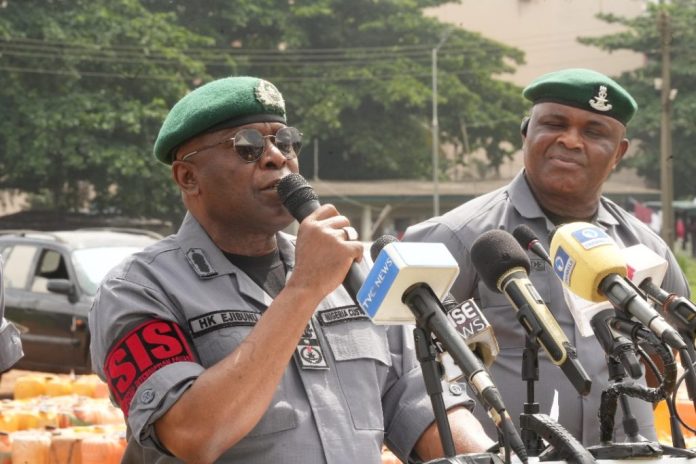
The special task force, jointly launched by the Office of the National Security Adviser (ONSA) and the Nigeria Customs Service (NCS), has recorded significant successes since its inception nearly a year ago. Coordinated by Assistant Comptroller General (ACG) HK Ejibunu, the operation is specifically designed to combat PMS smuggling, particularly across Nigeria’s porous borders.
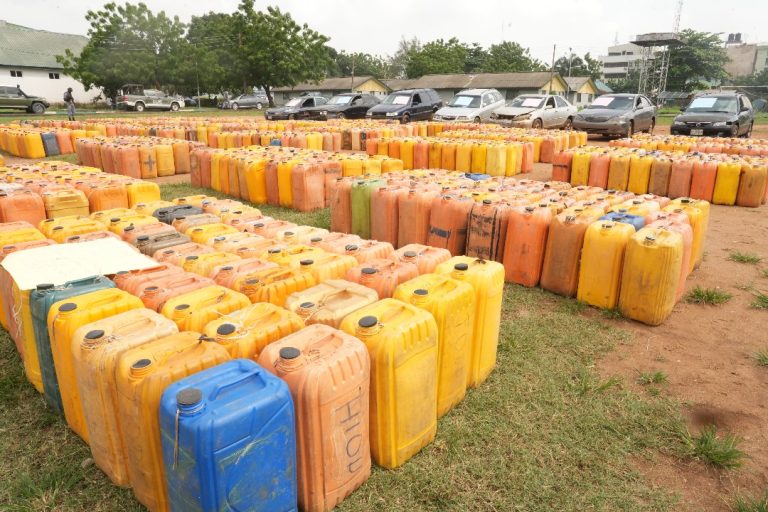
Speaking at a press briefing held at the Nigeria Customs Training College in Lagos, ACG Ejibunu disclosed that over 1.51 million litres of PMS had been intercepted across multiple flashpoints in the country by April 2025. These seizures, conveyed in trucks, boats, cars, and jerrycans, have a duty paid value (DPV) exceeding ₦2 billion.
“Supplying PMS to terrorists has drastically reduced,” ACG Ejibunu stated. “I can boldly say that our efforts have weakened the operational capacity of bandits and insurgents nationwide.”
Remarkably, these massive operations have been executed without the use of firearms.
“We’ve never fired a single shot,” Ejibunu revealed. “PMS is extremely flammable. A stray bullet could trigger an explosion with devastating consequences. We are careful not to endanger innocent lives or cause a national disaster.”
To mitigate potential confrontations, the team collaborates with the military when situations escalate. Citing an incident in Mubi, Adamawa State, Ejibunu explained that upon calling the military, their rapid response forced armed smugglers to abandon their weapons and flee.
In the Lagos/Ogun operational axis alone, Operation Whirlwind confiscated 1,577 jerrycans of PMS (25 litres each), totalling 39,425 litres, along with eight vehicles used to convey the contraband. The estimated value of the seizures in this axis amounts to ₦63.4 million—₦39.4 million in petroleum products and ₦24 million in vehicles.
Reiterating the service’s zero-tolerance stance on economic sabotage, ACG Ejibunu warned that there would be no safe haven for smugglers.
“We are committed to dismantling smuggling networks across the country. The Comptroller General, Bashir Adewale Adeniyi, has directed that all seized PMS be made available to citizens through public auctions,” he said.
Under this directive, the intercepted fuel was sold to the public at ₦10,000 per 25-litre jerrycan, offering relief to consumers while denying criminals access to the vital resource.
Ejibunu reaffirmed that the Customs Service, under the leadership of CG Adeniyi, will continue to collaborate with relevant agencies to safeguard national security and protect the economy from saboteurs.
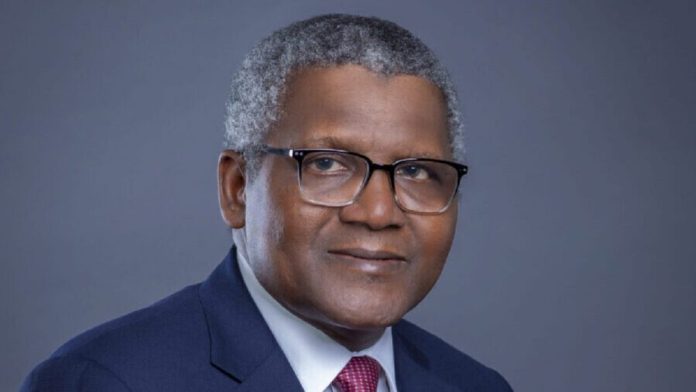
President of the Dangote Group, Aliko Dangote, has disclosed that Nigerians currently pay 55 per cent less for Premium Motor Spirit (PMS) compared to their West African neighbours, thanks to local refining by the Dangote Petroleum Refinery.
Speaking during a high-profile visit by the President of the Economic Community of West African States (ECOWAS) Commission, Dr Omar Touray, Dangote said the 650,000 barrels-per-day refinery is already playing a transformative role in stabilising fuel prices, boosting industrial productivity, and supporting Nigeria’s energy security.
“Neighbouring countries pay an average of $1 per litre, which is about ₦1,600, but here in Nigeria, we are selling at between ₦815 and ₦820 per litre, Many Nigerians are unaware that they are currently paying just over half of what is obtainable in the region.” Dangote stated.
The business magnate noted that since the refinery began diesel production last year, prices dropped significantly from ₦1,700 to ₦1,100 per litre, bringing broad economic relief to sectors such as mining, manufacturing, and agriculture.
“This price reduction has had a cascading effect. It has helped industries, sustained agricultural activity, and supported job creation. This is what local refining can achieve,” he said.
Dangote reiterated that the refinery, the world’s largest single-train facility, is equipped to meet not only Nigeria’s fuel needs but also those of the entire West African sub-region. He debunked claims that the refinery could not meet local demand, stressing that the ECOWAS delegation’s visit was an eye-opener.
“Some said we couldn’t even meet Nigeria’s domestic requirements. But today, ECOWAS officials have seen the scale, capacity, and global standard of this refinery. Their presence here will hopefully inspire other countries to initiate similar large-scale industrial projects,” he noted.
He added that the success of the refinery represents a broader vision for economic self-reliance across the continent. “As long as we keep importing what we can produce, Africa will remain underdeveloped. This project proves we can produce for ourselves at scale and to international standards,” he said.
Dangote also revealed that a major development initiative is in the pipeline, promising further benefits for Nigerians. “This refinery was built for the people of Nigeria, and we want them to enjoy the maximum benefit,” he said.
In his remarks, ECOWAS Commission President Dr Omar Touray lauded the refinery as a symbol of hope and possibility for the continent, describing it as “a clear demonstration of what Africa’s private sector can achieve.”
“What I have seen today gives me renewed hope for Africa. If anyone doubts the potential of this continent, they should come here. This refinery is what we need—African solutions to African challenges,” Touray said.
He applauded the refinery’s adherence to Euro V standards, noting that many imported fuels in West Africa fall below this benchmark, contributing to environmental and public health risks.
“We’re still importing sub-standard fuels while a regional facility like Dangote’s exceeds our sulphur limits. This is why the private sector must take the lead in our industrialisation efforts,” he stated.
Touray called for stronger engagement between governments and private sector players to ensure that regional policies reflect on-the-ground realities. “We must stop making decisions on behalf of the private sector from a distance. This visit gives us the insight we need to create an enabling environment for industrial growth,” he said.
He pledged ECOWAS’s full support for the Dangote Group’s regional expansion and urged other African countries to emulate Nigeria’s infrastructure investments.
“Let us build for the continent, not just for individual nations. I congratulate the Dangote Group and commit that ECOWAS will help open access to the wider regional market and hopefully, the entire African continent,” Touray said.
The ECOWAS delegation included Commissioner for Infrastructure, Energy and Digitalisation, Sediko Douka; Commissioner for Internal Services, Prof. Nazifi Darma; Director of Private Sector/SME, Dr Tony Elumelu; and Chief of Staff to the ECOWAS President, Abdou Kolley.
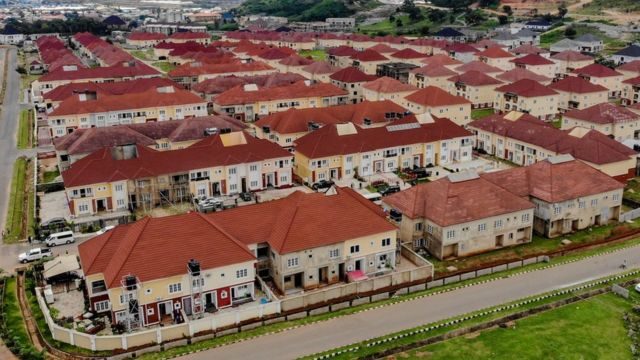
The Federal Government has unveiled plans to construct 77,400 social housing units across the country as part of efforts to bridge Nigeria’s housing deficit under the Renewed Hope Agenda of President Bola Tinubu.
Minister of State for Housing and Urban Development, Hon. Yusuf Ata, made this known in a recent statement, highlighting the administration’s commitment to delivering mass housing through strategic investments and partnerships.
He said the government would build 3,000 housing units each in Lagos, Abuja, and Kano under the Renewed Hope Cities initiative, while 250 units would be developed in each of the 36 states to serve as Renewed Hope Estates.
“In addition, we will be delivering 77,400 housing units nationwide, with 100 units allocated to each of the 774 local government areas,” Ata announced.
The Minister also reaffirmed the ministry’s openness to collaboration with local and international partners, noting ongoing discussions with Ms Allen Le and Partners International Investment Consulting Joint Company. “The primary mandate of the ministry is to provide mass housing for Nigerians. We welcome partnerships that can help us achieve this,” he said.
To ensure effective collaboration, Ata urged the delegation to submit a detailed proposal outlining areas of interest and possible modes of partnership.
He further revealed that 30 per cent of the social housing units would be reserved for vulnerable and low-income Nigerians. “President Tinubu insisted on allocating 30 per cent of the houses to non-income Nigerians, even when a 20 per cent proposal was presented. This demonstrates his commitment to inclusive housing,” Ata noted.
In his remarks, Allen Ke Nam, who led the visiting delegation from SV-NED Incorporated, expressed strong interest in investing in Nigeria’s housing sector, particularly in the area of affordable housing.
Nam requested land from the Federal Government to facilitate the proposed investment and highlighted the broader impact of the collaboration. “This partnership will create jobs and promote skill acquisition as we introduce new construction technologies,” he stated.
Permanent Secretary of the Ministry, Mr. Shuaib Belgore, also welcomed the initiative, assuring the investors of the ministry’s full support in achieving its housing development goals.
As the year reaches its midpoint, June isn’t just ushering in rainfall across Nigeria—it’s also presenting a powerful investment opportunity on the Nigerian Exchange (NGX) that could deliver impressive returns for discerning investors.
With economic indicators aligning favorably, June 2025 stands out as a potentially rewarding period for both new and experienced investors looking to optimize their portfolios. For anyone considering entry into the equities market, now may be the ideal time to make a calculated move.
June’s Strategic Role in Nigeria’s Market Calendar
The sixth month of the year plays a pivotal role in Nigeria’s stock market rhythm. Historically, June acts as a precursor to a flurry of activity as publicly listed companies begin rolling out their half-year earnings reports. These financial disclosures often serve as market catalysts, triggering investor reallocation and revaluation of stock positions.
Industries such as banking, fast-moving consumer goods (FMCGs), and insurance tend to announce interim dividends during this window. Smart investors who position themselves ahead of these releases often benefit from both capital appreciation and dividend income.
Already, year-to-date (YTD) metrics are signaling strength across various sectors of the NGX. With analysts projecting solid first-half growth figures, June could serve as a launchpad for a strong second-half rally.
Multiple macroeconomic and global tailwinds are boosting investor sentiment:
Economic Recovery and Stability: Inflationary pressures are moderating, while the naira has held relatively firm against foreign currencies, signaling improved investor confidence.
Renewed Foreign Portfolio Interest: Nigeria’s equity market remains undervalued compared to emerging market peers, offering compelling returns. This is catching the eye of global institutional investors seeking refuge from volatility in other regions.
Sector-by-Sector Growth Dynamics
Banking and Financial Services: Leading banks are seeing improved margins thanks to higher interest rates and solid balance sheets. This is likely to reflect in their mid-year performance, which could positively impact share prices.
Consumer Goods: With purchasing power slowly recovering, consumer-facing firms—particularly FMCG companies—are experiencing a rebound in sales volumes and pricing flexibility.
Telecoms: Telcos continue to enjoy increased data consumption and infrastructure expansion, especially in underserved rural areas, boosting both top and bottom lines.
Agriculture: A surge in private capital and government support is enhancing productivity in the agri-business space. With strong domestic demand and favorable export potential, the sector holds significant upside.
Individual equities in these sectors are already demonstrating resilience, with several companies outperforming the broader index. For investors with an eye on fundamentals, this is an opportunity to gain exposure to firms with proven track records and growth potential.
Investing with Purpose: Beyond Profit
Making an investment in the Nigerian capital market is not solely about financial gain—it’s also a commitment to national growth. By supporting local enterprises, investors play a role in job creation, innovation, and economic transformation.
June is not merely a midpoint in the calendar—it’s a launch point for long-term prosperity. The NGX offers more than just an array of stock tickers; it provides access to Nigeria’s most dynamic businesses and brightest prospects.
The Time to Act Is Now
Whether you have ₦50,000 or ₦5 million to invest, what matters most is the timing—and few windows are as promising as June 2025. By directing your capital toward thriving sectors and financially sound companies, you can secure both short-term gains and long-term growth.
Opportunities like this don’t linger forever. With conditions aligning and the NGX poised for momentum, this could be the best time to invest in the Nigerian stock market.
The Central Bank of Nigeria (CBN) has announced plans to conduct a new round of Open Market Operation (OMO) auctions on Monday, June 2, 2025, offering ₦600 billion worth of bills to the market. This fresh issuance is aimed at tightening system liquidity and refinancing maturing OMO instruments expected a day later.
According to data sourced by MarketForces Africa, the central bank will float the new OMO bills across two mid-range tenors—106 days and 232 days—as part of efforts to calibrate money market liquidity and manage short-term interest rate stability.
This follows two aggressive OMO auctions last week in which the apex bank allotted more than ₦1.6 trillion, targeting both local banks and foreign portfolio investors. The auctions drew significant interest, with the first round receiving bids totaling ₦1.146 trillion and an allotment of ₦1.127 trillion, while the second round attracted ₦687.13 billion in bids, resulting in ₦482.33 billion being allotted.
The CBN is intensifying liquidity control measures amid projections of lower inflows in June. Analysts forecast a total liquidity inflow of ₦2.1 trillion this month, significantly down from ₦3.5 trillion recorded in May. Market watchers expect tightening conditions to be triggered by Monday’s ₦600 billion issuance.
As the regulator seeks to influence short-term rates and mop up excess funds from the system, traders anticipate renewed competition for CBN instruments, particularly as financial institutions reposition portfolios in response to macroeconomic signals.
Yields on Nigerian government bonds declined in the past week as strong investor demand in the secondary market followed unmet bids at the latest primary auction conducted by the Debt Management Office (DMO).
The bullish sentiment emerged after the DMO auction recorded lower stop rates, sparking a buying spree among fixed-income investors seeking better yields in the secondary space. Benchmark bond yields dipped slightly across the curve, particularly in the short (-5 basis points) and mid-segments (-7 basis points), according to data released Friday.
Significant activity was observed in the FGN JAN-2026 bond, which recorded a steep 100 basis-point drop in yield, while the JAN-2035 paper saw a 47 basis-point decline. These movements drove the average yield lower by 4 basis points on the day and by 18 basis points on a week-on-week basis, settling at 18.8%.
At the DMO’s recent auction, the government re-opened the 19.30% FGN APR 2029 bond, offering ₦400 billion. Total bids reached ₦436.40 billion, slightly below the ₦495.95 billion in the previous session, and the bid-to-offer ratio dropped to 1.1x from 1.4x.
Ultimately, the DMO allotted ₦300.69 billion worth of bonds, resulting in a bid-to-cover ratio of 1.5x. Stop rates declined to 18.98% for APR 2029 and 19.85% for MAY 2033.
Unsuccessful bids spilled into secondary trading, with elevated interest in 2033s and 2034s. However, demand for 2029 maturities remained subdued. The midweek trading session saw selective activity, focusing on FEB 2031, MAY 2033, and JAN 2035 bonds.
Despite quieter activity toward the weekend, the average yield across benchmark tenors dropped 18 basis points week over week. The short end of the curve saw the steepest decline at 33 basis points, followed by 8 basis points in the mid-segment and a marginal 1 basis point dip in the long-term zone.
Yield contraction was most prominent in JAN-2026 (-115 bps), FEB-2031 (-42 bps), and APR-2049 (-6 bps), as investors continued to rebalance portfolios in a rate-sensitive environment.
Short-term interest rates ended the week in mixed territory as commercial banks opted to channel excess funds to the Central Bank of Nigeria’s (CBN) Standing Deposit Facility (SDF), reflecting a lack of liquidity pressures despite the apex bank’s massive liquidity mop-ups.
According to Cordros Capital Limited, banks deposited a whopping ₦1.64 trillion at the CBN’s SDF window—an amount that earns returns below the Monetary Policy Rate (MPR). Analysts noted that this trend often indicates banks’ preference to safeguard surplus liquidity rather than engage in interbank lending.
“The SDF acts as a benchmark for interbank market conditions. When liquidity is abundant, banks are more inclined to place idle funds with the CBN,” Cordros stated.
Overall, the Nigerian financial system maintained a buoyant stance, closing the week with a net long position of ₦1.88 trillion—an increase from the ₦646.50 billion reported in the previous week. This came amid several inflows, including ₦984.22 billion in OMO maturities, allocations from 13% derivation funds, state-level disbursements, and Sukuk bond proceeds.
Despite liquidity draining operations by the CBN—including two open market operations that cumulatively absorbed more than ₦1.609 trillion—system liquidity remained firm. The auctions saw strong participation, with the central bank receiving ₦1.146 trillion and ₦687.13 billion in bids, ultimately allotting ₦1.127 trillion and ₦482.33 billion, respectively.
Market sentiment held steady, with the open repo rate unchanged at 26.50% and the overnight lending rate edging up by 3 basis points to 26.95%. Cordros attributed the rise in overnight rates to short-term funding pressures rather than a systemic liquidity squeeze.
Meanwhile, the Nigerian Interbank Offered Rate (NIBOR) displayed a mixed pattern across maturities. The overnight and 3-month tenors slipped by 4 and 7 basis points, respectively, while the 1-month rate saw a marginal uptick of 1 basis point.
Looking ahead, analysts expect inflows from OMO maturities worth ₦239.15 billion to provide temporary relief. However, this may be offset by upcoming OMO auctions totaling ₦600 billion and potential Treasury bill settlements, which could push short-term rates toward the 30% threshold
In a country where smartphones are not just communication tools but lifelines to business, entertainment, and education, affordability plays a crucial role. With the current state of the Nigerian economy—marked by fluctuating exchange rates, inflation, and rising cost of living—finding a reliable smartphone under ₦100,000 can be a challenge.
Yet, 2025 has brought promising options to the Nigerian market for consumers looking for functional Android smartphones without burning a hole in their pockets.
Bizwatch Nigeria Brings to you the Top Android Smartphones in Nigeria for Under ₦100,000, analyzing their features, performance, and why they are worth your naira.
1. Tecno Pop 8 – Affordable Power with Smooth Performance
Price: ₦94,600
The Tecno Pop 8 proves that budget doesn’t mean basic. Featuring a 6.6-inch display with a 90Hz refresh rate, it delivers smoother scrolling and app transitions. Powered by the Unisoc T606 chipset, this device supports seamless multitasking, especially with its 3GB or 4GB RAM configurations.
Photography-wise, the dual rear camera handles day-to-day shots, while the 8MP front camera caters to selfie needs in decent lighting. The 5000mAh battery promises day-long usage and charges via USB Type-C—a rare find in budget phones. Running Android 13 Go Edition, it’s optimized for entry-level devices, ensuring a fluid user experience without bloated software.
Best for: Students, casual users, and light content consumers.
Highlight: Type-C charging and 90Hz refresh rate.
2. Infinix Smart 8 – Big Features in a Small Budget
Price: ₦94,700
The Infinix Smart 8 takes budget performance up a notch with its 6.6-inch 90Hz display, delivering a fluid viewing experience for gamers and binge-watchers alike. It runs on the Unisoc T606 processor, similar to the Pop 8, and comes in up to 4GB RAM and 128GB storage—ideal for storing apps, music, and videos.
Its 13MP rear camera produces bright and vibrant photos, while the 8MP front camera ensures decent selfies. It also comes with a fingerprint sensor, something not commonly found in sub-₦100k devices.
Running on Android 13 with Infinix’s XOS interface, it adds a touch of premium software customization.
Best for: Users who want solid storage and gaming features.
Highlight: Fingerprint scanner and 128GB internal storage.
3. Itel A80 – Budget Phone with a Flagship Feel
Price: ₦89,900
The Itel A80 is a true disruptor in the budget segment. With a massive 6.7-inch display and an eye-catching 120Hz refresh rate, it gives users a smooth and immersive visual experience—especially rare in this price range.
Powered by the Unisoc T603 processor, the A80 may not be a beast, but it handles everyday tasks like browsing, chatting, and watching videos efficiently. The camera system is quite impressive, featuring a 50MP rear camera—unheard of in its class—and an 8MP front camera.
Running the latest Android 14, it’s future-proofed, and its 5000mAh battery ensures lasting performance. It also boasts up to 8GB RAM (including virtual RAM) and 128GB internal storage.
Best for: Heavy users and those who love binge-watching or gaming on a budget.
If you’re looking for premium looks at a budget, the Redmi A3x fits the bill. With a 6.71-inch display and a glass finish, it feels more expensive than it is. It’s equipped with a 90Hz refresh rate, delivering smooth navigation.
Under the hood is the Unisoc T603 chipset, paired with 64GB or 128GB internal storage, expandable via microSD up to 1TB—ideal for users with extensive media libraries. It runs Android 14 with MIUI, Xiaomi’s user-friendly skin, offering clean navigation and useful customizations.
Its 5000mAh battery ensures that users stay unplugged longer. Though not built for heavy gaming, it handles daily tasks with ease and reliability.
Best for: Users who want a stylish phone with decent specs.
Highlight: Expandable storage up to 1TB and premium build.
5. Itel A60s – Simplicity, Functionality, and Affordability
Price: ₦85,000
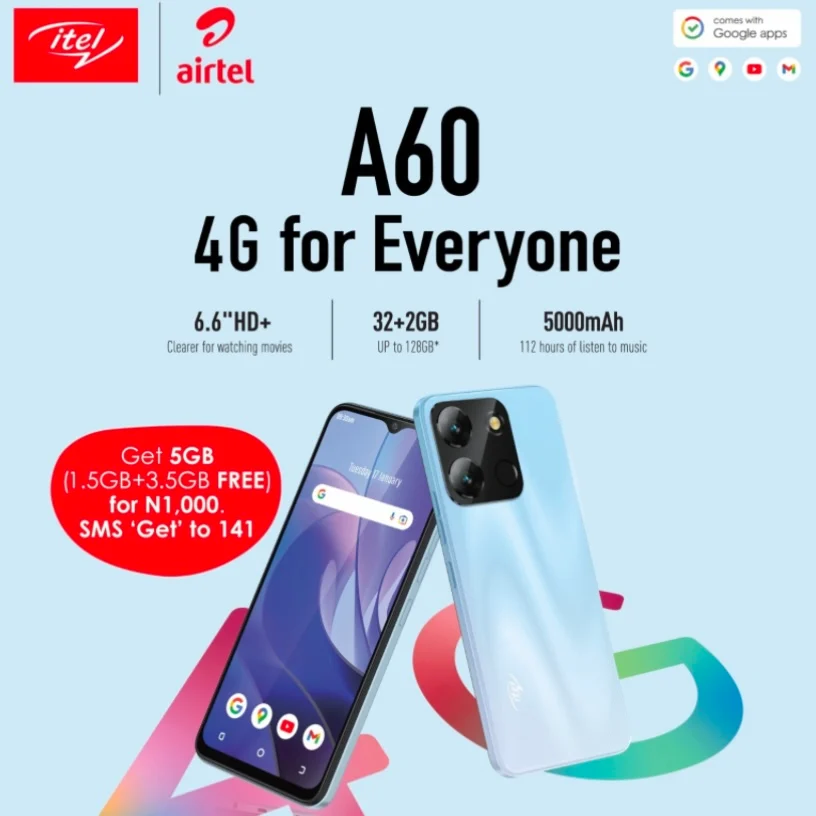
The Itel A60s is perfect for first-time smartphone buyers or those who want a backup device. It sports a 6.6-inch HD+ display and is powered by modest specs, but it does what it promises—reliable daily performance.
With 4GB RAM and 64GB storage, it can handle basic multitasking, messaging, and social media. The 8MP rear camera delivers acceptable shots for social sharing, while the 5000mAh battery ensures it lasts an entire day on a single charge.
Running on Android 12 Go Edition, it’s optimized for lighter apps and offers a clean, responsive experience without draining resources.
Best for: Budget-conscious users and new Android users.
Highlight: Long-lasting battery and dependable performance.
Buying Tips for Budget Smartphones in Nigeria (2025)
Before spending your ₦100,000 on a smartphone, consider the following:
Battery Life: A 5000mAh battery is now the standard in this range. All models listed meet this.
Operating System: Look for newer Android versions (Android 13 or 14) for better security and app compatibility.
RAM/Storage: Go for 4GB RAM minimum; 64GB storage is ideal unless you plan to use external memory.
Screen Quality: Refresh rate matters if you watch videos or game often—90Hz and 120Hz make a visible difference.
Warranty and Support: Buy from reputable dealers to enjoy after-sales service and genuine products.
Final Thoughts
The Nigerian smartphone market in 2025 has matured to a point where budget no longer means compromise. The devices listed above prove that for under ₦100,000, you can get a smartphone that balances performance, design, battery life, and camera quality.
Whether you’re a student on a budget, an entrepreneur needing a second device, or someone simply looking to replace an old phone, these Android options offer solid value. As long as you buy from trusted retailers and verify warranty details, these phones will serve you well in everyday Nigerian life—whether you’re navigating Lagos traffic or managing your online hustle in Abuja.
Been swamped all week? No stress, BizWatch Nigeria has got you covered. Forget the endless scrolling and tab-hopping; we’ve packed the biggest headlines into one quick, engaging 5-minute recap. From trending national updates and policy shifts to thrilling sports moments and viral social buzz, it’s all here in one place.
Fast, clear, and just how you like it. Watch now and stay sharp!
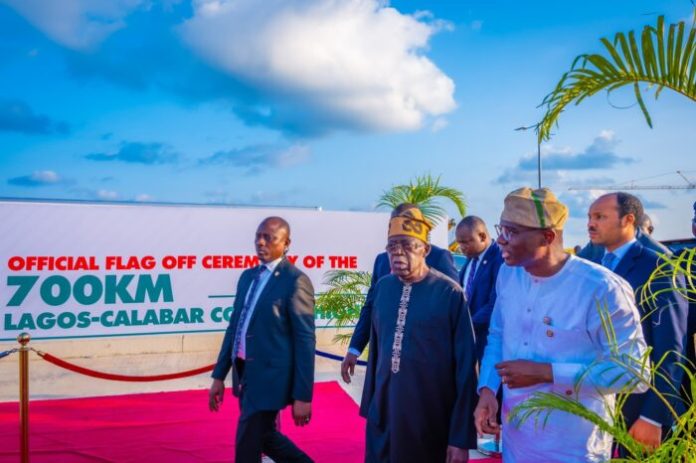
President Bola Ahmed Tinubu has emphasized the critical need for Nigerians to safeguard national infrastructure, describing roads, bridges, and highways as collective assets that require national stewardship.
Speaking at the official inauguration of Phase 1, Section 1 of the much-anticipated Lagos-Calabar Coastal Highway, President Tinubu made a passionate appeal to citizens, developers, and local authorities to preserve the integrity of public works across the country.
The President also sounded a clear warning to developers and landowners, stressing that unauthorized constructions along federal infrastructure corridors will no longer be tolerated. He cautioned that those who violate the right-of-way regulations would be solely responsible for any consequences.
“Illegal developments on federal corridors will no longer attract government compensation. If you build illegally, you bear the consequences,” Tinubu said firmly during the flag-off ceremony of the 750-kilometre highway which cuts across Lagos, Ogun, Ondo, Delta, Bayelsa, Rivers, Akwa Ibom, and Cross River states.
Designed as a six-lane superhighway within a 60-meter-wide corridor, the project has already become a focal point in the administration’s infrastructure push. Tinubu noted that safeguarding such national investments is key to achieving long-term economic prosperity.
“I urge traditional rulers, community leaders, and all Nigerians to support this initiative. Respect for urban development laws is not just about following regulations—it is about saving lives and securing the future,” Tinubu remarked.
The president further asked residents along the coastal route to protect the highway from vandalism, illegal dumping, and unauthorized alterations. “These projects are not just brick and mortar—they’re lifelines for future generations,” he said. “Every citizen must ensure they remain functional, clean, and protected.”
President Tinubu also addressed early skepticism surrounding the project. He recalled that some critics initially deemed the Lagos-Calabar Coastal Highway as “unrealistic,” citing the destructive tendencies of the Atlantic Ocean along the Lekki-Epe-Victoria Island axis.
“People told us it couldn’t be done. They warned us the Atlantic would consume everything. But we chose courage, science, and engineering over fear,” Tinubu said.
The President explained how strategic coastal defenses and reinforced concrete pavement technologies have been employed to tame the ocean’s fury, thereby averting what could have been an ecological disaster.
“A tsunami-like scenario would have swept away Ikoyi and Victoria Island. Instead, we have turned a threat into a treasure,” he added.
Despite ongoing economic challenges, President Tinubu urged Nigerians to remain hopeful. “I understand the expectations are high, and the difficulties are real,” he said. “But we are eliminating corruption in exchange rates, tackling the fuel subsidy menace, and supporting local manufacturing. The light at the end of the tunnel is not a myth—it’s real, and it’s coming.”
In a bid to spread the development footprint nationwide, the President also virtually commissioned and launched multiple road projects across all six geo-political zones.
Projects Inaugurated by Region
South-South:
Rehabilitation of Calabar-Ugep-Katsina-Ala Road (Section II: Ugep-Katsina-Ala) in Benue/Cross River
Dualisation of East-West Road Section II (Sub Section I) Eleme Junction–Ahoada in Rivers
Rehabilitation of Alesi-Ugep (Iyamoyung-Ugep) in Cross River
Upgrade of East-West Road, Eleme Junction–Onne Port Junction in Rivers
South-East:
Rehabilitation of Enugu-Port Harcourt Road Section III, Enugu-Lokpanta
Construction of a new bridge at Akpoha in Ebonyi State
Reconstruction of the collapsed Enugu Bridge near the New Artisan Market
South-West:
Expansion of Lagos-Shagamu-Ibadan Expressway (Section II) in Oyo
Ikorodu-Shagamu Road rehabilitation in Lagos
Emergency repair of Eko Bridge (4.1km) from Alaka to Apongbon
Deep-Sea Port Access Road through Epe to Shagamu–Benin Expressway in Lagos and Ogun
North-Central:
Construction of Shendam Bridge in Plateau
Ilobu-Erinle Road across Kwara and Osun States
North-East:
Jimeta Bridge commissioning in Yola, Adamawa
North-West:
Reconstructed Yakasai-Badume-Damargu-Marken Zalli Roads in Kano
Zaria-Hunkuyi-Kufur-Gidan Mutum Daya Road (Kaduna/Kano)
Dualisation of Kano-Maiduguri Road (Kano-Wudil-Shuarin, 105km)
Kano Northern Bypass Road
Maiduguri Bypass Road
Senate President Godswill Akpabio, also present at the event, lauded the President’s foresight and called on state governors nearing the end of their terms to show patriotism in choosing competent successors.
“Governance is too critical to be left in the hands of those who are unprepared or merely loyal,” Akpabio stated. “Don’t hand over to anyone who doesn’t truly seek or understand the job.”
He described Tinubu as a leader endowed with both “sight and vision,” adding that the National Assembly’s support for the president remains firm and justified.
Minister of Works, Senator David Umahi, echoed similar sentiments, praising the President for insisting on innovative technologies and involving Nigerian youths in technical skills training. Umahi underscored the durability of reinforced concrete pavements, estimating their lifespan at between 50 to 100 years.
He urged President Tinubu to compel Dangote and BUA cement companies to contribute two percent of their sales to the Ministry of Works, citing the boost in cement sales due to government projects. Umahi revealed that over ₦18 billion had been disbursed as compensation for Section One of the Lagos-Calabar project. The inauguration ceremony witnessed the presence of Nobel Laureate Prof. Wole Soyinka, National Security Adviser Mallam Nuhu Ribadu, the Chagoury brothers, as well as notable business leaders including Aliko Dangote, Abdulsamad Rabiu, and UBA Chairman Tony Elumelu.