Oil prices rose on Thursday following a larger-than-expected decline in U.S. crude inventories, signaling a potential rebound in demand amid growing expectations of interest rate cuts by the Federal Reserve.
Brent crude gained 0.4% to trade at $64.96 per barrel, while West Texas Intermediate (WTI) rose to $62.45 per barrel, up from $62.18 in the previous session.
According to the U.S. Energy Information Administration (EIA), commercial crude oil inventories fell by 4.3 million barrels last week to 436.1 million barrels—significantly more than analysts’ expectations of a 2.9 million-barrel drawdown. The sharper-than-forecast decline strengthened market sentiment around rising fuel demand heading into the summer months.
While commercial stocks dropped, the U.S. Strategic Petroleum Reserve (SPR) saw a modest increase of 500,000 barrels, bringing total reserves to 401.8 million barrels. However, gasoline inventories jumped by 5.2 million barrels, reaching 228.3 million barrels.
Investor sentiment was further lifted by renewed speculation that the U.S. Federal Reserve may implement its first interest rate cut as early as July—sooner than previously projected for September. This outlook was supported by declining bond yields, with the U.S. 10-year Treasury yield falling 11 basis points to close at 4.36% on Wednesday, before hovering near 4.37% in early Thursday trading.
Analysts say recent economic data points to softening growth, prompting the market to revise expectations for monetary easing. Lower interest rates typically weaken the U.S. dollar and stimulate economic activity—both factors that support higher oil prices.
Meanwhile, geopolitical and trade developments remain key to market dynamics. Anticipation is building around a potential meeting between U.S. President Donald Trump and Chinese President Xi Jinping later this week, amid ongoing negotiations to resolve long-standing trade tensions. Parallel discussions with the European Union are also underway.
Progress in global trade talks, particularly any breakthrough with the EU, could reduce uncertainty and improve the global demand outlook for oil, analysts said.
In its latest Short-Term Energy Outlook (STEO) released on May 7, the EIA projected that U.S. crude oil production will average 13.4 million barrels per day in 2025, reflecting continued growth in domestic output.
Interswitch, a leading African technology company focused on creating solutions that enable individuals and communities prosper across Africa, was right at the centre of the 6th edition of the Lagos Real Estate Fest, which recently took place at the Lagos Oriental Hotel. As an Associate Partner, Interswitch played a significant role in shaping conversations around the future of Nigeria’s real estate sector.
Reinforcing its commitment to cross-sector innovation, the company spotlighted how technology, especially through platforms like Quickteller Homes, is transforming Propertytech (also known as ‘Proptech’) and the way Nigerians engage with real estate, improving everything from payments and accessibility to trust and transparency.
This year’s theme, “The Business of Real Estate: Staying Innovative in a Changing Landscape,” brought together key players across the real estate value chain, including developers, architects, regulators, proptech innovators, and investors, to address pressing challenges and explore new opportunities for digital transformation.
At the heart of these conversations was Interswitch’s unwavering commitment to driving Africa’s growth through technology. During the event’s panel sessions, Adeyinka Adekoya, Vice President, Energy Ecosystems, Interswitch, shared the company’s vision for a more digitally inclusive real estate ecosystem. He emphasised that as Nigeria’s cities continue to grow, innovation must go beyond infrastructure to include digital access, financial flexibility, and smarter, user-centric delivery.
The event featured engaging panel discussions, keynote addresses, and interactive brand showcases, highlighting trends around Proptech, construction finance, sustainable development, and data-driven design. The Fest struck a perfect balance between inspiration and practical insight for attendees who either came to learn, network or explore new ventures.
As the 2025 edition ended, one message resonated throughout; the future of real estate in Nigeria will be defined by collaboration, innovation, and the intelligent application of technology. With Interswitch leading this transformation, the ecosystem is on a strong path toward inclusive and scalable growth.
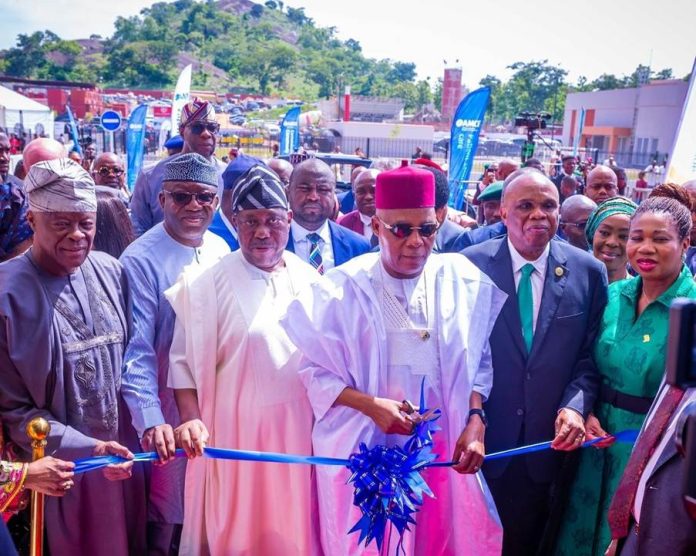
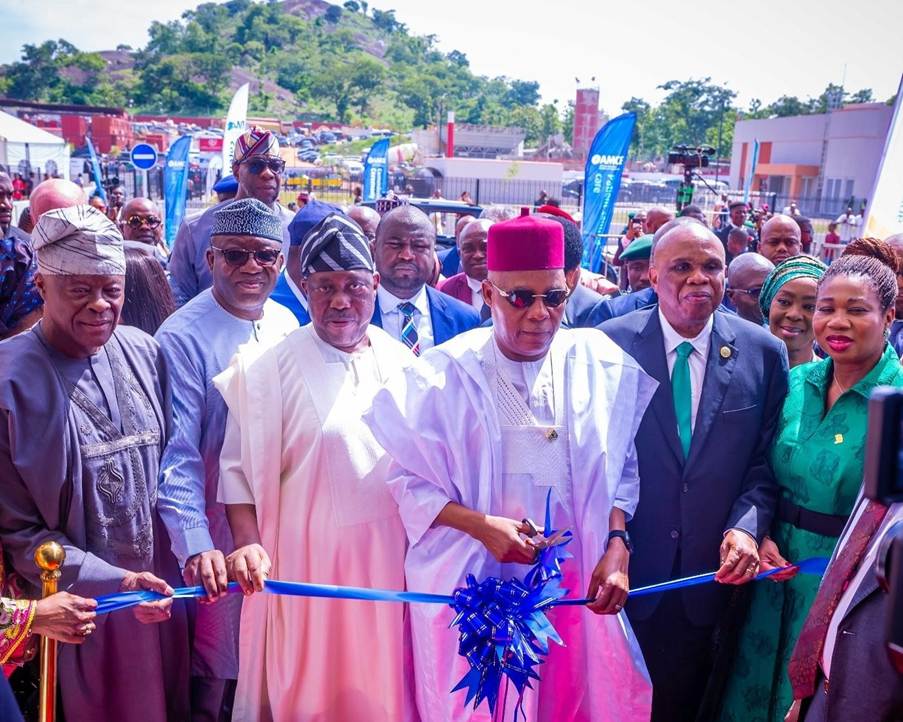
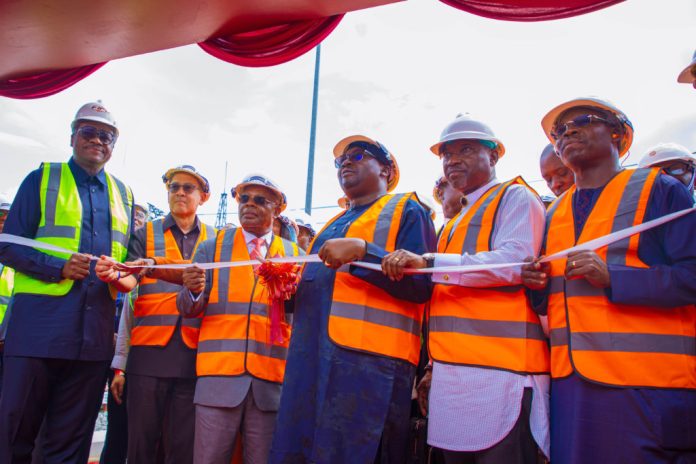
L-R: Hon. Wale Edun, Minister of Finance and Coordinating Minister of the Economy Nigeria, Dr. Kayode Fayemi, Former Governor of Ekiti State, H.E Senator George Akume, Secretary to the Government of the Federation, Federal Republic of Nigeria, H.E. Senator Kashim Shettima, Vice President of the Federal Republic of Nigeria representing H.E Bola Ahmed Tinubu GCFR, President and Commander-in-Chief of the Armed Forces, Federal Republic of Nigeria, H.E Professor Benedict Oramah, CON, President and Chairman of the Board of Directors, African Export-Import Bank (Afreximbank) and his wife, Mrs. Chinelo Oramah, Matron of Afreximbank Spouse Network (ASNET) during the commissioning ceremony of the African Medical Centre of Excellence Abuja (AMCE) on 5th June 2025.
The African Medical Centre of Excellence (AMCE) officially opened today, marking a historic milestone in Africa’s journey towards healthcare sovereignty. The US$300 million tertiary medical facility, developed by African Export-Import Bank
(Afreximbank) in partnership with King’s College Hospital London, welcomed His Excellency President Bola Ahmed Tinubu as guest of honour, represented by His Excellency, Senator Kashim Shettima, Vice President of the Federal Republic of Nigeria, alongside high-ranking Government and private sector officials, including the Minsters of Health, Finance, and Foreign Affairs, Nigeria Customs Services, Nigeria Immigration Services, Nigerian National Petroleum Corporation Limited (NNPCL) and Bank of Industry (BOI), among others.
Located in Abuja and designed to meet the highest global standards, AMCE Abuja offers worldclass services across oncology, haematology, cardiology, and general medical services. More than a hospital, the facility represents a bold statement of Africa’s determination to reduce dependence on foreign health systems and reverse the estimated US$6-10 billion Africans spend annually seeking treatment abroad.
The opening of AMCE Abuja comes at a critical time, as Africa seeks to strengthen its healthcare systems and reduce reliance on external providers. The COVID-19 pandemic exposed the vulnerabilities of this reliance, with global supply shortages putting immense pressure on African nations. Similarly, past responses to health crises like Ebola have reinforced the urgent need for resilient, homegrown solutions. Decades after independence, millions of Africans continue to suffer from diseases like sickle cell and malaria, conditions that could be better managed with targeted local research and investment. Yet these illnesses often receive limited global attention or funding, leaving critical treatment gaps. AMCE Abuja represents a bold step forward, bringing world-class care to the continent, centering African health priorities, and laying the groundwork for a healthier, more self-reliant future. In strategic partnership with Bank of Industry (BOI), and Nigerian National Petroleum Corporation Limited (NNPCL), AMCE reflects what’s possible when African institutions unite with shared purpose.
“Today, we are not merely unveiling a building, we are making a bold, collective statement: we will no longer accept medical vulnerability as destiny. The African Medical Centre of Excellence stands as proof that Africa is ready to compete with the best in global healthcare. I commend Afreximbank and its visionary President, Professor Benedict Oramah, and salute the partnership with King’s College Hospital for turning this audacious dream into reality. This is what happens when African institutions confront African challenges with African solutions.
L-R: Hon. Wale Edun, Minister of Finance and Coordinating Minister of the Economy Nigeria, Dr. Kayode Fayemi, Former Governor of Ekiti State, H.E Senator George Akume, Secretary to the Government of the Federation, Federal Republic of Nigeria, H.E. Senator Kashim Shettima, Vice President of the Federal Republic of Nigeria representing H.E Bola Ahmed Tinubu GCFR, President and Commander-in-Chief of the Armed Forces, Federal Republic of Nigeria, H.E Professor Benedict Oramah, CON, President and Chairman of the Board of Directors, African Export-Import Bank (Afreximbank) and his wife, Mrs. Chinelo Oramah, Matron of Afreximbank Spouse Network (ASNET) during the commissioning ceremony of the African Medical Centre of Excellence Abuja (AMCE) on 5th June 2025.
“Over the past two years, we have taken deliberate steps to transform Nigeria’s health sector— from unlocking the healthcare value chain through the Presidential Initiative (PVAC), to expanding pharmaceutical production, regulatory systems, and diagnostic access, and securing over $2.2 billion in new investments through the Nigeria Health Sector Renewal Initiative. But excellence must be sustained. That’s why we’re investing in the roads, power, and connectivity that enable great institutions to thrive. With the largest stem cell lab in West Africa and plans for a medical school, this Centre is more than a hospital, it is a place to heal the sick, and to train the future.” — H.E. Bola Ahmed Tinubu, GCFR, President and Commander-in-Chief of the Armed Forces, Federal Republic of Nigeria, represented by H.E. Senator Kashim Shettima, Vice President of the Federal Republic of Nigeria.
Commenting on the momentous achievement, Prof. Benedict Oramah, President and Chairman of the Board of Directors of both Afreximbank and AMCE, thanked the Federal Government of Nigeria for providing the land on which the AMCE stands, adding: ” In 2013, I had my own close call when I became seriously ill and was evacuated to King’s College Hospital in London, where a frantic battle to save my life ensued. Being here today is a testament to the power of cutting-edge medical research, clinical knowledge, and a solid healthcare ecosystem. The event we mark today is proof that society is better off saving lives than burying its dead, and that it is a living person who can contribute to development and social transformation. This experience led me to conclude that one of the major contributions I could make to Africa was to help Afreximbank deliver on its health and medical strategy in every way possible. Our vision for the African Medical Centre of Excellence is not just to provide top-notch healthcare but to serve as a catalyst for the transformation of the African health sector, making a bold statement to the world that Africa is finally taking its destiny into its own hands in healthcare sovereignty and global standards.”
President Oramah also announced the launch of the Africa Life Sciences Foundation, to act as the vehicle for mobilising appropriate risk capital to drive research efforts and called on African and non-African governments, banks, high net worth individuals, and corporate organisations to join the Bank in investing in the hospital through this platform.
Brian Deaver, Chief Executive Officer of AMCE, highlighted the facility’s comprehensive approach: “Today, we don’t just open a hospital, we launch a healthcare revolution for Africa. AMCE represents a paradigm shift in how specialised medical care is delivered on the continent. Our integrated model encompasses early diagnosis, advanced treatment, and long-term disease management, creating a seamless continuum of care that improves patient outcomes and health experiences.”
He added: “Our mission extends beyond treatment to include world-class medical education, groundbreaking research, and continuous innovation. By combining international expertise with local talent development, AMCE will build sustainable healthcare capacity that serves generations to come.”
AMCE’s opening signals a new era for Africa — one in which self-reliance replaces dependency, and world-class care is no longer the privilege of a few but the standard for many. By anchoring healthcare delivery, talent development, and innovation on the continent, AMCE is not just stemming the outflow of medical dollars, but redefining Africa’s place in the global health ecosystem.
Through its clinical partnerships with King’s College Hospital, London and The Christie NHS Foundation Trust, AMCE will be home to advance research, education, and medical excellence by fostering continuous knowledge exchange. In its next phase, AMCE will expand to include a second 350-bed hospital, medical and nursing schools, a medical sciences foundation, research centres, and residential facilities. Together, this integrated ecosystem will position Nigeria as a leading hub for specialist healthcare, medical training, and clinical research on the continent.
Professor Clive Kay, Chief Executive Officer of King’s College Hospital NHS Foundation Trust said, “We are proud to partner with Afreximbank on this important initiative. The African Medical Centre of Excellence represents a positive step forward, and by bringing together world-class clinical standards, training, and research, we aim to share our expertise and support the development of a sustainable model of care that responds directly to the needs of African patients”.
The AMCE currently boasts 170 beds, with plans to expand this to 500 beds upon completion. It features the largest stem cell laboratory in the region, 15 post-stem cell isolation rooms in West Africa, alongside five theatres and three catheterisation laboratories. It also features a 20-bed intensive care unit, six critical care unit beds and 20 chemotherapy chairs with a compounding pharmacy among others. Some of the specialised equipment in Nigeria and the region are exclusively hosted by AMCE Abuja. They include an 18MeV cyclotron, 3 Tesla Magnetic Resonance Imaging, 256 slices computed tomography, brachytherapy machine with iridium source, four biosafety cabinets and 128 slices computed tomography machines, among other amenities.
Now open, AMCE Abuja welcomes patients, healthcare professionals, researchers, and partners to join its mission of delivering world-class healthcare, fostering innovation, and building a healthier, more self-reliant Africa.
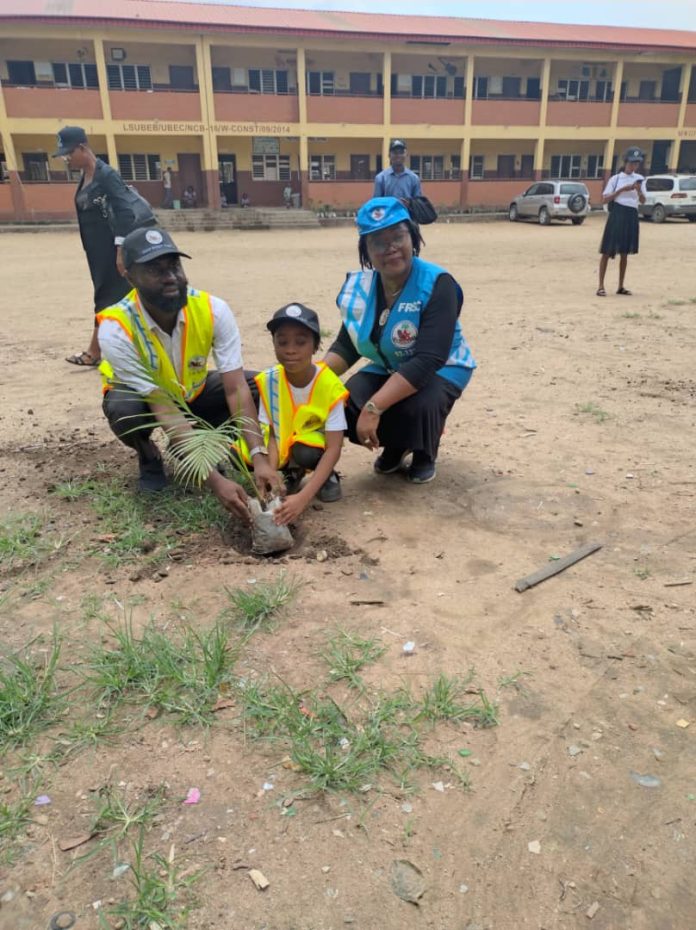
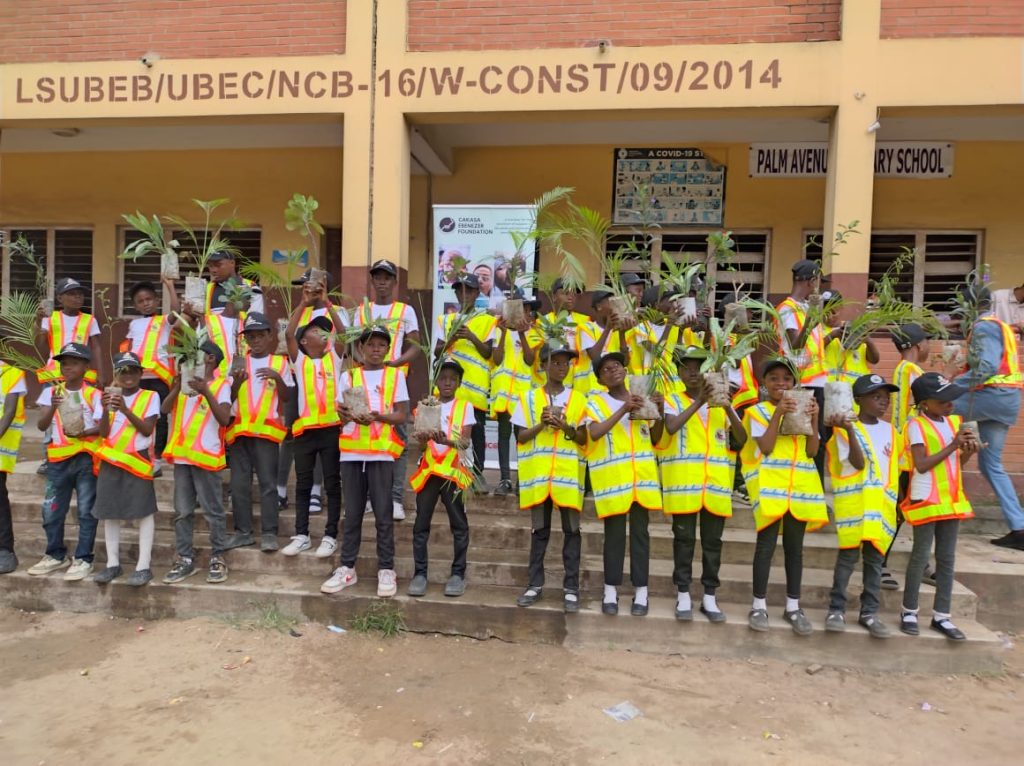
To mark World Environment Day 2025, the Cakasa Ebenezer Foundation (CEF) brought together pupils, teachers, road safety advocates, and local stakeholders in Mushin, Lagos, for a vibrant tree-planting initiative across six public primary schools. The event underscored the global theme “Beat Plastic Pollution”, highlighting the urgent need to restore ecosystems, reduce plastic waste, and promote green living in urban communities.
Organised in collaboration with the Cakasa Road Safety Club, the initiative empowered young learners to become environmental stewards by planting trees and flowering plants within their school compounds. Participating schools included:
New City Primary School
Palm Avenue Primary School
Oduduwa Primary School
Estate Primary School
Papa Ajao Primary School
Alaba Primary School
Each school received six plants, symbolising the growth of environmental consciousness among Lagos’s future leaders. The flagship event took place at New City Primary School, with school delegations in attendance and active involvement by local club coordinators.
In her keynote address, Mrs. Helen Egbe, Executive Director of Cakasa Ebenezer Foundation, celebrated the commitment of the children and their teachers:
“By planting trees here in Mushin today, we are doing something powerful. One tree may look small now, but as it grows, it becomes a giant gift to your community and to the world. You are not just planting trees—you are planting hope. You are saying no to pollution and yes to a greener, cleaner Lagos.”
Mrs. Egbe further called on the pupils to become “guardians of tomorrow,” cultivating not just the soil but a lifelong sense of responsibility for the environment.
Also present were:
Mrs. Omolara Ogunshola, Zonal Coordinator of the Cakasa Road Safety Club, Mushin LGA
School Club Coordinators from each participating school
Mrs. Rachel Babatunde, Head Teacher, New City Primary School
Mr. Nsikak Isonguyo, Coordinator, Unit 70 Cakasa Special Marshal, RS 2.16 Ikeja Command, Federal Road Safety Corps
Mr. Tobe Jacobs, representing teachers from participating schools
A participating teacher shared this testimony after the event:
“Planting of flowers in schools organised by Cakasa Ebenezer Foundation and attended by Road Safety Club members was a meaningful way to celebrate World Environment Day. We are back to school now, doing exactly what was expected—nurturing these plants for a better future.”
Educating for Sustainability
The tree-planting exercise is part of CEF’s wider programme to integrate environmental education and civic engagement into school life, particularly in underserved communities. Through its Road Safety Clubs, CEF not only promotes traffic awareness but also instils values of discipline, environmental stewardship, and social responsibility.
World Environment Day, celebrated globally since 1973 and led by the United Nations Environment Programme (UNEP), is the world’s largest platform for environmental outreach. This year’s theme, “Beat Plastic Pollution,” calls attention to the devastating impact of plastic waste, particularly in urban centres like Lagos. By turning the focus to green restoration, the Cakasa initiative aligns with both global and local sustainable development goals (SDGs), particularly SDG 11 (Sustainable Cities and Communities) and SDG 13 (Climate Action).
A Growing Commitment
CEF’s tree-planting initiative reflects its deep-rooted commitment to creating a cleaner, safer, and more sustainable society. By engaging children early, the Foundation is sowing the seeds of a generation that values green spaces, understands the impact of climate change, and is prepared to act.
In a surprising turn of events, Tottenham Hotspur has parted ways with manager Ange Postecoglou, just 16 days after he led the club to a historic UEFA Europa League victory. This decision comes despite the Australian coach ending the club’s 17-year trophy drought with a 1–0 win over Manchester United in the final held in Bilbao.
The club cited a disappointing domestic season as the primary reason for the dismissal. Tottenham finished 17th in the Premier League, narrowly avoiding relegation with a record 22 losses and accumulating only 38 points—their lowest tally in the Premier League era.
Postecoglou, appointed in July 2023, initially brought optimism to the club, leading them to a fifth-place finish in his debut season. However, his second season was marred by injuries and a rigid tactical approach, leading to a significant decline in league performance.
Chairman Daniel Levy emphasized the need for a strategic shift to ensure long-term competitiveness. Potential successors include Brentford’s Thomas Frank, who is reportedly the leading candidate, along with Marco Silva, Michael Carrick, and Xavi Hernandez.
In his farewell statement, Postecoglou expressed pride in his achievements and gratitude to the fans and players. The club is expected to announce a new head coach soon as they prepare for the upcoming UEFA Super Cup against Paris Saint-Germain.
In a landmark event for international football, Russia is set to host Nigeria for their first-ever senior men’s match. The friendly is scheduled to take place at the VTB Arena in Moscow on June 12, 2025.
This match marks a significant moment for both nations, as it represents the beginning of on-field relations between the two footballing countries. For Nigeria, it offers an opportunity to test their squad against European opposition, while Russia aims to strengthen its ties with African football nations.
The Nigeria Football Federation (NFF) confirmed the fixture, highlighting the importance of such international friendlies in preparing the team for upcoming competitions. The match is expected to draw significant attention, given the novelty of the encounter and the potential for fostering stronger footballing relations between Europe and Africa.
Both teams are anticipated to field strong line-ups, providing fans with an exciting and competitive match. The game will also serve as a platform for players to showcase their talents on an international stage, potentially opening doors for future opportunities.
Crude oil prices dipped on Friday as volatility in the global commodity market persisted, driven by a complex mix of supply-demand imbalances and geopolitical tensions. The imbalance appears multidimensional: the Organisation of the Petroleum Exporting Countries and its allies (OPEC+) are increasing production, even as demand weakens—particularly in China, where sluggish economic data and tariff concerns are dampening consumption outlook.
The ongoing Russia-Ukraine war continues to disrupt both the supply and demand dynamics of global crude, while escalating tensions in the Middle East, particularly involving Israel, are also contributing to market unease.
Despite these pressures, oil prices managed to remain relatively stable, buoyed slightly by developments such as renewed US-China trade communications and continued geopolitical friction in Eastern Europe.
Brent crude, the international benchmark, edged up 0.04% to trade at $65.03 per barrel, compared to $65.00 in the previous session. Similarly, US benchmark West Texas Intermediate (WTI) gained 0.06% to $62.64 per barrel, up from $62.60.
Supply-side uncertainty grew further amid reports of potential new US sanctions on Russia and stalled nuclear negotiations with Iran—both of which could impact global supply chains. Meanwhile, OPEC+ reaffirmed its intention to increase output starting July, in line with previous guidance.
On the demand side, weak macroeconomic signals from both the United States and China continued to weigh heavily. A notable build-up in US petroleum product inventories only added to concerns about sluggish demand in the near term.
Elsewhere, a phone conversation on Thursday between US President Donald Trump and Chinese President Xi Jinping revived cautious optimism around trade negotiations. However, analysts warn that the possibility of additional US tariffs still looms, leaving markets wary of a sustained breakthrough.
In a separate development that stirred investor sentiment, tensions between President Trump and Tesla CEO Elon Musk surfaced after Musk openly criticized proposed tax legislation—a political spat that added to the broader climate of uncertainty in US economic policy.
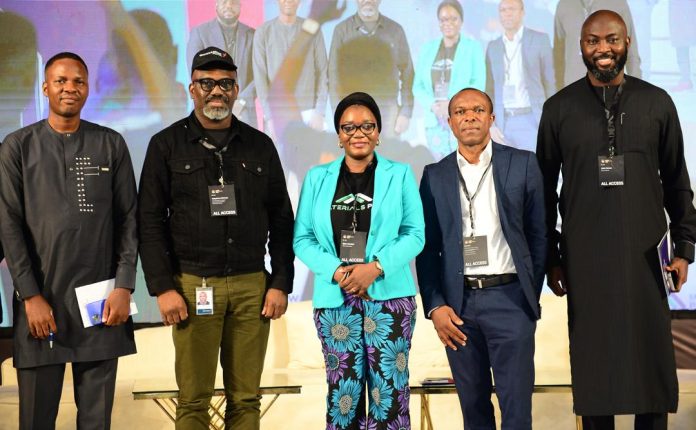
L-R: Taiwo Ala, Head Products, Personal and Private Banking, Stanbic IBTC Bank; Femi Adewole, Managing Director, Urban Economics International; Kunle Adedeji, Acting Chief Executive, Stanbic IBTC Holdings PLC; Hon. Moruf Akinderu-Fatai, Commissioner for Housing, Lagos State; and Olu Delano, Executive Director, Personal and Private Banking, Stanbic IBTC Bank, during the Home Ownership Summit 2.0, recently held at the Eko Convention Centre, Victoria Island, Lagos.
The vibrant city of Lagos was abuzz with aspiration and opportunity as Stanbic IBTC Bank hosted its highly anticipated 2025 Home Ownership Summit on Tuesday, 03 June 2025, under the inspiring theme, “Building Tomorrow Today: Transforming the Path to Homeownership.” This electrifying event, held with both in-person and virtual participation, reemphasised the Bank’s commitment to reshaping the journey to property ownership for Nigerians.
The session, a dazzling blend of innovation and empowerment, brought together a dynamic mix of financial strategists, real estate experts, existing and aspiring homeowners. Attendees were treated to a feast of insights, from navigating the intricacies of home financing to unlocking wealth-building opportunities through real estate. Stanbic IBTC Bank highlighted its tailored home loan solutions, spotlighting competitive interest rates, flexible equity contributions, digitised mortgage calculator, and personalised advisory services designed to make homeownership a reality for all.
Wole Adeniyi, Chief Executive Stanbic IBTC Bank, set the tone with a powerful address: “Our vision is to turn dreams into addresses. The 2025 Home Ownership Breakfast Session is more than an event, it is a movement to empower Nigerians to build their futures, one home at a time. With our innovative financing options, we are breaking barriers and opening doors to lasting wealth.”
The summit was not just about numbers; it was a celebration of possibilities. Engaging panel discussions delved into emerging real estate trends, the art of wealth protection through insurance, and the power of legacy building with wills and trusts, all seamlessly integrated with the expertise of the Stanbic IBTC Group. Attendees left energised, armed with actionable strategies to transform their property ambitions into reality.
From interactive question and answer sessions to one-on-one consultations with financial experts, the event created a vibrant space for connection and learning. Virtual participants joined the excitement through a seamless online platform, ensuring that Nigerians everywhere could tap into this transformative experience.
As the Lagos session sets the stage, anticipation builds for the upcoming Abuja edition later in July this year. Stanbic IBTC Bank continues to lead the charge in making homeownership accessible, proving that the path to owning a dream home is not just a possibility, it is a promise.
For those who missed the Lagos event, it is not too late to join the movement. Visit www.stanbicibtcbank.com to stay updated on the Abuja session and explore Stanbic IBTC’s home loan offerings. For inquiries, contact Callme@stanbicibtc.com.
As part of its sustained efforts to accelerate Sierra Leone’s digital finance transformation, Interswitch, one of Africa’s leading integrated payments and digital commerce companies, in collaboration with the Bank of Sierra Leone (BSL) has successfully hosted the second edition of the Sierra Leone Fintech Forum, bringing together key stakeholders across the financial ecosystem to chart a course toward broader access, inclusion, and growth through digital payments.
The event, which held at the New Brookfields Hotel in Freetown, convened senior representatives from both the public and private sectors, including regulators, banks, fintechs, mobile money operators, and development organisations, for a day of high-level dialogue and engagement.
Building on the success of the inaugural edition, this year’s theme, “Access, Inclusion and Growth – Deepening Digital Payments in Sierra Leone,” reflected a shared commitment to building a more inclusive and resilient financial system through collaboration and innovation.
Delivering the keynote address titled “Building on Progress: Expanding Access, Driving Inclusion, and Fueling Growth for National Prosperity,” Akeem Lawal, Managing Director, Payment Processing and Switching (Interswitch Purepay), reinforced the company’s commitment to co-creating value in the markets it serves.
“Financial inclusion goes beyond launching more apps or issuing more cards, it’s about solving real problems with solutions that are scalable, secure, and grounded in local realities. Since the first edition of the Fintech Forum, Sierra Leone has made clear progress, with strong mobile penetration and a forward-looking Central Bank. What’s needed now is execution that is sustained, coordinated, and responsive to the realities on the ground.
“By applying lessons from multiple African markets and tailoring them to local needs, Interswitch is committed to supporting Sierra Leone’s digital transformation. That means enabling agency networks that function effectively, driving merchant acceptance to reduce cash reliance, and working closely with regulators to co-create policy that drives real progress and inclusive growth.”
In his remarks, Dr. Ibrahim Stevens, Governor, Bank of Sierra Leone, commended Interswitch’s continued investment in the country’s digital transformation journey. He highlighted the Central Bank’s commitment to driving regulatory innovation and building an inclusive ecosystem. He said,
“The Bank of Sierra Leone recognises the critical role of digital financial services in building a more inclusive and resilient economy. Events like the Sierra Leone Fintech Forum, in collaboration with innovators like Interswitch, help accelerate the adoption of technologies that bring more Sierra Leoneans into the formal financial system. We remain committed to creating an enabling regulatory environment that fosters innovation while ensuring consumer protection and financial stability.”
A key highlight of the forum was the live demonstration of Interswitch’s Agency Banking solutions, designed to bridge the gap between traditional banking infrastructure and underserved and remote communities. Attendees experienced firsthand how the platform supports secure, efficient, and accessible financial transactions across Sierra Leone through a decentralised network of agents.
The event featured a series of insightful panel discussions, interactive Question & Answer sessions, and networking opportunities, fostering collaboration and knowledge exchange across the ecosystem. As mobile connectivity expands and Sierra Leone’s digital agenda accelerates, the forum provided a timely platform to align actors, surface practical solutions, and build collective momentum toward a more inclusive financial system.
The Sierra Leone Fintech Forum reaffirmed Interswitch’s role as a catalyst for digital finance transformation in the region and across the continent. As the financial landscape continues to evolve, the company remains committed to supporting the country’s financial inclusion goals through innovation, shared infrastructure, and strategic partnerships that power a more inclusive, digital and future-ready economy.
Happy Thursday, fam! It’s that time again, time for some real talk, some humor, and a reminder that you deserve the best, not the leftovers. So grab your snack, kick back, and let’s talk about how to stop settling for less than you deserve. This one’s for anyone who’s been doing too much for too little. Let’s go!
Let’s dive into this uncomfortable truth: So many of us are guilty of settling for less than we deserve, in our relationships, careers, friendships, and even in how we treat ourselves. It’s that “good enough” mentality that gets us stuck in situations where we just make it by. We convince ourselves that things are fine when, deep down, we know they’re not.
It’s easy to fall into that trap, right? You think, “Well, it’s not perfect, but at least it’s something.”
That job that doesn’t excite you. The friend who always calls when they need something but never when you do. The romantic partner who sometimes shows up, but not always. Here’s the thing, good enough isn’t good enough. Not anymore.
Why do we settle for less? It’s all about comfort. You know that thing where you’ve been in a situation for so long that it feels easier to stay than to try something new? Even though you’re unhappy, the thought of change feels scarier than sticking with the current “meh” situation.
But guess what? Comfort is the enemy of progress. You’re not going to grow, thrive, or level up by sticking with what’s “good enough.” If you’re not feeling challenged, inspired, or excited, you’re probably stuck in a situation that’s limiting your potential.
And let’s talk about the real kicker: fear of disappointment. We’ve all been there, afraid that if we let go of what we have, we’ll be left with nothing. But here’s the truth: sometimes, you need to let go of what’s holding you back to make room for something better.
Here’s why you need to stop settling:
You’re limiting your own growth. By sticking with what’s comfortable, you’re preventing yourself from stepping into bigger opportunities and better situations. The real growth happens when you step outside your comfort zone, even if it’s scary. You’re showing the world how to treat you. If you keep settling, people will think it’s okay to treat you like an option instead of a priority. Don’t teach anyone that you’ll accept anything less than respect, love, and value. You deserve more than “just enough.” You’re capable of so much more than you think. The right job, the right friends, the right partner — they’re all waiting for you to stop accepting less than you deserve. Don’t sell yourself short. So, what’s the solution? It starts with choosing better for yourself — and it doesn’t have to be a dramatic overhaul.
Start saying no to the things that don’t align with your goals and values. Raise your standards in every area of your life. Let go of what’s comfortable, even if it’s hard, because comfort won’t take you where you need to go. Remember: You can’t get to your next level by staying where you are. You have to be willing to move to move forward.
Stop settling for less than you deserve. Your time, energy, and effort are too valuable to waste on things and people that don’t treat you like you’re important. It’s time to level up and stop accepting the bare minimum.
And that’s it for today’s edition of Thursday Chronicles, your weekly reminder to stop playing small. You were not born to settle, and the universe has bigger plans for you than just “good enough.” So, raise your standards, let go of what’s holding you back, and get ready for the blessings that are waiting for you when you choose better.
Catch you next Thursday, fam, until then, remember, you deserve the best, so don’t settle for less.
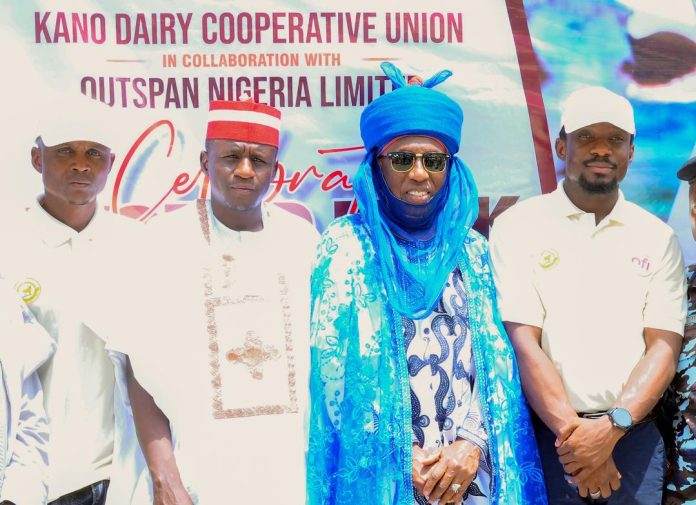
Outspan Nigeria, a subsidiary of ofi, has announced plans to roll out a series of tech-driven solutions to deepen its backwards integration impact in the dairy value chain. The bold strategic plans were announced during the World Milk Day commemorative event organised on June 1, 2025, in partnership with the Kano Dairy Union in Tasa Village, Dawakin Kudu Local Government, Kano.
World Milk Day is celebrated globally. This year’s theme, “Let’s Celebrate the Power of Dairy”, put the spotlight on the importance of milk in the global nutrient mix. The commemorative event offered Outspan Nigeria a platform to engage with critical stakeholders in the dairy value chain. Through a partnership with Kano Dairy Union, the company continues to invest in improving access to milk among local households.
Since it began investing in backwards integration half a decade ago, Outspan Nigeria has established milk collection centres, implemented animal health improvement programs, feed and fodder development, conducted artificial insemination exercises and held continuous farmer capacity building workshops. These efforts have helped create market access, raise livestock health, improve milk production, raise dairy farmers’ incomes and reduce hawking among the farmers’ wives while providing the means to enrol more farmer children in school.
The company’s planned rollout of tech-driven solutions will incorporate digital platforms for farmer education, data analytics for better decision-making, and modern farming equipment to help smallholder farmers scale up their operations with greater efficiency as part of a broader commitment to improving food security in Nigeria.
Dr. Isah Abubakar, Backward Integration Manager at Outspan Nigeria, who addressed dignitaries at the commemorative event, said technology will be a game-changer in addressing long-standing challenges in the dairy sector. According to him, “Milk is a vital source of nutrition, and our efforts aim to make high-quality dairy products accessible to communities across Nigeria. We plan to roll out a series of tech-driven solutions to expand the impact of our intervention efforts in the local dairy value chain. Technology is revolutionising the dairy industry, and keeping the country in step with industry trends will raise efficiency and optimise productivity in the chain.”
“Our vision is to build a smarter, more productive sector that contributes meaningfully to national food security and economic development. By embracing technology, we believe we can increase efficiency, reduce costs, and improve the overall quality of our dairy products, which will contribute to the growth and development of the entire livestock industry”, he stated.
Praveen Paulsamy, Vice President of ofi’s dairy business in Nigeria, said, “The World Milk Day commemoration serves as a reminder of the critical role dairy farmers and the livestock industry play in ensuring food security and promoting sustainable agriculture. We will continue to consider opportunities that enable quality investments in developing the local dairy value chain to drive more productivity in dairy farming communities”.
He commended the Federal Government, Kano State Government, and the Minister of Livestock Development for their continued support and the enabling environment they have created for livestock development, while commending Kano Dairy Union for its strong partnership and collaborative efforts.
During the commemorative event, farmers, community chiefs and the government praised Outspan Nigeria’s value chain effort. The Ward Head of Dawakin Kudu, Alhaji Abba Yusuf, expressed satisfaction with the company’s outstanding support for farmers. Sani Umar, Village Head of Tasa, praised the partnership between Kano Dairy Union and Outspan Nigeria for boosting dairy farmers’ capacity and improving milk collection and storage, adding that the initiative has raised household incomes and increased school attendance, with children now able to read, write, and help record milk collected for production.
The Chairman of Kano Dairy and Livestock Husbandry Cooperative Union (KADALCU), Usman Abdullahi Usman, represented by the Union’s Organising Secretary, Abubakar Adamu, commended the company for providing support with solar panels, generators, and freezers, among others. Hajiya Maimuna Sani, a farmer’s wife, commended Outspan Nigeria for creating market access for dairy farmers, enabling more enrolment of farmers’ children in school.
The World Milk Day event featured a quiz and competition for primary school students, as well as the distribution of school bags, books, and other educational materials to farmers’ children. Prizes and awards were presented to the most productive farmers and outstanding workers in milk collection centres. Discover much more about what ofi has to offer at ofi.com
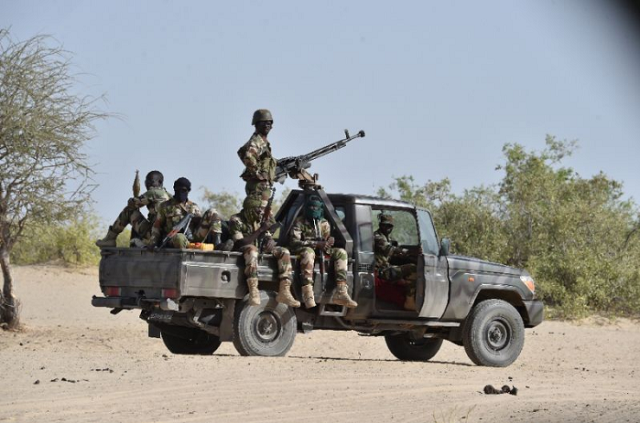
Troops of Operation Hadin Kai have successfully repelled coordinated terrorist attacks on Buratai and Mallam Fatori in Borno State, killing several insurgents and recovering a cache of weapons.
This was disclosed in a statement on Thursday by the Acting Deputy Director, Army Public Relations (Operation Hadin Kai), Captain Reuben Kovangiya, who confirmed that the terrorists met stiff resistance from Nigerian troops supported by aerial bombardments from the Air Component of OPHK.
According to Captain Kovangiya, the attacks, which occurred in the early hours of Thursday, 5 June 2025, were decisively countered by the joint effort of ground troops and air support. The military operation led to the neutralisation of dozens of terrorists and the recovery of assorted arms and ammunition.
“In yet another coordinated effort by the ground forces and Air Component of Operation HADIN KAI, scores of terrorists have been neutralised, with assorted arms and ammunition recovered, in a foiled attack on troops in Buratai, Biu Local Government Area, and Mallam Fatori, Abadam Local Government Area of Borno State,” the statement read.
He explained that in Buratai, the terrorists attempted to infiltrate troops’ defensive positions from multiple directions under the cover of darkness but were swiftly detected and engaged with overwhelming firepower.
“The troops, however, responded swiftly and decisively, engaging the attackers with heavy gunfire while close air support from the Air Component inflicted further damage on the insurgents,” he said.
Following the engagement, several terrorist corpses were discovered at the scene, alongside a substantial cache of arms, including AK-47 rifles, General Purpose Machine Guns (GPMGs), Rocket-Propelled Grenades (RPGs), and other combat equipment.
The statement added that the surviving terrorists fled the scene but were pursued by the troops in a continued clearance operation, which further degraded the enemy’s strength and capabilities.
“The coordinated efforts of the ground forces and Air Component demonstrate the military’s commitment to denying terrorists freedom of action,” Captain Kovangiya stated, adding that mop-up operations are ongoing in the affected areas.
He reassured residents of the military’s resolve to maintain pressure on terrorist elements and restore lasting peace in the North-East region.
Operation Hadin Kai remains the Nigerian military’s flagship counterinsurgency effort aimed at dismantling the operational capacity of Boko Haram and Islamic State West Africa Province (ISWAP) elements across the North-East.
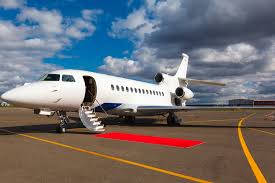
In a move to recover billions of naira in unpaid import duties, the Federal Government has grounded approximately 60 private jets across major airports in Nigeria. The action, enforced by the Nigeria Customs Service (NCS), has led to the sealing of several private jet hangars in Lagos and Abuja.
The affected aircraft reportedly include high-end models such as the Bombardier BD-700 Global 6000, 6500, and 7500. Many of the jets are owned by senior executives in the banking sector, multinational oil firms, and other prominent private individuals. In response to the clampdown, some aircraft owners have begun lobbying high-level government officials, including the Presidency, to secure the release of their jets.
Officials within Customs and the aviation sector confirmed the enforcement began quietly earlier this week, without public notice. The NCS is seeking to recover duties that were allegedly evaded during the importation of these aircraft. A verification exercise was previously announced to allow jet owners to regularize their documentation and tax payments.
That exercise, initially scheduled to end in October 2024, was extended by one month. However, with no significant compliance from defaulters, enforcement actions began earlier this week.
Confirming the development, NCS spokesperson Abdullahi Maiwada stated that the grounding of the jets was necessary to compel compliance. “Yes, enforcement has started. The aircraft are grounded for the non-payment of customs duty. As soon as owners come forward to regularize their payments, they will be released,” he said.
Maiwada added that Customs had given ample time and multiple extensions to jet owners but would now enforce existing laws. “We’ve over-extended the grace period. Now we are simply doing what the law requires—collecting what is due to the Nigerian people.”
Sources within Customs revealed that some affected owners have begun reaching out to the Presidency and other senior government figures. One major commercial bank has reportedly pledged to settle its dues by the following week, while another is negotiating through intermediaries. A major energy firm with three grounded jets is also said to be arranging payment.
A circular dated June 4, 2025, and signed by a Deputy Comptroller-General on behalf of the Comptroller-General of Customs, authorized a “temporary unsealing” of some aircraft. This move is intended to facilitate compliance, allowing owners to present documents and negotiate payment terms. However, the circular clarified that this does not amount to a waiver of statutory obligations.
Aviation engineer and former deputy director of engineering at the now-defunct Nigerian Airways, Frank Oruye, urged both the NCS and private jet operators to adopt global best practices. He noted that operators should pay what is due to the government, while Customs should be fair and professional in its enforcement.
“For a healthy aviation ecosystem, stakeholders must act with understanding and professionalism. Investors should be ready to meet their fiscal obligations, and Customs should align with international standards in applying duties,” he said.
Oruye recounted past challenges in assessing duties on aircraft components, warning against outdated practices that hinder the industry. “In the 70s to 90s, Customs demanded duties on repaired parts as if they were newly imported—even if the part had been previously cleared. This approach discourages efficient airline operations,” he added.
Retired Group Captain John Ojikutu also expressed concern, particularly over the number of foreign-registered aircraft operating in Nigeria without proper oversight. He described it as a potential national security risk and urged both the NCS and the Nigerian Civil Aviation Authority (NCAA) to improve regulatory enforcement.
“Why are foreign-registered jets flying freely within Nigeria? Where is the security clearance? This is a breach of aviation norms and poses a risk, especially given the country’s security climate,” Ojikutu said.
He called for the NCAA to revisit its regulatory framework to prevent such lapses and ensure stricter control over aircraft operations within Nigeria.
President Bola Tinubu has restated his administration’s commitment to comprehensive reforms in the Nigeria Police Force (NPF), pledging continued investments in modern equipment, training, and welfare initiatives to enhance professionalism and operational efficiency.
Represented by Senate President Godswill Akpabio at the second edition of the Nigeria Police Award and Commendation Ceremony held on Wednesday in Abuja, Tinubu affirmed that his government is determined to reposition the Police and other security agencies to meet contemporary security challenges.
“My administration remains steadfast in its resolve to reform and reposition the Nigeria Police Force,” the President stated. “We recognise that modern policing requires modern tools, intelligence-led strategies, robust community engagement, and continuous training.”
He added that the Federal Government will sustain funding for cutting-edge technology, capacity-building programmes, and welfare packages aimed at boosting the morale of personnel across all ranks.
Addressing the gathering of senior police officials, government representatives, and award recipients, President Tinubu urged officers to maintain the highest standards of professionalism, accountability, and constitutional fidelity.
“You are entrusted with the safety and rights of the Nigerian people. The power you wield is not for intimidation, but for protection; not for abuse, but for service,” he said. “Uphold the rule of law. Reject misconduct and corruption. Let your actions reflect honour, integrity, and discipline.”
Commending the awardees for their dedication and sacrifice, Tinubu congratulated the recipients of the 2024 Police Awards and encouraged them to continue exemplifying excellence in service.
In a personal gesture of support, Senate President Akpabio announced a ₦5 million donation to the family of the late Assistant Commissioner of Police, Aniedi Cecilia Udoh, who was honoured posthumously with the 2024 Community Policing Advocate of the Year award.
Udoh, who served as Area Commander in Ahoada, Rivers State, until her passing in May, hailed from Akwa Ibom State and was celebrated for her commitment to grassroots policing and public safety.
Reflecting on his longstanding support for the Police, Akpabio recalled key interventions during his tenure as Governor of Akwa Ibom State, including the provision of 350 patrol vehicles equipped with communication gadgets, four armoured personnel carriers, and marine police infrastructure. He also cited the construction of a mobile police base and a police secondary school at no cost to the Force.
“As Senate President, I have facilitated the completion of 10 police stations in my senatorial district. I am not tired of supporting the Police,” Akpabio noted, pledging continued legislative backing for police reforms and improved welfare.
“On behalf of the National Assembly, I assure you that we will continue to appropriate the necessary resources to enhance the welfare and strength of the Nigeria Police Force.”
In his address, Inspector-General of Police, Kayode Egbetokun, described the transformation of the NPF as a continuous national priority, stressing that the awards event symbolised not just recognition, but the deep commitment to excellence and public trust.
“This is not just about awards; it’s about legacy,” he said. “Policing is not a transactional duty—it is a transformational mission, and the Nigerian people remain our most vital partners in this journey.”
The event served as a platform to honour outstanding police officers while reinforcing the federal government’s pledge to build a professional, well-equipped, and people-oriented police force.
The European Union (EU) has announced a €10.4 million investment in the Nigeria Solar for Health Project (NISHP), aimed at equipping primary healthcare centers with reliable and sustainable solar energy solutions.
Speaking at the NISHP Project Developers Roundtable Workshop held in Abuja, Inga Stephanowicz, Head of Section for Green & Digital Economy at the EU, emphasized that the initiative seeks to enhance healthcare services by providing continuous, clean energy to public health facilities across Nigeria.
“This €10.4 million EU-funded project marks a significant milestone for improving healthcare infrastructure in Nigeria,” Stephanowicz said. “NISHP will ensure 24-hour access to efficient and dependable solar power at participating healthcare centers, boosting medical services and outcomes nationwide.”
The project is designed to deliver solar power to 45 healthcare facilities in selected states, supporting Nigeria’s broader development goals through partnerships with government agencies, private sector players, and local communities.
Stephanowicz highlighted the project’s sustainable approach, noting that it also targets electrification of small and medium-sized enterprises (SMEs), telecom towers, and other critical infrastructure in the communities surrounding the health centers.
Nasiru Bello, Team Lead for NISHP, explained that leveraging solar energy will improve healthcare delivery, expand electricity access, and stimulate economic growth. He emphasized the importance of monitoring the project’s progress to ensure lasting impact.
“NISHP represents a positive step toward a brighter, more sustainable future for Nigeria’s healthcare system. With sustained support and efficient execution, it has the potential to transform millions of lives,” Bello said. He added that the project reflects the EU’s commitment to sustainable development and could serve as a model for renewable energy initiatives across Africa.
Tinyan Ogiehor, Stakeholder Engagement Expert for NISHP, also underscored the project’s potential benefits in rural areas where electricity access remains limited. “By harnessing solar power, Nigeria can reduce reliance on fossil fuels, combat climate change, and promote clean energy solutions,” he said. “Reliable solar energy will improve medical care, vaccine storage, and emergency services in primary healthcare centers.”
The workshop convened key stakeholders including government officials, private sector representatives, and technology providers. The project has already been launched in Abia, Akwa Ibom, Ogun, Plateau, and Enugu states, with additional states expected to join. NISHP is scheduled to run from 2024 to 2027.
For the third time since 2024, global streaming giant Netflix has raised its subscription fees in Nigeria, marking the first price increase of 2025. This move continues the company’s ongoing effort to adjust pricing across various markets worldwide.
The Premium Plan, which offers ultra-high-definition streaming on multiple devices, now costs ₦8,500 per month—an increase of 21.4% from the previous ₦7,000. The Standard Plan, allowing HD streaming on two screens, has risen by 18.2% to ₦6,500 from ₦5,500. The Basic Plan now costs ₦4,000, up 14.3% from ₦3,500, while the Mobile Plan has seen a 13.6% increase, moving from ₦2,200 to ₦2,500.
These hikes follow two earlier increases in 2024—one in April and another in July—when Netflix explained the adjustments as part of a global strategy aimed at increasing revenue to support the expansion of its growing library of original and licensed content.
“As we invest in and improve Netflix, we’ll occasionally ask our members to pay a little extra to reflect those improvements,” the company said in a statement to shareholders. “This helps fuel further investments to grow and enhance our service.”
Although Netflix did not explicitly cite inflation as the reason for the latest price hike, it acknowledged that local economic factors such as inflation, currency fluctuations, and taxes influence its pricing decisions.
Nigeria is currently navigating a difficult economic climate, with inflation pushing up the cost of essentials like food and fuel. In this context, rising subscription fees for digital entertainment add further pressure on consumers’ budgets.
The challenge is compounded by recent telecom data price increases of up to 50%, making access to streaming services like Netflix even less affordable for many Nigerians.
Netflix’s price increases are not unique to Nigeria. Similar adjustments have been made in major markets including the United States, the UK, and France.
In Africa, South Africa experienced a price revision just last month affecting three of its four subscription plans: The Mobile Plan rose by 20%, from R49 ($2.67) to R59 ($3.21); the Standard Plan increased from R159 ($8.70) to R179 ($9.78); and the Premium Plan jumped to R229 ($12.53) from R199 ($10.87). Only the Basic Plan, priced at R99 ($5.40), remained unchanged.
New subscribers in South Africa are already paying the updated rates, while existing customers will see the changes reflected in their upcoming billing cycles.
Photo Caption (L – R): Group Managing Director, Sahara Power Group, Dr. Kola Adesina, Executive Director, Sahara Group, Ade Odunsi, The Administrator, Rivers State, Admiral Ibok-Ete Ekwe Ibas, Hon. Minister for Power, Chief Adebayo Adelabu, Hon. Minister of State, Petroleum Resources (Gas), Rt Hon. Ekperikpe Ekpo, Director General, Bureau of Public Enterprises (BPE), Mr. Ayodeji Ariyo Gbeleyi, Project Manager, Afam II Power Plant, Olumide Akinlaja at the commissioning of the 180MW Afam II Power Plant in Afam, Rivers State. Sahara Group website
President Bola Tinubu on Wednesday virtually commissioned the 180-megawatt Afam II Power Plant in Oyigbo, Rivers State—an ambitious energy project completed by Sahara Power Group in partnership with Crescendough Nigeria Limited.
The power facility, developed over just 16 months using largely Nigerian expertise, marks a significant boost to Nigeria’s national grid and underscores the growing role of private sector innovation in driving sustainable energy development.
Speaking during the virtual inauguration, Tinubu described the plant as a strategic asset in Nigeria’s energy landscape. “This project is more than just infrastructure—it reflects the enterprising Nigerian spirit and demonstrates our ability to overcome challenges through collaboration, resilience, and renewed hope,” he said.
The president commended the Rivers State Government for its enabling role and lauded the efforts of private stakeholders, including Sahara Power Group, First Independent Power Limited, and Crescendough Nigeria Limited, for their vision, commitment, and investment in Nigeria’s energy future.
“Your collaboration has transformed a bold vision into a tangible reality. Nigeria salutes you,” Tinubu said, adding that his administration remains steadfast in its commitment to ensuring a stable power supply through investment-friendly policies and enhanced ease of doing business.
Kola Adesina, Group Managing Director of Sahara Power Group, emphasized the significance of the Afam II project, describing it as more than a 180MW addition—it is “a symbol of impact, transformed lives, and shared prosperity.”
“Electricity is the backbone of modern economies,” Adesina stated. “Our satisfaction lies in advancing uninterrupted and reliable power through long-term investments, operational excellence, and partnerships.”
He noted that Sahara Power, through its operations at Egbin Power and First Independent Power Limited, contributes over 20 percent of Nigeria’s power generation—impacting more than 50 million homes and businesses nationwide.
Looking ahead, Adesina revealed expansion plans at Egbin (the largest private thermal plant in sub-Saharan Africa), upgrades at Ikeja Electric, technology-driven initiatives at First Independent Power, and upcoming investments in renewable and alternative energy sources to further sustainability goals.
Vice Admiral Ibok-Ete Ibas (retd.), Sole Administrator of Rivers State, praised the project’s rapid delivery within 16 months, describing it as a model for local enterprise and proof of confidence in Nigeria’s economy.
“To Sahara Group and its partners, congratulations. You’ve shown that indigenous enterprise is capable and resilient,” Ibas said, adding that Rivers State remains open to high-impact investments.
Minister of Power, Adebayo Adelabu, called the project “a milestone in public-private collaboration,” noting that it strengthens Nigeria’s journey toward energy security.
The Minister of State for Petroleum Resources (Gas), Ekperikpe Ekpo, also pledged collaboration with the power ministry to address gas supply issues critical to sustaining electricity generation across the country.
With the inauguration of the Afam II power plant, the Federal Government and private sector partners have delivered a significant win for the nation’s electricity sector—improving capacity, promoting local expertise, and paving the way for more energy investments critical to powering Nigeria’s future.
The Nigerian Presidency spent over N23 billion in 2024 on the purchase of foreign exchange to fund international trips by top government officials, including President Bola Tinubu, Vice President Kashim Shettima, and First Lady Oluremi Tinubu.
This figure represents a 23 per cent increase from the N18.63 billion expended in 2023, according to data obtained from GovSpend, a public finance monitoring platform managed by BudgIT.
The surge in spending coincides with the rising frequency of official overseas engagements and the continued depreciation of the naira, which has driven up the cost of foreign exchange required for travel, accommodation, and diplomatic logistics.
Costly Engagements and a Strained Economy
Despite the prevailing economic hardship in the country, expenditures related to Nigeria’s diplomatic representation abroad have soared. In February 2024, the Presidency spent N1.04 billion on President Tinubu’s visit to Ethiopia, followed by N1.27 billion in March for the Presidential Air Fleet’s forex requirements. By April, an additional N5.07 billion was earmarked for the fleet’s operational and forex costs, underlining the financial burden of maintaining the President’s aircraft.
Vice President Shettima’s international engagements were also significant. His January 2024 trip to Switzerland was funded with N426.88 million, while his visit to Côte d’Ivoire in the same month cost N176.77 million. The Vice President’s total forex-related travel spending in 2024 reached nearly N750 million.
First Lady Oluremi Tinubu’s travels further added to the expenditure. She undertook a trip to France in January at a cost of N149.79 million, and in March, N202.39 million was spent on her visit to Mozambique, bringing her total travel-related forex spending in 2024 to over N478 million.
The Office of the Chief of Staff to the President also played a substantial role in forex spending. It expended N94.7 million on foreign currency purchases in 2024, with N46.5 million allocated for President Tinubu’s August trip to the United Kingdom and N12.7 million for Nigeria’s participation at the 78th United Nations General Assembly in New York.
Dollar Transactions and Hidden Costs
Further analysis by The PUNCH revealed that the Presidency procured over $1.274 billion for 13 disclosed forex transactions related to foreign trips in 2024. The highest single transaction was for President Tinubu’s trip to Dubai, costing $1.271 billion.
Other transactions included:
$692,265 for the President’s trip to Ethiopia,
$483,277 for the Vice President’s Switzerland visit,
$152,831 for the First Lady’s trip to France,
$126,834 for her trip to Mozambique,
$93,004 and $117,524 for the Vice President’s trips to Liberia and Côte d’Ivoire respectively.
Additional forex allocations included $100,000 for the President’s UK trip and $79,740 for the UNGA preparations. Analysts note that the actual expenditure may be much higher, as the dollar values for 30 out of 43 recorded transactions were not disclosed.
Air Travel Expenses Soar by 344%
The Presidency’s air travel expenses witnessed a staggering 344 per cent increase in 2024, climbing to N7.83 billion from N1.77 billion in 2023. Data from GovSpend show that these funds were largely channelled through major travel agencies.
Hinterland Travel & Tours Ltd received the bulk of the contracts, with payments of N158.59 million, N167.99 million, and N164.28 million in March 2024 alone. Travel Options Ltd was paid N12.84 million and N53.21 million, while Overland Travels and Tours Ltd received N23.30 million for local and international tickets in July.
Other notable expenditures include N5.35 million for a government official’s trip to Casablanca, Morocco, to attend a seminar on e-procurement.
Rising Criticism and Calls for Accountability
The rising costs have sparked public outcry and concerns about fiscal prudence. The Socio-Economic Rights and Accountability Project (SERAP) criticised the scale of estacode spending by Ministries, Departments and Agencies (MDAs), describing it as potentially reckless.
In an interview with The PUNCH, SERAP’s Deputy Director, Kolawole Oluwadare, questioned the government’s spending priorities:
“It’s troubling that capital expenditure performance is around 25 per cent, while recurrent expenditure is at 100 per cent. This reflects a mismatch between government rhetoric and reality.”
Also reacting, Odeh Friday, Country Director of Accountability Lab Nigeria, stressed the need for transparency.
“This highlights the urgent need for a shift toward greater equality and accountability in the management of public finances,” he said.
“We must ask: Do these trips truly serve the interest of Nigerians, or are they another example of wasteful expenditure?”
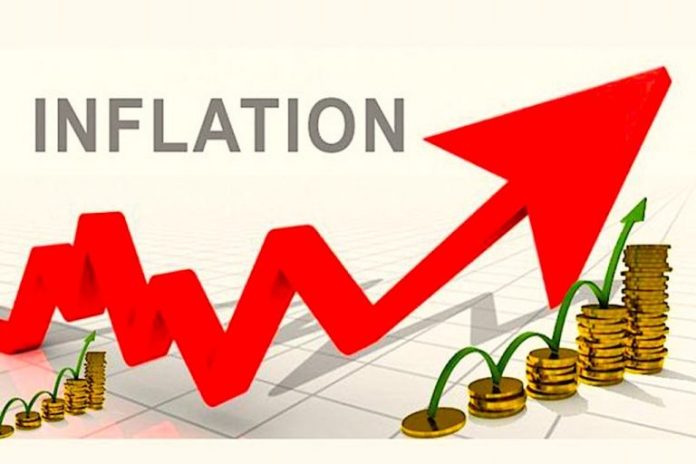
The Central Bank of Nigeria (CBN) has revealed that the majority of Nigerian businesses see surging energy costs—especially fuel, diesel, and electricity—as the primary drivers of inflation in the country. This was disclosed in the CBN’s May 2025 Inflation Expectation Survey, which highlights growing concerns over the rising cost environment for businesses nationwide. According to the report, 90.8% of respondent firms identified energy costs as the top inflationary pressure.
The report notes that expenses on petrol (Premium Motor Spirit), diesel, and electricity continue to weigh heavily on business operations, underscoring the persistent structural issues that fuel Nigeria’s inflation challenges.
Despite the CBN maintaining a tight monetary stance with the Monetary Policy Rate at 27.5%, the findings suggest that inflation remains largely driven by supply-side factors—issues that interest rate hikes alone cannot effectively address.
Following energy costs, 88.5% of firms ranked exchange rate volatility as the second-most significant factor influencing inflation, reflecting ongoing concerns over currency instability and the high cost of imports.
Transportation came third, with 87.2% of firms citing road, air, rail, and water transport costs as major inflation contributors. Interest rates followed, with 85.5% of businesses noting that borrowing costs are intensifying inflationary pressure, particularly for credit-dependent firms.
Other notable cost pressures include insecurity (84.7%), raw material input costs (78.3%), and infrastructural challenges (75%). The influence of middlemen and natural disasters was acknowledged by 73% and 63.4% of businesses, respectively, though they were perceived as having a comparatively lower impact.
Among households, transportation costs ranked just behind energy as the second-largest source of inflation (85%), followed by concerns about the exchange rate (82%), insecurity (80%), and interest rates (78.7%).
The CBN emphasized a strong consensus across both businesses and households, with energy, exchange rate instability, and transportation identified as the top three drivers of inflation. The report stated:
“Respondents (Businesses and Households) identified energy, exchange rate, and transportation as the top three inflation drivers. Natural disasters, activities of middlemen, and infrastructural challenges were perceived as less significant contributors in the review period.”
In terms of inflation perception, 75.3% of all survey respondents in May believed the inflation rate was high—up from 70% in April. Among households, the sentiment rose to 79.6%, compared to 69.4% in April, while 71.5% of businesses described inflation as high, slightly above April’s 70.5%.
Large firms were the most concerned, with 78.2% reporting high inflation, followed by micro businesses (72.8%) and medium-sized firms (70.6%).
Households earning between ₦30,001 and ₦100,000 per month were most affected, with 82.9% perceiving inflation as high. Those earning above ₦200,000 reported the lowest inflation perception at 65.7%. Urban and rural households expressed similar views, with 79.8% and 79.3%, respectively, describing inflation as elevated.
Looking ahead, inflation expectations remain cautious. About 43.1% of households and 29.7% of businesses anticipate that inflation will rise in June. On the spending front, 75.1% of firms and 67.1% of households expect their expenditures to increase.
A large majority of respondents (68.9%) expressed a desire for policy easing, calling for lower interest rates. In contrast, only 10.9% supported further hikes, while 20.2% preferred holding rates steady.
According to data from the National Bureau of Statistics, Nigeria’s inflation rate slightly eased to 23.71% in April 2025, down from 24.23% in March—a 0.52 percentage point drop.
Despite this marginal relief, the CBN survey reinforces the argument that Nigeria’s inflation is not solely driven by excess demand or monetary expansion but by deeper structural bottlenecks. With energy, transport, and foreign exchange volatility consistently flagged by both households and businesses, the evidence points strongly to cost-push dynamics at the core of Nigeria’s inflationary pressures.
The Federal Government has inaugurated a solar power initiative aimed at providing clean and stable electricity to households and small businesses in the Ibeju-Lekki area of Lagos State. Tagged “Light-Up Ibeju-Lekki,” the project is a collaborative effort between the Presidential Community Engagement Office (South-West), the National Agency for Science and Engineering Infrastructure (NASENI), and the Ibeju-Lekki Local Government Area.
Speaking at the launch event on Tuesday, the Senior Special Assistant to the President on Community Engagement (South-West), Moremi Ojudu, said the project aligns with President Bola Tinubu’s Renewed Hope Agenda, which prioritizes sustainable community development across the country.
“This initiative is not just about installing solar panels,” Ojudu said. “It’s about empowering communities, providing homegrown solutions, and creating shared progress. We are here on behalf of President Tinubu to say, ‘We see you, we hear you, and we are with you.’”
According to her, the solar electrification project is designed to ease the electricity burden on families and small businesses while stimulating local economic activity through better energy access.
Chairman of Ibeju-Lekki Local Government, Sesan Olowa, praised the initiative, noting its alignment with the council’s development goals. “We are grateful for this federal intervention,” he said. “It supports our people and strengthens our local economy. It’s a welcome development.”
NASENI representative Adesoji Oyedeji added that the project was part of broader national efforts to decentralize energy access and encourage innovation through locally driven solutions.
In preparation for the rollout, selected youths from the community were trained in solar panel installation—equipping them with technical skills and creating employment opportunities within their own neighbourhoods.
The Light-Up Ibeju-Lekki project underscores the Federal Government’s growing emphasis on renewable energy as a tool for grassroots empowerment, job creation, and inclusive development.