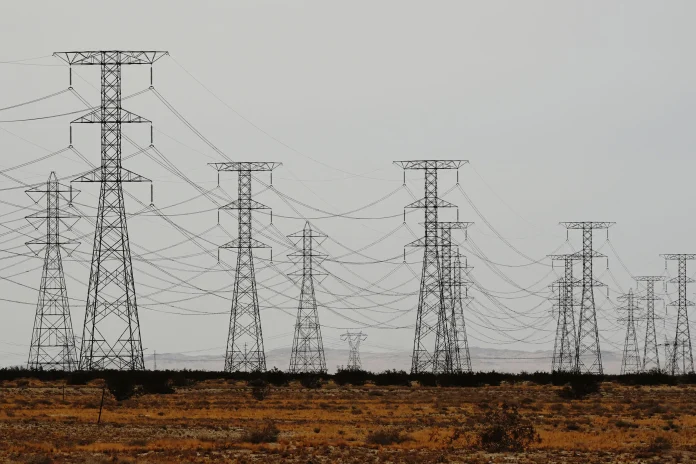
• China has commissioned a 360 metre wind measurement tower described as the world’s tallest wind energy observation facility.
• The facility will collect high altitude data on wind speed, direction, turbulence and atmospheric stability.
• Its data will support wind turbine design, renewable energy research and new energy systems.
• The tower forms part of China’s efforts to develop large scale renewable energy bases in desert and desert grassland areas.
MAIN STORY
China has commissioned a 360 metre high wind measurement tower to expand high altitude wind energy research and support the development of large scale renewable energy systems.
TV BRICS, a NAN partner, reported on Friday that the facility is located within a major wind and solar energy development zone and is described as the world’s tallest wind energy observation facility.
The tower forms part of efforts to develop large renewable energy bases in desert and desert grassland areas, in line with China’s 14th Five Year Plan.
The facility is designed to collect wind data at different altitudes, including measurements of wind speed, wind direction, wind shear and turbulence intensity, as well as atmospheric stability.
The information generated will provide data for research into high altitude wind resources and support the technical design of large scale wind turbines.
The facility is also expected to contribute to the development of new energy systems and the validation of technical standards for wind energy.
Beyond data collection, the tower will support the development of advanced technologies and serve as an open research platform for researchers and other users.
THE ISSUES
The height of the facility allows wind conditions to be observed at different altitudes, generating data for research into high altitude wind resources.
The measurements could support the technical design of large scale wind turbines by providing information on wind conditions, turbulence and atmospheric stability.
The facility forms part of a wider effort to develop renewable energy bases in desert and desert grassland areas under China’s 14th Five Year Plan.
Its role as an open research platform is intended to support further technology development and allow researchers and other users to make use of the facility.
WHAT’S NEXT
The facility will be used for continued wind energy observation, technical validation, research and technology development, with its data supporting large scale wind turbine design and new energy systems.
BOTTOM LINE
China’s new 360 metre tower is designed to provide detailed high altitude wind data for renewable energy research and technical development. The facility is also intended to support the expansion of large scale wind energy projects in desert and desert grassland areas.
• Judge warns lawyers against discussing pending cases through interviews and social media.
MAIN STORY
The Federal High Court in Abuja has dismissed a suit seeking to compel the police to reopen investigations into the circumstances surrounding the death of musician Ilerioluwa Aloba, popularly known as Mohbad.
Justice James Omotosho, in a judgment delivered on Thursday, held that the applicant lacked the legal right to institute the action and ruled that the suit was without merit.
The judge said the court could not rely on speculation where concrete evidence had not been presented.
The suit was filed by an NGO, Registered Trustees of Break the Silence Foundation, against the Inspector General of Police, the Nigeria Police Force and the Commissioner of Police, Lagos State Command.
The case, marked FHC/ABJ/CS/363/2026, sought judicial review and an order of mandamus compelling the police authorities to conduct a fresh investigation into the singer’s death.
Mohbad died in Lagos State on Sept. 12, 2023.
The court had earlier granted the NGO leave to commence the action through an ex parte application. In an application dated Feb. 23 and filed on Feb. 24 by Chief Tunde Falola, the group sought three reliefs.
The police authorities sued as the first to third respondents did not appear in the matter.
In dismissing the case, Omotosho focused on the NGO’s claim that an earlier police investigation had not been properly conducted because some relatives of the deceased, including his wife and father, were allegedly not investigated.
The judge said the group did not attach the report from the earlier investigation to establish whether those individuals had actually been investigated.
“Now the applicant did not attach the investigation report of the first investigation to conclude that those persons it mentioned such as the wife and the father of the deceased were indeed not investigated.
“Without this investigation report, there is nothing to show that the said persons were investigated or not.”
The judge said the omission left the claim based on assertions rather than evidence and could not justify the reliefs being sought.
“This omission by the applicant makes their claim speculative and full of conjectures.
“The applicant cannot hope to succeed on this particular issue on mere assertion without proof.
“Without any proof, the assertion remains unproven and cannot ground the grant of any relief,” he said.
Omotosho also criticised lawyers involved in the case for granting interviews while the matter was before the court.
He said lawyers should direct their grievances and arguments through the courts and their chambers rather than the media or social media, warning that public commentary on pending cases could affect public perceptions of evidence before the court.
The judge further warned that the court could invoke its contempt powers if lawyers disregarded its position by continuing to grant interviews or make social media posts concerning the matter.
In his final decision, Omotosho held that the suit failed because the applicant lacked locus standi and because the case was without merit.
“Consequently, this suit is hereby dismissed,” the judge declared.
THE ISSUES
The court found that the NGO lacked the legal standing required to sustain the action, which formed one of the grounds for dismissing the case.
The judge also found that the claim that the earlier police investigation was inadequate was not supported by the investigation report itself, leaving the court without evidence to establish whether the alleged omissions occurred.
The ruling highlights the court’s position that assertions about the conduct of an earlier investigation must be supported by evidence before they can form the basis for judicial relief.
The court also raised concerns about lawyers discussing pending proceedings publicly, warning that interviews and social media posts could influence public perceptions of evidence and proceedings.
WHAT’S BEING SAID
“This suit is therefore without credible evidence and thus without merit.
“I must say here that lawyers are bound to know the elementary principle of law and not flood the courts with frivolous and baseless cases which takes the precious time of the court which should be reserved for serious matters.” – Justice James Omotosho, Federal High Court, Abuja
“All of us in the legal profession should always have it in mind that this profession is a noble one and social media or the press is not our workshop.
“Courts and chambers are where we should concentrate our grievances and expressions.” –Justice James Omotosho, Federal High Court, Abuja
“In final analysis, the suit of the applicant fails for lack of locus standi and for being without merit.
“Consequently, this suit is hereby dismissed,” – Justice James Omotosho, Federal High Court, Abuja
WHAT’S NEXT
The Federal High Court has dismissed the suit seeking a fresh police investigation into Mohbad’s death. The judgment also places a warning on lawyers involved in the matter against public commentary through interviews or social media while proceedings are pending.
BOTTOM LINE
The court dismissed the case after finding that the applicant lacked legal standing and had not provided evidence to support its claim that the earlier police investigation was inadequate. The judge also warned lawyers against publicly discussing pending proceedings.
• Dozens of delegates walked out as Benjamin Netanyahu addressed the UN General Assembly.
• Netanyahu attacked New York Mayor Zohran Mamdani, Iran and Israel’s European critics.
• Britain, France and Türkiye were among Israel’s allies and partners criticised in the speech.
• Palestinian President Mahmoud Abbas addressed the assembly by video after being denied a US visa.
MAIN STORY
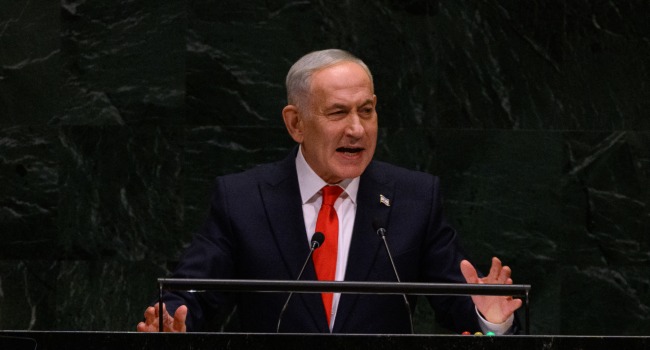
Israeli Prime Minister Benjamin Netanyahu used his address to the 81st United Nations General Assembly on Thursday to defend Israel’s military actions and attack critics, including New York Mayor Zohran Mamdani, Iran and several European allies.
The speech triggered a walkout by dozens of delegates, with some envoys booing and jeering as Netanyahu took the podium. His own delegation applauded during the address, while the session’s presiding officer called for order.
Netanyahu responded to the departing delegates by describing those who remained as “moral cowards” and telling them to leave as well.
The Israeli prime minister also targeted Mamdani, accusing the New York mayor of antisemitism and saying Jews in the city no longer felt safe since his election.
Mamdani had previously said he would seek to enforce an International Criminal Court arrest warrant against Netanyahu if he had the authority to do so, but later acknowledged that he did not have that power.
In response to Netanyahu’s speech, Mamdani accused the Israeli prime minister of repeating what he described as false claims about Israel’s conduct in Gaza and referred to the ICC warrant alleging war crimes and crimes against humanity.
The ICC issued arrest warrants for Netanyahu and former Israeli Defence Minister Yoav Gallant in 2024 over alleged war crimes and crimes against humanity linked to Israel’s military campaign in Gaza. Israel rejects the allegations.
Netanyahu also criticised Britain and France, whose governments have become increasingly critical of Israel’s conduct and have imposed limited sanctions on Israeli exports from the occupied West Bank.
He attacked the two countries over accusations of colonialism against Israel, pointing to their own colonial histories.
Iran was another major focus of the speech. Netanyahu described its government as a “murderous dictatorship” and said Israeli and US military action had prevented Tehran from developing nuclear weapons.
He also suggested that the fall of Iran’s leadership was approaching, although Iran’s government remains in control of the country and the conflict continues to affect regional security and energy routes.
Netanyahu further criticised Turkish President Recep Tayyip Erdoğan, accusing Türkiye of supporting Hamas and describing Erdoğan as a “tyrant”.
Burhanettin Duran, communications director for the Turkish presidency, rejected Netanyahu’s comments as baseless accusations that were incompatible with UN principles.
During the speech, Netanyahu also displayed a pager similar to those used in the 2024 attacks targeting Hezbollah operatives in Lebanon. The devices had reportedly been modified with explosives before being distributed to members of the Iran backed group.
Outside the UN headquarters, protesters demonstrated against Netanyahu’s visit, with some carrying banners calling for an end to the war in Gaza. At least 30 people were reportedly arrested, including actors and politicians.
Palestinian President Mahmoud Abbas did not attend the New York gathering in person after the Trump administration denied visas to members of his delegation. He instead addressed the assembly through a recorded video message, rejecting the reasons given for the visa restrictions.
Netanyahu’s appearance in New York comes as Israel prepares for elections scheduled for October 27. He was due to make only a brief visit to the city before returning to Israel and was not scheduled to meet senior US officials during the trip.
THE ISSUES
The walkout during Netanyahu’s address highlighted the sharp international divisions surrounding Israel’s military actions and the continuing criticism of its conduct in Gaza.
Netanyahu’s decision to target critics including Mamdani, Britain, France and Türkiye broadened the speech beyond Iran and Israel’s military campaigns to include disputes with governments and political figures that have criticised his administration.
The dispute over the ICC warrant remains a major point of contention, with the court alleging war crimes and crimes against humanity while Netanyahu and the Israeli government reject the allegations.
Abbas’s absence from the UN gathering added another diplomatic dispute, with the Palestinian leadership challenging the US decision to deny visas to his delegation.
WHAT’S BEING SAID
“If there are any other moral cowards who haven’t left this hall, please do so now,”
Benjamin Netanyahu, Prime Minister of Israel
“They accuse Israel, tiny Israel, of colonialism — some colonialism. And who’s accusing us? Among them are people in Britain and in France. For God’s sakes, they invented the term,”
Benjamin Netanyahu, Prime Minister of Israel
“Netanyahu used his speech to repeat baseless lies meant to sanitize his genocide of Palestinians,”
Zohran Mamdani, Mayor of New York
WHAT’S NEXT
Netanyahu is expected to return to Israel after his brief New York visit as the October 27 election campaign continues. The international dispute over Israel’s military actions, the ICC proceedings and the country’s relations with critics and allies is expected to remain part of the wider diplomatic debate.
BOTTOM LINE
Netanyahu’s UN address was marked by a major delegate walkout and sharp exchanges with critics over Israel’s military actions and foreign policy. His attacks extended from Iran to Western allies, Türkiye and New York’s mayor, underscoring the divisions surrounding Israel at the UN.
• KADIFF says film and storytelling can influence girls’ perceptions of STEM careers.
• Speakers call for more opportunities, mentorship and leadership pathways for African women in science.
• Scientists highlight interdisciplinary careers, including the use of AI in disease diagnosis.
• Kaduna officials stress mentorship and creative science education for young people.
MAIN STORY
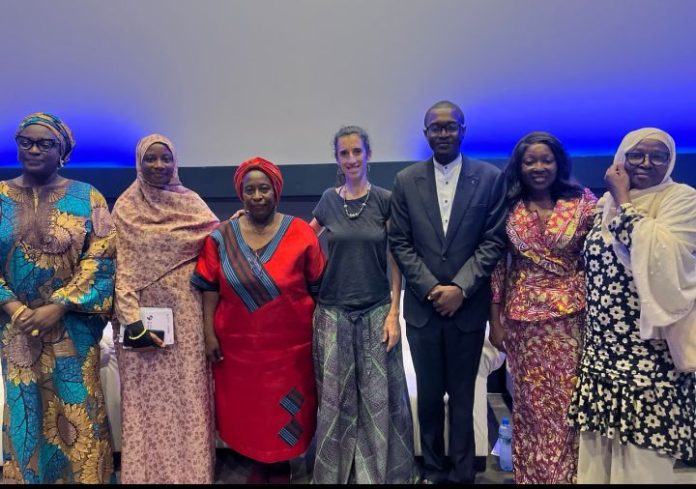
Film and storytelling can help change how girls perceive careers in Science, Technology, Engineering and Mathematics (STEM), the Executive Director of Kaduna International Film Festival (KADIFF), Israel Audu, has said.
Audu spoke on Friday in Kaduna at a forum titled “The Science of African Women”, organised by the Embassy of Spain in Nigeria in partnership with KADIFF and Women for Africa Foundation.
He said cinema could serve purposes beyond entertainment by opening conversations, influencing perceptions and connecting people across sectors and cultures.
According to Audu, the forum demonstrated the potential of film as a tool for education, advocacy, cultural exchange and social development.
He said young girls, particularly those from underserved communities, needed opportunities to see science as a field in which they could participate, lead and create change.
“We must continue to create opportunities for young girls, particularly those in underserved communities, to see science not as a distant field, but as a space where they belong, can lead and can transform lives,” he said.
Audu described support for women in science as an investment in Africa’s future, saying society stood to benefit when women and girls had access to opportunities, resources, mentorship and platforms to develop their capabilities.
He added that KADIFF was committed to partnerships that advance creativity, education, cultural diplomacy, inclusion and empowerment.
Also speaking, María Almela, Coordinator of the Science by Women Programme at Women for Africa Foundation, said African women possessed the talent required to excel in science but lacked sufficient opportunities to lead and thrive.
“It is not that talent is not there. It is not that African women in science do not exist. It is that simply there are not many programmes that are designed for them to lead and to thrive specifically,” she said.
Almela said the Science by Women Programme was focused on creating opportunities for scientific collaboration, leadership and sustained partnerships between African women scientists and institutions in Spain.
She also stressed the importance of ensuring that African women had a role in decisions on scientific priorities and funding.
“We need to create spaces where scientific creation is actually co-led, is co-created, is co-owned,” she said.
Prof. Gloria Chechet, a molecular parasitologist and Associate Professor of Biochemistry at Ahmadu Bello University, Zaria, said women could also find opportunities in emerging areas of science, including artificial intelligence.
Chechet said her own career had expanded from biochemistry and parasitology into applying AI to disease diagnosis, demonstrating how scientific disciplines could intersect.
She encouraged young women to remain open to new possibilities in their careers, noting that a scientific background could lead to work in other fields.
“you may start with biology today and you end up working with computers.”
Dr Ibetade Jawonisi, a biochemist at Kaduna Polytechnic, called for stronger science education, mentorship and creative approaches to make scientific learning more accessible to girls.
“Science is not difficult. But we can make science friendly,” Jawonisi said, recommending practical experiences, puzzles and visual materials to make science more engaging.
She also called for more female role models in science, describing them as “she-roes” capable of inspiring girls to pursue STEM careers.
Mrs Gloria Ibrahim, Commissioner for Youth Development, Kaduna State, said changing young people’s mindsets was important to helping them recognise and develop their abilities.
Ibrahim said mentorship could help young people avoid mistakes, identify their strengths and find productive ways to apply their abilities.
She added that every young person had unique strengths that society needed to help them discover, develop and maximise.
The forum brought together women scientists, government representatives, filmmakers and other stakeholders to highlight the achievements and contributions of African women in STEM.
THE ISSUES
Girls’ exposure to science can be influenced by how STEM careers are presented to them, with speakers at the forum identifying film, practical learning and female role models as potential ways to make science more accessible.
The speakers also highlighted the importance of creating pathways that allow African women scientists not only to participate in research but also to lead, make decisions and influence scientific priorities and funding.
The growing overlap between scientific disciplines creates additional opportunities for women entering STEM, with Chechet’s experience showing how training in one field can lead into emerging areas such as AI.
Mentorship remains important to helping young people identify their strengths and make informed choices about education and careers.
WHAT’S BEING SAID
“We must continue to create opportunities for young girls, particularly those in underserved communities, to see science not as a distant field, but as a space where they belong, can lead and can transform lives,” – Israel Audu, Executive Director, KADIFF
“We need to create spaces where scientific creation is actually co-led, is co-created, is co-owned,” – María Almela, Coordinator, Science by Women Programme, Women for Africa Foundation
“Science is not difficult. But we can make science friendly,” – Dr Ibetade Jawonisi, Biochemist, Kaduna Polytechnic
WHAT’S NEXT
The forum called for continued investment in science education, mentorship, leadership opportunities and partnerships that can support African women and girls pursuing STEM careers.
BOTTOM LINE
Speakers at the Kaduna forum identified storytelling, education, mentorship and stronger leadership opportunities as ways to widen girls’ participation in STEM. They also highlighted the growing opportunities created by collaboration between traditional scientific disciplines and emerging technologies such as AI.
• Meta owned platforms accounted for 50.34 per cent of tracked global social media web traffic in the 2026 analysis.
• Facebook led the ranking with 9.10 billion estimated visits, followed by Instagram with 6.08 billion.
• Reddit was the highest ranked non Meta platform with 5.08 billion estimated visits.
• The figures are estimates based on Ahrefs and Semrush data and do not represent unique users.
MAIN STORY
Meta’s Facebook, Instagram, WhatsApp, Threads and Messenger accounted for more than half of the global social media web traffic tracked in a 2026 analysis by OneLittleWeb.com.
The five platforms recorded a combined 18.34 billion estimated web visits during the period covered, giving Meta a 50.34 per cent share of the social media traffic included in the analysis.
The analysis examined 10,171 websites using estimated traffic data from Ahrefs and Semrush. The two digital intelligence platforms provide estimates based on web crawl and search data, rather than direct records of every visitor.
Facebook retained the largest share of tracked social media traffic, recording 9.10 billion estimated visits and accounting for 24.98 per cent of the total.
Instagram followed with 6.08 billion visits and a 16.68 per cent share, while Reddit ranked third with 5.08 billion visits, making it the leading platform outside Meta’s portfolio.
Facebook and Instagram together generated 15.18 billion estimated visits, equivalent to 41.66 per cent of the social media traffic covered by the analysis.
Reddit’s traffic also placed it ahead of several major platforms. Its estimated visits were 1.28 times the traffic recorded by X, 2.12 times TikTok’s and 3.43 times LinkedIn’s.
X ranked fourth with 3.96 billion estimated visits and a 10.87 per cent share, while WhatsApp followed in fifth position with 2.72 billion visits.
According to the analysis, X was among the few major platforms in the top 10 to record an increase, adding 52.24 million estimated web visits during the period measured.
TikTok ranked sixth with 2.39 billion visits, followed by LinkedIn with 1.48 billion and Pinterest with 1.19 billion.
Pixiv and VK completed the top 10, recording 603.97 million and 595.57 million estimated visits respectively.
The wider top 20 included Telegram, Bilibili, Quora, Marca, Threads, Note, Snapchat, Messenger, Tumblr and Dzen.
Within Meta’s remaining platforms, Threads recorded 257.30 million estimated web visits, while Messenger recorded 185.88 million.
OneLittleWeb said its “Most Visited Websites in the World” dynamic dashboard tracks websites across different categories using data from Ahrefs and Semrush.
For the social media analysis, the broader database was filtered to identify websites classified under the social media category.
The report cautioned that the figures represent estimated web visits tracked through the analysis and should not be treated as a count of unique users on the platforms.
THE ISSUES
Meta’s combined share reflects the concentration of tracked social media web traffic among a small number of major platforms, with Facebook and Instagram alone accounting for more than two fifths of the traffic covered.
Reddit’s position shows that non Meta platforms still command substantial web traffic, with the platform ranking ahead of X, TikTok and LinkedIn in the analysis.
The figures are based on estimated web traffic rather than direct visitor records. They therefore provide an indication of website traffic patterns but do not establish the number of individual users on each platform.
The data also covers web visits, meaning it should not be interpreted as a measure of total activity across platforms, particularly where users access services through applications rather than websites.
WHAT’S NEXT
OneLittleWeb’s dynamic dashboard will continue to track websites across categories using data from Ahrefs and Semrush, while the social media analysis provides a basis for comparing estimated web traffic among major platforms.
BOTTOM LINE
Meta’s five platforms accounted for 50.34 per cent of the global social media web traffic tracked in the analysis. However, the figures measure estimated web visits, not unique users or total activity across the platforms.
• New Horizons CEO Tim Akano urges women to move from using AI to building AI powered businesses.
• He says ownership of technology, data and intellectual property offers greater economic leverage than employment alone.
• Africa has opportunities to develop AI solutions around healthcare, agriculture, finance, education and African languages.
• WEETS calls for wider access to digital tools, training, mentorship and support for women led technology ventures.
MAIN STORY
African women need to move beyond using artificial intelligence as a workplace tool and begin building and owning businesses powered by the technology, Chief Executive Officer of New Horizons Nigeria, Tim Akano, has said.
Akano made the call at the sixth edition of the Women Entrepreneurs and Executives in Tech Summit and Awards (WEET 2026), held on Friday in Lagos.
The summit, themed “From Innovation to Impact: Women Leading the AI Driven Future”, examined the growing role of women in an economy increasingly shaped by artificial intelligence.
Akano said women could miss significant economic opportunities if they remained users of AI rather than becoming creators, founders and owners within the technology economy.
He said AI was already transforming sectors including business, healthcare, finance, education, manufacturing, media and government, making women’s involvement in developing AI solutions important to their participation in the emerging economy.
“The question is not whether the revolution will happen; it has already happened. The question is: who will own a piece of it?” he asked.
The New Horizons chief executive urged women to progress from using AI to operating and building technology, and eventually owning technology companies, platforms, datasets and intellectual property.
“Employment provides income, while ownership provides greater economic leverage,” he said.
He challenged women to consider the AI businesses they could establish, the problems they could solve, the data they could own and the intellectual property they could develop.
Akano also cautioned against viewing AI only as a threat to employment, saying technological change would alter existing jobs while creating new opportunities.
Citing a World Economic Forum report, he said labour market transformation could create at least 170 million jobs globally by 2030 while displacing 92 million, resulting in a net increase of 78 million jobs.
He identified AI, big data, cybersecurity and technological literacy among skills expected to experience strong demand, while noting that professionals who combine industry knowledge with AI capabilities would be better placed as workplaces adopt the technology.
“The future will not belong only to the computer scientist; it will belong to the person who can combine human intelligence, domain expertise and artificial intelligence,” he said.
For Africa, Akano identified healthcare, agriculture, financial services, education, African languages and consumer behaviour as areas where entrepreneurs could develop AI solutions tailored to local needs.
He said the continent’s data gaps could also become commercial opportunities for entrepreneurs able to collect, organise and transform information into useful products and services.
“The next great African AI company may not be the company that builds another general-purpose chatbot.
“It may be the company that possesses the best intelligence about an African problem that the rest of the world has never properly understood,” he said.
Akano further encouraged women with access to capital, networks and expertise to support women led technology ventures and help younger women enter the sector.
He also called on parents to introduce girls early to mathematics, engineering, robotics and AI as part of efforts to develop a pipeline of future technology founders.
Earlier, the Convener of WEETS, Ugochi Emmanuel, said women needed to participate in the AI economy as innovators and leaders rather than remaining consumers of technology.
Emmanuel said WEETS had trained women and girls through its Advanced Digital Skills Bootcamp in AI, cybersecurity, website development, digital entrepreneurship, content creation and other emerging technologies.
She said the initiative planned to widen access to laptops, digital tools, mentorship and training to help more women turn ideas into sustainable businesses.
Emmanuel also called on corporate organisations, government agencies, development partners and philanthropists to support programmes designed to reduce the digital opportunity gap facing women.
“The future is being created now, and women must be at the table not only as participants, but as leaders, decision-makers, creators and builders of that future,” she said.
She said the summit brought together women working across technology, finance, maritime, tourism, culture, media and entrepreneurship.
THE ISSUES
Akano’s argument centres on ownership rather than participation, with women encouraged to use AI capabilities to create companies, products, datasets and intellectual property rather than limiting their involvement to employment or consumption.
Africa’s local challenges and gaps in data could provide opportunities for entrepreneurs to develop AI products tailored to sectors and consumer needs on the continent.
The projected creation and displacement of jobs highlights the changing nature of work as AI adoption expands, increasing the importance of combining existing professional expertise with technology skills.
Access to capital, equipment, mentorship and specialised training remains important to enabling more women to move from acquiring digital skills to building sustainable technology businesses.
WHAT’S BEING SAID
“The question is not whether the revolution will happen; it has already happened. The question is: who will own a piece of it?” – Tim Akano, CEO, New Horizons Nigeria
“Employment provides income, while ownership provides greater economic leverage. – Tim Akano, CEO, New Horizons Nigeria
“The future will not belong only to the computer scientist; it will belong to the person who can combine human intelligence, domain expertise and artificial intelligence,” – Tim Akano, CEO, New Horizons Nigeria
WHAT’S NEXT
WEETS plans to expand access to laptops, digital tools, mentorship and training, while Akano called for greater support for women led technology ventures and earlier exposure of girls to mathematics, engineering, robotics and AI.
BOTTOM LINE
The call at WEET 2026 shifts the focus from women’s ability to use AI to their ability to own the businesses, data and intellectual property created around it. For African entrepreneurs, the emphasis is on turning local problems and data gaps into technology opportunities.
• Lagos seeks stronger partnerships and affordable long term finance for subnational climate action.
• Sanwo Olu says climate investment can support jobs, services and economic resilience.
• Lagos highlights cleaner transport, recycling, circular economy and clean energy initiatives.
• Under2 Coalition membership provides opportunities for Lagos to share solutions and attract partnerships.
MAIN STORY
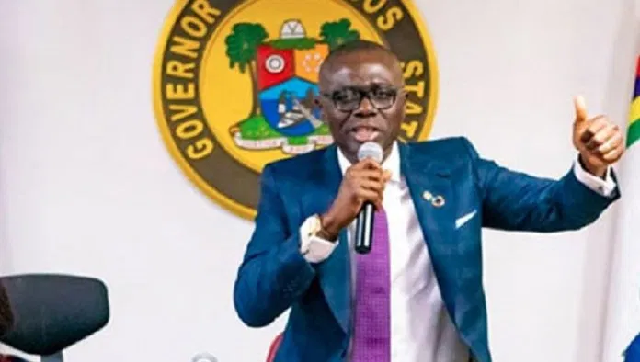
Lagos State Governor Babajide Sanwo Olu has called for stronger partnerships and greater access to affordable, long term finance to help states and other subnational governments turn climate plans into infrastructure and other projects.
Sanwo Olu made the call at the United Nations High level Meeting on Climate Action and the Just Transition during the 81st Session of the UN General Assembly in New York.
The governor addressed the meeting as a representative of the Under2 Coalition, a global community of state and regional governments committed to ambitious climate action. The meeting, opened by UN Secretary General António Guterres and President Recep Tayyip Erdoğan of Türkiye, focused on accelerating the energy transition, strengthening adaptation and mobilising climate finance.
Sanwo Olu said Lagos was seeking to translate its climate commitments into practical measures capable of protecting residents, strengthening the economy and improving the state’s resilience.
“For Lagos, climate action is about turning ambition into opportunity: protecting our people, strengthening our economy and building a more resilient and prosperous state for generations to come.
“Climate action is not separate from development. It is central to how we build our future,” he said.
He pointed to Lagos’s response to climate challenges associated with rapid urbanisation, including efforts to transition to cleaner transport and convert more than 5,000 tonnes of solid waste generated daily into economic value.
The governor said the state was also deploying recycling, circular economy approaches and clean energy solutions as part of its response to environmental pressures.
“These are not abstract climate policies. They are decisions that can create jobs, improve services, strengthen resilience and make everyday life better for millions of people,” he said.
Sanwo Olu also stressed the importance of cooperation among states and regions, arguing that subnational governments have a significant role in delivering climate action globally.
Standing alongside California Governor Gavin Newsom, he said Lagos’s participation in the Under2 Coalition had created opportunities to exchange practical solutions and develop partnerships with jurisdictions in other parts of the world.
He said Lagos would continue to share its experience as one of Africa’s largest and most dynamic economies while also learning from other jurisdictions.
The governor identified access to finance as a critical requirement for converting climate plans into infrastructure and other investments. He called on development finance institutions, investors and private sector players to recognise the investment opportunities available in emerging markets.
“States and regions need access to affordable, long-term finance that can help to turn strong plans into infrastructure on the ground.
“We need development finance institutions, investors and the private sector to see the opportunity in climate investment in emerging markets because the opportunity is enormous.
“Our message from Lagos is simple: states, regions and subnational governments are ready to deliver.
“We have ambition. We have the responsibility and increasingly, we have the solutions.”
Sanwo Olu said Lagos would need to deepen partnerships and mobilise investment to deliver its climate initiatives at scale.
THE ISSUES
Access to affordable long term finance remains central to the ability of subnational governments to move climate commitments beyond plans and into infrastructure and other projects.
Lagos is linking climate action with urban development through initiatives involving cleaner transport, waste management, recycling, circular economy approaches and clean energy.
The state is also positioning international partnerships as a means of exchanging practical solutions and attracting investment for climate related projects.
The governor’s focus on climate investment reflects the need to connect environmental action with economic outcomes, including jobs, improved services and greater resilience.
WHAT’S BEING SAID
“For Lagos, climate action is about turning ambition into opportunity: protecting our people, strengthening our economy and building a more resilient and prosperous state for generations to come.
“Climate action is not separate from development. It is central to how we build our future,” – Babajide Sanwo Olu, Governor of Lagos State
“These are not abstract climate policies. They are decisions that can create jobs, improve services, strengthen resilience and make everyday life better for millions of people, – Babajide Sanwo Olu, Governor of Lagos State
“States and regions need access to affordable, long-term finance that can help to turn strong plans into infrastructure on the ground.
“We need development finance institutions, investors and the private sector to see the opportunity in climate investment in emerging markets because the opportunity is enormous.
“Our message from Lagos is simple: states, regions and subnational governments are ready to deliver.
“We have ambition. We have the responsibility and increasingly, we have the solutions. – Babajide Sanwo Olu, Governor of Lagos State
WHAT’S NEXT
Lagos will continue to build partnerships and mobilise investment to support the implementation of its climate initiatives at scale, while using its Under2 Coalition membership to exchange practical solutions with other jurisdictions.
BOTTOM LINE
Lagos is seeking affordable long term finance and stronger partnerships to move its climate plans into infrastructure and practical projects. The state is presenting climate investment as part of its wider development agenda, linking environmental action with economic resilience, jobs and improved services.
• Global public debt is projected to reach levels comparable to World War II by 2028.
• Rising interest payments are diverting funds from education, infrastructure and other development priorities.
• IMF urges governments to strengthen fiscal discipline, diversify trade and deepen international cooperation.
• Stablecoins, tokenisation and central bank digital currencies present both opportunities and financial stability risks.
MAIN STORY
The International Monetary Fund (IMF) has urged governments to strengthen fiscal discipline, improve trade cooperation and establish sound regulatory frameworks for digital finance as rising debt, geopolitical tensions and technological changes increase pressure on the global economy.
The call was contained in the IMF’s 2026 Annual Report, titled “Navigating a Precarious World”, released on Wednesday. The report identified rising public debt, increased government spending needs, disruptions to trade and energy supplies, and rapid developments in financial technology as major pressures confronting economies.
According to the IMF, global public debt has resumed its upward trajectory after briefly declining from the historic levels recorded during the pandemic. It projected that debt could reach levels comparable to those seen around World War II by 2028.
The report said the war in the Middle East had added to fiscal pressures through higher energy prices, tighter financial conditions and weaker growth, with low income energy importing countries particularly exposed.
It also noted that long term sovereign bond yields had increased and become more volatile. Interest payments have risen by almost half in three years, from about two per cent to nearly three per cent of GDP.
The IMF said the growing interest burden was diverting trillions of dollars globally from education, infrastructure and other development priorities, limiting the resources available for development spending.
It warned that fiscal vulnerabilities could also create financial stability risks as large borrowers increasingly turned to short term debt to manage higher interest costs amid tighter financial conditions.
At the same time, increased borrowing by advanced economies could reduce the funds available to other sovereign borrowers, while low income countries face declining development assistance.
To manage these pressures, the IMF recommended stricter fiscal prioritisation, with governments urged to control spending while protecting resources for economic growth and essential social services.
“While permanent reforms to unsustainable public pensions and regressive fuel subsidies are difficult, they are essential to help free up funds to retire debt and make transformative investments.”
The fund also said governments could strengthen revenue mobilisation to finance digital infrastructure, education and social safety nets. Such investments, it said, would help countries take advantage of artificial intelligence while supporting workers affected by technological changes.
“In low-income countries, IMF expertise in revenue mobilisation has helped offset declining development assistance. IMF financing has helped countries to both weather immediate crises and build long-term resilience.”
Trade is another area of concern. The IMF said geopolitical tensions, changing trade relationships and supply chain disruptions were reshaping international commerce and creating new risks to global growth.
Despite these disruptions, global trade volumes increased by nearly five per cent in 2025, with technology related goods recording strong growth. The IMF expects trade growth to slow in 2026 as the Middle East conflict adds to existing barriers and uncertainty.
The fund recommended that countries diversify their trading partners and sources of supply while strengthening regional and international cooperation to make trade more resilient.
It also called for predictable, transparent and clearly communicated trade policies to reduce uncertainty for businesses and consumers. Greater use of multilateral and plurilateral trade negotiations, alongside deeper regional integration through arrangements such as ASEAN and the European Union, was also encouraged.
“The IMF is also providing deeper analysis of how to address today’s high global imbalances and their negative spillovers while stimulating growth.”
Digital finance was identified as another area requiring stronger policy coordination. The IMF said the rapid growth of stablecoins, tokenisation and central bank digital currencies was creating opportunities for financial inclusion and more efficient payments, but also introducing new risks.
Digital finance could reduce the cost of cross border payments and expand access to financial services, particularly in regions such as Asia where mobile money and digital payments are already widely used.
However, the IMF warned that stablecoins could become unstable if the assets backing them lose value or users lose confidence. Large scale redemptions could also affect markets for government bonds held by stablecoin issuers.
The fund therefore called for coherent global regulatory frameworks to address the emerging risks associated with digital finance.
THE ISSUES
Rising debt is increasing the amount governments must spend on interest payments, leaving fewer resources for education, infrastructure and other development priorities.
Higher borrowing costs and tighter financial conditions create greater pressure for low income countries, particularly those already facing weaker development assistance and higher energy costs.
Trade disruptions are making diversification and international cooperation more important as governments seek to protect supply chains and reduce uncertainty for businesses and consumers.
The expansion of digital finance creates opportunities to reduce payment costs and widen financial inclusion, but weak or fragmented regulation could expose financial systems to new risks.
WHAT’S BEING SAID
“While permanent reforms to unsustainable public pensions and regressive fuel subsidies are difficult, they are essential to help free up funds to retire debt and make transformative investments.” – International Monetary Fund
“In low-income countries, IMF expertise in revenue mobilisation has helped offset declining development assistance. IMF financing has helped countries to both weather immediate crises and build long-term resilience.” – International Monetary Fund
“Large redemptions could pose a risk to markets for the government bonds held by stablecoin issuers.” – International Monetary Fund
WHAT’S NEXT
The IMF is calling for governments to tighten fiscal prioritisation, strengthen revenue mobilisation, diversify trade relationships and deepen regional and international cooperation. It also wants countries to develop coordinated regulatory frameworks for digital finance, including measures addressing stablecoin risks and improving interoperability between payment systems.
BOTTOM LINE
The IMF’s 2026 outlook points to rising debt costs, trade uncertainty and rapid financial innovation as interconnected pressures on governments. It is urging countries to protect essential spending while strengthening the fiscal, trade and regulatory systems needed to manage those pressures.
• NIPCO Group says it has invested approximately $2 billion in Nigeria’s oil and gas sector.
• Investments cover pipelines, CNG, LPG, retail outlets, logistics and distribution infrastructure.
• Company operates about 700 PMS, AGO and LPG retail outlets nationwide.
• NIPCO is developing gas pipelines linking Sagamu, Ibadan and other industrial areas.
MAIN STORY
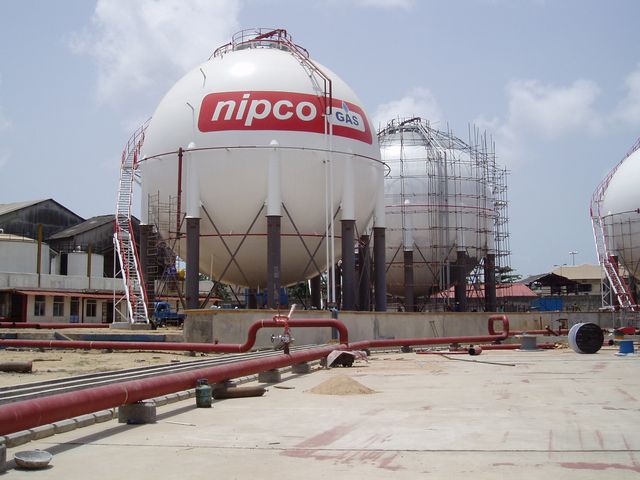
NIPCO Group says its investments in Nigeria’s oil and gas sector have reached approximately $2 billion, covering infrastructure across the downstream and gas segments.
The Managing Director of NIPCO, Nagendra Verma, disclosed this on Thursday while briefing journalists on the company’s developments in Nigeria’s oil and gas industry.
Verma said the group’s investments span pipeline infrastructure, compressed natural gas facilities, fuel retail outlets and infrastructure for Automotive Gas Oil and Premium Motor Spirit.
The investments also cover LPG and propane facilities, logistics, distribution networks and other energy related projects, according to the managing director.
NIPCO currently operates about 700 PMS, AGO and LPG retail outlets across Nigeria, strengthening its presence in the downstream market.
Verma said the company had also obtained Gas Distribution Licences under the Petroleum Industry Act for four gas distribution zones, providing the regulatory basis for further expansion of its gas business.
He said the company was focused on developing infrastructure that would enable greater use of Nigeria’s natural gas resources and expand access to alternative fuels.
NIPCO has also invested in LPG storage and distribution infrastructure and supported initiatives aimed at reducing dependence on PMS and encouraging the use of alternative fuels.
Verma said more than 10,000 vehicles in Benin City were estimated to be operating on CNG, describing the development as part of NIPCO’s contribution to the growth of Nigeria’s CNG market.
The company has also invested in natural gas pipeline infrastructure to improve connectivity and support the energy requirements of industrial and commercial users.
Among its current projects is an 18 inch, 80 kilometre gas pipeline from Sagamu to Ibadan in south western Nigeria.
Verma said work was also progressing on the Sagamu to Abeokuta gas pipeline, which is expected to improve the availability and accessibility of natural gas for industrial and commercial users.
NIPCO is also developing gas pipeline infrastructure in the Lekki Free Trade Zone in Lagos State to improve access to natural gas for businesses operating in the area.
The company said it had made progress in developing gas infrastructure and commercial opportunities across the four Gas Distribution Areas covered by its licences.
Group Executive Director of NIPCO, Abdulkadir Aminu, said the investments were aligned with the government’s objective of increasing indigenous gas utilisation.
He said the projects would also expand access to reliable and affordable gas for consumers and businesses.
THE ISSUES
NIPCO’s reported $2 billion investment covers several parts of Nigeria’s energy infrastructure, including pipelines, CNG, LPG, retail, logistics and distribution.
Gas infrastructure is a major part of the company’s expansion, with projects linking gas supply to industrial and commercial users in parts of south western Nigeria.
The company’s four Gas Distribution Licences provide a regulatory platform for expanding its gas infrastructure and commercial activities under the Petroleum Industry Act.
NIPCO’s retail network gives it a significant downstream presence, with about 700 PMS, AGO and LPG outlets currently operating across Nigeria.
The company is also positioning CNG and LPG as part of efforts to expand alternative fuel use, with NIPCO linking its investments to increased gas utilisation and energy access.
WHAT’S BEING SAID
“Over the years, the group has invested approximately two billion dollars in Nigeria’s oil and gas sector.”
Nagendra Verma, Managing Director, NIPCO
“Today, more than 10,000 vehicles in Benin City are estimated to operate on CNG.”
Nagendra Verma, Managing Director, NIPCO
“Through these investments, NIPCO continues to support Nigeria’s energy transition, promote CNG and LPG adoption, strengthen energy access and contribute to economic growth.”
Abdulkadir Aminu, Group Executive Director, NIPCO
WHAT’S NEXT
NIPCO is continuing work on its gas infrastructure projects, including the Sagamu to Ibadan pipeline, the Sagamu to Abeokuta pipeline and gas infrastructure in the Lekki Free Trade Zone.
The company also plans to expand its activities across the four licensed Gas Distribution Areas.
BOTTOM LINE
NIPCO says it has invested about $2 billion across Nigeria’s oil and gas sector, with gas infrastructure forming a growing part of its expansion. Its current projects include pipelines and distribution infrastructure intended to increase access to natural gas for industrial and commercial users.
• States and the FCT generated N5.15 trillion in internally generated revenue in 2025.
• IGR increased 40.93 per cent from N3.65 trillion recorded in 2024.
• Lagos led with N1.77 trillion, followed by Rivers and Enugu.
• PAYE accounted for 69.51 per cent of total tax revenue collected.
MAIN STORY
The 36 states and the Federal Capital Territory generated a combined N5.15 trillion in internally generated revenue in 2025, representing a 40.93 per cent increase from the N3.65 trillion recorded in 2024.
The National Bureau of Statistics disclosed this in its State Level Internally Generated Revenue report for 2025, released on Thursday in Abuja.
According to the report, the revenue came mainly from taxes and revenue generated by Ministries, Departments and Agencies.
The tax category covered Pay As You Earn, Direct Assessment, Road Taxes, Stamp Duties, Capital Gains Tax, Withholding Taxes, other taxes and revenue from local government areas.
Lagos recorded the highest IGR among the states during the year, generating N1.77 trillion. Rivers followed with N428.42 billion, while Enugu generated N406.77 billion.
At the lower end, Yobe recorded N16.01 billion, Ebonyi generated N17.18 billion and Sokoto recorded N20.48 billion in IGR.
Pay As You Earn remained the largest tax revenue source in 2025, generating N2.64 trillion. The figure represented 69.51 per cent of total tax revenue collected during the period.
Capital Gains Tax recorded the lowest revenue among the listed tax sources, generating N12.40 billion.
Nationally, tax revenue accounted for 73.64 per cent of total internally generated revenue recorded by the states and the FCT in 2025.
THE ISSUES
The 40.93 per cent increase means combined internally generated revenue rose by about N1.50 trillion between 2024 and 2025, based on the NBS figures.
Revenue generation remained uneven across states, with Lagos recording N1.77 trillion while Yobe, Ebonyi and Sokoto each generated less than N21 billion.
Taxes accounted for the largest share of state generated revenue, contributing 73.64 per cent of total IGR nationally.
Pay As You Earn was particularly significant within tax collections, accounting for 69.51 per cent of total tax revenue and generating N2.64 trillion.
WHAT’S NEXT
The NBS report provides the latest annual breakdown of internally generated revenue across the 36 states and the FCT, including the major tax and non tax revenue sources recorded during 2025.
BOTTOM LINE
States and the FCT increased their combined internally generated revenue by 40.93 per cent to N5.15 trillion in 2025. Lagos remained the largest contributor, while PAYE accounted for the bulk of tax revenue.
• Market capitalisation rises N623 billion to N163.679 trillion.
• All Share Index gains 0.38 per cent to close at 252,150.01.
• Market extends bullish run to 11 consecutive sessions.
• 28 stocks gain while 24 decline as trading value rises.
MAIN STORY
Nigeria’s stock market extended its positive run to an 11th consecutive session on Thursday, with increased buying interest and bargain hunting lifting key market indicators by 0.38 per cent.
Market capitalisation rose by N623 billion to N163.679 trillion from N163.056 trillion recorded on Wednesday.
The All Share Index also advanced by 958.99 points to close at 252,150.01.
The session’s gains were supported by buying interest in medium and large capitalised stocks, including Critical Minerals Financing Corp, RT Briscoe, Caverton Offshore Support Group, Nigerian Aviation Handling Company and Linkage Assurance.
Critical Minerals Financing Corp recorded the biggest gain, rising 10 per cent to close at N2.97. RT Briscoe followed with a 9.55 per cent increase to N9.75, while Caverton Offshore Support Group gained 8.75 per cent to N4.35 per share.
Nigerian Aviation Handling Company rose 8.57 per cent to N152, while Linkage Assurance appreciated by 7.36 per cent to N1.75 per share.
The sustained gains lifted the market’s year to date return to 62.04 per cent, while market breadth remained positive with 28 gainers against 24 losers.
Neimeth International Pharmaceutical recorded the largest decline, falling 7.23 per cent to N7.70. Ellah Lakes lost 5.33 per cent to close at N8, while Mutual Benefits Assurance declined by 4.65 per cent to N3.28 per share.
Lasaco Assurance fell 4.44 per cent to N1.72, while Wema Bank dropped 3.93 per cent to N30.55 per share.
Trading activity was mixed during the session, with the total value of transactions increasing despite declines in the volume of shares traded and number of deals.
Investors exchanged 978.29 million shares worth N50.16 billion in 48,558 transactions, compared with 1.59 billion shares valued at N45.82 billion in 49,836 deals on Wednesday.
Fidelity Bank accounted for the largest volume of trades, with 335.20 million shares representing 34.26 per cent of the day’s total.
Seplat Energy recorded the highest traded value at N13.40 billion, accounting for 26.71 per cent of total market value traded.
THE ISSUES
The 11 consecutive sessions of gains have kept the market on a sustained positive run, with Thursday’s advance further strengthening the year to date return to 62.04 per cent.
Buying interest in medium and large capitalised stocks provided support for the latest advance, although individual stocks recorded significant declines during the session.
The rise in traded value alongside lower volume and fewer transactions compared with Wednesday indicates a shift in the composition of market activity rather than a broad increase across all trading measures.
Market breadth remained positive, with 28 gainers exceeding the 24 stocks that declined during the session.
WHAT’S NEXT
The market enters its next trading session after recording an 11th consecutive gain, with the All Share Index at 252,150.01 and market capitalisation at N163.679 trillion.
BOTTOM LINE
The Nigerian stock market extended its winning streak to 11 sessions as buying interest pushed market capitalisation up by N623 billion. The latest advance also lifted the year to date return to 62.04 per cent.
• Ogun State and DP World sign agreements covering a proposed investment of more than $7 billion.
• Gateway Deep Seaport and Blue Marine Special Economic Zone are expected to expand Nigeria’s maritime and industrial capacity.
• Proposed port will feature a four kilometre berth and 18 metre draft for larger vessels.
• Projects are projected to create more than 50,000 direct jobs at full development.
MAIN STORY
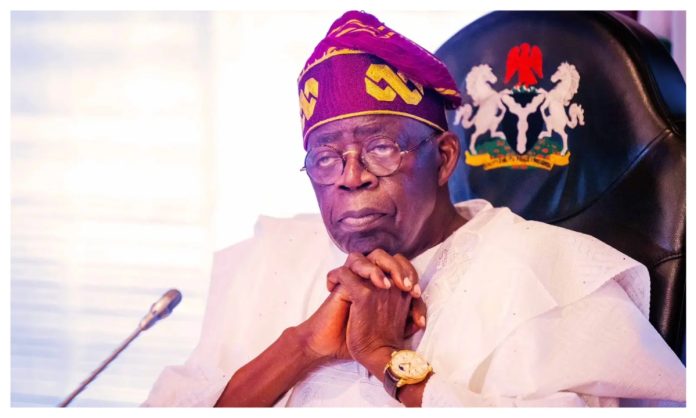
President Bola Tinubu has assured domestic and foreign investors of regulatory clarity, policy stability and a predictable business environment as Nigeria seeks to attract long term investment.
Tinubu gave the assurance in Paris during the signing of Memoranda of Understanding between the Ogun State Government and DP World covering the proposed Ogun State Blue Marine Special Economic Zone and Gateway Deep Seaport.
The projects involve proposed investments exceeding $7 billion and are intended to strengthen Nigeria’s maritime economy, expand productive capacity and develop a major trade and industrial corridor.
Tinubu described the agreements as a combination of capital, expertise, execution capacity and government support, while welcoming DP World as a major global port and logistics operator.
He said the Federal Government would provide the regulatory and institutional support required for the projects and hold all parties accountable for meeting their commitments.
The proposed Ogun Waterside port is expected to have a four kilometre berth and an 18 metre draft, allowing it to handle larger vessels.
The facility is also expected to ease pressure on Lagos ports, including Apapa and Tin Can Island, while reducing logistics costs and providing another trade gateway for Nigeria.
Tinubu said the port and economic zone could also strengthen Nigeria’s position under the African Continental Free Trade Area by providing access to a continental market of about 1.4 billion people.
The Blue Marine Special Economic Zone is proposed to cover 10,000 hectares, with the combined projects requiring initial investment of more than $7 billion.
“At full development, the projects are projected to create more than 50,000 direct jobs and many additional indirect opportunities,” Tinubu said.
He added that the projects would support non oil export earnings and expand Nigeria’s productive capacity.
The President credited the Ogun State Government, led by Governor Dapo Abiodun, with securing land and structuring the investment framework for the projects.
He said the state’s actions had helped reduce project risks and described the arrangement as an example of cooperative federalism.
Tinubu said the Federal Government would support road, rail and power connectivity required for the projects, while also working to strengthen investment security and remove bureaucratic obstacles that could hinder implementation.
He said the Blue Marine Special Economic Zone was already attracting interest from global manufacturers, while the Gateway Deep Seaport would provide infrastructure needed to support the zone’s industrial development.
“A port moves cargo; a port integrated with a special economic zone helps to build an economy,” the President said.
Tinubu also identified the Lagos to Calabar Coastal Highway as an important part of the corridor, saying its 28 kilometre Ogun section would connect the port and economic zone with Lagos and the wider Nigerian hinterland.
He said the projects would form part of a strategic corridor near the proposed Nigerian Navy Operating Base and Dockyard and connect with the OK LNG Project, linking the industrial cluster with Nigeria’s energy and gas export ambitions.
The signing ceremony was attended by Abiodun and members of the Ogun State delegation, including Secretary to the State Government Tokunbo Talabi, commissioners and a representative of the host community.
The Minister of Marine and Blue Economy, Adegboyega Oyetola, Nigeria’s Ambassador to France, Ayodele Oke, and NPA Managing Director, Abubakar Dantsoho, were also present.
DP World Group Chief Executive Officer Yuvraj Narayan, SkyKapital Managing Director Karim Noujaim and other investors and project partners also attended.
THE ISSUES
The proposed investment of more than $7 billion places the port and economic zone at the centre of Ogun’s plans to develop a larger maritime and industrial corridor.
The proposed deep seaport is intended to provide additional capacity for handling larger vessels while easing pressure on existing Lagos ports and reducing logistics costs.
The economic zone is designed to connect port infrastructure with industrial activity. Tinubu said global manufacturers had shown interest in the zone, while the port would provide infrastructure supporting its viability.
The projects are also being positioned to strengthen Nigeria’s participation in continental trade by creating a trade gateway linked to the African Continental Free Trade Area.
Successful implementation will depend on the planned supporting infrastructure. The Federal Government has pledged road, rail and power connectivity alongside measures to address bureaucratic obstacles and investment security.
WHAT’S BEING SAID
“The agreements before us bring together vision, expertise, capital and execution capacity.”- Bola Tinubu, President of Nigeria
“At full development, the projects are projected to create more than 50,000 direct jobs and many additional indirect opportunities.” – Bola Tinubu, President of Nigeria
“A port moves cargo; a port integrated with a special economic zone helps to build an economy.” – Bola Tinubu, President of Nigeria
WHAT’S NEXT
The Federal Government and Ogun State Government are expected to facilitate the road, rail and power connections required to support the projects.
The proposed Gateway Deep Seaport and Blue Marine Special Economic Zone will then require continued coordination among government, DP World, investors and other project partners for implementation.
BOTTOM LINE
Ogun State and DP World have signed agreements covering projects with proposed investments exceeding $7 billion in a deep seaport and special economic zone. The projects are intended to expand maritime capacity, support industrial development and create more than 50,000 direct jobs at full development.
• Nigeria demands at least two permanent African seats on the UN Security Council with veto powers.
• Shettima also calls for five non permanent seats for Africa.
• Nigeria says the Council’s current structure no longer reflects contemporary geopolitical realities.
• Africa currently has no permanent representation on the Security Council.
MAIN STORY
Nigeria has called for at least two permanent African seats on the United Nations Security Council, including veto powers for as long as existing permanent members retain the privilege.
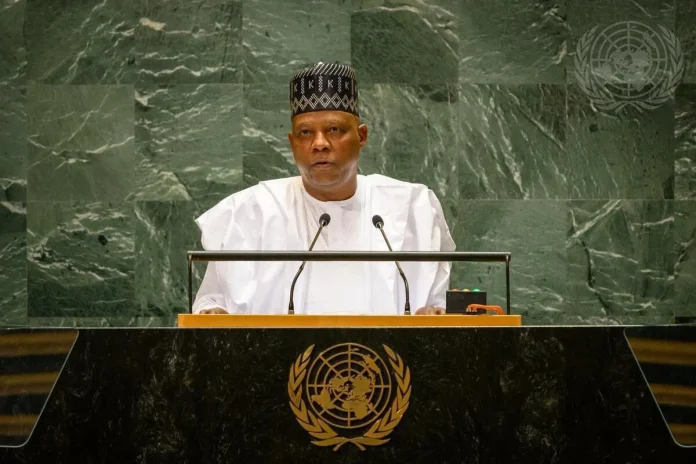
Vice President Kashim Shettima made the demand while delivering President Bola Tinubu’s national statement at the 81st UN General Assembly in New York.
He also called for five non permanent seats for Africa, restating the continent’s longstanding position on reform of the Security Council.
Shettima said the Council’s current structure no longer reflected contemporary geopolitical realities and had weakened the legitimacy of decisions taken at the global level.
“The world of 2026 cannot remain captive to the distribution of power in 1945,” he said.
He argued that Africa should not continue to be excluded from permanent membership of an institution where issues affecting the continent receive substantial attention.
Nigeria’s position is based on the Ezulwini Consensus and the Sirte Declaration, which together constitute the Common African Position on Security Council reform.
Under the African position, the continent seeks at least two permanent seats with the same privileges enjoyed by existing permanent members, including veto powers for as long as the veto remains in existence. It also seeks five non permanent seats.
Shettima said reform was necessary to make international institutions more representative of the people and countries affected by their decisions.
He linked the issue to efforts to restore confidence in multilateralism as geopolitical divisions widen, while reaffirming Nigeria’s commitment to the UN Charter and international cooperation.
Nigeria also supports an international system in which diplomacy takes precedence over coercion and international law guides relations between states.
Shettima cited Nigeria’s participation in peace operations and regional security efforts in Liberia, Sierra Leone, Darfur, Mali and The Gambia.
He said the country continues to work through ECOWAS, the African Union and Gulf of Guinea mechanisms on mediation, counter terrorism, democratic governance and maritime security.
The Vice President said continuing conflicts in different regions demonstrated the need for dialogue, collective responsibility and peaceful settlement of disputes.
He specifically identified the conflict in Sudan and other conflict theatres as requiring urgent diplomatic attention because of their humanitarian, economic and geopolitical consequences.
Shettima also criticised the effect of propaganda on international accountability, saying it could blur distinctions between victims and aggressors.
He maintained that an inclusive and effective United Nations remained necessary for maintaining global peace and supporting sustainable development.
The demand comes as African countries continue to seek changes to the composition of the Security Council, whose five permanent members are China, France, Russia, the United Kingdom and the United States.
Africa currently has no permanent seat on the Council.
The African Union’s preferred reform model provides for at least two permanent African seats with veto privileges while existing permanent members retain the veto, alongside five non permanent seats for the continent.
Shettima said Nigeria remained committed to a multilateral system capable of responding to contemporary global challenges and maintaining peace.
THE ISSUES
Africa’s demand centres on permanent representation on the Security Council, where the continent currently has no permanent seat despite the Council regularly considering conflicts and security issues affecting African countries.
The proposed African model goes beyond representation by seeking veto powers for its permanent members for as long as the veto remains available to existing permanent members.
Nigeria is also seeking five non permanent African seats as part of the Common African Position on Security Council reform.
Nigeria links reform to the credibility of multilateral institutions, arguing that global decision making should better reflect contemporary geopolitical realities and the countries affected by international decisions.
The demand also forms part of Nigeria’s broader position on international cooperation, including diplomacy, international law and peaceful settlement of disputes.
WHAT’S BEING SAID
“The world of 2026 cannot remain captive to the distribution of power in 1945.” – Kashim Shettima, Vice President of Nigeria
WHAT’S NEXT
Nigeria will continue to press for Security Council reform based on the African Common Position, including permanent and non permanent representation for the continent.
The proposed reform would require changes to the current composition of the Council, which has remained centred on its five permanent members.
BOTTOM LINE
Nigeria is seeking at least two permanent African seats on the UN Security Council, with veto powers, alongside five non permanent seats. The demand reflects the African Union’s Common African Position on reforming the Council.
• Nigeria says heavy debt servicing is diverting scarce resources from education, healthcare and infrastructure in developing countries.
• Government calls for wider access to concessional financing and more sustainable debt arrangements.
• Nigeria links financial reform to climate action, industrialisation, energy access and technology.
• Shettima says developing countries should not have to choose between development and climate action.
MAIN STORY
Nigeria has called for urgent changes to the global financial system, saying the cost of servicing debt is leaving developing countries with fewer resources for essential development needs.
Vice President Kashim Shettima made the call on Thursday while delivering President Bola Tinubu’s national statement at the 81st United Nations General Assembly.
Shettima identified inadequate development financing as a major constraint on developing economies and called for broader access to concessional financing alongside debt arrangements that take into account the development needs of poorer countries.
He said reform of the international financial architecture was closely connected to issues including climate action, industrialisation, energy access and technological development.
On climate change, Shettima rejected the idea that developing countries should have to sacrifice economic development in order to reduce emissions. He said poorer countries needed room to industrialise, reduce poverty and expand energy access while pursuing lower carbon development.
He said achieving that balance would require adequate climate finance and technology transfer from countries with greater financial resources and technological capacity.
Shettima noted that Africa accounts for less than four per cent of global emissions but faces significant exposure to the effects of climate change. UN assessments similarly place the continent’s contribution below four per cent while highlighting its exposure to floods, droughts, extreme temperatures and other climate related impacts.
He reaffirmed Nigeria’s commitment to the Paris Agreement and to a transition that reflects both environmental responsibilities and the country’s economic and energy realities.
Technology also featured prominently in Nigeria’s development position, with Shettima saying the country would not allow concerns about emerging technologies to determine its technological future.
He described artificial intelligence as a tool whose effects would depend on the choices and policies surrounding its development and use.
According to him, Nigeria is expanding digital public infrastructure, increasing broadband deployment and supporting technology entrepreneurship as it seeks to benefit from emerging technologies.
Shettima said Nigeria’s call for changes to global institutions was being pursued alongside economic reforms at home. He identified disciplined macroeconomic management, stronger institutions, private sector growth and strategic public investment as key elements of the country’s development approach.
He maintained that the effectiveness of government policies would ultimately be judged by whether they improve citizens’ lives.
Nigeria therefore called for international financing arrangements that provide developing countries with sufficient fiscal space to invest in people and productive infrastructure.
The position forms part of Nigeria’s wider agenda at UNGA81, which includes reform of the United Nations, international peace and security, climate action, development financing and emerging technologies.
Shettima also linked economic prosperity with global security, warning that inequality and underdevelopment could contribute to instability.
He called for an international system that can accommodate technological progress, sustainable development and greater economic inclusion, while reaffirming Nigeria’s commitment to multilateral cooperation on peace, development and human rights.
THE ISSUES
High debt servicing costs can reduce the resources available to developing countries for spending on areas such as education, healthcare and infrastructure, which Nigeria says makes reform of international financing arrangements urgent.
Access to concessional financing is a central part of Nigeria’s position, with the government seeking financing terms that better reflect the development needs and fiscal constraints of poorer countries.
Nigeria is also linking development finance to climate action. Its position is that developing countries need financial resources and technology transfer to expand energy access and industrialise while pursuing lower carbon development.
Africa’s low contribution to global emissions does not shield the continent from climate impacts. Nigeria therefore wants climate financing arrangements that take the continent’s exposure and development needs into account.
Technology is another part of the development equation, with Nigeria seeking to expand digital infrastructure, broadband and technology entrepreneurship while shaping policies around artificial intelligence and other emerging technologies.
WHAT’S NEXT
Nigeria is expected to continue pressing for changes to international financing arrangements as part of its broader engagement on development, climate action and reform of global institutions.
At home, the government says it will pursue macroeconomic reforms, institutional strengthening, private sector growth and public investment alongside its international agenda.
BOTTOM LINE
Nigeria says high debt servicing costs are limiting developing countries’ ability to finance essential development. It is calling for a global financial system that gives poorer economies greater fiscal space to invest in people, infrastructure, climate action and productive capacity.
• Chief of Naval Staff Vice Adm. Idi Abbas pledges support for increased crude oil production.
• Navy to consider security requests from oil producers based on identified threats and formal submissions.
• Talks focus on crude oil theft, third party interference and threats to offshore and near shore assets.
• Navy highlights intelligence sharing and technology as key to maritime security.
MAIN STORY
The Nigerian Navy has pledged to strengthen security support for crude oil producers as part of efforts to increase Nigeria’s oil output and protect critical petroleum infrastructure.
The Chief of Naval Staff, Vice Adm. Idi Abbas, made the commitment in Abuja while receiving a delegation from the Security Sub Committee of the Oil Producers Trade Section of the Lagos Chamber of Commerce and Industry.
The delegation, led by its Chairman, Johnson Ogbum, sought increased naval patrols in vulnerable maritime areas and security support for the movement of petroleum products.
Abbas reaffirmed the Navy’s commitment to securing the maritime environment and protecting infrastructure considered critical to the national economy.
He said naval operations had contributed to reducing crude oil theft, while stronger intelligence sharing between the Navy and oil producing companies would help security agencies anticipate threats and improve their response.
The Chief of Naval Staff also pointed to technology as an important tool for improving maritime surveillance and patrol operations.
He assured the delegation that requests for additional security support would be considered according to identified security needs and formal requests submitted by affected organisations.
The engagement covered security around oil production facilities, remote assets and export terminals, with particular attention to crude oil theft, third party interference and threats to offshore and near shore infrastructure.
The discussions also focused on strengthening cooperation between the Navy and oil and gas operators to create a more secure operating environment for crude oil production and the protection of critical petroleum assets.
THE ISSUES
Security around oil production facilities remains directly linked to the ability of operators to maintain production and protect petroleum assets from theft and interference.
Maritime surveillance is particularly important for offshore and near shore infrastructure, where the Navy is expected to respond to threats affecting petroleum operations and product movement.
Intelligence sharing between security agencies and oil producers is being positioned as part of the effort to identify threats earlier and improve operational responses.
The Navy is also looking to technology to strengthen its surveillance and patrol capabilities across vulnerable maritime areas.
WHAT’S BEING SAID
“Naval operations have helped reduce crude oil theft. Also, effective intelligence sharing between the navy and oil-producing companies remains essential to anticipating threats and improving operational response.” – Vice Adm. Idi Abbas, Chief of Naval Staff
WHAT’S NEXT
The Navy will consider security support requests from affected oil producing organisations based on identified requirements and formal requests.
Further cooperation is expected around patrols, intelligence sharing and protection of oil production facilities, remote assets and export terminals.
BOTTOM LINE
The Navy is linking stronger protection of petroleum assets with efforts to increase Nigeria’s crude oil output. Its proposed support will depend on identified security needs and formal requests from affected operators.
• NMDPRA targets Sept. 24, 2028 for transition to a more competitive Willing Buyer, Willing Seller gas market.
• Market readiness will be measured by supply diversity, buyers and sellers, infrastructure, contracts, payments and credible price signals.
• NMDPRA plans to issue Gas Distribution Licences to qualified companies in the fourth quarter of 2026.
• Decade of Gas identifies supply, infrastructure, demand, gas to power and LPG as key conditions for market maturity.
MAIN STORY
The Nigerian Midstream and Downstream Petroleum Regulatory Authority (NMDPRA) has set Sept. 24, 2028 as the target date for Nigeria’s transition to a more competitive and commercially driven Willing Buyer, Willing Seller gas market.
The Authority’s Chief Executive, Rabiu Umar, announced the timeline on Thursday in Abuja at a high level Gas Market Maturity Workshop convened by NMDPRA, the Ministry of Petroleum Resources and the Decade of Gas Secretariat.
The workshop was convened to validate Nigeria’s gas market maturity framework and determine the priority actions, sequencing and responsibilities needed to move the market towards a more commercial structure.
Umar said the proposed 24 month transition should culminate in a more market driven gas pricing framework, while stakeholders work to expand gas production and consumption without undermining affordability for Nigerians.
He said progress towards market readiness would be assessed against measurable indicators covering the availability and diversity of gas supply, the quality of buyers and sellers, infrastructure access, contract and payment reliability, market information and credible price signals.
The NMDPRA chief executive also disclosed that the Authority was nearing completion of its gas distribution network and gridding exercise. He said Gas Distribution Licences would be issued to qualified companies in the fourth quarter of 2026.
He added that the initiative would run alongside efforts to increase domestic use of Liquefied Petroleum Gas and Liquefied Natural Gas and reduce dependence on imports.
The Coordinating Director of Decade of Gas, Ed Ubong, said Nigeria could achieve a fully functioning Willing Buyer, Willing Seller market before 2030.
Ubong identified gas supply, infrastructure, demand, gas to power and LPG as critical areas for achieving market maturity. He said Nigeria was targeting gas supply of 12.6 Bcf/d by 2030, supported by 16 key infrastructure projects, including the completed OB3 pipeline.
Other projects identified include the AKK pipeline, the Escravos to Odidi connection and the connection of offshore Seplat fields to QIT in Eket.
On demand, Ubong said more than 60 projects had been identified, representing about 15 Bcf/d of potential gas demand by 2030.
He said Umar’s chairmanship of the market maturity process was significant because NMDPRA has a central role in addressing pricing and economic principles affecting supply, demand, infrastructure, power and LPG.
The President of the Nigerian Gas Association, Yetunde Taiwo, described the transition to a Willing Buyer, Willing Seller market as a long standing priority for the association.
Taiwo said the gas industry had recorded significant progress over the past decade but stressed the need for clear and measurable milestones and stronger cooperation among government, regulators and industry to support investment.
THE ISSUES
Moving towards a market driven gas pricing system will require Nigeria to demonstrate that supply, infrastructure, contracting and payment systems can support more commercial transactions.
Gas supply and infrastructure remain central to the proposed transition, with the Decade of Gas Secretariat linking market maturity to projects that can expand supply and connect producers with potential buyers.
Demand will also determine how effectively the market develops. More than 60 projects have been identified as potential sources of additional gas demand by 2030, including requirements linked to power and LPG.
The transition will have to balance commercial pricing with affordability. NMDPRA has said stakeholders must expand gas production and consumption while ensuring that gas remains affordable for Nigerians.
WHAT’S BEING SAID
“This is alongside efforts to deepen domestic utilisation of Liquefied Petroleum Gas (LPG) and Liquefied Natural Gas (LNG), and reduce import dependence.” – Rabiu Umar, NMDPRA Chief Executive
“Nigeria’s gas industry had made significant progress over the past 10 years.” – Yetunde Taiwo, President, Nigerian Gas Association
WHAT’S NEXT
NMDPRA is expected to complete its gas distribution network and gridding exercise and begin issuing Gas Distribution Licences to qualified companies in the fourth quarter of 2026.
The broader market maturity process is expected to focus on measurable milestones covering supply, infrastructure, demand, contracting, payments and pricing, with Sept. 24, 2028 set as the target date for the transition.
BOTTOM LINE
Nigeria is targeting Sept. 24, 2028 for a more commercially driven gas market, but achieving that timeline will depend on progress in supply, infrastructure, demand and market reliability.
• CISLAC has presented Nigeria’s ninth SDG 16 Shadow Report at the 81st UN General Assembly.
• The report assesses peace, justice, institutional accountability, civic freedoms, corruption, illicit financial flows and access to justice from July 2025 to August 2026.
• CISLAC says progress on security, justice and governance should be assessed against citizens’ experiences, alongside government policies and international commitments.
• The organisation identified insecurity, kidnapping, illicit financial flows, illegal arms movements and organised crime as areas requiring stronger national and international cooperation.
MAIN STORY
The Civil Society Legislative Advocacy Centre has called for Nigeria’s progress on security, justice and governance to be assessed against the experiences of citizens rather than policies and international commitments alone.
The organisation made the position while presenting Nigeria’s ninth SDG 16 Shadow Report at the 81st United Nations General Assembly.
Auwal Ibrahim Musa Rafsanjani, Executive Director of CISLAC and Head of Transparency International Nigeria, said independent evidence was necessary to provide a credible assessment of the country’s progress under Sustainable Development Goal 16.
The report covers developments between July 2025 and August 2026 and examines Nigeria’s performance in areas including peace, justice, institutional accountability, civic freedoms, corruption, illicit financial flows and access to justice.
Rafsanjani said official government reporting remained necessary but should be complemented by independent research, monitoring findings and evidence from communities.
He said the shadow report was not intended to replace official assessments or portray Nigeria negatively internationally. Rather, CISLAC said it was using the report to put independently gathered evidence before national and international stakeholders, strengthen accountability and support practical reforms.
According to Rafsanjani, constructive accountability requires recognition of areas where progress has been made alongside identification of failures and workable responses.
He said independent reporting could also draw attention to issues that might otherwise receive limited policy focus while bringing citizens’ experiences into discussions about governance and institutional performance.
The 2026 report places particular emphasis on insecurity and what CISLAC describes as an expanding kidnap for ransom economy.
Rafsanjani said the consequences of insecurity extend beyond conventional law enforcement concerns, affecting economic activity, education and citizens’ ability to move and work freely.
He pointed to farmers being unable to access their farms, children being kept away from schools and businesses facing higher security costs as examples of how insecurity can produce wider economic and development consequences.
He also linked insecurity to public confidence, noting that citizens who are unable to travel or work freely may lose confidence in institutions responsible for protecting them.
Rafsanjani said the decision to present the report at the UN was intended to place Nigeria’s international commitments alongside independent evidence and citizens’ daily experiences.
He identified terrorism, illicit financial flows, illegal arms movements, organised crime and cross border criminal networks as challenges requiring cooperation beyond Nigeria’s borders.
According to him, the UN platform provides an opportunity to strengthen international cooperation on asset recovery, financial transparency, institutional capacity and efforts to disrupt criminal financial networks.
THE ISSUES
CISLAC’s report places citizens’ experiences at the centre of assessing SDG 16, arguing that the adoption of policies and participation in international engagements should be measured against their practical effects on security, justice and governance.
The report covers a broad range of governance issues, extending from insecurity and access to justice to civic freedoms, corruption, institutional accountability and illicit financial flows.
Insecurity has consequences beyond the immediate threat to life and property. Restrictions on farming, schooling, movement and business activity can affect wider economic and development outcomes.
Several of the challenges identified by CISLAC have a cross border dimension, making international cooperation relevant to issues such as illicit financial flows, illegal arms movements, asset recovery and organised crime.
WHAT’S BEING SAID
“The true measure of SDG 16 is not how many policies Nigeria adopts or how many international meetings it attends. It is whether Nigerians experience greater security, accessible justice, transparent governance, effective accountability and stronger confidence in public institutions.” – Auwal Ibrahim Musa Rafsanjani, Executive Director, CISLAC
“Our purpose is not to take Nigeria’s challenges abroad simply for criticism. It is to place credible evidence before national and international stakeholders, strengthen accountability and mobilise cooperation for practical reforms.” – Auwal Ibrahim Musa Rafsanjani, Executive Director, CISLAC
“Policies and promises are important, but they are not enough.” – Auwal Ibrahim Musa Rafsanjani, Executive Director, CISLAC
WHAT’S NEXT
CISLAC said the UN platform could be used to strengthen international cooperation around asset recovery, financial transparency, institutional capacity and disruption of criminal financial networks linked to terrorism, illicit financial flows, illegal arms movements and organised crime.
BOTTOM LINE
CISLAC’s ninth SDG 16 Shadow Report places citizens’ experiences alongside official reporting in assessing Nigeria’s progress on security, justice and governance. The organisation said independent evidence can strengthen accountability and support practical reforms at national and international levels.
Regional growth forecast revised to 4.8 per cent for 2026 and 4.7 per cent for 2027
Growth reached 5.1 per cent in the first half of 2026, supported by services, agriculture and commodity exports
Progress on reforms and sovereign rating upgrades have strengthened investor confidence in several economies
Higher energy prices, rising inflation, trade disruptions and El Niño-related risks to agricultural output and food prices continue to weigh on the outlook
In its latest Regional Economic Prospects report, the European Bank for Reconstruction and Development (EBRD) has revised down its forecast for the Bank’s sub-Saharan Africa (SSA) economies from 5.1 per cent in the first half of 2026 to 4.8 per cent for 2026, before moderating it slightly to 4.7 per cent in 2027.
Economic activity remained resilient in the first half of 2026, supported by services, agriculture and commodity exports. However, the external environment has become more challenging; higher oil prices and disruptions to global trade routes linked to the conflict in the Middle East have driven up costs across the region, while fiscal vulnerabilities, El Niño-related risks and weaker cocoa prices continue to weigh on prospects in several markets.
Progress on reforms has strengthened confidence in a number of economies. Benin, Côte d’Ivoire and Ghana completed International Monetary Fund (IMF)-supported programmes in 2026, while Benin, Kenya, Ghana and Nigeria received sovereign rating upgrades during the year. However, high debt-servicing costs continue to constrain fiscal space in several countries.
In the near term, growth is expected to remain supported by agriculture, manufacturing, services and commodity production, although momentum is projected to soften as commodity windfalls fade.
Benin’s economy is forecast to grow 7.0 per cent in 2026, before easing slightly to 6.7 per cent in 2027.
Benin successfully completed its IMF-supported programme in February 2026 and, in August, Moody’s upgraded the country’s sovereign rating by two notches to Ba3, citing fiscal consolidation and improved debt management.
Growth is expected to be supported by expanding agricultural and industrial activity, as well as continued investment in the Glo-Djigbé Industrial Zone. Risks stem from sustained high oil and fertiliser prices, insecurity in the north, the continued closure of the Benin-Niger border and El Niño-related shocks.
Economic growth in Côte d’Ivoire is forecast at 6.1 per cent in 2026 before accelerating to 6.5 per cent in 2027.
Growth moderated in early 2026 as weaker industrial and construction activity offset stronger household consumption, trade and agricultural activity. The country completed its IMF-supported programme in June 2026 and successfully issued a US$ 1.3 billion Eurobond, reflecting strong market confidence.
The outlook remains favourable, supported by stronger hydrocarbon and mining production, expanding manufacturing activity and resilient domestic demand. Lower cocoa prices, higher fuel and fertiliser costs, adverse weather conditions and security risks in the wider Sahel region remain downside risks.
Ghana
Ghana’s economic growth is expected at 5.0 per cent in 2026 and 2027, down from 6.4 per cent in the first half of 2026.
Economic activity remained strong in early 2026, supported by investment and consumption. Inflation remained relatively contained despite higher fuel costs, while the fiscal deficit narrowed significantly and public debt fell to 40.6 per cent of gross domestic product (GDP) from 62 per cent in 2024.
The IMF completed the final review of Ghana’s Extended Credit Facility programme in July 2026, while improvements in sovereign credit metrics supported investor confidence. Growth is expected to be increasingly driven by investment in oil, gas and transport infrastructure, although challenges in the cocoa sector and climate-related risks remain.
Kenya’s economy is forecast to grow 4.7 per cent in 2026 and 4.6 per cent in 2027. Higher freight costs linked to trade disruptions have affected exports and contributed to renewed inflationary pressures.
Rising oil prices, trade disruptions and El Niño related risks continue to pose risks to growth, while sovereign rating upgrades and discussions on a new IMF-supported programme have bolstered investor confidence. Agriculture, financial services and real estate are expected to remain the key drivers of economic activity,
Nigeria’s economic growth is forecast to hold at 4.2 per cent for 2026, before moderating slightly to 4.0 per cent in 2027.
Growth is expected to be sustained by economic reforms, investment activity and improved external balances. While growth remains resilient, higher energy prices, trade disruptions and climate-related risks continue to weigh on the outlook and moderate momentum.
Real GDP growth decelerated from 5.2 per cent in the first quarter of 2026 to 2.5 per cent for the whole of 2026 as the initial boost from the start of production at the Sangomar oil field has faded. At the same time, non-hydrocarbon sectors, particularly services, have strengthened, while inflation has remained low and external balances have improved.
Fiscal vulnerabilities remain significant. Central government debt stood at around 120 per cent of GDP at the end of 2025 and Senegal received a further sovereign downgrade in August 2026. On 1 September 2026, the authorities and the IMF reached a staff-level agreement on a new US$ 2.2 billion Extended Credit Facility programme.
Higher food and energy prices, El Niño-related shocks and limited fiscal space continue to weigh on the outlook, although successful implementation of reforms could help improve financing conditions and market sentiment.
Growth is expected to pick up slightly to 2.7 per cent in 2027.
Grid connected plants recorded average available capacity of 4,758 MW during the month.
Average utilisation stood at 4,102 MW.
Afam_2 recorded the highest load factor at 99 per cent.
Kainji_1 and Egbin_1 followed with load factors of 98 per cent and 96 per cent respectively.
MAIN STORY
Grid connected power plants recorded an average available capacity of 4,758 megawatts (MW) during the month, while average utilisation stood at 4,102 MW, according to operational data released by the commission.
Afam_2 recorded the highest load factor among the major generating units, operating at 99 per cent during the period.
Kainji_1 followed with a 98 per cent load factor, while Egbin_1 recorded 96 per cent.
The figures indicate that the three generating units operated close to their respective available capacities throughout the month.
The commission said the operational data provides an assessment of the performance and utilisation of the generating fleet connected to the national grid.
THE ISSUES
The average available capacity of 4,758 MW represents the capacity that the generating plants had available for operation during the month, while actual average utilisation stood at 4,102 MW.
The load factor figures show the extent to which individual generating units operated relative to their available capacity during the period.
Afam_2, Kainji_1 and Egbin_1 recorded load factors of at least 96 per cent, indicating relatively high utilisation of their available capacity during the month.
WHAT’S NEXT
The commission’s operational data will continue to provide an assessment of the performance and utilisation of grid connected generating units.
BOTTOM LINE
Grid connected plants recorded 4,758 MW in average available capacity and 4,102 MW in average utilisation during the month. Afam_2 posted the highest load factor at 99 per cent, followed by Kainji_1 and Egbin_1.
• Access Bank Plc has redeemed its $500 million senior unsecured Eurobond that matured on September 21, 2026.
• The bank funded the repayment entirely from its own foreign currency liquidity resources.
• The five year bond was issued in September 2021 at a coupon rate of 6.125 per cent.
• Access Bank said the maturity had been incorporated into its liquidity planning and had no adverse effect on operations or regulatory liquidity requirements.
MAIN STORY
Access Bank Plc has settled its $500 million senior unsecured Eurobond at maturity, using its own foreign currency liquidity resources to meet the repayment obligation.
Access Holdings Plc announced the redemption in a statement dated September 21, 2026, five years after the debt instrument was issued.
The Eurobond, issued in September 2021, carried a coupon rate of 6.125 per cent. Access Bank said it also met all semi annual coupon payments due to investors throughout the five year tenor.
According to Access Holdings, the bond maturity had been incorporated into the bank’s liquidity management plans, with repayment provided for in advance through its asset liability management framework.
The company said settling the debt from the bank’s own foreign currency resources had no adverse impact on its operations or regulatory liquidity requirements.
The redemption brings the five year Eurobond to full settlement and discharges Access Bank’s obligations under the instrument.
Roosevelt Ogbonna, Managing Director and Chief Executive Officer of Access Bank Plc, said the repayment reflected the bank’s approach to managing its funding, capital and liquidity.
He said meeting the maturity from the bank’s own balance sheet demonstrated the strength of its funding position and its approach to managing its financial resources.
Access Bank said it would continue to maintain a strong and diversified funding base as it pursues sustainable growth across its markets.
The bank said the funding strategy would continue to support its customers, investors, regulators and other stakeholders.
THE ISSUES
The redemption removes the $500 million Eurobond obligation from Access Bank’s outstanding commitments under the instrument, following the completion of the five year tenor.
Funding the repayment from the bank’s own foreign currency liquidity means the maturity was settled without reliance on external refinancing at the point of repayment.
Access Bank said the maturity had been incorporated into its liquidity planning, with the repayment scheduled through its asset liability management framework ahead of the due date.
The bank said the transaction did not adversely affect its operations or regulatory liquidity requirements, while maintaining its commitment to a diversified funding base.
WHAT’S BEING SAID
“This redemption reflects the strength of Access Bank’s franchise, the discipline of our balance sheet management, and our continued commitment to meeting obligations to investors and stakeholders in a timely and transparent manner.” – Roosevelt Ogbonna, Managing Director and Chief Executive Officer, Access Bank Plc
WHAT’S NEXT
Access Bank said it would continue to maintain a diversified funding base as it pursues sustainable growth across its markets and supports its customers, investors, regulators and other stakeholders.
BOTTOM LINE
Access Bank has fully redeemed its $500 million Eurobond at maturity using its own foreign currency liquidity resources. The bank said the repayment was planned through its liquidity management framework and did not adversely affect its operations or regulatory liquidity requirements.