The Federal Inland Revenue Service (FIRS) will open its offices on weekends throughout June to accommodate the annual Companies Income Tax filing season, following a directive from its Chairman, Zacch Adedeji.
According to a statement issued on Monday by the chairman’s Special Adviser on Media, Dare Adekanmbi, the move aligns with Adedeji’s push for a more customer-focused approach at the agency.
Under the directive, FIRS offices will now operate from 10:00 a.m. to 4:00 p.m. on Saturdays and from 12:00 p.m. to 4:00 p.m. on Sundays, starting from June 14 and running until June 29, 2025.
“This initiative is designed to assist companies, whose financial year ends on December 31, to meet the June 30 deadline for filing their tax returns,” the statement explained.
The Coordinating Directors of the Large Taxpayers Group, Government and Medium Taxpayers Group, and the Emerging Taxpayers Group—Ms. Amina Ado, Dr. Dick Irri, and Mr. Kabir Abba—have communicated the decision to relevant staff across the tax offices.
A joint directive from the directors noted, “To ease the process for taxpayers, enhance service delivery, and maximise tax collection during this critical period, management has approved the extension of tax office operations to weekends for the month of June 2025.”
The Nigerian naira appreciated significantly against the US dollar on Monday, buoyed by increased inflows from foreign portfolio investors (FPIs) that outpaced market demand, according to updated data from the Central Bank of Nigeria (CBN).
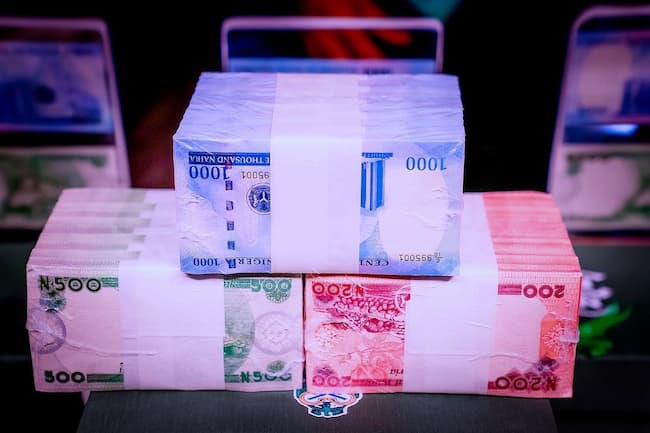
Official market records showed that the naira firmed up to ₦1,544.62 per dollar, gaining ₦5 amid heightened FX liquidity. Simultaneously, the currency strengthened by ₦10 in the parallel market, settling at ₦1,570 to the dollar.
The recent currency gains come as the CBN continues deliberations on the proposed discontinuation of FX sales to Bureau de Change operators—a move that could reshape Nigeria’s forex policy by the end of May.
Last week, the local currency closed at ₦1,549.35 per dollar, a gain of ₦3.76 compared to earlier sessions. Midweek activity saw the naira briefly trade at ₦1,539.72 per dollar, a reflection of investor confidence and fresh capital inflows, according to Coronation Research.
The apex bank revealed that it injected approximately $580 million into the market during May, a move aimed at strengthening the naira. Despite this, the naira recorded a minor dip on Friday, slipping to ₦1,549.35 per dollar.
Coronation Research noted that FPIs were the top contributors to the Nigerian FX market for the fourth consecutive week, signaling renewed investor interest in the economy following the Monetary Policy Committee’s (MPC) decision in May to maintain benchmark rates. This followed a credit rating upgrade in April that boosted investor sentiment.
In the same period, non-bank corporates contributed 37.36% of total inflows, exporters accounted for 23.08%, and other sources made up 0.57%. Notably, the CBN made no new FX contributions last week, likely due to the relative stability of the naira and ongoing global dollar weakness caused by US debt ceiling concerns.
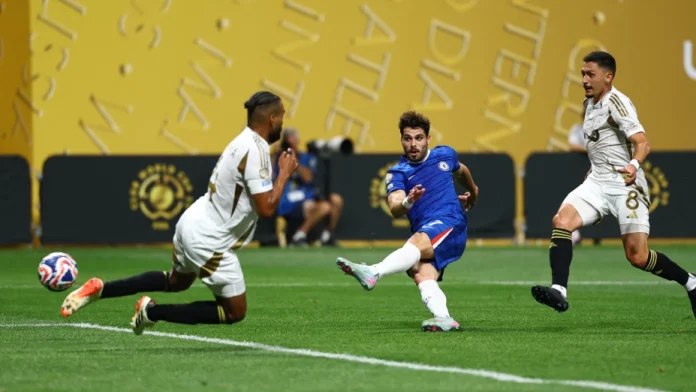
Chelsea kicked off their FIFA Club World Cup campaign with a 2-0 win over Los Angeles FC (LAFC), but the atmosphere at the 71,000-capacity Mercedes-Benz Stadium was noticeably subdued, with just over 22,000 fans in attendance.
Liam Delap made his debut for the Blues in the match, entering in the 64th minute and delivering an eye-catching performance that culminated in an assist for Enzo Fernandez’s close-range goal. The opener came earlier in the match via a sharp near-post finish from Pedro Neto, who capitalized on a defensive lapse after being played through on goal.
Despite the victory, attention quickly turned to the visibly empty stands, a worrying sign just a year ahead of the United States co-hosting the 2026 FIFA World Cup. Observers noted that the local crowd seemed unaware of the high-profile nature of the match, with competing events—including a Power Rangers convention and a UFC fight—diverting attention. Additional factors such as weekday scheduling at 3pm and high ticket prices were also blamed for the poor turnout.
Chelsea’s Dario Essugo also made his debut, contributing to a performance that lacked intensity but proved sufficient to secure all three points. LAFC, bolstered by French World Cup veterans Olivier Giroud and Hugo Lloris, created dangerous moments, with Denis Bouanga and substitute David Martinez narrowly missing key opportunities.
The Blues have now secured eight wins in their last nine outings, a streak that includes their UEFA Conference League title win. Chelsea’s next Group D fixture is against Flamengo in Philadelphia, while LAFC will face ES Tunis in Nashville. The group stage wraps up Tuesday with Chelsea clashing against Tunis and LAFC squaring off against Flamengo.
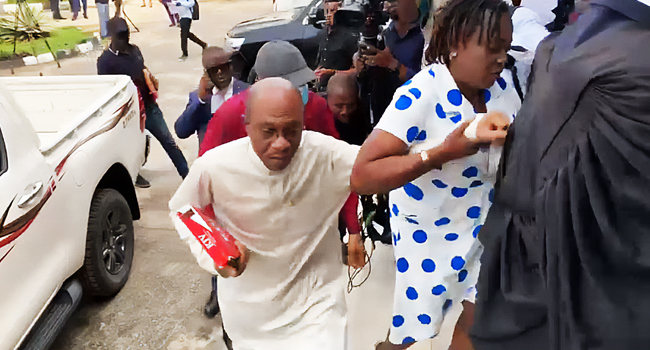
A Federal High Court sitting in Abuja has approved bail in the sum of ₦2 billion for former Central Bank of Nigeria (CBN) Governor, Godwin Emefiele, who is facing an eight-count criminal charge related to financial misconduct and unlawful acquisition of property.
The charges, as filed by federal prosecutors, accuse Emefiele of orchestrating financial misappropriation through the diversion of public funds via proxy accounts and illicitly acquiring a luxury residential estate comprising 753 units.
Justice Halilu Yusuf, who presided over the proceedings, acknowledged that Emefiele had been granted bail in three prior criminal cases and noted the absence of any evidence that the former apex bank chief had violated prior bail terms. Consequently, the judge ruled in favour of granting bail, attaching stringent conditions.
According to the court order, Emefiele must provide two sureties who possess real estate valued at a minimum of ₦2 billion located within Abuja’s highbrow districts—specifically Asokoro, Maitama, or Wuse 2. These properties must also be under the jurisdiction of the court.
Justice Yusuf further directed Emefiele to surrender his international passport and all travel documents to the court. Failure to meet these bail conditions by Wednesday will result in his remand.
Emefiele’s counsel, Matthew Burkaa, filed the bail application, which was unopposed by prosecuting attorney Rotimi Oyedepo. However, Oyedepo requested that the bail terms differ from those previously issued by other courts.
Nigeria is set to bolster its climate change strategy with the rollout of a ₦50 billion Sovereign Green Bond, marking a renewed national effort to finance environmentally sustainable initiatives.
This announcement was made by Dr. Patience Oniha, Director-General of the Debt Management Office (DMO), during an investor briefing on the Series III Green Bond issuance held in Lagos on Monday.
The upcoming bond is a continuation of Nigeria’s green finance agenda that began with successful issuances in 2017 and 2019, which together raised ₦25.69 billion. The new five-year bond, targeted at institutional investors, has a minimum investment threshold of ₦10 million and will be listed on the FMDQ trading platform.
“This isn’t just another capital raise. It’s a reflection of our long-term sustainability commitment in line with our Paris Agreement obligations,” Oniha stated. She emphasized that the proceeds will be channelled into projects aligned with Nigeria’s Nationally Determined Contributions (NDCs), particularly in reducing greenhouse gas emissions.
She added that market expectations would guide pricing, while institutional investors are encouraged to engage deeply with the offer as part of their own sustainability investment goals.
Speaking at the same event, Dr. Iniobong Abiola-Awe, Director at the Department of Climate Change in the Federal Ministry of Environment, underscored the urgent need for climate funding. “We are already witnessing the impact of climate change—severe weather shifts, vanishing Harmattan, floods, and land degradation. Nigeria is losing landmass, and we must act decisively,” she warned.
Dr. Abiola-Awe positioned the bond issuance as part of a broader climate policy ecosystem that includes the 2021–2030 Climate Change Policy, Nigeria’s Energy Transition Plan, afforestation programs, and clean energy expansion.
Previous green bond allocations have supported projects across education, agriculture, and transportation. For instance, one initiative focused on powering Nigerian universities with clean energy, which improved internet access and academic performance.
The Ministry of Environment and the Ministry of Finance have jointly created the policy framework to facilitate green bond issuance, aiming to attract both domestic and international investors committed to environmental financing.
“The proceeds from this third bond issuance will further support Nigeria’s pathway to climate resilience and sustainable development. We owe this not just to ourselves, but to future generations,” Dr. Abiola-Awe concluded.
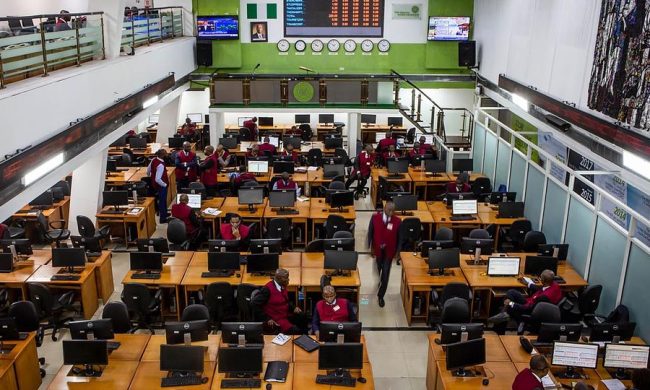
The Nigerian Exchange (NGX) experienced a sharp downturn on Monday, erasing approximately ₦121 billion from its market capitalization following the Central Bank of Nigeria’s (CBN) announcement to phase out its COVID-era forbearance measures for commercial banks.
Investor sentiment turned negative, triggering a wave of sell-offs particularly in the banking sector, where traders rushed to lock in profits amid uncertainty about the impact of the policy withdrawal. The All-Share Index (ASI) declined by 191.30 basis points, closing at 115,238.24 — a 0.17% drop.
Banking stocks bore the brunt of the pressure, with the sectoral index plunging by 3.98%. Notable decliners included ACCESSCORP, ZENITHBANK, UBA, NNFM, and other tier-2 financial institutions.
Market breadth remained negative, with 21 gainers against 43 losers. NNFM recorded the steepest drop at -10%, trailed by ACCESSCORP (-8.28%), FIRSTHOLDCO (-7.5%), and UBA (-5.7%). On the flip side, GUINEAINS led the gainers’ list with a 10% increase, followed by ELLAHLAKES (+9.93%) and LEGENDINT (+9.87%).
Despite the bearish mood, trading activity displayed a mixed pattern. Total trade volume declined by 33.72%, while transaction value rose by 5.75%, according to a trading summary by Atlass Portfolio Limited. About 618.55 million units worth ₦18.98 billion were exchanged in 18,835 deals.
ACCESSCORP led the volume chart, accounting for 12.86% of total trades, followed by UBA (12.57%), ZENITHBANK (10.66%), FIDELITYBK (6.94%), and GTCO (5.61%). ZENITHBANK was the most traded in value terms, representing 16.16% of the day’s total.
Sectoral performance was mixed: while the consumer goods sector advanced by 1.98%, the oil & gas, insurance, and banking indices recorded respective losses of 0.90%, 0.49%, and 3.98%. The industrial goods sector remained unchanged.
At close, the NGX’s total market value fell to ₦72.67 trillion, cementing investor anxiety about policy clarity as a major short-term driver of market behavior.
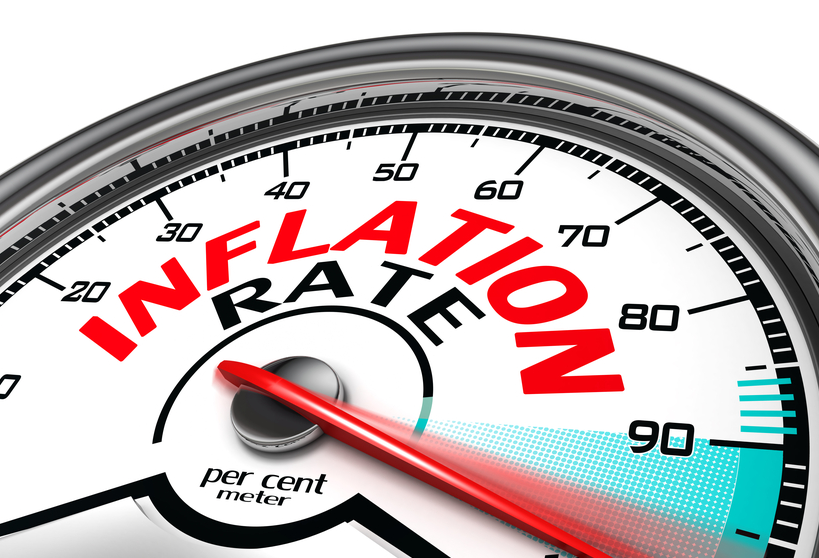
Nigeria’s inflation rate saw a second consecutive monthly decline in May, settling at 22.97%, according to the latest Consumer Price Index (CPI) report released by the National Bureau of Statistics (NBS).
The data, unveiled on Monday, indicates a 74 basis points reduction from April’s inflation figure of 23.71% year-on-year. On a monthly basis, consumer price growth also slowed, easing to 1.53% from the 1.86% recorded in April.
In the food sector, inflation saw a modest decline, with year-on-year rates dipping by 12 basis points to 21.14% in May compared to 21.26% in April. However, month-on-month food inflation edged up slightly to 2.19%, influenced by rising prices in key food items such as yam, cassava tuber, maize flour, fresh pepper, and sweet potatoes.
Core inflation—which strips out volatile agricultural and energy components—also eased notably. The core inflation rate dropped by 110 basis points to 22.28% year-on-year, down from 23.39% in April. Month-on-month, core inflation moderated to 1.10%, reflecting a 24 basis point decline from the 1.34% recorded the previous month.
The latest data reflects tentative signs of economic relief amid ongoing fiscal and monetary policy reforms, although consumer pressure from elevated food and transportation costs continues to weigh on household budgets.
Oil prices continued their upward momentum on Monday, reversing earlier losses, as intensifying hostilities between Israel and Iran reignited fears over supply disruptions in the Middle East.
Brent crude, the international benchmark, rose by 0.25% to $73.86 per barrel, up from $73.67 at the close of the previous session. Similarly, West Texas Intermediate (WTI), the U.S. benchmark, climbed 0.54% to $71.99 per barrel from $71.60.
The gains come on the heels of a five-month high reached on Friday after Israel launched large-scale attacks targeting nuclear sites and military installations across multiple Iranian cities. Iran responded with ballistic missile strikes, escalating the geopolitical standoff in the oil-rich region.
With neither side showing signs of de-escalation over the weekend, fears of a broader conflict have grown, raising the prospect of supply disruptions—particularly through the Strait of Hormuz, a strategic chokepoint through which a significant share of the world’s oil passes.
According to Daniel Hynes, senior commodity strategist at Australia and New Zealand Banking Group, Israeli strikes hit a natural gas facility linked to Iran’s South Pars field and the Shahran fuel and gasoline depot. In retaliation, Iranian missiles damaged Israel’s Bazan oil refinery and associated pipelines.
“While these facilities may not significantly impact global oil supply in the short term, the scale and nature of the attacks mark a departure from previous tit-for-tat exchanges,” Hynes noted.
Meanwhile, U.S. President Donald Trump struck a cautiously optimistic tone, suggesting a diplomatic resolution might still be possible despite ongoing military confrontations.
“There’s a good chance there will be a deal,” Trump told reporters on Sunday. “I hope there is going to be a deal. Sometimes they have to fight it out first.”
In a later briefing before departing for the G7 summit in Canada, Trump reiterated, “I think it’s time for a deal, and we’ll see what happens,” while denying any U.S. involvement in the Israeli strikes. “The U.S. had nothing to do with the attack on Iran tonight,” he posted on Truth Social, warning of massive retaliation if Iran were to target American interests.
Investors are also watching for the release of OPEC’s Monthly Oil Market Report later in the day, which could provide further insight into supply dynamics and market outlook.
As Nigeria’s debt market gears up for a fresh auction, Treasury bill yields dipped to an average of 20.6%, driven by strong demand and robust liquidity, according to trading data from the secondary market.
Afrinvest Limited reported a bullish tone across the Nigerian Treasury Bills (NTB) space last week, with investors showing keen interest in the new 1-year maturity paper dated June 4, 2026. The paper began the week with aggressive buying interest but later moderated due to price resistance.
Investors also showed heightened appetite for the 04-Sep-25 and 04-Dec-25 tenors, resulting in yield contractions of 29 and 32 basis points, respectively. Overall, the average benchmark yield fell by 30bps week-on-week, settling at 20.58%.
The sustained demand has been attributed to investor strategies aimed at locking in attractive returns ahead of the upcoming auction. Traders observed that the 1-year bill traded as low as 18.60% during the week before stabilizing around the 19.10%/18.85% range.
Analysts remain optimistic about the fixed-income market outlook, citing favorable system liquidity and investor rotation toward safer instruments amid macroeconomic uncertainty.
The Debt Management Office (DMO), representing the Central Bank of Nigeria, will be conducting the next Primary Market Auction (PMA) this week. A total of ₦162.01 billion will be offered across 91-day, 182-day, and 364-day maturities, with ₦27.1 billion in bills set to mature.
With market sentiment leaning positive and yield-seeking behavior prevailing, analysts expect the NTB market to remain active in the short term, especially with looming inflation data and exchange rate fluctuations adding to investment risks.
Nigerian banking stocks experienced heavy losses on Monday, following the Central Bank of Nigeria’s (CBN) announcement ending the regulatory forbearance regime introduced during the COVID-19 crisis.
The Nigerian Exchange (NGX) All-Share Index slipped into negative territory in intraday trading as sell-offs intensified in the financial sector. Market brokers indicated a wave of bearish sentiment had swept across banking stocks ahead of expected inflation data.
Despite reporting strong earnings, Nigerian banks are now grappling with the end of leniency on non-performing loans and regulatory thresholds. The financial relief measures had allowed banks to manage impaired assets with more flexibility, but the abrupt policy reversal has triggered investor fears over capital adequacy and dividend restrictions.
Leading the losses was Oando Plc, which dropped 8.70%, followed closely by First Holdings, down 7.80%. Shares of FCMB slumped by 7.58%, with Fidelity Bank, Zenith Bank, and Access Holdings also experiencing steep declines of 6.49%, 5.98%, and 5.15%, respectively.
Other notable fallers included UBA (-4.70%), Jaiz Bank (-4.02%), Sterling Bank (-3.29%), and Wema Bank (-0.72%). GTCO and Dangote Sugar also posted marginal declines of 0.70% and 0.24%, respectively.
In a circular dated June 13, 2025, the CBN instructed banks under forbearance, particularly those exceeding credit exposure and Single Obligor Limits, to immediately suspend dividend payments. The directive also restricts bonuses to directors and bars fresh foreign expansion or offshore investments.
Signed by Olubukola A. Akinwunmi, Director of Banking Supervision, the new policy aims to shore up bank capital buffers and fortify the financial system. The restrictions will remain until banks demonstrate full regulatory compliance, verified through independent audits.
CSL Stockbrokers warned that the dividend suspension could dampen investor confidence, especially among income-focused shareholders. Analysts also expect rising provisioning requirements and a potential increase in reported non-performing loan (NPL) ratios.
Additionally, capital adequacy ratios may come under pressure, particularly in banks with large exposures or thin profit margins. CSL notes that the timeline for recovery from these effects will vary across institutions based on asset quality, profitability, and existing capital strength.
Nigeria is set to intensify its borrowing in the second half of 2025, targeting a fresh N7 trillion in the debt market to bridge the widening fiscal gap, according to a mid-year financial report.
The nation’s overall public debt has soared to nearly 50% of its gross domestic product (GDP), reigniting concerns around the sustainability of its debt profile. Zedcrest’s latest macroeconomic review notes that the federal government’s borrowing appetite will remain strong as actual revenues lag behind projections, driven primarily by suboptimal oil performance.
Despite the removal of fuel subsidies, which has helped cushion fiscal pressure, Nigeria’s revenue base has suffered due to falling crude oil prices and underperformance in production. Government income, heavily reliant on oil exports, remains volatile, exacerbated by loan repayments linked to oil collateral and global market uncertainties.
Over the past five months, Nigeria has consistently missed its OPEC production targets, weakening fiscal resilience. Although crude prices have recently rebounded due to Middle Eastern tensions, earlier price slumps had dampened government earnings.
Zedcrest’s report, “Charting Nigeria’s Next Reform Chapter,” reveals that Nigeria plans to raise N9.2 trillion in fresh debt this year. However, only N2.6 trillion has been secured through the first half, leaving over N7 trillion to be sourced between July and December 2025. These funds have been raised through a mix of FGN bonds, savings bonds, and Treasury bill auctions.
The 2025 budget outlines total revenue of N36.35 trillion and an expenditure plan of N49.74 trillion, creating a fiscal gap of N13.39 trillion. To close this, the government intends to secure N3.7 trillion from multilateral and bilateral partners and generate N312 billion from asset sales.
Positive trends in macroeconomic stability and improved credit outlooks are expected to ease local borrowing costs, Zedcrest noted, potentially opening more access to concessional loans. Already in 2025, Nigeria has received $2.2 billion in project-tied disbursements from lenders like the World Bank, China Development Bank, and China EXIM Bank.
There is speculation that the federal government may return to the international bond market before its Eurobond matures in November, possibly to refinance maturing external obligations. Zedcrest estimates that Nigeria’s debt stock could reach N162 trillion by year-end, pushing the debt-to-GDP ratio to 58.3% after a planned GDP rebasing.
However, the debt service-to-revenue ratio remains a critical concern, forecasted to remain around 150%, further intensifying fiscal stress. Revenue challenges are likely to persist as oil production has averaged just 1.6 million barrels per day (mbpd) year-to-date—far below the budgeted 2.06 mbpd.
Even with the recent launch of the new Obodo crude grade, analysts say it’s unlikely Nigeria will meet its production goals. Additionally, oil prices have hovered at an average of $65 per barrel, trailing the $75 benchmark used in budget assumptions.
The non-oil sector has experienced modest recovery, supported by better forex market conditions, which have strengthened profitability in real sectors. Still, the government is moving aggressively to shore up finances. Last month, President Bola Tinubu requested National Assembly approval for a $24.10 billion borrowing plan covering the 2024–2026 period.
The plan includes Eurobonds, bilateral loans, and concessional financing, with a portion expected to be disbursed over the next 5–6 years. For 2025 alone, the government seeks to raise $1.20 billion via Eurobonds and $2.53 billion through project-linked funding.
Cordros Capital predicts that actual borrowing figures will align more closely with the 2025 budget than broader MTEF targets. The World Bank has already approved $1.08 billion in concessional financing this year, though analysts caution that loan disbursements depend on meeting appraisal milestones and compliance conditions.
Between January and April 2025, oil production averaged 1.68 mbpd, with prices at $67.72/barrel—both under budget assumptions. Cordros expects continued reliance on domestic debt, given reduced currency risks and relatively better debt servicing terms.
Their forecast places 2025 federal revenue at N28.77 trillion—significantly lower than the projected N41.81 trillion—leading to a fiscal deficit of N16.47 trillion. Excluding N3.8 trillion in project loans and N312.33 billion from privatizations, net borrowing requirements may hit N12.36 trillion.
As Nigeria pivots away from Central Bank deficit financing, market-based borrowing remains its primary funding strategy amid elevated debt levels and uncertain oil revenues.
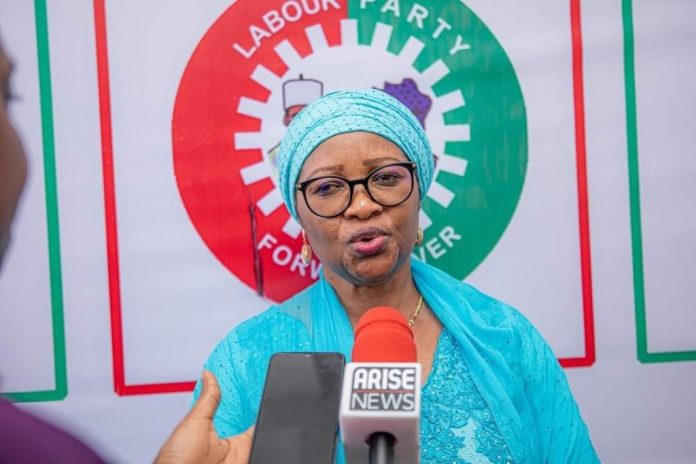
The Labour Party (LP) has strongly condemned the recent mass killings in Benue State, describing the violence as a “fresh wave of senseless bloodshed” and calling for immediate deployment of security personnel to vulnerable communities across Nigeria’s North Central region.
In a statement issued on Monday, the party’s National Caretaker Committee, led by Senator Nenadi Usman, expressed deep grief over the killing of over 100 individuals, including women, children, internally displaced persons, and security operatives, alongside the destruction of homes and farmlands.
“These victims were not mere statistics. They were human beings whose lives were brutally and unjustly taken,” Usman said. “Children who deserved protection were butchered. Mothers who should be nurturing homes were buried in mass graves. Fathers who stood to defend their families were mercilessly slaughtered.”
The LP’s acting National Chairman decried what she described as the Nigerian government’s persistent failure to safeguard its citizens, stressing that the attacks, which included burning of homes, ambushes on security forces, and repeated assaults on displaced persons, exposed a dangerous void in leadership and accountability.
“This carnage in Benue should shake the conscience of every Nigerian,” she stated. “It is more than a regional tragedy, it is a national disgrace. The helplessness of the victims and the audacity of the attackers are symptomatic of a collapsed security architecture.”
Senator Usman called for a comprehensive investigation into the attacks, insisting that those responsible regardless of status or affiliation must be identified, prosecuted, and brought to justice. She further urged Nigerians to go beyond mere condemnations and demand decisive, sustained action from authorities.
“To the grieving families, I mourn with you not just as a political leader but as a mother. To the children orphaned, the widows left behind, and the shattered communities—you are not alone. Your anguish reverberates across this country, and your cry for justice must not fall on deaf ears.”
The party also advocated for an urgent humanitarian response, including the provision of food, shelter, healthcare, and trauma support for survivors of the attacks.
Reaffirming its commitment to a more secure and humane Nigeria, the Labour Party pledged to continue pushing for policies that protect the lives and dignity of all citizens, particularly those in rural and conflict-affected areas.
“Nigeria cannot afford to normalise bloodshed. Enough is enough,” Senator Usman declared.
The Lagos State Police Command has redeployed the Tactical Squad Commander of Okokomaiko Division, Chief Superintendent of Police (CSP) Segun Ajao, following allegations that he collected a N10 million bribe to alter charges against suspected cult members.
The action comes amid a growing outcry from residents of the Agric community, where six suspected members of the Neo Black Movement, popularly known as Aiye Black Axe, were arrested on March 19, 2025. The suspects—Tayo Seton, Efe Emeakpor, Wisdom Naro, Sodiq Oladimeji, Oluwafunso Emiloju, and Emmanuel Marshal—were apprehended in possession of dangerous weapons, including locally made double-barrel guns, short pistols, battle axes, AK47 ammunition, and charms.
They reportedly confessed to being members of the confraternity, prompting commendation from local residents who urged the police to intensify efforts in rooting out other members of the gang.
The following day, on March 20, the Investigating Police Officer (IPO), Inspector Yahaya Abule, approached the Iba Magistrate’s Court with an affidavit seeking a 30-day remand order to enable the recovery of an AK47 rifle believed to be linked to the suspects. At the end of the remand period, the suspects were arraigned under charge number CR/MISC/IB/3/6/2025 on seven counts, including unlawful association, cultism, and illegal possession of firearms. They pleaded guilty, and the court ordered their continued detention pending a ruling scheduled for April 14.
However, the case reportedly took a controversial turn following a visit by unnamed political figures to the Tactical Squad Command. Sources alleged that a N10 million bribe was paid to alter the charges. Consequently, the initial seven-count charge was reportedly reduced to two—misdemeanour and unlawful association—while charges of cultism and possession of firearms were dropped.
The magistrate subsequently granted bail to the suspects, who were released after meeting the bail conditions.
Disturbed by the turn of events, members of the community engaged legal practitioners Yinka Muyiwa and Olurundare Sowunmi to petition the Commissioner of Police, CP Jimoh Oluhundare Moshood. The petition called for a full investigation into the alleged compromise and urged the reinstatement of the original charges.
Confirming the development, the spokesperson for the Lagos State Police Command, CSP Benjamin Hundeyin, disclosed that CSP Ajao had been redeployed and that an internal panel had been constituted to probe the allegations. He stressed that the Command under CP Moshood remains committed to transparency and zero tolerance for corruption.
“We take these allegations seriously, Any officer found culpable will be subjected to appropriate disciplinary measures in line with our internal code of conduct.” he said.
Nigerian music superstar Davido has announced his withdrawal from 50 Cent’s upcoming concert in London, citing fundamental disagreements over the event’s execution.
The concert, which is part of 50 Cent’s Final Lap Legacy Tour, is scheduled for July 3 at the Tottenham Hotspur Stadium and also features R&B icon Mary J. Blige. Davido made the announcement via an Instagram Story on Saturday, June 14, 2025.
“Despite strong fan support and impressive ticket sales, there have been major misalignments regarding the event’s execution, particularly concerning key elements required to uphold the integrity and quality of my performance,” the ‘Unavailable’ crooner stated.
He clarified that his decision was not due to poor turnout, but rather “a matter of principle and respect” for his craft.
“Over the past few weeks, I have extended my full support and professionalism to The Neto Future Group, promoters of @iconicpresents, with the sincere intention of delivering a performance that meets the high standards my fans deserve,” Davido said.
He added that despite his team’s efforts to resolve the issues, they remained unresolved, prompting his difficult decision to step away. “This decision is not a reflection of turnout or support; it is a matter of principle and respect for my craft, my fans, and the culture I represent.”
Although he won’t be taking the stage at Tottenham Hotspur Stadium, Davido reassured fans that all other dates on his summer tour remain unchanged.
“London, I’ll see you guys soon, I promise! The rest of the shows this summer are still happening — Germany, Portugal, Belgium, Canada, and the US! Africa must be respected,” he concluded.
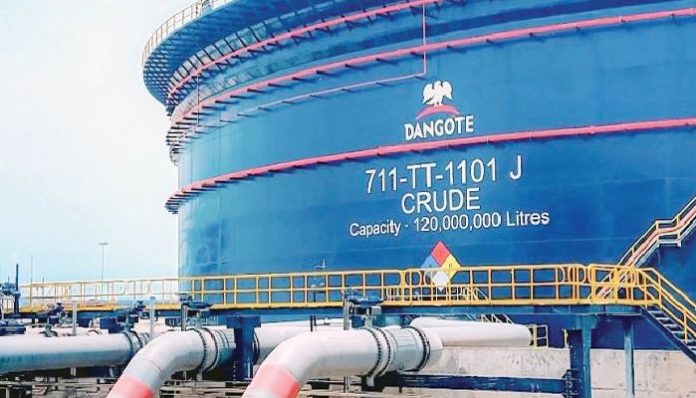
The Dangote Petroleum Refinery has announced that it will begin distributing petrol (Premium Motor Spirit) and diesel (Automotive Gas Oil) across Nigeria from August 15, 2025. The company also plans to deploy 4,000 new Compressed Natural Gas (CNG)-powered tankers to support efficient delivery and address nationwide fuel distribution challenges.
This announcement comes amid growing concerns of possible fuel scarcity in Lagos and other parts of the country, following a standoff between tanker drivers, fuel marketers, and the Lagos State Government over the E-Call Up system for managing tanker movement in the Lekki-Epe corridor.
Tanker drivers under the National Association of Road Transport Owners (NARTO), along with the Independent Petroleum Marketers Association of Nigeria (IPMAN), have said they will suspend loading activities due to what they describe as high service fees under the E-Call Up system. The N12,500 charge per truck, they argue, is unsustainable and they have proposed a reduced fee of N2,500. Negotiations with the Lagos State Government are ongoing.
The E-Call Up system is intended to regulate the movement of articulated vehicles along the Lekki-Epe corridor by requiring pre-registration and scheduling through a digital platform. Trucks are expected to wait in designated parks until receiving clearance to proceed to loading depots. The government argues that this will reduce congestion and illegal parking, particularly in a zone that houses major infrastructure such as the Dangote Refinery and Lekki Deep Sea Port.
However, stakeholders have expressed concerns over the condition of the parks and the speed of implementation. They argue that many of the designated truck parks lack basic infrastructure and have not been reviewed or approved by key industry players. Additionally, some marketers and drivers say they already have suitable parking arrangements at their own depots or stations and should not be forced to use external facilities.
In response, the Lagos State Government maintains that the N12,500 fee is not a government levy but a charge set by the private investors who developed the park infrastructure. According to the government, the fee covers access to regulated parking, sanitation facilities, and system maintenance. It also argues that the unions currently collect higher unofficial fees—up to N41,000 per truck—without offering structured services or reducing traffic bottlenecks.
The refinery’s distribution strategy includes logistics support for fuel marketers, manufacturers, telecom companies, aviation firms, and other large-scale users. The company said its logistics programme is aimed at improving energy access, reducing distribution costs, and supporting broader national economic reforms. Plans are also in place to introduce a credit scheme for large-volume buyers and to develop CNG daughter booster stations.
As both sides continue negotiations, the fuel supply chain remains at risk. Industry watchers say a prolonged disruption could affect supply and pricing in the short term, particularly in Lagos and surrounding areas.
The Federal Competition and Consumer Protection Commission (FCCPC) has summoned the management of Air Peace Limited over mounting passenger complaints relating to unrefunded ticket fares, even in cases where the airline cancelled its own scheduled flights.
In a formal notice dated June 13, 2025, the Commission directed Air Peace to appear before it at its Abuja headquarters on Monday, June 23, 2025. The summons comes amid widespread public outcry over alleged breaches of consumer rights by Nigeria’s leading domestic carrier.
The development was confirmed in a statement issued in Abuja on Monday by the Commission’s Director of Corporate Affairs, Ondaje Ijagwu. According to the statement, the complaints received indicate potential violations of Sections 130(1)(a), 130(1)(b), and 130(2)(b) of the Federal Competition and Consumer Protection Act (FCCPA) 2018. These provisions guarantee consumers the right to timely refunds when services paid for in advance—such as flight bookings—are not delivered due to the service provider’s failure.
Ijagwu explained that the summons was issued under Sections 32 and 33 of the FCCPA, mandating Air Peace to submit detailed documentation. The required materials include a 12-month complaint log relating to refunds, records of all processed refunds, a comprehensive list of cancelled flights across all routes within the same period, and evidence of steps taken to mitigate hardship for affected passengers.
“The Federal Competition and Consumer Protection Commission has summoned the management of Air Peace Limited over a deluge of consumer complaints across the country regarding non-refund of ticket fares, even in instances where the airline cancelled its own operations,” the statement read in part.
It added: “These actions potentially contravene Sections 130(1)(a) and (b), and 130(2)(b) of the FCCPA 2018, which explicitly guarantee consumers the right to timely refunds in situations where advance bookings or reservations are not fulfilled due to service provider failure.”
The Commission warned that failure to comply with the summons, as stipulated under Section 33(3) of the Act, could attract severe penalties, including fines or imprisonment.
Although not directly referenced in the FCCPC’s statement, the summons comes on the heels of a recent controversy involving Senator Adams Oshiomhole and Air Peace officials. The lawmaker accused the airline of extorting passengers after missing a flight he claimed was delayed due to racketeering by staff.
Oshiomhole alleged that airline officials demanded an additional N109,100 from him and other passengers—estimated to be between 20 and 30 in number—to reschedule them to another flight. While Air Peace claimed the senator arrived late, he insisted that staff allowed other later-arriving passengers to board after allegedly collecting illicit payments.
The incident, widely circulated on social media, further fuelled public anger and placed Air Peace under increased regulatory and public scrutiny.
Wang Ning, the 38-year-old founder and CEO of Pop Mart International Group, has entered China’s top 10 richest individuals for the first time—thanks to the global explosion in demand for the company’s iconic Labubu dolls.
According to Forbes, Wang now ranks as China’s 10th wealthiest person, with a net worth of $22.7 billion, driven largely by his stake in Pop Mart. The Beijing-based toy company has seen its shares skyrocket in 2025, tripling in value and pushing its market capitalization to HK$365 billion. Pop Mart’s stock, listed in Hong Kong, is currently trading above HK$270 ($34.40).
“For the first time, Wang Ning, founder of toy maker Pop Mart, has joined the ranks of China’s top ten billionaires, as the company’s Labubu dolls fly off store shelves in Asia, Europe, and the U.S.,” Forbes reported.
Created by Hong Kong-born artist Kasing Lung, the mischievous, rabbit-like Labubu has become a global collectible phenomenon. Its popularity has been amplified by celebrity endorsements from stars like Rihanna, Dua Lipa, and Blackpink’s Lisa.
“It is rare for a comic/toy IP to break the culture wall and be embraced by both Asian cultures and mainstream Western pop stars and sports figures,” Deutsche Bank analyst Jessie Xu noted in a research report.
The frenzy surrounding the dolls hit new heights in April when the release of a third-edition Labubu sparked scuffles at a London store, with fans paying between £13.50 ($18.30) and £50 per doll. In Beijing, a life-sized Labubu sold at auction for 1.08 million yuan ($150,000).
The doll’s immense popularity has even prompted unconventional marketing tactics. Forbes revealed that Ping An Bank in China offered Labubu dolls as rewards for customers who opened new accounts with deposits over 50,000 yuan—an initiative later halted by regulators for violating promotional guidelines.
As international demand continues to soar, investment banks remain bullish on Pop Mart’s prospects. Deutsche Bank recently raised its price target for the company’s stock by 52% to HK$303, while Morgan Stanley also upgraded its forecast.
Wang’s meteoric rise makes him the youngest member of China’s billionaire elite, joining the ranks of other business heavyweights such as ByteDance’s Zhang Yiming, Nongfu Spring’s Zhong Shanshan, and Tencent’s Ma Huateng.
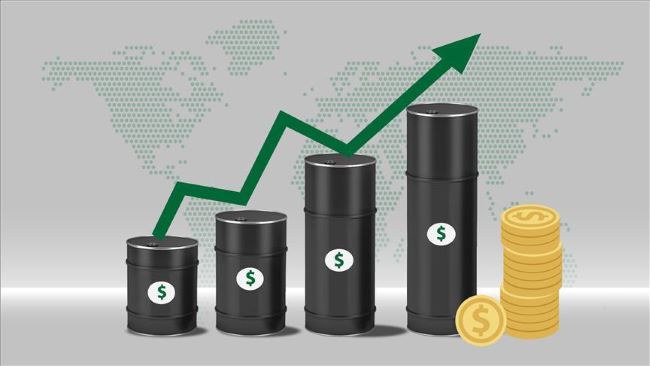
Nigeria’s major crude oil grades—Bonny Light, Brass River, and Qua Iboe—surged past $77 per barrel between Friday and Sunday, following Israel’s military strikes on Iran that have reignited fears of a wider conflict in the Middle East.
Data from Oilprice.com on Sunday showed Bonny Light trading at $78.62 per barrel, while Brass River and Qua Iboe settled at $77.09 and $77.14, respectively. This marks a significant rise from an average of $65 per barrel just days earlier and pushes prices more than $2 above the Federal Government’s 2025 budget benchmark of $75 per barrel, offering a potential, albeit short-term, fiscal buffer.
Oilprice.com attributed the spike to geopolitical uncertainty, noting, “The geopolitical risk premium is back.” Brent futures climbed to $74.23 per barrel, while West Texas Intermediate (WTI) rose to $73, as markets priced in expectations of continued hostilities between Israel and Iran and the possible disruption of vital oil supply routes.
Although Israel’s airstrikes did not directly target oil infrastructure, fears of Iranian retaliation rattled global markets. Israel also preemptively shut down some gas production facilities heading into the weekend, while concerns mounted over threats to the Red Sea and the vital Strait of Hormuz—a chokepoint for roughly 19 million barrels of oil and petroleum products daily, nearly a fifth of global consumption.
Analysts warn that while the price rally may temporarily boost government revenues, it could also drive up local fuel prices. With refiners facing higher crude costs—the primary feedstock for petrol and diesel—consumers may bear the brunt of sustained high prices.
Unlike previous price drops earlier this year, which were largely influenced by trade tensions and weak demand, this current surge is being driven predominantly by conflict risk, not by supply constraints or market fundamentals.
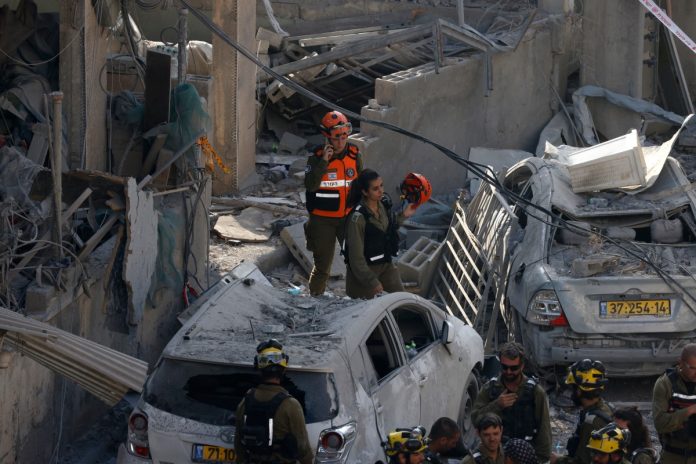
Israeli rescuers search through the rubble at the site of an Iranian missile strike in Bnei Brak, east of Tel Aviv, on June 16, 2025. Iran unleashed a barrage of missile strikes on Israeli cities early on June 16, after Israel struck military targets deep inside Iran, with both sides threatening further devastation. (Photo by Jalaa MAREY / AFP)
At least five people have been confirmed dead and 92 others wounded following a fresh wave of Iranian missile strikes on Israel, according to Israel’s Magen David Adom (MDA) emergency service.
The strikes, which hit four locations across central Israel in the early hours of Monday, claimed the lives of two women and two men, all reportedly in their 70s, as well as one additional casualty.
In a statement, the MDA disclosed that its teams had evacuated 92 injured persons to nearby hospitals. Among the injured is a 30-year-old woman who sustained severe facial injuries. Six others were reported to be in moderate condition, while 85 sustained minor injuries.
Rescue operations are still ongoing at two of the targeted locations, the agency said.
The attack comes amid escalating hostilities between Tehran and Tel Aviv, following Israeli airstrikes on strategic military targets deep within Iranian territory. In response, Iran launched what it described as retaliatory missile barrages against Israeli civilian areas.
Reacting to the development, Israeli Defence Minister, Israel Katz, warned that Iran’s civilian population would “pay the price” for any aggression against Israeli citizens.
The rising tensions between the two Middle Eastern rivals continue to spark international concern over the potential for a wider regional conflict.
The Federal Government has commenced last-minute diplomatic engagements with foreign embassies over a N3.6 billion backlog in ground rent payments for properties in the Federal Capital Territory (FCT).
Speaking on Sunday, the Ministry of Foreign Affairs assured that the issue would be handled through official diplomatic procedures. “The ministry will take up the matter with FCTA and it will be addressed via diplomatic channels,” said Kimiebi Ebienfa, spokesperson for the ministry.
This development comes amid reports that the Federal Capital Territory Administration (FCTA) may initiate enforcement actions including the possible sealing of 34 embassies over unpaid ground rents dating back to 2014.
In a recent public notice, the FCTA disclosed that multiple embassies collectively owe over N3.6bn. The FCT Minister, Nyesom Wike, had earlier directed the enforcement of recovery measures across nearly 4,800 properties over long-standing non-compliance. However, President Bola Ahmed Tinubu intervened, granting a two-week grace period for defaulters to settle their dues.
According to the Director of Lands at the FCTA, Chijioke Nwankwoeze, the defaulting diplomatic missions are also expected to pay additional penalties ranging from N2 million to N3 million, depending on the location of their properties.
Among the embassies listed are those of Ghana (N5,950), Thailand (N5,350), Côte d’Ivoire (N5,500), Russian Federation (N1,100), Philippines (N5,950), Royal Netherlands (N5,950), Turkey (N3,350), and Guinea (N5,950). Other missions named include Ireland (N500), Uganda (N5,950), Iraq (N550), Zambia (N1,189,990), and Tanzania (N6,000).
Also featured are the embassies of Germany (N1,000), Democratic Republic of Congo (N5,950), Venezuela (N459,055), Korea (N5,950), and Trinidad and Tobago (N500). Egypt (N5,950), Chad (N5,950), Sierra Leone (N5,900), India (N150), Sudan (N5,950), Niger Republic (N500), and Kenya (N5,950) were also named.
Further down the list are Zimbabwe (N500), Ethiopia (N5,950), Indonesia’s Defence Attaché (N1,718,211), the European Union Delegation (N1,500), Switzerland (N5,950), Saudi Arabia (N5,950), China’s Economic and Commercial Office (N12,000), South Africa (N4,950), and Equatorial Guinea (N1,137,240).
However, several embassies have disputed their inclusion, describing the publication as inaccurate or misleading. The Russian Embassy denied owing any rent, while Turkey attributed its inclusion to a potential administrative error. The German Embassy stated it had not received any official demand notice, and the DRC Embassy confirmed that its payments were up to date, assuring the public of uninterrupted operations.
Similarly, the Ghana High Commission acknowledged the report but clarified that it had not been formally notified and would liaise with the Foreign Affairs Ministry for further clarification.