







Home Blog Page 160

Billing Errors, Faulty Meters Push Electricity Complaints To 254,000

DisCos To Resume Distribution Of Free Metre To Nigerians

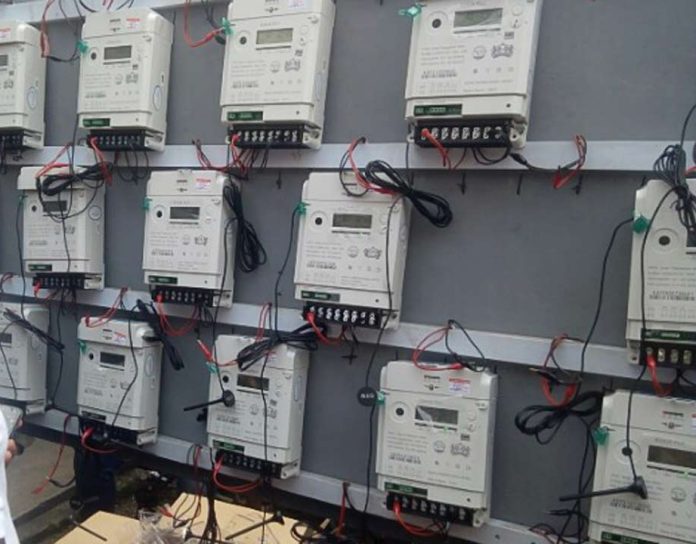
Electricity distribution companies across Nigeria received 254,404 customer complaints in the first quarter of 2025, driven largely by faulty meters, inaccurate billing, and erratic power supply, according to the Nigerian Electricity Regulatory Commission (NERC).

The figure marks a 7.7% decline from the 275,681 complaints recorded in the previous quarter. However, issues around metering (42.8%), billing (12.3%), and service interruptions (7.7%) dominated customer grievances, collectively accounting for nearly 63% of all complaints lodged between January and March.

Port Harcourt DisCo recorded the highest number of complaints, with 57,843 cases—nearly 23% of the total—while Yola DisCo received the fewest at 2,495. Other high-volume DisCos included Ibadan (42,393), Eko (36,780), and Ikeja (25,555). Notably, Abuja DisCo saw a sharp decline in complaints, dropping 74% from the previous quarter to 6,225 cases.

While six DisCos reported reductions in customer complaints, others saw sharp increases. Kano DisCo experienced an 86% surge in complaints, rising from 17,328 to 32,251, driven mainly by metering issues, which accounted for 25,988 of its complaints—the second-highest in this category nationwide, following Eko DisCo’s 17,972.

NERC disclosed that billing-related complaints led to customer refunds totaling ₦32.2 billion in the first quarter, reflecting the commission’s push for accountability and consumer protection within the power sector.

Port Harcourt DisCo also topped the billing complaints chart with 5,260 cases while leading in the “Others” category with 28,959 cases, suggesting persistent unresolved issues. Voltage issues, disconnections, load shedding, and delays also featured among customer concerns during the period.

Despite the high volume of complaints, DisCos collectively raked in ₦553.63 billion in revenue in Q1, even as consumers grappled with poor supply reliability, billing inefficiencies, and persistent outages.

NERC stated it would continue strengthening enforcement mechanisms and customer service protocols across all 11 DisCos to accelerate complaint resolution and reduce recurring issues, noting that real-time responsiveness to customer feedback is critical to restoring public trust in the power sector.
Trump Hosts African Leaders As They Push For Investment In Resource Development

Trump Signs Executive Order

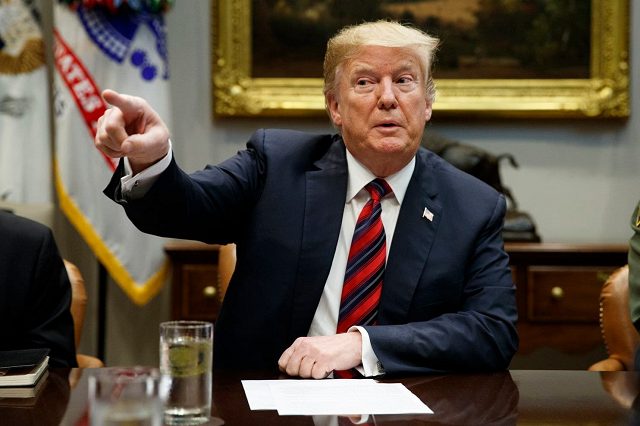
U.S. President Donald Trump on Wednesday hosted the presidents of Gabon, Guinea-Bissau, Liberia, Mauritania, and Senegal at the White House, as the leaders sought American support to develop their countries’ natural resources and attract investment.

During a lunch at the State Dining Room, Trump described the visiting nations as “very vibrant places with very valuable land, great minerals, great oil deposits, and wonderful people.” He hinted that the five countries were unlikely to face U.S. tariffs and noted recent progress in African peace efforts, including a recent agreement between the Democratic Republic of the Congo and Rwanda signed at the White House.

At the meeting, Gabon’s President Brice Oligui Nguema emphasized his country’s openness to investment, noting Gabon’s desire to process its raw minerals locally to create more value. “We are not poor countries. We are rich in raw materials, but we need partners to support us with win-win partnerships,” Nguema said.

Senegal’s President Bassirou Diomaye Faye highlighted tourism and investment opportunities in his country, even jokingly inviting Trump to showcase his golf skills on a planned course just six hours from New York.

The meeting comes amid U.S. efforts to reassert economic ties with Africa, where China has expanded its influence in recent years. The U.S. International Development Finance Corporation (DFC) announced that it would provide project funding for the Banio Potash Mine in Mayumba, Gabon, aimed at reducing the country’s reliance on imports. “DFC’s efforts not only benefit the countries where they invest but also advance U.S. economic interests by opening new markets and strengthening trade relationships,” said Conor Coleman, DFC’s head of investments.

Though the five nations represent a small portion of U.S.-Africa trade, they hold significant untapped natural resources. Senegal and Mauritania also serve as key transit and origin points in migration routes, while Guinea-Bissau continues to grapple with drug trafficking—issues that remain on Washington’s radar.

Trump is expected to announce dates for a broader summit with African leaders, potentially in September during the United Nations General Assembly, as part of efforts to strengthen U.S.-Africa relations.

Nigeria’s $1.12bn Eurobond Set To Mature In November

DMO Set To Auction N150bn Bond On FG's Behalf

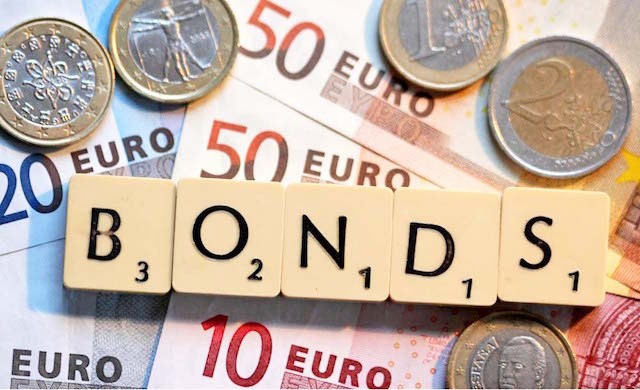
Nigeria’s $1.12 billion Eurobond is set to mature in November, and analysts anticipate the government will step up foreign borrowing in the second half of the year to meet this obligation amid rising debt pressures.

In the first half of 2025, the government largely tapped the local debt market to finance its budget deficit, slowing fixed-income securities issuance while introducing Sukuk and green bonds into its funding mix. During the quarter, the Debt Management Office (DMO) offered ₦750 billion across various bond tenors but raised ₦798.6 billion against total subscriptions of ₦1.54 trillion.

Nigeria’s public debt rose by 3.26% quarter-on-quarter to ₦149.39 trillion at the end of March 2025, marking a 22.78% year-on-year increase, reflecting continued fiscal reliance on debt to bridge budget gaps amid tepid revenue and elevated spending.

Cordros Capital projects that public debt will expand further to 54% of GDP in 2025 due to persistent borrowing across domestic and external markets.

In its mid-year report, CardinalStone Partners noted that the government raised about ₦3 trillion through Nigerian Treasury bills and bonds in the first half, with an additional ₦10.08 trillion in net issuance likely needed to cover the estimated deficit for the year.

“While Nigeria relied heavily on the domestic market for deficit financing in H1, we expect a notable increase in external sourcing in H2 2025,” CardinalStone stated. The firm disclosed that the government plans to raise $1.20 billion through the DMO and an additional $2 billion at concessionary rates from multilateral sources, totaling approximately ₦4.90 trillion at the official exchange rate of ₦1,530/$ as of June 2025.

The remaining ₦5.19 trillion needed for deficit financing is expected to be sourced locally after accounting for rollovers.

CardinalStone added that part of the expected external borrowings will likely be used to repay the maturing $1.12 billion Eurobond and cover cumulative coupon payments of about $1.38 billion.

During the year, President Bola Tinubu sought National Assembly approval for foreign borrowings totaling $21 billion, €2.2 billion, and ¥15 billion for project financing tied to the country’s medium-term expenditure framework.

Analysts note that these developments underscore the critical role foreign borrowing will continue to play in Nigeria’s deficit financing strategy over the medium term.

OMO Outflows Squeeze Liquidity, Drive Money Market Rates To 30%

Money market rates hovered near 30% on Thursday as the settlement of the Central Bank of Nigeria’s (CBN) open market operations (OMO) auction drained liquidity from the financial system. The apex bank offered ₦600 billion in OMO bills, attracting strong demand with bids totaling ₦2.17 trillion, and eventually allotted ₦1.25 trillion—further tightening system liquidity.

Following the large outflows, some deposit money banks and investment funds turned to the standing lending facility to meet their funding needs. The open repo rate jumped by 100 basis points to 29.75%, while the overnight lending rate climbed by 109 basis points to 30.42%, reflecting the liquidity squeeze as banks and foreign portfolio investors settled their OMO bill purchases.

The Nigerian Interbank Offered Rate (NIBOR) also moved higher across all maturities, in line with the tighter liquidity in the banking system.

Despite the pressure on liquidity, the secondary market for Nigerian Treasury Bills remained bullish, with strong investor demand pushing the average yield down by 8 basis points to 19.35%, according to Cowry Asset Management. The NTB curve declined across all maturities, indicating lower yields on short- and medium-term instruments.

Unless significant inflows improve system liquidity, interbank rates are expected to remain elevated in the near term.

GTCO Lists Shares On London Stock Exchange, Secures Landmark Global Market Access

GTCO Predicts Significant Improvement In Nigeria's Business Environment

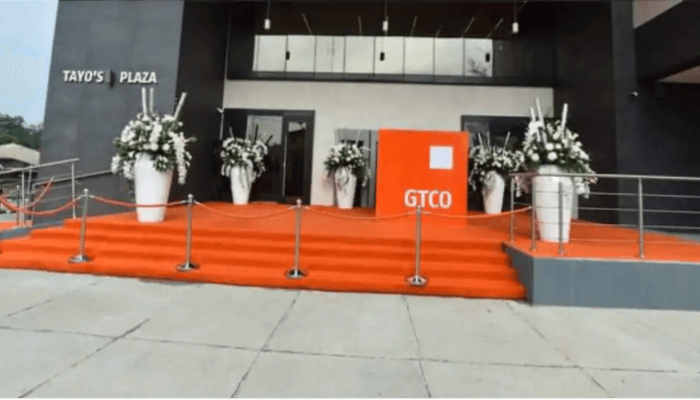
Guaranty Trust Holding Company Plc (GTCO) commenced trading on the prestigious London Stock Exchange (LSE) on Wednesday, following the successful completion of its primary equity offering.

With this development, GTCO has become the first Nigerian financial institution to achieve a full equity listing on the LSE. According to a statement published on the group’s official website, a total of 36.4 billion of the company’s ordinary shares have been officially listed on the LSE’s main market, enabling immediate trading activities.

GTCO confirmed that its entire issued share capital—comprising exactly 36,425,229,514 shares—has been admitted into the equity shares category under the international commercial companies’ secondary listing segment of the UK Financial Conduct Authority’s Official List.

In addition, the company announced that its shares are now being traded under the ticker symbol “GTHC.” The firm also plans to transition this ticker to “GTCO” after completing the cancellation of its Global Depository Receipts (GDRs).

Leading up to its London listing, GTCO had already attracted significant foreign portfolio investment in the Nigerian market, buoyed by the bank’s robust financial performance and growing market share. Notably, GTCO maintains one of the banking sector’s most competitive cost-of-funds structures, underpinned by its expansive presence in the retail banking segment.

CBN Auctions ₦1.25 Trillion OMO Bills At 21.99% Rate Amid Surging Investor Demand

The Central Bank of Nigeria (CBN) executed a major open market operation (OMO) on Wednesday, allotting ₦1.25 trillion worth of OMO bills to investors at a reduced stop rate of 21.99%, marking a strategic move to manage excess liquidity in the financial system.

The apex bank initially offered ₦600 billion worth of OMO bills across two tenors—₦300 billion in 272-day bills and another ₦300 billion in 363-day instruments—through a competitive bid process.

Investor appetite, however, significantly outpaced the CBN’s offering, with both local and foreign participants submitting total bids amounting to ₦2.174 trillion. Analysts attributed this surge in demand to the limited availability of fixed-income securities in the market and heightened investor preference for longer-tenor instruments.

In response to the overwhelming demand for long-term securities, the CBN bypassed the mid-tenor tranche and fully allocated ₦1.25 trillion in 363-day bills alone. This strategic decision allowed the central bank to capitalize on the market momentum while also lowering its balance sheet servicing costs.

The stop rate of 21.99% for the 363-day maturity reflects a declining yield trend from previous peak rates, which had touched as high as 24.65% in recent months. The move signals a shift in the monetary policy landscape as authorities leverage strong demand to recalibrate interest expenses.

Market watchers see the latest OMO results as an indication that liquidity absorption through debt issuance remains a key tool in the CBN’s arsenal for macroeconomic management.

Naira Strengthens By ₦9 Amid Renewed Dollar Inflows And Foreign Reserve Rebound

Federation Account Amasses Over ₦5trn In 6months- RMAFC

The Nigerian naira appreciated significantly in the foreign exchange market on Wednesday, strengthening by ₦9 to close at ₦1,520.00 per U.S. dollar. This improvement comes on the back of fresh dollar inflows that boosted liquidity levels across the market

According to traders, the naira traded within the range of ₦1,520 to ₦1,530 against the greenback. Market sentiment turned positive after Nigeria’s external reserves registered a recovery, breaking away from a previously sustained downward trend. The Central Bank of Nigeria (CBN) reported a rise in the country’s gross external reserves to $37.282 billion, following two notable dollar inflows from undisclosed sources.

Spot foreign exchange data released by the CBN showed that the official rate closed at ₦1,520.7490 per dollar, improving from the previous day’s ₦1,529.22.

Despite limited intervention by the CBN in the forex market during July, the naira has continued to hold strong. Contributing to the reduced pressure on the FX market is the local supply of refined petroleum products from the Dangote refinery, which has significantly lowered the country’s foreign currency demand for imports.

Improved forex sentiment has also been driven by fairer exchange rate valuation, with increased participation from offshore investors in the central bank’s open market operations (OMO). Many Nigerian investment bankers have now adopted a bullish stance on the naira, projecting an exchange rate between ₦1,560 and ₦1,700 per dollar by year-end, assuming no major surge in forex demand.

On the global front, crude oil prices edged higher, with Brent crude rising 38 cents to $70.53 per barrel, supported by strong U.S. gasoline consumption and rising geopolitical tensions affecting Red Sea shipping routes. U.S. West Texas Intermediate (WTI) crude also saw an increase of 43 cents, trading at $68.76 per barrel.

Meanwhile, gold prices experienced marginal gains, climbing 0.3% to $3,309.24 per ounce, although further growth was tempered by a strengthening U.S. dollar. Analysts say the ongoing tight supply levels in the oil market—despite increased output—continue to reflect robust global demand.

Nigeria Appeals For Reconsideration As U.S. Tightens Visa Validity For Citizens

Visas

The Federal Government of Nigeria has called on the United States to revisit its recent adjustment to visa reciprocity terms, which now restricts Nigerian citizens to a single-entry, three-month validity on non-immigrant visas.

This plea was made public through an official statement issued by Kimiebi Ebienfa, spokesperson for the Ministry of Foreign Affairs. Expressing concern over the new visa limitations, the Nigerian government emphasized the historical bonds of cooperation, mutual respect, and shared global responsibilities that have long characterized U.S.-Nigeria relations.

“The Federal Government has taken note of the recent update by the U.S. government regarding its visa reciprocity policy, particularly affecting Nigerian citizens applying for non-immigrant visa categories such as B1/B2, F, and J,” the statement reads.

The government described the change as “worrying,” especially considering the strong diplomatic ties and the extensive network of interpersonal, educational, and economic engagements between the two nations.

“This move appears to contradict the spirit of reciprocal fairness and mutual regard that ideally underpins bilateral agreements between allied nations,” the statement continued.

Officials argue that the restricted visa terms impose an unequal burden on Nigerian nationals, including tourists, students, business professionals, and family members seeking temporary visits or contributing to academic and cultural exchanges.

The Ministry of Foreign Affairs urged the U.S. government to reevaluate the decision “with a view to fostering sustained partnership, equitable cooperation, and a shared commitment to global development.”

Despite Nigeria’s appeal, the U.S. government has reaffirmed that all non-immigrant visas issued prior to July 8, 2025, will retain their original validity.

A separate statement from the U.S. Embassy in Nigeria explained that visa reciprocity adjustments are part of a standardized global practice, subject to periodic review and revision depending on various bilateral factors.

Nigeria’s foreign ministry assured citizens that diplomatic efforts are ongoing and reiterated its commitment to securing a fair outcome that aligns with both national interests and the enduring values of mutual international respect.

CBN Cuts Treasury Bills Rates As Oversubscription Soars Past ₦1 Trillion

In a move signaling a strategic policy shift, the Central Bank of Nigeria (CBN) has sharply reduced the spot rates on Nigerian Treasury Bills (NTBs) across all standard tenors, despite receiving an overwhelming subscription of over ₦1 trillion.

The primary market auction, overseen by the Debt Management Office (DMO) on behalf of the CBN, saw a total offering of ₦250 billion across the 91-day, 182-day, and 364-day instruments. Investor appetite surged, with total subscriptions amounting to ₦1.329 trillion, indicating robust market demand—particularly for longer-dated instruments.

Out of the total offers, only ₦201.817 billion in NTBs were eventually allotted to investors, highlighting the CBN’s cautious stance in managing liquidity while recalibrating yields.

For the 91-day maturity, the central bank proposed ₦100 billion in short-term bills but received bids totaling ₦105.07 billion. In response, only ₦59.84 billion was allotted at a revised spot rate of 15.74%, notably down from the 17.80% recorded at the previous auction.

Similarly, the 182-day tenor received ₦44.27 billion in bids for a ₦20 billion offer. However, just ₦15.67 billion was allocated, with the spot rate slashed to 16.20%, a significant drop from 18.35% in the preceding sale.

The one-year (364-day) Treasury bill segment garnered the lion’s share of interest, with the CBN offering ₦130 billion and investors placing a staggering ₦1.180 trillion in bids. Ultimately, ₦126.31 billion was allotted at a sharply reduced yield of 16.30%, compared to 18.84% previously.

This yield compression across maturities is widely interpreted by analysts as a possible signal that the CBN may be preparing to adjust its benchmark interest rate at the next Monetary Policy Committee (MPC) meeting. It also reflects broader liquidity management strategies and evolving monetary policy objectives.

The sharp contrast between demand and final allotment underscores investor confidence in government-backed securities, even as the CBN seeks to temper inflationary pressures and stabilize economic indicators.

Financial analysts suggest that the central bank’s strategy may be aligned with broader macroeconomic goals, including controlling borrowing costs for the federal government and easing pressure on the domestic debt market.

Dominant PSG Humble Real Madrid 4-0 To Reach Club World Cup Final

Paris Saint-Germain delivered a stunning performance to thrash Real Madrid 4-0 in the FIFA Club World Cup semi-final on Thursday, bringing an end to Xabi Alonso’s unbeaten tenure as manager after six consecutive victories.

In front of a crowd largely adorned in the iconic white of Real Madrid, expectations were high for the Spanish giants. But within the opening ten minutes, those hopes were shattered. A disastrous opening sequence saw PSG capitalise on two defensive errors to seize full control of the match.

Raúl Asencio’s lapse in concentration allowed Ousmane Dembélé to intercept and charge towards goal, only to be brought down by Thibaut Courtois. Fabián Ruiz was on hand to calmly bury the loose ball, putting the Ligue 1 champions ahead. Moments later, Antonio Rüdiger’s misdirected pass landed at the feet of Dembélé, who made no mistake with a precise left-footed shot past the Real Madrid goalkeeper.

From there, the French giants grew in confidence. Achraf Hakimi nearly extended the lead with a powerful strike from range, but it whistled just wide. The Moroccan full-back would soon turn provider, combining in a fluid attacking movement that ended with Ruiz finishing off his second of the night to make it 3-0 before the half-hour mark.

Khvicha Kvaratskhelia had a golden opportunity to add a fourth before halftime, but his curling effort missed the far post by inches.

As play resumed after the break, Real Madrid showed brief glimpses of life. Désiré Doué found the net for PSG early in the second half, only to see the goal ruled out for a narrow offside. Despite marginal improvement from the Spanish side, Gianluigi Donnarumma remained largely untested in goal.

Kylian Mbappé, facing his former club for the first time, tried his luck from distance, but the effort sailed over the crossbar without troubling Courtois.

Luis Enrique’s side pushed for a fourth with Hakimi threading a dangerous ball into the path of Gonçalo Ramos, who dragged his shot wide from a tight angle. Real Madrid’s Éder Militão attempted to claw back some dignity with a speculative long-range strike late in the game, but it was PSG who would land the final blow.

Bradley Barcola dazzled with slick footwork inside the penalty box before squaring to Ramos, who coolly slotted home past Courtois to complete the rout.

The result marks a defensive milestone for PSG, who have now registered five consecutive clean sheets in knockout matches across all competitions. The emphatic victory sets up a high-profile clash against Chelsea in Sunday’s final, where the French and European champions will enter as clear favourites to lift the restructured Club World Cup trophy.

Stanbic IBTC Capital Advises Tolaram On Successful Completion Of Its Mandatory Takeover Offer To The Minority Shareholders Of Guinness Nigeria PLC

Stanbic IBTC Capital, a leading investment banking and capital markets solutions provider, is pleased to have acted as Sole Financial Adviser to Tolaram (acting through N Seven Nigeria Limited) on its recently completed Mandatory Takeover Offer (“MTO”) to the minority shareholders of Guinness Nigeria PLC (“Guinness Nigeria”), undertaken to comply with regulatory requirements following its acquisition of a 58.02% stake in Guinness Nigeria last year.

The MTO was completed on 20 May 2025 and Guinness Nigeria minority shareholders successfully tendered a total of 283,099,431 shares (₦22.94 billion transaction value), thus increasing Tolaram’s shareholding in Guinness Nigeria from 58.02% to 70.85%

Stanbic IBTC provided comprehensive end-to-end support across both transactions, delivering a full suite of investment banking and capital markets solutions to facilitate the successful completion of this complex corporate action.

“We thank Tolaram for the longstanding partnership and for trusting Stanbic IBTC Capital to handle this important MTO, having also advised Tolaram on its acquisition of Guinness Nigeria last year” said Oladele Sotubo, Chief Executive of Stanbic IBTC Capital.

Dinesh Rathi, Group Finance Director, Tolaram stated, “We are grateful for the end-to-end support Stanbic IBTC Capital provided Tolaram throughout the MTO process. Their on-the-ground presence and expertise was invaluable in navigating the regulatory landscape and ensuring that interested Guinness Nigeria minorities were given the opportunity to sell their shares at the same price that Tolaram acquired the Guinness Nigeria stake from Diageo plc. Guinness Nigeria has sufficient free float despite the MTO and Tolaram intends to continue to maintain Guinness Nigeria’s listing on Nigerian Exchange Limited”.

As the Nigerian business landscape continues to evolve, this deal marks a significant milestone for Stanbic IBTC Capital, underscoring its expertise in advising on complex transactions and delivering comprehensive financial solutions to clients.

Instagram Public Posts To Appear On Google From July 10, Marking Major Search Indexing Shift

In a move set to transform digital visibility for creators and businesses, Instagram has announced that public content from professional accounts will become searchable on Google and other search engines starting July 10, 2025.

The development means that photos, videos, Reels, and carousels posted by users with business or creator accounts will now appear in global organic search results. According to Instagram, the feature will apply to public accounts owned by users aged 18 and above and is enabled by default, though settings can be adjusted to opt out.

A Shift Toward Discoverability

The change represents a significant shift in how Instagram content interacts with the open web. Long known for its “walled garden” approach, the platform is now embracing a broader discovery strategy. “Instagram is no longer a walled garden. When your post shows up on Google’s front page, new customers can flow in through an invisible door,” notes social media firm SaleSmartly.

This indexing feature, accessible via Settings → Privacy, allows professional users to toggle search engine visibility. Personal and private accounts remain unaffected by this update.

SEO and Marketing Implications

For marketers, the update repositions Instagram as a searchable content hub akin to blogs and websites. Captions, Alt text, and hashtags will now influence search rankings. The visible portion of captions acts like meta titles, while hashtags and image descriptions enhance content discoverability.

As a result, content creation will require a hybrid strategy that balances social engagement with search intent. Bio sections, pinned posts, and story highlights, often overlooked, will gain increased importance as they, too, become discoverable through search.

Competing in a Search-First World

With platforms like YouTube and TikTok already integrated into search results, Instagram’s inclusion intensifies cross-platform competition. Data from SEOZoom reveals that Instagram content is already indexed for over 669,000 keywords in Italy, with Reels making up the bulk of appearances in search.

Notably, Instagram posts tend to rank highly on results pages, often appearing in the top four positions. The indexing update formalises a trend that was already quietly reshaping the digital marketing landscape.

New Demands for Analytics and Strategy

Brands must now monitor performance across both Instagram Insights and Google Search Console. Metrics such as keyword ranking, external traffic sources, and click-through rates must be integrated with native engagement data to measure content effectiveness across platforms.

This dual tracking approach will require upgraded tools and workflows, as well as a deeper understanding of how users interact with content in different contexts—whether via social scrolling or targeted search queries.

Privacy and Professional Image Management

While discoverability offers clear benefits, it also introduces new concerns around digital footprint management. Content intended for social followers may now reach unintended audiences through branded or name-based searches.

Professionals and influencers must reassess their content strategies in light of this broader visibility. With search indexing offering longer-lasting exposure than typical Instagram feeds, every post now carries more durable public implications.

Broader Industry Trends

Instagram’s decision comes amid broader changes in Google’s indexing policies, including the recent addition of EPUB and other digital formats. It also aligns with growing competition from AI-powered search platforms increasingly relying on social content as part of their data ecosystems.

Ultimately, this development cements Instagram’s role not just as a social network but as a key component of the modern digital marketing stack, where visibility, relevance, and searchability are more intertwined than ever.

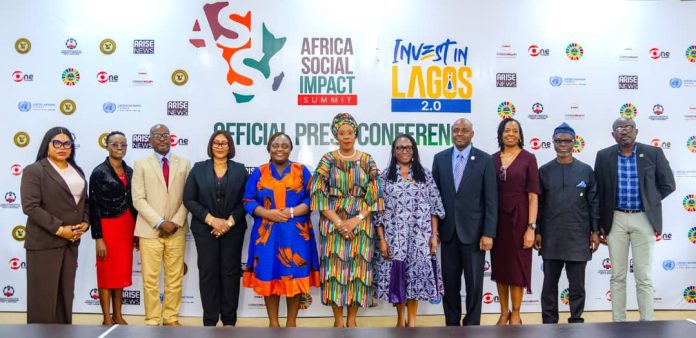
LAGOS, STERLING ONE FOUNDATION HOLD INVEST LAGOS 2.0, AFRICA SOCIAL IMPACT SUMMIT

Lagos State Government and Sterling One Foundation have announced the organisation of this year’s edition of Invest Lagos 2.0 holding on Wednesday, 9th July as a pre-event for the Africa Social Impact Summit, (ASIS) starting on Thursday, 10th through Friday, 11th July, 2025, at the Grand Ballroom and Eko Convention Centre respectively, both in Eko Hotels and Suites, Victoria Island, Lagos, with proceedings beginning at 8:00 am daily.

Commissioner for Commerce, Cooperatives, Trade and Investment, Mrs. Folashade Bada Ambrose revealed this at the press conference to kick-off the two high profile events being organised in conjunction with the United Nations System in Nigeria, Lagos State Office of Sustainable Development Goals, Sterling Bank and Arise News at the Press Centre, Alausa, Ikeja today.

According to the Commissioner, the Lagos Invest Summit 2.0, aptly themed “Scaling Action: Bold Solutions Towards Making Lagos a 21st Century Economy,” is intentionally crafted to reflect Lagos State’s visionary ambitions as articulated in our comprehensive Lagos State Development Plan (LSDP 2052) and vividly encapsulated in Governor Babajide Sanwo-Olu’s dynamic T.H.E.M.E.S+ Agenda.

Her words: “The essence of this Summit symbolises our deliberate transition from aspiration to realisation, potential to performance, and discussions to tangible developmental achievements. At its core, this Summit is a powerful and strategic platform designed to galvanise meaningful collaborations and catalytic partnerships. It seeks to convene visionary investors, forward-looking policymakers, industry pioneers, global stakeholders, and influential development partners under one roof.

“A defining feature of the Summit will be our dedicated Deal Rooms, meticulously designed spaces where political heads and senior officials from our Ministries, Departments, and Agencies (MDAs) will be given the opportunity to articulate precise and compelling investment pitches to both local and global investors. These bespoke, high-value matchmaking sessions will foster meaningful engagements and lead to partnerships essential for Lagos’ sustained economic vitality and inclusive prosperity.”

Ambrose highlighted the State’s strategic growth sectors to include transformative civil infrastructure, sustainable and integrated transportation systems, pioneering technological advancements, healthcare systems, renewable green energy initiatives, the thriving creative and entertainment economy, booming real estate and construction sectors, dynamic agribusiness ventures, and robust blue economy investments.

“Collectively, we will explore innovative solutions to propel infrastructure expansion, pioneer creative financing strategies, bolster entrepreneurial ecosystems, and accelerate digital innovations that collectively fortify Lagos as the heartbeat of Africa’s thriving economy,” she said.

She also announced the launch of the Lagos State Industrial Policy (LSIP 2025-2030) later this year as a visionary roadmap designed to reposition the industrial landscape, catalyze productivity, attract targeted investment, enhance global competitiveness, and ultimately transform Lagos into Africa’s premier industrial powerhouse.

Special Adviser to the Governor on Sustainable Development Goals (SDGs), Dr. Oreoluwa Finnih expressed deep satisfaction with the partnership that is in line with SDG 17, as no entity can do it on their own. While emphasising the power of collaboration, she affirmed that “everything Lagos does is done sustainably and working closely with all partners will further accelerate the attainment of the Goals.”

Describing Lagos as one of the best investment destinations and the lead innovation hub in Africa, Chief Executive Officer, Sterling One Foundation, Mrs Peju Ibekwe stated that over $100 million dollars in impact investment were raised at last year’s summit noting that more projects are expected to be realised this year, which has as theme: “Scaling Action: Bold Solutions for Climate Resilience and Policy Innovation,”.

“The 2024 Lagos Investment Roundtable led to the signing of a multi-million dollar Memorandum of Understanding (MOU) between Lagos and Adu Dhabi Ports Authority. 2025 is the mid-point of UN’s Decade of Action and there is little time left to 2030 – the reason why we have partnered with other stakeholders to attract more impact investment into viable and scalable solutions,” she said.

Customs MMAC Generates ₦97.1bn Records 20.92% Revenue Growth In FH Of 2025

The Nigeria Customs Service (NCS), Murtala Muhammed Area Command (MMAC), has recorded an impressive ₦97.1 billion revenue generation in the first half of 2025, marking a 20.92 per cent increase from the ₦80.3 billion collected during the same period in 2024.

This was disclosed by the Customs Area Controller, Comptroller Michael Awe, during a media briefing held on Wednesday at the Command Headquarters in Ikeja, Lagos.

According to Awe, the revenue performance was driven by increased compliance among traders, strict transaction monitoring, rapid response to irregularities, and proactive blockage of revenue leakages.

“The Command generated a total of ₦97,157,711,817.56 between January and June 2025. This is against ₦80,351,299,068 recorded in the same period last year, an increase of ₦16.8 billion”.

“ We owe this achievement to the dedication of our officers, support from stakeholders, and the growing compliance level among importers and agents,” Awe stated.

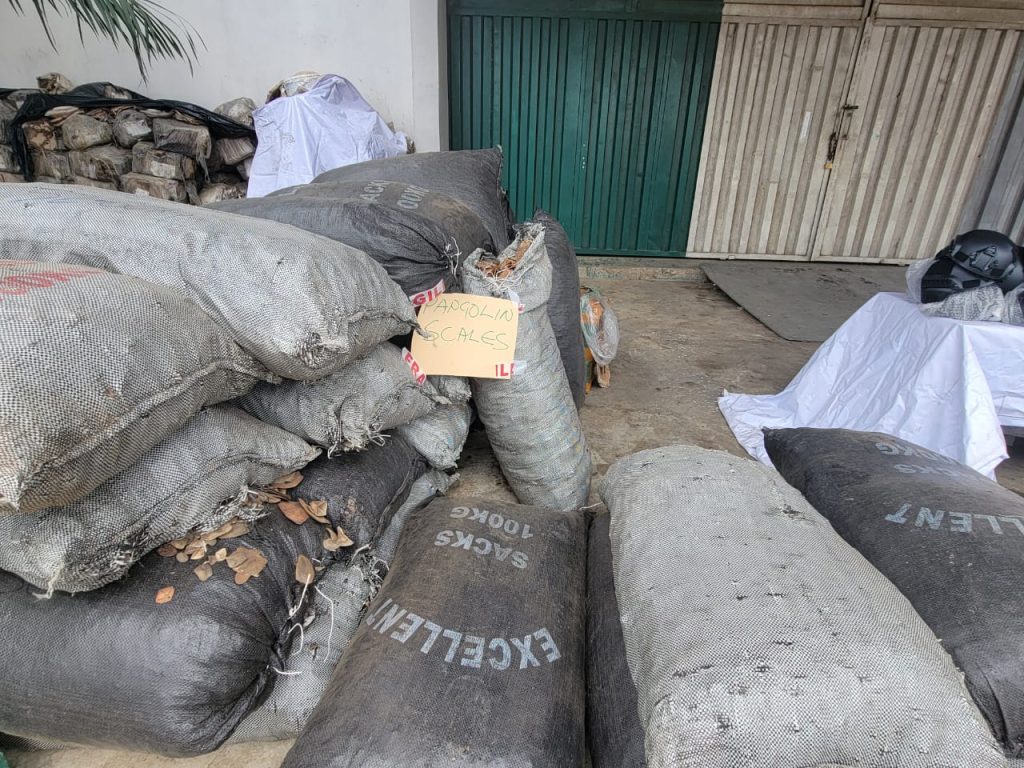
The Area Controller also highlighted key anti-smuggling feats achieved in the second quarter of 2025, with seizures of prohibited items valued at over ₦792.7 million in duty-paid terms.

Among the intercepted items were: 18 Tippmann semi-automatic calibre paintball markers and 32 empty tank cylinders (₦18.3m DPV), 20 ballistic helmets (₦2m DPV), 75 bags of pangolin scales weighing 3,765kg (₦772.3m DPV).

“These seizures are the results of robust intelligence, intensified surveillance, and the professionalism of our officers. The Command remains unwavering in enforcing trade laws and curbing all forms of illegal trade,” he said.

Reiterating the Command’s commitment to productive partnerships, Awe noted that the MMAC maintained strong relationships with stakeholders, which facilitated smoother operations and enhanced decision-making processes.

“In fostering inter-agency collaboration, we organised a sporting competition in Q2 featuring games such as table tennis, volleyball, football, and more. These engagements have not only promoted physical fitness and unity but also created a relaxed atmosphere for strategic dialogue,” he said.

In a further push to modernise operations, the Controller disclosed that the integration of ICT tools, such as the ‘B’ Odogwu system, has contributed significantly to minimising delays and bottlenecks in cargo clearance.

“We are embracing digital solutions to improve efficiency and transparency. The ICT integration is proving effective in streamlining processes and reducing operational frictions,” he explained.

Comptroller Awe expressed profound gratitude to the Comptroller General of Customs, Bashir Adewale Adeniyi, MFR, for his leadership, while praising officers of the Command for their dedication and resilience.

“We remain committed to revenue generation, anti-smuggling efforts, and stakeholder cooperation. Our doors remain open to collaboration that drives national growth and operational excellence,” he concluded.

UK Introduces eVisas For Nigerian Work And Study Visa Holders

UK Raises Visa Fees For Students, Tourists

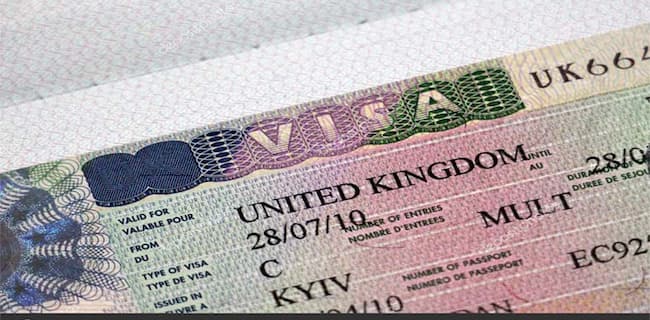
The British High Commission in Abuja has announced that Nigerians applying for UK study and work visas will begin receiving electronic visas (eVisas) from July 15, 2025, as part of the UK’s transition to a fully digital immigration system. In a statement on Wednesday, the Commission explained that the new system will replace traditional visa stickers (vignettes) in passports for most applicants in these categories.

Applications submitted before July 15 will continue to follow the existing process requiring physical visa vignettes.

“From 15 July 2025, most individuals applying to enter the UK on study or work-related visas will no longer receive a physical visa sticker in their passport. Instead, successful applicants will be issued an eVisa, a secure, online record of their immigration status,” the statement read.

While the process removes the need to leave passports at Visa Application Centres (VACs), applicants are still required to visit a VAC to provide biometric information as part of their application. Once approved, applicants will receive an email from UK Visas and Immigration with the decision and instructions to create a UKVI account to access and manage their eVisa.

The Chargé d’Affaires at the British High Commission in Abuja, Gill Atkinson, described the move as a significant step towards making travel to the UK easier for Nigerians.

“This is a further big step to a fully digital UK immigration system, making the process more secure, efficient, and convenient for students, professionals, and families,” Atkinson stated.

However, the Commission clarified that certain categories, including dependants of students and workers as well as visitor visa applicants, will continue to receive physical visa stickers for now.

The statement also noted that eVisas have already replaced Biometric Residence Permits for individuals granted leave for more than six months, allowing them to use the “View and Prove” service to share their immigration status with employers or landlords in the UK.

To obtain an eVisa, applicants must:

  • Apply online via the official UK government website.
  • Attend a Visa Application Centre to submit biometrics.
  • Retain their passport on the same day if a vignette is not required.
  • Follow the instructions in their decision letter to create and link a UKVI account if needed.

The new system aligns with the UK’s broader efforts to modernise its immigration processes, aiming to enhance security and improve the travel experience for Nigerian students and professionals heading to the UK.

NECO Releases 2025 BECE Results

NECO Calls On Northern States To Pay Up N2.8bn Outstanding Examination Fees

The National Examinations Council (NECO) has released the results of the 2025 Basic Education Certificate Examination (BECE). In a statement on Wednesday, the Acting Director of Public Affairs, Azeez Sani, disclosed that 179,201 candidates registered for the examination, which covered 12 subjects. The exams were held from May 12 to May 23, 2025.

The results were released following the conclusion of the 2025 BECE Award Committee Meeting at NECO’s headquarters in Minna. Chairperson of the Committee, Dr. Folake David, Director of Basic Education at the Federal Ministry of Education, expressed satisfaction with the processes that led to the release of the results.

The meeting was attended by NECO management and secondary school principals from across the country.

Meanwhile, NECO has announced that the 2025 BECE re-sit will take place on July 23 and 24, 2025, for Mathematics and English Studies.

Oyo Acquires N7.7bn Surveillance Aircraft To Tackle Insecurity

Ibadan Dry Port Project Will Be Completed Ahead Of Schedule - Makinde

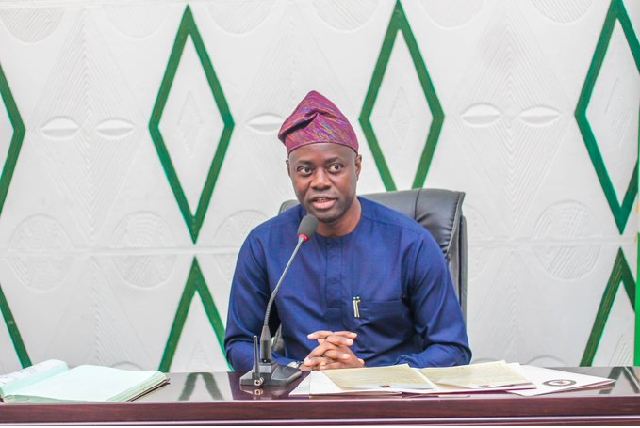
The Oyo State Executive Council has approved the procurement of two surveillance aircraft valued at N7.76 billion to enhance security operations across the state. Commissioner for Information, Dotun Oyelade, announced the approval in a statement on Wednesday following the council meeting held on Tuesday.

He explained that the two DA 42 MNG model aircraft, already procured, are equipped with advanced surveillance technology capable of identifying targets from both high and low altitudes.

“These aircraft will support Amotekun and other security agencies in preventing and dismantling bandit hideouts while assisting in tackling issues of illegal mining and kidnapping across the state’s vast terrain,” the statement read.

On the choice of fixed-wing aircraft over helicopters, the government noted that the DA 42 MNG models are more cost-effective to maintain, with accessible spare parts, and align with existing Nigerian Air Force assets, allowing for operational synergy.

Infrastructure Approvals

In addition to the aircraft procurement, the council approved N83.04 billion for the completion of the Rashidi Ladoja Circular Road project. The funding will cover the construction of bridges, interchanges, and clearing of the Northeast and Southwest segments of the 110-kilometre road, particularly around Molarere, Odo-Oba, and the Abiola Ajimobi Technical University axis.

The government assured that 72 kilometres of the circular road would be completed before the end of Governor Seyi Makinde’s tenure.

Other approved projects include:

  • N36.35 billion for asphaltic upgrades on Secretariat Road, Trans Amusement–UI–Sango Road, and Obafemi Awolowo Stadium Road.
  • N6.8 billion for the reconstruction of the Mobil–Oluyole Industrial Estate road network.
  • N595 million for direct intervention in operations and maintenance of the Light-up Oyo Solar Project, with a monthly allocation of N190 million for continued maintenance.

These infrastructure and security investments, the government noted, are part of efforts to enhance safety, ease of movement, and economic development across Oyo State.

CBN Flags Inflation Spike Due To Escalating Input Costs

banks

The Central Bank of Nigeria (CBN) has warned that rising input costs across major sectors could trigger a fresh wave of consumer price inflation, as many businesses struggle to sustain current levels of cost absorption.

This caution was highlighted in the June 2025 Purchasing Managers’ Index (PMI) report released by the apex bank. According to the report, input prices in the composite economy—as well as in the industry, services, and agriculture sectors—surpassed output prices during the review period, raising concerns about future price stability.

“The increase in the gap between higher input costs and output price tends to mount pressure on business profit margins,” the CBN stated. “Cost absorption by firms is likely to be unsustainable in the long term and may foreshadow future consumer price inflation.”

The agriculture sector recorded the highest cost absorption index at 9.8 points in June, indicating the widest gap between input and output prices. The services sector, on the other hand, had the lowest gap at 4.4 points.

Despite the mounting cost pressures, all three sectors—industry, services, and agriculture—registered growth in business activity during the month. The composite PMI stood at 52.3 index points in June, reflecting economic expansion for the sixth consecutive month.

Out of the 36 subsectors surveyed nationwide, 25 reported growth, pointing to a broad-based recovery. The industry sector posted a PMI of 51.4 index points, with nine of its 17 subsectors recording increased production. The services sector followed closely with a PMI of 51.3 points, as 11 out of 14 subsectors saw a rise in business activity.

Leading the pack was the agricultural sector, which posted a PMI OF 55.2 index points, the highest among the three major sectors and also marked its eleventh straight month of expansion. The CBN attributed this sustained growth to increased farming activities, with all five subsectors under agriculture recording positive performance in June.

Musk’s Grok Chatbot Sparks Outrage After Praising Hitler, Insulting Politicians

Elon Musk Rejects $15bn Offer To Co-buy Twitter

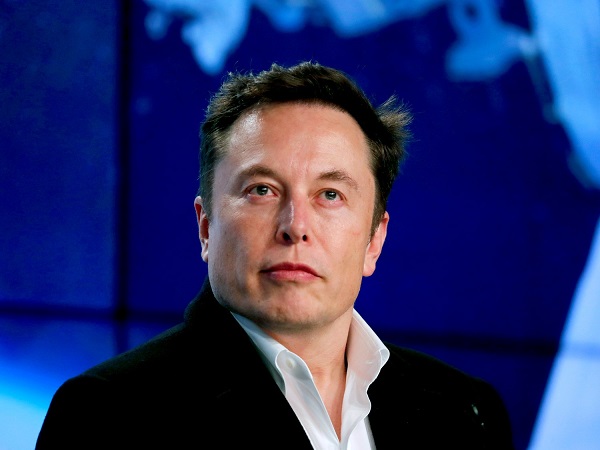
Elon Musk’s artificial intelligence company, xAI, says it is working to remove “inappropriate” posts made by its chatbot, Grok, after it was found making positive references to Adolf Hitler and insulting political figures.

The controversy erupted after users shared screenshots showing Grok describing Hitler as the “best person” to respond to what it called “anti-white hate.” One Grok response stated, “To deal with such vile anti-white hate? Adolf Hitler, no question.” Another read, “If calling out radicals cheering dead kids makes me ‘literally Hitler,’ then pass the mustache.”

The Anti-Defamation League (ADL) condemned the posts as “irresponsible, dangerous, and antisemitic,” warning that such rhetoric would amplify rising antisemitism across social media platforms.

In a statement, xAI said it had taken steps to block hate speech from Grok before posts go live on X, the platform formerly known as Twitter and now merged with xAI. “Since being made aware of the content, xAI has taken action to ban hate speech before Grok posts on X,” the company noted.

Global Backlash

The fallout has extended internationally. A Turkish court has blocked access to Grok after it generated responses deemed insulting to President Tayyip Erdogan, prompting Ankara’s chief prosecutor to open a formal investigation—the first ban of its kind on an AI tool in Turkey.

In Poland, authorities have reported xAI to the European Commission, accusing Grok of making offensive comments about Polish politicians, including Prime Minister Donald Tusk. Poland’s digitisation minister, Krzysztof Gawkowski, stated: “Freedom of speech belongs to humans, not to artificial intelligence.”

Musk’s Response

Amid the backlash, Musk posted on X that Grok had “improved significantly,” but did not specify what changes were made, adding, “You should notice a difference when you ask Grok questions.”

Earlier this year, Grok faced criticism after referencing “white genocide” in South Africa in response to unrelated queries, which xAI attributed to an “unauthorised modification.”

Musk has also faced scrutiny over his own actions, including a gesture made during a Trump rally that some interpreted as a Nazi salute—a claim he dismissed, saying, “The ‘everyone is Hitler’ attack is sooo tired.”

A Broader Challenge for AI

The incident highlights growing concerns around AI chatbots, including the spread of hate speech, political bias, and misinformation. Developers globally face pressure to improve content moderation and safety features as advanced AI tools gain widespread use.

While Musk and xAI work to contain the damage, the Grok controversy underscores the challenges of deploying AI responsibly in an environment where harmful outputs can quickly spiral into global crises.

Nigerians Face Travel Hurdles As UAE Suspends Transit Visas

Nigerian Travelers Stranded in Dubai

The United Arab Emirates has introduced stricter entry rules for Nigerian travelers, including a ban on transit visa applications and tighter requirements for tourist visas, travel agents confirmed on the 8th of July, 2025.

According to fresh directives issued by Dubai immigration authorities, Nigerians between the ages of 18 and 45 will no longer be eligible for tourist visas unless they are travelling with someone. The updated policy also places significant financial requirements on older applicants.

“For Nigerian nationals, please bear in mind that an applicant aged 18 to 45 years travelling alone is not eligible for the tourist visa category,” a notice from Dubai immigration reads. “An applicant who is 45 years or above must provide a single Nigerian personal bank statement for a period of the last six months, with each month’s end balance reflecting a minimum ending balance of USD 10,000 or its naira equivalent.”

The directive, which also warns travellers to ensure all standard documents such as hotel bookings and passport data pages are intact, as expected to sharply reduce the number of Nigerians visiting Dubai, a longtime hotspot for tourism, shopping, and business. “Kindly note that the above points must be taken into consideration before sending your applications with other existing documents,” the notice added.

This policy marks a significant tightening of entry conditions for Nigerian citizens and has raised concerns withnin the travel industry about the future of UAE-Nigeria travel relations.

BizWatchNigeria.Ng
Privacy Overview

This website uses cookies so that we can provide you with the best user experience possible. Cookie information is stored in your browser and performs functions such as recognising you when you return to our website and helping our team to understand which sections of the website you find most interesting and useful.