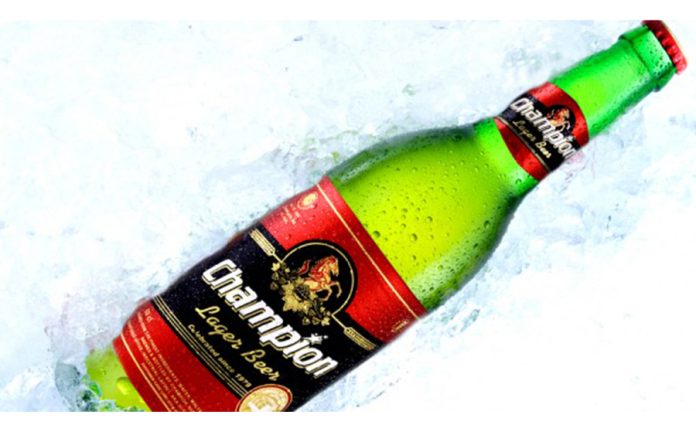
Shareholders of Champion Breweries Plc have approved a significant capital restructuring, including raising the company’s authorised share capital to 5 billion shares and sanctioning a fresh capital injection of N45 billion through debt and bonds.
The approval was secured at the company’s Extraordinary General Meeting (EGM), held virtually on Thursday, and marks a strong endorsement of Champion Breweries’ transformation and growth strategy.
In a statement issued Friday, the company majority-owned by EnjoyCorp Limited — said the funds will support an ambitious expansion drive, strengthen the company’s balance sheet, improve liquidity, and give it the flexibility needed to execute innovation-focused programmes.
Shareholders also gave the green light for the acquisition of selected intellectual property and brand assets to diversify Champion Breweries’ portfolio, increase operational efficiency, and solidify its position in Nigeria’s highly competitive beverage industry.
Chairman of the Board, Imo Jacob, described the approval as a pivotal milestone. “We are extending our promotional reach with eco-friendly units already on the road. This capital raise empowers us to fast-track growth, launch premium innovations, and deepen market presence, all while upholding our commitment to quality, sustainability, and long-term shareholder value,” he said.
Managing Director of Champion Breweries, Inalegwu Adoga, reiterated the company’s readiness for its next growth phase. “Champion Breweries has consistently demonstrated resilience and potential. As we exit a period of stabilisation, we are set to make meaningful market impact and position the company as a driver of both cultural and economic value,” Adoga stated.
The virtual EGM saw strong shareholder participation, with voting conducted electronically and via proxy. In line with regulatory requirements, the company closed its Register of Members from July 7 to 10, 2025, to ensure seamless preparations for the meeting.
The board expressed gratitude to shareholders for their continued support and reaffirmed its commitment to deploying capital prudently, expanding operational capacity, and broadening its product range to deliver sustainable returns.
This latest development marks a key chapter in Champion Breweries’ growth journey and underscores EnjoyCorp’s commitment to unlocking new opportunities in Nigeria’s fast-evolving beverage secto
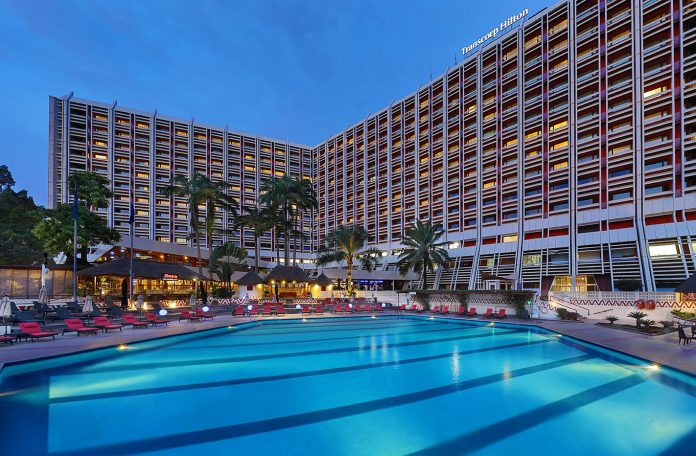
Transcorp Hotels Plc has posted a revenue of N47.57 billion for the half year ended June 30, 2025, marking a 60 percent increase from the N29.72 billion recorded in the same period of 2024.
The hospitality giant also reported a 71 percent surge in gross profit, which rose to N36.21 billion from N21.19 billion year-on-year, pushing the gross profit margin to 76 percent. This strong performance came despite inflationary pressures and rising operational costs.
A subsidiary of Transnational Corporation Plc, Transcorp Hotels owns and operates the Transcorp Hilton Abuja and the digital hospitality platform Aura by Transcorp Hotels.
In a filing with the Nigerian Exchange Limited on Friday, the company attributed its performance to sustained innovation, operational efficiency, and the recent launch of its 5,000-seat capacity Transcorp Centre in Abuja.
To reward shareholders, the company declared an interim dividend of N1.024 billion, translating to 10 kobo per 50 kobo ordinary share, subject to applicable withholding tax.
Chairman of Transcorp Hotels Plc, Emmanuel Nnorom, said the results affirm the company’s strategic direction. “Transcorp Hotels’ outstanding performance in the first half of 2025 further validates our transformative strategies, with a laser focus on innovation and operational efficiency. It affirms our steadfast dedication to delivering investor returns and signals our profound confidence in Transcorp Hotels’ future growth,” he stated.
Managing Director and Chief Executive Officer, Uzo Oshogwe, echoed similar sentiments, attributing the company’s exceptional results to its growth-driven approach.
“Building on the foundation of our iconic assets, the Transcorp Hilton Abuja and the new 5,000-seat capacity Transcorp Centre, we are not just leading Nigeria’s hospitality sector, but redefining excellence across Africa,” she said.
The Onome Omobolaji Obada Foundation (OOF), ProHealth International, and Christ Livingspring Apostolic Ministry (CLAM), Ogba, have called on Nigerians to prioritise preventive healthcare to curb the rising burden of avoidable illnesses and deaths.
The call was made during a week-long free medical outreach hosted at CLAM Soteria Maternity and Hospital, Omole, Lagos, where more than 5,000 residents from Lagos and surrounding communities benefitted from a range of healthcare services.
The outreach, which ended on Friday, offered free general consultations, surgeries, eye and dental care, counselling, and medication. According to organisers, the goal was to make quality healthcare accessible, especially to underserved populations.
Omolade Olatawura, a Director at the OOF Foundation, stressed the importance of early medical intervention. “We’ve had patients come in with untreated conditions that they’ve lived with for eight to ten years. Some had undiagnosed hernias and one woman had over 65 fibroid lumps removed. Early diagnosis could have prevented the escalation of these cases,” she said.
Olatawura explained that the foundation is committed to bridging healthcare gaps across Nigeria. “This is our fourth outreach in two years. We’ve been to urban and rural areas—Lagos, Warri, Delta—and we’re just getting started. Prevention is cheaper than cure, and Nigerians need access and encouragement to prioritise their health,” she added.
Dr Lisa Olobio-Oke of ProHealth International, whose team provided the volunteer medical personnel, echoed these sentiments. She lamented the widespread neglect of routine health checks, particularly in busy urban centres.
“Nigerians generally avoid hospitals unless there’s an emergency. People don’t check their blood pressure, hydrate properly, or rest enough. But it eventually takes a toll,” Olobio-Oke said.
She noted that ProHealth has conducted similar outreach programmes across the country, including a recent stop in Ife, Osun State. “This partnership with OOF is one of many. We’re committed to reaching those who lack access to basic healthcare,” she said.
The outreach included cataract surgeries, dental procedures, fibroid and hernia surgeries, health counselling, and distribution of prescription drugs—all offered at no cost to beneficiaries.
CLAM, which hosted the event, contributed not just its medical facilities but also spiritual and emotional support. Senior Pastor Wole Oladiyun reaffirmed the ministry’s focus on human welfare, highlighting CLAM’s consistent outreach efforts.
“CLAM is a human development institution, not just a prayer ministry. We commit over ₦100 million annually to support welfare programmes, ministries, and NGOs. During COVID-19, we distributed palliatives to thousands in Ojodu,” Oladiyun said.
He commended the partnership with OOF and ProHealth as a model of impactful collaboration, urging Nigerians to adopt preventive health practices like regular checkups, proper nutrition, rest, and exercise.
“Prevention saves lives. Health is wealth, and early detection is key,” he concluded.
Bitcoin (BTCUSD) dropped to $115,000 early Friday, extending a week-long decline as profit-taking and waning investor sentiment weighed heavily on the market. The largest cryptocurrency has now fallen more than 3% over the past seven days, dragged down by sustained selling, particularly from retail traders locking in gains.
The recent dip follows Bitcoin’s surge to an all-time high of $123,000 earlier this month. Since then, BTC has struggled to hold ground, fluctuating between $117,000 and $120,000 before Friday’s sharp downturn.
The sell-off was not isolated to Bitcoin. The broader cryptocurrency market also retreated, shedding over 1% from its total market capitalization, now estimated at $3.77 trillion, according to market trackers. However, the 24-hour trading volume jumped by 9.15%, suggesting rising volatility rather than renewed bullish momentum.
Meanwhile, Ethereum (ETHUSD) showed relative resilience, inching up 0.08% to $3,633 on Friday. ETH had briefly surged past $4,000 amid renewed interest from investors, buoyed by its growing role in the so-called “alt season.” Spot Ether ETFs have attracted nearly $2.4 billion in net inflows over the last six trading days — nearly triple the $827 million recorded by spot Bitcoin ETFs in the same period, data from Farside Investors revealed.
Ripple (XRP), another market heavyweight, hit a new high of $3.65 last week, surpassing its 2018 record. However, it has since pulled back to around $3.08, down 12% week-over-week. Analyst Dom noted that the correction wiped out nearly $1.3 billion in open interest, or 30% of the total — a classic case of a leverage flush-out following an aggressive rally.
Solana (SOLUSD) and other altcoins also reflected the broader market’s fragility, experiencing similar swings amid profit-booking and reduced risk appetite.
Friday’s selloff, analysts say, was driven by a combination of over-leveraged positions, profit-taking from recent highs, and a flight of capital from riskier digital assets. While short-term volatility persists, the mood in the market remains cautious, with hopes of a sustained rally now dimmed.
The Federal Ministry of Education has announced a new policy setting 12 years as the minimum entry age for pupils seeking admission into Junior Secondary School 1 (JSS1) after completing six years of primary education. The policy, contained in a document on Non-State Schools launched last week, aims to standardise entry age and align the educational progression of learners across the country.
Non-State Schools, also known as private or independent schools, are educational institutions not managed by the government and are typically funded through tuition, donations from individuals, businesses, faith-based organisations, and communities. The ministry noted that these schools are playing an increasingly significant role in education provision across the country, despite variations in the quality of education offered.
According to the policy, nursery education will last three years, with children admitted into Nursery One at age three, Nursery Two at age four, and a compulsory one-year pre-primary (Kindergarten) at age five. Children will then begin Primary One at age six, completing six years of primary education before advancing to JSS1 at around age 12.
“Every child must complete six years of primary education. They shall be admitted into Junior Secondary School (JSS1) when they have completed six years of primary education, at around the age of 12 years,” the document states.
If implemented fully, the policy implies that Nigerian students would typically complete secondary education by age 18 before proceeding to higher institutions.
The move comes amid ongoing debates about the appropriate entry age for tertiary institutions, with previous education ministers alternating between 16 and 18 years as the benchmark for university admission.
Data from the Nigeria Education Digest 2022 shows that non-state schools are expanding rapidly, outnumbering state schools at the Junior Secondary level in at least 26 states. Between 2017 and 2022, non-state primary schools grew by 31.56%, while state primary schools grew by 3.3% within the same period. At the Junior Secondary level, non-state schools increased by 35.06%, compared to a 6.8% growth for state schools.
The Federal Government expects the new policy to enhance structured learning progression and maturity of learners while ensuring a more uniform education system across both public and private schools.
The Federal Government has announced plans to unveil a ₦50 million grant initiative aimed at empowering undergraduate students in Science, Technology, Engineering, Mathematics, and Medical Sciences (STEMM) to develop scalable, job-creating ventures.
Known as the STEMM Up Grant or Sciences, Technology, Engineering, Mathematics and Medical Sciences Student Venture Capital Grant (S-VCG), the initiative will officially be launched in August by the Minister of Education, Dr. Maruf Alausa.
According to a statement issued by the Director of Press at the Federal Ministry of Education, Folasade Boriowo, the announcement was made during a stakeholder engagement held in Abuja. The session brought together Vice Chancellors, Rectors, Provosts, student leaders, academic staff, and development partners to discuss strategies for fostering student-led innovation across Nigerian tertiary institutions.
“S-VCG is not just a grant; it’s a launchpad for bold, young innovators to lead Nigeria’s industrial and technological transformation. We are giving our students the tools to dream, build, and scale solutions that solve real-world problems — from tech and medicine to agriculture and green energy,” Alausa stated.
Targeting full-time undergraduate students in 300 level and above, the grant will support student-led projects in STEMM disciplines with up to ₦50 million in funding. Beneficiaries will also gain access to mentorship, incubation services, and business development support.
The initiative will be implemented in collaboration with the Bank of Industry to ensure transparency, effective project execution, and impact assessment.
Minister of State for Education, Professor Suwaiba Ahmad, described the programme as a strategic investment in Nigeria’s knowledge economy. “We’re building a stronger, more competitive future by supporting innovation from the ground up,” she said.
Prof. Ahmad added that the design of the initiative followed months of consultations with students, academic staff, and institutional leaders. She emphasised that the S-VCG aligns with President Bola Ahmed Tinubu’s Renewed Hope Agenda, which prioritises inclusive education, youth empowerment, and sustainable development.
Participants at the engagement session welcomed the STEMM Up Grant as a timely and impactful initiative to address graduate unemployment, foster innovation, and position Nigeria as a hub for student-driven entrepreneurship in Africa.
The Ministry pledged to ensure an inclusive rollout and robust monitoring framework to maximise the initiative’s long-term impact across Nigeria’s higher institutions.
As political activities heat up ahead of the 2027 general elections, the ruling All Progressives Congress (APC) and the opposition Peoples Democratic Party (PDP) are stepping up preparations for a fierce presidential showdown.
On Thursday, both parties held their National Executive Committee (NEC) meetings in Abuja where they unveiled strategic adjustments to reposition ahead of the next polls.
While the APC ratified a new leadership structure to solidify its hold on power, the PDP, led by Governors Seyi Makinde and Bala Mohammed, is intensifying its bid to reclaim the presidency.
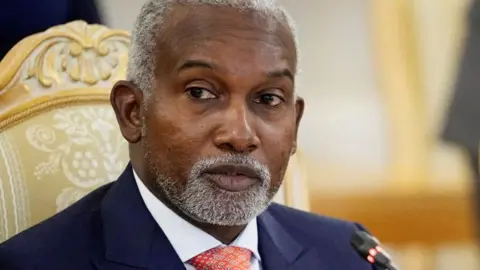
A major highlight from the APC NEC meeting was the emergence of Yilwatda Nentawe, a former governorship candidate and Minister of Humanitarian Affairs and Social Development, as the new National Chairman of the party. His appointment follows the resignation of Dr. Abdullahi Ganduje in June over health concerns.
The nomination of Nentawe was moved by Governor Hope Uzodimma of Imo State, who also serves as Chairman of the Progressive Governors’ Forum. The motion sought to return the chairmanship position to the North Central zone, with Yilwatda representing Plateau State.
The motion was seconded by the Speaker of the House of Representatives, Tajudeen Abbas, and approved via a voice vote.
In his acceptance speech, Yilwatda, 56, pledged to unite, expand, and strengthen the party. He thanked President Bola Tinubu and other party leaders for the confidence reposed in him, vowing to ensure Tinubu’s re-election in 2027.
“I pledge without hesitation that I will work with everybody in the party, unite the party, build the party, expand the party with you as the focus,” Yilwatda said at the State House Conference Centre, Abuja.
He acknowledged the weight of the responsibility, noting that the party was entering a critical political phase.
Meanwhile, the PDP governors are reportedly devising a roadmap to wrest power from the APC. Insiders say strategy meetings have begun, with zoning, coalition-building, and early grassroots mobilisation topping the agenda.
As both parties firm up plans for 2027, Nigerians can expect a political landscape increasingly defined by high-stakes manoeuvring and regional realignments.
The Federal Government has commenced the rescue and repatriation of a group of Nigerian workers stranded in the Central African Republic. This follows the circulation of a viral video on social media showing the distressed individuals abandoned in the Bambari region, approximately 850 kilometres from the capital, Bangui.
In a statement released on Friday, the Ministry of Foreign Affairs in Abuja confirmed that officials of the Nigerian Mission in the Central African Republic have established contact with the affected nationals. The ministry noted that the Embassy of Nigeria in Bangui is liaising with local authorities to ensure the safety, welfare, and immediate evacuation of the stranded Nigerians.
“The Ministry of Foreign Affairs is deeply concerned about the welfare of Nigerian workers currently stranded in the Central African Republic. The video of the stranded Nigerian nationals in the Bambari region, which is about 850 kilometers from the capital Bangui and abandoned by their employers and facilitators, has been trending on various social media platforms,” the ministry said in a statement signed by its spokesperson, Kimiebi Ebienfa.
It further disclosed that the Nigerian Embassy had successfully retrieved the passports of the stranded citizens and dispatched a vehicle to Bambari to evacuate them. According to the statement, the group is expected to arrive in Bangui with a military escort on Saturday, July 26, 2025. Discussions are also ongoing with the company responsible for their initial employment to arrange temporary accommodation and welfare while preparations for their repatriation to Nigeria are concluded.
Reaffirming its commitment to the protection of Nigerian citizens abroad, the Federal Government advised Nigerians seeking employment overseas to conduct thorough checks on prospective employers and ensure their travel documents are in order before departure. The ministry also urged Nigerians to register with the nearest Nigerian Embassy or Mission in any country they reside or work in to ease consular assistance in times of crisis.
The Nigerian Electricity Regulatory Commission (NERC) has cautioned state governments and electricity regulators against setting tariffs for electricity supplied through the national grid, insisting such authority remains the exclusive preserve of the federal government.
This warning comes in the wake of a controversial tariff reduction announced by the Enugu State Electricity Regulatory Commission (EERC), which slashed the Band A electricity tariff from N209 to N160 per kilowatt-hour for consumers served by MainPower Electricity Distribution Limited.
In a notice issued Thursday, NERC clarified that while states with full regulatory oversight can set tariffs for intrastate electricity markets, they cannot regulate power supplied via the national grid or from stations licensed by NERC.
“As states do not have jurisdiction over the national grid and over electric power stations established under federal laws or operating under licences issued by the commission,” NERC stated, “they must holistically incorporate the wholesale costs of grid supply without deviation or be prepared to intervene with subsidies.”
The commission also disclosed that it is in discussions with the EERC regarding the recently issued Tariff Order (EERC/2025/003) for MainPower, which currently receives 100% of its electricity from the national grid. The tariff order has sparked criticism from key players in the Nigerian Electricity Supply Industry (NESI), who warn it could undermine a sector already burdened by over N5.2 trillion in unpaid revenue shortfalls.
According to NERC, the EERC’s rate of N160.4/kWh assumes a drastic reduction in the generation tariff from N112.60 to N45.75/kWh, effectively embedding a subsidy of N66.85/kWh — despite no federal policy or budgetary provision to fund such a subsidy.
Industry stakeholders have raised alarm. Sunday Oduntan, CEO of the Association of Nigerian Electricity Distributors (ANED), described the move as illegal and economically reckless, urging customers in Enugu not to celebrate the cut prematurely.
“No state has the authority to fix tariffs for electricity from the national grid,” he said. “A 20-hour daily power supply at N160/kWh is simply unsustainable without collapsing the entire electricity value chain.”
Oduntan further warned that the Enugu tariff slash has triggered unrealistic consumer expectations in other states, with customers demanding similar cuts or refusing to pay their bills altogether.
Joy Ogaji, CEO of the Association of Power Generation Companies (APGC), echoed the concerns, saying EERC cannot fix prices for electricity it does not generate. She dismissed the subsidy assumption as “imaginary,” stressing that it lacks any financial or policy support from the Federal Government.
“You can’t build something on nothing,” Ogaji said. “Tariff frameworks are critical to investor confidence. This kind of regulatory rascality is dangerous and unsustainable.”
In response, EERC defended its decision, saying the new tariff was based on MainPower’s actual cost of service and was designed to foster a transparent and sustainable electricity market in Enugu State. Reuben Okoye, EERC’s Commissioner for Electricity Market Operations, insisted that the state regulator’s move does not affect the cost of power generation nationally.
As the debate continues, NERC’s position underscores the legal boundaries around state regulatory powers in Nigeria’s evolving electricity landscape, one where constitutional roles, market realities, and consumer expectations are rapidly colliding.
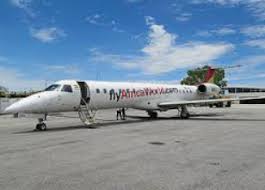
Africa World Airlines (AWA) has been officially inducted into the prestigious International Air Transport Association (IATA) Safety Leadership Charter, underscoring the airline’s commitment to the highest standards of safety and accountability within the aviation industry.
Announcing the milestone, AWA’s Head of Safety, Andrew Asante-Amankwa, stated, “This recognition highlights our unwavering commitment to fostering a strong safety culture across all levels of our organisation.” He noted that the induction places AWA among a select group of airlines globally that have pledged to uphold safety leadership and continuous improvement.
The Safety Leadership Charter, jointly signed by IATA Director General Willie Walsh and AWA CEO Cui, represents a shared commitment by industry leaders to advance safety culture while receiving IATA’s support in this effort worldwide.
Built on the principle that a positive safety culture encourages open reporting, learning, and trust, the charter facilitates effective safety risk management, employee engagement, and the creation of a thriving aviation industry.
The term “Nepo baby” short for nepotism baby is not new. Globally, it’s used to mock the privileged children of the powerful who ride family names and connections to secure roles others could only dream of. The film industry has its share, so does music, politics, and corporate boardrooms.
But in Nigeria, the term has found unique local flavour, a given fresh bite by a new counter-label: the “Lapo baby.” Where the Nepo baby was born into a cushioned life, private school abroad, family-run internships, a CV padded by networks, the Lapo baby was born into hustle. The term draws wry inspiration from LAPO — the well-known microfinance institution whose small loans sustain countless Nigerians scratching out a living at the grassroots. It’s a witty shorthand for: “Little Access to Privileges and Opportunities.”
How to Spot a Nepo Baby vs a Lapo Baby
Background & Access
Nepo Baby: Born into privilege; parents have connections, wealth, or influence. Their path is often smoothed by “who they know.”
Lapo Baby: Born into hustle; parents are traders, civil servants, artisans, or unemployed. Every opportunity is fought for, not handed over.
School Life
Nepo Baby:
Private primary and secondary school, often abroad for university.
Summer holidays in London or Dubai.
Tech gadgets since JS1.
Lapo Baby:
Public school or mission school.
Struggled with school fees and textbooks.
Learnt to “hustle” early, may have sold snacks or tutored classmates.
Internship & First Job
Nepo Baby:
Internship in top banks, oil firms, or family business.
NYSC at cozy postings arranged with family contacts.
First job comes with a soft landing, possibly with an official car.
Lapo Baby:
NYSC in a rural village.
May finish NYSC and wait years before a job.
Works multiple small jobs or freelances to survive.
Relationship with Money
Nepo Baby:
Sees money as a tool, not survival.
May complain about “allowance being too small,” but the fallback is always there.
Shares gym selfies, vacation stories, and family celebrations.
Lapo Baby:
“God when” under soft life posts.
Posts daily hustles, side gigs, and wins, no matter how small.
Shares motivational quotes: “Your background should not put your back on the ground.”
Career Language
Nepo Baby:
Talks about “opportunities” and “projects” easily.
Uses terms like “my mentor, who is a director at…”
Lapo Baby:
Talks about “hustle” and “survival.”
Uses terms like “side hustle,” “work dey scarce,” “God’s grace.”
Mindset Differences
Nepo Baby:
May feel guilty or unaware of their privilege.
Sometimes feels pressure to live up to family standards.
Lapo Baby:
Sees struggle as a badge of honour.
Develops resilience and street smarts early.
Uses every small connection wisely
Not every Nepo baby is lazy, just as not every Lapo baby chose the hustle life they live. Privilege, in itself, is not a bad thing, but it becomes an insult to those who truly struggle when people pretend to have faced hardships they never did. Lapo babies deserve systems that give them a fair chance in life, not a world where every step forward feels like an uphill battle.
In the end, whether you are a Nepo baby or a Lapo baby, it is your choices that will define the impact you leave behind. But it is your background that shapes where your starting line is drawn.
The Federal Government has directed all Ministries, Departments, and Agencies (MDAs) to include Global Positioning System (GPS) coordinates for every capital project valued at N150 million and above in their 2025 expenditure submissions.
The directive, contained in the official guidelines for implementing the 2025 Appropriation Act, aims to boost transparency, accountability, and traceability in project execution across the country.
According to the Budget Office of the Federation, MDAs must submit detailed monthly expenditure plans for the full year to both the Budget Office and the Office of the Accountant-General of the Federation by July 31, 2025. These plans will guide cash planning and releases throughout the fiscal year.
“All MDAs are requested to submit their monthly expenditure plans for the full year to the Budget Office of the Federation and the Office of the Accountant-General of the Federation by July 31, 2025, which will guide cash planning. The MDAs’ expenditure plans must indicate the GPS coordinates for all capital projects of N150m and above,” the guideline stated.
The Director-General of the Budget Office will be required to sign off on each expenditure plan to ensure alignment with the 2025 budget and the Federal Government’s priorities.
The move is designed to strengthen the government’s Bottom-Up Cash Management strategy, reduce duplication and abandonment of projects, and improve project monitoring using digital tracking tools. By requiring GPS data, authorities will be able to verify and monitor project sites independently, ensuring that funds are linked to visible and measurable outcomes.
In addition to the GPS requirement, the guidelines emphasised the immediate commencement of procurement planning aligned strictly with approved budget provisions, warning that capital budget implementation will not extend beyond December 2025.
The government also disclosed that monthly cash releases to MDAs will depend on the submitted expenditure plans and a comprehensive cash plan for the 2025 fiscal year, which will be prepared by the Office of the Accountant-General in line with the Fiscal Responsibility Act, 2007, and signed off by the Minister of Finance.
The directive signals a renewed push for fiscal discipline and project accountability, addressing long-standing concerns over untraceable and abandoned public projects.
The Nigeria Labour Congress, Trade Union Congress of Nigeria, and the National Union of Electricity Employees have firmly rejected the proposed Electricity Act (Amendment) Bill, 2025, which seeks to ban industrial actions by workers in the power sector.
The proposed amendment, currently before the National Assembly, would classify electricity generation, transmission, and distribution as essential services, effectively prohibiting strikes, picketing, or any industrial action that could disrupt power supply, unless under a formally negotiated Minimum Service Agreement. Violations would attract fines of up to N2 million or a five-year prison term, or both.
The Federal Government has argued that the move aims to stabilise the country’s electricity sector and prevent blackouts caused by strikes. However, labour leaders say the bill infringes on fundamental workers’ rights and contravenes international conventions to which Nigeria is a signatory.
President of the NLC, Joe Ajaero, described the proposal as “unrealistic,” warning that it would be resisted if passed. “The day it’s passed is the day it will be violated,” Ajaero said, adding that the amendment violates ILO Conventions 87 and 98, which protect the right to organise and undertake collective bargaining.
He criticised the National Assembly for overreaching its mandate, noting that the Electricity Act is a sectoral law and cannot override the Trade Union Act, which already provides structured guidelines for industrial actions in essential sectors.
“Banning workers from acting entirely is akin to beating a child and telling them not to cry. It’s unrealistic and unjust. Workers cannot remain silent if their wages are withheld or conditions worsen,” Ajaero added.
The TUC, through its Secretary-General, Nuhu Toro, also condemned the bill, describing it as unconstitutional and a violation of democratic principles. “The right to strike is a core component of collective bargaining, and Nigeria is a signatory to international treaties that protect this right,” Toro said, urging the National Assembly to withdraw the bill.
Similarly, the Secretary-General of the National Union of Electricity Employees, Dominic Igwebike, said the proposed amendment was aimed at “crippling trade unions in Nigeria,” warning that it was an assault on workers’ dignity and freedom. He added that the union would resist the amendment by engaging lawmakers, mobilising public opinion, and proposing alternatives that protect workers’ rights.
As debate over the bill continues, labour leaders have vowed to challenge the proposed restrictions, stressing that addressing the root causes of unrest—such as poor working conditions and delayed wages—remains the only sustainable solution to stability in Nigeria’s electricity sector.
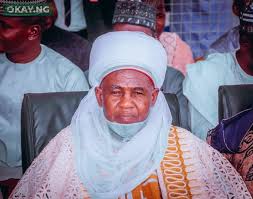
The Emir of Gusau in Zamfara State, Dr. Ibrahim Bello, has died at the age of 71 after a prolonged illness in Abuja on Friday.
Dr. Bello, the 16th Emir of Gusau, ascended the throne on March 16, 2015, following the passing of his father. Before his ascension, he had a distinguished career as a civil servant, rising to the rank of Permanent Secretary in the old Sokoto and Zamfara states.
Confirming his passing, Sulaiman Idis, spokesperson for Governor Dauda Lawal, described the Emir’s death as a personal loss to the governor and a significant loss to Zamfara State.
“I received with deep sadness the news of the passing of our father, His Royal Highness, Dr. Ibrahim Bello, the Emir of Gusau,” the governor said in a statement, extending condolences to the Gusau Emirate, the Council of Chiefs, the late Emir’s family, and the people of Zamfara.
“His Highness’s passing is a huge loss for the people of Zamfara State, the North, and Nigeria as a whole. He led with commitment, dedication, and a strong sense of faith,” the statement added.
Governor Lawal described the Emir as a supportive royal father and trusted confidant whose wisdom guided him and other leaders in the state, praying for Allah’s forgiveness and Aljannah for the late royal father.
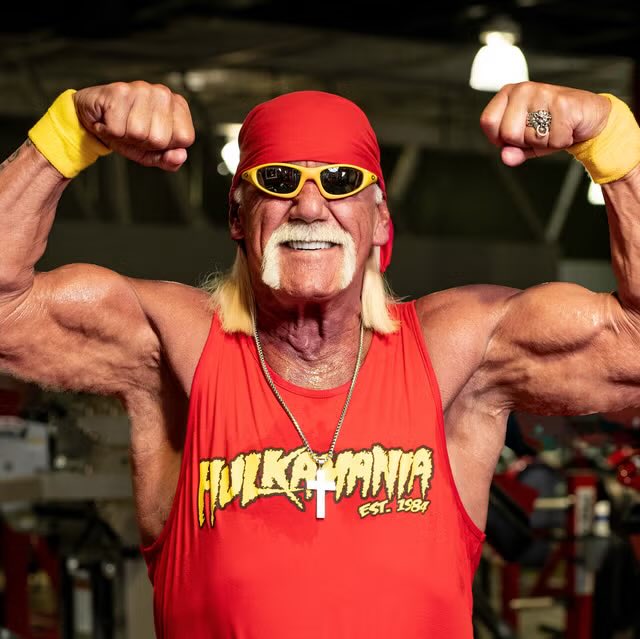
Terry Gene Bollea, better known to millions as Hulk Hogan, has died at the age of 71.
Emergency responders were called to his Clearwater, Florida, home early Thursday following a report of cardiac arrest, according to TMZ and other outlets. Hogan was transported to the hospital on a stretcher but did not survive.
Despite undergoing a neck procedure earlier this year, Hogan’s wife, Sky, had recently assured fans that his heart remained “strong.”
A towering figure in professional wrestling, Hogan was credited with bringing the sport into mainstream, family-friendly entertainment. He made his debut in 1977 and rose to superstardom in the 1980s with the WWF (now WWE), headlining flagship events and winning the WWF Championship six times.
In 1996, he famously reinvented himself as “Hollywood Hogan” during the nWo storyline in WCW, marking one of wrestling’s most memorable heel turns. He was inducted into the WWE Hall of Fame twice: in 2005 as an individual and again in 2020 as part of the nWo.
In a statement on Thursday, WWE said it was “saddened to learn WWE Hall of Famer Hulk Hogan has passed away,” describing him as “one of pop culture’s most recognisable figures” who helped the WWE achieve global recognition. “WWE extends its condolences to Hogan’s family, friends, and fans,” the statement read.
Beyond the ring, Hogan appeared in films including Rocky III (as Thunderlips), No Holds Barred, Suburban Commando, and Mr. Nanny, further cementing his status as a pop culture icon.
Stanbic IBTC Bank, a member of Standard Bank Group, has once again reinforced its leadership in Nigeria’s financial services sector with two prestigious wins at the Euromoney Awards for Excellence 2025. The Bank was named Nigeria’s Best Bank for Securities Services and Nigeria’s Best Bank for SMEs, reflecting its commitment to delivering exceptional financial solutions and empowering business growth across the country.
These accolades spotlight Stanbic IBTC’s focus on operational excellence, innovation, and tailored service delivery. The Securities Services award acknowledges the Bank’s outstanding performance in safekeeping, settlement, and administration of financial assets for institutional clients. Similarly, the SME recognition underscores Stanbic IBTC’s support for small and medium-sized enterprises, a segment critical to Nigeria’s economic development.
Commenting on the recognition, Wole Adeniyi, Chief Executive, Stanbic IBTC Bank, stated, “We are truly honoured to receive these awards from Euromoney. The Best Bank for SMEs award is significant because it reflects our commitment to supporting the growth and resilience of Nigerian entrepreneurs, and we remain dedicated to developing both financial and non-financial solutions tailored specifically to their needs.”
He further emphasised, “Our win as Best Bank for Securities Services also highlights the confidence institutional clients have in our custodial expertise, infrastructure, and technology. We remain focused on excellence, transparency, and reliability in all aspects of our service. These awards reflect the hard work and dedication of our people, and we are grateful to our clients for trusting us with their personal and business growth.”
Standard Bank Group, the parent company of Stanbic IBTC, showcased its exceptional influence in the financial sector by winning 26 awards across different categories and 14 markets at the Euromoney Awards for Excellence 2025. This recognition highlights the Group’s leadership across the continent and its ability to deliver top-tier financial services in diverse markets.
Established in 1992, the Euromoney Awards for Excellence is recognised as one of the most prestigious accolades in the global financial landscape. Its awards aim to highlight and honour banking institutions that exemplify outstanding financial performance across various metrics, including profitability, asset management, and overall market impact.
As Stanbic IBTC continues to invest in digital solutions, financial inclusion, and sector-specific expertise, these awards reaffirm its role as a trusted partner for clients and a catalyst for sustainable economic growth in Nigeria.
The Customs Area Controller (CAC), in charge of the Nigeria Customs Service (NCS), Seme Area Command, Comptroller Ben Oramalugo, has commended the deepening collaboration between security agencies and the strategic use of intelligence in the Nigeria Customs Service’s anti-smuggling operations.
Speaking at a media briefing held on Wednesday, 24 July 2025, at the ECOWAS Joint Border Post, Seme-Krake, Comptroller Oramalugo provided a comprehensive review of the Command’s activities from 14 May to 24 July 2025, covering enforcement, revenue generation, and trade facilitation.
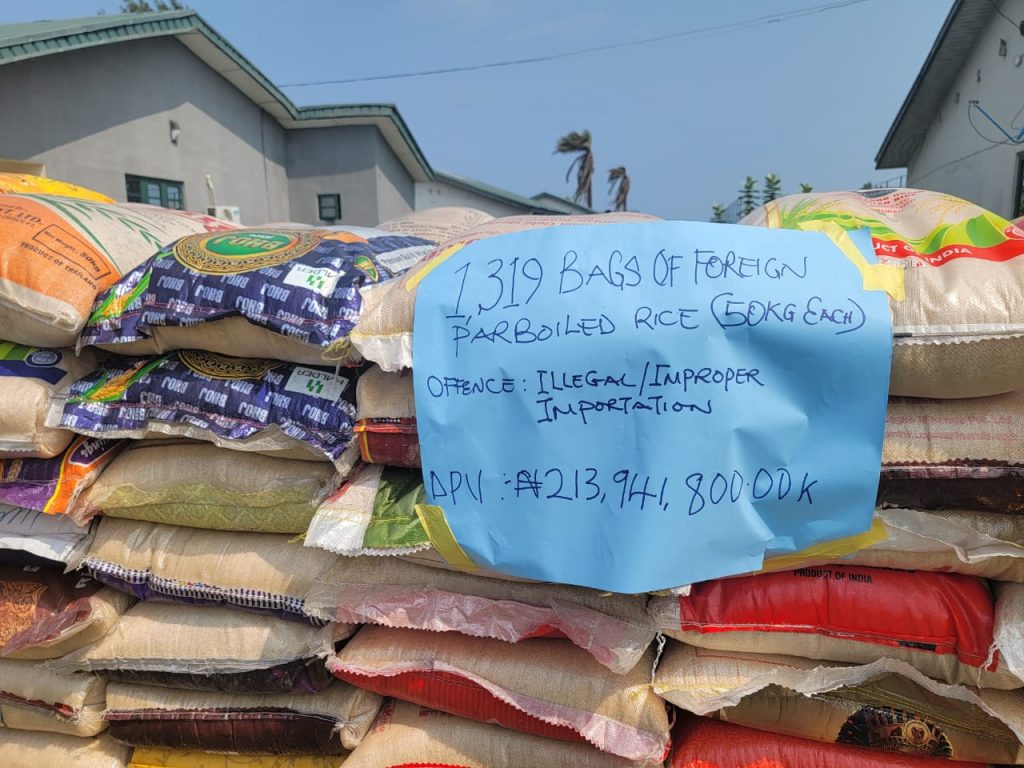
According to him, “Between 1- 19 July 2025 alone, operatives of the command, acting on credible intelligence and coordinated enforcement strategies, intercepted five trucks laden with contraband along the Lagos-Abidjan corridor. The seizures included 2,800 bags of foreign parboiled rice (50kg each) and 250 bales of second-hand clothing. The Duty Paid Value (DPV) of the seized items and the trucks stood at ₦919,500,626.00.”
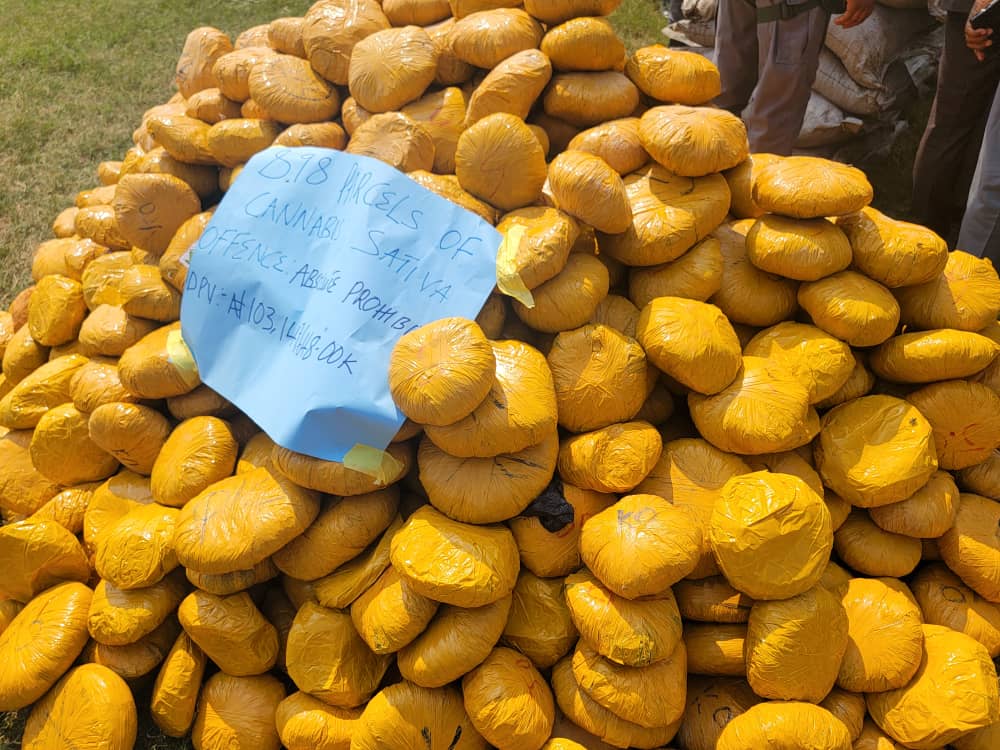
He further disclosed additional seizures including 898 parcels of Cannabis Sativa, 1,319 bags of rice, 40 bags of sugar, 64 bags of flour, 50 cartons of tomato ketchup, 20 bales of used clothing, four bales of used shoes, and one engine-powered boat.
The total Duty Paid Value (DPV) of all items seized within the review period stood at ₦1,268,794,474.00.
“These monumental seizures are a testament to the vigilance, resilience, and doggedness of our officers, with support from sister security agencies, particularly the Nigerian military. The Seme Area Command will never be a fertile ground for smugglers”, he warned.
Reiterating the Federal Government’s ban on rice importation through land borders, the CAC emphasised the need to protect local producers. “Nigeria currently leads Africa in rice production with over eight million metric tonnes annually, yet our mills remain underutilised due to illegal imports”, he said.
On revenue generation, the Area Controller disclosed that the Command generated ₦1,593,676,123.26 between May and June 2025 through legitimate trade, noting that all potential leakages have been effectively blocked.
As part of it’s trade facilitation mandate, the command also processed 1,837 trucks of made-in-Nigeria exports, totaling 116,723.26 metric tonnes, valued at ₦22.37 billion in Free on Board (FOB) terms, and yielded ₦111.8 million in National Export Supervision Scheme (NESS) fees.
The CAC attributed the command’s success to the commitment of his personnel and the provision of 12 patrol vehicles by the Comptroller-General of Customs and the NCS management.
Comptroller Oramalugo handed over the seized Cannabis Sativa to the National Drug Law Enforcement Agency (NDLEA), represented by Commander Idrise Muhammed.
In response, the NDLEA Commander commended the Nigeria Customs Service for it’s efforts and pledged continued collaboration, adding that suspects connected to the seizures would be thoroughly investigated and prosecuted.
Let’s face it—who doesn’t want a little financial breathing room in a country where the Naira keeps shrinking and inflation won’t quit? So when a platform flashes guaranteed returns, referral bonuses, and some slick branding—maybe even a couple of celebrity photos tossed in—it’s tempting to click ‘invest.’ After all, if it’s trending on WhatsApp or popping up on Instagram reels, how bad could it be?
The Securities and Exchange Commission (SEC) has flagged not one, not two, but seven online platforms in 2025 alone—each running some version of a Ponzi scheme. What’s more worrying? Most of these operations weren’t hiding in the shadows. They were out in the open, promising prosperity, pushing FOMO buttons, and playing to Nigerians’ deepest financial anxieties.
Ponzi Schemes
The structure hasn’t changed much since Charles Ponzi ran wild in the 1920s. You get paid—not from any real business venture—but from the money newer investors bring in. Eventually, when recruitment slows or a few investors demand large withdrawals, the whole thing crumbles. Rinse. Repeat. Rename.
In 2025, the twist is tech. Many of these schemes are cloaked in the language of fintech, crypto, or digital marketing. That digital polish? It’s just sugarcoating over old-school fraud.
1. Pocket Option
Flagged: July 21, 2025
Marketed as a legit online investment advisor, Pocket Option pulled investors in with social media posts dripping in fake credibility. According to the SEC, it had no license, no real services—just promises. Pure Ponzi playbook. The platform’s real trick? Community forums and influencers quietly pitching it like a smart money move. And it worked—until it didn’t.
2. Forsman & Bodenfors LTD (F&B)
Flagged: July 14, 2025
What’s more Nigerian than a job promise tied to a referral bonus? F&B posed as the Nigerian chapter of a well-known Swedish ad agency. But instead of job interviews, recruits were asked to pay for imaginary positions. And for every person you dragged in, you’d supposedly get promoted. Sound familiar? The SEC called it what it was: a pyramid wrapped in corporate lingo.
3. Value Growth Platform
Flagged: June 30, 2025
They said they had market insights. They said your money was “working” for you. They even sweetened the deal with referral perks. But the SEC dug in and found…well, nothing. No license. No regulation. No verifiable trading activity. Just a promise of consistent earnings—a phrase that should always make you pause. Let’s be honest—if real investing was that predictable, why would banks still be broke?
4. CMTrading
Flagged: June 20, 2025
This one went for the Oscar. Cloned websites of Punch, Channels, even BBC. Doctored photos of Nigerian celebs. And fake endorsements plastered across TikTok and Twitter (or X, as Elon wants it called now). The cherry on top? Claims of international licensing. But the SEC called it bluff. CMTrading was nothing more than a carefully scripted fantasy—and behind the curtain? The same old referral-based Ponzi con.
5. Sapphire Scents Limited
Flagged: June 19, 2025
Now here’s a strange pivot. A brand known for fragrances—Sapphire Scents—decided to moonlight as an “investment firm.” No license. No legal standing in Nigeria’s capital market. Just vibes and a lot of DMs asking for capital. The SEC, not amused, issued a public warning. But some Nigerians had already fallen nose-first into the trap.
6. CBEX / ST Technologies
Flagged: June 11, 2025
This one hurt. CBEX had already collapsed in April, with people’s funds still hanging in limbo. But like a Nollywood villain in part two, it came back—with a new name: ST Technologies (aka Smart Treasure). Same shady practices, now charging “withdrawal fees” to access your own money. The SEC wasn’t fooled—and neither should you be. “Pay to withdraw” is always a red flag.
7. Punisher Coin ($PUN)
Flagged: June 5, 2025
Cryptocurrency is exciting. But it’s also become a playground for scammers. Punisher Coin, hyped as a meme token with big dreams, turned out to be the classic pump-and-dump hustle. They raise the price, dump their shares, and leave you holding the digital equivalent of ash. The SEC warned Nigerians to stay far away. But the hype machine online was louder—for a while.
The Patterns Are Too Familiar
Each of these platforms checked the same boxes:
Bold promises of “guaranteed” or “high” returns
Unlicensed operations, with no oversight
Heavy dependence on referrals (basically, your money funds someone else’s payout)
Pressure to invest quickly or miss out (“limited time only!”)
Glitzy marketing with social proof—fake or exaggerated
These are not just bad investments—they’re traps. And more often than not, the victims aren’t careless. They’re simply hopeful.
Why Do Nigerians Keep Falling For This?
A tough economy. Rising unemployment. A growing culture of hustle. Mix in social media hype, financial desperation, and poor access to financial literacy—and you’ve got the perfect storm. Plus, let’s admit it: We often trust people we know over institutions. If a friend sends you a link and says, “Bro, I doubled my cash in a week,” it feels safer than some faceless bank app. But feelings aren’t facts.
Here’s the Thing: Legit Investments Look Boring
Yeah, real investing isn’t flashy. It doesn’t triple your money overnight. There’s paperwork. There are ups and downs. And yes, it takes time. But that’s the point. Building wealth is slow. Scammers know that’s not sexy—so they sell you a fantasy. Your job? Don’t buy it.
So, What Now?
The SEC has done its part—naming and shaming, issuing warnings, and chasing down the bad guys. But personal vigilance still matters. Here’s what to do:
Always check SEC’s list of registered investment firms
Don’t fall for emotional appeals or overnight success stories
Ask hard questions: “How exactly does this business make money?”
If in doubt, don’t part with your money—no matter how small the amount
Educate friends and family, especially those less tech-savvy
Final Word
You’ve heard it before, but it bears repeating: scams thrive because they sound better than reality. In 2025, scammers got smarter—but so can we. Watch the signs. Question the hype. And remember: true wealth isn’t found in shortcuts. It’s in smart, steady steps.
And if you’re ever unsure? Ask questions. Ask regulators. Ask your accountant friend. Because when the music stops—and it always does—you’ll want to be the one still standing, not the one left clapping for a show that’s already ended.
The Nigerian Exchange (NGX) has achieved a significant financial milestone, surpassing ₦84 trillion in market capitalization, after equity investors gained more than ₦406 billion in a single trading session on Thursday.
Continuing its bullish trajectory, the NGX All-Share Index (ASI) climbed 0.48% to close at 133,199.99 points, pushing the year-to-date gain to an impressive 29.41%. The rally was driven by robust buying activities across key sectors, spurred by optimism around corporate earnings and strategic positioning in fundamentally sound equities.
Market participants responded positively to strong half-year earnings reports, with expectations still high for forthcoming results from other listed firms. This renewed confidence fueled a surge in demand, especially in the insurance, oil & gas, and banking sectors, which rose 2.72%, 1.32%, and 1.05%, respectively.
The trading floor recorded higher levels of activity, as total transaction volume grew by 11.87%, and the overall value of trades jumped 29.01%. Stockbrokers executed roughly 762.11 million shares, valued at ₦21.95 billion, spread across 22,712 transactions.
Leading the pack in trade volume was JAPAULGOLD, accounting for 10.29% of total shares exchanged. Other top performers included UBA (8.97%), ACCESSCORP (7.98%), CONHALLPLC (6.84%), and Nigerian Breweries (5.05%).
On the value leaderboard, UBA dominated, contributing 15.05% of total market turnover for the day.
In the gainers’ category, ACADEMY, FTNCOCOA, and SOVRENINS led with a full 10% increase each. They were closely followed by RTBRISCOE, TIP, GUINNESS, OANDO, and LEGENDINT, all rising above 9.9%.
Meanwhile, thirty-three stocks closed in the red, with JOHNHOLT, ABCTRANS, and UNIONDICON leading the losers list, each shedding 10%. Other notable decliners included NEIMETH (-8.59%), HMCALL (-8.51%), BERGER (-8.15%), and LIVESTOCK (-6.25%).
The market breadth remained positive, showing 46 advancing stocks against 33 losers, reflecting the continued interplay between profit-taking and value investing.
Sector-wise, the trend was predominantly bullish. Alongside Insurance, the Oil & Gas, Banking, Consumer Goods (+0.30%), Industrial Goods (+0.25%), and Commodities (+0.07%) sectors also posted gains, reinforcing investor confidence in Nigeria’s economic outlook.
Nigeria’s health authorities have raised alarms over the escalating cancer crisis, revealing that the nation records approximately 127,000 new cancer diagnoses every year, with about 80,000 fatalities annually.
This was made known by the Coordinating Minister of Health and Social Welfare, Professor Muhammad Ali Pate, during the official inauguration of a state-of-the-art Oncology Centre at the Federal Teaching Hospital (FTH), Katsina, on Thursday.
According to Pate, the statistics reflect a significant public health challenge. “We’re witnessing a rising tide of cancer cases, with devastating implications—not only for patients and their families but for our health system as a whole,” the minister stated.
Pate underscored the growing burden of non-communicable diseases (NCDs) such as cancer, noting that they now rival infectious diseases in terms of impact. He also pointed out the financial toll such illnesses inflict on Nigerian families, warning that catastrophic health expenditures could push many households into deeper poverty.
Reiterating the Federal Government’s commitment to healthcare reforms, Pate said that the administration of President Bola Tinubu is working to decentralize cancer care across Nigeria. “Our aim is to have functional cancer treatment centres in all six geopolitical zones to enhance early diagnosis and access to life-saving treatment,” he said.
Pate further disclosed that the 2026 national budget will feature designated allocations for federal hospitals to subsidize cancer care and ease the cost burden on patients.
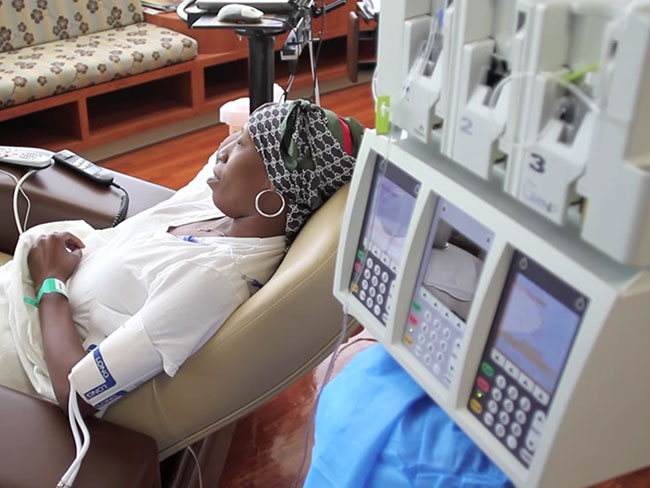
The Chief Medical Director of FTH Katsina, Dr. Suleiman Bello-Muhammed, provided insight into the newly launched oncology facility, which houses a 20-bed chemotherapy suite, including VIP private rooms. The centre is fully staffed with a team of 26 oncology nurses, 7 therapy radiographers, 8 medical physicists, and 6 specialized oncology pharmacists.
In terms of infrastructure, Bello-Muhammed said the pharmaceutical compounding unit is equipped with globally standardized facilities for the safe preparation of chemotherapy drugs.
However, he expressed concern over a potential brain drain, revealing that the hospital’s only trained nuclear medicine specialist—who received advanced training in South Africa—might leave the country if the nuclear medicine unit is not swiftly completed.
“In the spirit of progress, we are appealing to the minister to expedite the establishment of the nuclear medicine section to maximize the skills of our available personnel,” he said.