U.S. President Donald Trump has announced plans to significantly raise tariffs on imported pharmaceuticals, warning that levies could climb to as high as 250% in a bid to encourage domestic drug manufacturing.
In an interview with CNBC on Tuesday, Trump said the tariffs would start at a modest level but would escalate over time. “We’ll be putting (an) initially small tariff on pharmaceuticals, but in one year, one-and-a-half years, maximum, it’s going to go to 150 percent,” he stated. “And then it’s going to go to 250 percent because we want pharmaceuticals made in our country.”
Trump also revealed intentions to introduce new tariffs on foreign-made semiconductors as part of a broader push to strengthen U.S. supply chains in strategic industries.
Additionally, he indicated that tariffs on Indian imports could be raised “very substantially” within 24 hours, citing India’s continued purchases of Russian oil as a driving factor.
The remarks come as part of Trump’s evolving trade strategy, which has seen targeted, sector-specific tariffs following national security investigations. His administration previously imposed steep duties—50% on imported steel and aluminum, and lower rates on autos and auto parts.
The proposed tariffs on pharmaceuticals and semiconductors follow separate government probes into the potential risks posed by dependency on foreign suppliers in those industries.
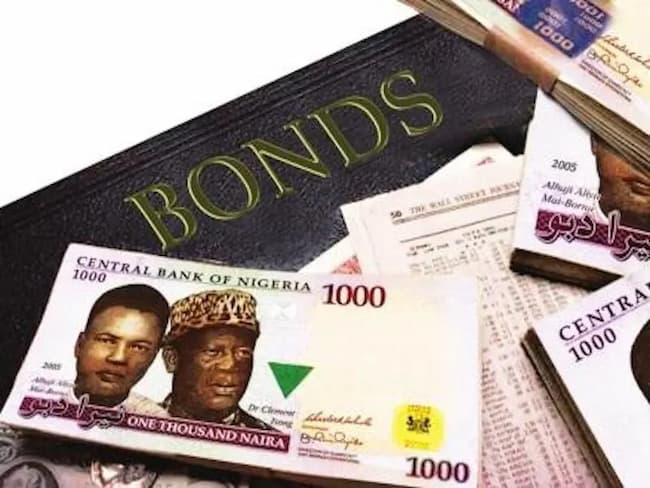
Yields on Nigerian government bonds edged higher at the start of the week as investor appetite for fixed-income securities weakened, signalling a shift in sentiment amid concerns over declining returns and an increasingly attractive equities market.
The average yield in the secondary bond market rose by 7 basis points to 16.46% on Monday, reflecting broad-based selloffs. According to traders and analysts at MarketForces Research, bearish momentum was driven by investor repositioning away from the debt market amid expectations of continued yield compression and a booming equities environment.
The selloff followed last week’s Debt Management Office (DMO) bond auction, where ₦80 billion was initially offered but ultimately ₦185.93 billion was allotted, thanks to robust subscription levels. Despite strong demand, marginal rates at the auction cleared lower at 15.69% for the 5-year (FGN APR 2029) and 15.90% for the 7-year (FGN JUN 2032), below their respective coupon rates of 19.30% and 17.95%.
This downward repricing has contributed to concerns among both local and foreign investors about the attractiveness of returns, with some analysts warning of potential capital flight—particularly from foreign investors who had earlier converted U.S. dollars to naira to participate in the local debt market.
At the secondary market, pressure was concentrated on the short and mid segments of the yield curve. The APR 2029 and APR 2032 bonds saw significant yield expansions of 34 bps and 42 bps, respectively, with yields climbing to 16.87% and 16.90%. The FGN 2034 paper also recorded an increase to 16.74%, although a separate tranche of the same bond bucked the trend, with its yield falling by 65 bps to 15.60%.
Despite reduced auction sizes compared to previous offerings, total subscriptions reached ₦300.67 billion, though this was significantly lower than the ₦602.86 billion recorded at the prior auction. The latest bid-to-offer ratio stood at 3.76x, while the bid-to-cover ratio came in at 1.62x, underscoring still-resilient demand.
Analysts believe the lower marginal rates may reflect deliberate rate management by the DMO, which appears to be positioning for a continued downward trend in yields to support cheaper government borrowing in the near term.
Nonetheless, with strong liquidity in the financial system and signs of disinflation, investors are becoming more selective. The narrowing yield environment is prompting asset managers to shift focus toward the equities market, where returns have outperformed in recent months.
As this reallocation gathers pace, bond yields may remain under upward pressure, especially if foreign capital begins to exit in search of better risk-adjusted returns elsewhere.
The United Kingdom has officially opened applications for its prestigious Chevening Scholarships, inviting prospective scholars to apply between August 5 and October 7, 2025. The fully funded scholarship programme offers one-year master’s degrees at leading UK universities to individuals who demonstrate strong leadership potential and a commitment to driving positive change both locally and globally.
In a statement released by the British High Commission in Abuja, Emma Hennessey, Head of the Scholarships Unit at the UK Foreign, Commonwealth and Development Office (FCDO), described Chevening as a globally competitive programme that selects only the most outstanding candidates.
“Chevening’s rigorous selection process ensures that those chosen to become Chevening Scholars or Fellows represent the brightest and most driven individuals from across the world,” Hennessey stated. “Scholars return home equipped with world-class education, global networks, and the confidence to make a meaningful impact — whether in their communities or on the global stage.”
Hennessey encouraged qualified individuals to apply and advised those not yet ready to invest in gaining the experience and leadership skills that will make them competitive in future cycles.
Also speaking, British High Commissioner to Nigeria, Dr. Richard Montgomery, urged Nigerian applicants with the passion and potential to become changemakers to seize the opportunity.
“Chevening is more than a scholarship; it’s a gateway to a global network of leaders, innovators, and changemakers,” Montgomery said. “Whether your interests lie in shaping public policy, launching a business, or addressing global challenges, this scholarship offers a unique platform to develop the knowledge and skills needed to lead change in Nigeria and beyond.”
He highlighted the diversity and achievements of Chevening alumni, who are contributing across sectors and making significant impact in their respective fields.
“If you have the ambition to lead transformative change in your community or country, I strongly encourage you to apply before the October 7 deadline,” he added.
Applications must be submitted online at chevening.org/apply. Interested candidates are also encouraged to consult the detailed application guidance available at chevening.org/guidance to assess their readiness for the competitive process.
Since its inception in 1983, the Chevening programme has supported over 60,000 professionals from more than 160 countries and territories. The scholarship is funded by the UK Foreign, Commonwealth and Development Office (FCDO) and a range of partner organisations.
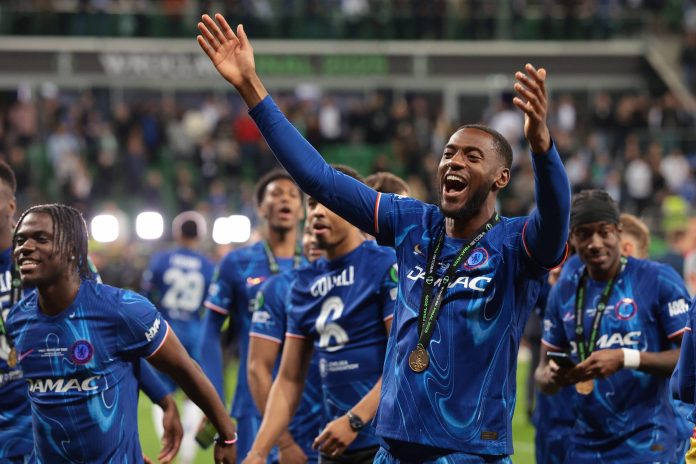
Born in Manchester to Nigerian parents, Adarabioyo has been a prominent figure in England’s youth system, having represented the country at Under-16, Under-17, Under-18, and Under-19 levels.
Despite his involvement at youth level, the 26-year-old has never been capped by the England senior team, leaving the door open for a switch to the Super Eagles.
Nigeria Pushes for Commitment
While still at Fulham, Adarabioyo was reportedly on the Nigeria Football Federation’s (NFF) long list. However, at the time, he was not open to receiving a formal call-up, as it was widely believed that his preference was to represent England.
Though the centre-back has previously denied rejecting any offers from Nigeria, he has acknowledged that he is now nearing a final decision on his international future. Sources close to the NFF told SportsBoom that the federation believes it has secured his commitment, barring a last-minute change of heart.
September Cap May Come Too Soon
Nigeria are reportedly eager to cap the Chelsea defender as soon as possible. However, the upcoming September international window may be too soon, as the necessary documentation is still being processed. Adarabioyo joined Chelsea last summer and played a role in their FIFA Club World Cup triumph in the United States.
Visit to Nigeria Influenced Decision
In July, Adarabioyo made his first-ever visit to Nigeria, where he met with senior government officials and NFF representatives. The trip, sources suggest, may have played a crucial role in his decision to represent the West African nation.
Speaking during his visit, Adarabioyo said: “It’s something I still think about (playing for Nigeria). We’ll see in the near future, hopefully, and I’ll start to make a decision. It’s just something that has obviously been a topic for many years now since I’ve become a professional footballer. But again, like I said, we’ll see.”
He also organised a grassroots football tournament during the trip, a gesture aimed at giving back to the community and deepening his connection to his roots.
Should he complete the switch, Adarabioyo will join a growing list of players who represented England at youth level before choosing Nigeria at senior level, including Alex Iwobi, Ademola Lookman, and Ola Aina. His potential inclusion would further strengthen Nigeria’s defensive options as the Super Eagles gear up for upcoming international fixtures.
The Infinix Hot 50 Pro Plus is turning heads in Nigeria’s competitive smartphone scene—not just for its elegant design but for the balance it strikes between form and function. With a market price hovering around ₦250,000, this latest release by Infinix is drawing attention for all the right reasons.
Is it all hype, or does this phone truly deliver on performance, design, and value? Here’s a comprehensive breakdown of everything you need to know about the Hot 50 Pro Plus before making a purchase decision.
A Design That Makes a Statement
One of the first things users notice is the 6.78-inch curved AMOLED display wrapped in an ultra-slim 6.8 mm body, weighing just 162 grams. The phone feels and looks premium despite its mid-range price. Added to this are JBL-tuned dual stereo speakers and an under-display fingerprint scanner, enhancing both style and functionality.
Display: Immersive and Bright
The 120Hz AMOLED panel offers a crisp Full HD+ resolution with excellent color reproduction and contrast. The nearly edge-to-edge design ensures an immersive viewing experience whether you’re watching movies, working on presentations, or casually browsing. Brightness levels hold up well in direct sunlight, making outdoor use effortless.
Build Quality and Protection
Though the body incorporates a plastic frame, the Hot 50 Pro Plus still offers a visually high-end feel, thanks to its curved glass front. While marketed with Gorilla Glass protection, users report that the screen is susceptible to scratches—so investing in a screen protector is advisable.
Performance: Fast, Smooth, and Reliable
Powering this device is the MediaTek Helio G100 chipset coupled with 8GB RAM and up to 256GB storage. Daily tasks, from social media and multitasking to light gaming, are handled smoothly. Popular titles like PUBG Mobile and Call of Duty Mobile run effectively at medium to high settings. Heavier games like Genshin Impact require toned-down graphics but remain playable.
Camera Performance
The rear camera setup features a 50MP primary lens alongside a 2MP depth sensor, while the front selfie camera comes in at 13MP. In daylight, shots are sharp and well-detailed. Portrait mode delivers good background blur, while the front camera performs well even under moderate low-light conditions.
Battery Life & Charging Efficiency
With a 5,000mAh battery under the hood, the Hot 50 Pro Plus easily lasts a full day on mixed usage. Tests reveal approximately 10+ hours of screen-on time. An hour of Netflix or YouTube drains about 9% of the battery.
Fast-charging is another highlight. The 33W charger revives the battery from near-empty to functional in under 90 minutes—a strong feature in this price segment.
Software Experience and AI Features
The device runs on Android 14 layered with Infinix’s XOS 14.5 skin. It includes AI utilities like AI∞ Suite—offering background remover tools (AI CutOuts), wallpaper generators, and AI Summarize functions. While innovative, these features closely resemble what’s already found in similar Android mid-range phones.
Software support is limited to one major Android update, which may deter users looking for long-term OS reliability.
Pros and Cons at a Glance
Pros:
Sleek and slim build with curved AMOLED display
Strong battery life with fast charging
JBL-tuned stereo speakers
Reliable performance for most tasks
Cons:
Screen is prone to scratches despite Gorilla Glass claims
The Infinix Hot 50 Pro Plus packs premium aesthetics, dependable performance, and powerful features into a sub-₦300K device. For users seeking an affordable smartphone with high-end looks and solid day-to-day functionality, this model is an excellent contender.
While it’s not designed for tech enthusiasts looking for cutting-edge specs or flagship-tier photography, it is an excellent choice for business professionals, content creators, and casual users who value performance, style, and efficiency in one device.
It often starts with shared laughter, frequent texts, and maybe even regular sleepovers. You’re investing time, energy, and maybe even emotions—but when the topic of “what are we” comes up, they casually say, “Let’s not rush things.” Just like that, you’ve found yourself in what many now identify as a situationship—a connection deeper than casual flings, yet not quite a full-fledged relationship.
In Nigeria and around the world, more people—especially Gen Z—are experiencing this blurred line between friendship and partnership. You might cook meals for him, she might invite you to her family functions, and yet, neither of you can confidently say you’re in an official relationship.
So what happens when one person wants something more? Is it possible to shift a situationship into a committed relationship? The short answer is yes—but only if you’re willing to stop avoiding the truth and initiate honest conversations. Here’s how.
1. Reassess Your True Intentions
Before making any moves, it’s important to pause and examine your motivations. Do you truly want a relationship with this individual, or are you just looking for clarity to relieve anxiety? Sometimes, the fear of being alone can be misinterpreted as affection. Ask yourself if you genuinely appreciate the person beyond routine, comfort, or physical chemistry.
If the answer is yes, proceed with purpose.
2. Be Transparent About Your Emotions
This is perhaps the most difficult but most essential step. You can’t “vibe” your way into something lasting. If you’re seeking commitment, you need to verbalize it clearly—not via subtle tweets or cryptic comments.
Consider opening the conversation with: “I really enjoy what we have going on, but I’d like to understand if we’re aligned about where this is heading.” This keeps the tone calm but intentional. If their response includes ambiguity or avoidance—like “Let’s not label this”—you likely have your answer.
3. Don’t Get Trapped in the “Maybe” Zone
One of the most common mistakes in a situationship is lingering too long in the ambiguous “Let’s see where it goes” territory. The truth is, if someone wants to be with you, they will be. Nobody is too busy for commitment—they’re just not prioritizing one with you.
Give them a fair chance, but if after a reasonable time (weeks, not years), there’s still no clarity, it may be time to walk away.
4. Redefine Your Role in the Dynamic
Many people unknowingly sustain a situationship by acting like a partner without ever asking for the title. You’re always around, sacrificing your own time, perhaps even skipping dates with others, yet there’s no label.
To spark change, adjust your behavior. Start creating space. Let them notice what life feels like when you’re not always available. Start exploring other connections. Build a fulfilling life outside this dynamic. It’s not about playing games—it’s about living in alignment with your needs and worth.
5. Set a Personal Timeline
No ultimatums are necessary, but having a personal boundary is crucial. Decide how long you’re willing to remain in this undefined situation before it transitions—or ends. Whether it’s three weeks or three months, set a private deadline. If the bond doesn’t evolve within that time, consider it a cue to re-evaluate and possibly walk away.
Know When to Say Goodbye
It’s important to understand that not every situationship is meant to transform into a relationship. That doesn’t reflect on your worth or desirability—it shows you had the courage to seek clarity and respect for yourself.
You deserve someone who doesn’t hesitate to commit, who’s proud to call you theirs, and who meets you at the same emotional depth.
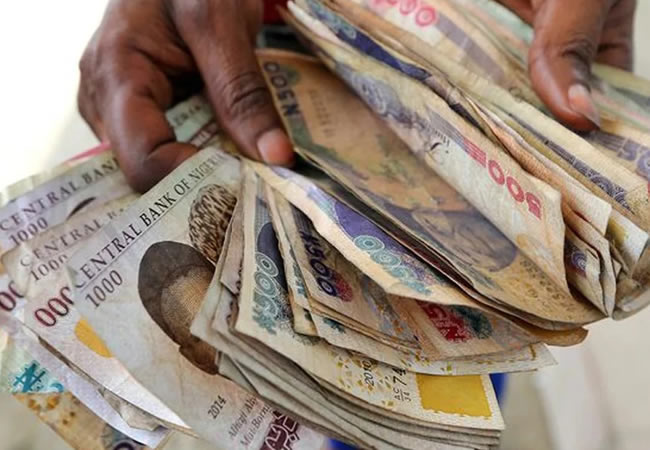
Nigeria’s money market continues to reflect diverging trends, as liquidity conditions influence key indicators across different instruments. Despite the current liquidity surplus, interbank rates remain largely unmoved at floor levels, suggesting that the central bank’s tools are influencing activity in nuanced ways.
According to data sourced from AIICO Capital Limited, excess reserves maintained by commercial banks above the Central Bank of Nigeria’s (CBN) stipulated minimum dropped to ₦1.21 trillion—marking a significant decline from the previous ₦1.606 trillion reported by MarketForces Africa.
Investment analysts pointed out that this reduction is largely attributed to ₦339.5 billion in deposits made by banks at the CBN’s standing deposit facility (SDF). Consequently, the total financial system liquidity saw a contraction of ₦397.6 billion compared to the prior session.
The CBN’s standing deposit window remained a focal point for banks, further emphasizing that interbank lending rates had already settled at lower thresholds. Despite the market being awash with funds, the repurchase (repo) rate remained steady at 26.5%, highlighting limited downward pressure.
The repo rate—used in financial transactions involving the sale and repurchase of assets—did not budge on Monday, maintaining its 26.5% level. However, the overnight lending rate edged up by 10 basis points, landing at 27.00%, reflecting mild activity in the interbank space.
Experts at Cowry Asset Management observed that the Nigerian Interbank Offered Rate (NIBOR) reacted to the prevailing liquidity state, with notable declines across its tenor buckets. Specifically, while the overnight rate remained unchanged at 26.88%, the 1-month, 3-month, and 6-month NIBOR dropped to 27.37%, 27.95%, and 28.51%, respectively.
Meanwhile, the Nigerian Treasury Bills (NITTY) curve presented a mixed pattern, with muted investor interest in the secondary market nudging average yields slightly higher by 1 basis point to 17.78%.
In the prior week, system liquidity closed in a surplus at ₦1.61 trillion, up from ₦1.35 trillion, bolstered by probable inflows from the Federation Account Allocation Committee (FAAC). This improved liquidity backdrop stimulated activity at the SDF, where average deposits rose significantly to ₦1.24 trillion from ₦421.47 billion the week before.
To absorb excess liquidity, the CBN conducted an Open Market Operations (OMO) auction, allotting securities worth ₦1.55 trillion. Nevertheless, despite aggressive liquidity absorption, the interbank rates held relatively steady: the Open Repo Rate dipped by 2 basis points to 26.90%, and the Overnight Rate remained anchored at 26.50%.
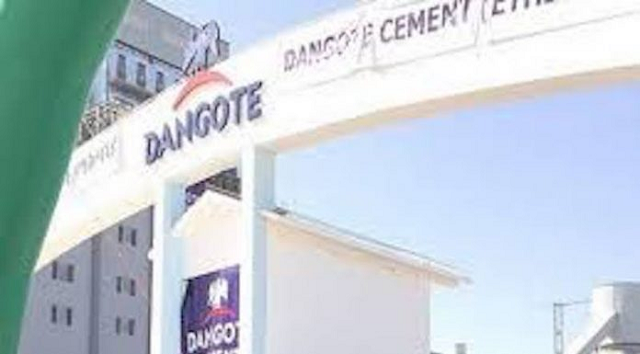
Dangote Cement Plc has achieved a new milestone as its stock price reached a 52-week high on the Nigerian Exchange (NGX), driven by impressive earnings and increased investor appetite.
At the start of the trading week, Dangote Cement’s stock surged by 9.22%, settling at ₦577 per share. This rally followed the release of the company’s stellar half-year earnings, which significantly lifted investor sentiment and boosted transaction volumes.
Trading data from the NGX showed that 2.904 million shares were exchanged, with a total market value of ₦1.583 billion. As a result, the company’s total market capitalization climbed to ₦9.736 trillion, based on its 16.873 billion outstanding shares—marking its highest valuation in over a year.
According to its half-year financial report for 2025, Dangote Cement recorded a remarkable earnings jump to ₦520.5 billion. This figure represents a 174.1% increase over the ₦189.9 billion the company reported during the same period last year.
Market analysts attributed this earnings surge to improved pricing strategies in the domestic market, controlled operational costs, and favorable foreign exchange gains. These factors helped offset challenges in its Pan-African operations, which have continued to face macroeconomic pressures.
Analysts at CardinalStone Securities, in their latest commentary, noted: “Cement prices are likely to remain elevated due to strong local demand and rising infrastructure investments. Domestic sales volume is poised to grow as both public and private sector projects gain momentum. Additionally, the company’s export activity is expected to strengthen.”
They added that cost management measures—including optimized procurement strategies and enhanced energy efficiency—are contributing to stronger margins. The cement giant has also made strides in logistics optimization through the phased deployment of 1,600 compressed natural gas (CNG)-powered trucks.
These trucks are expected to significantly reduce transportation costs over the next few quarters, further enhancing Dangote Cement’s bottom-line performance.
Looking ahead, industry watchers anticipate continued positive momentum, underpinned by Nigeria’s construction drive, infrastructure projects, and sustained corporate investment in building materials. The company’s ongoing expansion efforts are also seen as a catalyst for further revenue growth and market dominance.
Nigeria’s crude oil production climbed to a new high of 1.78 million barrels per day (mbpd) in July — the strongest performance so far in 2025 — offering the Federal Government a fiscal reprieve following a $5.3 billion revenue shortfall in the first half of the year due to persistent underproduction.
The encouraging output, which represents a nearly 5 per cent increase from June’s 1.7 mbpd, was disclosed by the Nigerian Upstream Petroleum Regulatory Commission (NUPRC) during the opening of the 2025 Society of Petroleum Engineers (SPE) Nigeria Annual International Conference and Exhibition (NAICE) in Lagos.
Speaking at the event, NUPRC’s Commission Chief Executive, Gbenga Komolafe — represented by the Executive Commissioner for Development and Production, Enorense Amadasu — described the rebound as a “significant milestone” in President Bola Ahmed Tinubu’s Renewed Oil Production Mandate.
“We crossed the 1.8 million barrels per day mark at peak production last month, with average output steady at 1.78 mbpd. This reflects collaborative efforts across industry stakeholders and the strategic implementation of our production enhancement framework,” Komolafe said.
Production Recovery Eases Fiscal Pressure
While Nigeria targets a 2025 oil production benchmark of 2.06 mbpd at a crude oil price of $75 per barrel, actual performance has consistently fallen short. This underperformance has widened a cumulative production gap of over 70 million barrels in the first half of the year, resulting in an estimated $5.3 billion (₦7.95 trillion) revenue loss.
Month-by-month analysis shows that:
January: 1.74 mbpd (shortfall of 9.92 million barrels)
February: 1.67 mbpd (deficit of 11.3 million barrels)
March: 1.6 mbpd (loss of 14.3 million barrels)
April: 1.68 mbpd (gap of 11.4 million barrels)
May: 1.66 mbpd (12.4 million barrels lost)
June: 1.7 mbpd (shortfall of 10.8 million barrels)
Industry experts attribute the setbacks to crude theft, pipeline vandalism, aging infrastructure, and delays in upstream investments.
However, Komolafe credited the July turnaround to initiatives such as the Project 1 MMBOPD Incremental Production Drive, which seeks to add one million barrels to national output through field optimisation, turnaround synchronisation, and improved maintenance regimes.
Driving Regulatory Reform and Technological Efficiency
Since the passage of the Petroleum Industry Act (PIA) in 2021, NUPRC has rolled out 21 regulatory frameworks aimed at improving transparency, environmental compliance, and community participation.
Komolafe emphasised that digitalisation has become central to the Commission’s regulatory workflow, enabling faster approvals, improved data integrity, and streamlined field operations.
He reiterated the Commission’s commitment to the seven-pillar upstream decarbonisation strategy, aimed at aligning Nigeria’s hydrocarbon production with global energy transition imperatives.
NNPCL CEO: Nigeria Must Present a “Bankable” Energy Vision
In a keynote address, Group Chief Executive Officer of NNPC Limited, Bayo Ojulari, urged stakeholders to reposition Nigeria’s oil and gas industry as globally competitive and investment-friendly.
“Nigeria must make its energy story bankable, sustainable, and globally relevant. The future of energy is shaped by innovation, transparency, and collaboration,” Ojulari said.
Pushing back on the narrative that fossil fuels are obsolete, he argued that oil and gas remain foundational to Africa’s inclusive energy future, especially when integrated with technologies like carbon capture, hydrogen, and smart grid systems.
Ojulari identified Compressed Natural Gas (CNG) as a near-term bridge for displacing biomass, improving domestic energy use, and powering local industries. However, he warned that institutional reforms, contract sanctity, and investment predictability are non-negotiable if Nigeria hopes to unlock its estimated $1 trillion energy opportunity.
Government’s Gas Ambition: From Resource to Prosperity
Also speaking at the conference, Minister of State for Petroleum Resources (Gas), Ekperikpe Ekpo, said the Tinubu administration has put natural gas at the heart of Nigeria’s energy policy, branding it the cornerstone of economic development, energy security, and clean transition.
Disbursement of funds through the Midstream and Downstream Gas Infrastructure Fund (MDGIF)
He reaffirmed the government’s commitment to transition five million households to clean cooking by 2030.
Vision 2030: $1 Trillion Energy Economy Within Reach
For Farouk Ahmed, CEO of the Nigerian Midstream and Downstream Petroleum Regulatory Authority (NMDPRA), the road to Nigeria’s energy transformation lies in the intersection of technology, policy clarity, and coordinated supply chain systems.
Ahmed said achieving energy access that is both economically empowering and environmentally sustainable would require innovations in AI, biofuels, smart grids, and energy storage, while also enhancing sector-wide governance and workforce capacity.
“Technology is not just a challenge; it’s an opportunity. To meet Nigeria’s energy ambitions, we must embrace it, invest in it, and ensure our policies and talent keep pace,” he said.
The Nigerian Correctional Service (NCoS) has revealed that 53,473 inmates are currently awaiting trial in custodial centres across the country, while 3,833 others are on death row.
This was disclosed in a document presented during the National Joint Security Press Briefing held at the National Orientation Agency (NOA) headquarters in Abuja on Monday.
According to the NCoS, as of July 24, 2025, the total inmate population across Nigeria stood at 81,558, comprising 79,615 males and 1,943 females. Of this figure, 24,252 are convicted inmates, while the majority remain in pre-trial detention.
The Service further disclosed that during the review period, 3,026 new admissions were recorded, alongside 3,347 discharges. It also supervises 476 non-custodial offenders under various legal arrangements.
In a bid to strengthen security and improve identity management within custodial centres, the NCoS said over 60,000 inmates have been enrolled in the National Identity Management Commission (NIMC) database.
The agency also highlighted ongoing reforms to expand the scope of non-custodial sentencing options.
“In line with the expansion of non-custodial measures, the Service now supervises more than 6,000 offenders under community service, probation, restorative justice, and related regimes,” the report stated.
The NCoS noted that its strategic collaboration with State Chief Judges has continued to enhance justice delivery, especially through jail delivery exercises aimed at decongesting prisons.
In addition, the Service has actively participated in prerogative of mercy committees across various states, providing technical guidance on clemency and pardon processes.
The Nigerian Upstream Petroleum Regulatory Commission (NUPRC) and the Nigerian National Petroleum Company (NNPC) Limited have reaffirmed their commitment to driving a sustainable energy future by leveraging emerging technologies, local capacity, and strategic policy reforms.
Speaking at the 48th Nigeria Annual International Conference and Exhibition (NAICE) in Lagos, themed “Building a Sustainable Energy Future: Leveraging Technology, Supply Chain, Human Resources, and Policy,” NUPRC Chief Executive Gbenga Komolafe, represented by Mr. Enorense Amadasu, emphasized the Commission’s focus on innovation in upstream oil and gas.
Komolafe noted that NUPRC is integrating advanced technologies across exploration and production—particularly in decarbonisation and emissions reduction—while also transforming internal operations to boost efficiency, transparency, and accountability. “These are not mere technical upgrades; they are fundamental shifts aimed at reducing costs and fostering sustainable industry growth,” he said.
He also highlighted the importance of a resilient supply chain and human capital, noting that the Commission supports local content, technology domestication, and workforce development in partnership with academic and training institutions. “Preparing our workforce for a low-carbon future is essential,” Komolafe added, urging professional bodies like the Society of Petroleum Engineers to engage in capacity-building and youth empowerment.
Since the enactment of the Petroleum Industry Act (PIA) in 2021, NUPRC has gazetted 21 key regulations to enhance investor confidence and align operations with global standards. These include the Upstream Petroleum Measurement Regulations and Gas Flaring, Venting, and Methane Emissions Regulations, which focus on real-time production data and emissions control.
Komolafe also cited progress on strategic initiatives such as the 1 Million Barrels Per Day Incremental Production Initiative, where output peaked at 1.8 million barrels daily last month. “We are managing produced water, optimising the Maximum Efficient Rate, and minimising operational disruptions,” he said.
In addition, NUPRC is implementing a Decarbonisation Blueprint anchored on seven pillars to attract investment and maintain competitiveness. Operators were urged to integrate these principles into field development and facility design.
Meanwhile, NNPC Group Chief Executive Officer, Mr. Bayo Ojulari, in his virtual keynote, emphasized Africa’s need to define its own energy transition pathway. “The energy future is not linear or predetermined—it will be shaped by our choices, investments, and embrace of innovation,” Ojulari said.
He warned against externally imposed transition models, insisting that Africa’s approach must be just, contextual, and inclusive—one that ensures energy access while addressing climate realities.
Ojulari identified key technologies such as carbon capture, hydrogen, artificial intelligence, and modular gas systems as essential to achieving net-zero goals without compromising energy availability. “These are not buzzwords. They are tools for a sustainable, inclusive energy future,” he stated.
He stressed the need for regional cooperation, improved governance, and investment in STEM education and youth development. “This transition is about people, not just fuel. Our youth must be empowered to lead and innovate,” Ojulari added.
He reaffirmed NNPC’s mission to secure a sustainable energy future for future generations, stating: “Hydrocarbons and technology must coexist. This is the moment to act with conviction and purpose.”
Leadway Assurance has entered into a strategic bancassurance partnership with Ecobank Nigeria to offer integrated insurance solutions to Ecobank’s employees, customers, and small business clients.
Announced on Friday, the partnership is aimed at advancing financial inclusion by embedding insurance services into everyday banking experiences. Through this collaboration, Ecobank customers will gain seamless access to a broad range of Leadway’s insurance products—including life, health, motor, and home policies—tailored to meet their evolving needs.
Commenting on the initiative, Kikelomo Fischer, Director of Sales, Retail and Partnerships at Leadway Assurance, said, “This collaboration is about making insurance simple, accessible, and part of everyday life. By leveraging Ecobank’s wide network, we’re bringing financial protection closer to people, right where they are and when they need it most.”
She described the partnership as a deliberate effort to close Nigeria’s insurance gap, combining Leadway’s customer-centric offerings with Ecobank’s extensive reach.
Also speaking on the development, Adeola Ogunyemi, Head of Distribution Channels and Sales, Consumer & Commercial Banking at Ecobank Nigeria, said, “We are excited to partner with Leadway Assurance, one of Nigeria’s leading insurance providers. This aligns with our goal to create a one-stop financial services hub, allowing customers to access insurance solutions alongside their banking needs.”
The rollout of the bancassurance offering will begin in select Ecobank branches across the country. Trained product champions will be available to guide customers through various policy options, including Leadway’s Group Life Cover, Personal Accident Insurance, and Term Life policies—products especially tailored for Ecobank’s staff and retail customers.
Stanbic IBTC Holdings has reiterated its dedication to sustainable growth and long-term shareholder value, as its shares closed steady at ₦101 per unit on Monday on the Nigerian Exchange Limited. The stock had crossed the ₦100 mark last Tuesday, becoming only the second banking stock to reach triple digits—a milestone that underscores growing investor confidence.
In a statement, the financial group attributed the positive sentiment to its strong first quarter 2025 performance, where it posted a pre-tax profit of ₦116.4 billion—an 85.6% increase compared to the same period in 2024. Year-to-date, Stanbic IBTC has delivered an impressive return of over 74%, with a cumulative trading volume of 180 million shares.
Acting Chief Executive, Kunle Adedeji, affirmed the company’s unwavering focus on value creation, saying, “We are excited about our growth trajectory and the opportunities that lie ahead.” He credited the company’s strong market position to its emphasis on innovation, operational excellence, and a culture of accountability.
Echoing this, Chief Executive of Stanbic IBTC Bank, Wole Adeniyi, expressed optimism about future prospects. “Our strategies are not just aimed at delivering immediate returns, but also at building a sustainable future where shareholders can continue to thrive,” he said.
In a move to further strengthen its operations, Stanbic IBTC recently secured a three-year CNY 800 million (approx. ₦172 billion) loan facility from the China Development Bank. The group said the facility underscores its commitment to enhancing Africa-China trade ties and aligns with its vision for innovation-driven growth.
The naira posted gains against the US dollar at the Central Bank of Nigeria (CBN)’s official window, coinciding with a notable rise in the country’s foreign reserves to their highest level in six months.
According to updated data from the CBN, the spot rate strengthened to ₦1,531.95/$ from ₦1,533.74/$ in the previous session, amid reduced FX pressure and renewed foreign investor confidence.
The external reserves climbed to $39.543 billion as of August 1, marking a continued upward trend driven by sustained foreign inflows. Market observers attributed the boost to increased foreign portfolio investment in the CBN’s Open Market Operations (OMO), attracted by elevated yields on government instruments.
Analysts project that the naira will likely remain within a tight trading range, bolstered by consistent reserve inflows and policy support from the Central Bank. MarketForces Africa Research cited multiple investment banks noting that recent macroeconomic reforms have helped stabilize sentiment around the local currency.
During the past week, the Naira was largely stable at the Nigerian Autonomous Foreign Exchange Market (NAFEM), appreciating by 0.06% week-on-week to close at ₦1,533.74/$, up from ₦1,534.72/$ the previous week. The parallel market remained flat at ₦1,535/$, maintaining a slim premium over the official rate.
Nonetheless, FX inflows dipped slightly, falling to $791.10 million from $979.10 million the prior week, as reported by Coronation Merchant Bank. Foreign portfolio investors (FPIs) accounted for the majority of inflows at $60.90 million, while other sources contributed only 0.76%.
On the domestic front, non-bank corporates significantly increased their participation, contributing $483.60 million. Exporters and importers contributed $168.60 million, while inflows from the Central Bank and individuals amounted to $68.40 million and $3.50 million, respectively.
Looking ahead, Coronation analysts anticipate the FX market will continue to hover within the ₦1,500–₦1,600 range, supported by continued growth in reserves and favorable macro data. However, waning inflows could restrict further currency gains, making investor sentiment a key driver of direction.
On the global front, crude oil prices climbed last week, rising by 2.59% as markets awaited the outcome of the OPEC+ meeting and geopolitical developments surrounding Russian oil.
At the August 3 virtual summit, OPEC+ members agreed to boost production by 547,000 barrels per day from September, finalizing the reversal of earlier voluntary supply cuts initiated in 2024. While some production restraints will persist through 2026, the group will continue monthly evaluations to adjust supply as needed.
Meanwhile, geopolitical pressure is intensifying as U.S. President Donald Trump issued an ultimatum to Russia, demanding progress in its peace talks with Ukraine or face fresh sanctions, including punitive tariffs on countries importing Russian crude.
Amid these uncertainties, Brent crude closed Friday at $69.35 per barrel, while Bonny Light ended the week higher at $74.76 per barrel, up 1.91%. Despite recent gains, the average year-to-date price for Brent remains 11.76% lower than its 2024 average, signaling continued volatility.
In a grand show of appreciation for sporting excellence, President Bola Ahmed Tinubu has lavished Nigeria’s national women’s basketball team, D’Tigress, with generous rewards following their monumental fifth consecutive AfroBasket championship win. Each player will receive $100,000, while the 11-member coaching and technical crew will be awarded $50,000 apiece.
The accolades don’t end there—every team member and staff has also been allocated a three-bedroom flat at the Renewed Hope Estate. The monumental announcement was made during a ceremonial reception hosted at the State House Banquet Hall, Abuja, where Vice President Kashim Shettima represented the President in celebrating the victorious squad.
Accompanied by team officials, D’Tigress were warmly received by First Lady Oluremi Tinubu, alongside Nana Shettima, wife of the Vice President. The team made their official entrance into the hall at exactly 5:05 pm, to resounding applause and national pride.
The event was graced by top government dignitaries including Femi Gbajabiamila, Chief of Staff to the President; Senator Garba Maidoki, Chairman of the Senate Committee on Youths and Sports Development; and Kabiru Amadou, Chairman of the House Committee on Sports.
Their triumphant return comes after a masterclass performance in Abidjan, Côte d’Ivoire, where they secured their seventh AfroBasket title, overpowering Mali in the finals with a commanding 78–64 victory at the Palais des Sports de Treichville. This feat not only consolidated their reign as African basketball queens but also earned them qualification to the 2026 FIBA Women’s World Cup pre-qualifiers.
This reception closely follows a similar event recently hosted by President Tinubu for the Super Falcons, who clinched their 10th Women’s Africa Cup of Nations (WAFCON) title in Rabat, Morocco.
Delivering President Tinubu’s speech at the event, Vice President Shettima praised the D’Tigress for uniting the country through their perseverance, dedication, and excellence on the court.
“You are not only our sporting ambassadors but also a beacon of national unity. Your AfroBasket victory is more than just a title—it symbolizes the power of unity, determination, and resilience. You’ve brought home more than a trophy; you’ve brought hope and a renewed spirit to Nigerians,” Shettima declared.
Commending the team’s discipline and resolve, especially during critical moments of the final match, the Vice President described their composure as exemplary.
“You wore the green and white not just with pride but with a sense of purpose. In return, you now wear the crown of African basketball champions for the fifth time in a row. The nation salutes your courage and brilliance,” he stated.
Special mention was made of Coach Rena Wakama, whose leadership has garnered national and continental admiration.
“Coach Rena Wakama represents a new era in Nigerian sports leadership. Her quiet tenacity and strategic excellence have broken barriers and inspired countless young women nationwide. Her recognition as Africa’s best coach is well deserved,” Shettima affirmed.
He also commended Amy Okonkwo, who emerged as the Most Valuable Player (MVP) of the tournament, and Ezinne Kalu, the team’s top scorer in the final. Their contributions were described as pivotal to the team’s collective success and national pride.
Reflecting on the wider significance of Nigerian women in sports, Tinubu’s address emphasized that Nigerian female athletes continue to outperform expectations.
“From the Super Falcons to our record-breaking athletes and now D’Tigress, Nigerian women have never failed to rise to the occasion. Their achievements are proof that with opportunity and preparation, excellence will always shine,” he said.
President Tinubu reiterated his administration’s commitment to elevating the Nigerian sports sector, describing it as a crucial pillar for youth empowerment, economic development, education, and national unity.
“Sports is not merely entertainment—it’s infrastructure, education, diplomacy, and most importantly, a tool for empowering our youth,” he emphasized.
The President also acknowledged the pivotal role of the National Sports Commission, led by Mallam Alabi, for its renewed athlete welfare policies, reforms, and grassroots development. Additionally, he credited the Nigerian Basketball Federation, chaired by Malam Ahmadu Musa Kida, for fostering excellence and consistently building world-class teams.
“The visible results we celebrate today are a testament to intentional investments in sports development and strategic leadership. This administration will ensure sustained support for D’Tigress and all sporting heroes who bring glory to Nigeria,” Shettima added.
President Tinubu, through the Vice President, concluded by urging Nigerian youths to draw inspiration from the D’Tigress journey.
“Let your story mirror that of D’Tigress—where discipline, hard work, and belief culminate in greatness. Nigeria belongs to those who dare to dream and work relentlessly to achieve it,” he said.
In closing, Shettima declared the team, coach, and technical crew recipients of national honours as Officers of the Order of the Niger (OON)—one of Nigeria’s highest civilian recognitions. He confirmed the disbursement of $100,000 for each player, $50,000 for each coach and technical team member, and assured further rewards in the pipeline.
“This is what true leadership looks like—acknowledging and rewarding those who have brought pride to our nation. Congratulations once again. May God continue to bless you, bless Nigerian sports, and bless the Federal Republic of Nigeria,” he concluded.
The valuation of Nigeria’s stock market has risen sharply, with the stock market-to-GDP ratio now standing at 24%, indicating a surge in investor interest and confidence amid ongoing economic reforms. As of the close of trading last Friday, the Nigerian Exchange (NGX) posted a market capitalisation of ₦89.37 trillion, up roughly 40% year-to-date.
This growing ratio reflects a promising outlook for the Nigerian economy, suggesting investors are increasingly optimistic about the reform initiatives and macroeconomic adjustments implemented by President Bola Tinubu’s administration. According to a Broadstreet analyst, “The renewed optimism isn’t just focused on individual companies—there’s confidence in the entire economic direction coming from the top.”
Despite its rise, the ratio remains well below parity, hinting that Nigerian equities are still significantly undervalued, especially when compared to other emerging markets. This aligns with the sentiments of major investment institutions, which have long argued that the local equities market holds vast growth potential.
The development follows a GDP rebasing exercise by the National Bureau of Statistics, updating the base year from 2010 to 2019. This revision adjusted Nigeria’s nominal GDP upward by 41.7% and recalculated it at ₦372.82 trillion for 2024.
With the new data, analysts using the Warren Buffett market valuation metric contend that the NGX remains undervalued, and expectations are mounting that the market could surpass ₦100 trillion in capitalisation by the third quarter of 2025—assuming investor confidence remains strong and no major capital outflows occur.
Driven by persistent rallies and improved risk appetite among both foreign and local investors, Nigeria’s stock market has attracted a wave of interest. Even with inflation biting into consumers’ purchasing power, many retail investors are diving into equities, viewing it as a viable wealth-building alternative.
However, a gap remains in financial literacy, which could limit broader participation. Still, for risk-tolerant individuals, the stock market continues to present substantial returns—underscoring the growing appetite for investment as Nigerians seek to navigate economic uncertainties.
The West African Examinations Council (WAEC) officially released the 2025 West African Senior School Certificate Examination (WASSCE) results on Monday, ushering in a wave of anticipation among secondary school leavers across Nigeria and West Africa.
In an effort to ensure a seamless process, WAEC has published a detailed procedure to guide candidates in checking their results through its dedicated online platform. Whether you’re a first-time user or returning candidate, following these steps will help you access your results swiftly and accurately.
Step-by-Step Process to Check 2025 WAEC Results
To access your results, you must log on to the WAEC results checking portal: https://www.waecdirect.org. Below is a simplified breakdown of the required steps:
Enter Your WAEC Examination Number Input your unique 10-digit examination number. This is typically made up of a 7-digit centre number followed by your 3-digit candidate number. Example: If your centre number is 4123456 and your candidate number is 789, then your WAEC exam number would be 4123456789.
For Candidates Who Sat Before 1999 If you took your WAEC exams before the year 1999, enter your 8-digit examination number, which includes a 5-digit centre number and a 3-digit candidate number. Example:19865001
Input Your Examination Year Type in the four-digit year you sat for the examination. For 2025 candidates, you will enter 2025.
Select the Type of Examination Choose the appropriate exam category from the options provided, such as WASSCE for School Candidates or WASSCE for Private Candidates.
Enter Your e-PIN Voucher Number Input the unique e-PIN code found on your purchased WAEC scratch card or e-voucher.
Enter the Personal Identification Number (PIN) This is also found on the e-PIN voucher you purchased and should be typed into the specified field.
Click ‘Submit’ Once all fields are accurately filled out, click the Submit button and wait for your results to be displayed on the screen.
Additional Tips
Ensure you have a strong internet connection before attempting to check your result.
Only purchase your e-PIN from authorized WAEC outlets or vendors.
Take note of your result immediately or print it out for documentation purposes.
Conclusion
WAEC’s digital approach to results checking has streamlined the process for candidates across the subregion. With this simple and reliable step-by-step guide, students can view their academic performance with ease and move forward with their educational or career plans.
For more updates on education, examinations, and student resources, stay connected with our platform.
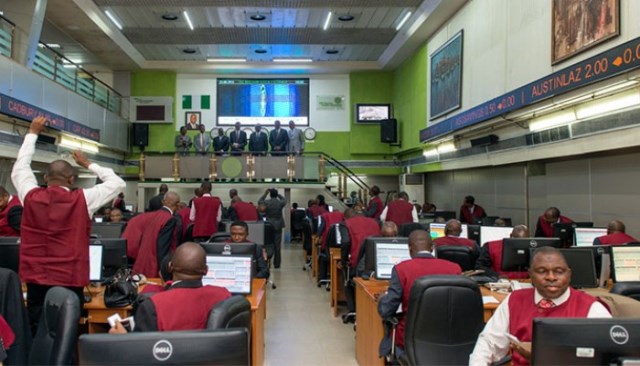
The Nigerian Exchange (NGX) kicked off the week with a significant leap, pushing market capitalisation past the ₦91 trillion mark as strong investor appetite propelled key stocks. Monday’s trading session saw the All-Share Index climb by 2,811.18 basis points, a 1.99% increase, closing at an all-time high of 144,074.23.
This rally pushed the year-to-date return on the NGX to 40%, well ahead of Nigeria’s annual inflation rate of 22.22%. Market watchers attributed the bullish performance to sustained demand for fundamentally solid equities, particularly large and mid-cap stocks.
Heavyweights like BUA Foods, Dangote Cement, and Champion Breweries led the surge, alongside 44 other notable stocks spanning major sectors. The upward momentum was further boosted by the ongoing release of second-quarter earnings reports and declining yields in the fixed-income market, which encouraged a capital rotation into equities.
Despite the index rally, trading activity volumes dropped. The total number of shares traded declined by 24.84%, while the total value of trades fell by 27.48%. According to Atlass Portfolio Limited, approximately 811.10 million shares worth ₦19.47 billion changed hands across 35,963 deals.
In volume terms, FCMB topped the trading chart, representing 10.49% of all shares traded. Other active counters included UNIVINSURE (10.19%), FIDELITYBK (5.61%), AIICO (4.96%), and VERITASKAP (4.91%).
GTCO emerged as the day’s most traded stock by value, accounting for 14.21% of the total transaction value.
On the gainers’ side, UPDC, LASACO, and ROYALEX all saw a 10.00% price increase. They were closely followed by UACN (+9.97%), SOVRENINS (+9.94%), CHAMPION (+9.91%), ELLAHLAKES (+9.91%), and MBENEFIT (+9.89%), among others—bringing the total number of gainers to 47.
Conversely, 23 stocks closed in the red. ACADEMY and TRANSPOWER led the laggards, both dropping 10.00%, while TOTAL (-9.22%), DANGSUGAR (-6.27%), CHAMS (-4.64%), IKEJAHOTEL (-1.44%), and ARADEL (-1.15%) also saw price declines.
Sectoral performance skewed positive, led by Industrial Goods (+5.72%), Consumer Goods (+4.93%), Insurance (+3.44%), and Banking (+0.08%). The Oil & Gas and Commodities sectors closed in the red, down -1.12% and -1.99%, respectively.
Overall, the NGX added ₦1.77 trillion in value, closing the session with a total market capitalisation of ₦91.15 trillion—underscoring investor optimism and confidence in Nigeria’s equities.
Interswitch Group, one of Africa’s leading integrated payments and digital commerce companies, has emphasized the imperative for strategic regulatory engagement and partnership for African technology players who desire to scale their operations effectively across the continent.
Africa’s burgeoning Fintech ecosystem presents a unique opportunity to deepen financial inclusion, foster economic integration, and drive digital innovation. However, the current licensing and regulatory landscape, marked by a variety of approaches in regulating fintechs with often high barriers to entry and fragmented oversight, poses significant barriers to growth and cross-border scalability. In response, the Africa Fintech Network (AFN) has consistently championed a harmonized fintech licensing initiative aimed at fostering a more coordinated and enabling regulatory environment across the continent.
Speaking at an AFN Webinar to commemorate World Fintech Day on 1st August, themed ‘Mapping the Path for Fintech License Passporting in Africa’, Interswitch Group CEO, Mitchell Elegbe shared extensive insights and learnings from Interswitch’s journey from nascent player to pan-African fintech and payments champion operating across multiple regions of the continent.
The core premise of this initiative by the AFN is that a mutually recognized licensing framework will accelerate innovation, streamline compliance, and enhance regional collaboration, contributing to boosting intra-African trade and financial inclusion. It is believed, as evidenced in other jurisdictions, that reducing regulatory friction and duplicative licensing burdens, fintech and digital finance firms can scale faster, improve operational efficiency, and focus on delivering inclusive, market-driven solutions across borders.
As Africa’s foremost fintech unicorn, Elegbe was tasked to share his perspective based on experiences with licensing and regulations given Interswitch’s operations in multiple countries. According to him, Interswitch Group operates with multiple distinct licenses from regulators across jurisdictions like Nigeria, Kenya, Uganda, Gambia and Mauritius with each respective license application accompanied by distinct licensing procedures, application processes and expiration dates.
He asserts that “We are therefore often tasked with managing the expectations of our partners during the period between the expiration date and the renewal date about our status to operate. Also, there is the challenge of overlapping regulations as fintechs in many countries in Africa are regulated by multiple bodies such as Central Banks and Telecom Regulators, which leads to duplicated licensing processes, conflicting compliance requirements and delays in approvals.
He also acknowledged that Regulatory frameworks are not static and while fintechs must remain agile to adapt to existing frameworks, these constantly changing frameworks affect the renewal of license applications as the expectation is that implementation of the requirements are tied to license renewals.
Elegbe underscored specific initiatives Interswitch has undertaken to invest in proactive and effective regulatory relationship management to include hiring experienced local compliance officers on ground in the countries the companies operates/invests in, participating in policy dialogues such as the AFN’s and actively engaging and sharing feedback on regulatory drafts, among others. He emphasized the need for operators to collaborate with regulators on areas of concern and seek clarity where necessary.
Elegbe also essentially spoke to the importance of embracing maturity modelling by African businesses; emphasizing that Maturity modeling, across respective critical functions and disciplines is crucial for organizations because it provides a framework for assessing and improving performance, identifying weaknesses, and fostering continuous improvement.
He asserted that in Interswitch’s case, has it has grown and scaled operations across markets, maturity modelling has helped the business understand current capabilities, benchmark industry best practices, and develop strategies for growth and optimization. According to him “By highlighting areas needing attention, maturity models enable organizations to make informed decisions, allocate resources effectively, and ultimately achieve their goals.”
To mark World Fintech Day on 1st August, The Africa Fintech Network hosted the Virtual Town Hall, which also featured other speakers including Ali Hussein Kassim, Chairman of Association of Fintechs in Kenya, Dr. Bukola Akinwunmi, Director of Banking Supervision at Central Bank of Nigeria (CBN), Adedoyin Odunfa, MD/CEO at Digital Jewels and Dr. Patrick Conteh, CEO at Africa Fintech Network, as the first public forum, to address the growing need for a harmonized fintech licensing framework across Africa. This event brought together key players, regulators, innovators, policymakers, and investors, to explore how fintech license passporting can address regulatory barriers, support cross-border growth, and expand access to financial services.
The town hall reflects AFN’s commitment to work with stakeholders in building practical solutions that support a more connected and thriving fintech ecosystem across the continent. The Town Hall dialogue is aimed at gaining a high-level understanding of the current fintech licenses’ environment and how to potentially position a licenses passporting scheme amid the related challenges. Insights from international experience and from the Ghana/Rwanda initiative would be useful in this regard.
Interswitch remains a leading technology-driven company focused on the digitization of payments and commerce across Africa. Founded in Nigeria in 2002, Interswitch disrupted the traditional cash-based payments value chain in Nigeria by supporting the introduction of electronic payments processing and switching services, and launched Verve, Africa’s premier and leading domestic EMV-standard chip and pin payments card scheme.
Today, Interswitch is a leading player with critical mass across Africa’s developing financial ecosystem and is active across the payments value chain, providing a full suite of omni-channel payment solutions. Interswitch’s vision is to make payments a seamless part of everyday life in Africa, and its mission is to create transaction solutions that enable individuals and communities to prosper across Africa. Interswitch’s broad network and robust payments platform have been instrumental to the development of the Nigerian payments ecosystem and provide Interswitch with the infrastructure to expand across Africa.
The Group Chief Executive Officer of the Nigerian National Petroleum Company (NNPC) Limited, Bayo Ojulari, resumed official duties on Monday, quelling widespread rumours of his alleged resignation. Ojulari was seen arriving at the NNPC headquarters in Abuja at approximately 9:35 a.m., a move that visibly countered social media speculation suggesting he had stepped down. A senior security official confirmed that Ojulari was at his desk, attending to routine administrative responsibilities.
“The GCEO is in the office performing his duties as usual. Reports of his resignation circulating on social media are completely unfounded,” the source stated.
An internal memo was also reportedly circulated within the NNPC, advising staff to disregard the claims, which officials say are based on misinformation.
Ojulari, who took over leadership of the state-run oil company four months ago, remains at the helm as NNPC undergoes strategic reforms aimed at enhancing operational efficiency and restoring investor confidence.
His resumption comes amid heightened scrutiny and internal tension. Unconfirmed reports suggest that Ojulari is under investigation by the Economic and Financial Crimes Commission (EFCC) over alleged financial transactions involving multimillion-dollar transfers to AA&R Investment Group—an energy, logistics, and agribusiness company.
Sources familiar with the matter allege that some transactions between NNPC and AA&R raised red flags, prompting concerns that the company may have become a conduit for politically sensitive financial flows. Abdullahi Bashir-Haske, the founder of AA&R and son-in-law of former Vice President Atiku Abubakar, has been previously linked to controversial dealings with NNPC under past leadership.
Insiders claim that Bashir-Haske, who lost influence during Mele Kyari’s tenure as GCEO, regained access to NNPC deals following Ojulari’s appointment. This development has reportedly triggered unease within the presidency due to potential political implications, especially ahead of the 2027 elections.
Ojulari, a seasoned oil executive and former Managing Director of Shell Nigeria Exploration and Production Company, is also the founder of BAT Advisory & Energy. He played a strategic advisory role in Renaissance Africa Energy’s $2 billion acquisition of Shell’s onshore assets in Nigeria.
Despite the swirling controversy, Ojulari remains in charge at NNPC, with the corporation yet to issue an official statement addressing the allegations or confirming any internal investigations.