The Nigeria Civil Aviation Authority (NCAA) has suspended the licences of two ValueJet pilots following a serious safety breach at the Nnamdi Azikiwe International Airport, Abuja. This was disclosed in a statement signed on Tuesday by Mr. Michael Achimugu, Director of Public Affairs and Consumer Protection at the NCAA.
According to the statement, the incident occurred on Tuesday, August 5, 2025, at the Domestic Terminal of the airport. The NCAA said it received reports of a significant violation of aviation safety protocols involving a ValueJet aircraft.
As a result, the licences of the Pilot, Captain Oluranti Ogoyi, and the Co-Pilot, First Officer Ivan Oloba, have been suspended with immediate effect pending the outcome of a full investigation.
“Preliminary findings indicate that the pilot commenced departure procedures from the designated bay without obtaining the mandatory pre-departure clearance,” the statement read.
The Authority described the pilot’s actions as reckless and said they posed a serious risk to ground personnel and other airport users. It added that the conduct violated both local aviation regulations and international safety standards.
“The NCAA views this incident with utmost seriousness and remains committed to enforcing strict compliance with safety procedures to protect all stakeholders in the aviation industry,” the statement concluded.
Africa’s energy powerhouse, Renaissance Africa Energy Company Limited, has emphasized the need for stronger collaboration among oil and gas industry players to drive sectoral growth and maximize Nigeria’s vast hydrocarbon resources.
This call was made by the company’s Managing Director, Mr. Tony Attah, in a statement released by Renaissance’s spokesperson, Mr. Michael Adande, in Port Harcourt on Tuesday. According to the statement, Attah made the remarks during the opening ceremony of the Society of Petroleum Engineers (SPE) 2025 Nigeria Annual International Conference and Exhibition (NAICE) held in Lagos.
Represented by the Chief Technical Officer, Mr. Abdulrahman Mijinyawa, Attah noted that strategic partnerships between Renaissance Energy and other key players in the industry are critical to creating an investment-friendly environment in Nigeria.
“Collaboration will not only enable Nigeria to fully harness its abundant oil and gas resources but also position the country as a dominant force in Africa’s energy landscape,” he said.
Attah highlighted Renaissance’s commitment to this strategy, noting its role as a key operator in Nigeria’s largest upstream joint venture, alongside NNPC Limited, TotalEnergies, Agip Energy, and Natural Resources Limited (AENR). He stated that the company is focused on becoming a continental energy leader, championing energy security across Africa and supporting the sustainable industrialisation of Nigeria’s energy sector.
On Nigeria’s crude oil output, Attah revealed that Renaissance has increased its oil production by about 40% over the past four months, contributing meaningfully to the Federal Government’s 2.06 million barrels per day (bpd) production target.
He also disclosed that, for the first time in five years, the company had met its contractual gas supply obligations to the Nigeria Liquefied Natural Gas (NLNG) Limited—an achievement attributed to recent production gains.
Reaffirming Renaissance’s commitment to Nigeria’s development, Attah said the company remains dedicated to advancing industrialisation, generating employment, and supporting overall economic growth.
He described the annual NAICE conference as a vital platform where stakeholders converge to address the evolving challenges facing the energy sector, and collaborate on sustainable solutions.
“Participating petroleum engineers are working collectively to advance Nigeria’s economy, while meeting both national and global energy demands in a safe, secure, and sustainable manner,” he added.
The average yield on Nigerian Treasury bills eased slightly to 17.77% in the secondary market ahead of a scheduled midweek auction by the Central Bank of Nigeria (CBN), where it plans to issue ₦220 billion across standard tenors.
Trading activity remained relatively muted as investors shifted focus to the upcoming auction, where expectations are building around possible changes to spot rates. Analysts say this is being driven by signals of potential monetary easing later in the year, alongside improving macroeconomic indicators such as disinflation, exchange rate stability, and a positive economic growth outlook.
The Nigerian government appears to be dialing back on borrowing costs as structural reforms begin to yield results. This is leading to reduced bond supply and softer spot rates on short-term debt instruments.
Market sentiment was further influenced by the CBN’s recent Open Market Operations (OMO) auction, in which ₦600 billion was offered across the 105-day and 245-day maturities. This contributed to the subdued activity in the T-bills segment.
According to a report by Cordros Capital, average yields declined by 1 basis point across the short-, mid-, and long-term ends of the curve. The modest contraction was attributed to strong demand for Treasury bills maturing in 80 days, 171 days, and 353 days—all of which recorded a 1bp drop.
On the flip side, the average yield in the OMO segment rose by 6bps to 24.7%, driven by sell pressure following the large ₦600 billion offering. The auction saw overwhelming interest, particularly in the 245-day tenor, which attracted bids worth ₦2.12 trillion. The entire allotment was made in this tenor, clearing at a marginally lower rate of 23.70%.
Market Recap: Previous Week
In the previous week, the secondary T-bills market traded with a bearish tone, pushing the average yield across the curve up by 11bps to 21.37%. Specifically, yields in both the Nigerian Treasury Bills (NTB) and OMO segments rose by 7bps and 3bps, closing at 17.77% and 24.73%, respectively.
Analysts observed that selling pressure was concentrated in the mid- and long-term maturities, with the 22-Jan bill seeing a sharp 79bps rise in yield. In the OMO market, the slight 3bps increase was largely attributed to the 19-Aug bill, which surged by 173bps as it nears maturity and pulls toward par value.
Nigeria’s education sector is once again under intense scrutiny following the release of the 2025 West African Senior School Certificate Examination (WASSCE) results, which revealed the lowest pass rate in a decade.
With just 38.32 per cent of candidates obtaining credit passes in five core subjects, including English Language and Mathematics, stakeholders are raising red flags over systemic issues, the rushed push for digitalisation, and the worsening crisis in public education.
Announcing the results on Monday, Head of the Nigeria National Office of the West African Examinations Council (WAEC), Dr Amos Dangut, said only 754,046 of the 1,969,313 candidates who sat the examination achieved credit-level passes in five subjects, including English and Mathematics, a steep 33.8 per cent decline from the 72.12 per cent recorded in 2024.
Not since 2014, when the pass rate stood at 31.28 per cent, has Nigeria recorded such a poor national performance in WASSCE. The results also represent a dramatic plunge from a steady run of over 70 per cent pass rate between 2021 and 2024. The sharp reversal in 2025 has raised serious doubts about the country’s readiness for the planned nationwide adoption of Computer-Based Testing (CBT) for WASSCE in 2026.
WAEC Attributes Decline to Anti-Cheating Measures
According to Dangut, the fall in performance can be linked to new anti-malpractice strategies introduced by the council. Among them is the serialisation of objective papers, a move that made it significantly more difficult for students to cheat or collude during the exam.
He also cited the introduction of a hybrid CBT model in subjects like English, Mathematics, Biology, and Economics, where candidates answered questions that appeared on-screen but wrote answers in booklets.
“Students now rely on so-called ‘expo’ from rogue websites and social media platforms. Many of these only deceive candidates or offer outdated materials. With our reforms, this year’s exams proved too tough for the unprepared,” Dangut said.
Despite the dismal performance in English and Mathematics, Dangut noted that 87.24 per cent of candidates (1,718,090 students) obtained credit-level passes in five subjects, regardless of whether they included English and Mathematics.
He added that the council is still processing 451,796 results due to technical or administrative issues, while 192,089 results (9.75 per cent) are withheld over suspected malpractice—slightly lower than last year’s 11.92 per cent.
Public Outrage Over Midnight Exams and Logistics Failures
This year’s examination cycle was also marred by logistical failures, with widespread condemnation over the late-night conduct of the English Language paper on May 28 in several states, including Lagos, Ogun, Taraba, and Osun. Candidates were seen writing exams under torchlights, candles, and lanterns well into midnight.
WAEC blamed the delay on the last-minute reprinting of question papers after detecting leaks, reportedly traced to internal staff. The scandal sparked outrage among parents, with some calling for cancellation and rescheduling.
In a statement, Acting Head of Public Affairs at WAEC, Moyosola Adesina, admitted that logistics, security, and sociocultural challenges disrupted the exam. She said the council took swift decisions to maintain exam integrity, even at the expense of convenience.
Stakeholders Blame Structural Collapse in Education System
National President of the Parents-Teachers Association of Nigeria, Haruna Danjuma, described the results as a consequence of poor candidate preparation, coupled with inadequate school facilities, especially in public schools.
“This CBT model is a good idea, but the problem is that many students, especially in public schools, don’t have basic computer knowledge. When you combine poor preparation with a system that blocks malpractice, failure is inevitable,” he said.
Prof Francis Egbokhare, former Director of the Distance Learning Centre, University of Ibadan, blamed the poor performance on deep-rooted educational decay.
“This is not just about technology or CBT. We’re dealing with a crisis of quality. Many public-school teachers can’t pass these exams themselves. We are witnessing exponential decay in real time, and it’s affecting literacy levels even at the university level,” he warned.
He described many graduates of basic education as “functionally illiterate,” with poor writing, reading, and comprehension skills.
Experts Call for Balanced Reforms, Not Just Technology Push
While WAEC is accelerating its transition to full CBT by 2026—following a federal directive by Education Minister Dr Tunji Alausa—several experts have cautioned that the push is premature and logistically unrealistic.
Dr Bisi Akin-Alabi, educationist and former Special Adviser on Education in Oyo State, praised WAEC’s anti-cheating stance but stressed that many students are simply not ready for CBT.
“Serialisation and CBT are effective malpractice deterrents, but they’re exposing the lack of real learning. Too many students depend on leaked materials. Educators must now take teaching seriously and leverage technology for real learning—not for shortcuts,” she said.
She added that artificial intelligence tools, when correctly applied, could help teachers bridge the gap and make students exam-ready in a fair, transparent environment. Some Students Still Excel, But System Remains Fragile
Despite the setbacks, some private schools recorded stellar performances. Mr Fola Adekeye, Director of Studies at Champions International Schools, Ogun State, said many of his students secured distinctions and credits in core subjects.
“Even with all the chaos, some students passed because they studied. But WAEC must work on its logistics. This year, question papers arrived late in many centres, and that’s unacceptable,” Adekeye noted.
Conclusion: A Nation at the Crossroads
With just under a year to go before full CBT adoption in 2026, the catastrophic decline in this year’s results has renewed debate over Nigeria’s preparedness for large-scale digital examination systems. While WAEC insists its reforms are crucial to safeguarding integrity, critics argue that without parallel investments in teacher quality, infrastructure, and digital literacy, Nigeria risks turning CBT into another barrier rather than a solution.
As pressure mounts on policymakers, the 2025 WASSCE outcome may be a turning point—or a warning sign of worse outcomes to come if foundational issues remain unresolved.
The Kano State Commissioner for Transportation, Alhaji Ibrahim Namadi, has stepped down from his position following the conclusion of a government probe into his involvement in the bail of an alleged drug offender, Sulaiman Danwawu.
The resignation, which took effect on Wednesday, was confirmed in a statement issued by the Director-General of Media and Publicity at the Government House, Sanusi Bature Dawakin Tofa. It came just hours after Governor Abba Kabir Yusuf received the report of a fact-finding committee set up to investigate the controversial bail.
Namadi cited the sensitivity of the matter and the need to preserve public confidence as key reasons behind his resignation, describing the decision as painful but necessary.
“As a member of an administration that has consistently championed the fight against illicit drugs, it behoves me to take this step, painful as it may be. While I maintain my innocence, I cannot ignore the weight of public perception and the need to protect the values we have collectively built,” the former commissioner said.
He expressed appreciation to Governor Yusuf for the opportunity to serve and reaffirmed his loyalty to the administration’s ideals.
In response, the governor accepted Namadi’s resignation and commended him for his service, reiterating his administration’s commitment to justice, accountability, and the fight against drug abuse and other social vices.
“This government will continue to uphold the principles of transparency and discipline. We expect all public officials to exercise sound judgment, especially when dealing with sensitive matters,” Governor Yusuf was quoted as saying.
The investigative panel, chaired by the Special Adviser to the Governor on Justice and Constitutional Matters, Aminu Hussain, had submitted its findings earlier this week to the Secretary to the State Government, Alhaji Umar Ibrahim. The report concluded that the former commissioner acted negligently by standing surety for Danwawu without conducting proper due diligence.
Danwawu is currently under investigation for alleged drug trafficking—a charge that has attracted significant public scrutiny and pressure on the state government to act decisively.
The administration had launched the probe following mounting concerns over Namadi’s involvement, especially given the government’s strong stance against the sale and use of illicit drugs in the state.
Governor Yusuf used the occasion to caution other political appointees to seek appropriate guidance before taking actions that may compromise public interest or erode trust in the administration.
Namadi’s resignation marks a critical moment for the Yusuf-led government, which has consistently pledged to promote ethical governance and uphold the rule of law.
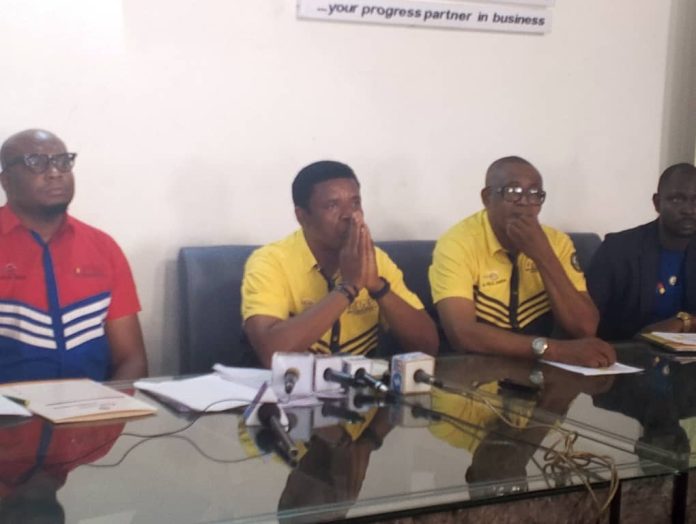
With the Anambra State governorship election scheduled for November 8, the Anambra State Signage and Advertisement Agency (ANSAA) has vowed to clamp down on political parties flouting the state’s ₦50 million outdoor campaign permit regulation.
The permit, which grants rights to mount billboards, posters, brand vehicles, and display banners for campaign purposes, is mandatory for all political parties engaging in physical publicity within the state. However, only five out of the 16 political parties participating in the upcoming election have met the requirement, according to ANSAA’s Managing Director and Chief Executive Officer, Tony Ujubuonu.
Speaking at a press briefing held Tuesday in Awka, Ujubuonu disclosed that the Young Progressives Party (YPP), African Democratic Congress (ADC), Action Alliance (AA), Labour Party (LP), and the All-Progressives Grand Alliance (APGA)—the latter being the most recent on July 2—have fully complied with the regulation.
He, however, condemned the conduct of some defaulting parties, singling out one unnamed major party for engaging in widespread unauthorised campaign activities despite repeated warnings and notices.
“Some political parties have continued to flout the law with impunity,” Ujubuonu stated. “They have erected posters, branded vehicles, hoisted banners, and even installed unapproved billboards—all without due approval from either ANSAA or the Advertising Regulatory Council of Nigeria (ARCON).”
He cited a recent incident in Nri, Aniocha Local Government Area, where ANSAA enforcement officers were allegedly assaulted by supporters of the unnamed political party while attempting to carry out their duties. According to him, the agency had served the party two separate demand notices within two months, each offering a two-week compliance window, followed by a legal reminder granting an extra week.
“Instead of complying, they submitted a backdated letter on August 1 claiming there was a dispute over the fee—long after the grace period had expired. We consider this a clear delay tactic,” he said.
Ujubuonu confirmed that the matter had been reported to the police and affirmed that ANSAA would continue to carry out its mandate using all lawful means. “The agency will no longer tolerate disregard for the rule of law,” he said. “We are committed to ensuring a level playing field where only law-abiding parties are recognised as credible contenders.”
Also speaking at the briefing, ANSAA’s Assistant General Manager, Chika Ngobiri, recounted how his enforcement team narrowly escaped an attack by political party loyalists during the Nri incident.
In light of ongoing violations, ANSAA has reiterated its readiness to begin enforcement operations across the state. Ujubuonu appealed to the media and the public to serve as witnesses to the agency’s efforts to exhaust civil and administrative procedures before taking firmer action.
He also acknowledged that some parties have opted to use alternative platforms such as radio, television, and social media for their campaign outreach—methods which, according to him, remain permissible as long as they comply with the law.
As the campaign season heats up, ANSAA’s firm stance sets the stage for a tense political atmosphere, with the agency poised to act against parties that choose to ignore the statutory requirements guiding political advertising in Anambra State.
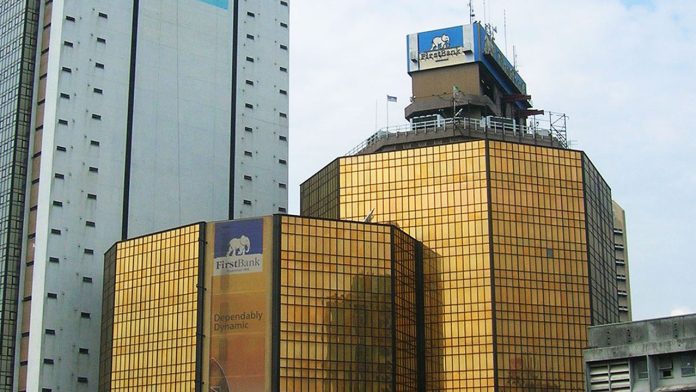
First HoldCo Plc has disclosed plans to offload a 25 per cent equity stake recently transferred to RC Investment Management Ltd., marking a new chapter in its ownership structure following the exit of major shareholder and former FirstBank chairman, Oba Otudeko.
The announcement was made by the Managing Director of First HoldCo, Wale Oyedeji, during a recent investor conference call in Lagos. “We will be disposing of those shares, and there are a range of options available to us,” Oyedeji said, adding that the shares would eventually be sold on the open market, although no timeline was provided.
The stake, previously held by Barbican Capital Ltd., was transferred in July through an off-market transaction to RC Investment Management Ltd. The block deal, which involved 10.43 billion ordinary shares—equivalent to 25 per cent of First HoldCo’s total outstanding shares—was executed across 17 negotiated trades at an average price of N31 per share, amounting to N323.33 billion.
According to Bloomberg, Oyedeji described RC Investment as a temporary vehicle, emphasising that the share divestment had no bearing on the company’s ongoing capital raise. “Our capital raise is progressing as planned,” he stated.
The Nigerian Securities and Exchange Commission (SEC) had previously raised concerns over the transparency surrounding the beneficial ownership of RC Investment Management. The ongoing divestment is expected to address lingering questions about First HoldCo’s ownership structure, a matter that has drawn scrutiny from both investors and regulators amid broader calls for enhanced corporate governance.
In line with the Central Bank of Nigeria’s revised minimum capital requirements for banks, First HoldCo is intensifying efforts to bolster its capital base. The firm plans to raise N350 billion in fresh equity through private placements in the current quarter, building on the momentum of a successful N147 billion rights issue earlier this year.
At its most recent Annual General Meeting, shareholders of FBN Holdings—now rebranded as First HoldCo—approved the N350 billion capital raise and endorsed the company’s name change. The resolutions have since been filed with the Nigerian Exchange Limited. Additionally, a dividend of 40 kobo per 50 kobo share, totalling N14.36 billion, was declared for the 2023 financial year.
Otudeko’s exit from the group followed the July block transaction, which also involved entities linked to another former chairman, Tunde Hassan-Odukale. The transaction sent ripples through the Nigerian Exchange, with data from CardinalStone Securities indicating that the deal boosted daily market volume by 807.03 per cent to 11.67 billion units, while total value traded jumped by 1,028.44 per cent to N363.41 billion. First HoldCo’s stock price surged to a 52-week high of N36.45 in the wake of the transaction.
With the divestment process underway and a capital raise in motion, First HoldCo appears poised for a significant reshaping of its investor base and a renewed focus on meeting regulatory benchmarks and long-term growth targets.
L-R: Mr Chiek Toure - Country Representative UNODC Nigeria, Mr Chika Nwosu- CEO Palmpay, Sharon DimancheI - Cheif of Mission International Organization for Migration (IOM), Dr Vincent Olatunji - National Commissioner NDPC, Ms Hadiza Bala Usman - Special Adviser to the President on Policy and Cordination, Ayodele Olawande - Hon. Minister of Youth Development, Hon Stanley Adedeji Olajide - Chairman House Committee on Information and technology.
PalmPay has reinforced its commitment to data protection and youth empowerment with a ground-breaking partnership with the Federal Ministry of Youth Development to launch the Youth Data Protection Awareness and Training (YDPAT) Program, which is targeted at equipping over 1,000,000 Nigerian youths digitally over 3 years.
The training program, commissioned last week at the Shehu Musa Yar’ Adua Centre in Abuja, will focus on providing youths with the right knowledge and skills required to navigate the digital landscape safely. With over 70% of the Nigerian population consisting of youths, this is an important move to foster trust, security and youth-focused innovation.
Speaking at the launch, the Honourable Minister of Youth Development, Comrade Ayodele Olawande, commended PalmPay’s partnership in the actualisation of the program and described YDPAT as a bold step toward building a digitally literate and security-conscious generation.
In his words, “This is about building a privacy-first generation, one that is inclusive, future-facing, and globally competitive.” He also emphasised the low awareness of the Nigerian Data Protection Act (NDPA), 2023 and the critical shortage of certified Data Protection Officers (DPOs), despite over 500,000 data controllers operating in the country.
This position was equally supported by PalmPay’s Managing Director, Mr Chika Nwosu, who stated how data protection is as important as innovation in tech. He noted that PalmPay integrates privacy into every stage of its product development, ensuring that user information is safe.
Beyond ensuring data protection, PalmPay is committed to empowering young Nigerians with real opportunities for growth, with mentorship and internship placements for top-performing participants. It has led several youth-oriented initiatives, including the Purple Woman campaign, and Passing the Baton CSR for thousands of youths and women in urban and rural communities.
With a drive to achieve nationwide digital literacy, PalmPay is championing campaigns in Northern Nigeria, with more activations planned across various states.
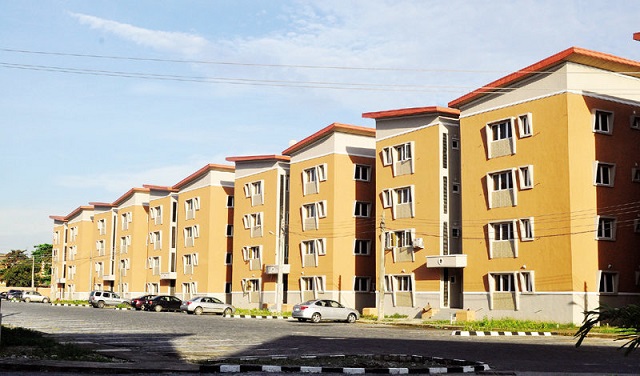
The Lagos State Government has declared 176 estates across Eti-Osa, Ajah, Ibeju-Lekki, and Epe illegal for failing to obtain the mandatory planning approvals from the Ministry of Physical Planning and Urban Development.
The affected estates have been given a 21-day ultimatum to regularize their layout approvals or face strict sanctions, including site closures and possible prosecution.
According to the Ministry, the unauthorized developments violate key planning regulations and threaten the implementation of the state’s sustainable development goals and the T.H.E.M.E.S+ Agenda.
Notable estates on the list include Adron Homes in Elerangbe, Aina Gold Estate in Okun-Folu, Diamond Estate in Eputu, Prime Water View Garden in Ikate Elegushi, Royal View Estate in Ikota, Oakwood Park Estate in Lakowe, and Livingstone Estate in Digboloye, Orofu, and Tagbati.
The government emphasized its zero-tolerance stance on unapproved developments and reminded developers to register with the Lagos State Real Estate Regulatory Authority (LASRERA).
Estate owners are advised to submit all relevant documents to the Ministry’s office in Alausa, Ikeja, within the 21-day window to process their approvals and avoid sanctions. The move is part of broader efforts to enforce urban planning standards and ensure orderly development across Lagos.
The Nigeria Centre for Disease Control and Prevention (NCDC) has confirmed 822 cases of Lassa fever and 155 related deaths across the country between January 1 and July 20, 2025. According to the agency’s latest situation report released on Tuesday, the current Case Fatality Rate (CFR) stands at 18.9%, up from 17.1% recorded during the same period in 2024.
As of epidemiological Week 29, Nigeria had logged 6,640 suspected cases across 21 states and 105 Local Government Areas. The five states with the highest burden—Ondo, Bauchi, Edo, Taraba, and Ebonyi—account for 89% of all confirmed cases. Ondo alone contributed 32%, followed by Bauchi (23%), Edo (17%), Taraba (14%), and Ebonyi (3%).
The disease continues to affect mostly young adults, with the predominant age group being 21–30 years. The median age of confirmed cases is 30, and the male-to-female ratio is 1:0.8.
The number of new confirmed cases reported in Week 29 remained the same as in the previous week, with fresh infections recorded in Ondo and Edo states. Encouragingly, no new infections among healthcare workers were reported during the latest surveillance week.
The NCDC added that the total number of suspected and confirmed cases has declined compared to the same period in 2024.
Lassa fever, an acute viral hemorrhagic illness, is endemic in Nigeria and several other West African countries. The World Health Organization explains that it is primarily transmitted to humans through contact with food or household items contaminated with rodent urine or faeces, although human-to-human transmission is also possible, especially in healthcare settings with poor infection control measures.
The National Lassa Fever Technical Working Group, comprising multiple partners and sectors, continues to coordinate response activities at federal and state levels.
U.S. President Donald Trump has announced plans to significantly raise tariffs on imported pharmaceuticals, warning that levies could climb to as high as 250% in a bid to encourage domestic drug manufacturing.
In an interview with CNBC on Tuesday, Trump said the tariffs would start at a modest level but would escalate over time. “We’ll be putting (an) initially small tariff on pharmaceuticals, but in one year, one-and-a-half years, maximum, it’s going to go to 150 percent,” he stated. “And then it’s going to go to 250 percent because we want pharmaceuticals made in our country.”
Trump also revealed intentions to introduce new tariffs on foreign-made semiconductors as part of a broader push to strengthen U.S. supply chains in strategic industries.
Additionally, he indicated that tariffs on Indian imports could be raised “very substantially” within 24 hours, citing India’s continued purchases of Russian oil as a driving factor.
The remarks come as part of Trump’s evolving trade strategy, which has seen targeted, sector-specific tariffs following national security investigations. His administration previously imposed steep duties—50% on imported steel and aluminum, and lower rates on autos and auto parts.
The proposed tariffs on pharmaceuticals and semiconductors follow separate government probes into the potential risks posed by dependency on foreign suppliers in those industries.
Yields on Nigerian government bonds edged higher at the start of the week as investor appetite for fixed-income securities weakened, signalling a shift in sentiment amid concerns over declining returns and an increasingly attractive equities market.
The average yield in the secondary bond market rose by 7 basis points to 16.46% on Monday, reflecting broad-based selloffs. According to traders and analysts at MarketForces Research, bearish momentum was driven by investor repositioning away from the debt market amid expectations of continued yield compression and a booming equities environment.
The selloff followed last week’s Debt Management Office (DMO) bond auction, where ₦80 billion was initially offered but ultimately ₦185.93 billion was allotted, thanks to robust subscription levels. Despite strong demand, marginal rates at the auction cleared lower at 15.69% for the 5-year (FGN APR 2029) and 15.90% for the 7-year (FGN JUN 2032), below their respective coupon rates of 19.30% and 17.95%.
This downward repricing has contributed to concerns among both local and foreign investors about the attractiveness of returns, with some analysts warning of potential capital flight—particularly from foreign investors who had earlier converted U.S. dollars to naira to participate in the local debt market.
At the secondary market, pressure was concentrated on the short and mid segments of the yield curve. The APR 2029 and APR 2032 bonds saw significant yield expansions of 34 bps and 42 bps, respectively, with yields climbing to 16.87% and 16.90%. The FGN 2034 paper also recorded an increase to 16.74%, although a separate tranche of the same bond bucked the trend, with its yield falling by 65 bps to 15.60%.
Despite reduced auction sizes compared to previous offerings, total subscriptions reached ₦300.67 billion, though this was significantly lower than the ₦602.86 billion recorded at the prior auction. The latest bid-to-offer ratio stood at 3.76x, while the bid-to-cover ratio came in at 1.62x, underscoring still-resilient demand.
Analysts believe the lower marginal rates may reflect deliberate rate management by the DMO, which appears to be positioning for a continued downward trend in yields to support cheaper government borrowing in the near term.
Nonetheless, with strong liquidity in the financial system and signs of disinflation, investors are becoming more selective. The narrowing yield environment is prompting asset managers to shift focus toward the equities market, where returns have outperformed in recent months.
As this reallocation gathers pace, bond yields may remain under upward pressure, especially if foreign capital begins to exit in search of better risk-adjusted returns elsewhere.
The United Kingdom has officially opened applications for its prestigious Chevening Scholarships, inviting prospective scholars to apply between August 5 and October 7, 2025. The fully funded scholarship programme offers one-year master’s degrees at leading UK universities to individuals who demonstrate strong leadership potential and a commitment to driving positive change both locally and globally.
In a statement released by the British High Commission in Abuja, Emma Hennessey, Head of the Scholarships Unit at the UK Foreign, Commonwealth and Development Office (FCDO), described Chevening as a globally competitive programme that selects only the most outstanding candidates.
“Chevening’s rigorous selection process ensures that those chosen to become Chevening Scholars or Fellows represent the brightest and most driven individuals from across the world,” Hennessey stated. “Scholars return home equipped with world-class education, global networks, and the confidence to make a meaningful impact — whether in their communities or on the global stage.”
Hennessey encouraged qualified individuals to apply and advised those not yet ready to invest in gaining the experience and leadership skills that will make them competitive in future cycles.
Also speaking, British High Commissioner to Nigeria, Dr. Richard Montgomery, urged Nigerian applicants with the passion and potential to become changemakers to seize the opportunity.
“Chevening is more than a scholarship; it’s a gateway to a global network of leaders, innovators, and changemakers,” Montgomery said. “Whether your interests lie in shaping public policy, launching a business, or addressing global challenges, this scholarship offers a unique platform to develop the knowledge and skills needed to lead change in Nigeria and beyond.”
He highlighted the diversity and achievements of Chevening alumni, who are contributing across sectors and making significant impact in their respective fields.
“If you have the ambition to lead transformative change in your community or country, I strongly encourage you to apply before the October 7 deadline,” he added.
Applications must be submitted online at chevening.org/apply. Interested candidates are also encouraged to consult the detailed application guidance available at chevening.org/guidance to assess their readiness for the competitive process.
Since its inception in 1983, the Chevening programme has supported over 60,000 professionals from more than 160 countries and territories. The scholarship is funded by the UK Foreign, Commonwealth and Development Office (FCDO) and a range of partner organisations.
Born in Manchester to Nigerian parents, Adarabioyo has been a prominent figure in England’s youth system, having represented the country at Under-16, Under-17, Under-18, and Under-19 levels.
Despite his involvement at youth level, the 26-year-old has never been capped by the England senior team, leaving the door open for a switch to the Super Eagles.
Nigeria Pushes for Commitment
While still at Fulham, Adarabioyo was reportedly on the Nigeria Football Federation’s (NFF) long list. However, at the time, he was not open to receiving a formal call-up, as it was widely believed that his preference was to represent England.
Though the centre-back has previously denied rejecting any offers from Nigeria, he has acknowledged that he is now nearing a final decision on his international future. Sources close to the NFF told SportsBoom that the federation believes it has secured his commitment, barring a last-minute change of heart.
September Cap May Come Too Soon
Nigeria are reportedly eager to cap the Chelsea defender as soon as possible. However, the upcoming September international window may be too soon, as the necessary documentation is still being processed. Adarabioyo joined Chelsea last summer and played a role in their FIFA Club World Cup triumph in the United States.
Visit to Nigeria Influenced Decision
In July, Adarabioyo made his first-ever visit to Nigeria, where he met with senior government officials and NFF representatives. The trip, sources suggest, may have played a crucial role in his decision to represent the West African nation.
Speaking during his visit, Adarabioyo said: “It’s something I still think about (playing for Nigeria). We’ll see in the near future, hopefully, and I’ll start to make a decision. It’s just something that has obviously been a topic for many years now since I’ve become a professional footballer. But again, like I said, we’ll see.”
He also organised a grassroots football tournament during the trip, a gesture aimed at giving back to the community and deepening his connection to his roots.
Should he complete the switch, Adarabioyo will join a growing list of players who represented England at youth level before choosing Nigeria at senior level, including Alex Iwobi, Ademola Lookman, and Ola Aina. His potential inclusion would further strengthen Nigeria’s defensive options as the Super Eagles gear up for upcoming international fixtures.
The Infinix Hot 50 Pro Plus is turning heads in Nigeria’s competitive smartphone scene—not just for its elegant design but for the balance it strikes between form and function. With a market price hovering around ₦250,000, this latest release by Infinix is drawing attention for all the right reasons.
Is it all hype, or does this phone truly deliver on performance, design, and value? Here’s a comprehensive breakdown of everything you need to know about the Hot 50 Pro Plus before making a purchase decision.
A Design That Makes a Statement
One of the first things users notice is the 6.78-inch curved AMOLED display wrapped in an ultra-slim 6.8 mm body, weighing just 162 grams. The phone feels and looks premium despite its mid-range price. Added to this are JBL-tuned dual stereo speakers and an under-display fingerprint scanner, enhancing both style and functionality.
Display: Immersive and Bright
The 120Hz AMOLED panel offers a crisp Full HD+ resolution with excellent color reproduction and contrast. The nearly edge-to-edge design ensures an immersive viewing experience whether you’re watching movies, working on presentations, or casually browsing. Brightness levels hold up well in direct sunlight, making outdoor use effortless.
Build Quality and Protection
Though the body incorporates a plastic frame, the Hot 50 Pro Plus still offers a visually high-end feel, thanks to its curved glass front. While marketed with Gorilla Glass protection, users report that the screen is susceptible to scratches—so investing in a screen protector is advisable.
Performance: Fast, Smooth, and Reliable
Powering this device is the MediaTek Helio G100 chipset coupled with 8GB RAM and up to 256GB storage. Daily tasks, from social media and multitasking to light gaming, are handled smoothly. Popular titles like PUBG Mobile and Call of Duty Mobile run effectively at medium to high settings. Heavier games like Genshin Impact require toned-down graphics but remain playable.
Camera Performance
The rear camera setup features a 50MP primary lens alongside a 2MP depth sensor, while the front selfie camera comes in at 13MP. In daylight, shots are sharp and well-detailed. Portrait mode delivers good background blur, while the front camera performs well even under moderate low-light conditions.
Battery Life & Charging Efficiency
With a 5,000mAh battery under the hood, the Hot 50 Pro Plus easily lasts a full day on mixed usage. Tests reveal approximately 10+ hours of screen-on time. An hour of Netflix or YouTube drains about 9% of the battery.
Fast-charging is another highlight. The 33W charger revives the battery from near-empty to functional in under 90 minutes—a strong feature in this price segment.
Software Experience and AI Features
The device runs on Android 14 layered with Infinix’s XOS 14.5 skin. It includes AI utilities like AI∞ Suite—offering background remover tools (AI CutOuts), wallpaper generators, and AI Summarize functions. While innovative, these features closely resemble what’s already found in similar Android mid-range phones.
Software support is limited to one major Android update, which may deter users looking for long-term OS reliability.
Pros and Cons at a Glance
Pros:
Sleek and slim build with curved AMOLED display
Strong battery life with fast charging
JBL-tuned stereo speakers
Reliable performance for most tasks
Cons:
Screen is prone to scratches despite Gorilla Glass claims
The Infinix Hot 50 Pro Plus packs premium aesthetics, dependable performance, and powerful features into a sub-₦300K device. For users seeking an affordable smartphone with high-end looks and solid day-to-day functionality, this model is an excellent contender.
While it’s not designed for tech enthusiasts looking for cutting-edge specs or flagship-tier photography, it is an excellent choice for business professionals, content creators, and casual users who value performance, style, and efficiency in one device.
It often starts with shared laughter, frequent texts, and maybe even regular sleepovers. You’re investing time, energy, and maybe even emotions—but when the topic of “what are we” comes up, they casually say, “Let’s not rush things.” Just like that, you’ve found yourself in what many now identify as a situationship—a connection deeper than casual flings, yet not quite a full-fledged relationship.
In Nigeria and around the world, more people—especially Gen Z—are experiencing this blurred line between friendship and partnership. You might cook meals for him, she might invite you to her family functions, and yet, neither of you can confidently say you’re in an official relationship.
So what happens when one person wants something more? Is it possible to shift a situationship into a committed relationship? The short answer is yes—but only if you’re willing to stop avoiding the truth and initiate honest conversations. Here’s how.
1. Reassess Your True Intentions
Before making any moves, it’s important to pause and examine your motivations. Do you truly want a relationship with this individual, or are you just looking for clarity to relieve anxiety? Sometimes, the fear of being alone can be misinterpreted as affection. Ask yourself if you genuinely appreciate the person beyond routine, comfort, or physical chemistry.
If the answer is yes, proceed with purpose.
2. Be Transparent About Your Emotions
This is perhaps the most difficult but most essential step. You can’t “vibe” your way into something lasting. If you’re seeking commitment, you need to verbalize it clearly—not via subtle tweets or cryptic comments.
Consider opening the conversation with: “I really enjoy what we have going on, but I’d like to understand if we’re aligned about where this is heading.” This keeps the tone calm but intentional. If their response includes ambiguity or avoidance—like “Let’s not label this”—you likely have your answer.
3. Don’t Get Trapped in the “Maybe” Zone
One of the most common mistakes in a situationship is lingering too long in the ambiguous “Let’s see where it goes” territory. The truth is, if someone wants to be with you, they will be. Nobody is too busy for commitment—they’re just not prioritizing one with you.
Give them a fair chance, but if after a reasonable time (weeks, not years), there’s still no clarity, it may be time to walk away.
4. Redefine Your Role in the Dynamic
Many people unknowingly sustain a situationship by acting like a partner without ever asking for the title. You’re always around, sacrificing your own time, perhaps even skipping dates with others, yet there’s no label.
To spark change, adjust your behavior. Start creating space. Let them notice what life feels like when you’re not always available. Start exploring other connections. Build a fulfilling life outside this dynamic. It’s not about playing games—it’s about living in alignment with your needs and worth.
5. Set a Personal Timeline
No ultimatums are necessary, but having a personal boundary is crucial. Decide how long you’re willing to remain in this undefined situation before it transitions—or ends. Whether it’s three weeks or three months, set a private deadline. If the bond doesn’t evolve within that time, consider it a cue to re-evaluate and possibly walk away.
Know When to Say Goodbye
It’s important to understand that not every situationship is meant to transform into a relationship. That doesn’t reflect on your worth or desirability—it shows you had the courage to seek clarity and respect for yourself.
You deserve someone who doesn’t hesitate to commit, who’s proud to call you theirs, and who meets you at the same emotional depth.
Nigeria’s money market continues to reflect diverging trends, as liquidity conditions influence key indicators across different instruments. Despite the current liquidity surplus, interbank rates remain largely unmoved at floor levels, suggesting that the central bank’s tools are influencing activity in nuanced ways.
According to data sourced from AIICO Capital Limited, excess reserves maintained by commercial banks above the Central Bank of Nigeria’s (CBN) stipulated minimum dropped to ₦1.21 trillion—marking a significant decline from the previous ₦1.606 trillion reported by MarketForces Africa.
Investment analysts pointed out that this reduction is largely attributed to ₦339.5 billion in deposits made by banks at the CBN’s standing deposit facility (SDF). Consequently, the total financial system liquidity saw a contraction of ₦397.6 billion compared to the prior session.
The CBN’s standing deposit window remained a focal point for banks, further emphasizing that interbank lending rates had already settled at lower thresholds. Despite the market being awash with funds, the repurchase (repo) rate remained steady at 26.5%, highlighting limited downward pressure.
The repo rate—used in financial transactions involving the sale and repurchase of assets—did not budge on Monday, maintaining its 26.5% level. However, the overnight lending rate edged up by 10 basis points, landing at 27.00%, reflecting mild activity in the interbank space.
Experts at Cowry Asset Management observed that the Nigerian Interbank Offered Rate (NIBOR) reacted to the prevailing liquidity state, with notable declines across its tenor buckets. Specifically, while the overnight rate remained unchanged at 26.88%, the 1-month, 3-month, and 6-month NIBOR dropped to 27.37%, 27.95%, and 28.51%, respectively.
Meanwhile, the Nigerian Treasury Bills (NITTY) curve presented a mixed pattern, with muted investor interest in the secondary market nudging average yields slightly higher by 1 basis point to 17.78%.
In the prior week, system liquidity closed in a surplus at ₦1.61 trillion, up from ₦1.35 trillion, bolstered by probable inflows from the Federation Account Allocation Committee (FAAC). This improved liquidity backdrop stimulated activity at the SDF, where average deposits rose significantly to ₦1.24 trillion from ₦421.47 billion the week before.
To absorb excess liquidity, the CBN conducted an Open Market Operations (OMO) auction, allotting securities worth ₦1.55 trillion. Nevertheless, despite aggressive liquidity absorption, the interbank rates held relatively steady: the Open Repo Rate dipped by 2 basis points to 26.90%, and the Overnight Rate remained anchored at 26.50%.
Dangote Cement Plc has achieved a new milestone as its stock price reached a 52-week high on the Nigerian Exchange (NGX), driven by impressive earnings and increased investor appetite.
At the start of the trading week, Dangote Cement’s stock surged by 9.22%, settling at ₦577 per share. This rally followed the release of the company’s stellar half-year earnings, which significantly lifted investor sentiment and boosted transaction volumes.
Trading data from the NGX showed that 2.904 million shares were exchanged, with a total market value of ₦1.583 billion. As a result, the company’s total market capitalization climbed to ₦9.736 trillion, based on its 16.873 billion outstanding shares—marking its highest valuation in over a year.
According to its half-year financial report for 2025, Dangote Cement recorded a remarkable earnings jump to ₦520.5 billion. This figure represents a 174.1% increase over the ₦189.9 billion the company reported during the same period last year.
Market analysts attributed this earnings surge to improved pricing strategies in the domestic market, controlled operational costs, and favorable foreign exchange gains. These factors helped offset challenges in its Pan-African operations, which have continued to face macroeconomic pressures.
Analysts at CardinalStone Securities, in their latest commentary, noted: “Cement prices are likely to remain elevated due to strong local demand and rising infrastructure investments. Domestic sales volume is poised to grow as both public and private sector projects gain momentum. Additionally, the company’s export activity is expected to strengthen.”
They added that cost management measures—including optimized procurement strategies and enhanced energy efficiency—are contributing to stronger margins. The cement giant has also made strides in logistics optimization through the phased deployment of 1,600 compressed natural gas (CNG)-powered trucks.
These trucks are expected to significantly reduce transportation costs over the next few quarters, further enhancing Dangote Cement’s bottom-line performance.
Looking ahead, industry watchers anticipate continued positive momentum, underpinned by Nigeria’s construction drive, infrastructure projects, and sustained corporate investment in building materials. The company’s ongoing expansion efforts are also seen as a catalyst for further revenue growth and market dominance.
Nigeria’s crude oil production climbed to a new high of 1.78 million barrels per day (mbpd) in July — the strongest performance so far in 2025 — offering the Federal Government a fiscal reprieve following a $5.3 billion revenue shortfall in the first half of the year due to persistent underproduction.
The encouraging output, which represents a nearly 5 per cent increase from June’s 1.7 mbpd, was disclosed by the Nigerian Upstream Petroleum Regulatory Commission (NUPRC) during the opening of the 2025 Society of Petroleum Engineers (SPE) Nigeria Annual International Conference and Exhibition (NAICE) in Lagos.
Speaking at the event, NUPRC’s Commission Chief Executive, Gbenga Komolafe — represented by the Executive Commissioner for Development and Production, Enorense Amadasu — described the rebound as a “significant milestone” in President Bola Ahmed Tinubu’s Renewed Oil Production Mandate.
“We crossed the 1.8 million barrels per day mark at peak production last month, with average output steady at 1.78 mbpd. This reflects collaborative efforts across industry stakeholders and the strategic implementation of our production enhancement framework,” Komolafe said.
Production Recovery Eases Fiscal Pressure
While Nigeria targets a 2025 oil production benchmark of 2.06 mbpd at a crude oil price of $75 per barrel, actual performance has consistently fallen short. This underperformance has widened a cumulative production gap of over 70 million barrels in the first half of the year, resulting in an estimated $5.3 billion (₦7.95 trillion) revenue loss.
Month-by-month analysis shows that:
January: 1.74 mbpd (shortfall of 9.92 million barrels)
February: 1.67 mbpd (deficit of 11.3 million barrels)
March: 1.6 mbpd (loss of 14.3 million barrels)
April: 1.68 mbpd (gap of 11.4 million barrels)
May: 1.66 mbpd (12.4 million barrels lost)
June: 1.7 mbpd (shortfall of 10.8 million barrels)
Industry experts attribute the setbacks to crude theft, pipeline vandalism, aging infrastructure, and delays in upstream investments.
However, Komolafe credited the July turnaround to initiatives such as the Project 1 MMBOPD Incremental Production Drive, which seeks to add one million barrels to national output through field optimisation, turnaround synchronisation, and improved maintenance regimes.
Driving Regulatory Reform and Technological Efficiency
Since the passage of the Petroleum Industry Act (PIA) in 2021, NUPRC has rolled out 21 regulatory frameworks aimed at improving transparency, environmental compliance, and community participation.
Komolafe emphasised that digitalisation has become central to the Commission’s regulatory workflow, enabling faster approvals, improved data integrity, and streamlined field operations.
He reiterated the Commission’s commitment to the seven-pillar upstream decarbonisation strategy, aimed at aligning Nigeria’s hydrocarbon production with global energy transition imperatives.
NNPCL CEO: Nigeria Must Present a “Bankable” Energy Vision
In a keynote address, Group Chief Executive Officer of NNPC Limited, Bayo Ojulari, urged stakeholders to reposition Nigeria’s oil and gas industry as globally competitive and investment-friendly.
“Nigeria must make its energy story bankable, sustainable, and globally relevant. The future of energy is shaped by innovation, transparency, and collaboration,” Ojulari said.
Pushing back on the narrative that fossil fuels are obsolete, he argued that oil and gas remain foundational to Africa’s inclusive energy future, especially when integrated with technologies like carbon capture, hydrogen, and smart grid systems.
Ojulari identified Compressed Natural Gas (CNG) as a near-term bridge for displacing biomass, improving domestic energy use, and powering local industries. However, he warned that institutional reforms, contract sanctity, and investment predictability are non-negotiable if Nigeria hopes to unlock its estimated $1 trillion energy opportunity.
Government’s Gas Ambition: From Resource to Prosperity
Also speaking at the conference, Minister of State for Petroleum Resources (Gas), Ekperikpe Ekpo, said the Tinubu administration has put natural gas at the heart of Nigeria’s energy policy, branding it the cornerstone of economic development, energy security, and clean transition.
Disbursement of funds through the Midstream and Downstream Gas Infrastructure Fund (MDGIF)
He reaffirmed the government’s commitment to transition five million households to clean cooking by 2030.
Vision 2030: $1 Trillion Energy Economy Within Reach
For Farouk Ahmed, CEO of the Nigerian Midstream and Downstream Petroleum Regulatory Authority (NMDPRA), the road to Nigeria’s energy transformation lies in the intersection of technology, policy clarity, and coordinated supply chain systems.
Ahmed said achieving energy access that is both economically empowering and environmentally sustainable would require innovations in AI, biofuels, smart grids, and energy storage, while also enhancing sector-wide governance and workforce capacity.
“Technology is not just a challenge; it’s an opportunity. To meet Nigeria’s energy ambitions, we must embrace it, invest in it, and ensure our policies and talent keep pace,” he said.
The Nigerian Correctional Service (NCoS) has revealed that 53,473 inmates are currently awaiting trial in custodial centres across the country, while 3,833 others are on death row.
This was disclosed in a document presented during the National Joint Security Press Briefing held at the National Orientation Agency (NOA) headquarters in Abuja on Monday.
According to the NCoS, as of July 24, 2025, the total inmate population across Nigeria stood at 81,558, comprising 79,615 males and 1,943 females. Of this figure, 24,252 are convicted inmates, while the majority remain in pre-trial detention.
The Service further disclosed that during the review period, 3,026 new admissions were recorded, alongside 3,347 discharges. It also supervises 476 non-custodial offenders under various legal arrangements.
In a bid to strengthen security and improve identity management within custodial centres, the NCoS said over 60,000 inmates have been enrolled in the National Identity Management Commission (NIMC) database.
The agency also highlighted ongoing reforms to expand the scope of non-custodial sentencing options.
“In line with the expansion of non-custodial measures, the Service now supervises more than 6,000 offenders under community service, probation, restorative justice, and related regimes,” the report stated.
The NCoS noted that its strategic collaboration with State Chief Judges has continued to enhance justice delivery, especially through jail delivery exercises aimed at decongesting prisons.
In addition, the Service has actively participated in prerogative of mercy committees across various states, providing technical guidance on clemency and pardon processes.