Global crude oil prices fell on Tuesday following U.S. President Donald Trump’s warning of severe sanctions on Russia if it fails to negotiate with Ukraine, sparking concerns about economic disruptions and reduced energy demand. Brent crude traded at $67.73 per barrel, a 0.7% decline from $68.20, while West Texas Intermediate (WTI) dropped 0.7% to $64.13 from $64.61.
Trump’s threats to curb Russian oil exports have intensified downward pressure on prices. He emphasized that Russia and Ukraine must engage in direct talks, stating, “It’s up to them to resolve it. It takes two to tango.” Meanwhile, the U.S. is preparing to impose steep tariffs on India for its Russian oil purchases, escalating from a 25% to a 50% duty effective August 27. Indian exporters are bracing for disruptions as talks with Washington continue, with analysts warning that these measures could slow economic growth and dampen energy demand.
The dismissal of Federal Reserve Board Member Lisa Cook by Trump, citing alleged false statements in mortgage documents, has raised concerns about the Fed’s independence, partially offsetting further oil price declines. Analysts view this as a rare intervention in central bank affairs, potentially eroding investor confidence.
In Russia, a gasoline export ban has been extended due to rising domestic prices driven by summer demand and agricultural needs. The Russian Ministry of Energy, led by Deputy Prime Minister Alexander Novak, announced investigations into regional price inflation. The ban, initially implemented on July 28 and set to expire on August 31, aims to stabilize domestic fuel prices amid challenges from drone attacks on refineries and heightened agricultural demand. Russia, a major global energy exporter, produces over 40 million tons of gasoline annually.
The Central Bank of Nigeria (CBN) has intensified efforts to draw foreign capital by offering elevated yields on Open Market Operation (OMO) bills, spurring increased participation from foreign portfolio investors and domestic banks. The higher rates have fueled a surge in “hot money” inflows, stabilizing the naira and enhancing US dollar liquidity in Nigeria’s foreign exchange market.
In its latest OMO auction, the CBN rolled out attractive rates on short-term securities to sustain foreign investment. Notably, the bank offered a 25.99% per annum rate on 124-day OMO bills, surpassing investor expectations and signaling a strategy to retain offshore funds for longer periods, according to a report by Coronation Merchant Bank.
The auction saw the CBN offer N600 billion across 89-day and 124-day bills. Demand heavily favored the 124-day bills, with subscriptions reaching N1.01 trillion against the N300 billion offered, resulting in a bid-to-offer ratio of 3.38x. The CBN allocated N894.94 billion at a stop rate of 25.99%, significantly exceeding the initial offer. Conversely, the 89-day bills saw minimal interest, with only N2.25 billion subscribed against N300 billion offered, and allotments matched at a 25.50% rate.
Analysts at Coronation Merchant Bank noted that the strong preference for 124-day bills reflects investors’ appetite for higher-yielding, medium-term securities amid tightening liquidity conditions. In the secondary market, activity in the OMO segment remained subdued, with marginal interest in bills maturing on December 16, February 17, and April 7/14. The average yield in the OMO market dipped slightly by 5 basis points to 24.5%.
Dementia isn’t just one thing—it’s a cluster of conditions that slowly erode memory, thinking, and the ability to handle everyday tasks. You’ve probably heard of Alzheimer’s, but there’s also vascular dementia, Lewy body dementia, and frontotemporal dementia, each with its own quirks.
So, what should you look out for? Let’s walk through ten early signs that might seem small but could signal something bigger. These aren’t just for doctors in white coats; they’re for anyone who’s ever worried about a loved one acting “off.”
1. Memory Lapses That Mess With Daily Life
Forgetting where you parked your car? Normal. Forgetting your sister’s birthday for the first time in years, over and over? That’s different. Early dementia often shows up as repetitive memory gaps—asking the same question five times in an hour or blanking on events that used to be second nature. For healthcare workers, you might notice patients relying heavily on scribbled notes or phone reminders just to get through the day. It’s not just forgetfulness; it’s disruption.
Driving to the market, typing a text, or using the microwave—these are things we do on autopilot. But dementia can make them feel like rocket science. A nurse might notice a patient struggling to use a familiar medical app, or a family member might see their dad fumble with the TV remote he’s used for years. It’s not just distraction; it’s a deeper disconnect.
4. Getting Lost in Time or Place
Ever walk into a room and forget why you’re there? Annoying, but normal. Now imagine not knowing whether it’s morning or night, or standing in your own street, confused about how you got there. This confusion with time or place is a classic early sign. In clinics, patients might repeatedly ask, “What day is today?” or mix up the year entirely. It’s like the brain’s internal GPS starts glitching.
5. Vision and Spatial Hiccups
Dementia doesn’t always scream “memory loss.” Sometimes it’s about seeing the world differently. Reading becomes a chore, judging distances feels impossible, or pouring tea into a cup turns messy. For some, colors or contrasts get jumbled, which can make driving a nightmare. Healthcare workers might notice this when patients struggle to navigate hospital corridors they’ve walked through before.
6. Words That Slip Away
Ever had a word on the tip of your tongue? Frustrating, right? Now picture that happening all the time. Early dementia can make people pause mid-sentence, hunting for words, or swap in odd substitutes—like calling a spoon a “food stick.” Some folks even shy away from conversations because finding the right words feels too hard. For medical staff, this might show up as patients struggling to describe symptoms clearly.
7. Misplacing Things in Weird Places
Keys in the fridge. Phone in the laundry basket. We all lose stuff, but dementia takes it to another level. The real clue? They can’t retrace their steps to find the item. Worse, they might insist someone stole it because their brain can’t piece together the puzzle. Families often notice this before anyone else—those odd moments that make you stop and think, “That’s not normal.”
8. Judgment That’s Off the Rails
Good judgment is like an invisible guide—it keeps us safe and sensible. But dementia can throw it out the window. Someone might start giving money to strangers on the phone or stop bathing regularly, even if they were always particular about their appearance. For healthcare workers, this might look like a patient making risky choices, like ignoring medication schedules. It’s subtle but dangerous.
9. Checking Out of Social Life
You know that auntie who never missed a church service or market gossip? If she suddenly stops showing up, it might not be shyness. Dementia can make social settings overwhelming, so people pull back. They might skip family gatherings, ditch hobbies, or even lose interest in Super Eagles matches they used to love. The brain’s struggling to keep up, and it shows in their absence.
10. Personality Shifts That Don’t Add Up
Dementia doesn’t just steal memories; it can reshape who someone is. A cheerful grandma might turn irritable. A trusting neighbor might start accusing people of plotting against them. Anxiety or sadness can creep in, seemingly out of nowhere. These changes are easy to dismiss as “just aging,” but they’re often the brain’s early cries for help.
Why This Matters More Than You Think
Spotting these signs isn’t about playing doctor—it’s about paying attention. Sure, stress or tiredness can mimic some of these, but when they pile up or stick around, it’s time to act. For medical professionals, early detection means better care plans and access to treatments that can slow things down. For families, it’s about preparing for what’s ahead—emotionally, practically, even financially.
Here’s the human side: dementia doesn’t just affect the person diagnosed. It ripples through families. Imagine the ache of watching your mum forget your name or a teacher lose the spark that made their classroom magic. That’s why community awareness, like those health talks at local churches or markets, is just as vital as a neurologist’s expertise.
A Call to Stay Vigilant
Dementia’s a thief, but it doesn’t have to steal hope. These early signs—memory slips, confusion, or mood shifts—are like whispers warning you something’s wrong. Don’t brush them off. Talk to a doctor. Ask questions. Yes, it’s scary to think about, but catching dementia early can give someone more time to live fully, to laugh, to share stories.
So, if something feels off with a loved one, don’t wait. Notice the patterns. Have that tough conversation. Because when it comes to dementia, time is one of the few things we can still hold onto.
When we think about health challenges in Nigeria, our minds often go straight to malaria, hypertension, or diabetes. But there are two silent conditions that don’t make as much noise in the public space—Parkinson’s disease and dementia. They may not be as common in headlines, yet they’re creeping into households, leaving families confused, burdened, and often unprepared.
So, let’s talk about them honestly. What are they? How do they show up in everyday life? What can we do to catch them early, and where can help be found here in Nigeria?
What Exactly Is Parkinson’s Disease?
Parkinson’s disease (PD) is a brain disorder that mostly affects movement. It happens when nerve cells in a part of the brain called the substantia nigra start to die off. These cells produce dopamine—a chemical that helps control smooth movement. With less dopamine, movement becomes shaky, slow, and stiff.
But here’s the thing: Parkinson’s isn’t only about shaky hands. It’s far broader, and that’s why so many people misunderstand it. Symptoms can range from small facial changes (like reduced expressions) to soft speech, sleep problems, and even mood swings.
And Dementia?
Dementia, on the other hand, is more of an umbrella term. It describes a range of conditions that affect memory, thinking, and reasoning. Alzheimer’s disease is the most common type, but Parkinson’s itself can also lead to what’s called Parkinson’s dementia.
Imagine this: someone forgets where they placed their keys. That’s normal. But when someone forgets how to use the keys, or repeatedly gets lost on familiar streets in Lagos or Ibadan, that’s more than forgetfulness—it’s a red flag.
Spotting the Early Signs: What Families Should Look Out For
Now, here’s where things get tricky. Both Parkinson’s and dementia creep in slowly, sometimes over years. Families often chalk up the changes to “old age” or “stress.” But early detection makes all the difference.
Frequent memory lapses, beyond normal forgetfulness
Struggling to find words during conversations
Difficulty planning or solving simple problems
Getting disoriented, even at home
Personality changes, like sudden suspicion or withdrawal
And here’s something Nigerians rarely consider: if your parent or uncle who was once outspoken suddenly becomes unusually quiet, uninterested in social events, or constantly misplaces money, it might not just be “old age wahala.”
What Causes Them?
Science hasn’t given us a neat, single answer. For Parkinson’s, genetics and environmental triggers (like long-term exposure to pesticides or toxins) seem to play roles. Some Nigerian neurologists have pointed out rising cases in farming communities, though data is still scarce.
For dementia, risk factors include age, family history, cardiovascular problems, smoking, and even poor diet. And let’s be honest—how many Nigerians keep up with yearly check-ups or balanced diets when jollof, suya, and oily soups are calling our names?
Why Early Action Matters
Here’s the hard truth: neither Parkinson’s nor dementia has a cure right now. But treatment can slow progression and improve quality of life. That’s why spotting signs early is like catching a thief at the gate before he enters the house.
Delaying care means patients struggle more, and families shoulder heavier emotional and financial loads. Early action could mean years of independence for your loved one.
What Can Be Done?
1. See the Right Specialist
In Nigeria, the first point of contact should be a neurologist—doctors who specialize in brain and nerve disorders. They’re mostly found in teaching hospitals like LUTH (Lagos University Teaching Hospital), UCH (University College Hospital, Ibadan), or ABUTH (Ahmadu Bello University Teaching Hospital, Zaria). Unfortunately, access outside big cities can be tough, but referrals can help.
Medication: Drugs like Levodopa are commonly prescribed for Parkinson’s, helping replenish dopamine. For dementia, medications like donepezil may ease symptoms.
Therapy: Physiotherapy keeps muscles active. Speech therapy helps with communication. Occupational therapy teaches new ways to handle daily tasks.
Lifestyle Adjustments: Regular exercise (even brisk walking around the compound), a diet rich in fruits, vegetables, and fish, and mental activities like chess or storytelling can help keep the brain active.
Honestly, this is where Nigerian families shine and struggle at the same time. We’re communal, which means there’s always someone around to care—but the stigma of “madness” or “witchcraft” sometimes pushes patients into isolation. Talking openly, seeking medical guidance, and avoiding blame is crucial.
Living With It: Realities Nigerians Face
Let’s not sugarcoat things—managing these conditions in Nigeria is expensive. A month’s supply of Parkinson’s medication can cost between ₦60,000 and ₦200,000, depending on the brand. Add consultations, tests, and therapy sessions, and it’s easy to see why some families quietly give up.
But here’s a practical note: some state hospitals offer subsidized care, and NGOs occasionally run support programs. Organizations like the Nigerian Parkinson’s Foundation are trying to raise awareness and support families.
Can We Prevent It?
Prevention isn’t foolproof, but healthy habits matter. Keeping blood pressure and blood sugar under control lowers dementia risk. Staying physically active reduces Parkinson’s complications. And don’t underestimate brain exercises—reading newspapers, learning a new language, or even playing ayo (traditional game) stimulates mental sharpness.
Also, avoiding smoking and limiting alcohol are big steps. You might enjoy that weekend bottle of stout, but moderation truly matters here.
A Final Word
Parkinson’s and dementia aren’t death sentences, but they change lives in profound ways. For Nigerians, the conversation has to move beyond whispers. Families need to be aware, communities need to be educated, and healthcare systems need to step up.
If you notice subtle signs in your parents, uncles, or even yourself, don’t shrug them off as “just old age.” It might be something more—and catching it early could make the difference between years of struggle and years of meaningful living. Because, really, isn’t that what we all want? Not just to live long, but to live well.
The Nigerian National Petroleum Company Limited (NNPCL) has announced that the nation’s crude oil production is approaching its maximum capacity, thanks to robust partnerships with security and intelligence agencies. This milestone was highlighted by NNPCL’s Group Chief Executive Officer, Mr. Bayo Ojulari, during his address at the inaugural African Chiefs of Defence Staff Summit held in Abuja on Monday.
Ojulari emphasized that the recovery in oil production stems from a strategic alliance between the oil industry and Nigeria’s defense and security sectors. “In recent times, our crude oil output and pipeline deliveries plummeted to alarming lows, sometimes as little as 20 to 30 percent of capacity,” he noted. “This was due to rampant pipeline vandalism, oil theft, illegal refining operations, and sabotage.”
He added, “Today, we are thrilled to report that production and delivery rates are nearing 100 percent. This remarkable turnaround is a testament to the dedication, professionalism, and collaborative efforts of our security forces, particularly in stabilizing the Niger Delta region.”
Ojulari attributed this success to the military’s targeted operations, intelligence-led interventions, and joint patrols, which have fortified critical energy infrastructure. “The sacrifices of our armed forces, government, and intelligence community have paved the way for the oil and gas sector to flourish once again,” he said.
He also pointed out that threats to Nigeria’s energy assets are not solely domestic. “Oil theft and related illicit activities are often orchestrated by sophisticated international networks that exploit weaknesses in national, regional, and continental security frameworks,” Ojulari explained. He urged for enhanced cooperation across African nations, emphasizing that energy security is a collective priority.
“Forums like this summit are vital for fostering strategic and operational collaboration across the continent,” he said. “By working together, we can protect Africa’s resources, promote peace, and create a foundation for prosperity.”
Ojulari reaffirmed NNPCL’s commitment to supporting defense and security institutions, not only for Nigeria’s benefit but for the broader stability and growth of Africa. “At NNPCL, we deeply value this partnership and are ready to support continental defense initiatives,” he stated.
The summit, themed “Combating Contemporary Threats to Regional Peace and Security in Africa: The Role of Strategic Defence Collaboration,” saw participation from representatives of 36 African nations. Vice President Kashim Shettima represented President Bola Tinubu, while Amina Mohammed, the Deputy UN Secretary-General, delivered the keynote address. The event also attracted leaders from the African Union, ECOWAS, ministers, lawmakers, and both former and serving defense chiefs.
The Academic Staff Union of Universities (ASUU) has issued an urgent appeal to the National Assembly, religious leaders, traditional rulers, students, and other stakeholders to intervene and prevent a potential nationwide strike by university lecturers.
Professor Adeola Egbedokun, the Zonal Coordinator of ASUU’s Akure Zone, voiced serious concerns over the Federal Government’s alleged neglect of the union’s demands during a press conference at the Federal University Oye Ekiti on Tuesday.
Egbedokun highlighted that the administration of President Bola Tinubu has failed to address critical issues raised by ASUU since he took office two years ago. “The government’s inaction has pushed our members to the brink, and our patience is exhausted,” he said. The union’s demands include the implementation of the 2009 ASUU-FGN Agreement, adequate funding for universities, revitalization of the education system, payment of 25–35 percent salary arrears, resolution of stagnated promotions, release of unremitted third-party deductions, and an end to the victimization of lecturers in certain institutions.
“We are prepared to take action, and the repercussions will be severe unless the government acts swiftly to address our demands,” Egbedokun warned. He noted that while a meeting with the government is scheduled for August 28, 2025, time is running out. “Trust has been eroded, and only immediate, decisive action can restore it,” he added.
The ASUU leader emphasized that the union has explored all avenues for dialogue over the past two years, refraining from strike action in good faith. However, he stated, “Our resources are depleted, and lecturers are struggling to survive in today’s economy. It’s a painful irony that those educating the nation’s future cannot afford their own children’s school fees.”
Egbedokun criticized the government’s handling of the Alhaji Yayale Ahmed-led re-negotiation report, finalized in February 2025, calling its neglect a “betrayal of trust and an affront to collective bargaining.” He also rejected a new loan policy introduced by the government, describing it as a “deceptive trap” designed to burden lecturers with debt and undermine their cooperative societies. “This policy is meant to keep our members in perpetual financial strain, struggling to afford healthcare, housing, and education,” he said.
To signal their resolve, ASUU members across the Akure Zone held peaceful rallies on their campuses on Monday, serving as a precursor to potential further action if the government remains unresponsive. Egbedokun urged stakeholders to press the government to avoid a confrontation that could disrupt Nigeria’s university system. “The responsibility lies with the government to act responsibly, or it will bear the consequences of the impending crisis,” he concluded.
Nigeria and Brazil have signed a bilateral air service agreement (BASA) that will allow direct flights between the two countries, in a move aimed at strengthening economic, cultural, and diplomatic ties.
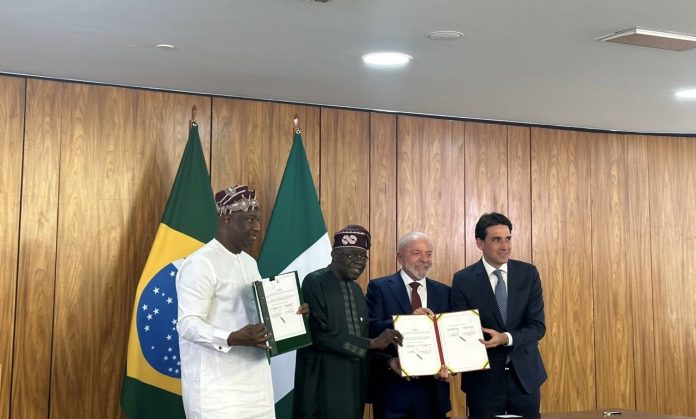
The deal was formalised during President Bola Tinubu’s two-day state visit to Brazil, according to a statement released Monday by the Ministry of Aviation. The signing ceremony took place while Brazilian President Luiz Inácio Lula da Silva hosted President Tinubu in Brasília.
Nigeria’s Minister of Aviation and Aerospace Development, Olorogun Festus Keyamo, signed on behalf of Nigeria, while Brazil’s Minister of Transport, Silvio Costa Filho, signed for his country. Both presidents witnessed the agreement, alongside senior Nigerian officials including Wale Edun, Minister of Finance; Bianca Onoh Ojukwu, Minister of State for Foreign Affairs; and Abubakar Kyari, Minister of Agriculture.
“The BASA establishes a new framework for direct air connectivity between Nigeria and Brazil, opening fresh avenues for trade, tourism, investment, and people-to-people exchanges,” said Tunde Moshood, Special Adviser on Media and Communications to the Aviation Minister. “It is expected to foster stronger economic integration, facilitate cultural ties, and enhance diplomatic cooperation between both nations.”
The agreement eliminates the need for passengers to connect through third countries when travelling between Lagos or Abuja and Brazilian cities such as São Paulo and Rio de Janeiro.
President Lula da Silva welcomed the partnership and reaffirmed Brazil’s commitment to expanding cooperation with Nigeria in aviation, agriculture, and infrastructure development.
During his visit, President Tinubu is scheduled to meet with the heads of Brazil’s Senate, Chamber of Deputies, and Supreme Federal Court. Discussions will also cover wider economic collaboration across multiple sectors.
Talks on direct air links between the two nations began in October 2024, culminating in this agreement.
Asian markets fell on Tuesday after US President Donald Trump’s market-shaking announcements, including the unprecedented dismissal of a Federal Reserve governor and fresh threats of tariffs and export curbs on technology.
The losses came as momentum from last week’s dovish speech by Fed Chair Jerome Powell faded, with traders instead bracing for key earnings and economic data. On Wall Street, stocks turned lower Monday ahead of Nvidia’s earnings report, heightening concerns over a possible tech bubble.
Tokyo’s Nikkei closed 1 percent down, leading regional declines. Hong Kong, Shanghai, Seoul and Sydney also slipped, while Taipei edged higher. Early European trading saw London, Paris and Frankfurt open in the red.
Trump said late Monday he was removing Fed governor Lisa Cook over alleged false statements on mortgage agreements. The move — highly unusual and likely to spark legal challenges — raised fresh concerns about central bank independence, already strained by Trump’s public pressure on Powell to cut rates.
The dollar dipped initially before recovering as Cook vowed to stay in her role. Gold, seen as a safe haven, gained ground. “The independence of the Fed, already fraying, looks tattered against the gusts of politics,” said Stephen Innes of SPI Asset Management.
Investors are now focused on US GDP data due Thursday and a key inflation reading Friday, which could shape expectations for future rate cuts.
Adding to jitters, Trump threatened new “substantial tariffs” on countries imposing digital taxes on US firms and signaled possible export restrictions on advanced US microchip technology.
Oil prices also slipped, reversing recent gains on speculation over a possible peace deal in Ukraine.
Key figures around 0715 GMT: Tokyo – Nikkei 225: down 1.0% at 42,394.40 (close) Hong Kong – Hang Seng Index: down 0.8% at 25,621.83 Shanghai – Composite: down 0.4% at 3,868.38 (close) London – FTSE 100: down 0.7% at 9,258.70 Euro/dollar: down at $1.1609 from $1.1624 Monday Pound/dollar: down at $1.3441 from $1.3460 Dollar/yen: up at 147.83 yen from 147.70 yen Euro/pound: up at 86.36 pence from 86.35 pence West Texas Intermediate: down 0.7% at $64.32 a barrel Brent North Sea crude: down 0.6% at $68.37 a barrel New York – Dow: down 0.8% at 45,282.47 (close)
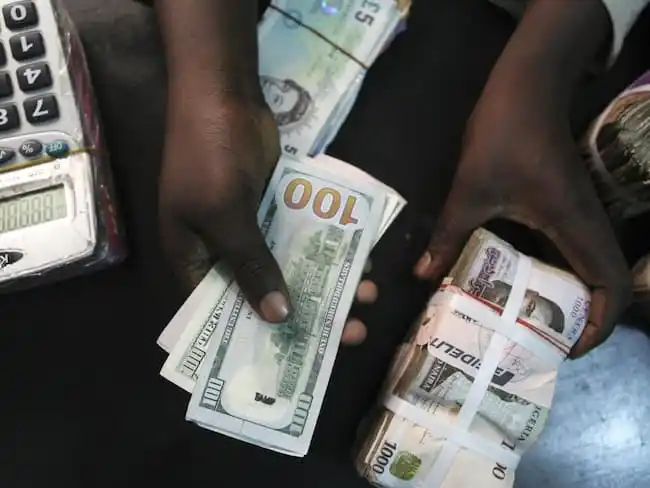
The exchange rate between the Naira and the US dollar, according to the data released on the FMDQ Security Exchange, the official forex trading portal, showed that the naira closed at 1560.00 per $1 on Tuesday, August 26th , 2025. The naira traded as high as 1532.00 to the dollar at the investors and exporters (I&E) window on Monday.
Dollar to naira exchange rate today black market (Aboki dollar rate):
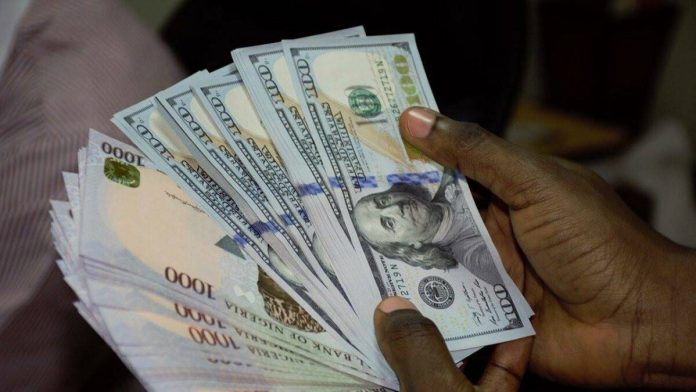
The exchange rate for a dollar to naira at Lagos Parallel Market (Black Market) players buy a dollar for ₦1555 and sell at ₦1547 on Monday 25th August, 2025, according to sources at Bureau De Change (BDC).
Please note that the Central Bank of Nigeria (CBN) does not recognize the parallel market (black market), as it has directed individuals who want to engage in Forex to approach their respective banks.
Dollar to Naira Black Market Rate Today
Dollar to Naira (USD to NGN)
Black Market Exchange Rate Today
Buying Rate
₦1555
Selling Rate
₦1547
Dollar to Naira CBN Rate Today
Dollar to Naira (USD to NGN)
CBN Rate Today
Highest Rate
₦1537
Lowest Rate
₦1535
Please note that the rates you buy or sell forex may be different from what is captured in this article because prices vary.
Paris Saint-Germain have bolstered their attacking options with the signing of Nigerian international Rasheedat Busayo Ajibade on a contract running until 30 June 2027.
The club confirmed the deal in a statement on Tuesday, noting: “Paris Saint-Germain is delighted to announce the arrival of Nigerian striker Rasheedat Busayo Ajibade, who has joined the club on a deal that runs until 30 June 2027.”
Born on 8 December 1999 in the Mushin district of Lagos, the 25-year-old joins PSG from Atlético de Madrid, where she played since 2021 after a two-year stint with Norwegian side Avaldsnes IL. In the 2024–25 season, she registered 25 appearances, scoring eight goals and providing three assists for Atlético.
Ajibade’s career breakthrough came at FC Robo Queens, and in 2018 she was named NFF Young Player of the Year.
On the international stage, she has established herself as one of Nigeria’s most influential players. As captain of the Super Falcons, Ajibade has led the team to two Women’s Africa Cup of Nations titles (2018 and 2024). She also featured prominently at the 2023 FIFA Women’s World Cup and the 2024 Summer Olympics in Paris, earning over 30 international caps to date.
Speaking after signing, Ajibade expressed her excitement: “I’m deeply honoured to be joining Paris Saint-Germain, one of Europe’s elite clubs. This is a major step in my career, and I’m committed to giving my all to help PSG win titles and to inspire young footballers, whether in Nigeria or around the world.”
Economic analysts have forecasted that Nigeria’s foreign reserves could hit $45 billion by December 2025, bolstering the Central Bank of Nigeria’s (CBN) capacity to stabilize the foreign exchange market and provide economic support.
According to CBN data, reserves climbed to $41 billion last Tuesday, the highest level in 44 months, signaling a rebound after previous depletion caused by external debt servicing.
The reserves have seen a consistent upward trend this August, rising by $1.56 billion from $39.54 billion on August 1 to $41.11 billion on August 22, reflecting a 3.95 percent increase.
In its weekly market report, Cowry Assets Management highlighted that steady offshore inflows and possible government external borrowings are expected to sustain this momentum. The firm projected reserves could rise to $45 billion, provided global conditions remain stable.
“With this stronger reserve position, the CBN will have greater flexibility to continue its interventions in the FX market, supporting relative stability in both official and parallel market rates,” the analysts said.
However, risks remain, particularly if global financial shocks or sudden outflows occur. Despite this, the reserves build-up marks a significant milestone for Nigeria’s economic resilience.
Similarly, analysts at Meristem Securities expressed optimism, predicting that the reserves are likely to remain above $40 billion if current trends continue.
They noted that higher oil receipts, increased portfolio inflows, and stronger non-oil export performance will play a crucial role in sustaining the momentum.
Meanwhile, experts at AIICO Capital pointed out that the absence of early-week CBN intervention created liquidity pressures, but later inflows—including about $50 million alongside oil receipts—helped narrow spreads. By week’s end, the naira traded between ₦1,534.50 and ₦1,536.00 per dollar, depreciating slightly to ₦1,535.04/$, before closing at ₦1,536.42/$.
The winner of Miss Universe Nigeria 2024, Chidimma Adetshina (L) poses with her crown at the Miss Universe Nigeria 2024 held at the Eko Hotel Convention Centre on 31 August, 2024. (Photo by Benson Ibeabuchi / AFP)
The journey to crown the next queen of Miss Universe Nigeria 2025 has officially commenced, with organisers unveiling 22 finalists who will vie for the prestigious title.
The contestants, drawn from across Nigeria’s states and the Federal Capital Territory, were introduced via the pageant’s official website and social media handles.
The eventual winner will succeed Chidinma Adetshina, the outgoing Miss Universe Nigeria, and will represent the country at the Miss Universe international finals later this year.
Organisers noted that the competition goes beyond physical beauty, emphasizing advocacy and social impact. Contestants will be championing causes such as education, gender equality, health, and youth empowerment.
The camp officially opened on Sunday, with contestants beginning preparatory activities ahead of the much-anticipated grand finale. Meanwhile, online voting has already commenced on the Miss Universe Nigeria website, where fans can support their favorite contestants.
This year’s finale is expected to attract celebrities, fashion icons, and corporate leaders, making it one of the most glamorous events on Nigeria’s entertainment calendar.
Full list of the 22 Miss Universe Nigeria 2025 finalists:
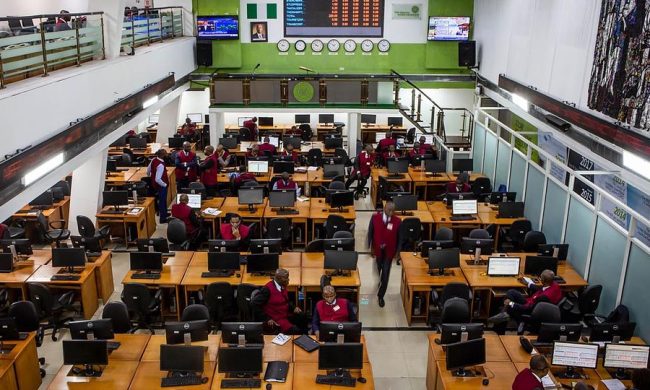
The Nigerian Exchange (NGX) kicked off the new trading week on a positive note, with a wave of bargain hunting pushing key market indicators upward after a bearish performance last week.
On Monday, investors’ wealth expanded by ₦284.44 billion, buoyed by the listing of additional shares from Chapel Hill Denham’s Nigeria Infrastructure Debt Fund (NIDF). The All-Share Index (ASI) advanced by 0.30 percent to close at 141,433.41 points, pushing the year-to-date gain to 37.41 percent.
Market capitalization and the index saw a slight divergence, mainly due to the listing of 270,382 fresh units of NIDF shares on the Exchange’s official daily list.
Investor sentiment remained upbeat, with market breadth reflecting stronger demand in undervalued medium- and large-cap stocks across critical sectors.
However, total trading activity slowed, as both volume and value dipped by -54.63% and -75.63%, respectively. According to Atlass Portfolio Limited, about 591.25 million units valued at ₦11.66 billion were exchanged in 33,342 deals.
In terms of volume, FCMB led the activity chart with 17.92 percent, followed by VERITASKAP (10.15%), UNIVINSURE (5.86%), AIICO (4.47%), and GTCO (4.26%). On the value front, GTCO dominated with 21.43 percent of total trades.
Julius Berger (JBERGER) topped the gainers’ list with a 9.93 percent surge, trailed by CUTIX (+9.86%), REGALINS (+9.70%), VERITASKAP (+9.60%), MCNICHOLS (+9.38%), NEM (+8.83%), and 34 others.
Seventeen equities ended in the red, with UPL recording the steepest loss at -9.92 percent, followed by CADBURY (-9.61%), AUSTINLAZ (-6.55%), TANTALIZER (-5.66%), ARADEL (-1.73%), and FIDELITYBK (-0.24%).
Overall, the market breadth closed positive with 40 gainers versus 17 losers.
Across sectors, the banking (+1.12%), insurance (+3.81%), consumer goods (+0.29%), and industrial (+0.02%) indexes all posted gains, while the oil & gas (-0.31%) and commodities (-0.30%) segments ended lower.
VerveLife, one of the flagship lifestyle initiatives of Verve, Africa’s leading domestic payment card and tokens brand, is back for its 8th edition, themed “Elev8”. More than a fitness event, VerveLife has grown into a cultural movement that connects thousands of Africans through fitness, wellness, and community. This year, VerveLife is set to inspire participants to elevate their bodies, minds, and lifestyles like never before.
The 2025 VerveLife season kicks off on August 30 in Enugu, before making stops in key cities including Ibadan for Tabata Fit Festival (September 13), Uyo Fitness Festival (September 20), and Abuja for VerveLife (September 27). The season continues with the 6000 Secs Challenge on October 4, before extending to East Africa with editions planned for Nairobi, Kenya, and Kampala, Uganda.
This year’s grand finale promises to be the biggest yet, holding at the prestigious Eko Convention Centre, Eko Hotel & Suites, Lagos, offering an elevated arena to host thousands of “Vervelifers” from across the continent.
In addition to its signature attractions at the grand finale, high-energy workouts, healthy food, unlimited music, breakout sessions, kiddies’ corners, and obstacle courses, VerveLife will debut focused masterclasses, led by top fitness and lifestyle experts, designed to empower participants with practical knowledge for healthier living.
Speaking on this year’s edition, Tomi Ogunlesi, Divisional Head for Brands and Communications at Interswitch stated:
“VerveLife has always been more than just a fitness event. It’s a celebration of energy, community, and the African spirit. With our 8th edition themed ‘Elev8’, we are raising the bar even higher with new attractions, expanded partnerships, and the biggest finale yet at Eko Convention Centre. We can’t wait to welcome thousands of Vervelifers across Africa to move, connect, and elevate together.”
Since its inception, VerveLife has consistently merged fitness with fun, creating a community-driven platform that encourages healthier lifestyles while celebrating African resilience and culture. With its 8th edition, VerveLife is reaffirming its mission to ‘Elev8’ Africa’s fitness and lifestyle culture, one city, one community, and one shared experience at a time.
For more information on VerveLife 8.0, the full calendar of satellite events, and partner updates, visit myverveworld.com/life or follow the new dedicated Instagram, TikTok and Twitter handle, @Vervelife_.
For many Nigerians considering “japa” for study, the decision is no longer just about the cost of tuition, scholarship opportunities, or university rankings. Increasingly, the ability to bring one’s spouse and children along and whether those family members are allowed to work or study has become a decisive factor. After all, moving abroad alone can create financial strain and emotional separation, while bringing family can provide stability and support.
As of 2025, countries have introduced new policies on dependent or spousal visas. While some have become more flexible, others are tightening their rules. Below is a country-by-country breakdown of what international students and their families can expect.
Australia
Australia remains one of the most family-friendly destinations for international students. The Department of Home Affairs allows spouses and children to be included at the time of application for the Subclass 500 Student Visa or added later via a dependent visa pathway.
One of the biggest draws is the work rights available to spouses. Partners of postgraduate research students, such as those pursuing a Master’s by Research or a PhD, are granted unlimited work rights, meaning they can work full-time without restriction. For spouses of undergraduate or taught postgraduate students, work is capped at 48 hours per fortnight once the student’s course has commenced.
In addition to employment rights, spouses are also allowed to take short-term study programmes without needing a separate visa. This flexibility makes Australia attractive to couples who want to advance their education together. With its strong economy, multicultural environment, and high standard of living, Australia continues to be one of the most practical destinations for student families.
Canada
Canada has long been considered a top destination for Nigerian students, partly because of its welcoming stance toward family inclusion. However, recent changes have tightened eligibility for dependent visas.
As of January 2025, only spouses of students enrolled in master’s programs lasting 16 months or longer, doctoral programs, or certain professional degrees are eligible for the Spousal Open Work Permit. Spouses of undergraduate students are no longer covered under the policy.
Where approved, the spousal permit typically runs for the same duration as the student’s study permit, and it allows partners to work full-time for any employer in Canada. This significantly reduces financial pressure on the family. In addition, spouses and children can access Canada’s public healthcare system, and children are entitled to free public schooling, which makes family life more affordable.
Canada’s policies make it particularly attractive for postgraduate families, although the restrictions mean undergraduates may need to explore alternatives.
New Zealand
New Zealand offers one of the most straightforward family support systems for students. Spouses of eligible students can apply for the Partner of a Student Work Visa, which grants them full-time work rights. In addition, partners can study for up to three months without needing a separate visa, allowing for career or personal development alongside work.
Children of international students also benefit, as they may qualify for domestic tuition rates at schools, lowering education costs for the family. New Zealand is often praised for its safe, community-oriented environment, relatively small population, and high quality of life — factors that make it an appealing destination for young families.
The country also has generous post-study work visa options, which means that families can transition more easily from study to permanent residency, especially in high-demand fields like healthcare, IT, and engineering.
United Kingdom (UK)
The UK has historically been one of the most popular study-abroad destinations for Nigerians. However, recent policy changes have narrowed the rules around dependents.
Currently, only students enrolled in postgraduate research programs (such as PhD, MRes, or MPhil) or those on government-funded scholarships are allowed to bring their spouses and children under the Student Dependent Visa system. Spouses who qualify are granted unrestricted work rights, meaning they can take up employment full-time in any sector.
For those who do qualify, the UK offers excellent healthcare through the National Health Service (NHS), access to world-class schools for children, and opportunities in a large, diverse job market. However, with higher living costs and stricter dependent rules since 2024, the UK has become less accessible for undergraduates or taught postgraduate students.
United States (USA)
The U.S. remains one of the most attractive destinations due to the sheer prestige of its universities and research facilities. However, when it comes to spousal visas, it is one of the more restrictive countries.
Spouses of students on F-1 visas are issued F-2 visas, which allow them to reside in the U.S. but not work. They may take part-time courses, but full-time post-secondary study requires switching to an F-1 visa themselves. Children are allowed to attend school at the primary and secondary levels.
For students on J-1 exchange visitor visas, the situation is slightly better. Their spouses are given J-2 visas, which allow them to apply for work authorization. This flexibility makes the J-1 route more attractive for those concerned about spousal support.
Overall, while the U.S. is academically unmatched, its dependent visa system poses challenges for families hoping to rely on dual incomes.
Germany
Germany’s Family Reunion Visa system is among the most supportive for international student families. Spouses of students can join them once a residence permit is granted, and they are typically allowed full work rights, often indicated on their permit with the phrase “Erwerbstätigkeit gestattet” (employment permitted).
Applicants are required to demonstrate proof of adequate income, health insurance, and housing, and in some cases, basic German language skills. However, Germany’s advantages outweigh the hurdles: tuition is either free or very low, and the country offers excellent healthcare and a strong job market in fields such as engineering, IT, and sciences.
Additionally, Germany has a well-defined path to permanent residency and citizenship, making it a long-term option for student families planning to settle.
Ireland
Ireland is fast becoming a hub for international students, especially those in tech-related fields. Spouses of PhD or postgraduate students may join them under a dependent visa scheme, and many are granted a Stamp 1G visa, which permits full-time work.
The appeal lies in Ireland’s growing economy, especially in technology and pharmaceuticals, as well as its status as a hub for multinational corporations like Google, Microsoft, and Pfizer. Families also benefit from access to public education for children and the country’s relatively straightforward permanent residency process after several years of stay.
The short-term benchmark interest rate fell sharply on Monday as a major inflow from the Federation Account Allocation Committee (FAAC) boosted system liquidity. The injection of funds eased funding pressures across the market, with reduced reliance by deposit money banks on the Central Bank of Nigeria’s standing lending facility.
Interbank rates (NIBOR) opened the week lower across all maturities. The overnight rate declined by 2.04%, while the 1-month, 3-month, and 6-month tenors dropped by 1.75%, 1.88%, and 1.79%, respectively.
According to Cowry Asset Limited, the sharp decline in money market rates was driven by the N2 trillion FAAC allocation, which significantly lifted market liquidity. The Open Repo Rate (OPR) fell 240 basis points to 26.50%, while the overnight rate slid 223 basis points to 26.92%.
Elsewhere, Nigerian Interbank Treasury Bills True Yield posted a mixed performance, with the 1-month and 6-month tenors inching up by 3 and 4 basis points, respectively.
Liquidity conditions had improved earlier, starting the previous week at N1.02 trillion after a deficit of -N94.56 billion. However, by week’s end, liquidity contracted to -N609.43 billion due to a large CBN OMO auction that absorbed excess cash.
Reflecting these shifts, banks’ placements at the Standing Deposit Facility fell from N923.68 billion to N539.12 billion, while utilisation of the Standing Lending Facility rose from N179.08 billion to N821.50 billion. Despite the late tightening, average system liquidity improved to N366.94 billion compared with N62.94 billion a week earlier.
Nigeria has raised the interest rate on its reopened 7-year local bond by 2.10 percentage points to 18%, according to results from the Debt Management Office (DMO) August auction.
The DMO offered N200 billion in local bonds at the primary market, a sharp increase from N80 billion in July. The auction featured a new FGN bond maturing in August 2030 alongside the reopening of a June 2032 issue.
Total bids came in at N268.17 billion, with investor appetite tilted towards the reopened 2032 bond, which drew N165.81 billion in subscriptions against a N100 billion offer. The new 2030 paper attracted N102.36 billion in bids, slightly above the N100 billion offered.
The DMO allotted N46.01 billion on the 2030 maturity at a marginal rate of 17.945%, rejecting the balance. For the reopened 2032 bond, N165.81 billion was allotted at a higher spot rate of 18%, marking a 2.10% increase from the previous auction.
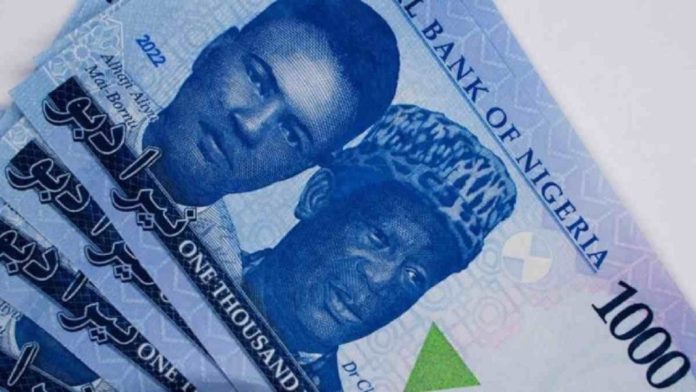
The naira depreciated on Monday as total foreign exchange (FX) inflows into Nigeria fell to $751.70 million, down from $787.50 million recorded the previous week, despite interventions by the Central Bank of Nigeria (CBN).
Data from the CBN showed that the official exchange rate closed weaker at N1,536.43/$1, compared to N1,535.03/$1 on Friday. The spot rate reached an intraday high of N1,537/$1, reflecting sustained demand pressures in the official window.
In the parallel market, the naira fell more sharply, losing 0.65 percent week-on-week to close at N1,550/$1, as demand outpaced supply in the absence of strong FX support.
To stabilize liquidity, the CBN sold $50 million to banks and offered OMO securities at a spot rate of 25.99 percent for 124-day maturities, a move analysts say is aimed at attracting offshore inflows and keeping them longer in the market.
Breakdown of the inflows showed that exporters contributed $216.10 million, non-bank corporates added $203.90 million, foreign portfolio investors (FPIs) brought in $175.60 million, CBN accounted for $137.40 million, while individuals and other sources made up less than 2.5 percent.
Despite the dip in weekly inflows, Nigeria’s external reserves rose to $41.11 billion as of Friday. Analysts at Coronation Merchant Bank said they expect the naira to trade within its current range in the near term, supported by steady FX inflows and CBN intervention.
Meanwhile, crude oil prices climbed amid renewed geopolitical risks. Brent crude gained 2.08 percent week-on-week to close at $67.22 per barrel, while Bonny Light traded higher at $69.32, maintaining a premium over Brent.
Oil markets were rattled after Russia launched an airstrike near Ukraine’s EU border, while Ukraine retaliated by targeting a Russian refinery and the Unecha pumping station on the Druzhba pipeline—key to Russian oil flows into Europe. Analysts warned that if the disruption escalates, crude prices could trend higher in the coming days.
President Bola Ahmed Tinubu has signed a Bilateral Air Service Agreement (BASA) with Brazil, in a move aimed at strengthening economic, diplomatic, and cultural ties between the two largest economies in Africa and South America.
The agreement, signed yesterday in Brasília during Tinubu’s two-day working visit to Brazil, provides a framework for direct air connectivity between both nations. Officials say the pact will open new opportunities in trade, tourism, investment, and cultural exchange, while deepening cooperation in aviation and beyond.
Strengthening bilateral ties
The Memorandum of Understanding was signed by Nigeria’s Minister of Aviation and Aerospace Development, Festus Keyamo, and Brazil’s Minister of Transport, Silvio Costa Filho, in the presence of both Heads of State.
A statement issued by Keyamo’s media aide, Tunde Moshood, described the agreement as a “strategic milestone” that underscores Tinubu’s commitment to expanding Nigeria’s global partnerships and enabling cross-border commerce and mobility.
Brazilian President Luiz Inácio Lula da Silva welcomed the accord, expressing readiness to broaden cooperation with Nigeria not only in aviation, but also in agriculture and infrastructure development.
Tinubu was accompanied by senior cabinet members, including the Minister of Finance and Coordinating Minister of the Economy, Olawale Edun; Minister of State for Foreign Affairs, Ambassador Bianca Onoh Ojukwu; and Minister of Agriculture and Food Security, Abubakar Kyari, among others.
The President is also expected to hold talks with the President of the Brazilian Senate, the Speaker of the Chamber of Deputies, and the Chief Justice of the Supreme Federal Court.
Beyond aviation, the working visit is expected to focus on wider areas of economic integration, with high-level engagements between Nigerian and Brazilian delegations across multiple sectors.
For Nigeria, the BASA agreement signals a step towards greater global connectivity at a time when the government is seeking to attract foreign investment and diversify the economy. For Brazil, it represents an opportunity to consolidate its presence in Africa’s largest market.
Officials from both countries have framed the agreement as more than a transport deal, describing it as the beginning of a new era of strategic cooperation between Lagos and Brasília.
The Economic Community of West African States (ECOWAS) has announced plans to raise an annual budget of $2.5 billion to activate a 260,000-strong rapid deployment counter-terrorism brigade, signalling one of the bloc’s boldest military initiatives to date in the face of worsening insecurity in the region.
The move, unveiled at the 2025 African Chiefs of Defence Staff Summit in Abuja, comes amid warnings that the Sahel has become the epicentre of global terrorism, accounting for more than half of worldwide terrorism-related deaths in 2024 alone.
Urgent response to a deepening crisis
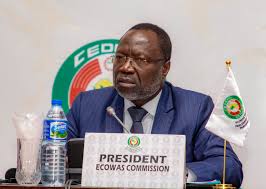
ECOWAS Commission President, Omar Touray, represented by the Commissioner for Political Affairs, Peace and Security, Ambassador Abdel-Fatau Musah, told defence chiefs that the proposed force would provide rapid intervention capacity, logistics, and direct support to frontline states under siege from extremist groups.
“West Africa, in particular the Sahel sub-region, has emerged as the epicentre of global terrorism, with several analytical surveys indicating that the Sahel accounted for 51 per cent of global terrorism deaths in 2024 alone,” Touray said.
While ECOWAS has long pursued the creation of a 5,000-man brigade under the African Peace and Security Architecture, Touray noted that current realities demand a larger, more agile structure. The 260,000-man force, he explained, would address asymmetric threats that have defied conventional responses.
A joint meeting of defence and finance ministers is scheduled for Friday in Abuja to finalise funding modalities for the force. ECOWAS also hopes to secure multilateral backing, including the redemption of the United Nations Security Council Resolution 2719 pledge, which promises to cover 75 per cent of African-led peace support operations.
Beyond terrorism: maritime security and organised crime
Touray added that the regional bloc is also advancing plans to operationalise its integrated maritime security strategy, anchored on three regional maritime centres and a coordinating hub in Abuja. The initiative is designed to combat piracy and transnational organised crime that threaten the Gulf of Guinea and wider regional stability.
Experts call for African solutions
Former Minister of External Affairs, Prof. Ibrahim Gambari, warned that Africa is now grappling with more than 1,000 insurgent groups, citing findings from the African Research Network for Regional and Global Governance Innovation.
He urged African states to strengthen homegrown defence industries, invest in indigenous technologies, and design security architectures tailored to the continent’s realities.
“Africa’s collective security can only be enhanced with active, practical, and proactive collaboration at regional and continental levels,” Gambari stressed, calling for joint training, interoperability of armaments, shared intelligence, and improved capacity in airlift and logistics.
Nigeria urges modernisation and unity
Nigeria’s Chief of Defence Staff, General Christopher Musa, echoed these sentiments, describing Africa as standing “on the edge of unprecedented opportunity” due to its youthful population and resources, but warned that violent extremism, organised crime, piracy, and climate-induced conflicts threaten to erode those prospects.
“These challenges recognise no borders. They are resilient and demand a response that is equally dynamic, unified, and strategic,” Musa said.
He noted that the nature of warfare is shifting, with new threats emerging in cyberspace and digital domains, and urged African militaries to invest in cyber defence, artificial intelligence, and indigenous military technologies.
“The enemy is within. As chiefs of defence staff, we must lead the charge in modernising our forces. Without such investments, it will be difficult to achieve the security we desire,” Musa cautioned.
The proposed counter-terrorism brigade represents a turning point for ECOWAS, reflecting both the urgency of the region’s security crisis and the bloc’s ambition to take ownership of its defence architecture.
Yet questions remain over funding, political will, and the ability of member states to sustain such an ambitious force. For now, ECOWAS leaders are betting that shared resolve and stronger collaboration will turn the tide in a region struggling to keep its people safe.