





Key points
- Air Peace Chairman Allen Onyema has called on Nigerians to stop investing in South Africa in response to recurring xenophobic attacks.
- He advocated a non-violent economic boycott while opposing attacks on South Africans and South African-owned businesses in Nigeria.
- Onyema accused South African authorities of failing to adequately protect foreign nationals during anti-migrant unrest.
Main story
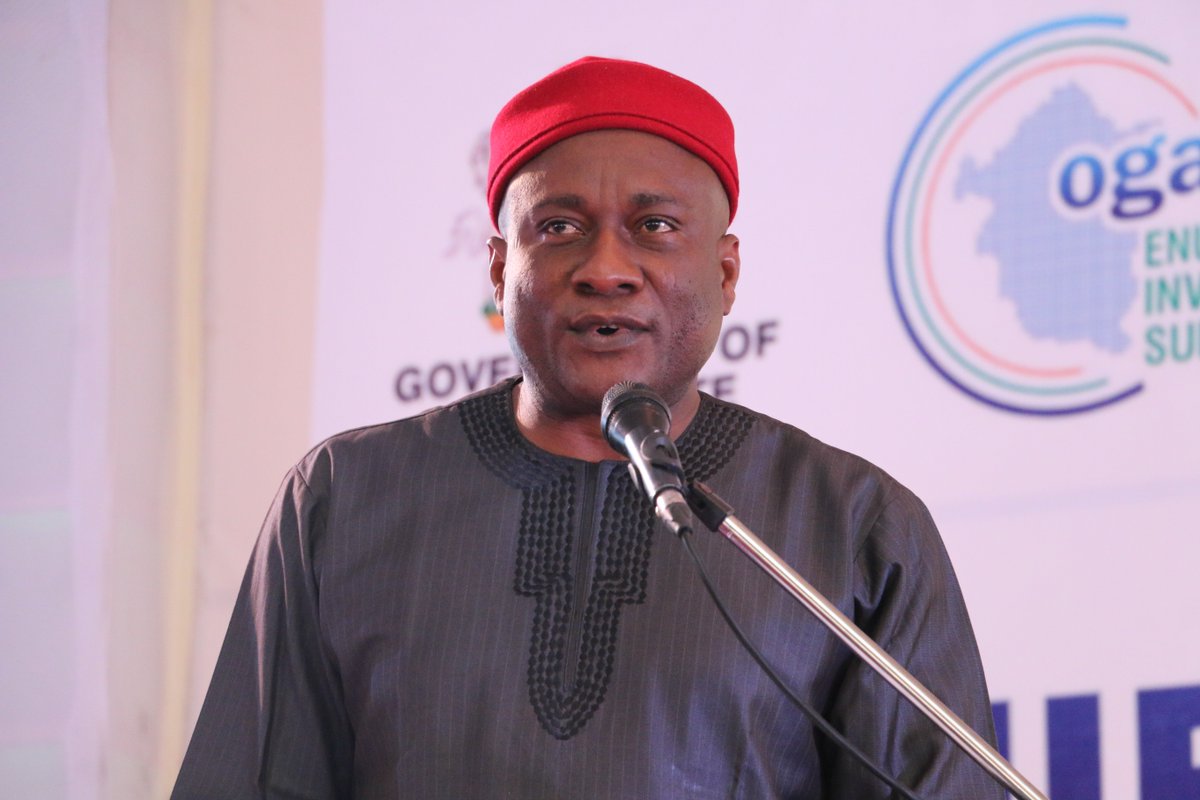
The Chairman and Chief Executive Officer of Air Peace, Allen Onyema, has called on Nigerians to adopt a non-violent economic boycott of South Africa in response to recurring xenophobic attacks against African migrants, including Nigerians.
Speaking during an interview on Arise Television on Tuesday, Onyema urged Nigerians to channel their frustrations through economic measures rather than violence, arguing that withholding investments from South Africa would send a stronger message than physical retaliation.
According to him, Nigerians should refrain from investing in South Africa while allowing South African businesses to continue operating in Nigeria under regulations determined by the Nigerian government.
“The kind of retaliation I want is for Nigerians to boycott South Africa. Don’t invest in that country. If they want to invest in our country, let them bring their money and invest, and you determine how they take the money back. That is non-violent action,” Onyema stated.
The airline executive criticised South African authorities for what he described as a recurring failure to protect foreign nationals during periods of anti-migrant violence and unrest.
He questioned how mobs were often able to target foreign-owned homes and businesses without swift intervention from law enforcement and security agencies.
Onyema further argued that many Nigerians living in South Africa contribute significantly to the country’s economy through entrepreneurship, job creation and investment.
According to him, rather than targeting foreign nationals, South Africans should learn from the entrepreneurial skills and business initiatives brought into the country by migrants.
While expressing support for stronger diplomatic responses to xenophobic attacks, Onyema firmly rejected any form of violent retaliation against South Africans residing in Nigeria or against South African-owned businesses operating within the country.
He specifically opposed calls for the closure of major South African companies in Nigeria, noting that many Nigerians are shareholders and employees of such businesses.
“I don’t want Nigeria to close down MTN or other people’s businesses. Some Nigerians have shares in those companies. After all, those people are employing Nigerians too,” he said.
His comments come amid renewed anti-foreigner protests in parts of South Africa, where demonstrators have reportedly demanded that undocumented migrants leave the country by June 30, prompting repatriation efforts by Nigeria and other affected African countries.
The issues
Xenophobic attacks have remained a recurring challenge in South Africa for more than a decade, often targeting migrants from other African countries, including Nigeria, Zimbabwe, Mozambique and Somalia.
The latest wave of anti-foreigner sentiment has renewed concerns about the safety of African migrants, the effectiveness of South Africa’s security response and the broader implications for regional integration and African unity.
The situation has also raised questions about the adequacy of diplomatic efforts by African governments to protect their citizens abroad.
What’s being said
Onyema maintains that: Nigerians should respond through economic pressure rather than violence.
Investments by Nigerians in South Africa should be suspended.
South African authorities must do more to protect foreign nationals.
Nigerian migrants contribute positively to South Africa’s economy through entrepreneurship and job creation.
South African-owned businesses operating in Nigeria should not be targeted or shut down.
Diplomatic and economic measures remain the most effective response to xenophobia.
What’s next
The renewed protests in South Africa are expected to remain a focus of diplomatic engagement between Nigeria and South Africa.
African governments may intensify efforts to safeguard their citizens, while business leaders and civil society organisations continue to advocate peaceful solutions to the crisis.
Observers will also be watching whether South African authorities take additional measures to prevent violence, protect foreign nationals and address growing tensions surrounding migration and unemployment.
Bottom line
Allen Onyema’s call for an economic boycott reflects growing frustration over recurring xenophobic attacks in South Africa. While advocating firm action against discrimination and violence, he insists that any response must remain peaceful, protecting both economic interests and the longstanding relationship between Africa’s two largest economies.