









Key points
- NCC Board Chairman Idris Olorunnimbe has pledged to seek presidential support for investors willing to establish smartphone factories in Nigeria.
- Manufacturers that begin factory construction before November could receive government incentives and regulatory support.
- The initiative aims to reduce smartphone costs, create jobs and expand digital inclusion.
- NCC says local production would reduce dependence on imports and exposure to foreign exchange volatility.
- The commission is also promoting device financing and stronger regulation to improve consumer confidence.
Main Story
The Chairman of the Governing Board of the Nigerian Communications Commission (NCC), Idris Olorunnimbe, has pledged to secure presidential incentives and policy support for investors willing to establish smartphone manufacturing facilities in Nigeria.
Speaking at the Digital Africa Summit Roundtable in Shanghai, China, Olorunnimbe said local smartphone production could play a critical role in reducing device costs, creating jobs and accelerating digital inclusion across the country.
He said Nigeria’s heavy reliance on imported smartphones has contributed to high device prices and exposed consumers to supply disruptions and foreign exchange fluctuations, making it more difficult for millions of Nigerians to access digital services.
According to him, investors who commit to building smartphone factories and begin construction before November would receive support from government aimed at easing the investment process and encouraging local production.
Olorunnimbe said the initiative aligns with broader efforts to deepen Nigeria’s industrial base, strengthen local value chains and position the country as a regional hub for device assembly and technology manufacturing.
He noted that local manufacturing would create opportunities across the supply chain, including for engineers, technicians, logistics providers, component suppliers, retailers and other supporting businesses.
The NCC chairman argued that producing devices locally could help stabilise prices by reducing dependence on imported components and limiting exposure to exchange rate volatility, which often pushes up the cost of smartphones.
He acknowledged that previous attempts at local smartphone production faced challenges related to quality, after-sales support and consumer trust, stressing that any new manufacturing push must focus on producing devices that can compete with imported brands on both quality and affordability.
Olorunnimbe also highlighted the scale of the opportunity, noting that Nigeria has more than 170 million mobile connections and over 150 million mobile internet users, making it one of Africa’s largest telecommunications markets.
Beyond manufacturing, he advocated wider adoption of smartphone financing schemes that would allow consumers to acquire devices through instalment payments rather than paying the full cost upfront.
He said the commission was also strengthening market oversight through updated device regulations and a proposed Device Management System aimed at tackling counterfeit, cloned and stolen devices while improving consumer protection.
The issues
Smartphone affordability remains one of the biggest barriers to digital inclusion in Nigeria, limiting access to online education, digital financial services, e-commerce, remote work opportunities and government services.
Nigeria’s dependence on imported devices also exposes consumers and businesses to currency fluctuations, supply chain disruptions and rising costs.
At the same time, previous efforts to establish local smartphone manufacturing have struggled to gain traction because of quality concerns, limited consumer confidence and inadequate support ecosystems.
Industry stakeholders argue that combining local manufacturing, financing options and stronger consumer protection could help expand smartphone ownership and support Nigeria’s digital economy ambitions.
What’s Being Said
“If any manufacturer in this room, or any manufacturer listening to these proceedings will commit to building a factory in Nigeria, and to beginning construction between now and November, I will take that commitment to the President myself and seek the waivers and the support you need to make it happen.” — Idris Olorunnimbe, Chairman, NCC Governing Board
“The aim is to build phones in Nigeria that match the imported phones on quality and beat them on price. A locally made device that asks Nigerians to settle for less is not worth making.” — Idris Olorunnimbe, Chairman, NCC Governing Board
“A phone is only truly cheap if it is real, if it is safe, if it connects properly, and if it carries a warranty the buyer can rely on.” — Idris Olorunnimbe, Chairman, NCC Governing Board
What’s next
The NCC is expected to engage potential investors interested in establishing smartphone manufacturing facilities in Nigeria while working with government to provide policy incentives and regulatory support.
The commission will also continue implementing updated device regulations and advancing the proposed Device Management System to improve consumer confidence in the handset market.
Efforts to expand smartphone financing schemes and strengthen local manufacturing capacity are likely to form part of Nigeria’s broader digital economy strategy.
Bottom line
The NCC is betting that local smartphone manufacturing, backed by government incentives, stronger regulation and consumer financing, can make devices more affordable, create jobs and help close Nigeria’s digital access gap.




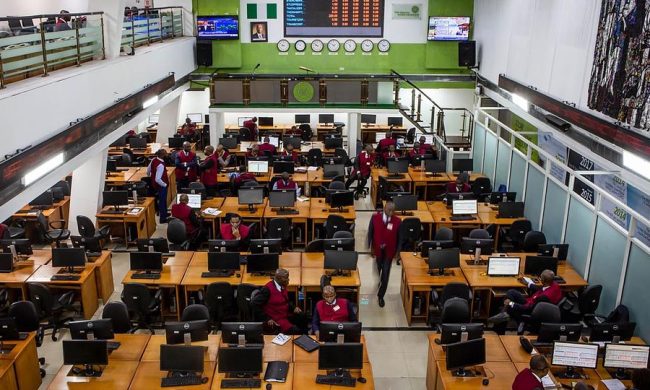





, Idris Olorunnimbe, has ...)