Key points:
- Stakeholders at the Nigerian Bar Association (NBA) Western Zone Human Rights Summit in Benin have called for stronger legal reforms and coordinated action to combat gender-based violence (GBV).
- Speakers urged early education on abuse prevention, improved victim protection, and stronger prosecution frameworks for offenders of GBV and human trafficking.
- Edo State officials say ongoing interventions, including community reporting models, have contributed to a decline in human trafficking cases in the state.
Main story
Stakeholders in Nigeria’s justice and human rights sector have called for enhanced advocacy, stronger legal frameworks and improved collaboration among institutions to address rising cases of gender-based violence (GBV), human trafficking and other human rights violations.
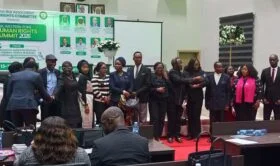
The call was made in Benin City during the second edition of the Nigerian Bar Association (NBA) Western Zone Human Rights Summit, themed “Access to Justice for Women, Children, Victims of Human Trafficking and Persons Living with Disabilities.”
The summit brought together legal practitioners, policymakers, government officials and civil society actors to examine challenges facing vulnerable groups and propose practical solutions for strengthening justice delivery.
Speaking at the event, member of the Edo State House of Assembly, Maria Edeko, stressed the importance of early education for children on recognising and reporting signs of abuse and molestation.
She also called for improved protection mechanisms for victims, warning against public exposure and repeated traumatic questioning during investigations and prosecution processes.
Edeko noted that the Edo State Government was already strengthening legal frameworks aimed at reducing GBV and ensuring stiffer penalties for offenders.
The issues
Participants identified persistent challenges in addressing GBV and human trafficking, including weak enforcement of laws, victim stigmatisation, poor reporting systems and inadequate coordination among justice sector institutions.
Stakeholders also raised concerns about the psychological impact of investigative and judicial processes on survivors, particularly when victims are subjected to repeated questioning and public scrutiny.
The summit further highlighted the need for stronger grassroots awareness campaigns and community-level interventions to prevent abuse and improve early reporting of cases.
What’s being said
Chairman of the NBA Edo Branch, Idemudia Osifo, said the summit was driven by urgent social realities requiring sustained legal advocacy and policy intervention.
He noted that discussions at the summit had generated practical recommendations on how to sustain long-term advocacy against GBV and related crimes.
Also speaking, Director-General of the Edo State Migration Agency, Lucky Agazuma, said the state had recorded significant progress in reducing human trafficking cases.
He attributed the improvement to strategies introduced by the administration of Governor Monday Okpebholo, which he said had repositioned Edo from a major trafficking hub to a declining hotspot.
Agazuma explained that the agency had adopted the “SQ model” — See it, Say it, Sort it — to encourage public reporting of trafficking-related crimes.
He also said the “RQ model” had been introduced to support rehabilitation and reintegration of rescued victims into society.
Earlier, Vice Chairman of the NBA Benin Branch, Itohan Ekama, emphasised the judiciary’s responsibility to protect citizens’ rights, particularly those of women, children and persons living with disabilities.
She expressed optimism that the summit would produce actionable recommendations to strengthen justice delivery and human rights protection across the country.
What’s next
Stakeholders are expected to intensify advocacy for legislative reforms aimed at strengthening penalties for GBV and improving victim protection systems.
The NBA and partner organisations are also likely to expand public sensitisation efforts and strengthen collaboration with government agencies on human rights enforcement.
Edo State authorities say they will continue implementing community-based reporting and rehabilitation models to further reduce trafficking and abuse cases.
Bottom line
The NBA Western Zone Human Rights Summit has reinforced growing calls for stronger laws, better enforcement and more humane treatment of survivors in Nigeria’s fight against gender-based violence and human trafficking.
Stakeholders say lasting progress will depend on coordinated action across government, legal institutions and communities to ensure justice and protection for vulnerable groups.