





Key points
- The Federal Government has directed that no new public contracts will be awarded without confirmed funding to improve nationwide project delivery.
- Bureau of Public Procurement (BPP) Director-General Dr. Adebowale Adedokun revealed that President Bola Tinubu has approved measures to raise resources to clear outstanding debts owed to contractors.
- The government is implementing 23 distinct procurement reforms designed to enhance transparency, efficiency, and value for money in public spending.
- Secretary to the Government of the Federation (SGF) Sen. George Akume stated that the ongoing procurement reforms are central to the administration’s Renewed Hope Agenda.
- Planned structural changes include proposed amendments to the Public Procurement Act 2007 and the deployment of the Nigeria e-Marketplace initiative.
Main Story
The Federal Government has issued a strict directive banning the award of any new public contracts unless the required funding is fully confirmed and available.
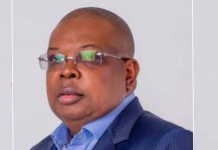
This policy measure is part of broader state efforts to improve project delivery and eliminate abandoned infrastructure across the country. The Director-General of the Bureau of Public Procurement (BPP), Dr. Adebowale Adedokun, disclosed this development on the sidelines of the inaugural edition of “The Procurement Evolution” forum held in Abuja.
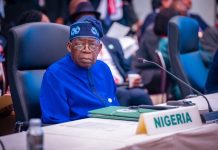
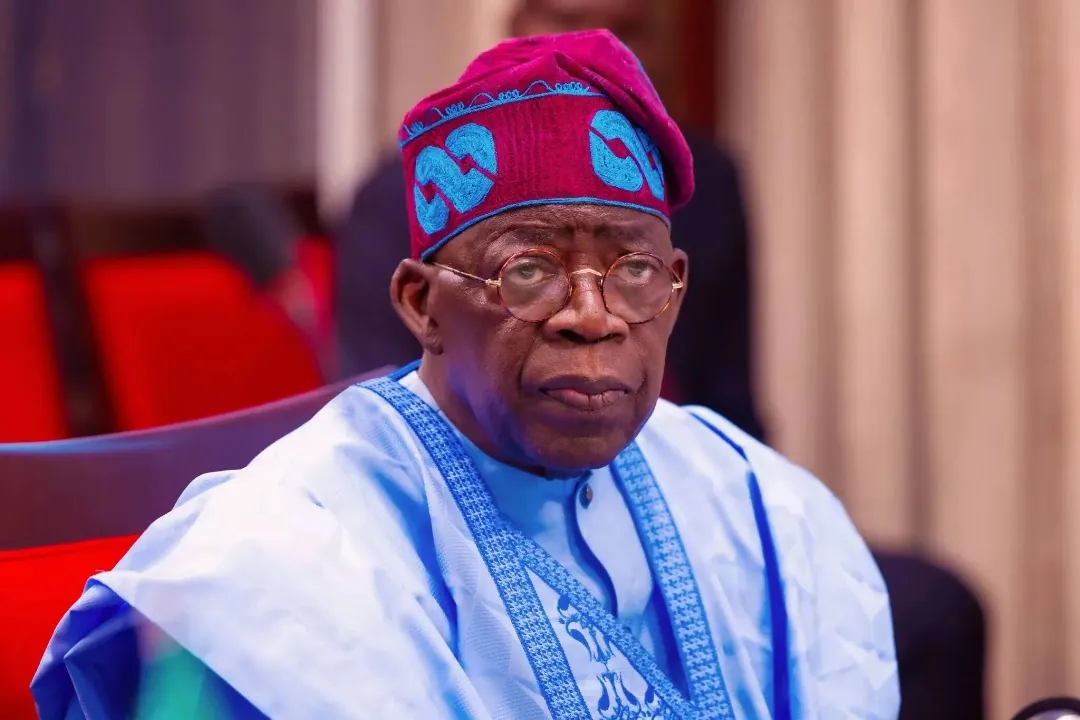
According to Adedokun, President Bola Tinubu has authorized targeted measures to raise the financial resources necessary to settle outstanding obligations owed to existing contractors, emphasizing that punctual payments are vital to sustaining an efficient public procurement setup.
To further sanitize public spending, the regulatory bureau is rolling out 23 separate procurement reforms aimed at optimizing transparency, boosting institutional efficiency, and guaranteeing value for money.
The SGF is scheduled to inaugurate specialized committees to drive these changes shortly. These structural adjustments are tailored to ensure citizens experience tangible benefits via improved transport infrastructure, healthcare facilities, quality education, and better socioeconomic conditions.
The Secretary to the Government of the Federation (SGF), Sen. George Akume, affirmed that public procurement practices remain a core pillar of the current administration’s Renewed Hope Agenda. Akume, whose remarks were delivered by the Permanent Secretary of the General Services Office, Dr. Abubakar Kana, highlighted several ongoing policy shifts.
These initiatives include drafting amendments to the Public Procurement Act 2007, advancing the Nigeria First Policy, introducing the Nigeria e-Marketplace platform, and scaling up community-based and affirmative procurement systems to empower local industries and foster inclusive economic growth. The event also served as a launchpad for the formal unveiling of the BPP’s current and future operational blueprints under the theme, “The Procurement Evolution: Honouring the Past, Powering the Future.”
The Issues
- Ending the practice of awarding unfunded public contracts to stop the accumulation of delayed projects and contractor debts.
- Executing 23 new procurement reforms to guarantee transparency and direct infrastructure benefits for citizens.
- Modernizing the Public Procurement Act 2007 through legislative amendments and digital tools like the e-Marketplace.
What’s Being Said
- Explaining the presidential directive regarding contractor payments, BPP Director-General Dr Adebowale Adedokun stated: “Mr President has given a directive on when funds should be raised to address the concerns of contractors who are yet to be paid.”
- Describing how the new funding rule transforms the contract award process, Adedokun explained: “With this, procurement processes will be much better because payment is now tied to procurement. Meaning that no award will be further issued without resources or funding available. So these are the things that the President has asked us to do.”
- Outlining the human-centric development goals motivating the ongoing institutional changes, the BPP boss noted: “The president wants Nigerians to feel the effects of this transformation by having good roads, good hospitals, good educational institutions, and a good living wage for all workers.”
- Highlighting the collective duty of stakeholders to simplify public transactions while maintaining institutional integrity, SGF Sen. George Akume stated: “As we move forward, our collective responsibility is very clear. We must ensure that procurement processes are simplified. without compromising accountability, that technology is fully leveraged to eliminate inefficiencies and that all stakeholders work collaboratively to achieve shared national goals.”
- Reaffirming the state’s long-term administrative backing for the procurement bureau’s strategic direction, Akume concluded: “The federal government remains fully committed to supporting the Bureau of Public Procurement in driving these reforms and ensuring that public procurement becomes a catalyst for economic growth, infrastructure development and improved quality of life for all our citizens.”
What’s Next
- The Secretary to the Government of the Federation will soon inaugurate the official committees tasked with driving the 23 procurement reforms.
- The BPP will deploy its newly unveiled initiatives to systematically link all future contract awards to confirmed treasury allocations.
- Federal ministries and agencies will begin aligning their acquisition workflows with upcoming tech platforms like the Nigeria e-Marketplace.
Bottom Line
The Federal Government has prohibited the issuance of new public contracts without guaranteed financing, while simultaneously introducing 23 procurement reforms and legislative updates to clear outstanding contractor debts and optimize public infrastructure delivery.