






By Annette Ikponmwonba | October 26, 2026
Key Points
· NiMet says a strong El Niño event, which it calls a “super El Niño,” began developing in 2026 and is expected to dominate global climate patterns from August to October
· Wetter-than-normal conditions are forecast in parts of the north, including Sokoto, Kebbi, Zamfara, Katsina, Kano, Yobe, Borno, Bauchi and Jigawa
· Drier-than-normal conditions are expected in parts of the south, including Oyo, Ogun, Osun, Ekiti, Edo and Delta, and possibly Kogi and parts of Benue
· Reduced rainfall could cut crop yields, lower dam and river levels and reduce hydropower generation
· NiMet warns of health risks from stagnant water, floods, water shortages and rising temperatures
· The agency urges drought-resistant crops, water conservation, irrigation, rainwater harvesting and early preparation for floods
Main Story
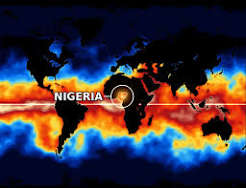
El Niño is a natural climate phenomenon that occurs when sea-surface temperatures in the central and eastern tropical Pacific Ocean become warmer than normal. It can disrupt atmospheric circulation and influence rainfall and temperature patterns in different parts of the world. It is the warm phase of the El Niño-Southern Oscillation, a climate pattern that also includes La Niña, its cooler phase, and neutral conditions. Its effects are not the same everywhere, as local weather conditions and other ocean-atmosphere processes can influence its impact.
The Nigerian Meteorological Agency has warned that the developing event could significantly affect rainfall patterns in Nigeria, particularly the length of the rainy season and when it ends. In its Seasonal Climate Prediction Update for August 2026, NiMet stated, “Analysis of the most recent ocean observations confirms the onset of a strong El Niño event in 2026.” It added that the event is expected to dominate global climate patterns during the August to October season, increasing the likelihood of above-normal temperatures across much of the world.
NiMet’s August to October forecast says rainfall will vary across the country. “Wetter-than-normal conditions are expected across the north, especially Sokoto, Kebbi, Zamfara, Katsina, Kano, Yobe, Borno, Bauchi and Jigawa states,” the agency stated. It also forecast drier-than-normal conditions in parts of the south, particularly Oyo, Ogun, Osun, Ekiti, Edo and Delta, with Kogi and parts of Benue also possibly affected. Seasonal forecasts describe likely conditions over a period and do not guarantee the exact weather in every location.
The Issues
Agriculture is the most immediate concern. Changes in rainfall affect planting schedules, soil moisture, crop development and harvests. Too little rain can leave crops without enough moisture, while too much can cause flooding and damage farmland. NiMet warned that normal to below-normal rainfall in August for Borno and Yobe could raise the risk of reduced yields, particularly during flowering and grain filling. It advised farmers to avoid unnecessary fertiliser use during dry spells and to watch for weeds, pests and disease linked to wetter conditions. Where above-normal rain is expected, farmers should keep drainage channels clear.
Water and power supply are also at risk. NiMet warned of reduced surface water availability and lower inflows into rivers, lakes, reservoirs and dams, which could affect domestic, agricultural, industrial and hydropower uses. It also flagged declining groundwater recharge, especially where abstraction is high. Hydroelectric generation could suffer from reduced inflow, increasing reliance on thermal plants and raising costs and emissions, with possible implications for energy security. These are potential risks, not confirmation that shortages or disruptions will occur.
Health is a further worry. NiMet warned that malaria and typhoid could spread faster because of altered rainfall and stagnant water. It should be noted that typhoid is not vector-borne. According to the World Health Organisation, it is usually spread through contaminated food or water, while malaria is transmitted by infected mosquitoes. The agency also cautioned that droughts, floods and erratic rainfall could threaten food production and lead to malnutrition, and flagged skin rashes and diseases during the dry season amid unusually high temperatures. The extent of these effects will depend on local weather, sanitation, public-health measures and access to essential services.
What’s Being Said
NiMet described the developing event as a “super El Niño” and said it is increasing the likelihood of above-normal temperatures and driving significant shifts in rainfall patterns. It stressed the need for stronger monitoring and wider dissemination of its forecasts so communities and authorities can prepare.
On food production, the agency said El Niño “could trigger widespread droughts, floods and erratic rainfall that threaten food production and lead to malnutrition.” On water, it warned of “reduced surface water availability leading to decrease inflows into rivers, streams, lakes, reservoirs, and dams.” On power, it said “hydroelectric power generation suffers from reduced inflow., For farmers, NiMet advised applying fertiliser only after effective rainfall to improve nutrient uptake, monitoring fields for pests and disease, and working with agricultural extension officers.
What’s Next
NiMet recommended the promotion of drought-resistant crop varieties and early maturing cultivars for the minor season, along with strategic reservoir management and water conservation. It also called for scaling up irrigation infrastructure and rainwater harvesting, and for pre-positioning relief supplies in areas vulnerable to extreme weather.
Farmers should follow updated agricultural and weather advisories, while communities and authorities should prepare for possible flooding or reduced rainfall based on local forecasts. As the event develops, attention will turn to further NiMet updates and how state governments and agencies respond in the most exposed areas.
Bottom Line
NiMet is warning that a strong El Niño could bring flooding risks in the north and dry conditions in the south, with knock-on effects for farming, water, electricity and health, and its message to Nigerians is to follow official forecasts and prepare early rather than wait for the effects to arrive.