









Key points
- The Federation of Tourism Associations of Nigeria (FTAN) is studying the Nigerian Society of Engineers’ (NSE) institutional framework to strengthen governance and professionalism in the tourism sector.
- FTAN said overlapping responsibilities among tourism institutions are weakening accountability and industry coordination.
- The NSE attributed its institutional strength to the clear separation of regulatory and professional responsibilities.
- Both organisations agreed to deepen collaboration to support sustainable tourism development and economic diversification.
Main story
The Federation of Tourism Associations of Nigeria (FTAN) says it is drawing lessons from the Nigerian Society of Engineers (NSE) as part of efforts to strengthen governance, professionalism and institutional reforms within Nigeria’s tourism sector.
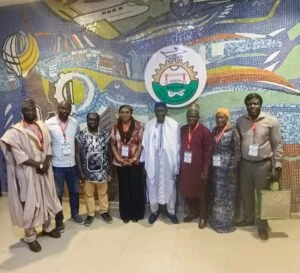
FTAN President, Dr. Aliyu Badaki, disclosed this during a visit by tourism stakeholders to the NSE National Headquarters in Abuja on Thursday.
The visit formed part of FTAN’s Tourism Transformation Mandate (TTM), an initiative aimed at repositioning the tourism sector through stronger institutions, improved governance, enhanced professional standards and reforms capable of driving sustainable growth.
Badaki said the federation was examining the engineering profession’s institutional structure to identify governance practices that could help build a more coordinated and accountable tourism industry.
“We are here to collaborate and learn from the Nigerian Society of Engineers because your institution has built a strong professional structure over the years. That structure continues to earn national and international recognition.
“We believe that learning from your experience will help us build a stronger framework that will benefit the tourism industry, businesses and the nation’s economy,” he said.
According to him, FTAN’s reform agenda seeks to restructure the tourism sector to deliver better outcomes for operators, investors and the wider economy.
He expressed concern over overlapping mandates among tourism institutions, noting that duplication of responsibilities often undermines efficiency, accountability and effective coordination.
Badaki said clearly defining the roles of regulators, professional bodies and operators would strengthen professionalism, minimise institutional conflicts and create a more predictable operating environment for stakeholders.
Responding, NSE President, Mr. Ali Rabiu, commended FTAN for seeking to learn from an established professional institution as it pursues reforms.
Rabiu said the NSE, founded in 1958, had built its reputation through sound governance, collaboration and sustained investment in professional development.
He explained that engineering and tourism were closely connected because engineers provide the infrastructure that supports transportation, hospitality, recreation and destination development.
“Engineering and tourism remain closely connected because engineers design transportation systems, resorts and other infrastructure supporting tourism development,” he said.
Rabiu added that separating regulatory responsibilities from professional representation had strengthened engineering practice in Nigeria.
He explained that while the Council for the Regulation of Engineering in Nigeria regulates engineering practice, the NSE focuses on advocacy, capacity building and professional development.
He assured FTAN of the society’s willingness to share its institutional experience and support efforts to strengthen tourism governance.
Also speaking, the NSE Director of Professional Development, Mr. Babatunde Odunlami, said collaboration among professional bodies remained essential for building stronger institutions and improving professional standards across strategic sectors.
FTAN First Deputy President, Mrs. Susan Akporiaye, thanked the NSE leadership for hosting the delegation and reaffirmed the federation’s commitment to strategic partnerships that would accelerate reforms in the tourism industry.
The visit concluded with the exchange of commemorative gifts between the presidents of both organisations, symbolising their commitment to future collaboration.
The issues
Nigeria’s tourism sector has long faced governance challenges arising from fragmented institutional responsibilities, weak coordination and inconsistent professional standards. FTAN believes adopting stronger governance models from established professional bodies could improve accountability and accelerate reforms needed to unlock tourism’s contribution to economic diversification.
What’s being said
“We believe that learning from your experience will help us build a stronger framework that will benefit the tourism industry, businesses and the nation’s economy.” — Dr. Aliyu Badaki, FTAN President
“Separating regulatory and professional responsibilities has strengthened engineering practice and institutional effectiveness throughout Nigeria’s engineering profession.” — Mr. Ali Rabiu, NSE President
What’s next
FTAN is expected to incorporate lessons from the NSE into its Tourism Transformation Mandate as it continues consultations aimed at strengthening governance, clarifying institutional roles and implementing sector-wide reforms.
Bottom line
FTAN is looking beyond the tourism industry for proven governance models, betting that stronger institutions and clearer professional frameworks will be critical to unlocking the sector’s long-term growth potential.




 says it is drawing lessons from the Nigerian Society of Engineers ...)