



By Boluwatife Oshadiya
Key Points
- Finance Ministry met with indigenous contractors over unpaid government obligations.
- Taiwo Oyedele pledged a fair, transparent, and structured resolution process.
- Senior finance and treasury officials attended the meeting.
- Government says resolving contractor debts is critical for economic stability and business confidence.
- Contractors commended the ministry’s engagement and commitment to dialogue.
Main Story
The Federal Ministry of Finance has commenced fresh engagements with indigenous contractors over outstanding government payment obligations, as part of efforts to address long-standing liabilities owed to contractors handling capital projects across the country.
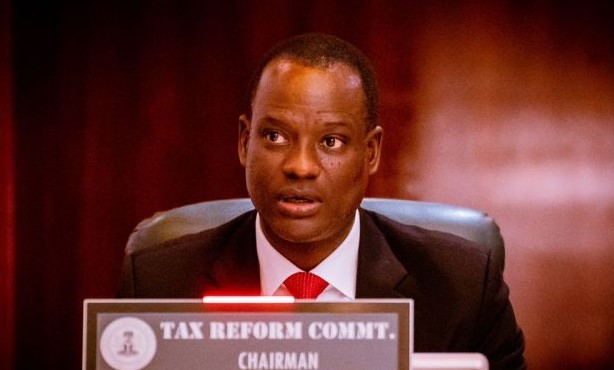
The Minister of Finance and Coordinating Minister of the Economy, Taiwo Oyedele, Nigerian economist and Finance Minister, on Monday met with members of the All-Indigenous Contractors Association of Nigeria to discuss the outstanding payments and government plans to resolve the issue.
The meeting, which took place in Abuja, was attended by senior government officials, including the Permanent Secretary of the Ministry of Finance, the Permanent Secretary for Special Duties, the Accountant-General of the Federation, directors from the Cash Management Department and Home Finance Department, as well as other senior officials from the ministry and the Office of the Accountant-General of the Federation.
According to the ministry, the presence of top finance officials reflects a coordinated institutional approach toward resolving the issue in a transparent and orderly manner.
The discussions focused on establishing clarity, accountability, and a structured process for addressing outstanding obligations owed to contractors while balancing the realities of government finances.
Speaking during the engagement, Oyedele emphasized that resolving the obligations was critical not only for contractors but also for sustaining confidence in government commitments, preserving jobs, supporting business continuity, and strengthening economic stability.
The minister reiterated the Federal Government’s commitment to resolving the issue as quickly as possible in a manner that is fair, credible, and equitable.
The contractors, in response, commended the minister for initiating dialogue and adopting what they described as a constructive approach toward finding a timely resolution.
Background
Outstanding contractor payments have remained a recurring challenge in Nigeria’s public finance system, particularly amid revenue pressures, rising debt servicing obligations, and competing fiscal priorities.
Many contractors handling federal infrastructure and capital projects have repeatedly raised concerns over delayed payments, warning that the situation affects project completion timelines, employment, liquidity, and operational sustainability.
The Federal Government has in recent years intensified efforts to improve cash management, expenditure efficiency, and transparency in the handling of public finances.
What’s Being Said
Economic experts note that settling verified contractor obligations could improve liquidity within the private sector, support infrastructure delivery, and restore confidence among businesses working with government agencies.
Analysts also argue that delayed payments to contractors often create ripple effects across supply chains, especially for small and medium-sized enterprises linked to public projects.
What’s Next
The Ministry of Finance is expected to continue consultations with relevant agencies and contractor groups as government develops a framework for resolving outstanding obligations.
Stakeholders will also be watching for possible timelines, verification processes, and funding mechanisms that may be introduced to facilitate payment settlements.