






Key points
- The Federal Government plans to grow Nigeria’s livestock economy from $32 billion to $74 billion within 10 years.
- A $300 million African Development Bank support package will fund feed production, animal health, breed improvement and rural infrastructure.
- Government says the initiative is anchored on the National Livestock Transformation Plan.
- Nigeria’s participation in the Special Agro-Industrial Processing Zones Programme has attracted over $530 million investment to Ogun State.
- Officials say the livestock sector is being repositioned as a major driver of jobs, food security and exports.
Main story
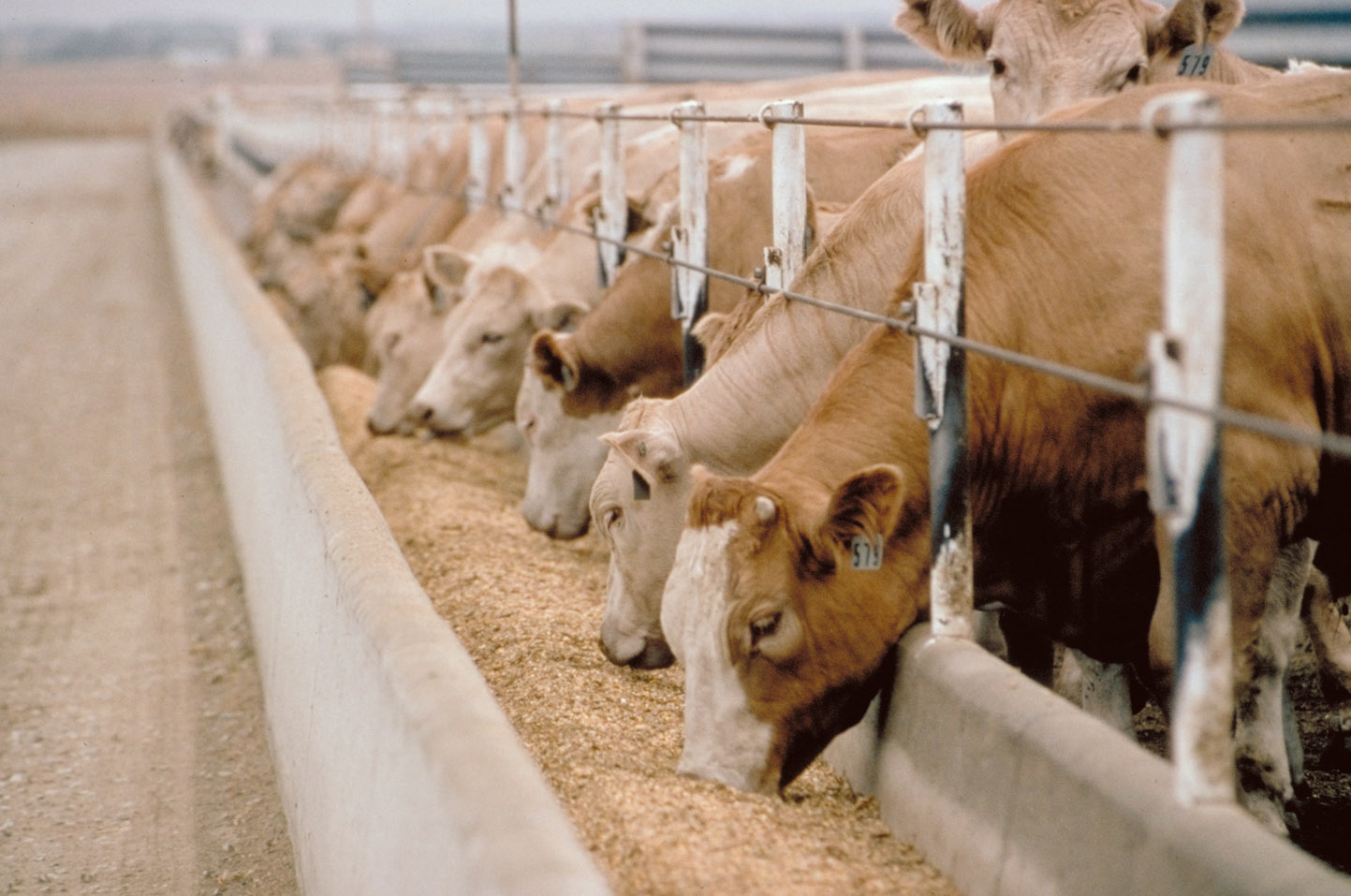
The Federal Government has unveiled an ambitious roadmap aimed at transforming Nigeria’s livestock sector into a $74 billion economy over the next decade as part of broader efforts to boost agricultural productivity and economic diversification.
Minister of Livestock Development, Idi Mukhtar Maiha, disclosed the plan during the 28th Global Convention and 27th Annual Lecture of the Federal University of Agriculture, Abeokuta (FUNAAB) Alumni Association held in Ogun State.
Represented by his Senior Special Adviser on Knowledge Management and Communication, Richard-Mark Mbaram, the minister said the strategy is backed by a $300 million support package from the African Development Bank targeted at strengthening feed production, animal health systems, breed improvement and rural infrastructure.
He added that Nigeria’s involvement in the Special Agro-Industrial Processing Zones Programme has already attracted over $530 million in investments to Ogun State alone.
According to the minister, the establishment of a dedicated Ministry of Livestock Development by President Bola Tinubu represents a major policy shift aimed at unlocking value across the meat, dairy, poultry and allied industries.
The issues
Nigeria’s livestock industry has long been hindered by poor infrastructure, low productivity, inadequate financing and outdated production systems, limiting its contribution to the broader economy despite the country’s vast agricultural potential.
Stakeholders say transforming the sector into a structured, commercially driven ecosystem is critical to addressing food insecurity, unemployment and weak export performance.
Concerns also remain around post-harvest losses, weak value chains and the country’s inability to fully harness opportunities within modern agro-processing systems.
Experts argue that without sustained investment, improved infrastructure and policy consistency, the sector may struggle to achieve its long-term growth targets.
What’s being said
Speaking at the event, Maiha said the livestock sector must now be viewed as a modern economic ecosystem rather than a subsistence activity.
“The livestock sector is no longer a subsistence activity, it is a business ecosystem,” he stated.
The minister also highlighted the sector’s role in improving child nutrition through an expanded school feeding programme supported by a $20 million grant from development partners.
Delivering a lecture titled, “A MEGATREND Approach to Creating Long-Term Business and Investment in an Evolving Economy,” industrialist Alhaji Goke Adeyemi called for practical reforms to address inefficiencies within Nigeria’s agricultural sector.
What’s next
The Federal Government is expected to intensify implementation of the National Livestock Transformation Plan alongside new financing and infrastructure initiatives aimed at modernising livestock production nationwide.
Discussions are also ongoing around a proposed partnership between the FUNAAB Alumni Association and the Federal Ministry of Livestock Development to convert the university’s farm hub into a national innovation and demonstration centre.
Industry stakeholders will be watching closely to see how quickly funding, infrastructure projects and policy reforms are deployed to drive the sector’s expansion targets.
Bottom line
The Federal Government’s push to grow Nigeria’s livestock economy to $74 billion signals a broader attempt to reposition agriculture as a major pillar of economic growth, food security and export expansion.
However, analysts say achieving the target will depend largely on sustained investment, effective policy implementation and the government’s ability to modernise the country’s livestock value chain beyond traditional production systems.