








By Boluwatife Oshadiya, | June 30, 2026
Key Points
- The Federal Government plans to abolish the separation of Junior and Senior Secondary Schools after more than 20 million pupils dropped out before reaching senior secondary education
- Education Minister Tunji Alausa says the policy has failed, citing inadequate junior secondary schools and overcrowded classrooms
- Government will present the proposal to the National Council on Education while accelerating the completion of UBEC-funded Smart Schools nationwide
Main Story
The Federal Government has announced plans to phase out the policy separating Junior Secondary Schools (JSS) from Senior Secondary Schools (SSS), describing the arrangement as ineffective after data revealed that more than 20 million Nigerian pupils dropped out before progressing to senior secondary education.
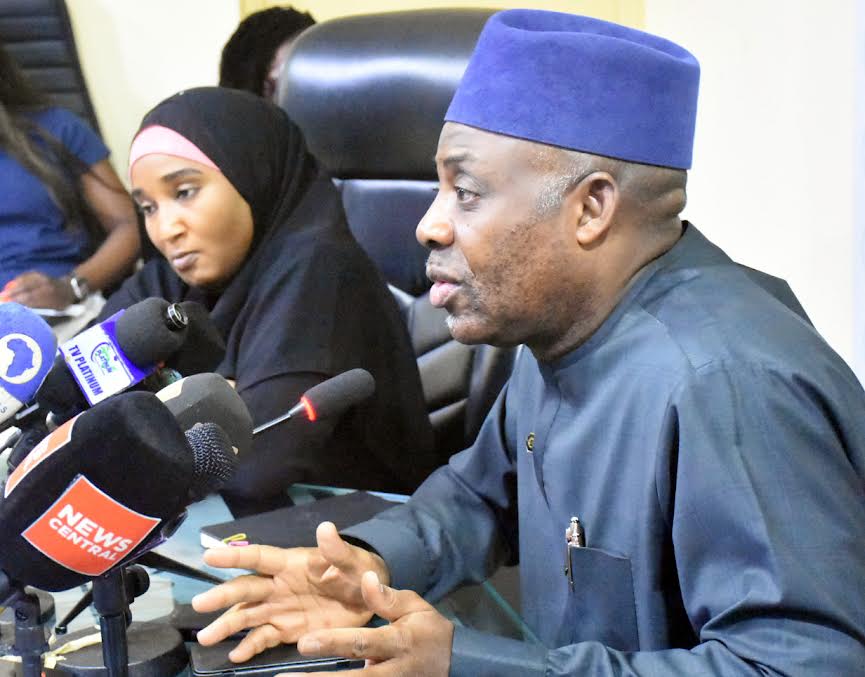
Minister of Education, Dr. Tunji Alausa, disclosed the decision on Tuesday in Abuja during the inauguration of the Universal Basic Education Commission (UBEC) Ministerial Implementation and Monitoring Committee. He said the policy, commonly known as the “disarticulation policy,” has failed to improve school transition rates and has instead created significant structural challenges across the education system.
According to Alausa, Nigeria currently has about 80,000 public primary schools but only around 15,000 junior secondary schools, creating a ratio of roughly one JSS to every eight primary schools. He noted that the imbalance has resulted in overcrowded junior secondary schools, while many senior secondary school facilities remain underutilised, particularly in Kaduna and several northern states.
“We have 20 million dropouts from primary school to JSS. Where are those students? This disarticulation policy has failed. We will phase it out because it is about doing what is best for every Nigerian child,” Alausa said.
The minister said the proposal to abolish the policy will be presented at the next meeting of the National Council on Education, Nigeria’s highest policy-making body on education. If approved, the reform is expected to streamline the transition from junior to senior secondary education and improve access for millions of learners.
Alausa also inaugurated a committee chaired by Professor Rashid Aderinoye to oversee the completion, handover and operationalisation of UBEC-funded Smart Schools, Bilingual Schools and Alternative Schools across the country. He said several of the projects remain unfinished or have yet to admit learners despite substantial public investment.
The move forms part of the Federal Government’s broader efforts to tackle Nigeria’s out-of-school children crisis, one of the largest in the world, particularly in rural, underserved and conflict-affected communities.
What’s Being Said
Education Minister Dr. Tunji Alausa said the government can no longer justify maintaining a policy that limits access to education.
“We can’t be creating positions because we want to create a director level for people while we harm our education system. This government will not fail. We are fixing it,” Alausa said.
Education experts have consistently argued that improving enrolment requires more than constructing new schools. They maintain that completed facilities must be adequately staffed, equipped and opened for learning if Nigeria is to significantly reduce the number of out-of-school children.
What’s Next
- The Federal Government will present the proposal to abolish the JSS-SSS separation policy at the next meeting of the National Council on Education for consideration.
- The newly inaugurated UBEC monitoring committee will begin supervising the completion and handover of Smart Schools, Bilingual Schools and Alternative Schools nationwide.
- Education stakeholders will closely monitor how the proposed reform affects student transition rates and access to secondary education, particularly in states with high dropout levels.
Bottom Line
The Bottom Line: Scrapping the JSS-SSS separation policy signals a major shift in Nigeria’s education strategy, prioritising student access over administrative structure. If backed by effective implementation, adequate funding and operational school infrastructure, the reform could help reduce the country’s persistent out-of-school crisis and improve progression into senior secondary education.





 from Senior Secondary Schools...)