




By Boluwatife Oshadiya | May 27, 2026
Key Points
- President Bola Tinubu says Nigerian children must be heard, protected, and included in national development conversations
- Federal Government links child welfare reforms to the Renewed Hope Agenda, including Nutrition 774, ANRiN 2.0, and NELFUND initiatives
- Students at the event called for free quality education, stronger security, and protection against child abuse and drug-related crimes
Main Story
Bola Ahmed Tinubu has called on governments, families, and communities across Nigeria to move beyond symbolic support for children and build systems that genuinely include young people in national decision-making.
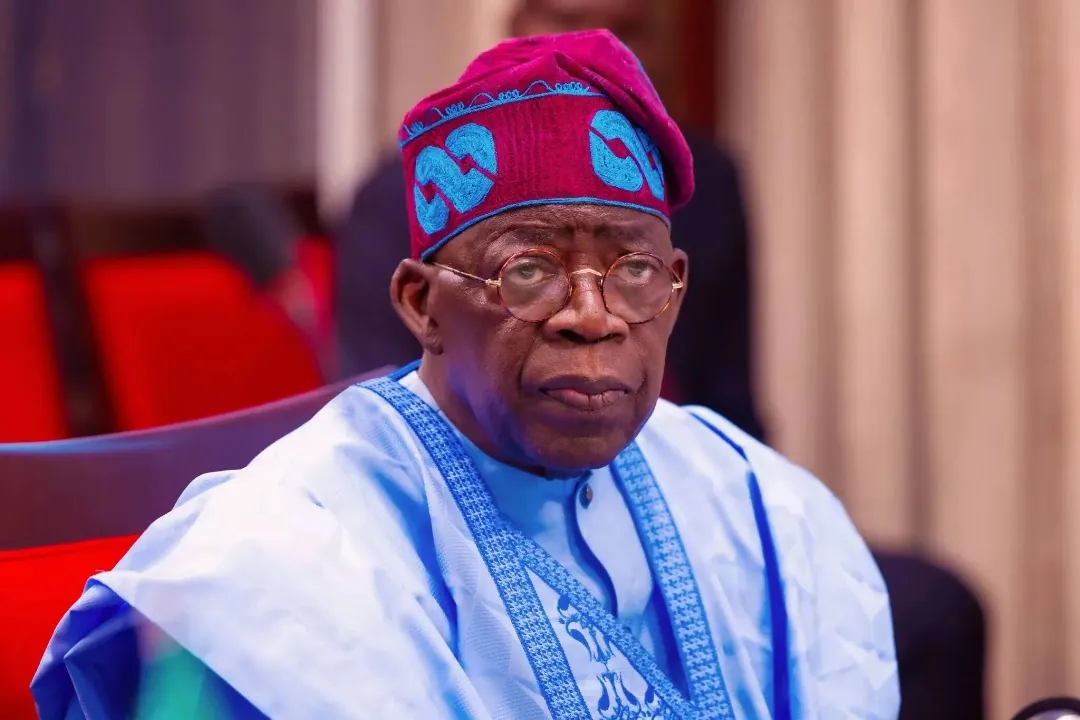
Speaking during the 2026 National Children’s Day celebration at Eagle Square in Abuja, the President said Nigerian children must no longer be treated as passive observers but as active stakeholders in the country’s future.
Represented by the Minister of Women Affairs and Social Development, Imaan Sulaiman-Ibrahim, Tinubu told children gathered from schools across the country that their voices, ideas, and welfare remain central to his administration’s democratic and social development agenda.
“A nation that listens to its children is one that is wisely preparing for the future. We are committed to building a governance culture where children are not merely seen, but genuinely heard and meaningfully included in conversations that shape their lives and the destiny of our country,” Tinubu said.
The President anchored his remarks on the 2026 Children’s Day theme, “Future Now: Promoting Inclusion for Every Nigerian Child,” stressing that inclusion must become a foundational principle of governance and national development.
According to him, every Nigerian child — regardless of social background, disability, economic status, or geographical location — deserves equal access to education, healthcare, nutrition, protection, and digital opportunities.
Tinubu also linked child-focused reforms to the administration’s broader Renewed Hope Agenda, highlighting programmes such as the Renewed Hope Social Impact Intervention–774, Nutrition 774, ANRiN 2.0, and the Nigerian Education Loan Fund as part of efforts aimed at improving outcomes for children and adolescents nationwide.
The President said the government is expanding nutrition interventions for mothers and adolescent girls while investing in science, technology, engineering, and mathematics education through digital learning initiatives under the Ministry of Education.
On child protection, Tinubu said the Federal Government is reviewing the Child Rights Act and the National Child Policy to strengthen protections against violence, child marriage, and female genital mutilation.
He added that the 2025 Costed Action Plan would support efforts to combat abuse and create safer environments for children across Nigeria.
The Issues
Nigeria continues to face deep structural challenges affecting children, particularly in education, nutrition, healthcare access, and security. According to data from UNICEF, Nigeria remains one of the countries with the highest number of out-of-school children globally, while insecurity in parts of the North-East and North-West continues to disrupt learning and child welfare systems.
Child rights advocates have also repeatedly raised concerns about weak enforcement of the Child Rights Act across some states, particularly around child marriage and child labour. Although several states have domesticated the law, implementation gaps and funding constraints remain a major concern for stakeholders.
Economic hardship and rising inflation have further increased pressure on vulnerable households, pushing more children into informal labour, street trading, and exposure to exploitation.
What’s Being Said
“No Nigerian child should ever feel invisible, unheard, excluded, or forgotten. Every child deserves equal access to quality education, healthcare, protection, nutrition, digital opportunity, and the dignity of belonging,” Tinubu said during the ceremony.
Mariya Mahmoud, represented by Permanent Secretary Hajiya Mukhtar, said the Federal Capital Territory Administration is working with UNICEF Nigeria to strengthen community-based child protection systems and improve monitoring of orphanages and care homes.
“We will continue to work with relevant stakeholders to build an inclusive society where every child can learn, grow, and thrive irrespective of background or circumstance,” she said.
A student of Government Secondary School, Garki, Abuja, Jessica Nufi, also used the occasion to appeal directly to the government for stronger investment in education and security.
“Make education free, accessible and quality for every child, regardless of background or location. Protect us from insecurity and violence so we can learn and grow in peace,” she said.
Nufi also warned about the growing impact of drug abuse, cultism, and environmental hazards on children and young people, urging leaders to create a safer and healthier future for the next generation.
What’s Next
- The Federal Government is expected to continue its review of the Child Rights Act and National Child Policy in the coming months
- State governments are likely to face renewed pressure from child rights groups to improve implementation of child protection laws
- Additional funding and rollout phases for Nutrition 774 and education-focused digital learning initiatives are expected under the Renewed Hope Agenda
Bottom Line
The Bottom Line: Tinubu’s Children’s Day message reflects a broader attempt by the Federal Government to position child welfare and inclusion as part of its long-term governance strategy. However, translating policy declarations into measurable improvements in education access, security, nutrition, and child protection will determine whether these commitments produce lasting impact for millions of Nigerian children.