Key points
- Energy experts say Nigeria must combine artificial intelligence, smart technologies and local innovation to achieve universal electricity access.
- About 87 million Nigerians still lack access to electricity, while many connected to the grid face unreliable supply.
- AI, predictive analytics and smart grids could help reduce outages, improve asset management and strengthen electricity distribution.
- Stakeholders also called for greater investment in locally developed energy solutions and decentralised power systems.
Main story
Energy experts have called for a combination of advanced technologies and indigenous innovation to address Nigeria’s persistent electricity challenges, arguing that the country must move beyond traditional approaches if it hopes to achieve universal energy access and sustainable development.
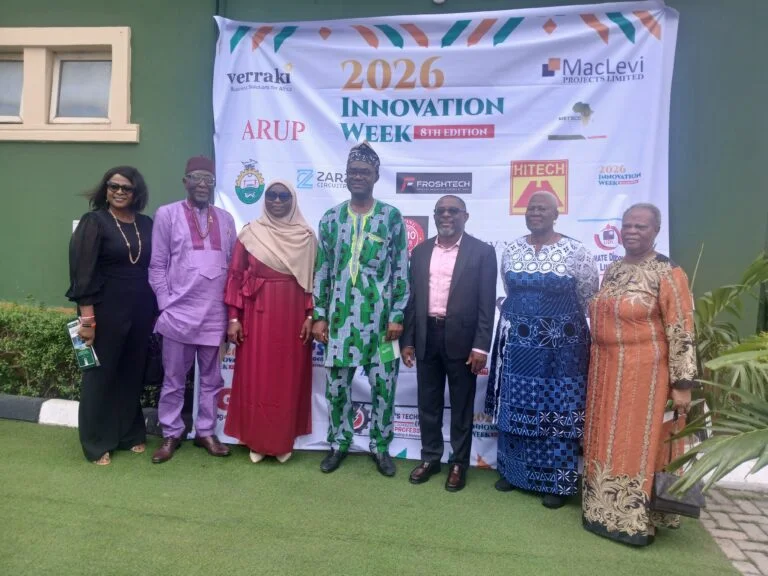
The experts spoke at the 2026 Innovation Week of the Nigerian Society of Engineers (NSE), Ikeja Branch, in Lagos, where discussions focused on engineering solutions for expanding energy access across the country.
Speaking at the event, Mr Niyi Tayo, Senior Partner, Energy and Natural Resources Marketing Unit at Verrakki, said Nigeria’s energy crisis extends beyond infrastructure shortages to include operational inefficiencies, poor asset management and fragmented information systems.
According to him, despite years of reforms and investments, millions of Nigerians continue to experience inadequate electricity supply, limiting economic growth and reducing productivity across key sectors.
Tayo argued that the country’s power sector remains constrained by ageing infrastructure, gas supply shortages, vandalism, weak transmission networks and recurring grid disturbances, all of which increase costs for businesses and households.
He said the sector’s largely reactive maintenance culture has contributed to inefficiency, with operators often responding only after equipment failures and outages occur.
To address these challenges, Tayo advocated the adoption of artificial intelligence, machine learning and predictive analytics tools capable of monitoring infrastructure performance, identifying potential failures and improving operational efficiency through real-time data analysis.
He said technologies such as digital twins, smart grids and AI-powered forecasting systems could help electricity providers improve asset management, optimise power distribution and integrate renewable energy sources more effectively.
The energy expert also identified poor data integration as a major obstacle to sector efficiency, noting that generation companies, transmission operators, distribution companies and regulators often operate separate systems with limited information sharing.
He said future improvements in electricity management would depend on creating interconnected digital platforms capable of linking generation, transmission and distribution assets into a single intelligent network.
Also speaking at the event, Mr Dotun Adesina, Principal Partner at MacLevi Projects Ltd., stressed the need for greater reliance on locally developed energy solutions.
Adesina said Nigeria possesses the natural resources, technical expertise and renewable energy potential needed to develop sustainable energy systems without excessive dependence on imported technologies.
He noted that the country’s gas reserves, solar resources and growing technical workforce provide a strong foundation for expanding energy access through locally adapted solutions.
The experts agreed that decentralised energy systems, local manufacturing and stronger collaboration across disciplines would be essential to expanding electricity access and supporting long-term economic development.
The issues
Nigeria continues to face one of the world’s largest electricity access deficits, with millions of households and businesses either lacking power entirely or relying on unreliable supply.
The country’s power sector has struggled with infrastructure gaps, transmission bottlenecks, inadequate investment and operational inefficiencies, limiting its ability to meet growing demand.
Experts argue that digital technologies such as artificial intelligence, predictive maintenance systems and smart grids could help improve reliability while reducing costs.
At the same time, there are growing calls for greater local participation in energy technology development to reduce dependence on imported solutions and ensure technologies are better adapted to Nigerian conditions.
What’s being said
“Despite decades of investment and reforms, about 87 million Nigerians still lack access to electricity, while millions connected to the national grid continue to endure unreliable supply.” — Mr Niyi Tayo, Senior Partner, Energy and Natural Resources Marketing Unit, Verrakki
“The dominant operating culture in much of Nigeria’s energy infrastructure remains reactive. We wait for equipment to fail before intervening.” — Mr Niyi Tayo, Senior Partner, Energy and Natural Resources Marketing Unit, Verrakki
“Artificial Intelligence changes the logic of infrastructure management entirely.” — Mr Niyi Tayo, Senior Partner, Energy and Natural Resources Marketing Unit, Verrakki
“We cannot afford to sit back and wait for foreign solutions to our energy challenges. The resources are here, the opportunities are here and the talent is here.” — Mr Dotun Adesina, Principal Partner, MacLevi Projects Ltd.
What’s next
Industry stakeholders are expected to continue pushing for greater deployment of AI-powered systems, smart grid technologies and digital infrastructure within the power sector.
There are also growing calls for increased support for local manufacturing, decentralised energy projects and indigenous innovation as part of broader efforts to expand electricity access and improve energy reliability nationwide.
Bottom line
The experts argue that solving Nigeria’s electricity challenge will require more than building new infrastructure. Success will depend on combining advanced technologies with local innovation to create a smarter, more efficient and more resilient energy system.