








Key points
- NASENI trained 50 women in Kano under its She-Powers Energy Initiative.
- Beneficiaries received certificates and solar installation toolkits.
- The programme focused on solar installation, maintenance and troubleshooting.
- NASENI says the initiative aims to create women entrepreneurs and renewable energy champions.
Main story
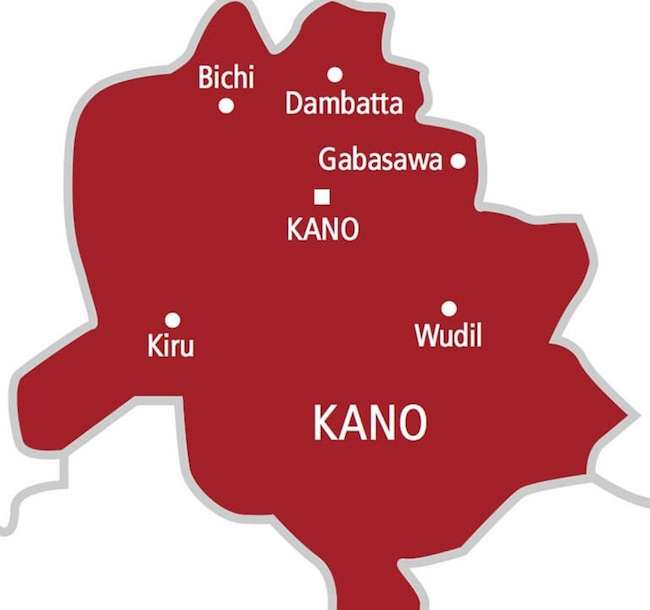
The National Agency for Science and Engineering Infrastructure (NASENI) has trained and equipped 50 women in Kano State with practical renewable energy skills as part of efforts to expand women’s participation in Nigeria’s growing clean energy sector.
The beneficiaries, who completed training in solar energy installation, maintenance and troubleshooting, received certificates and NASENI-branded toolkits during a graduation ceremony organised in collaboration with AMG Worldwide Ltd.
Speaking at the event, NASENI’s Executive Vice Chairman and Chief Executive Officer, Engr. Khalil Halilu, said the initiative was designed to empower women with marketable technical skills while promoting access to renewable energy solutions in communities.
Halilu said the agency’s approach to energy development goes beyond infrastructure and technology to creating economic opportunities and improving livelihoods.
He noted that the growing demand for renewable energy across Nigeria presents significant opportunities for employment, entrepreneurship and improved energy access, particularly for women.
According to him, the training forms part of a broader nationwide empowerment programme through which NASENI has supported women in areas including agriculture, drone technology and other emerging sectors.
The NASENI chief added that providing toolkits alongside the training would enable participants to begin offering services immediately without the challenge of sourcing equipment.
He also highlighted the importance of increasing women’s participation in the renewable energy sector, particularly in communities where cultural norms may limit access by male technicians to certain parts of residential homes.
The Kano State Government welcomed the initiative, describing it as a contribution to skills development and women’s economic empowerment in the state.
The programme concluded with a call on participants to utilise their newly acquired skills to establish businesses, create jobs and provide renewable energy solutions within their communities.
The issues
Nigeria continues to face significant energy access challenges, creating growing demand for solar and other renewable energy solutions.
At the same time, women remain underrepresented in many technical and engineering-related professions, limiting their participation in emerging industries.
Stakeholders say programmes that combine technical training with access to tools and startup support can help bridge both the energy access gap and the gender gap in technical occupations.
The initiative also reflects broader efforts to build local capacity in renewable energy as Nigeria seeks to expand clean energy adoption and reduce reliance on conventional energy sources.
What’s being said
“When many people think about energy, they think about power plants, transmission lines and infrastructure. At NASENI, we think about people.” — Engr. Khalil Halilu, Executive Vice Chairman and CEO, NASENI
“Behind every solar panel is a household, behind every innovation is a livelihood, and behind every technology is an opportunity to improve lives.” — Engr. Khalil Halilu, Executive Vice Chairman and CEO, NASENI
“Trained women could install and maintain energy systems in such areas while earning a livelihood.” — Engr. Khalil Halilu, Executive Vice Chairman and CEO, NASENI
What’s next
The beneficiaries are expected to deploy their skills in solar installation and maintenance services across their communities, using the toolkits provided by NASENI.
The agency says the programme forms part of a broader national effort to empower women through technical skills development and expand participation in renewable energy and other technology-driven sectors.
Further editions of the initiative may be rolled out in other states as NASENI continues its women-focused empowerment programmes.
Bottom line
NASENI’s training programme seeks to address two challenges at once: expanding access to renewable energy skills and creating economic opportunities for women. By combining technical training with practical tools, the agency hopes to help beneficiaries enter the clean energy market as entrepreneurs and service providers.







 has trained and equipped 50 women in Kano State with ...)