







Key points
- The Liquefied Petroleum Gas Retailers Association of Nigeria states that persistent cooking gas price hikes are driven by forex instability, high depot prices, and rising distribution costs.
- High-level market disclosures were shared by LPGAR Chairman Mr Ayobami Olarinoye during an interview in Lagos.
- Logistic evaluations confirmed that moving LPG across the country relies heavily on diesel-powered trucks, which inflates final retail costs.
- Regulatory compliance checks are regularly conducted by the association to enforce NMDPRA safety standards and discourage unqualified operators.
- Structural policy recommendations called on the Federal Government to mandate local producers to sell LPG in naira to off-takers.
Main Story
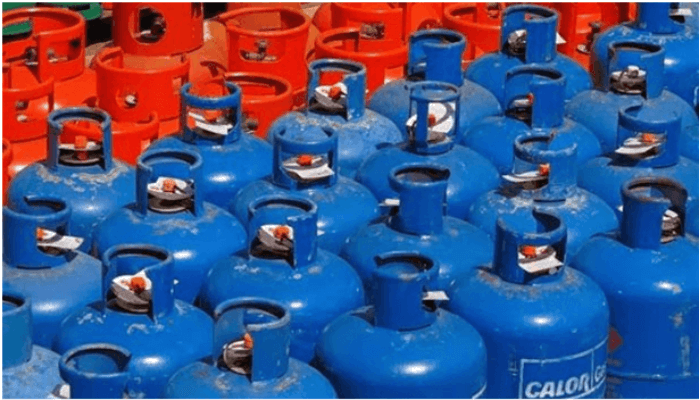
Liquefied Petroleum Gas Retailers Association of Nigeria (LPGAR) says the persistent rise in cooking gas prices across the country is driven by foreign exchange instability, high depot prices and rising distribution costs.
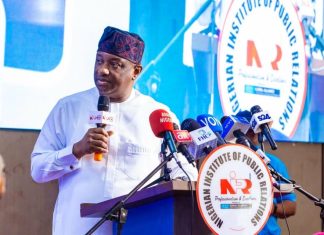
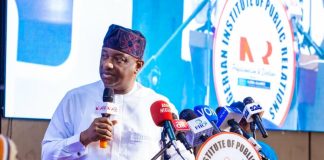
Chairman of LPGAR under the Nigeria Union of Petroleum and Natural Gas Workers (NUPENG), Mr Ayobami Olarinoye, disclosed this in an interview with the News Agency of Nigeria (NAN) on Tuesday in Lagos.
Olarinoye said the country’s dependence on imported Liquefied Petroleum Gas (LPG) continued to expose the market to exchange rate volatility, which directly impacted landing costs at the ports.
According to him, the weakening Naira has pushed up import costs, while limited local supply has further tightened product availability.
To evaluate intermediate structural changes, the combination of currency depreciation and domestic downstream subsidy reforms has fundamentally reordered national household utility budgets.
Olarinoye explained that while the removal of VAT on LPG imports provided initial relief, gains were offset by currency depreciation.
He added that the subsidy removal on petrol also increased demand for LPG as households and businesses switched to gas-powered alternatives, forcing retail centers to manage heavier consumer volumes amid tightly constrained product supplies.
Furthermore, retail administration boards have defended local operators against public accusations of arbitrary price gouging. Olarinoye stressed that retailers were not responsible for arbitrary price increases, noting that competition at the retail level limits excessive pricing. He explained that retail margins remain slim, adding that final prices largely reflect procurement costs from depots, while confirming that the association conducts regular checks to ensure compliance with safety standards set by the Nigerian Midstream and Downstream Petroleum Regulatory Authority (NMDPRA).
The Issues
- Overcoming Nigeria’s heavy dependence on imported LPG, which exposes local consumers to volatile international exchange rates.
- Managing surging product distribution costs driven entirely by rising diesel fuel prices for haulage trucks.
- Preventing public health and environmental degradation caused by consumers switching back to unsafe firewood and charcoal alternatives.
What’s Being Said
- Outlining the direct financial impact that currency devaluations exert upon local maritime landing charges, LPGAR Chairman Mr Ayobami Olarinoye noted: “High depot prices remain a major challenge. Since Nigeria imports a huge chunk of LPG, a weak naira directly translates to more expensive gas at the ports,”
- Detailing how secondary energy market inflation compounds the overhead expenditures of last-mile distributors, he observed: “Moving LPG across the country depends heavily on diesel-powered trucks, and rising diesel prices continue to inflate the final price retailers pay before selling to consumers,”
- Denying that regional distribution hubs are taking unfair financial advantage of the ongoing economic strain, Olarinoye maintained: “LPGAR does not support arbitrary pricing. Our members operate at the last mile and are fully aware of consumer frustration,”
- Explaining the continuous field activities executed by the trade union to eliminate sub-standard standalone installations, he said: “We carry out regular safety and compliance checks to ensure only operators who meet minimum standards are allowed to sell LPG. This also helps to discourage quacks in the sector,”
- Urging citizens to maintain strict standard operating procedures in their homes despite enduring harsh macroeconomic conditions, Olarinoye advised: “People should not compromise safety because of the current hardship,”
What’s Next
- LPGAR will continue lobbying the Federal Government to mandate Nigeria LNG and other domestic producers to sell LPG in naira to local off-takers.
- Regulatory task forces will push for stricter monitoring of depot operators to prevent hoarding and sudden price increases.
- Enforcement teams will sustain field inspections across retail outlets to shut down unqualified operators failing NMDPRA safety standards.
Bottom Line
Blaming a weak naira that inflates import costs at the ports and rising diesel prices that drive up truck distribution overheads, LPGAR has stated that retailers are not responsible for high cooking gas prices, while calling on the government to mandate domestic producers like Nigeria LNG to sell LPG in naira to lower procurement costs.






 says the persistent rise in cooking gas prices across the country is ...)