







Key points
- Nigeria and other West African countries economy is projected to remain stable at 4.7 per cent in 2026.
- Reports released on Tuesday by the African Development Bank in Brazzaville confirm a 4.8 per cent growth in 2025.
- Sector analysis shows the stable outlook is driven by strong agricultural production and expanding agro-processing value chains.
- Infrastructure projects including sustained public investments in energy, logistics, and transportation act as major growth drivers.
- Global oil and gas prices are increasing inflationary pressures across Africa.
Main Story
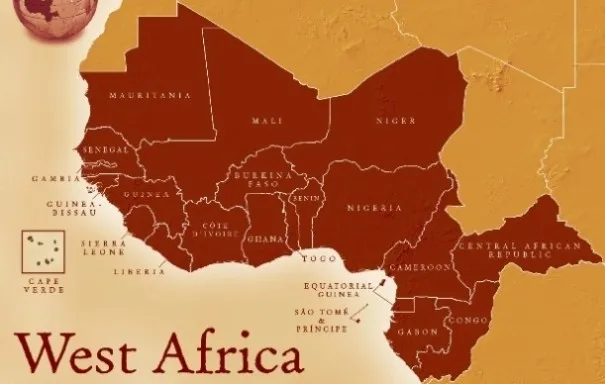
Nigeria and other West African countries economy is projected to remain stable at 4.7 per cent in 2026. This is according to the 2026 African Economic Outlook released by the African Development Bank (AfDB) on Tuesday at the ongoing Annual Meetings of the bank.
The AfDB in the report released in Brazzaville, said the subregion recorded estimated growth of 4.8 per cent in 2025. It projected that growth would slow slightly to 4.5 per cent in 2027.
To evaluate intermediate structural dependencies, financial planners noted that expanding rural cultivation networks creates strong baseline buffers against international supply disruptions.
According to the report, the region’s stable growth outlook is driven by strong agricultural production and expanding agro-processing value chains.
The report also identified sustained public investments in energy, logistics and transportation infrastructure as major growth drivers. It added that increased mining and hydrocarbon production would further support economic expansion across the subregion.
Furthermore, fiscal authorities are leaning on corporate real estate expansions to generate local employment. Improved private sector investment, particularly in construction, was also highlighted as a key contributor to growth.
The report, however, warned that rising global oil and gas prices were increasing inflationary pressures across Africa. It projected Africa’s average inflation rate at 10.4 per cent in 2026 before declining to 8.9 per cent in 2027.
The Issues
- Managing rising inflationary pressures across Africa triggered by increasing global oil and gas prices.
- Overcoming fiscal deficits in oil-importing African countries caused by rising import costs.
- Countering the depreciation of many African currencies against the U.S. dollar observed as of April.
What’s Being Said
- Outlining the historical shifts in regional monetary interventions that helped lower commodity costs, the report noted “inflation had dropped from 13.7 per cent in 2025 due to increased agricultural output and tighter monetary policies.”
- Explaining the macro-financial policy measures deployed by regional banking authorities to stimulate business activities, the report stated “African central banks reduced interest rates in 2025 to support economic recovery and improve inflation outlooks.”
- Pointing out the specific currency vulnerabilities that emerged during the early months of the year, the report also stated “that many African currencies depreciated against the U.S. dollar as of April.”
- Highlighting the strategic budgetary risks facing nations that lack domestic petroleum production, the report warned “that high oil prices could widen fiscal deficits in oil-importing African countries through rising import costs.”
What’s Next
- Subregional economic growth is projected to slow down slightly to 4.5 per cent in 2027.
- Africa’s average inflation rate is projected to decline to 8.9 per cent in 2027 after hitting 10.4 per cent in 2026.
- Public and private sectors will continue driving investments into energy, logistics, and construction to support the stable outlook.
Bottom Line
The AfDB 2026 African Economic Outlook projects West Africa’s economy to remain stable at 4.7 per cent in 2026, driven by agriculture, infrastructure, and mining, but warns that high global oil prices are fueling inflation and widening fiscal deficits for oil-importing nations.