








By Boluwatife Oshadiya | March 12, 2026
Key Points
- CBN sells $200 million in the FX market to boost liquidity and stabilise the naira
- Intervention follows a $500 million sale last week amid rising offshore dollar demand
- Naira strengthens to about ₦1,376 per dollar after three consecutive days of gain
Main Story
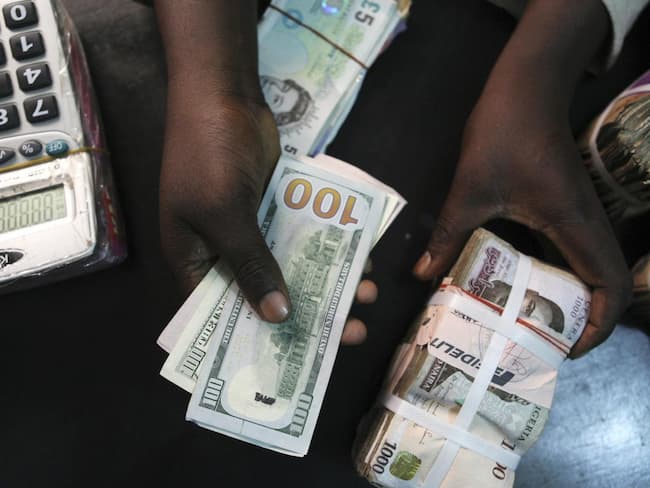
The Central Bank of Nigeria (CBN) has injected $200 million into the foreign exchange market to increase dollar liquidity and halt recent pressure on the naira, extending a series of interventions aimed at stabilising Nigeria’s volatile currency.
Market data shows the intervention followed two weeks of persistent depreciation, driven largely by increased demand for dollars from importers and firms making offshore payments. The apex bank had earlier sold $500 million last week, signalling a more aggressive strategy to keep the naira within the official trading band.
The latest move appears to be supporting the currency. Trading data from the official FX window shows the naira strengthened from an opening level of about ₦1,405 per dollar earlier in the week to roughly ₦1,376 at the close of trading, marking its third consecutive session of gains.
Analysts say the recent appreciation reflects a surge in FX liquidity from several sources, including CBN supply, foreign portfolio investors returning to local debt markets, and export proceeds from corporates.
Nigeria adopted a more market-reflective exchange-rate framework in 2023, but the central bank has continued to intervene periodically to smooth volatility and meet excess demand in the official market.
The Issues
The intervention highlights the fragile balance within Nigeria’s foreign exchange market, where structural dollar shortages continue to create periodic pressure on the naira.
Despite policy reforms aimed at unifying exchange rates and improving transparency, dollar demand from import-dependent sectors remains high, particularly for fuel, manufacturing inputs, and external debt obligations.
At the same time, foreign capital inflows — which could ease pressure — have remained sensitive to interest-rate differentials and investor confidence in macroeconomic reforms. The CBN has responded with a mix of FX interventions, tighter monetary policy, and efforts to attract foreign portfolio investment.
Economists note that while interventions can stabilise markets in the short term, sustained naira strength ultimately depends on stronger export earnings and consistent capital inflows.
What’s Being Said
“The central bank remains committed to ensuring orderly functioning of the foreign exchange market while supporting price stability,” said Olayemi Cardoso, Governor of the Central Bank of Nigeria, during a recent monetary policy briefing in Abuja.
Currency strategist Bismarck Rewane, Chief Executive Officer of Financial Derivatives Company, said interventions can stabilise sentiment but cannot replace structural reforms.
“Liquidity injections help calm volatility, but long-term exchange-rate stability will depend on Nigeria’s ability to boost non-oil exports and attract sustained foreign investment,” Rewane said.
What’s Next
- The next Monetary Policy Committee (MPC) meeting is expected to review currency stability and capital-flow trends.
- Analysts will watch foreign portfolio inflows into Nigerian treasury instruments, which could improve FX liquidity.
- Market participants are also monitoring oil revenue inflows, a key source of dollar supply for Nigeria’s reserves.
The Bottom Line: Nigeria’s central bank is signalling it will actively defend currency stability when liquidity pressures intensify, but repeated interventions underscore how dependent the naira remains on short-term FX supply rather than structural export growth.









 has injected $200 million into the foreign exchange market to increase dollar liquidity and halt recent...)