









Key points
- The United Kingdom, Australia, and Canada are partnering to launch a joint £3 million ($4 million) “International Peace Fund”.
- The tripartite funding model relies on equal contributions of £1 million from each participating country.
- The program aims to address the root causes of the conflict by investing in community projects, youth groups, and civil society.
- UK Foreign Secretary Yvette Cooper will host her Australian and Canadian counterparts to unveil the fund at Chevening.
- The broader diplomatic talks will also cover the Middle East conflict, Iran’s blockade of the Strait of Hormuz, and domestic antisemitic attacks.
Main Story
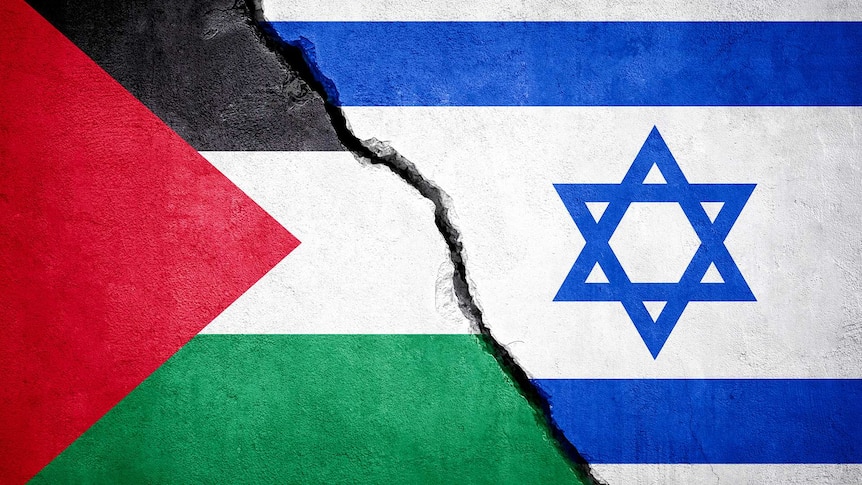
Britain, Australia, and Canada will formally launch a joint £3 million ($4 million) initiative on Thursday designed to support grassroots peacebuilding efforts and address the foundational drivers of the Israeli-Palestinian conflict.
Dubbed the “International Peace Fund,” the trilateral project is structured to cultivate community-level stability and help pave a viable diplomatic pathway toward an ultimate two-state solution.
The strategy will draw directly from the United Kingdom’s historical experience in navigating the Northern Ireland peace process, as well as its ongoing institutional interventions across the Western Balkans. By channeling capital into localized community projects, youth leadership groups, and independent civil society organizations, the donor nations aim to establish cross-community dialogue from the ground up.
UK Foreign Secretary Yvette Cooper is scheduled to unveil the fund at Chevening, her official country residence in Kent, during a high-level summit with Australian Foreign Minister Penny Wong and Canadian Foreign Minister Anita Anand.
To kickstart the operational pipeline, each of the three G7 and Commonwealth partners has committed £1 million to the initial pool. While specific beneficiaries and local non-governmental organizations have not yet been finalized, the founding nations intend to aggressively recruit additional international donors once the fund’s administrative and grant-making frameworks are fully active.
“When generations of Israelis and Palestinians have grown up with cycles of conflict and violence, we also need to support the local community organisations who are building dialogue, peace and trust across communities,” Cooper stated ahead of the meeting.
The ministerial talks on Thursday will also stretch beyond grassroots funding to confront pressing geopolitical and domestic security crises. The three foreign ministers are slated to review the wider Middle East conflict, coordinate strategic responses to Iran’s ongoing blockade of the Strait of Hormuz, and address the sharp rise in antisemitic attacks threatening Jewish communities within the UK, Canada, and Australia over the past year. The launch follows a coordinated diplomatic maneuver on Tuesday, where these three nations, alongside France and Norway, imposed strict targeted sanctions on illegal West Bank settlers linked to acts of violence against Palestinian civilians.
The Issues
- Selecting and vetting local civil society beneficiaries amid intense political volatility and ongoing conflict on the ground.
- Scaling the fund’s impact by successfully recruiting external international state donors and philanthropic organizations.
- Balancing long-term community dialogue funding with immediate, high-level diplomatic pressure, such as settler sanctions.
What’s Being Said
- Emphasizing the vital importance of protecting grassroots peace advocates, UK Foreign Secretary Yvette Cooper stated that the fund would “support those working tirelessly to foster understanding between Israeli and Palestinian communities.”
What’s Next
- The foreign ministers of the UK, Australia, and Canada will conclude their trilateral security briefings at Chevening later today.
- Administrative teams for the International Peace Fund will establish selection criteria to review application pipelines from youth and community groups.
- Diplomats will present the funding framework to other allied nations through the third quarter of the year to secure secondary financial commitments.
Bottom Line
By pooling equal financial stakes into the new International Peace Fund, Britain, Australia, and Canada are leveraging historical conflict-resolution templates to quietly rebuild cross-community trust between Israelis and Palestinians, even as they ramp up joint sanctions against West Bank violence.



 initiative on Thursday designed to support ...)