








By Boluwatife Oshadiya | May 28, 2026
Key Points
- Atiku Abubakar secured 1,846,370 votes to win the ADC presidential primary ahead of the 2027 elections
- Rotimi Amaechi came second with 504,117 votes, while Mohammed Hayatu-Deen polled 177,120 votes
- ADC says over 2.5 million registered party members participated in the nationwide exercise
Main Story
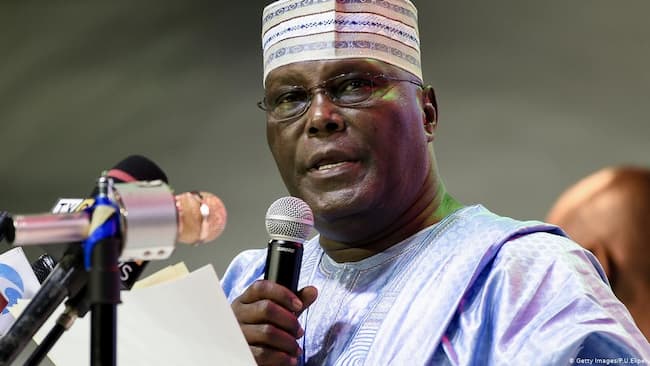
Former Vice-President Atiku Abubakar has emerged as the presidential candidate of the African Democratic Congress (ADC) for the 2027 general elections after winning the party’s nationwide primary election.
Results announced on Wednesday in Abuja showed that Atiku secured 1,846,370 votes to defeat former Minister of Transportation Rotimi Amaechi, who polled 504,117 votes. Former banker and economist Mohammed Hayatu-Deen received 177,120 votes.
Chairman of the Presidential Primary Election Committee, Chief Ikechi Emenike, said a total of 2,527,977 registered party members participated in the exercise conducted across the federation.
According to Emenike, the results were collated from figures submitted by accredited party chairmen and officials deployed to supervise the primary election in various states.
Chief Returning Officer, Senator Tunde Ogbeha, subsequently declared Atiku winner of the contest, formally handing him the ADC presidential ticket ahead of the 2027 polls.
In his acceptance speech, Atiku commended party members and fellow contestants for what he described as a transparent and credible process. The former vice-president said the ADC had demonstrated that democratic values could still thrive despite growing concerns over political intimidation and shrinking opposition space in Nigeria.
Atiku also described the ADC as a coalition built on sacrifice and compromise, adding that party members were united by a common goal of rebuilding the country’s democratic institutions and economy.
The former vice-president raised concerns over rising insecurity, economic hardship, unemployment, nepotism, and political intolerance, arguing that Nigeria required experienced leadership capable of restoring stability and investor confidence.
He urged party members to remain united ahead of the 2027 general elections and appealed to aggrieved aspirants and supporters to work collectively for the party’s success.
The Issues
The ADC primary comes at a time when Nigeria’s opposition landscape is undergoing major realignment ahead of the 2027 elections. Several opposition figures have continued discussions around coalition-building as parties attempt to challenge the dominance of the ruling party at the federal level.
Political analysts say Atiku’s emergence signals the ADC’s intention to position itself as a major opposition platform capable of attracting influential political actors, particularly amid growing public dissatisfaction over inflation, foreign exchange instability, unemployment, and insecurity.
The development also raises questions about the future political alignment of key opposition figures and whether the ADC can successfully consolidate support across different regions before the election cycle intensifies.
What’s Being Said
“The ADC has shown that democracy is still alive. Every aspirant was given the freedom to contest and express their views without intimidation,” Atiku Abubakar, Former Vice-President and ADC Presidential Candidate.
“The figures announced are the authentic results submitted by party officials who supervised the exercise across the states,” Chief Ikechi Emenike, Chairman, ADC Presidential Primary Election Committee.
“There are no winners and losers in this contest. Nigerians are looking up to us for leadership and we are prepared to provide that leadership,” Atiku Abubakar, Former Vice-President and ADC Presidential Candidate.
What’s Next
- The ADC is expected to begin nationwide consultations and coalition talks ahead of the official commencement of campaigns for the 2027 elections
- Opposition parties are likely to intensify alliance negotiations as political realignments continue across the country
- The Independent National Electoral Commission (INEC) is expected to release updated timelines and guidelines for the 2027 general elections in the coming months
Bottom Line
The Bottom Line: Atiku Abubakar’s emergence as ADC presidential candidate positions the party as a more prominent player in Nigeria’s opposition politics ahead of 2027. The challenge for the ADC now moves beyond winning a primary election to building a united coalition capable of converting public dissatisfaction into electoral strength.










 for the 2027...)