






By Boluwatife Oshadiya | June 16, 2026
Key Points
- Investors lost approximately ₦984 billion as the NGX All-Share Index declined 0.63%
- Selling pressure intensified following renewed concerns about rising inflation
- Oil and Gas stocks recorded the steepest sectoral losses during Monday’s trading session
Main Story
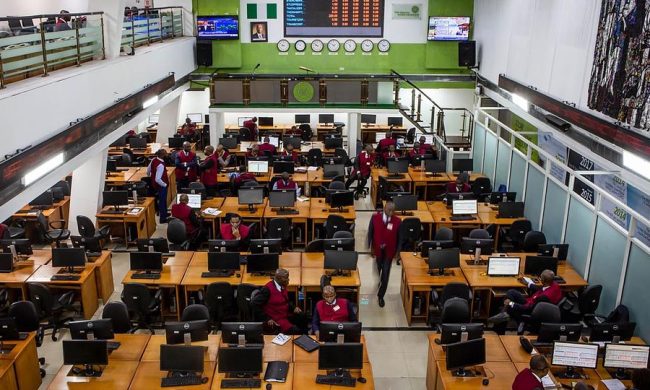
The Nigerian stock market opened the week on a negative note as investors lost approximately ₦983.88 billion following broad-based selloffs across major sectors.
The Nigerian Exchange (NGX) All-Share Index declined by 0.63% to close at 243,204.73 points, reducing the market’s year-to-date return to 56.29%. Market capitalisation also fell to ₦155.99 trillion.
The decline came amid investor reactions to Nigeria’s latest inflation reading, which rose to 15.89%, renewing concerns about consumer spending, corporate profitability and future monetary policy decisions.
Trading activity presented a mixed picture. Total volume traded dropped 56.70% to 744.99 million shares, while turnover declined 31% to ₦36.44 billion. However, transaction count rose significantly by 62.58% to 80,977 deals, suggesting heightened market participation despite weaker sentiment.
Market breadth remained firmly negative, with 47 stocks declining against 17 gainers. Major laggards included OANDO, ETRANZACT, NEIMETH, ABBEY Mortgage Bank and International Energy Insurance.
Sectoral performance was broadly bearish. Oil and Gas stocks led losses with a 3.20% decline, followed by Commodities, Banking, Insurance, Consumer Goods and Industrial sectors.
What’s Being Said
“The market is currently adjusting to inflation concerns and uncertainty surrounding future policy direction,” market analysts said following Monday’s session.
Independent investment managers also noted that investors are increasingly locking in profits after the market’s strong rally earlier in the year.
What’s Next
- Investors will monitor upcoming inflation and monetary policy signals from the Central Bank of Nigeria
- Market participants are expected to watch developments in global oil markets following the reopening of the Strait of Hormuz
- Continued profit-taking could keep market sentiment subdued in the near term
The Bottom Line:
The Nigerian equities market remains vulnerable to inflation shocks despite its strong year-to-date performance. Unless investor confidence improves, profit-taking and macroeconomic uncertainty could continue to weigh on market momentum.