






Key points
- Nigeria’s Permanent Representative to the UN, Amb. Jimoh Ibrahim, called for global action against rising geopolitical tensions and arms proliferation.
- Ibrahim addressed participants of the U.S. Army War College during their visit to the Nigerian Permanent Mission in New York.
- The envoy highlighted emerging threats from artificial intelligence, cyber warfare, and autonomous weapons.
- He reaffirmed President Bola Tinubu’s commitment to military capacity through funding, welfare, and international partnerships.
- Nigeria’s economic performance was noted as placing it sixth among major countries contributing to global GDP according to 2026 outlooks.
Main Story
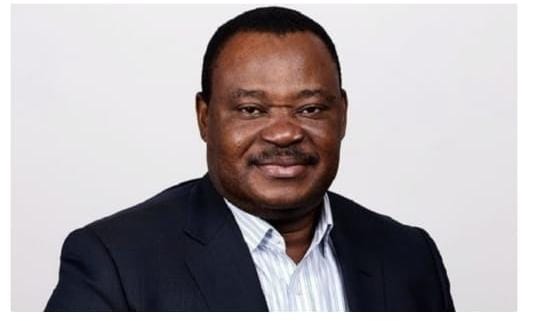
Nigeria’s Permanent Representative to the UN, Amb. Jimoh Ibrahim, has called for urgent global action to address rising geo-political tensions, arms proliferation and emerging security threats confronting the international community.
Ibrahim made the call while welcoming participants of the United States Army War College during their visit to the Permanent Mission of Nigeria to the UN in New York.
He said the UN must respond proactively to “heightened geopolitical tensions and major power competition”. The Nigerian envoy also tasked the UN on emerging threats posed by artificial intelligence, cyber warfare, autonomous weapons and illicit arms transfers.
He described the visit as a reflection of the enduring strategic relations between Nigeria and the United States in advancing global peace and security.
Ibrahim highlighted the successes of Nigerian military officers trained at the institution, including former President Muhammadu Buhari and Col. Charles Nengite, who emerged as the top international graduate.
He stated that President Bola Tinubu remains committed to strengthening Nigeria’s military capacity through substantial funding and improved welfare for service members.
On the economic front, the envoy cited international assessments placing Nigeria sixth among major countries contributing to global GDP. The head of the U.S. delegation, Prof. John Hagl, commended Nigeria’s role in the United Nations and praised the leadership qualities of Nigerian participants at the college.
The Issues
- The rapid advancement of AI-driven military technology makes it difficult for international bodies to define or verify arms limitations.
- Heightened power competition between global leaders requires the UN to shift toward a more proactive rather than reactive security stance.
- Nigeria must balance its domestic economic reforms with its expanding role as a major contributor to global GDP and regional stability.
What’s Being Said
- “The rise of autonomous weapons, drones, cyber warfare and AI-driven military technology makes it hard to define, regulate or verify arms limitations,” Ibrahim said.
- “It’s crucial for the military to respond proactively to these issues,” he added regarding emerging technologies.
- “His administration is dedicated to providing substantial funding for military operations, exploring innovative approaches and ensuring excellent welfare for service members,” Ibrahim stated regarding the Tinubu administration.
- “Our country is on the right path in economic reform, with Nigeria’s impressive economic performance placing it sixth among major countries contributing to global GDP,” he stated.
What’s Next
- Nigeria is expected to intensify diplomatic engagement at the UN to promote innovation, peace, and investment.
- Strategic partnerships between the Nigerian military and the U.S. Army War College are likely to continue through personnel training and exchange programs.
- International monitors will track how Nigeria’s military integrates new welfare and funding structures into its ongoing security operations.
Bottom Line
Ambassador Jimoh Ibrahim is advocating for a modernized UN framework that can regulate AI and autonomous weapons while highlighting Nigeria’s rising economic and military influence on the global stage.