








Key points
- Abuja residents say rising food prices are making basic meals increasingly unaffordable.
- Consumers blame inflation, transport costs, insecurity and expensive farm inputs for the price surge.
- Traders say higher wholesale prices and logistics costs are squeezing profit margins.
- Residents call for stronger government intervention to stabilise food prices.
Main story
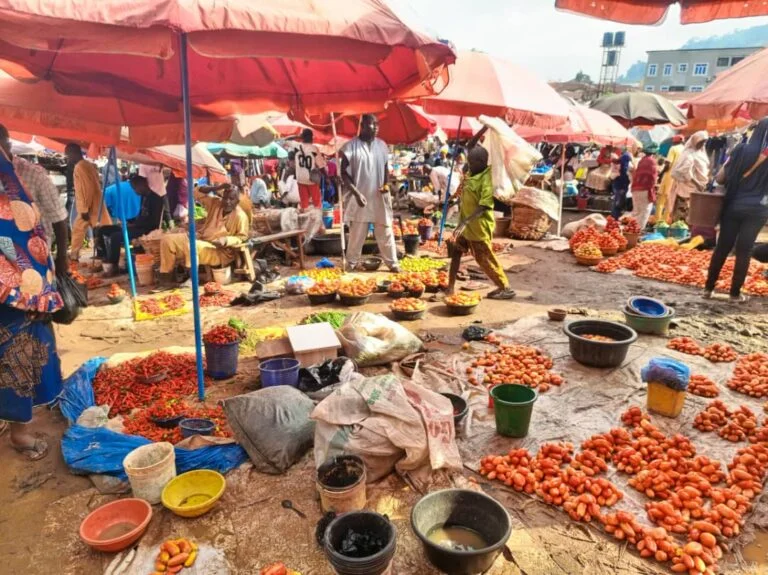
Residents and traders in Dei-Dei and Dutse markets in the Federal Capital Territory (FCT) have expressed concern over rising food prices, saying the trend is worsening living conditions and making basic meals unaffordable for many households.
The respondents, who spoke in separate interviews with the News Agency of Nigeria (NAN) on Monday in Abuja, attributed the persistent increase in food prices to high transportation costs, inflation, insecurity in food-producing communities and the rising cost of farm inputs.
Mrs Angela Umeh, a civil servant, said the prices of staple foods had risen sharply in recent months, placing additional pressure on low-income households.
She said families had been forced to reduce both the quantity of food they purchased and the number of meals they consumed daily to cope with the increasing cost of living.
Similarly, Mr Ikenna Okeke, a father of four, said feeding his family had become increasingly difficult as the prices of rice, beans, tomatoes, pepper and vegetable oil continued to climb.
According to him, many households now struggle to balance food expenses with other essential obligations, including rent, school fees and healthcare.
Traders also said they were affected by the rising cost of doing business.
Mr Abdullahi Adamu, a tomato trader at Dei-Dei Market, attributed higher prices for vegetables and other perishables to poor harvests, post-harvest losses and increased wholesale prices.
He said retailers were often blamed by customers despite operating on narrow profit margins after accounting for transportation and other market-related expenses.
Another trader, Aisha Adamu of Dutse Market, urged the government to provide affordable farm inputs, improve security in farming communities and rehabilitate roads to reduce production and transportation costs.
Residents also called for stronger measures to curb inflation, improve food supply chains and support local agricultural production to make food more affordable.
The issues
Persistent inflation, insecurity in agricultural areas, poor transport infrastructure and rising production costs continue to drive food inflation, placing significant pressure on household incomes and food security.
What’s being said
“We have reduced the quantity of food we buy and even cut down on the number of meals we eat daily just to cope.” — Angela Umeh, Abuja resident
What’s next
Residents are urging the government to strengthen support for agriculture, improve rural infrastructure and implement policies that will stabilise food prices and restore consumers’ purchasing power.
Bottom line
Rising food prices continue to strain household budgets in Abuja, with both consumers and traders calling for coordinated measures to address inflation, improve food production and reduce the cost of getting food from farms to markets.











 have expressed concern over rising food prices, ...)