





By Boluwatife Oshadiya / August 10th 2026
Key Points
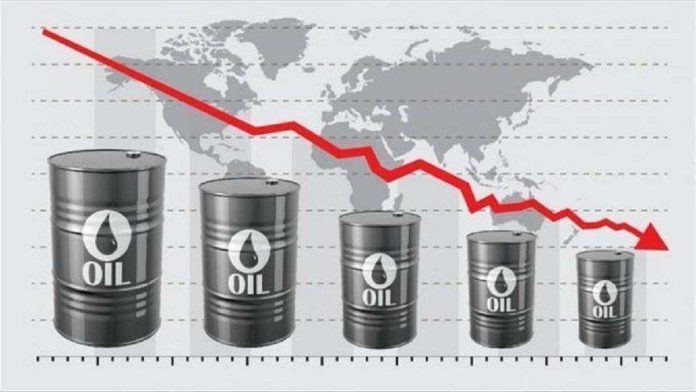
- Brent crude rose 0.01% to $83.56 per barrel while West Texas Intermediate fell 0.15% to $78.06
- Iran said it is communicating with Washington through mediators rather than holding direct negotiations
- Uncertainty over the Strait of Hormuz and enforcement of the U.S. blockade continues to keep global oil supply concerns in focus
Main Story
Oil prices were mixed on Monday as investors monitored indirect contacts between the United States and Iran and uncertainty over the possible reopening of the Strait of Hormuz.
International benchmark Brent crude futures for October traded at $83.56 per barrel, up 0.01% from the previous close of $83.55. U.S. benchmark West Texas Intermediate (WTI) futures for September fell 0.15% to $78.06 per barrel from $78.18 in the previous session.
Iranian Foreign Minister Abbas Araghchi said Tehran is not holding direct negotiations with Washington but is exchanging messages through mediators.
“Until the violations of the memorandum of understanding by the United States are over and the United States does not compensate for what it has violated, it is not possible to restart the negotiations,” Araghchi told reporters, according to the Tasnim news agency.
Araghchi added that mediators were continuing efforts to establish a pathway for negotiations. He also said discussions with Oman over a new maritime route through the Strait of Hormuz had made “good progress” and reached their final stage, while stressing that this did not mean the strait would immediately reopen.
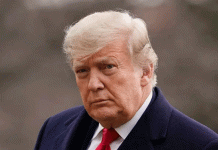
Meanwhile, U.S. President Donald Trump said Washington was relying on economic pressure on Iran rather than immediately launching another military offensive. In an interview with Axios, Trump described the contacts as “only semi-negotiating” and said Iran was facing severe financial pressure.
The U.S. Central Command (CENTCOM) also said American forces had redirected 55 commercial vessels, disabled two and boarded two others as part of enforcement of a U.S. blockade against Iran.
The developments have kept the Strait of Hormuz at the centre of oil-market concerns because uncertainty over shipping through the waterway can affect global crude supply expectations.
What’s Being Said
“Mediators are still trying to find new ways to negotiate,” Abbas Araghchi, Iranian Foreign Minister, said.
“We are low-keying it,” Donald Trump, U.S. President, said, describing contacts between Washington and Tehran as “only semi-negotiating.”
No independent market or industry response was provided in the source material.
What’s Next
- Iran and Oman are expected to continue discussions on arrangements for maritime movement through the Strait of Hormuz
- Indirect contacts between Washington and Tehran will remain a key factor for markets watching the possibility of a diplomatic resolution
- Oil traders will continue monitoring shipping activity and enforcement of the U.S. blockade for signals of changes in global supply risk
Bottom Line
The Bottom Line: Oil prices are being pulled between hopes of diplomatic progress and continuing disruption risks around the Strait of Hormuz. Until there is greater clarity on negotiations and maritime access, geopolitical developments will remain a significant influence on crude-price expectations.