









By Emmanuella Opara | October 16th 2026
KEY POINTS
- The Agricultural Agenda Nigeria Initiative (AANI) has urged federal and state governments to provide affordable credit and strengthen security for farmers.
- The group called for single-digit interest loans, accessible agricultural insurance, lower production costs and improved access to farm inputs.
- AANI advocated increased investment in irrigation, storage, mechanisation, renewable energy and digital agricultural services.
- The organisation said its #OutgrowHungerProject had supported approximately 10,000 smallholder farmers since its launch in 2020.
MAIN STORY
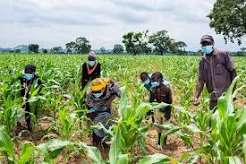
The Agricultural Agenda Nigeria Initiative (AANI) has called on federal and state governments to improve farmers’ access to affordable financing, strengthen security and reduce agricultural production costs to boost food production in Nigeria.
The organisation made the appeal in a statement issued by its president, Ephraim Audu, in Abuja on Friday to mark the 2026 World Food Day.
Audu said persistent food insecurity, rising production costs and other challenges facing farmers required urgent and coordinated government interventions.
He urged authorities to ensure that agricultural subsidies and support programmes reached genuine smallholder farmers, particularly those in rural communities.
The AANI president also called for affordable loans with single-digit interest rates, accessible agricultural insurance and the removal of excessive collateral requirements that prevent farmers from obtaining financing.
He said stronger protection for farmers, farmlands and agricultural supply routes was necessary to sustain food production.
“There is need for stronger protection of farmers, farmlands and agricultural supply routes to ensure uninterrupted food production,” Audu said.
He further identified investment in irrigation, agricultural extension services, climate-resilient farming, storage, processing, transportation and market access as important measures to reduce post-harvest losses and excessive dependence on food imports.
Audu also advocated tax incentives for smallholder farmers and eligible agricultural businesses, alongside greater opportunities for women and young people in the sector.
He called for wider adoption of solar-powered irrigation, renewable-energy cold storage, mechanisation and digital agricultural services to improve productivity and strengthen farming operations.
The organisation also stressed the need for transparent implementation of agricultural programmes to ensure that government interventions reached their intended beneficiaries.
Highlighting its own efforts to support farmers, Audu said AANI had been implementing the #OutgrowHungerProject since its inauguration in 2020, in collaboration with the Food and Agriculture Organisation of the United Nations (FAO).
“The project has supported approximately 10,000 smallholder farmers through agricultural inputs, development financing and capacity building,” he said.
Audu urged private sector operators, development partners, financial institutions and other stakeholders to increase investment in smallholder agriculture through strategic partnerships, innovative financing and technology transfer.
He said sustained investment in farmers was necessary to strengthen food security, support economic growth and improve livelihoods in rural communities.
THE ISSUES
Farmers face several constraints that can affect food production, including high operating costs, limited access to affordable credit and insecurity affecting farms and agricultural supply routes.
AANI argues that reducing these barriers would help smallholder farmers obtain essential inputs, invest in production and improve their capacity to supply food markets.
The organisation also highlighted the importance of agricultural infrastructure, including irrigation, storage, processing and transportation, in reducing post-harvest losses and limiting dependence on imported food.
Access to financing remains another key concern, with AANI advocating single-digit interest loans, agricultural insurance and less restrictive collateral requirements.
WHAT’S BEING SAID
“Persistent food insecurity, rising production costs and other challenges confronting farmers require urgent and coordinated interventions,” Ephraim Audu, President of the Agricultural Agenda Nigeria Initiative, said.
WHAT’S NEXT
AANI has urged federal and state governments to improve agricultural financing, strengthen security and ensure that subsidies and other support programmes reach smallholder farmers.
The organisation has also called on financial institutions, private businesses and development partners to expand investment in agricultural technology, infrastructure and capacity building.
BOTTOM LINE
AANI says improving food production in Nigeria requires affordable financing, stronger protection for farmers, lower production costs and sustained investment in agricultural infrastructure and technology.




 has called on federal and state governments to improve farmers’ access to affordable.......)