







By Annette Ikponmwonba | September 21, 2026
Key Points

· Former Jigawa State Governor Sule Lamido says political leaders have failed to mentor Nigeria’s younger generations
· He expressed concern over politicians increasingly using youths as political labourers rather than nurturing them
· Lamido lamented that youths are exposed more to thuggery, hatred and disrespect than constructive political engagement
· He urged youths across party lines, including PDP, APC and ADC, not to see each other as enemies
· He called on leaders to invest in youth education, employment, mentorship and character formation
Main Story
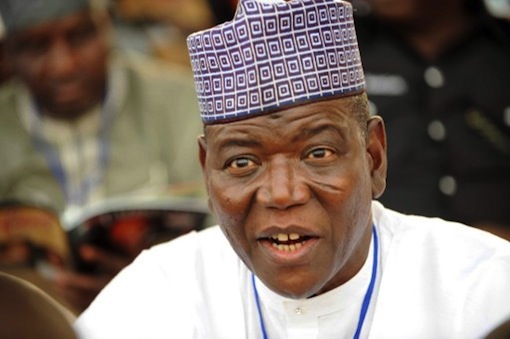
Former governor of Jigawa State, Sule Lamido, has stated that political leaders have failed to provide proper mentorship for the younger generations, expressing concern about politicians increasingly using Nigerian youths as political labourers. Lamido made the remarks on Sunday in Dutse, the Jigawa State capital.
He lamented that youths were increasingly being exposed to political activities characterised by thuggery, hatred, abuse and disrespect, rather than constructive engagement based on ideas and principles. “We, the leaders, have abandoned Nigerian youths in terms of moulding them, character formation, inculcating brotherhood, sisterhood, human empathy and all those values that make human beings,” he said.
He questioned why the current generation of leaders has failed to pass on the same values and guidance they themselves received in their youth, asking pointedly why young Nigerians are being used as political machinery when the older generation’s time in leadership is inherently limited. “In the next 35 years, we will not be here. Why, then, are we using our future, our youths, as political machinery and political labourers?” he said.
The Issues
Lamido’s remarks touch on a recurring concern in Nigerian political discourse: the use of young people as instruments for political mobilization, often in ways that expose them to violence, manipulation or exploitation rather than genuine political education or career development. This dynamic has long been criticized for undermining the long-term development of a healthier political culture, since youths recruited primarily as political enforcers or campaign labour are rarely given the mentorship needed to eventually take on leadership roles themselves.
His comments also implicitly raise questions about generational responsibility and legacy planning within Nigerian politics. By framing the issue around the limited time current leaders have left, he suggests that failing to properly mentor the next generation isn’t just a moral failing but a practical risk to the country’s future political stability, since the youths being used today will eventually become the leaders of tomorrow, shaped by whatever political culture they were exposed to in the interim.
There’s also a cross-party dimension to his message that stands out, given Nigeria’s often deeply polarized party politics. His call for youths across parties to avoid treating each other as enemies pushes back against a political culture that frequently pits young supporters of rival parties against one another, sometimes violently, despite their shared socioeconomic circumstances and generational challenges.
What’s Being Said
Lamido was direct in criticizing the current state of youth political engagement, framing it as a failure of leadership rather than a failure of the youths themselves. He specifically called out the absence of proper character formation and value based mentorship as a root cause of the destructive political behaviours many young people are now exposed to.
He also made a direct appeal for unity among youths regardless of party affiliation, stating that whether someone belongs to the PDP, APC, ADC or any other political party, young Nigerians share far more in common with each other than the party rivalries might suggest, and should not treat fellow youths as enemies simply because of differing political affiliations.
What’s Next
Lamido called on political leaders and other stakeholders to invest more deliberately in the intellectual, moral and leadership development of young Nigerians, specifically pointing to education, employment opportunities, mentorship and proper character formation as necessary interventions going forward, Whether this call translates into any concrete policy shifts or leadership mentorship initiatives from within Lamido’s own party or across the broader political spectrum remains to be seen, particularly as political activity intensifies ahead of future election cycles.
Bottom Line
Lamido’s remarks serve as a pointed critique of how Nigeria’s political class has treated its youth, framing the exploitation of young people as political labour rather than investment in their development as a failure that could shape the country’s political future long after today’s leaders are gone.