








Key Points
- WHO says the Ebola outbreak in the Democratic Republic of the Congo has become the second-largest recorded.
- Most reported cases and deaths are concentrated in Ituri Province.
- WHO is expanding treatment, surveillance and contact tracing efforts across affected areas.
- Funding shortages and insecurity are complicating the response.
Main Story
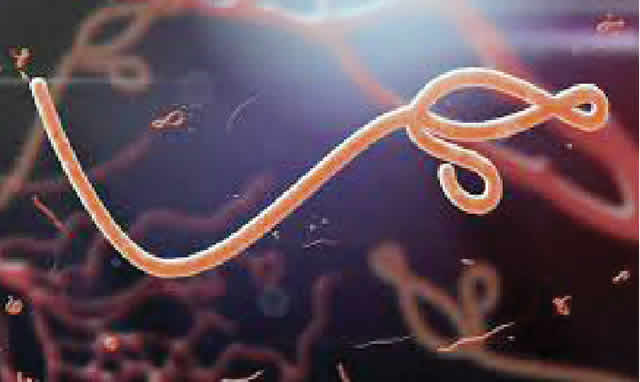
The World Health Organisation (WHO) says the Ebola outbreak in the Democratic Republic of the Congo (DRC) has become the second-largest recorded, with thousands of cases and deaths reported across affected provinces.
WHO Director-General, Dr Tedros Ghebreyesus, disclosed this on Wednesday during an online media briefing on Ebola and other global health issues.
He said 4,449 confirmed cases and 2,061 deaths had been recorded across five provinces and 53 health zones, with more than 90 per cent of cases and 80 per cent of deaths occurring in Ituri Province.
Tedros said sustained transmission had been reported in Bunia, Rwampara, Nizi and Lita, raising concerns about continued spread within communities.
He said the number of deaths occurring outside treatment centres and among people who were not on known contact lists suggested that some transmission chains had not yet been identified.
According to him, delayed treatment and unsafe handling of bodies after death were contributing to the spread of the virus.
He said early access to treatment, safe burials and stronger community engagement remained essential to containing the outbreak.
Tedros said authorities and response partners were expanding surveillance, treatment and contact tracing in affected areas, with efforts underway to increase contact tracing coverage from about 80 per cent to 95 per cent.
He said treatment capacity was also being expanded, with a target of providing 3,000 beds within 12 weeks.
The WHO chief said the response would require thousands of additional health workers, noting that at least 21,000 community health workers had already been trained to support activities in affected communities.
He said treatment centres, laboratories, burial teams and community engagement programmes were operating across the affected provinces.
Despite the challenges, Tedros said 886 patients had recovered from the disease, while research into vaccines and treatments continued.
He said two vaccines developed specifically against the Bundibugyo virus had entered Phase I human safety trials.
Tedros also recommended that a Zaire ebolavirus vaccine be assessed in a Phase III trial following evidence of possible cross-protection from animal studies, while noting that its effectiveness against Bundibugyo virus in humans remained uncertain.
He disclosed that the WHO-sponsored PARTNERS trial had enrolled 100 patients as researchers continued efforts to establish effective treatments.
The WHO director-general said the response was being supported by governments, WHO, the Africa Centres for Disease Control and Prevention (Africa CDC) and other international partners.
He, however, identified funding as a major challenge, saying only 264 million dollars of the 518 million dollars required under the Continental Preparedness and Response Plan had been disbursed.
He also called for improved security and access to affected communities, particularly in parts of eastern DRC where armed conflict was affecting response operations.
The Issues
The outbreak is being driven by continued community transmission, delayed treatment, unidentified transmission chains and unsafe burials. Insecurity and inadequate funding are also limiting the ability of health authorities and partners to reach affected communities and expand response capacity.
What’s Being Said
“Late-stage illness outside treatment centres and unsafe handling of bodies after death are major drivers of Ebola transmission.” – Tedros Ghebreyesus, WHO Director-General
What’s Next
WHO and its partners are expected to expand surveillance, contact tracing, treatment capacity and community engagement while efforts continue to secure additional funding and improve access to affected areas.
Bottom Line
The Ebola outbreak in the DRC has reached a critical stage, with sustained community transmission and a large concentration of cases and deaths in Ituri. WHO says faster identification of transmission chains, early treatment, safe burials, adequate funding and stronger community cooperation will be necessary to contain the outbreak.








 says the Ebola outbreak in the Democratic Republic of the Congo (DRC) has become ...)