





By Boluwatife Oshadiya | July 28, 2026
Key Points
- Currency held outside Nigeria’s banking system declined by ₦485.8 billion to ₦4.92 trillion in June, the lowest level in seven months
- Nearly 89.11% of all currency in circulation remained outside banks despite a noticeable improvement from December 2025 levels
- The decline supports the Central Bank of Nigeria’s broader strategy to deepen digital payments and reduce cash dependency
Main Story
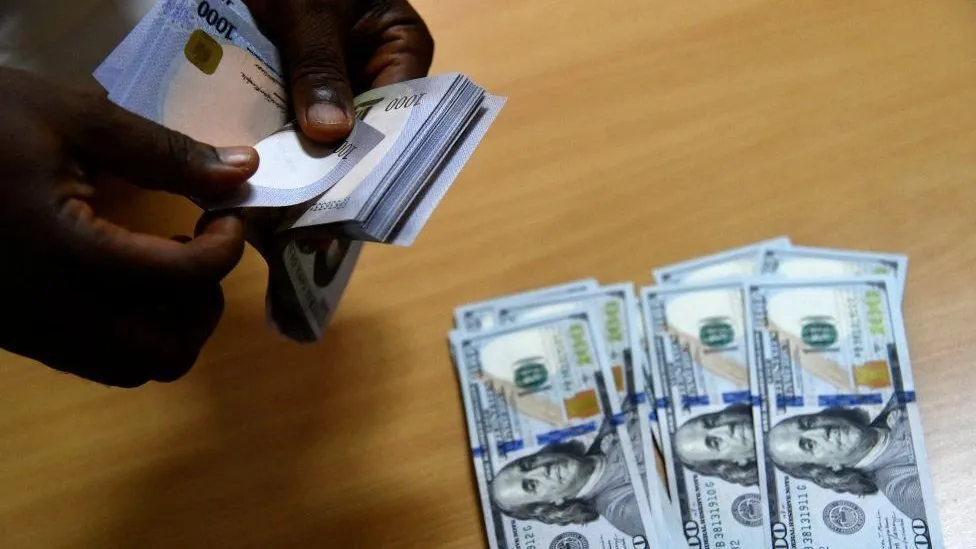
Cash held outside Nigeria’s banking system fell to ₦4.92 trillion in June 2026, marking its lowest level in seven months as more physical currency returned to commercial banks, according to the latest Money and Credit Statistics released by the Central Bank of Nigeria (CBN).
The latest figure represents a ₦485.80 billion, or 8.98%, decline from the ₦5.41 trillion recorded in December 2025. During the same period, total currency in circulation also declined, although at a slower pace, falling by ₦209.56 billion (3.66%) from ₦5.73 trillion to ₦5.52 trillion.
The faster decline in currency held outside banks suggests that a larger share of physical cash was deposited back into the banking system rather than permanently withdrawn from circulation.
CBN data showed that cash outside banks declined steadily from ₦5.41 trillion in December to ₦5.25 trillion in January and ₦5.19 trillion in February before easing further to ₦5.08 trillion in April. Although the figure rose temporarily to ₦5.19 trillion in May, it fell sharply by ₦270.97 billion, or 5.22% month-on-month, in June—the largest monthly decline within the available dataset.
Despite the improvement, cash usage remains dominant across the economy. About 89.11% of all currency in circulation remained outside banks in June, compared with 91.27% in May and 94.33% in December 2025. This means that nearly ₦89 out of every ₦100 in circulation was still held outside the formal banking system.
“The PSV 2028 builds on Nigeria’s progress in digital payments and seeks to accelerate the country’s transition towards a more inclusive and technology-driven financial ecosystem,” CBN Governor Olayemi Cardoso said while unveiling the Nigeria Payment System Vision (PSV) 2028.
What’s Being Said
The CBN believes the latest figures reflect gradual progress in formalising cash circulation as part of its digital payments strategy.
Under the Nigeria Payment System Vision (PSV) 2028, the apex bank plans to reduce currency held outside banks to below 40% of total currency in circulation. The initiative also targets the deployment of more than 10 million QR-code and tap-to-pay acceptance points across markets, transport hubs, rural communities and commercial centres to accelerate cashless transactions nationwide.
What’s Next
- The CBN is expected to continue implementing the Nigeria Payment System Vision (PSV) 2028, with further investments in digital payment infrastructure.
- Deployment of over 10 million QR-code and tap-to-pay acceptance points is expected to expand financial inclusion and reduce reliance on cash transactions.
- Investors and policymakers will monitor subsequent Money and Credit Statistics to determine whether the decline in currency outside banks becomes a sustained trend.
The Bottom Line: The latest CBN data suggests Nigeria is making gradual progress in drawing physical cash back into the formal banking system. However, with almost nine out of every 10 naira still held outside banks, the country’s transition to a predominantly digital payments ecosystem remains a long-term objective rather than an immediate reality.