







Key points
- Nigeria and the African Development Bank (AfDB) have called for stronger African control of mineral resources through value addition and regional cooperation.
- Solid Minerals Minister Dele Alake proposed a West African minerals-processing corridor stretching from Lagos to Dakar.
- African leaders are advocating the adoption of the Pan African Resource Reporting Code (PARC) to replace reliance on foreign reporting standards.
- Participants adopted the Abidjan Declaration, placing financing at the centre of efforts to transform Africa’s mining sector.
Main story
Nigeria and the African Development Bank (AfDB) have called for stronger African ownership and control of the continent’s mineral resources through value addition, regional integration, data sovereignty and strategic financing.
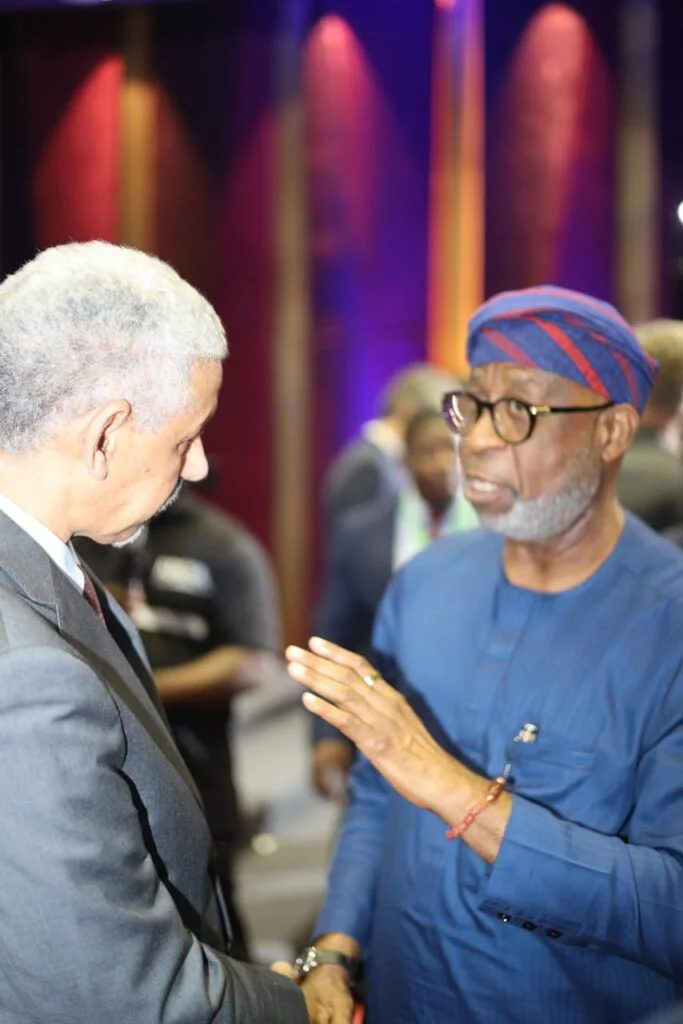
The call was made at the Ministerial Forum on Critical Minerals, Value Chain and Beneficiation held in Abidjan under the auspices of the AfDB.
Minister of Solid Minerals Development, Dele Alake, urged mineral-producing countries to deepen regional cooperation to unlock greater economic benefits from Africa’s vast mineral wealth.
Alake said African countries must move beyond the traditional model of exporting raw minerals and focus on processing, beneficiation and industrial development.
“While the mantra of value addition has ushered in an era of economic independence for mineral-producing nations, we need concrete actionable strategies to take charge of our natural assets,” he said.
As Chairman of the Africa Mineral Strategy Group (AMSG), Alake said more than 30 member countries were already working toward a common continental strategy centred on value addition.
He also called for Africa to take control of the data and technical systems used to assess and report its mineral resources, describing continued reliance on the Australia-based Joint Ore Reserves Committee (JORC) standard as outdated.
Instead, he advocated the adoption of the Pan African Resource Reporting Code (PARC), developed by the Africa Minerals Development Centre, as a reporting framework better suited to Africa’s geological and development realities.
Alake further proposed the establishment of a West African minerals-processing corridor running from Lagos to Dakar. According to him, the initiative would allow participating countries to share infrastructure, reduce costs, facilitate trade and spread development risks while strengthening regional value chains.
He noted that intra-African trade remains low at about 16 per cent, compared with roughly 60 per cent in Asia and 70 per cent in Europe.
AfDB President, Dr Sidi Ould Tah, said Africa’s abundant critical mineral resources had yet to translate into corresponding economic influence or growth.
He identified inadequate financing and limited foreign direct investment as major barriers preventing the continent from fully benefiting from its mineral endowment.
The issues
Africa holds a significant share of the world’s critical minerals needed for batteries, electric vehicles and renewable energy technologies. However, most countries continue to export raw materials while higher-value processing and manufacturing activities take place elsewhere. The challenge is how to retain more value within Africa through processing, refining and manufacturing while attracting the capital required to build those industries.
What’s being said
“We need concrete actionable strategies to take charge of our natural assets.” — Dele Alake, Minister of Solid Minerals Development.
What’s next
Participants adopted the Abidjan Declaration, which places financing at the heart of Africa’s mineral-industrialisation agenda. Under the declaration, the AfDB pledged financial instruments, technical support and capital mobilisation efforts to help develop mineral-processing projects, infrastructure and regional value chains across the continent.
Bottom line
African leaders are increasingly shifting the conversation from mineral extraction to mineral industrialisation, with Nigeria and the AfDB pushing for a future where more of the continent’s mineral wealth is processed, financed and controlled within Africa.





 have called for stronger African ownership and control of the continent’s ...)